
Imagine waking up to find the world’s tallest mountain ranges—once crowned with thick, dazzling white glaciers—now streaked with mud and bare rock. This isn’t a distant nightmare. It’s happening right now in the Himalayas, the mighty “Third Pole” of our planet. As the ice melts at an unsettling pace, more than 1.6 billion people are being swept into a crisis that could reshape entire countries, cultures, and ways of life. The Himalayas, long revered as the source of life-giving rivers and ancient mysteries, are sending us an urgent SOS. The fate of nearly a quarter of humanity is tied to these vanishing peaks, and the story unfolding is as breathtaking as it is terrifying.
The Majestic Himalayas: More Than Just Mountains
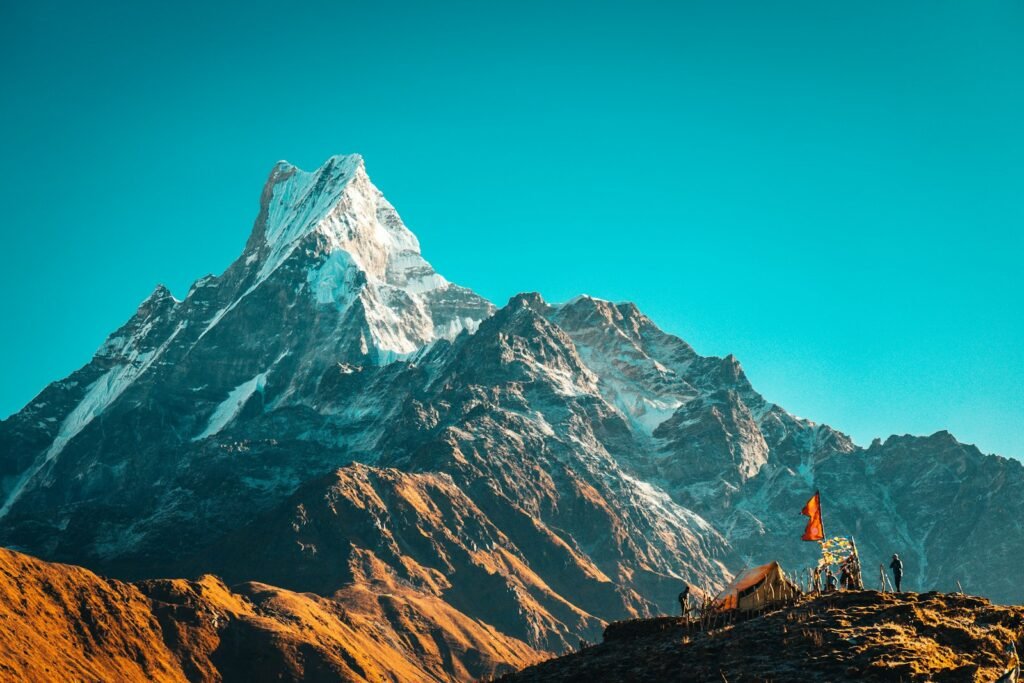
The Himalayas are not just a collection of towering peaks like Everest and K2. They’re a living, breathing ecosystem that stretches across eight countries, from Afghanistan in the west to Myanmar in the east. These mountains cradle vast glaciers that store more freshwater than anywhere else outside the polar regions. For countless communities, the Himalayas aren’t just a backdrop—they’re the beating heart of daily life, providing water, food, and spiritual meaning. When you stand beneath these peaks, you can feel their power. But behind their grandeur lies a fragile system, now under siege from climate change.
Glaciers in Retreat: The Fastest Melting on Earth
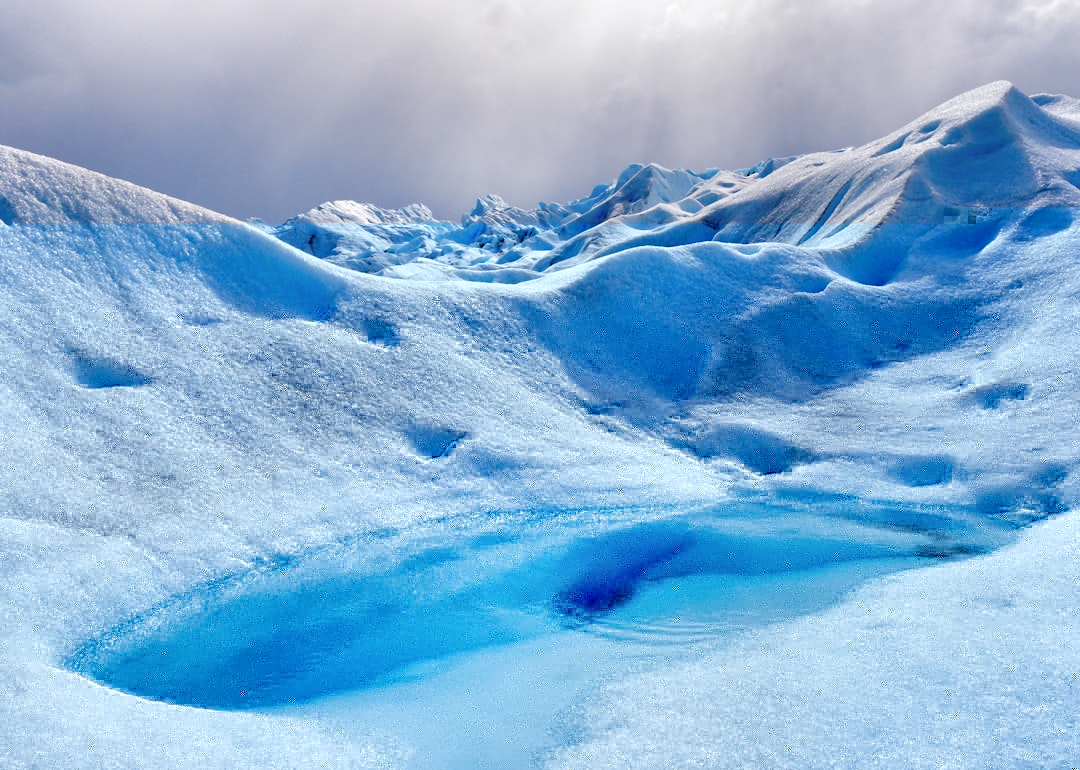
Recent scientific studies reveal a shocking truth: Himalayan glaciers are melting faster than ever before. In the last few decades, the rate of ice loss has doubled compared to the 20th century. Some glaciers are shrinking by tens of meters every year. This rapid retreat isn’t just numbers on a chart—it changes entire landscapes. Rivers swell out of season, lakes form where ice once stood, and ancient trails vanish. If you’ve ever seen time-lapse footage of a glacier vanishing, it’s like watching the slow erasure of history itself.
The Lifeblood of Asia: Rivers Born in Ice
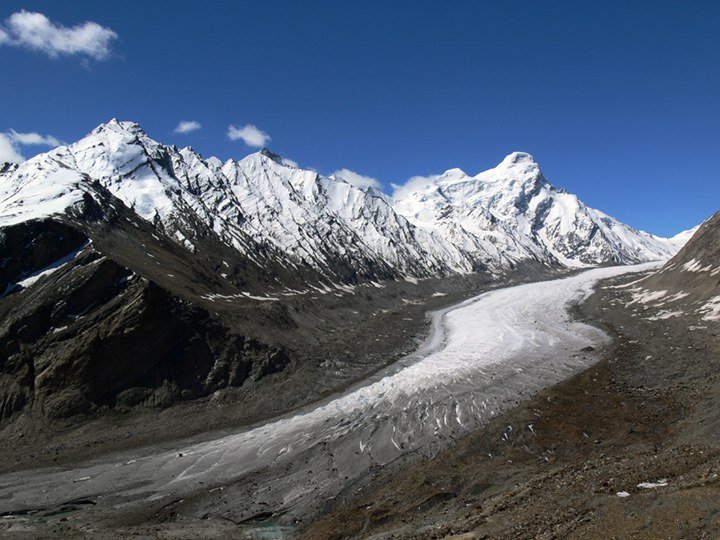
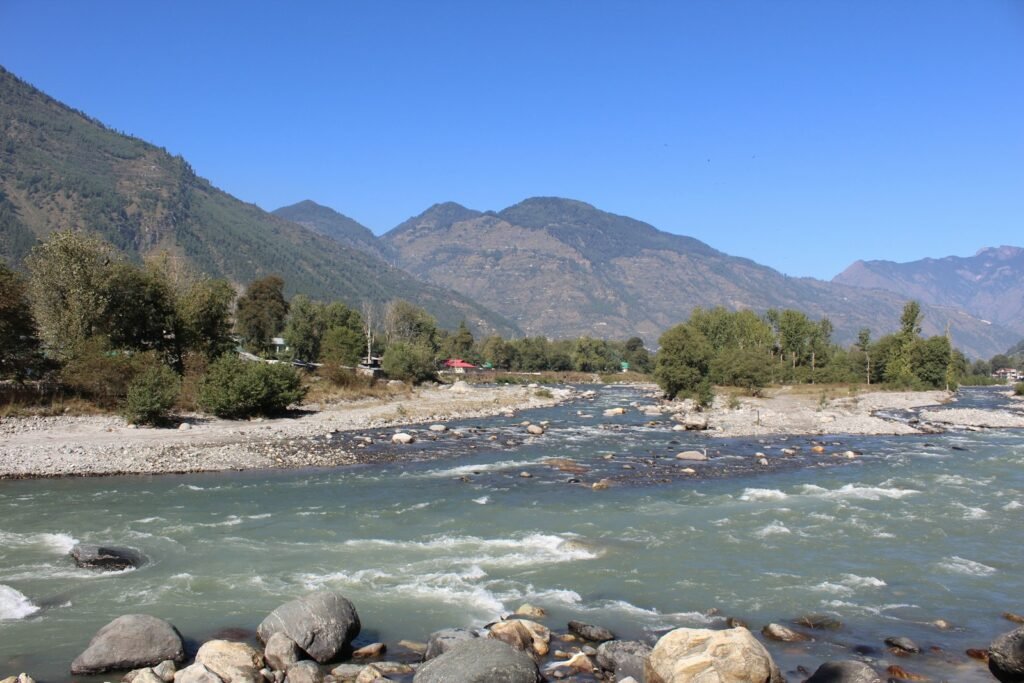
The Himalayas are often called the “Water Towers of Asia.” Glaciers here feed ten of the world’s greatest rivers—names like the Ganges, Brahmaputra, Yangtze, and Indus. These rivers are the lifelines for 1.6 billion people, providing drinking water, irrigation, and hydropower. Without the steady melt from these glaciers, the rivers would run dry during the dry season. Imagine entire cities—Delhi, Dhaka, Lahore—facing water shortages or crop failures. The Himalayan ice crisis isn’t just a high-altitude problem; it’s a looming disaster for vast swathes of Asia.
Unpredictable Weather: Floods, Droughts, and Chaos
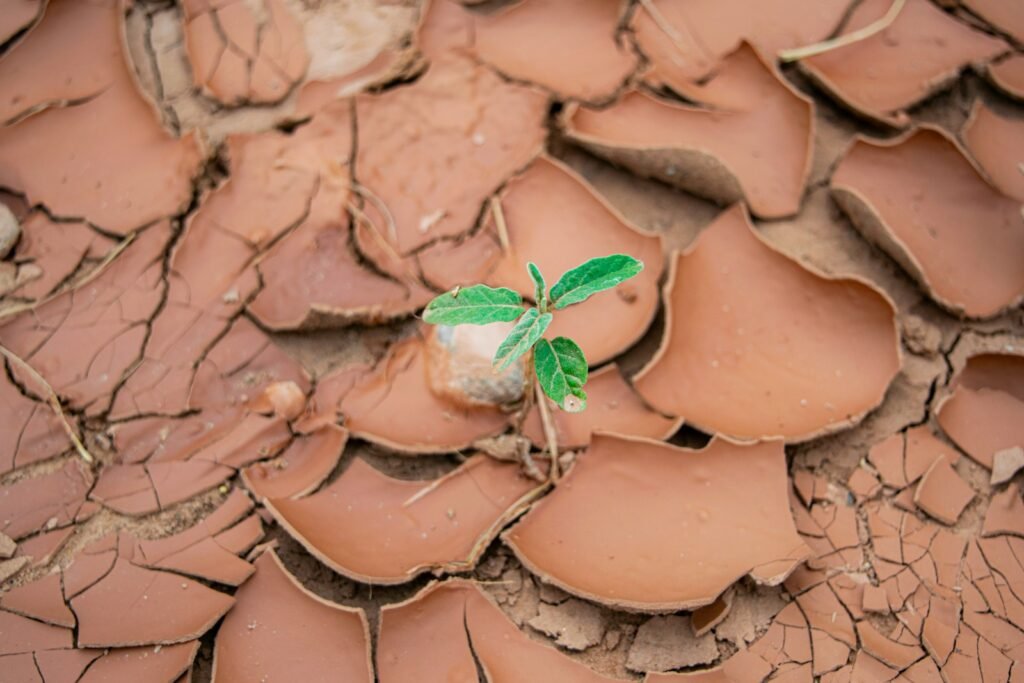
As glaciers shrink, their once-predictable melt cycles become erratic. Some years, rivers overflow, flooding villages and destroying crops. Other times, water trickles in too slowly, leading to droughts. In 2023, flash floods in India and Nepal killed hundreds and displaced thousands. Scientists warn these extreme events are becoming the new normal. The delicate balance of water flow is unraveling, leaving millions at the mercy of nature’s mood swings.
Glacial Lake Outburst Floods: Nature’s Time Bombs
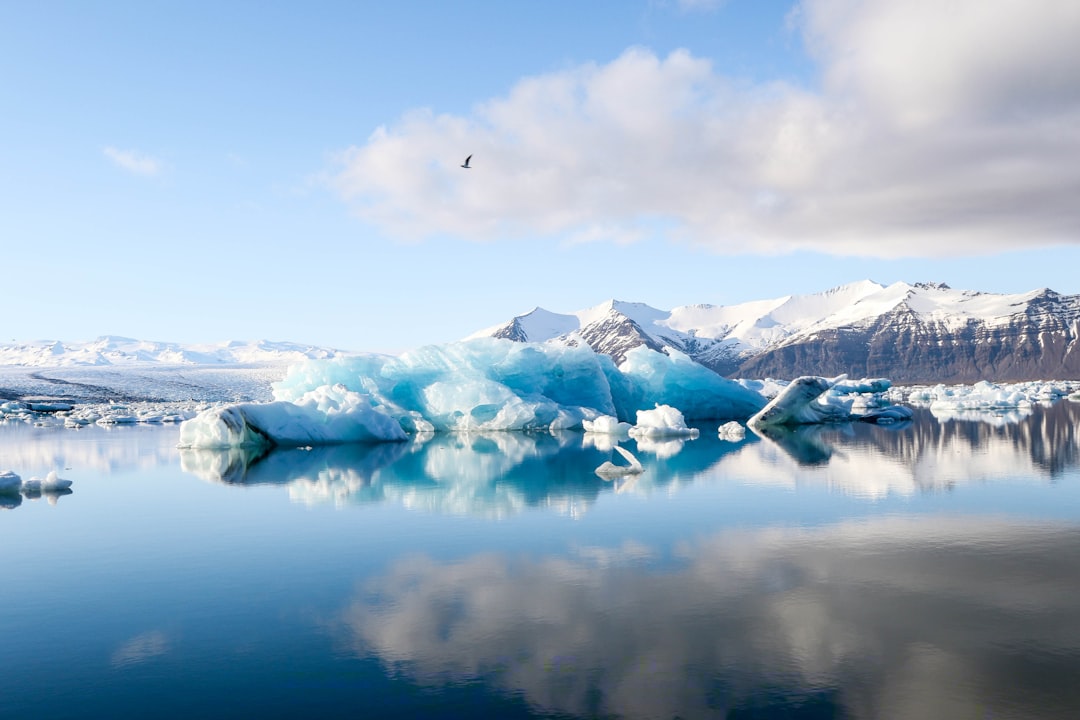
As glaciers melt, they leave behind unstable lakes dammed by loose rock and ice. These “glacial lakes” can burst suddenly, sending walls of water crashing down valleys. In June 2024, a glacial lake outburst in Bhutan swept away bridges and homes in minutes. These disasters are nearly impossible to predict, turning peaceful mountain villages into disaster zones with little warning. For people living downstream, every summer brings a new wave of fear.
Drinking Water Crisis: Thirst in the Shadow of Giants
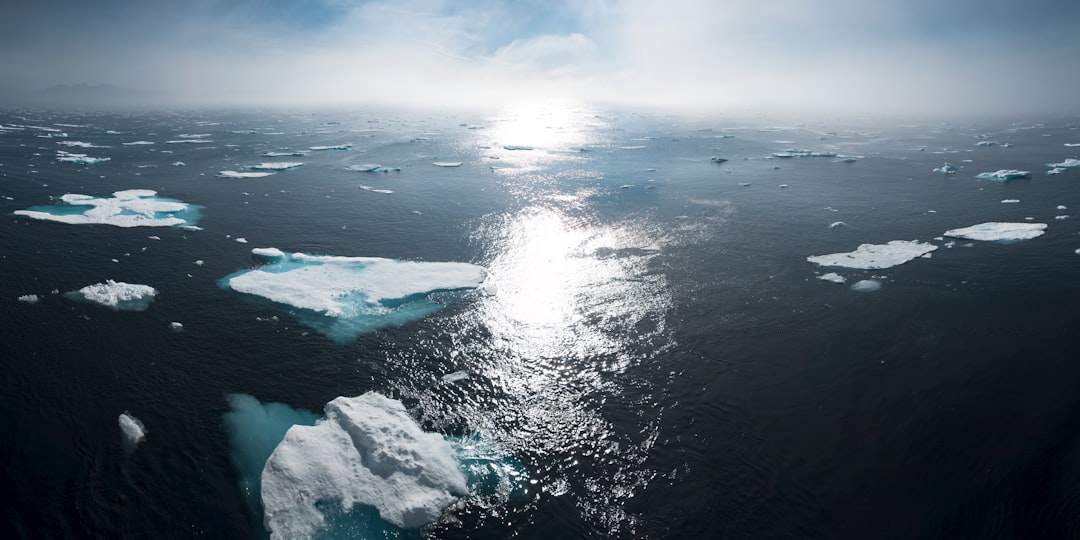
It’s a cruel irony: some of the world’s wettest places are running out of water. Cities like Kathmandu and Lhasa depend on Himalayan melt for their taps and wells. As glaciers vanish, groundwater reserves shrink and springs dry up. People walk farther each year to fetch water, and conflicts over access are on the rise. It’s not just about thirst—it’s about dignity, health, and survival in the shadow of the world’s tallest mountains.
Agriculture at Risk: Fields on the Brink
Farmers across South Asia rely on glacier-fed rivers to irrigate their crops. Rice paddies, wheat fields, and tea plantations all depend on this meltwater. As the flow becomes irregular, harvests suffer. In northern India and Pakistan, unpredictable water supply has already led to food shortages and rising prices. The world’s breadbaskets are wobbling, and small farmers are often the first to feel the sting.
Energy Insecurity: Hydropower in Peril
Hydropower dams along Himalayan rivers generate electricity for millions of homes. But as river flows fluctuate, so does power generation. Blackouts are becoming more frequent in Nepal and northeastern India. Projects once heralded as solutions to energy poverty now face expensive repairs or outright failure. The reliability of an entire region’s energy grid is now tied to the fate of melting ice miles above.
Biodiversity on the Edge: Wildlife’s Struggle to Adapt
The Himalayas are home to iconic animals like snow leopards, red pandas, and Himalayan blue sheep. These creatures are uniquely adapted to icy slopes and alpine meadows. But as their habitats shrink or shift, many species are pushed toward extinction. Plants and insects, too, are on the move, seeking cooler, wetter refuges. The web of life in the Himalayas is unraveling thread by thread, and once a species disappears from these heights, it’s gone for good.
Cultural Heritage Under Threat: Disappearing Traditions
For centuries, Himalayan communities have woven their lives around the rhythms of the ice and seasons. Festivals, songs, and rituals celebrate the sacred peaks and rivers. As the landscape changes, so do these traditions. Some ancient festivals are being abandoned, and spiritual sites are becoming inaccessible. When glaciers vanish, it’s not just ice lost—it’s stories, wisdom, and ways of life.
Migration and Climate Refugees: The Human Exodus
As water and livelihoods dry up, families are forced to move. In Nepal and Bhutan, entire villages have relocated to escape floods or droughts. Across the plains of India and Bangladesh, millions are already on the move, searching for work and safety. The Himalayan ice crisis could trigger one of the world’s largest waves of climate migration, reshaping cities and fueling social tensions far beyond the mountains.
Urban Vulnerability: Cities on the Front Lines
Major cities—like Delhi, Lahore, and Dhaka—depend on Himalayan rivers for drinking water, sanitation, and cooling. As supplies dwindle, urban planners face tough questions: How to ration water? Where to find new sources? The risk of disease outbreaks rises as water becomes scarce and polluted. City life, once taken for granted, becomes a daily struggle against uncertainty.
Health Impacts: From Disease to Mental Strain
Melting glaciers don’t just threaten water supply—they open the door to new health crises. Floods contaminate drinking water, spreading diseases like cholera and typhoid. Dry spells force people to use unsafe water sources. The psychological toll is real too: anxiety, depression, and hopelessness rise as communities watch their homeland transform. Health workers are facing challenges they never trained for, battling both old and new threats.
Scientific Expeditions: Racing Against Time

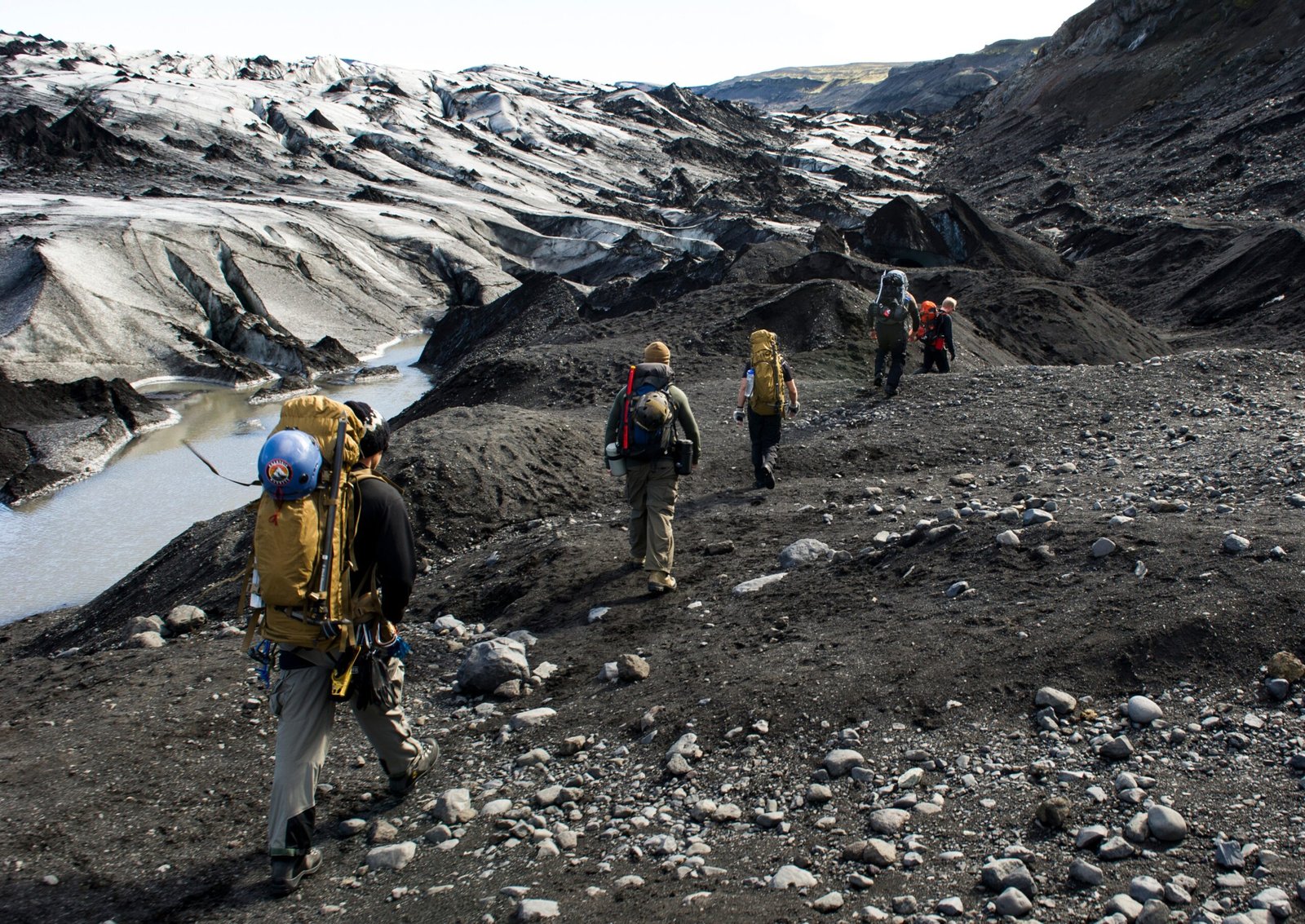
Scientists from around the world are scrambling to document what’s left of the Himalayan ice. Expeditions are drilling into glaciers, installing sensors, and mapping melt patterns. Each year, the race grows more desperate—what’s lost this season cannot be recovered. These teams carry with them a sense of urgency, knowing that the data they collect could help millions survive the changes ahead.
Local Solutions: Communities Adapt and Innovate
Despite the odds, Himalayan communities are not giving up. Farmers are experimenting with drought-resistant crops and building new irrigation systems. Villages are creating early warning networks for floods and landslides. Women’s cooperatives are leading water conservation projects and teaching others how to adapt. These stories of resilience offer hope, proving that local wisdom and innovation have a key role to play.
Regional Tensions: Water Wars on the Horizon?
With so many countries sharing Himalayan rivers, the shrinking glaciers could spark conflict. India, China, Pakistan, and Bangladesh all depend on these waters, and disagreements over dams and water rights are growing. Some experts warn of “water wars” if cooperation fails. The crisis is pushing governments to the negotiating table, but old rivalries make solutions hard to reach.
International Aid and Global Responsibility
The Himalayan ice crisis is not just a local problem—it’s a global one. International organizations are stepping in, funding research, disaster relief, and climate adaptation projects. But aid is often slow or insufficient as the scale of the challenge grows. There’s a growing call for richer countries—whose emissions drive much of the warming—to do more. The world’s response will shape the fate of billions.
Innovative Technology: Tools for Survival
New technologies are giving Himalayan communities a fighting chance. Satellite imagery helps track glacier loss in real time. Mobile apps warn villagers of floods and weather changes. Engineers are developing artificial glaciers—called “ice stupas”—to store winter water for summer use. Each invention is a spark of hope in a landscape where every drop counts.
Voices from the Mountains: Personal Stories

Behind every statistic is a human story. In Ladakh, elders recall childhoods spent skating on frozen rivers that rarely freeze now. In Nepal, children walk hours for a bucket of water their parents once took for granted. These voices bring the crisis to life, reminding us that the Himalayan ice isn’t just a distant problem—it’s a daily reality for millions.
What the Future Holds: A Call to Action
The Himalayan ice crisis is one of the defining challenges of our age. The choices we make today—how we cut emissions, share water, and support vulnerable communities—will echo for generations. The mountains are speaking, their melting peaks a warning we can no longer ignore. Will we listen, or will we let the world’s greatest water towers vanish into history?