
There is a quiet, high-stakes race unfolding above our heads, and it has nothing to do with flags or footprints. It is about a ghost-like fuel, scattered in moon dust, that some scientists believe could power clean fusion reactors on Earth and reshape the global energy map. That fuel is helium-3, and if even a fraction of the hype around it becomes reality, the countries that control it could hold something close to the energy equivalent of a winning lottery ticket.
Yet this story is not just about science fiction-style reactors or shiny spacecraft. It is about geopolitics, law, climate change, and the very basic question of who gets to own and profit from the resources of the Moon. As the United States, China, India, Russia, Europe, and a growing club of private companies rush to stake their claims, helium-3 has become a symbol of both hope and potential conflict in space. The stakes are enormous, and the timeline is far shorter than most people realize.
What Makes Helium-3 So Special? The Fusion Fuel With Almost No Radioactive Waste
The hype around helium-3 starts with one bold idea: fusion energy without the worst of the radioactive mess. Helium-3 is an isotope of helium that, in theory, can be used in a type of nuclear fusion that produces far fewer neutrons and significantly less long-lived radioactive waste than the fusion reactions most current experiments rely on. If you imagine our existing nuclear plants as smoky steam engines, helium-3 fusion is more like a sleek electric motor: quieter, cleaner, and potentially far more efficient.
In principle, helium-3 could be fused with deuterium (a form of hydrogen) to release huge amounts of energy with relatively little radiation, and in some advanced schemes, helium-3 could be fused with itself. The appeal is obvious: almost no greenhouse gases, less radioactive material to store for centuries, and a power density that makes solar and wind look modest by comparison. The catch is that Earth has almost no helium-3; most of what exists here is produced in tiny amounts by the decay of tritium in nuclear weapons and reactors. The Moon, however, has been quietly collecting helium-3 on its surface for billions of years.
Why The Moon Is A Helium-3 Goldmine (And Earth Is Basically Empty)
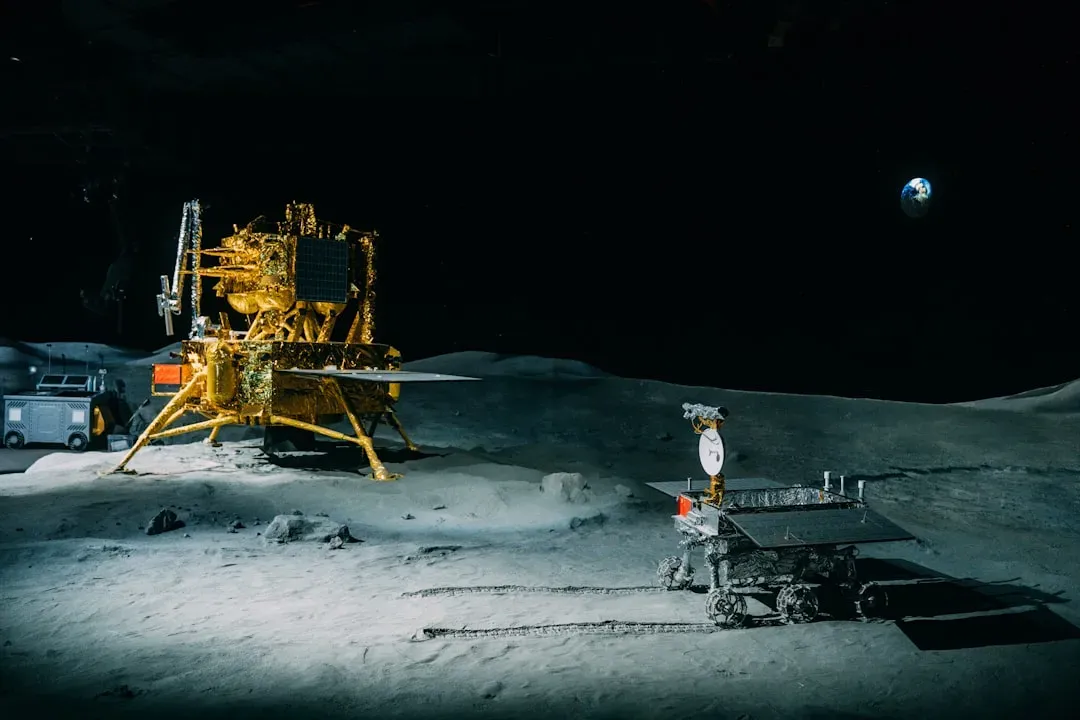
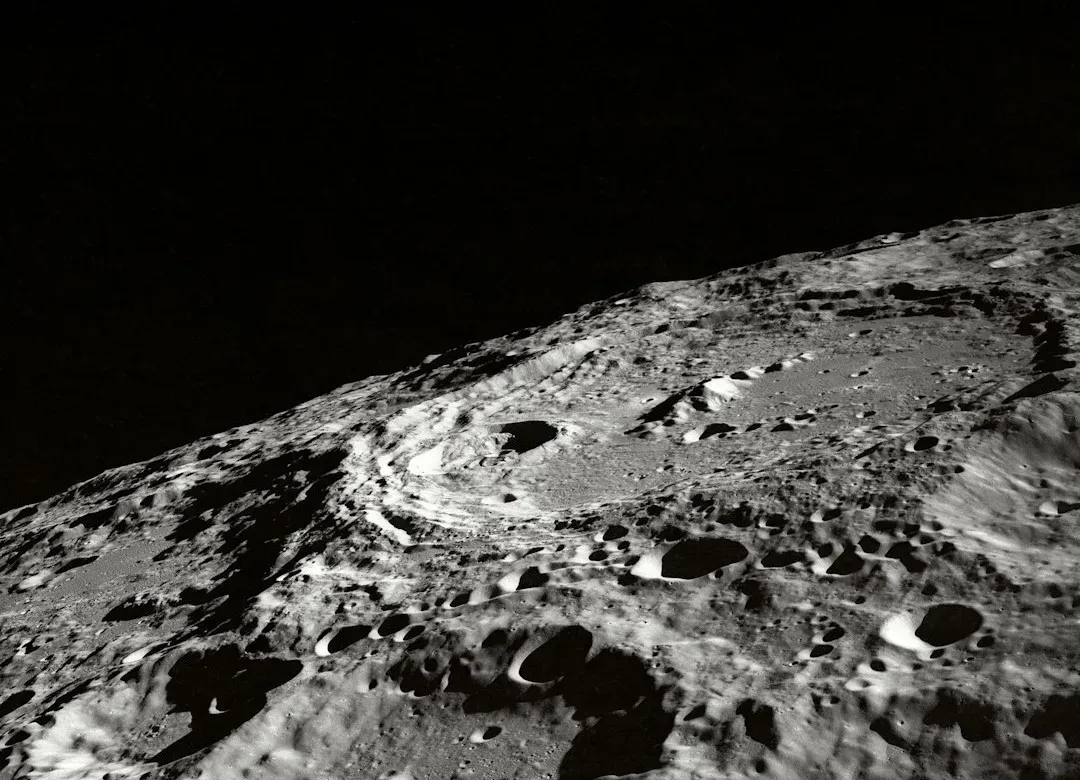
Earth is shielded by a thick atmosphere and a strong magnetic field that deflect most of the charged particles streaming from the Sun, including helium-3 carried by the solar wind. The Moon, with no atmosphere and almost no magnetic field, has been blasted directly by that solar wind for eons. As a result, a thin sprinkling of helium-3 atoms has become embedded in the upper layers of lunar soil, called regolith. It is not like stumbling across gold nuggets; it is more like finding a faint dusting of gold powder mixed throughout a huge beach.
Estimates vary, but many researchers suggest there could be on the order of millions of tons of helium-3 distributed across the lunar surface, especially in certain regions like the maria and possibly trapped in colder areas near the poles. Still, the concentration in the soil is extremely low, which means huge volumes of regolith would need to be mined and processed to extract usable amounts. On Earth, by contrast, helium-3 is so scarce that it is measured in kilograms per year, mostly used for scientific instruments and neutron detection. The Moon is not just richer in helium-3 than Earth; it is effectively our only realistic storehouse of the stuff.
The Fusion Catch: We Don’t Yet Have Reactors That Can Use Helium-3 Efficiently
There is a brutal reality check that often gets glossed over in breathless headlines: we do not yet have a working commercial fusion reactor that can efficiently burn helium-3. Most fusion research today, such as large international projects and national labs, focuses on deuterium-tritium fuel, which is easier to ignite but more radioactive. Helium-3 fusion generally requires much higher temperatures and more advanced reactor designs, many of which are still theoretical or exist only as computer models and lab-scale experiments.
This does not mean helium-3 is a fantasy, but it does mean the timeline is fuzzy and the technical risk is high. Investing heavily in extracting helium-3 from the Moon today is a bit like building a massive supply chain for a new type of battery before anyone has proven it can be manufactured safely and cheaply at scale. Some scientists argue we should master more conventional fusion first, then worry about helium-3 later. Others believe planning for helium-3 now will push the technology forward faster. Either way, mining the Moon for a fuel we do not yet know how to burn is a gamble with enormous potential upside and equally enormous uncertainty.
The New Lunar Gold Rush: Nations Quietly Position For Helium-3
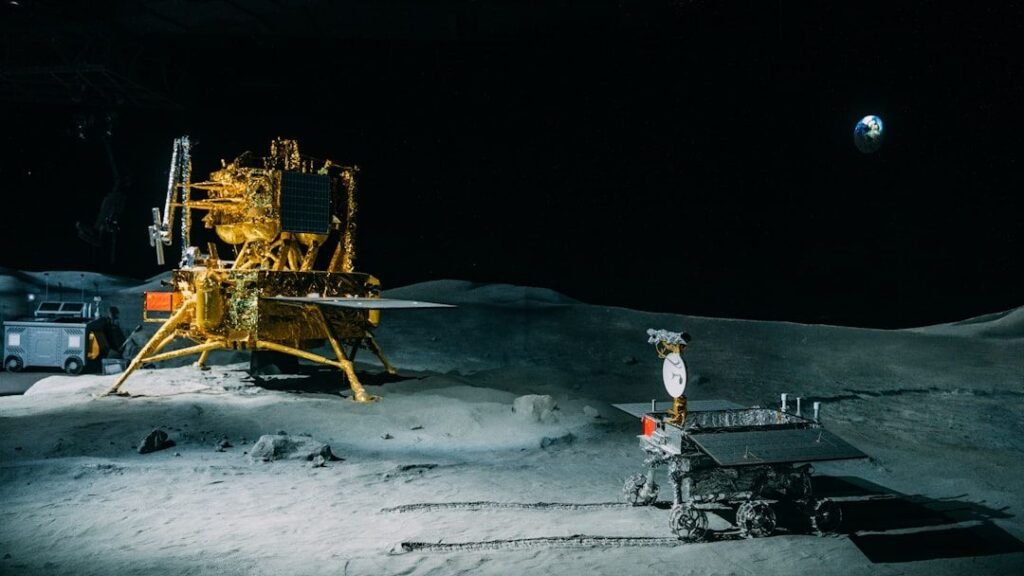
Over the past few years, the pattern has become impossible to ignore: more lunar missions, more talk about resources, and a clear focus on the Moon’s poles and surface composition. The United States, through NASA’s Artemis program and commercial partners, is pushing to establish a sustained presence near the lunar south pole, officially to support science and future Mars missions, but also very openly to explore and utilize resources like water ice and regolith. China has successfully landed several robotic missions on the Moon and has announced ambitious plans for a joint research station near the south pole with other partners, positioning itself as a long-term player in lunar resource extraction.
India’s successful Chandrayaan-3 mission in 2023, landing near the south polar region, was a powerful signal that more countries want a piece of the lunar pie, not just for prestige but for practical reasons. Russia and various European programs have also revived or reshaped their Lunar ambitions, while private companies in the United States, Japan, and elsewhere are designing landers and rovers that explicitly mention resource prospecting as a goal. No one is saying helium-3 is the only prize, but it is clearly part of the conversation. When you see multiple nations racing to the same body, with overlapping interests in energy, science, and security, you can feel the tension building even if no one is openly admitting it.
The Legal Gray Zone: Who Actually Owns Helium-3 On The Moon?
One of the strangest parts of the helium-3 story is that the legal framework for space resources is still half-finished and highly contested. The 1960s Outer Space Treaty, which most spacefaring nations have signed, says that no country can claim sovereignty over the Moon or other celestial bodies. In other words, no one can plant a flag and declare lunar territory as national soil. However, the treaty is far less clear about extracting and owning resources taken from those bodies. That ambiguity is exactly where the helium-3 debate lives.
In the last decade, some countries, including the United States, Luxembourg, the United Arab Emirates, and others, have passed domestic laws allowing their companies to own and sell resources mined from space. The Artemis Accords, a set of principles signed by a growing group of nations, lean toward supporting resource rights while insisting on transparency and peaceful use. Other nations, especially those outside these agreements, worry that this approach lets a handful of wealthy countries grab the best real estate and resources, helium-3 included, under a thin veil of legality. The result is a legal gray zone where big powers are moving quickly, hoping to shape the rules simply by being first.
From a personal perspective, this is where the story starts to feel less like a science article and more like a cautionary tale. There is a real risk of replaying the worst parts of Earth’s colonial and resource extraction history on a new stage, only this time in low gravity.
Mining Moon Dust: The Brutal Engineering Challenge Of Getting Helium-3 Home
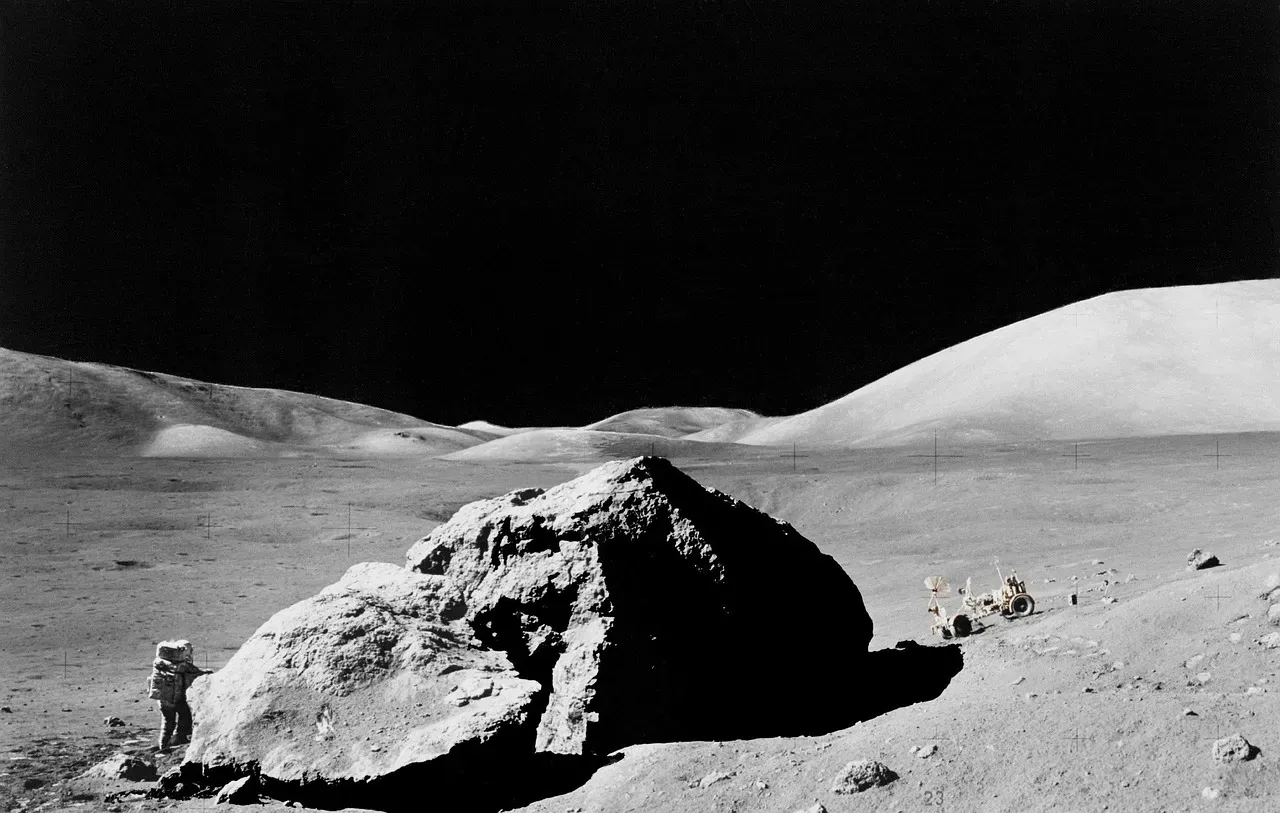
Even if the law and the politics were simple, the engineering challenge of mining helium-3 on the Moon is enormous. The helium-3 atoms are embedded at very low concentrations in the regolith, so you need to strip, heat, and process staggering amounts of soil to extract meaningful quantities. That means heavy machinery operating autonomously or semi-autonomously in a vacuum, under wild temperature swings, with abrasive dust that can clog joints, scratch surfaces, and ruin equipment. Lunar dust is more like tiny shards of glass than soft sand, and early Apollo missions already showed how nasty it can be.
To free helium-3 and other volatiles, the regolith would likely need to be heated to very high temperatures and then processed to separate different gases. That requires large amounts of energy, which means installing sizable power systems on the Moon, probably a mix of solar and, ironically, nuclear sources. Then there is the problem of transporting the extracted helium-3 back to Earth or using it directly in space-based reactors. Launching material off the Moon is easier than from Earth because of the lower gravity, but it is still not cheap or simple. The romantic idea of scooping up moon dust and casually shipping back fusion fuel glosses over the reality that this is closer to industrial-scale strip mining than to a gentle scientific expedition.
Could Helium-3 Really Reshape Global Power And Climate Policy?
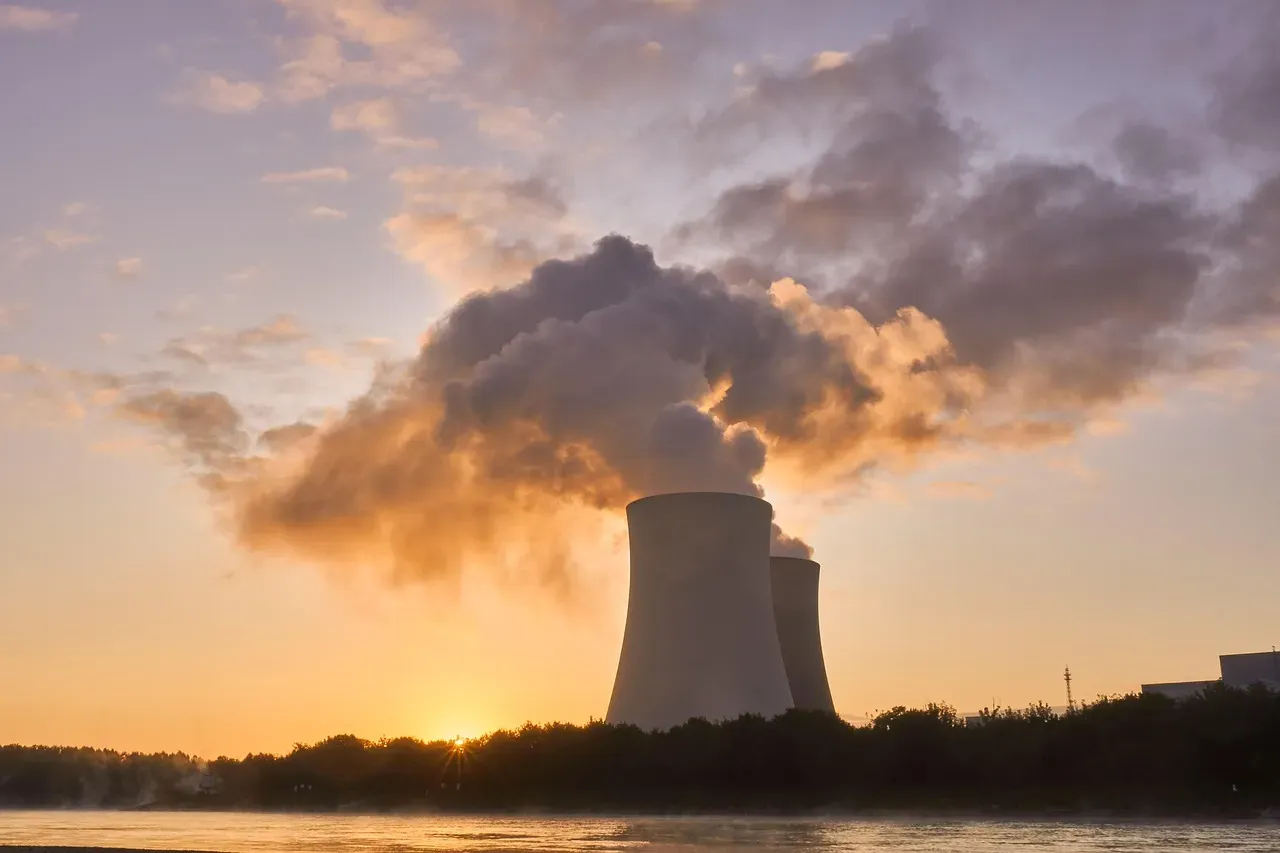
If we imagine a future where helium-3 fusion actually works and lunar mining becomes practical, the geopolitical stakes are staggering. A country or coalition that controls a reliable supply of helium-3 could, in principle, produce vast amounts of clean energy with minimal greenhouse emissions, radically cutting dependence on fossil fuels and possibly even on terrestrial uranium-based nuclear power. That kind of energy independence would shift the balance of power away from oil-rich regions and toward spacefaring nations with advanced lunar infrastructure.
For climate policy, abundant helium-3 fusion would be like suddenly discovering a clean-burning super fuel just when the world is struggling to cut emissions fast enough. But there is a dark edge: if only a small group of countries can access and exploit helium-3, then global inequalities could deepen instead of shrink. We could end up with energy-rich “lunar haves” and energy-poor “lunar have-nots,” repeating the pattern of resource-driven inequality that has played out on Earth for centuries. That prospect makes the current race to the Moon feel less like a friendly space adventure and more like the opening act of a very serious geopolitical drama.
A Risky Bet On A Distant Yet Tempting Energy Future
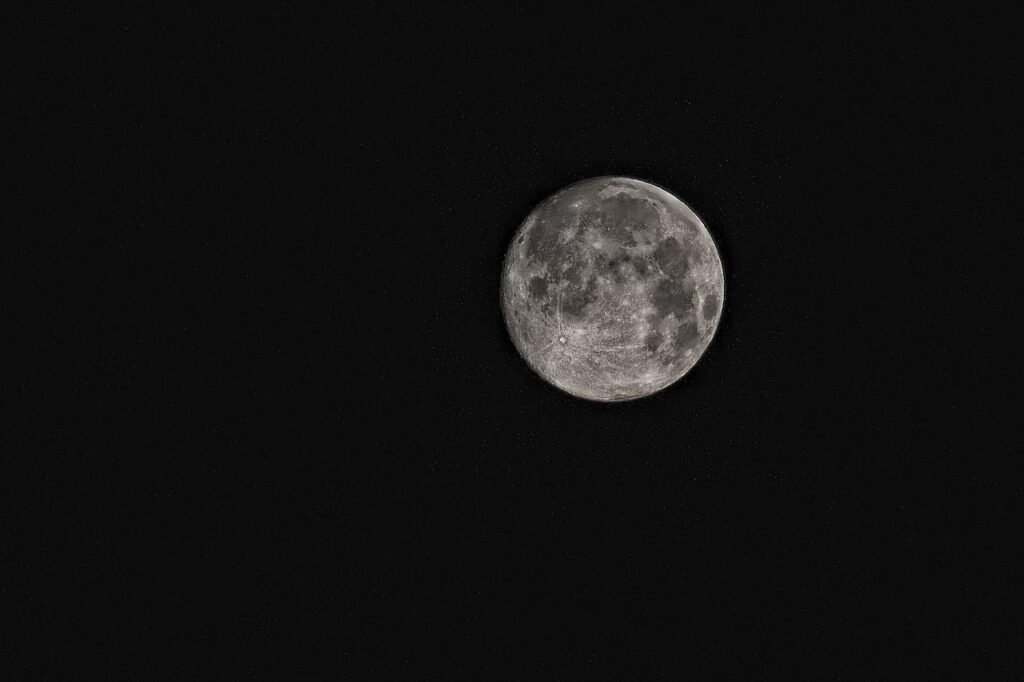
Helium-3 sits at the crossroads of bold imagination and harsh reality: a rare isotope that could, in theory, help unlock cleaner fusion energy, but that currently exists for us mostly as promise embedded in hostile lunar soil. Nations and companies are moving quickly to secure positions on the Moon, drawn by a mix of scientific curiosity, strategic anxiety, and the lure of future profit. The engineering challenges are steep, the legal rules are fuzzy, and the fusion technology itself is still unfinished, yet the race is already underway.
Whether helium-3 mining turns out to be a defining chapter of the twenty-first century or a footnote in the history of space exploration will depend on what happens in the next few decades: in laboratories, in launch facilities, in parliaments, and on the Moon’s dusty surface. It might become the fuel that finally lets humanity power civilization without burning the planet, or it might remain an expensive mirage that teaches us hard lessons about hype, risk, and ambition. How would you bet today, knowing what you know now?