
Imagine the quiet hush of a sun-drenched Hawaiian beach. The turquoise waves lap the sand, palm trees sway, and a rare, whiskered face emerges from the surf—an ancient creature fighting for survival in the only home it has ever known. The Hawaiian monk seal, with its soulful eyes and gentle nature, is not just any animal; it is one of Earth’s most endangered seals, teetering on the brink of extinction. Their story is both heart-wrenching and inspiring—a tale of resilience against overwhelming odds, and a call for us to care before it’s too late.
The Unique Identity of Hawaiian Monk Seals
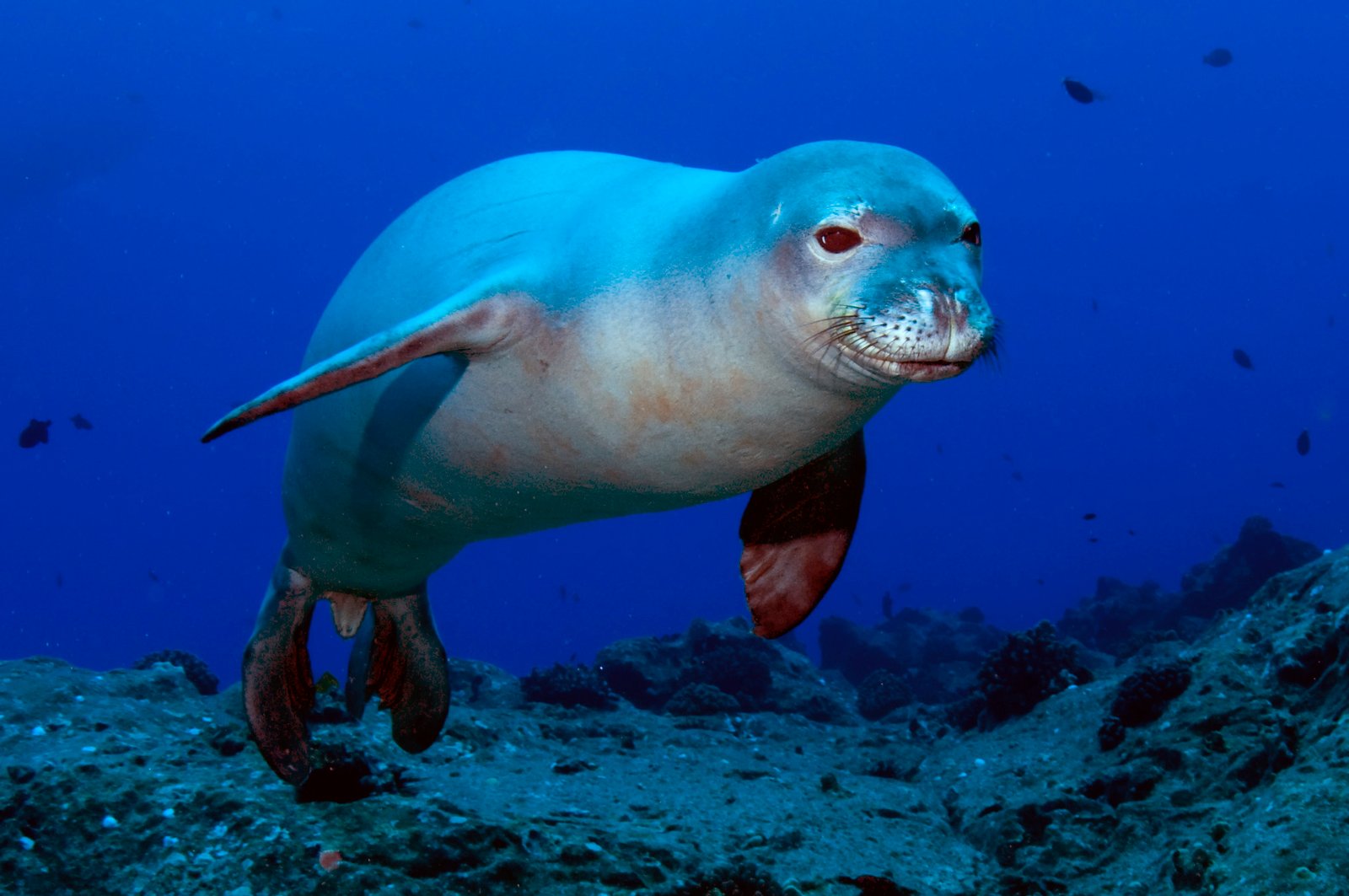
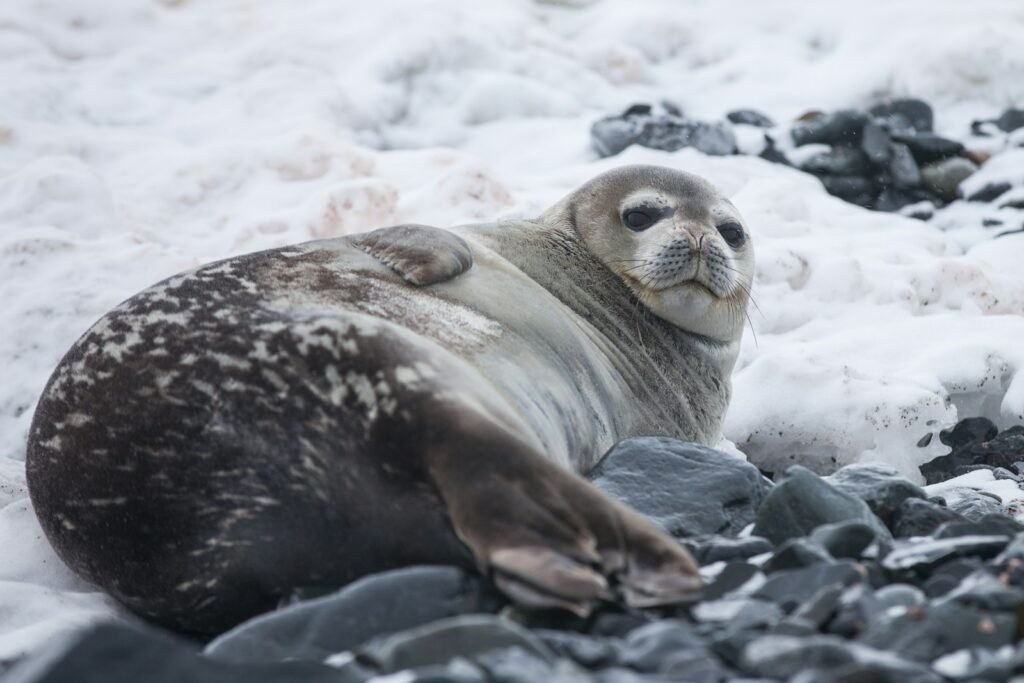
Hawaiian monk seals are unlike any other seals in the world. Evolving in isolation over millions of years, they are one of only two remaining monk seal species on the planet. Their scientific name, Neomonachus schauinslandi, hints at their ancient lineage. With sleek, silvery coats and expressive dark eyes, they are perfectly adapted to the warm waters of Hawaii, far from the icy habitats most people associate with seals. They are solitary by nature, often seen resting alone on remote beaches or swimming gracefully through coral reefs. This isolation, while it has kept them uniquely adapted to their environment, has also made them incredibly vulnerable.
A Vanishing Population
The numbers are alarming: fewer than 1,400 Hawaiian monk seals remain in the wild today. This makes them the most endangered seal species in the world. Over the past century, their population has plummeted due to a combination of threats, both natural and man-made. Each year, scientists and conservationists anxiously monitor their numbers, hoping to see even the slightest sign of recovery. For every pup born, there is the harsh reality that many will not survive their first year. The struggle to maintain even this small population is a daily battle.
A Legacy Millions of Years Old

These seals are living fossils, descendants of a lineage that dates back millions of years. Unlike other seals, which migrated to polar regions, monk seals settled in the warm, remote waters of the Hawaiian archipelago. Their ancestors once roamed a vast area, but today, their entire world is confined to Hawaii’s shores. The Hawaiian monk seal is a living reminder of a more ancient world, a species that has witnessed the slow march of time and the dramatic changes of our planet. Losing them would mean erasing a chapter of evolutionary history that cannot be rewritten.
Life in the Hawaiian Islands

Hawaiian monk seals are intimately tied to the islands’ unique environment. From the lush main islands to the remote Northwestern Hawaiian Islands, they depend on pristine beaches, healthy coral reefs, and abundant fish populations. Pups are born on sandy beaches and nursed by their mothers for about six weeks before venturing into the sea. The reefs provide shelter and a buffet of fish, octopus, and crustaceans. Every aspect of their life—feeding, breeding, and resting—depends on the fragile balance of Hawaii’s ecosystems. Their survival is a barometer of the health of these remarkable islands.
Natural and Human Threats
Predators like sharks and the occasional aggressive male seal pose natural dangers, but it is humans who have introduced the greatest threats. Entanglement in discarded fishing gear, habitat loss due to rising sea levels, disease outbreaks, and intentional harm have all contributed to their decline. Climate change brings new challenges, like warming waters and shifting food sources, making survival even tougher. In some heartbreaking cases, seals have been deliberately harassed or killed by people who see them as a nuisance. Each threat chips away at a population already stretched to its limits.
The Role of Disease

Disease is a silent killer for Hawaiian monk seals. One of the most devastating is toxoplasmosis, caused by a parasite found in cat feces that washes into the ocean. This disease can be fatal, especially for pregnant females and pups. Another threat is morbillivirus, a relative of the measles virus in humans, which could sweep through the population if introduced. Disease outbreaks can decimate local colonies, making every healthy seal precious. Scientists work tirelessly to monitor and treat affected animals, but the risk remains ever-present.
Struggles for Food and Space

Competition for food is fierce in the waters around Hawaii. Overfishing by humans has reduced the availability of the monk seal’s favorite meals—fish and invertebrates. Juvenile seals are especially vulnerable; many starve before reaching adulthood. In some areas, the beaches they depend on for resting and pupping are shrinking due to erosion and rising sea levels. The loss of habitat forces seals into closer contact with people and dogs, increasing the risk of injury and disease. Every seal that survives is a testament to the resilience of this species.
Motherhood and Survival
Mother monk seals face enormous challenges. After a pup is born, the mother fasts for weeks, using up her own body fat to nurse her baby. This devotion means that even a small disturbance can have tragic consequences. If a mother is frightened away, the pup may not survive. The first year of life is perilous—pups must learn to swim, hunt, and avoid predators while also dealing with the constant threat of human disturbance. It is a miracle that any make it to adulthood at all.
Conservation Efforts and Hope

Despite daunting odds, dedicated conservationists have not given up hope. Teams of scientists, volunteers, and local communities work around the clock to protect monk seals. Rescue operations save entangled seals, rehabilitate injured pups, and monitor pregnant females. Innovative programs relocate vulnerable pups to safer beaches and vaccinate seals against deadly diseases. Public education campaigns teach Hawaiians and visitors how to coexist peacefully with these unique animals. Every victory, no matter how small, is a step toward recovery.
The Importance of Cultural Connection

For many Native Hawaiians, the monk seal or “ʻIlio-holo-i-ka-uaua” is a cherished part of their heritage. Traditional legends speak of the seals as guardians and symbols of the ocean’s health. This deep cultural connection fuels efforts to protect them, blending ancient wisdom with modern science. By honoring both the animal and the traditions surrounding it, conservation becomes more than just a scientific mission—it becomes a shared responsibility rooted in respect and love for the islands.
How You Can Make a Difference

Every person can play a role in saving the Hawaiian monk seal. Simple actions like picking up beach litter, keeping pets on leashes, and respecting seal resting areas can have a significant impact. Supporting conservation organizations or volunteering for local projects can amplify these efforts. Even spreading awareness—telling the story of the monk seal to friends and family—helps build a network of protectors. In the end, the fate of these remarkable creatures rests in all our hands.
The Hawaiian monk seal’s journey is a story of survival, struggle, and hope. Their continued existence is a powerful reminder of the delicate balance of nature and the responsibility we all share to protect it. Will we choose to be the generation that saves them, or the one that lets them slip away forever?