Imagine a world where cities thrived under the watchful eyes of ancient gods, bustling with life and activity, only to be swallowed whole by the sea. Such is the enigmatic allure of Greece’s sunken cities, lying quietly beneath the turquoise waters of the Aegean Sea. These underwater ruins, once vibrant epicenters of civilization, now hold secrets of a bygone era, waiting to be explored. From myth-laden tales to archaeological wonders, the submerged relics of Greece invite us on a journey through time, unveiling stories of rise, fall, and rebirth.
The Enchanting Allure of Pavlopetri
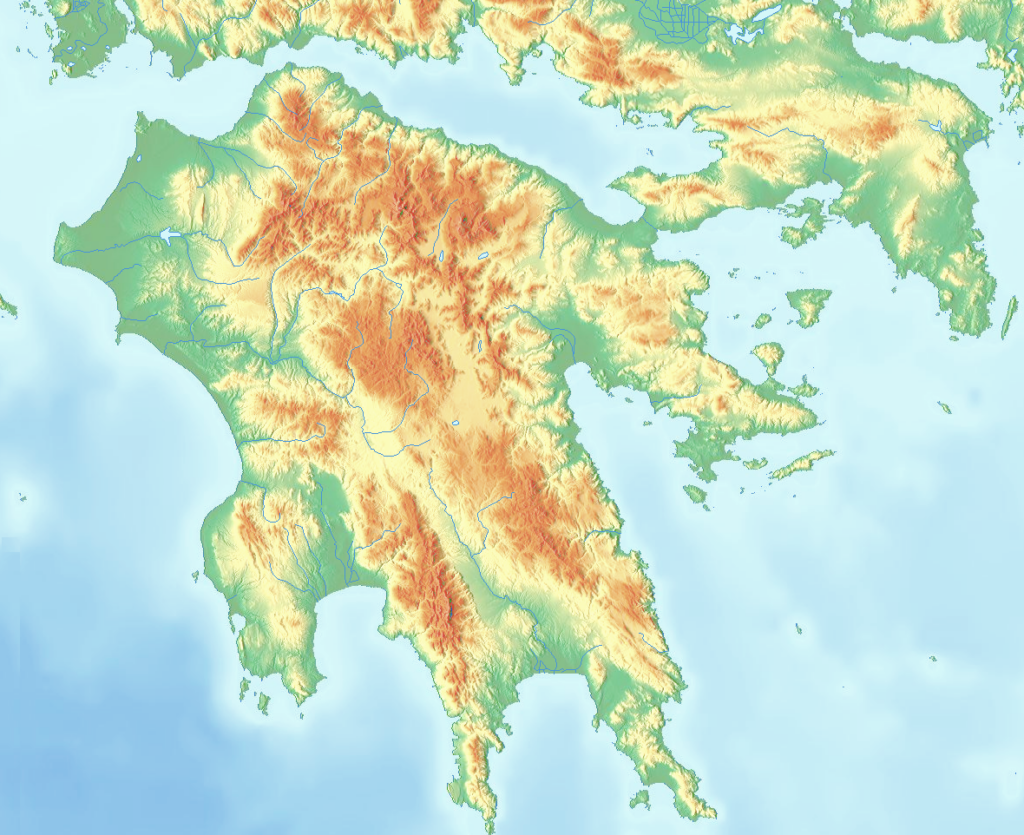
Pavlopetri, often hailed as the world’s oldest submerged city, lies off the coast of southern Laconia in Greece. This captivating underwater site dates back to around 5,000 years ago, offering an unparalleled glimpse into the Bronze Age. Unlike Atlantis, whose existence remains speculative, Pavlopetri is a tangible testament to ancient urban planning. The city boasts well-preserved streets, courtyards, and buildings, revealing a sophisticated layout that mirrors modern cities. Such discoveries challenge our perceptions of prehistoric societies, showcasing their architectural prowess and advanced societal structures.
Olous: The Sunken Jewel of Crete
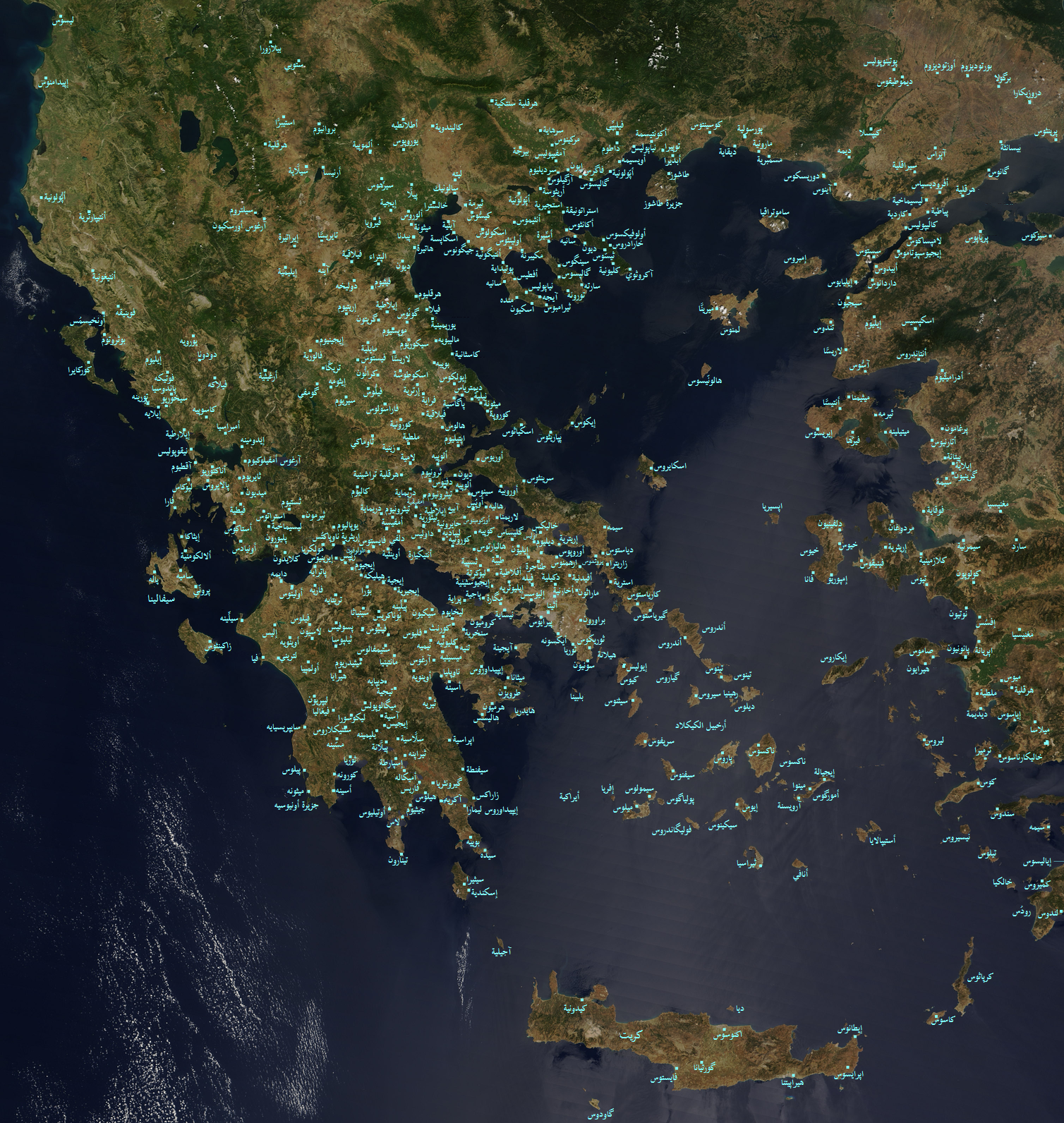
Crete, known for its rich Minoan heritage, also harbors the submerged city of Olous. Once a thriving maritime hub, Olous was a bustling city-state pivotal to trade and cultural exchange across the Aegean. Today, the ruins rest beneath the shimmering waters near Elounda, inviting divers and history enthusiasts alike. The remnants of Olous, including walls, buildings, and ancient artifacts, tell tales of a city that once flourished with life. Its strategic location highlights the significance of Crete as a cultural bridge between Europe, Asia, and Africa.
The Mythical City of Helike
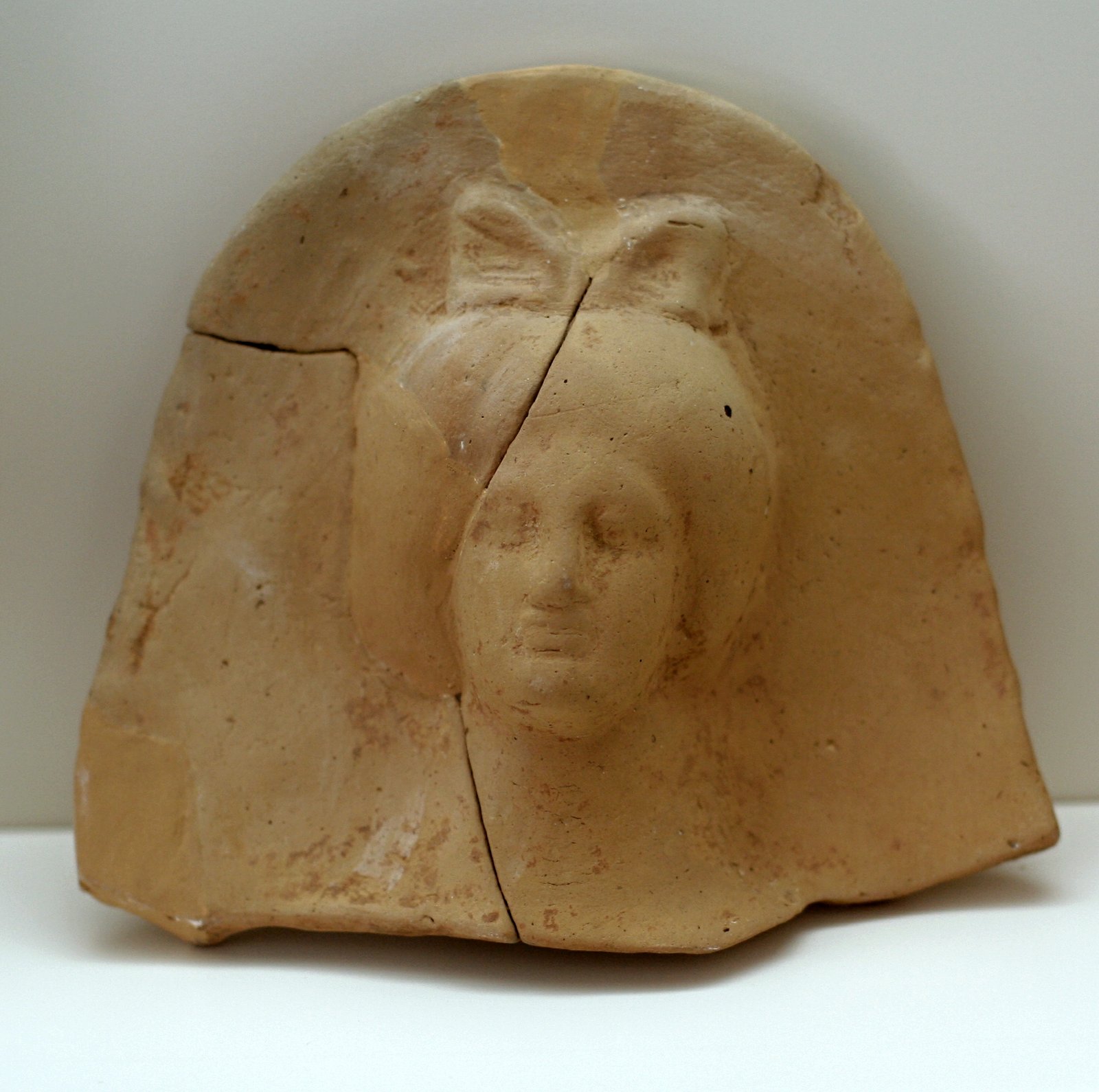
Helike, often linked to the legendary lost city of Atlantis, was a prosperous city in ancient Greece. It met its watery fate in 373 BC due to a catastrophic earthquake followed by a tsunami, submerging it beneath the Gulf of Corinth. Rediscovered in the late 20th century, Helike’s ruins have captivated archaeologists and historians worldwide. The city once minted its own coins and was a major cultural center, making its sudden disappearance a historical enigma. Exploring Helike offers insights into the devastating impacts of natural disasters on ancient civilizations.
Exploring the Ruins of Kekova
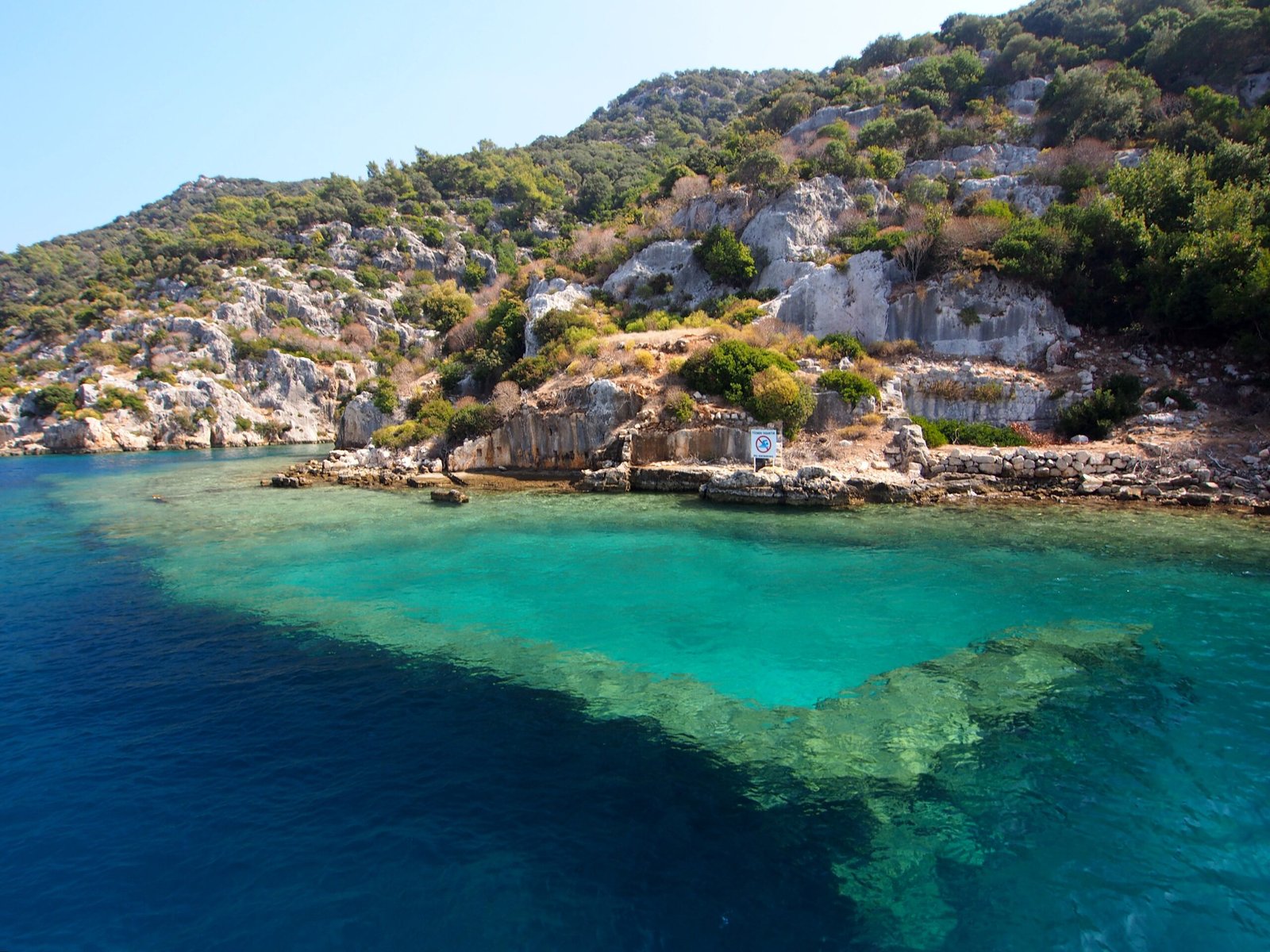
Kekova, located off the coast of Turkey, was once part of the ancient Lycian civilization. This sunken city is renowned for its submerged ruins that peek above the water’s surface, creating a mesmerizing sight for visitors. The Kekova region was home to ancient shipyards, residential areas, and religious sites, now lying beneath the waves. The crystal-clear waters provide a window into the past, revealing intricately carved stone structures and artifacts. As you glide over the submerged city, it’s easy to imagine the bustling life that once thrived here.
The Architectural Wonders of Delos
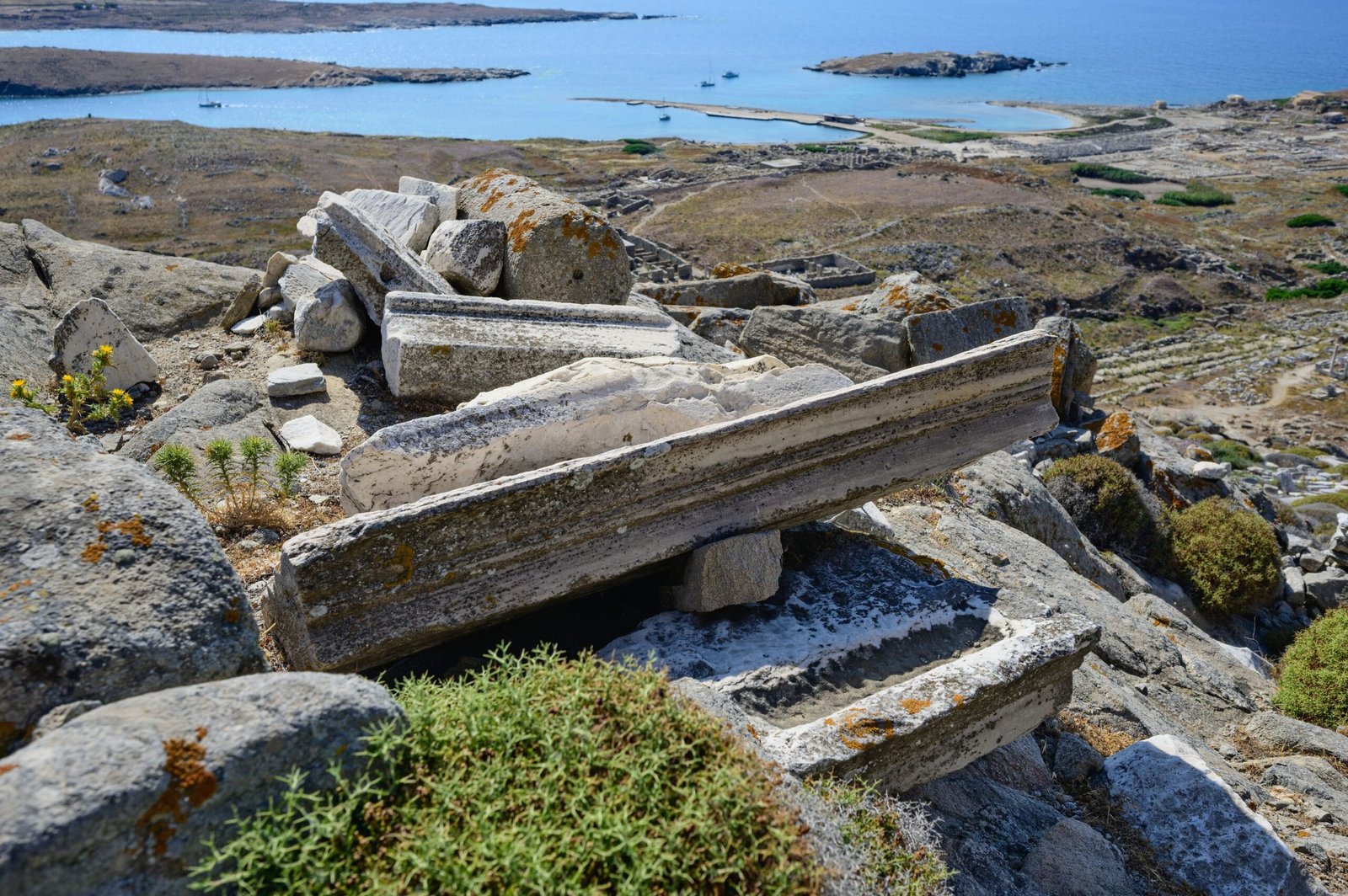
Delos, a small island in the Aegean Sea, is steeped in mythology and history. Revered as the birthplace of Apollo and Artemis, Delos was a significant religious and cultural center in ancient Greece. While much of Delos remains above water, parts of the island’s ancient harbor have succumbed to the sea. These submerged ruins offer a fascinating glimpse into the island’s maritime history. The architectural remnants, including temples, marketplaces, and residential areas, reflect the island’s importance as a hub of trade, culture, and spirituality.
The Submerged Secrets of Thonis-Heracleion
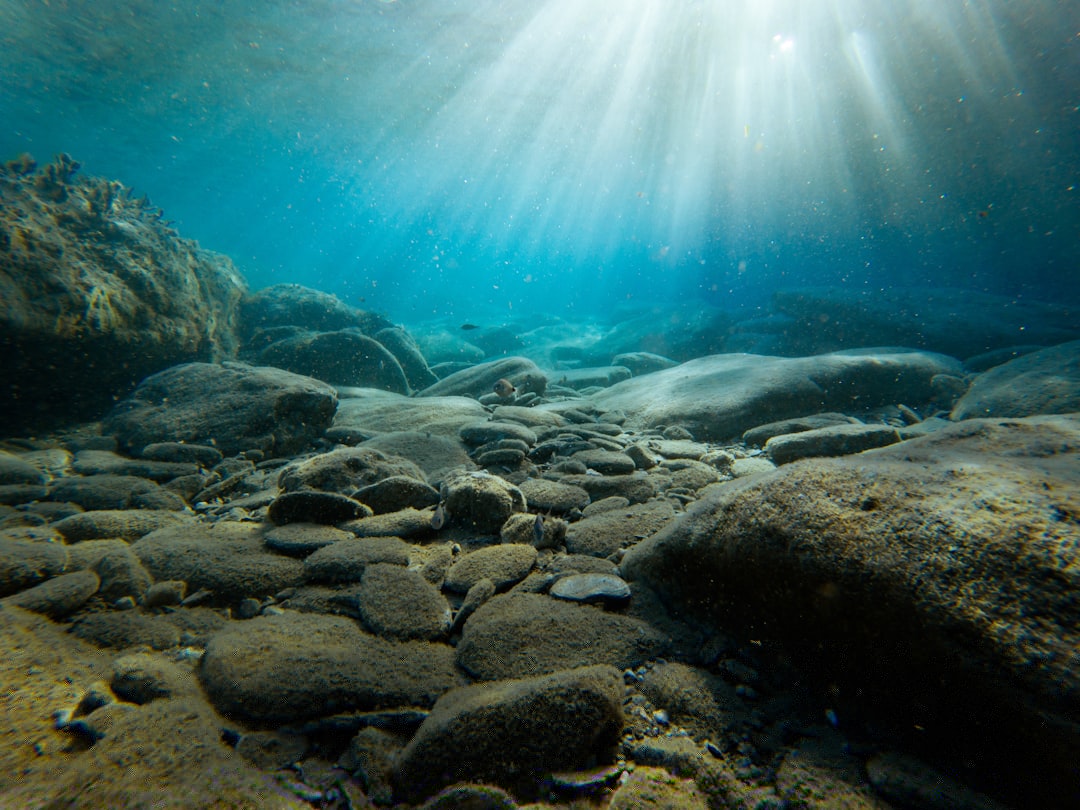
Thonis-Heracleion, an ancient Egyptian city, now lies submerged off the coast of Alexandria. Although not part of Greece, its connection to the Greek world is undeniable. Once a thriving port city, Thonis-Heracleion served as a gateway between the Mediterranean and the Nile. Archaeological discoveries, such as colossal statues, inscriptions, and artifacts, reveal the city’s grandeur and influence. This underwater site offers a unique perspective on the interconnectedness of ancient civilizations, highlighting the shared histories of Greece and Egypt.
The Mysteries of Samikon
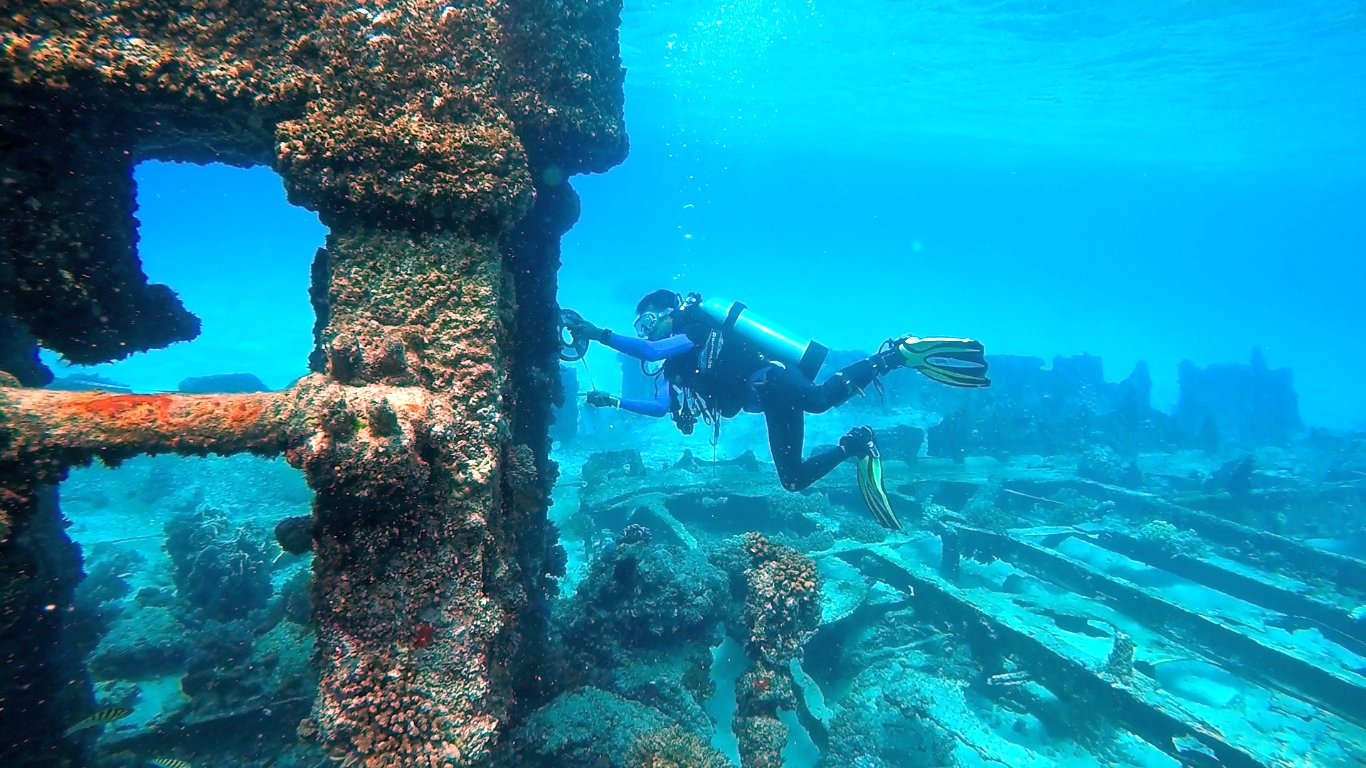
Samikon, an ancient Greek city, lies buried beneath the sands and waters of the Ionian Sea. Known for its strategic location, Samikon played a crucial role in regional politics and trade. The city is believed to have been submerged by a series of seismic events, leaving behind a treasure trove of archaeological wonders. Excavations have unearthed remnants of fortifications, temples, and residential areas, offering insights into the city’s past. The enduring mystery of Samikon continues to intrigue scholars and adventurers, drawing them to its submerged depths.
The Fascinating World of Ancient Epidauros
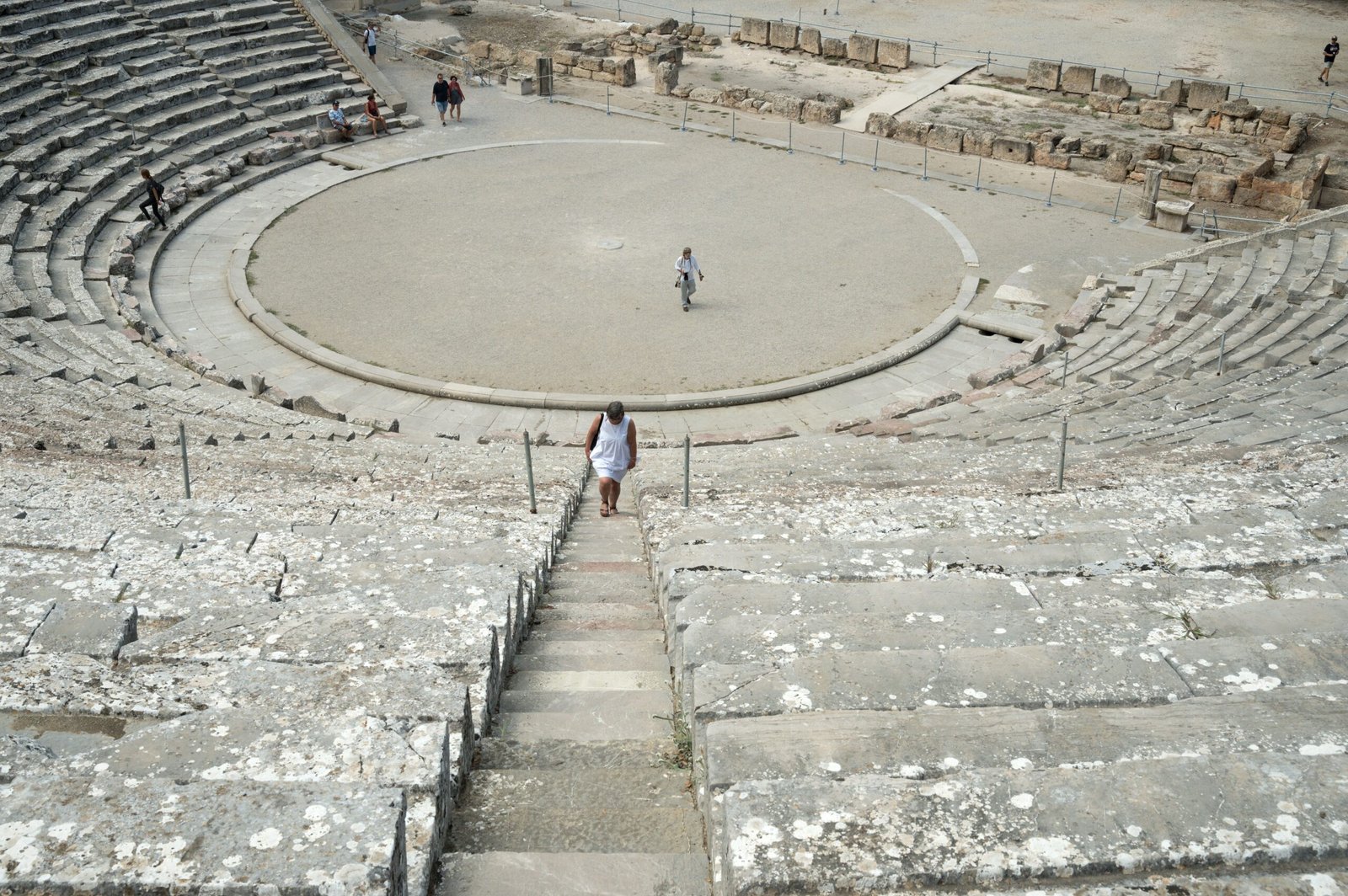
Epidauros, renowned for its healing sanctuary and theater, holds secrets beneath its tranquil waters. This ancient city was a center of healing, attracting pilgrims from across the Mediterranean seeking cures for their ailments. While the theater remains a testament to ancient Greek architecture, parts of the city have succumbed to the sea. The submerged ruins include remnants of temples, baths, and residential structures, providing a glimpse into the spiritual and cultural life of Epidauros. These underwater treasures offer a unique perspective on the city’s historical significance.
The Cultural Riches of Phalasarna
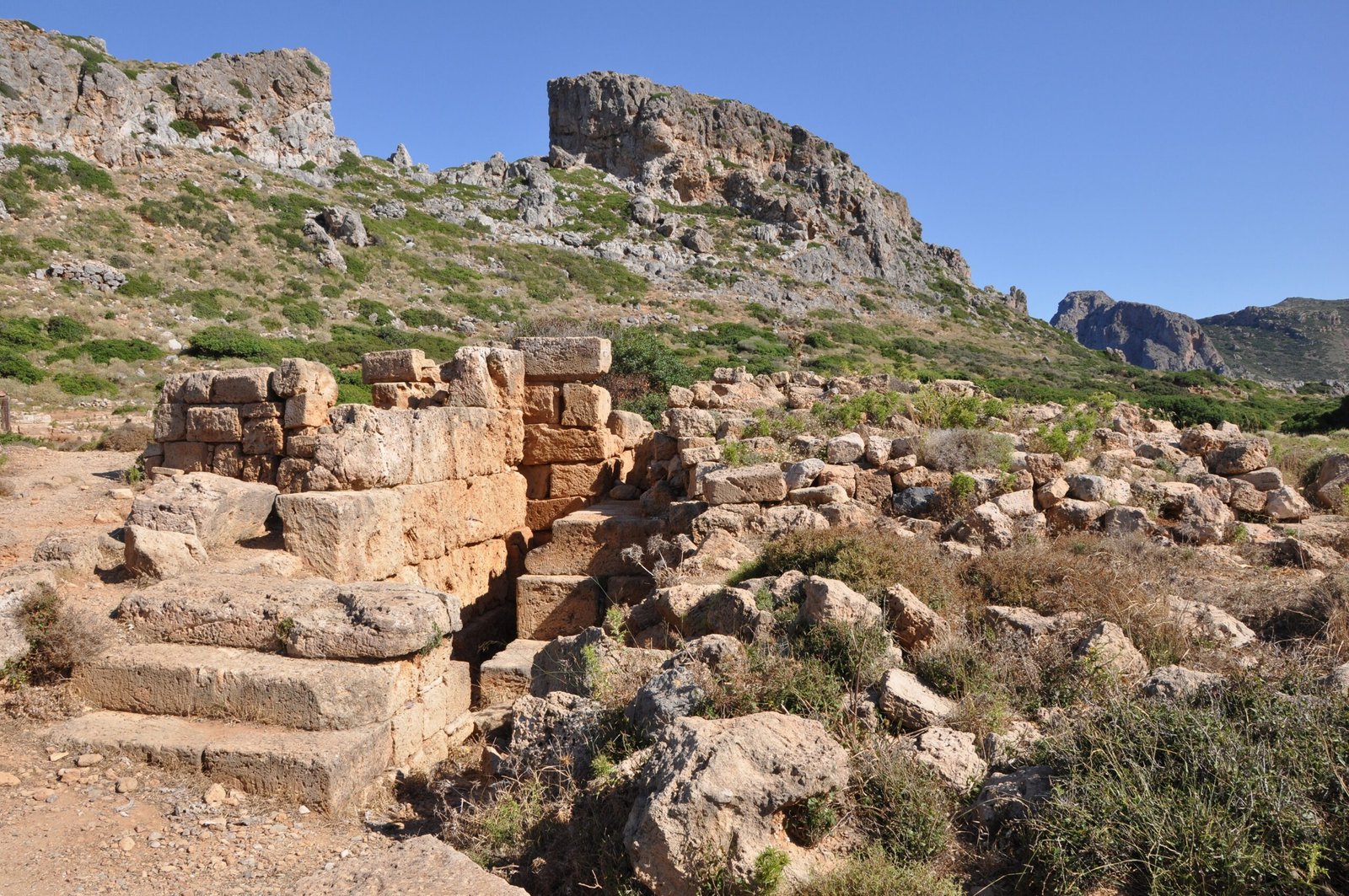
Phalasarna, an ancient Greek city on the island of Crete, was once a thriving maritime power. Its strategic location made it a key player in regional trade and politics. Today, much of Phalasarna lies submerged beneath the sea, preserving its rich cultural heritage. The underwater ruins include remnants of fortifications, harbors, and residential areas, offering insights into the city’s past. Phalasarna’s legacy as a maritime powerhouse is etched into the fabric of the sea, inviting explorers to uncover its hidden treasures.
The Timeless Beauty of Ancient Corinth
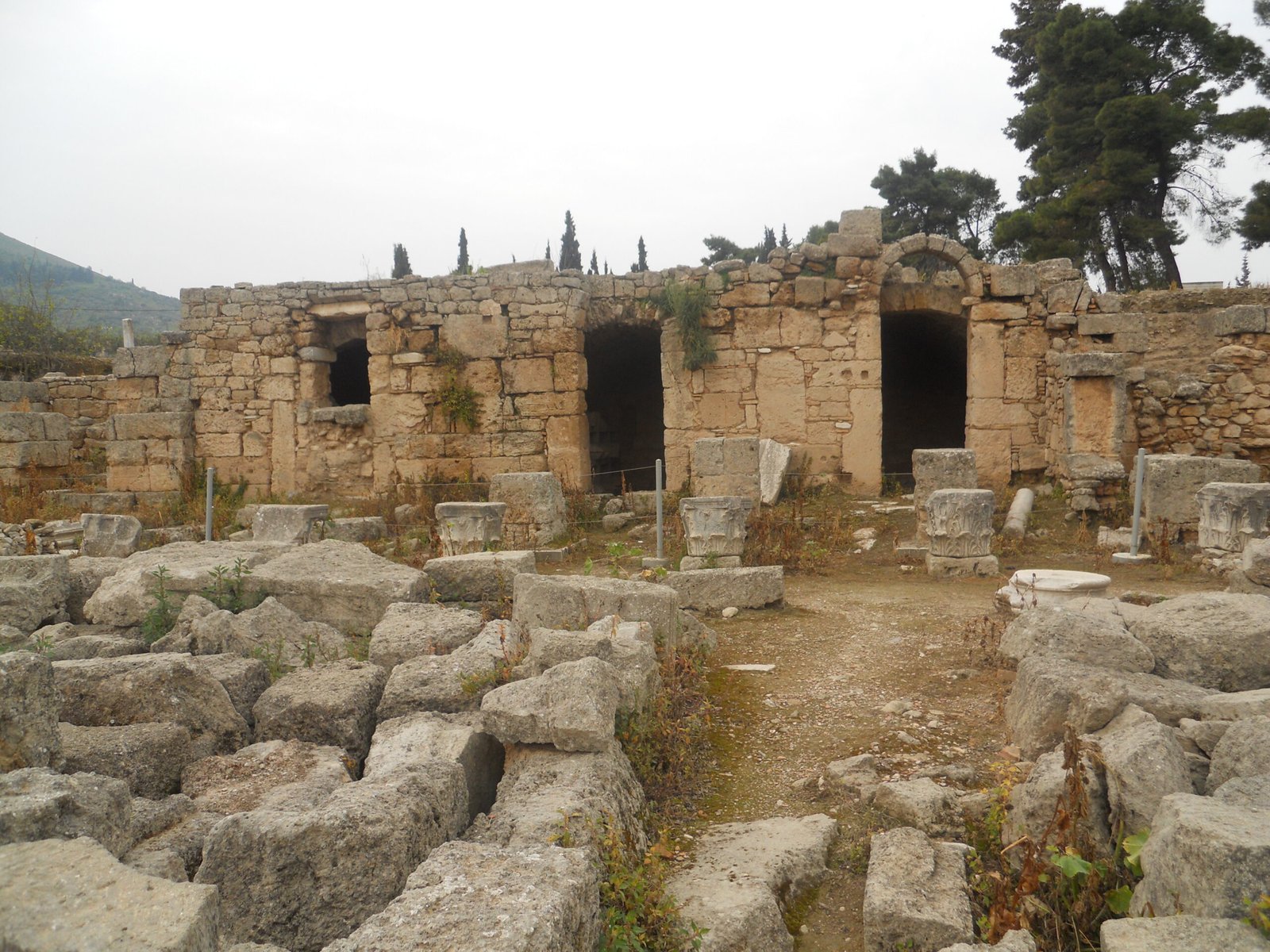
Ancient Corinth, a major city-state in ancient Greece, holds a wealth of submerged secrets beneath its coastal waters. Known for its strategic location and cultural influence, Corinth was a hub of trade, art, and innovation. The city’s ruins, now lying beneath the sea, include harbors, streets, and buildings, offering a glimpse into its glorious past. These underwater treasures provide a unique perspective on the city’s historical significance and enduring legacy. Corinth’s submerged ruins continue to captivate archaeologists and historians, revealing the timeless beauty of this ancient city.