


Something extraordinary is happening across America’s heartland. After nearly vanishing from existence just over a century ago, bison are returning to their ancestral homes on the Great Plains. You can witness this remarkable conservation success story firsthand at several breathtaking locations where these magnificent creatures are once again shaping the landscape they were meant to call home.
The sight of a thousand-pound bison grazing peacefully against an endless prairie backdrop connects you to an ancient rhythm that once defined North America. These aren’t just tourist attractions. They’re living laboratories where scientists study how one species can transform entire ecosystems, creating ripple effects that benefit countless other plants and animals.
Yellowstone National Park, Wyoming
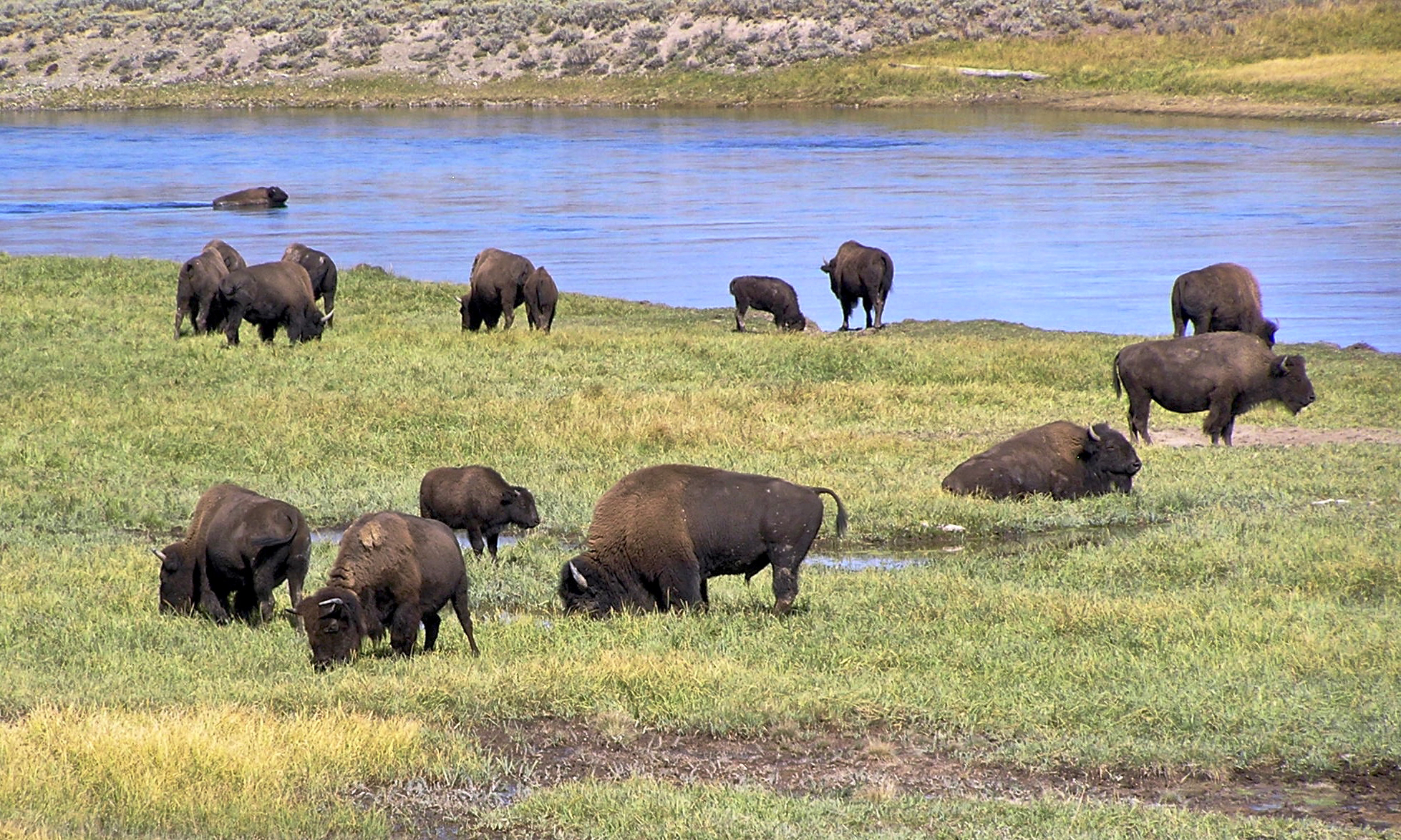
On July 24, 2024, the National Park Service (NPS) announced a decision about the future management of bison at Yellowstone National Park. Based on current science and cultural values, the plan includes a projected population range between 3,500 and 6,000 bison. You’re witnessing America’s most genetically pure wild bison herd when you visit Yellowstone, where these animals have roamed continuously for thousands of years.
Yellowstone preserves the most important bison herd in the United States. The park has become a cornerstone of bison restoration efforts nationwide through its Bison Conservation Transfer Program. Since 2019, a total of 414 Yellowstone bison have been transferred to the Assiniboine and Sioux Tribes at Fort Peck. Nearly all of those bison and their offspring have then been further distributed to 29 Tribes across 13 states and Canada in partnership with the InterTribal Buffalo Council.
What makes Yellowstone bison particularly valuable is their genetic purity. This science-based plan also allows for an increased focus on Yellowstone bison, valued for their high genetics, to be used for broader species restoration, benefiting grasslands and for the repatriation of buffalo to tribes across the nation.
American Prairie Reserve, Montana
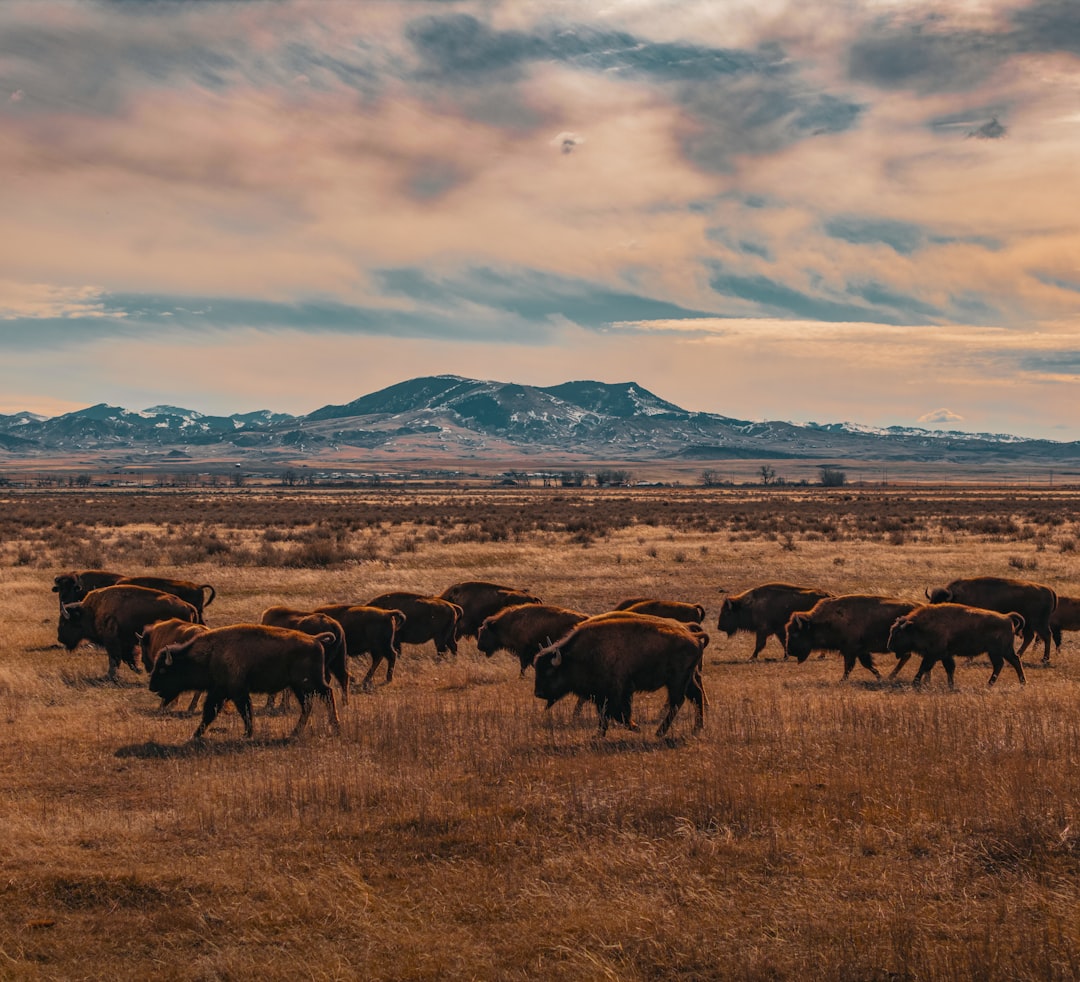
American Prairie estimates the decision will allow them to sustainably grow their private conservation herd of bison, currently numbering 813 animals, to 1,000 animals by 2025. This ambitious conservation project aims to create one of the largest nature reserves in the lower 48 states. The conservation organization American Prairie, in partnership with Earthjustice, a non-profit environmental law group, aims to see thousands of bison once again roaming free. By purchasing private ranching land in Montana, their mission is to create a three-million-acre nature reserve.
The ecological impact you observe here demonstrates how bison restoration works in practice. That analysis is consistent with a new study by the Smithsonian Conservation Biology Institute and published in Frontiers in Ecology and Evolution, which says bison restoration efforts in northcentral Montana have already improved the abundance of native grasses, forbs, and bird species in pastures where bison have grazed with minimal management. According to that study, “Our results suggest that bison reintroduction, and a minimal intervention grazing management strategy, is associated with positive biodiversity outcomes in riparian habitats within the Northern Great Plains.”
Honestly, watching bison roam freely across this vast landscape feels like stepping back in time to when these giants shaped the entire continent.
Fort Peck Indian Reservation, Montana
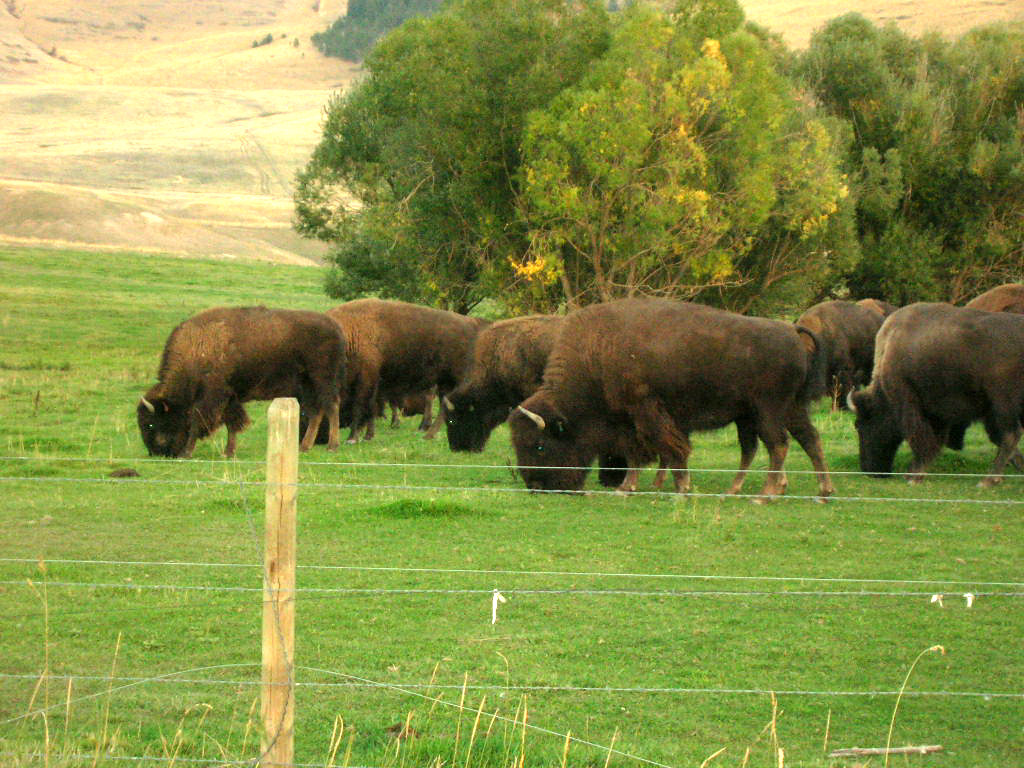
In August 2019, Yellowstone National Park moved 55 bison to the Fort Peck Indian Reservation in northeastern Montana. It was the first direct relocation of Yellowstone bison to a new home as an alternative to slaughter. This groundbreaking program demonstrates how cultural restoration and conservation science work hand in hand. “The buffalo is essential to sustaining the health of Indian people and for our cultural traditions,” said Robert Magnan, director of the Fort Peck Fish and Game Department.
You witness more than ecological restoration here. This location represents the intersection of cultural healing and environmental science. The initiative’s goal is to restore this keystone species, which plays a crucial role in spiritual and cultural revitalization, ecological restoration and conservation, food sovereignty, health and economic development for Indigenous Peoples. The success of this program has helped distribute bison to tribal communities across North America.
Blackfeet Nation, Montana
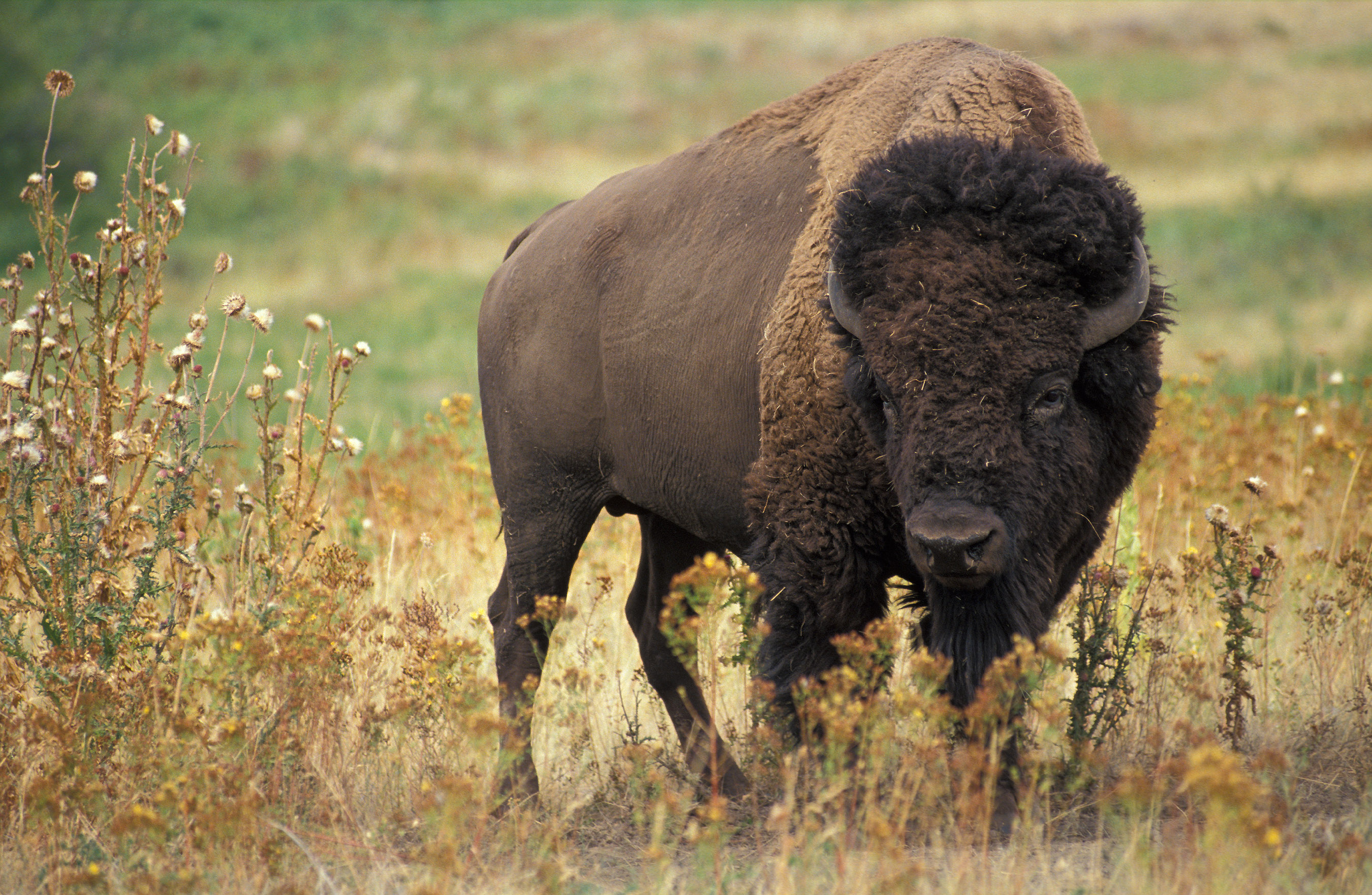
Native Nations, universities and conservation organizations came together to examine the environmental, cultural and economic value of bison using case studies from four separate tribally led bison reintroduction programs occurring across the Northern Great Plains in Montana (Blackfeet Nation, Fort Belknap Indian Community, Fort Peck Assiniboine and Sioux Tribes) and South Dakota (Rosebud Sioux). The Blackfeet Nation’s buffalo program showcases how traditional knowledge combines with modern conservation techniques.
“The buffalo is important to Indian communities, to our people culturally and ecologically to our lands,” said Ervin Carlson, president of the InterTribal Buffalo Council and Blackfeet buffalo manager. The program here demonstrates that successful bison restoration requires more than just releasing animals onto the landscape. It involves comprehensive planning that addresses cultural needs, ecological goals, and economic sustainability simultaneously.
Rosebud Sioux Reservation, South Dakota
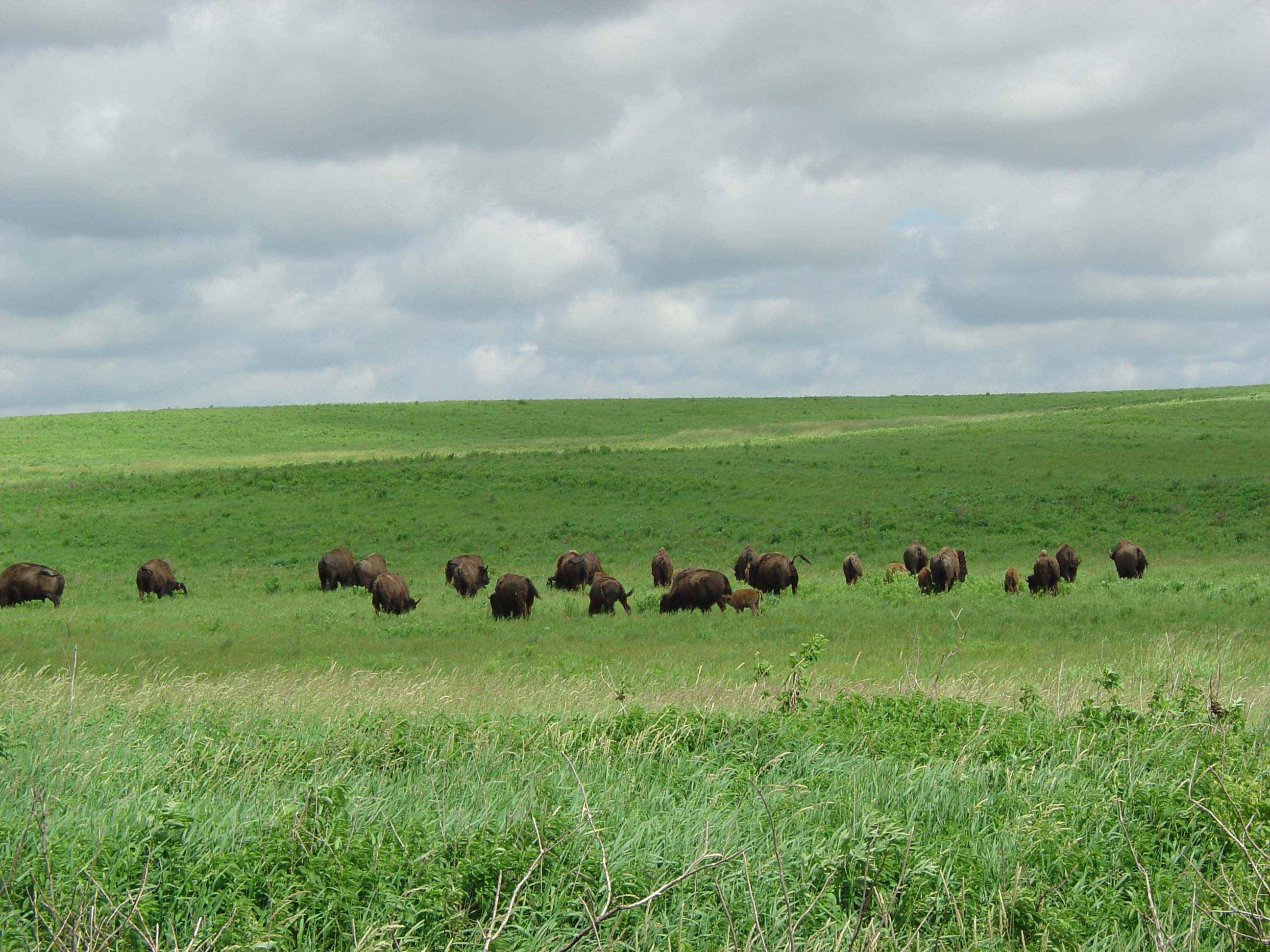
It was initiated by the Rosebud Economic Development Corporation (REDCO) and the Rosebud Sioux Tribes’ land management corporation announcing they plan to build a 1,500-head herd on 28,000 acres of tribal land by 2025. Together, it is the largest Indigenous-owned and managed herd on the continent. This massive undertaking represents the scale of commitment needed for meaningful bison restoration.
The Rosebud Sioux expect that the project will be financially self-sustainable by creating jobs and restoring ecological balance to the area. When you visit the Wolakota Buffalo Range, you experience conservation that goes beyond simply preserving wildlife. This project demonstrates how bison restoration can simultaneously address economic development, cultural preservation, and ecological healing.
Custer State Park, South Dakota
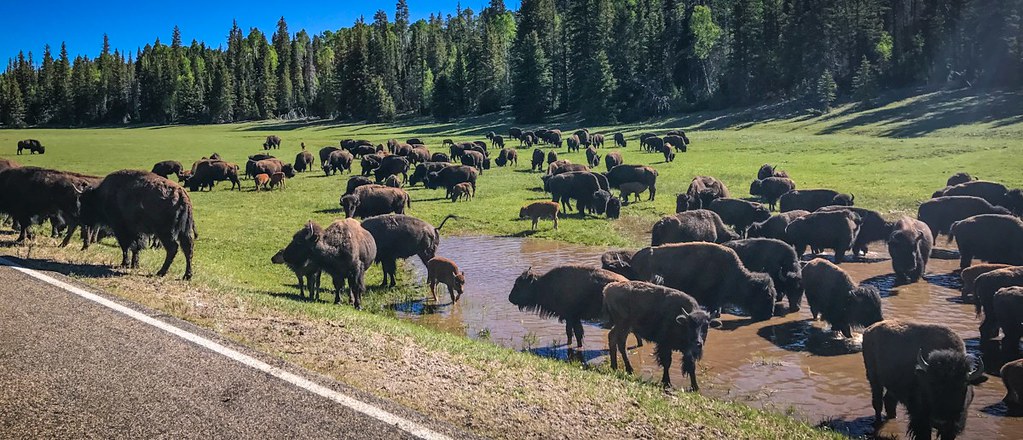
Custer State Park, located in the Black Hills of western South Dakota, is home to nearly 1,300 bison – one of the country’s largest publicly owned herds. There’s an annual roundup where visitors can watch staff do animal testing, branding, and sorting. This location offers you one of the most accessible ways to observe bison in a managed natural setting within the Great Plains region.
The park demonstrates how state-managed conservation herds contribute to overall bison restoration efforts. You can observe the animals year-round as they graze across roughly 71,000 acres of mixed-grass prairie and ponderosa pine forests. The annual roundup provides a unique opportunity to witness the management practices that keep these herds healthy and genetically diverse.
Tallgrass Prairie National Preserve, Kansas
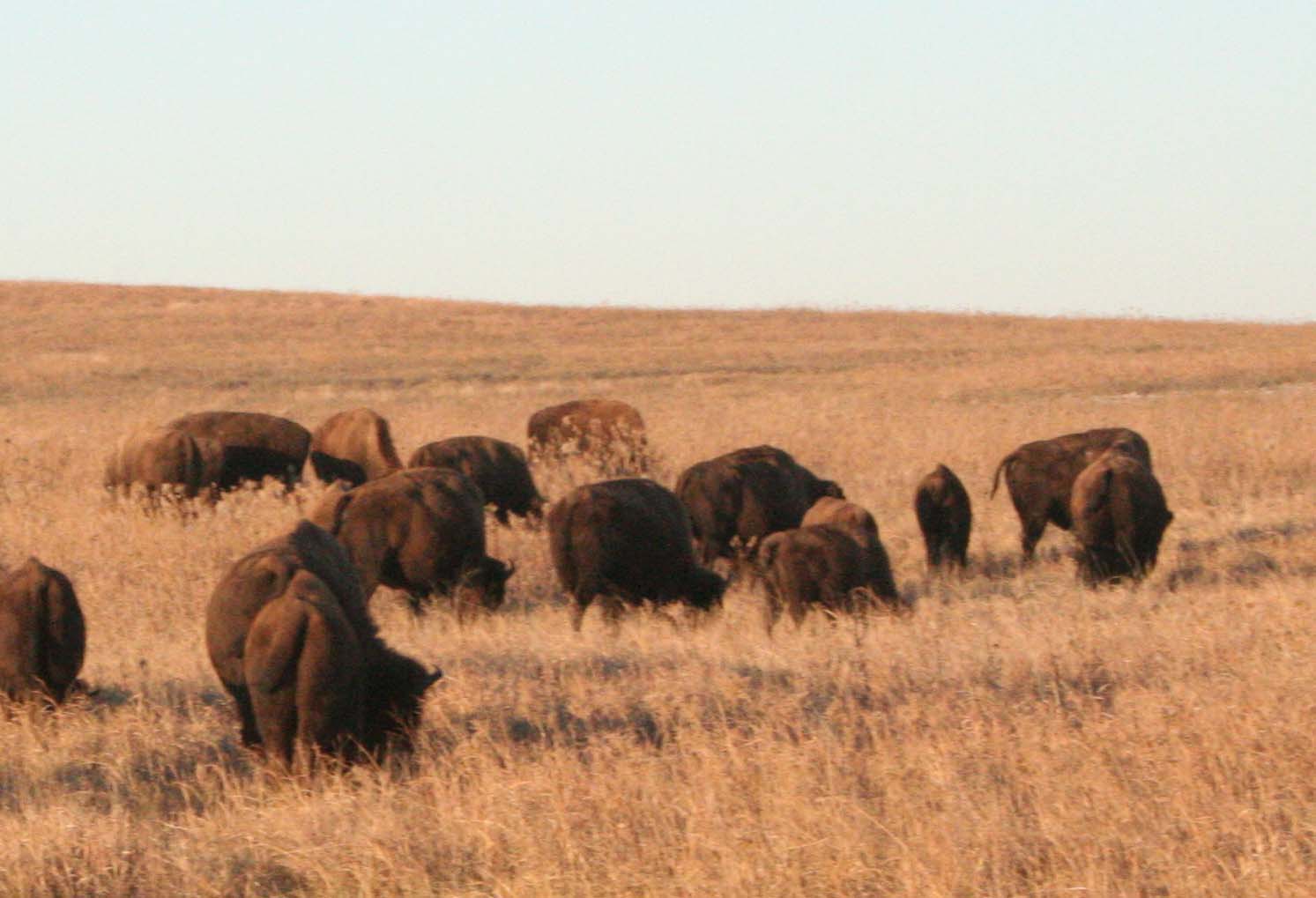
“Our results suggest that many grasslands in the central Great Plains have substantially lower plant biodiversity than would have occurred before bison were widely wiped out,” Ratajczak said. “The resilience we found in the bison grasslands is also consistent with the idea that diversity promotes ecological resilience,” said researcher Zac Ratajczak. The research conducted here reveals why bison restoration matters for entire prairie ecosystems.
This preserve showcases how bison create biodiversity in ways that cattle grazing cannot match. Recovery in the bison-grazed areas was rapid, and rebounded to pre-drought levels within two to four years. Researchers found lower resilience in cattle-grazed areas than bison-grazed areas, but it remained higher than ungrazed areas. When you walk these trails, you’re seeing evidence that proper grazing by native species creates prairie ecosystems more resilient to climate change.
Nature Conservancy Preserves Across Multiple States
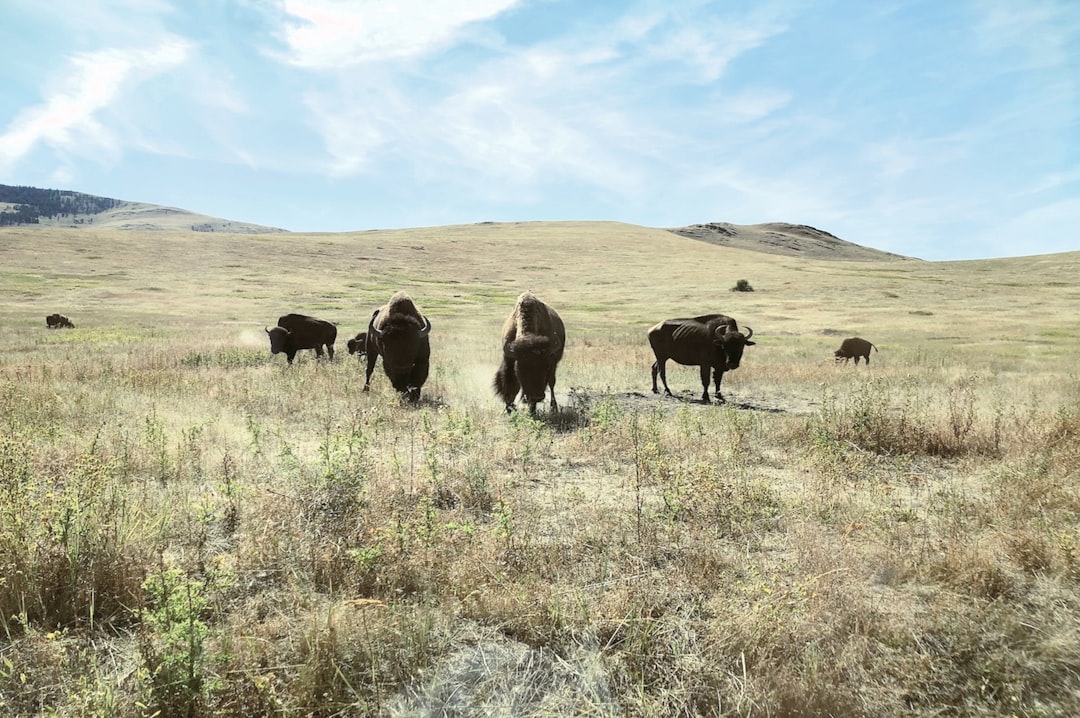
The Nature Conservancy has plains bison (Bison bison bison) on twelve native grassland preserves in North Dakota, South Dakota, Nebraska, Iowa, Illinois, Indiana, Colorado, Kansas, Missouri and Oklahoma. These preserves create a network of connected habitats where you can observe how bison restoration varies across different prairie types and climatic conditions.
Since 2020, partnerships with organizations such as ITBC and Tanka Fund have facilitated the return of more than 2,300 buffalo from TNC preserves in Colorado, Illinois, Indiana, Iowa, Kansas, Missouri, Nebraska, North Dakota, South Dakota and Oklahoma to Indigenous communities. This network represents one of the most comprehensive bison restoration efforts in history, demonstrating how coordinated conservation can work across multiple states and organizations.
Fort Robinson State Park, Nebraska
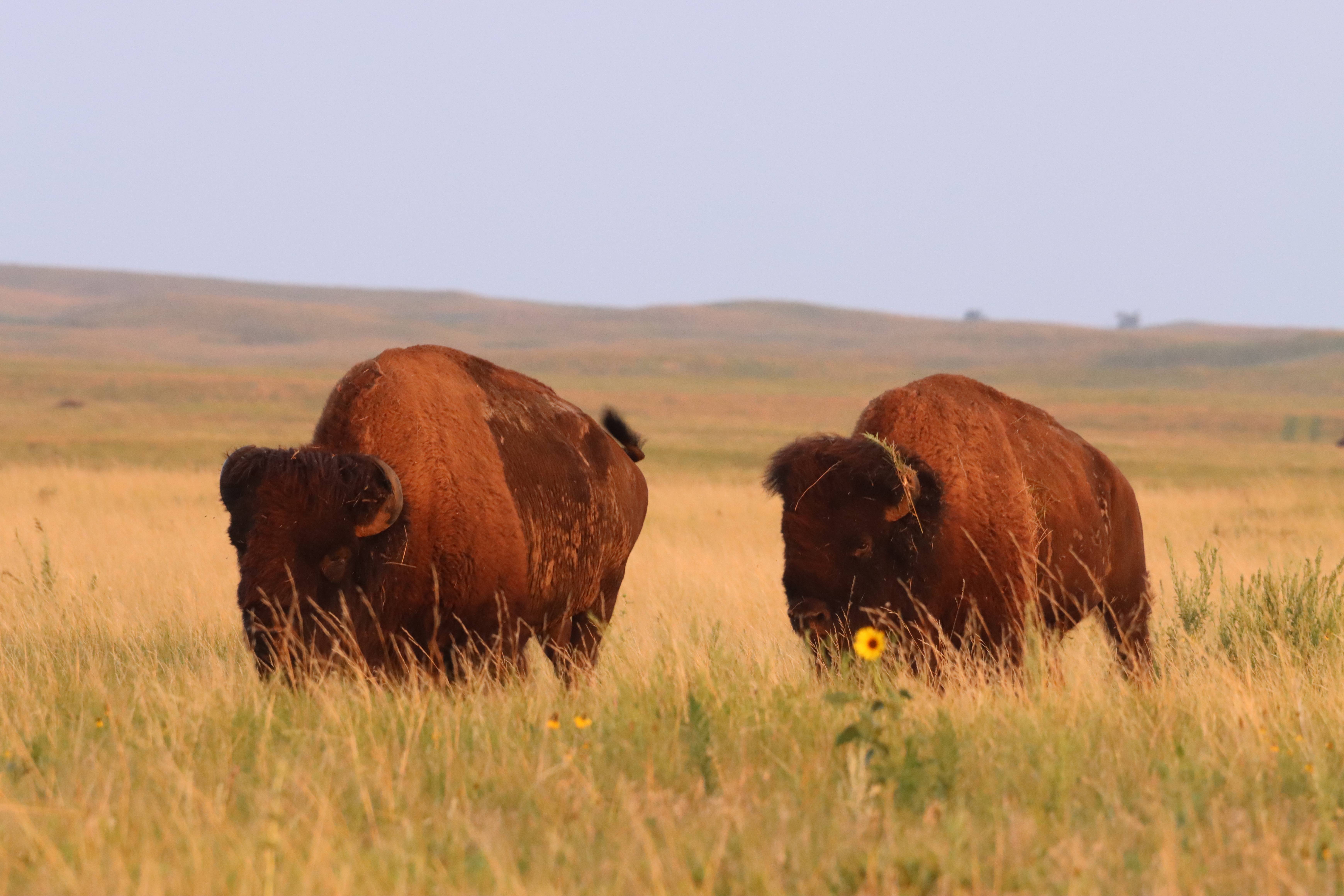
Fort Robinson is described as Western Nebraska’s premier state park, with beautiful Pine Ridge scenery, exceptional lodging, rich old west history, and many summertime activities. Visitors to Fort Robinson can often catch a glimpse of the bison that roam the Park’s 22,000 acres. They are managed by the park as grazing animals, working the pasture lands, as well as providing unique table fare for the Fort’s restaurant – bison burgers and steaks are popular menu items.
Here you witness how bison restoration can integrate with recreational opportunities and sustainable use practices. The park’s approach demonstrates that conservation doesn’t require complete hands-off management. Instead, it shows how thoughtful stewardship can maintain healthy bison populations while providing educational and economic benefits to local communities.
The transformation you observe at these locations represents something profound. The presence of buffalo, which can weigh upwards of 2,000 lbs., helps build resilience against a changing climate. Bison hooves work the ground to create space for new plants to grow, their droppings provide nutrients for soil microorganisms, and native grass seeds can stick to their fur and disperse as the animals move across the land. Their grazing behavior and the effects they have on the prairie help a wide range of wildflowers, plants, insects and amphibians to flourish.
These nine locations offer you windows into one of conservation’s greatest success stories. From Yellowstone’s genetically pure herds to tribal lands where buffalo represent cultural resurrection, each site shows how bringing bison home heals both the land and the human spirit. The next time you stand watching these magnificent animals against the endless sky, remember that you’re witnessing nothing less than the restoration of America’s ecological soul.
What do you think about the role bison play in healing our prairie ecosystems? Tell us in the comments.
Jan loves Wildlife and Animals and is one of the founders of Animals Around The Globe. He holds an MSc in Finance & Economics and is a passionate PADI Open Water Diver. His favorite animals are Mountain Gorillas, Tigers, and Great White Sharks. He lived in South Africa, Germany, the USA, Ireland, Italy, China, and Australia. Before AATG, Jan worked for Google, Axel Springer, BMW and others.


