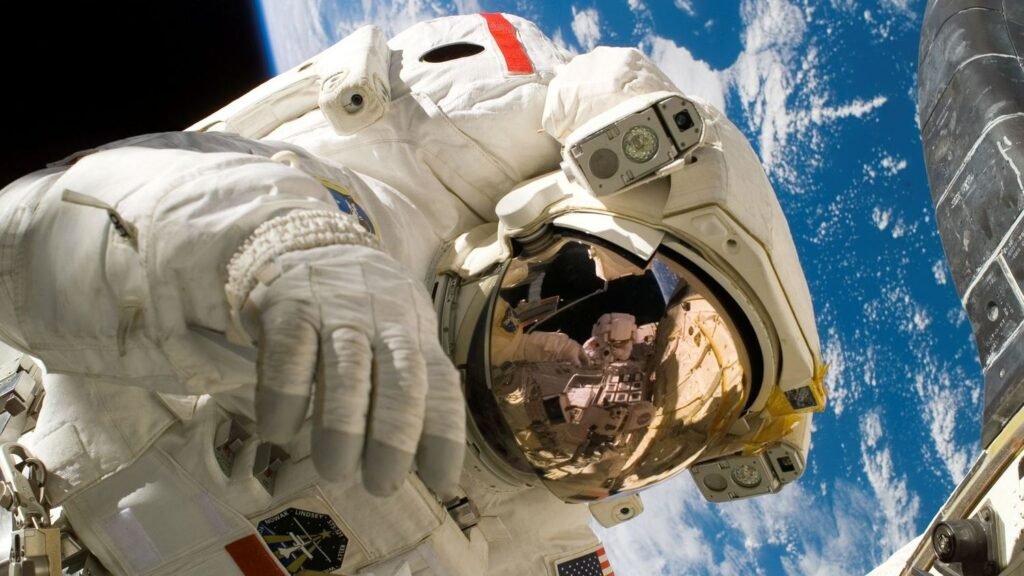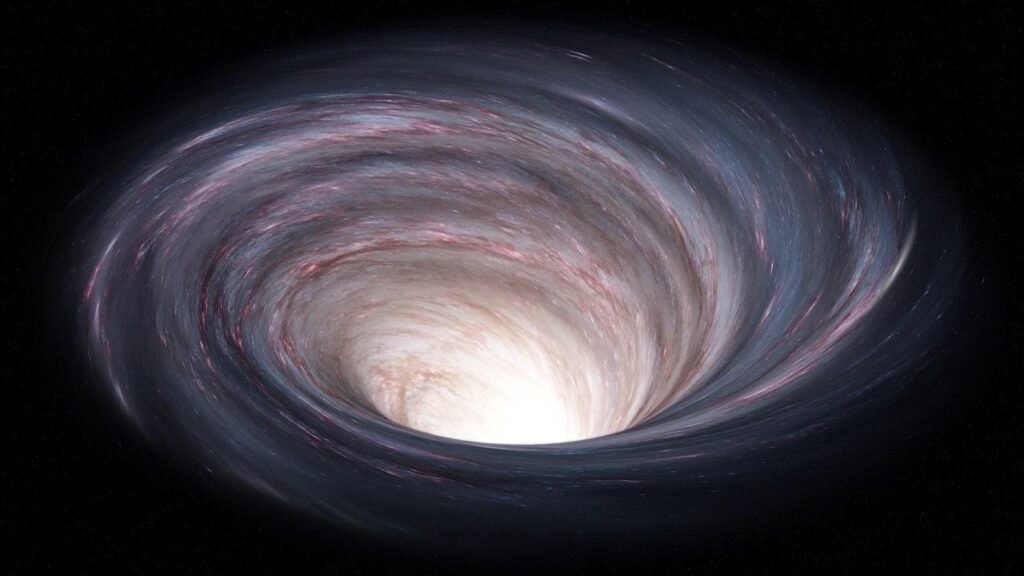

Every time you drop your keys, watch the Moon rise, or feel your body sink into a chair after a long day, you’re dealing with one of nature’s most mysterious forces: gravity. For more than a century, Albert Einstein’s theory of general relativity has been our gold standard for understanding how gravity shapes space, time, planets, stars, and the entire cosmos. Yet as telescopes get sharper and experiments get more precise, cracks and weird puzzles have started to appear around the edges of this beautiful theory.
It’s not that Einstein was “wrong” in the everyday sense. His equations still describe planetary orbits, GPS satellites, and black holes astonishingly well. But the universe seems to be whispering that there’s more going on underneath the surface, like discovering that your favorite old watch hides extra gears you never knew existed. Gravity still works, but the story might be bigger, stranger, and more surprising than we ever imagined.
The Genius And Limits Of Einstein’s Picture Of Gravity
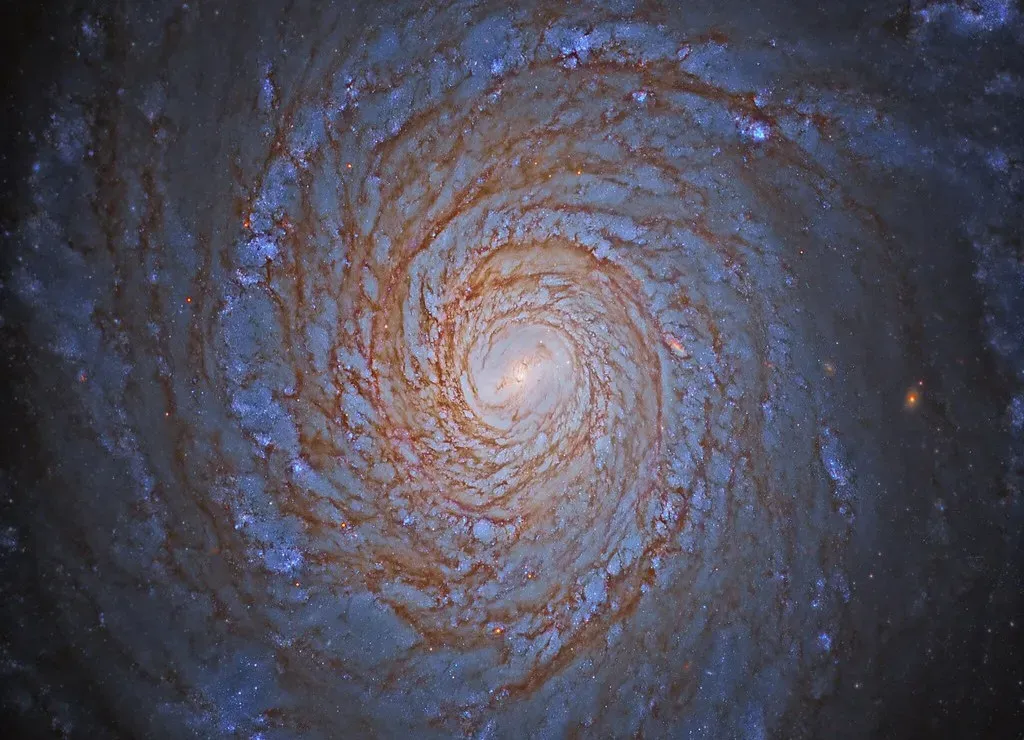
Einstein completely changed how we see gravity by describing it not as a force pulling things together, but as the bending of space and time by matter and energy. In that picture, planets move the way marbles roll across a curved trampoline, following the shape carved out by stars and other massive objects. This framework has passed an enormous number of tests, from explaining Mercury’s odd orbit to predicting how light bends when it passes near the Sun.
But even the most successful physical theories have limits, and Einstein’s is no exception. General relativity has been tested mostly in environments where gravity is either relatively weak, like in the Solar System, or extremely strong, like around black holes, but often only on a limited range of scales. When we look at the universe as a whole, over immense distances and in bizarre conditions, things don’t quite add up. The theory still works incredibly well where we can check it precisely, but it seems to leave big questions hanging in the dark.
Dark Matter And Dark Energy: Clues That Something’s Off
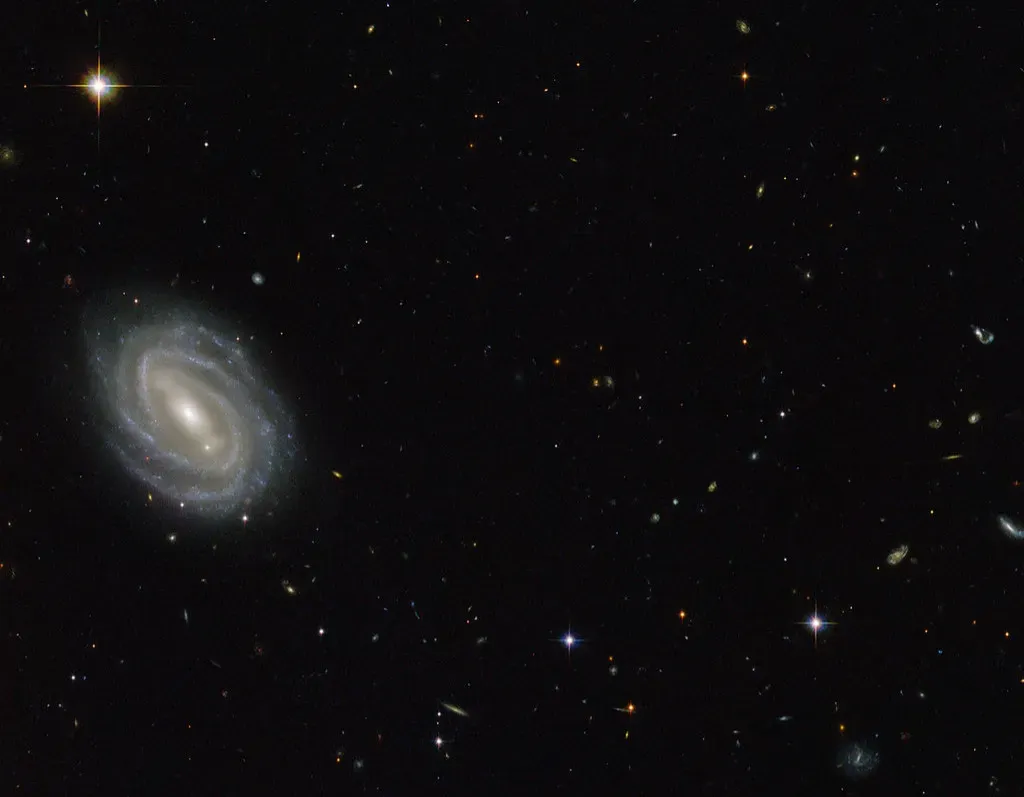
When astronomers measured how fast stars orbit around galaxies, they noticed something shocking: the stars on the outskirts were moving way too quickly to be held in place by the gravity of visible matter alone. To make the math work, scientists proposed an invisible substance called dark matter, which doesn’t glow or reflect light but seems to exert gravitational pull. Later, measurements of distant supernovae hinted that the expansion of the universe is not slowing down, but actually speeding up, driven by something dubbed dark energy.
Here’s the unsettling part: together, dark matter and dark energy seem to make up nearly all of the universe’s contents, while the stuff we can actually see is just a tiny sliver. Either most of the cosmos is filled with unknown, unseen ingredients, or our understanding of gravity on large scales is incomplete. Modified gravity theories suggest that maybe we don’t need as much dark matter or dark energy if we tweak how gravity behaves, especially over huge distances. In other words, the universe might not be hiding as much invisible stuff as we think; we might just be using the wrong ruler.
When Gravity Meets Quantum Physics, The Math Breaks
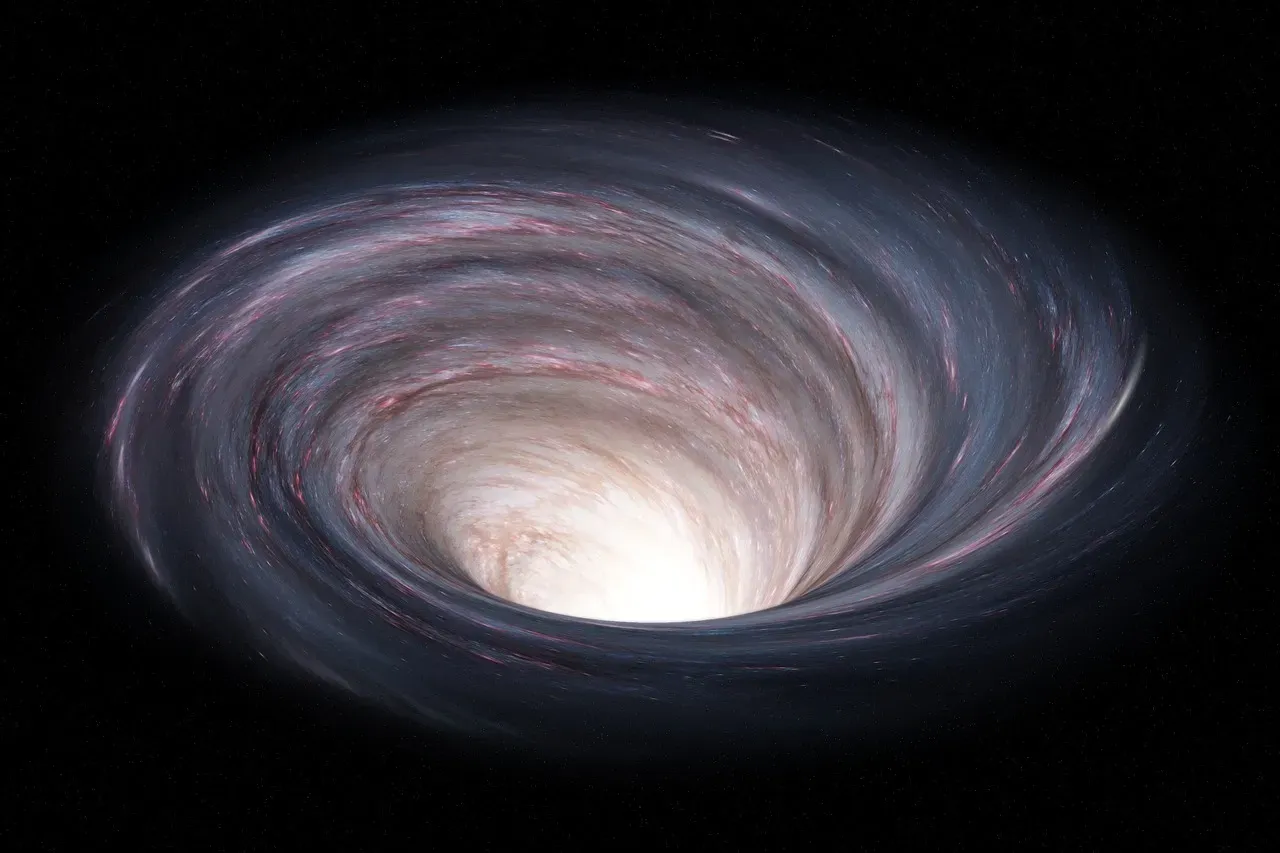
Gravity is king on cosmic scales, but at the tiniest scales, quantum mechanics rules the game. Quantum theory describes how particles behave in ways that are fuzzy, probabilistic, and sometimes downright counterintuitive. These two frameworks – general relativity and quantum mechanics – are both incredibly successful in their own realms, yet they refuse to mesh smoothly into a single consistent picture. When physicists try to combine them, the equations often blow up into meaningless infinities.
This mismatch shows up especially in extreme places like the centers of black holes or the earliest fractions of a second after the Big Bang, where gravity is strong and quantum effects are intense. We simply don’t have a complete theory that covers both gravity and quantum mechanics in a unified way. Ideas like quantum gravity, loop quantum gravity, and emergent gravity aim to rebuild the story from the ground up, sometimes even suggesting that space and time themselves might emerge from something more fundamental. Gravity, in that view, could be like a shadow of deeper quantum relationships we don’t fully understand yet.
Alternative Gravity Theories: Beyond Einstein’s Equations
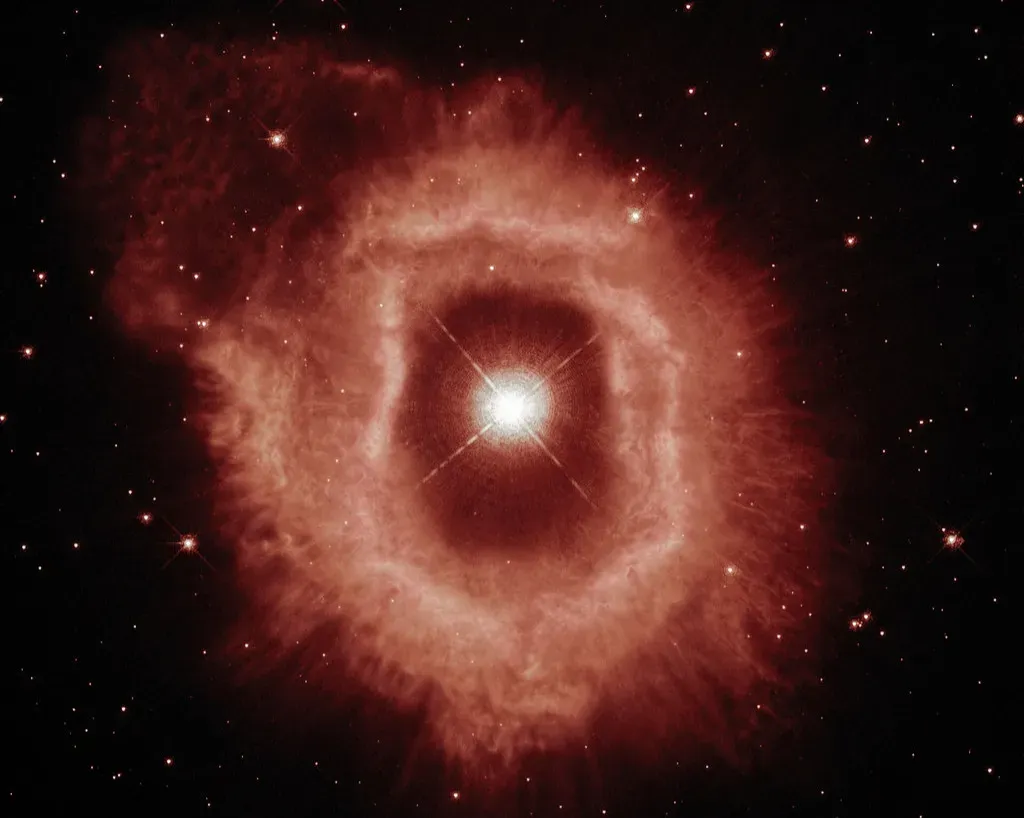
Because of these puzzles, physicists have proposed a zoo of alternative theories that modify or extend Einstein’s ideas rather than tossing them out. Some add extra terms to his equations that only become important on very large scales, trying to explain cosmic acceleration without introducing mysterious dark energy. Others explore the possibility that there are additional fields or forces linked to gravity, subtly changing how it behaves in different environments.
There are also theories that imagine extra dimensions beyond the familiar three of space and one of time, where gravity can “leak” into or from these hidden directions. In such models, gravity might appear weaker or stronger depending on how it spreads across those extra dimensions. These ideas are not just wild speculation; they make concrete predictions that experiments can test, like tiny deviations from the usual inverse-square law of gravity at short distances or distinctive signatures in the cosmic microwave background. The challenge is that most of these effects are incredibly small, buried under noise, and very hard to detect.
Gravitational Waves Are Stress-Testing Gravity
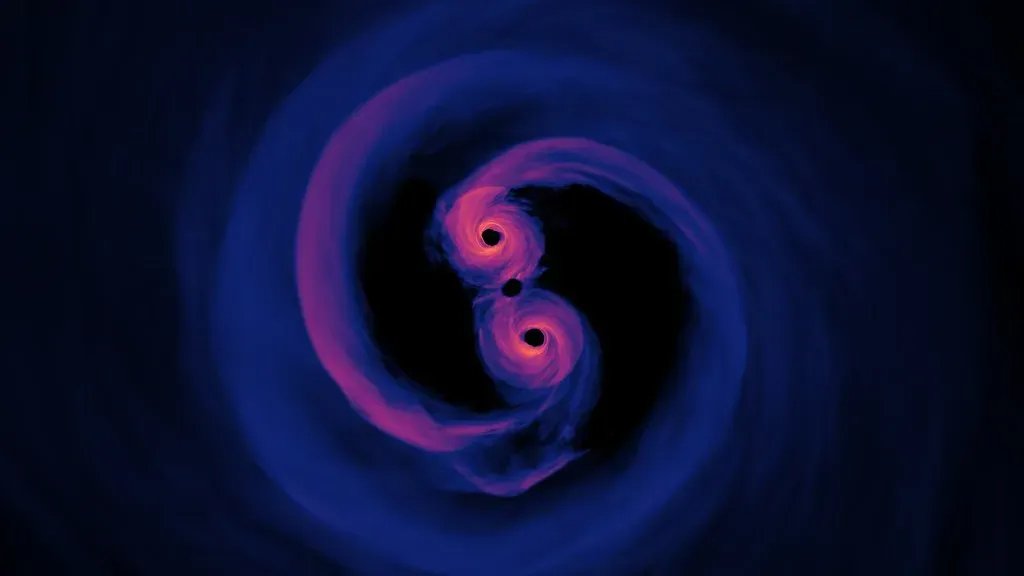
In recent years, the detection of gravitational waves – ripples in spacetime produced by violent cosmic events – has opened a completely new way to test gravity. When black holes or neutron stars collide, they send out waves that stretch and squeeze space itself, which observatories can pick up as tiny changes in distance. So far, every event detected has lined up well with Einstein’s predictions, which is both impressive and a little frustrating for anyone hoping to find cracks in the theory.
Still, gravitational-wave astronomy is just getting started, and the data is expanding quickly as detectors improve. Researchers are looking for subtle deviations in the shape, speed, or polarization of these waves that could hint at new physics. Future space-based detectors, which will be sensitive to different frequencies, might catch signals from supermassive black holes or even from the early universe. If gravity behaves differently in those extreme conditions, gravitational waves could be the messengers that finally tell us.
Precision Experiments: Is Gravity Really Constant Everywhere?
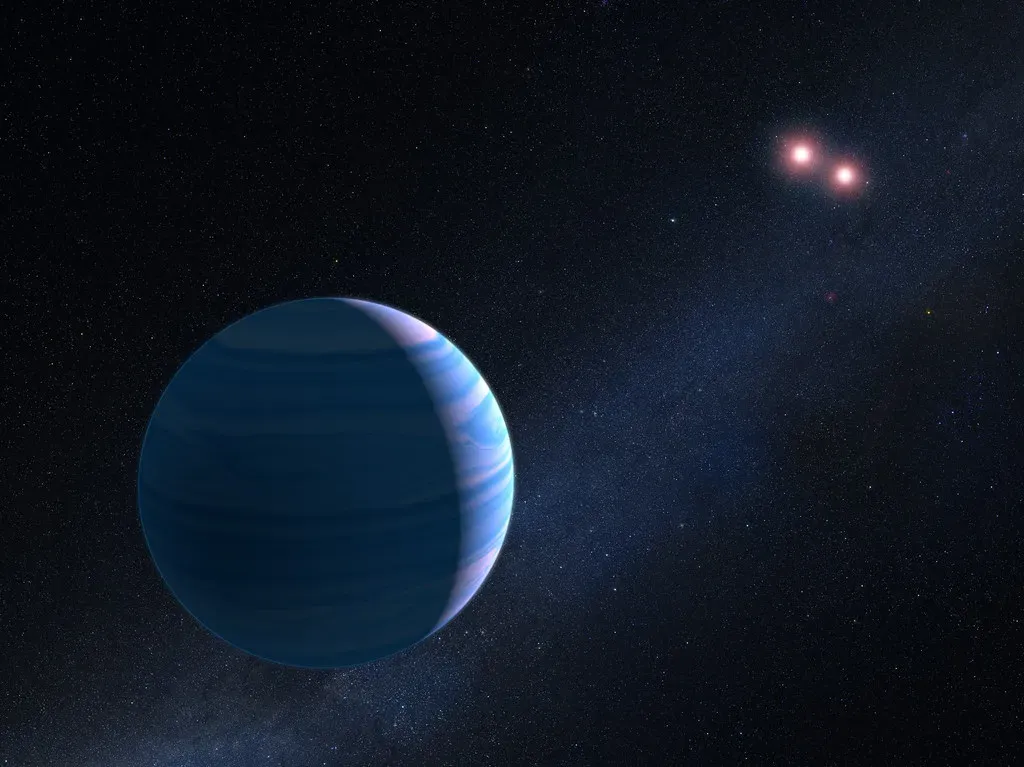
On Earth and in the Solar System, gravity might seem boringly familiar, but scientists are probing it at ever finer levels of detail. Laboratory experiments hang tiny masses from ultra-sensitive pendulums, use atom interferometers, or track how objects fall in vacuum chambers to check whether gravity obeys the expected laws perfectly. So far, the results match Einstein’s predictions extremely well, but a few tiny tensions and unexplained anomalies keep researchers curious and cautious.
Space missions also play a key role by tracking the motion of planets, moons, and spacecraft with extraordinary precision. If gravity changed slightly over time, depended on direction, or behaved differently for different kinds of matter, those shifts might show up in these measurements. While most results so far can be explained within existing theories or experimental uncertainty, the ongoing effort acts like a constant audit of gravity. It’s as if the universe is under surveillance by a network of cosmic accountants, watching for any suspicious deviation in the books.
What It Would Mean If Gravity Is More Complex
If gravity turns out to be more intricate than Einstein described, the implications would be enormous, not just for physics but for our entire picture of reality. A better theory could reveal what really happened in the earliest moments of the universe, clarify whether black holes truly destroy information, or show whether space and time themselves are built from something deeper. It might also reshape our understanding of dark matter and dark energy, or even reduce the need for them altogether by explaining certain cosmic effects in a new way.
On a more practical level, history suggests that deeper insights into fundamental physics eventually transform technology, even if we can’t predict how at first. Quantum mechanics gave us lasers, GPS depends on relativity, and new ideas about gravity could someday inspire breakthroughs just as radical. For now, the story is still unfolding, with experiments, telescopes, and theories all pushing against the edges of what we know. The universe is quietly hinting that its rules are subtler and more layered than we assumed, and gravity, the oldest force we noticed, may still have some of the biggest surprises left.