
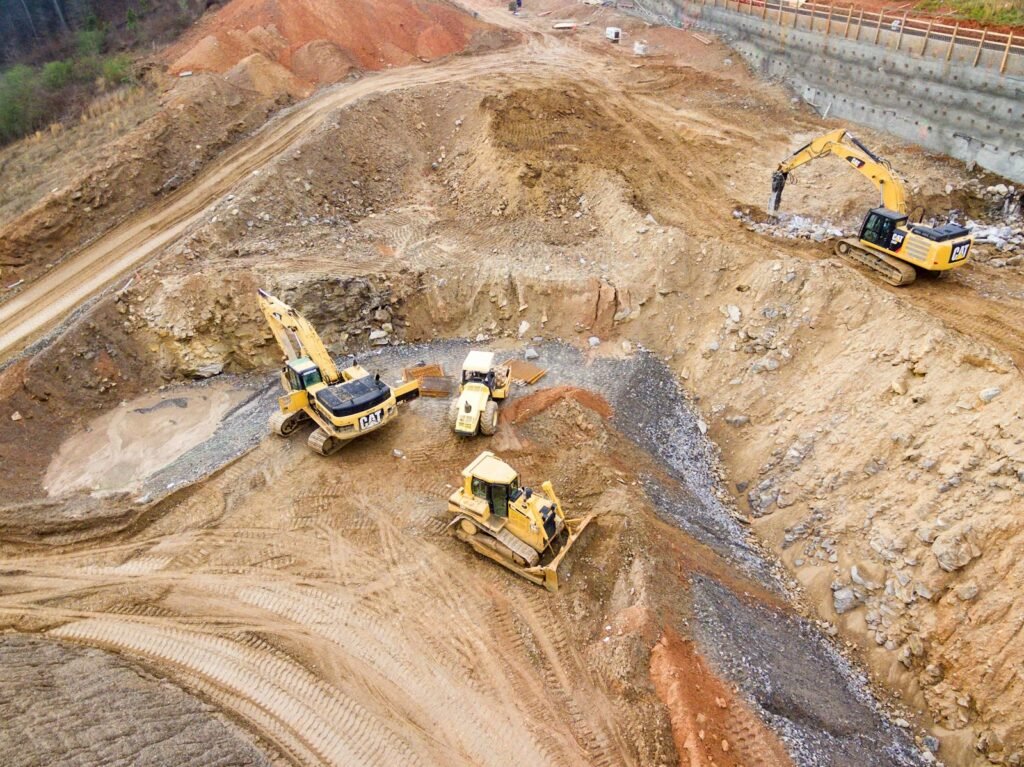

The relentless pursuit of natural resources has been a defining characteristic of human history, shaping economies and societies worldwide. Among these resources, gold and rubber have stood out as icons of wealth and industrial progress. Yet, beneath their shimmering allure lies a darker narrative. This tale is one of environmental degradation and the silent disappearance of the world’s precious species. As we delve into this intricate web of extraction, we unravel the profound impacts these activities have on biodiversity and ecosystems. This journey is not just an exploration of resources but a revelation of the delicate balance between human ambition and nature’s resilience.
The Glittering Allure of Gold
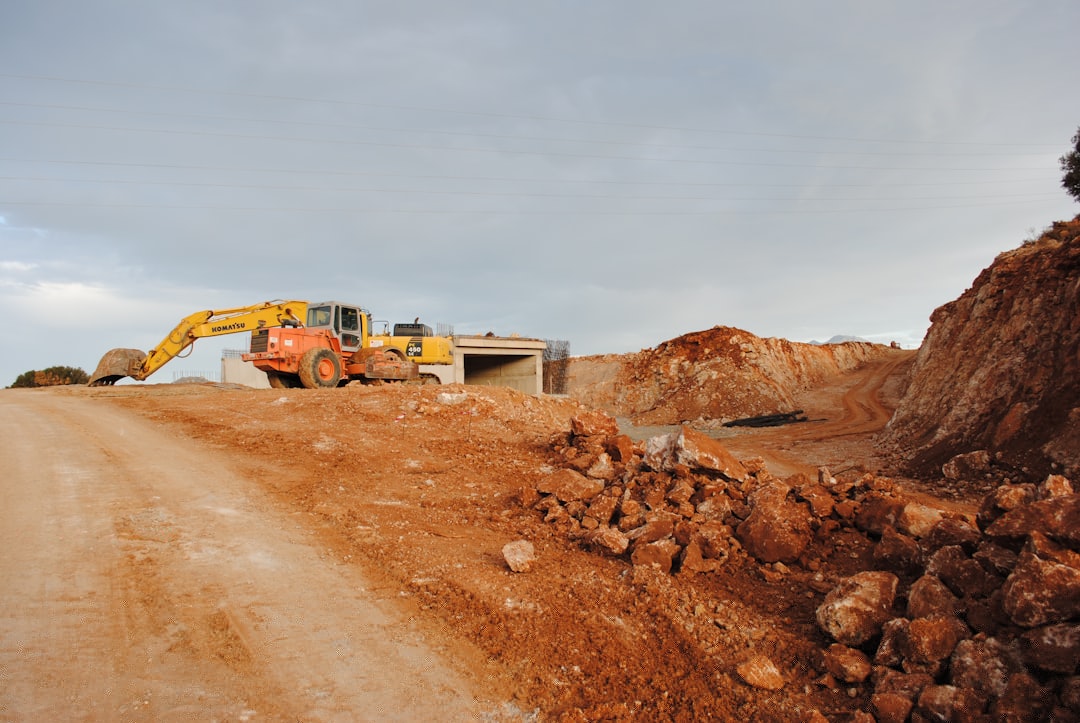
Gold, with its breathtaking luster, has enchanted civilizations for millennia. From the ancient Egyptians to modern investors, its value remains unparalleled. However, the extraction of gold is far from a benign process. Mining operations often involve the use of toxic chemicals like cyanide and mercury, which seep into the surrounding soil and waterways. This contamination poses severe threats to aquatic life, disrupting entire ecosystems. Moreover, gold mining frequently leads to deforestation, stripping away the natural habitats of countless species. The quest for gold, while economically beneficial, comes at a steep environmental cost that cannot be overlooked.
The Rubber Boom and Its Ripple Effects

Rubber, a seemingly innocuous material, plays a crucial role in everyday life, from tires to medical devices. Yet, its extraction carries significant ecological consequences. The rubber boom, particularly in Southeast Asia, has led to vast deforestation. Forests, once teeming with diverse flora and fauna, are now replaced with monoculture plantations. This transformation results in habitat loss and decreased biodiversity. The intricate web of life, once thriving in these forests, faces imminent collapse as species struggle to adapt to the rapidly changing environment. The rubber industry’s expansion serves as a stark reminder of the delicate balance between industrial growth and ecological sustainability.
The Silent Disappearance of Species

The extraction of resources like gold and rubber has accelerated the rate of species extinction. Many animals and plants find themselves unable to cope with the rapid destruction of their habitats. Species such as the orangutan in Borneo, whose homes are destroyed for plantations, face the brink of extinction. This loss of biodiversity is not just a tragedy for nature lovers but a warning sign for humanity. Ecosystems rely on a variety of species to maintain balance. As these species vanish, the stability of these ecosystems is compromised, leading to unforeseen consequences for the planet.
The Role of Indigenous Communities
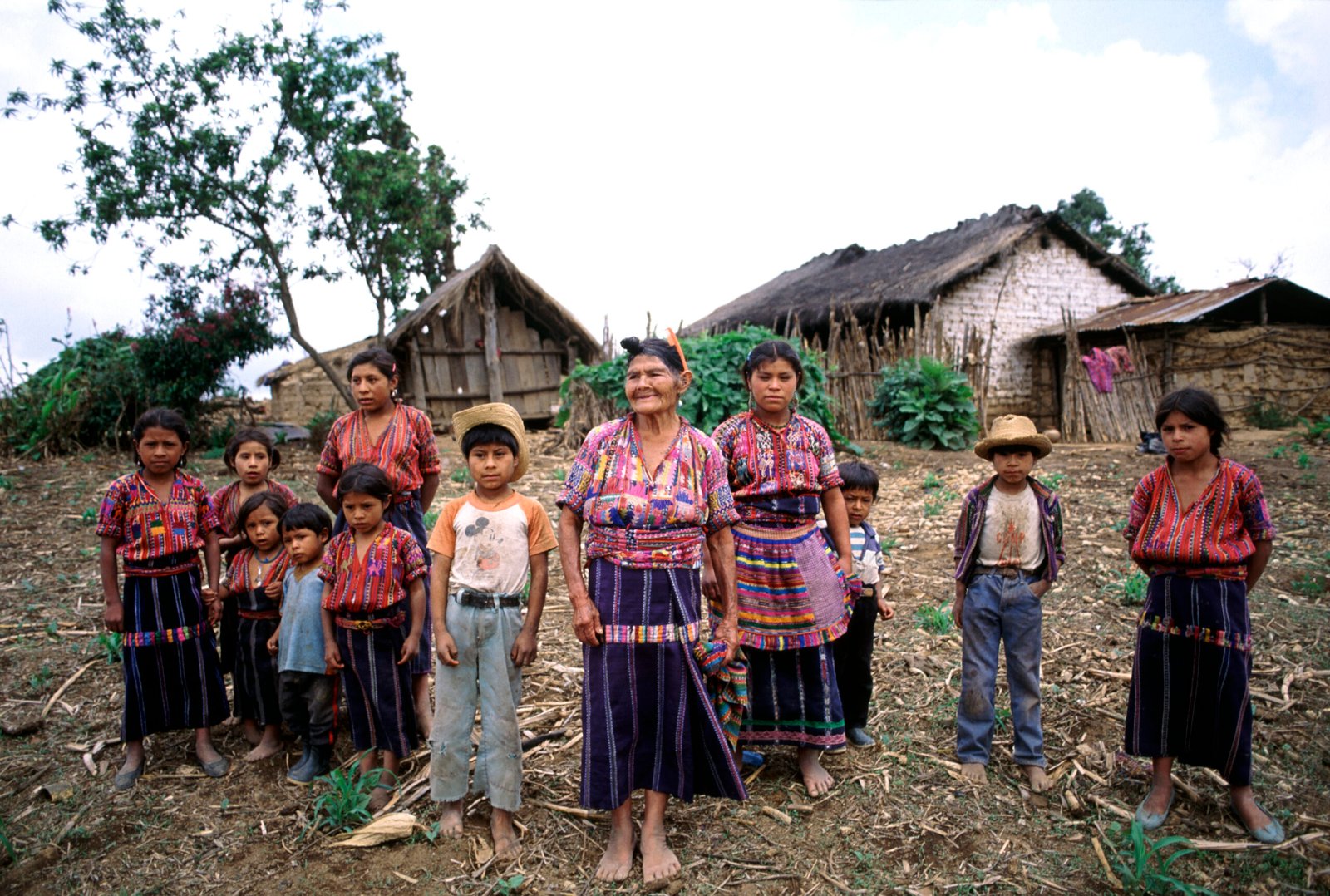
Indigenous communities have long been the stewards of the world’s most biodiverse regions. Their knowledge and sustainable practices have preserved these ecosystems for centuries. However, the surge in resource extraction often marginalizes these communities, displacing them from their ancestral lands. This displacement not only threatens their way of life but also disrupts the delicate balance they have maintained with nature. The voices of these communities are crucial in the conversation about sustainable resource management. Their insights offer valuable lessons on harmonizing human needs with environmental conservation.
Environmental Policies and Regulations

The global community has recognized the need for stringent environmental policies to mitigate the adverse effects of resource extraction. Regulations aimed at reducing pollution, promoting sustainable practices, and protecting wildlife are essential. However, enforcement remains a significant challenge. Corruption, lack of resources, and political interests often hinder effective implementation. A concerted effort from governments, businesses, and individuals is necessary to ensure these policies translate into tangible actions. The future of our planet hinges on our ability to balance economic development with ecological preservation.
The Economic Paradox
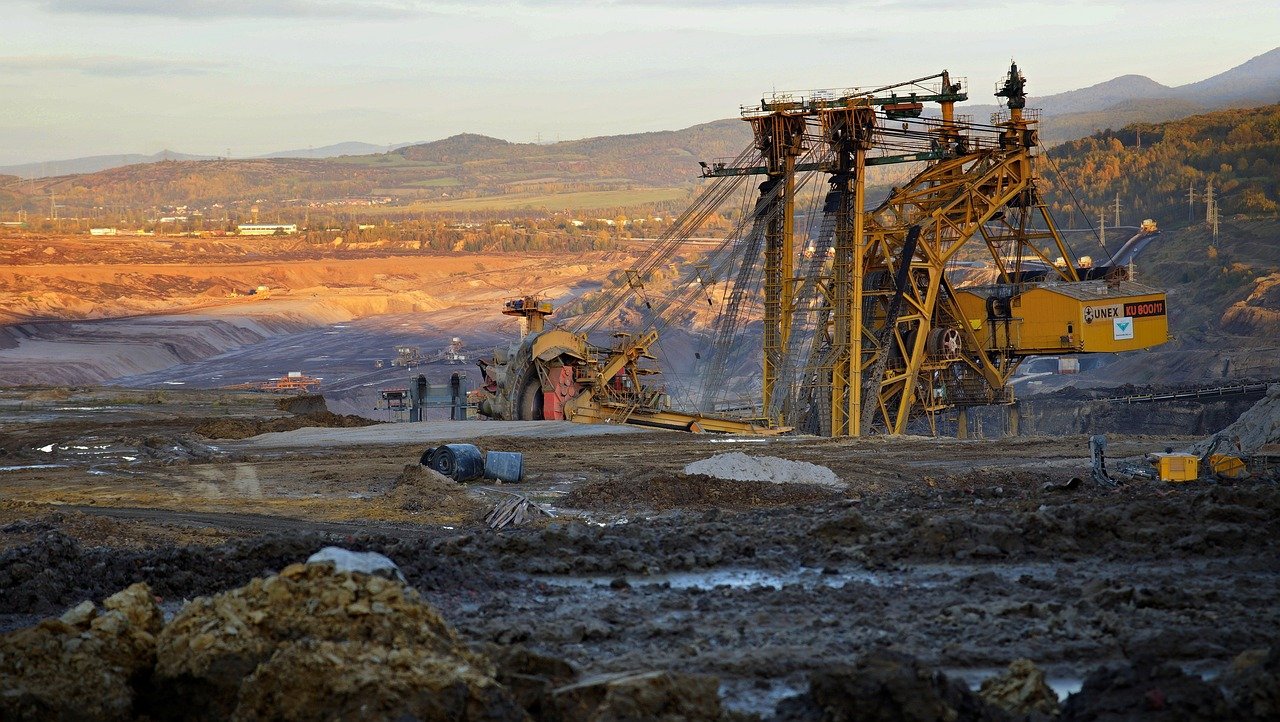
Resource extraction, while economically lucrative, presents a paradox. Short-term gains often overshadow long-term environmental costs. Countries rich in natural resources frequently face the “resource curse,” where wealth from extraction leads to economic instability and environmental degradation. Sustainable development requires a shift in perspective, valuing not just immediate profits but also the health of ecosystems. This balance is crucial for ensuring the prosperity of future generations without compromising the planet’s integrity.
Technological Innovations in Extraction
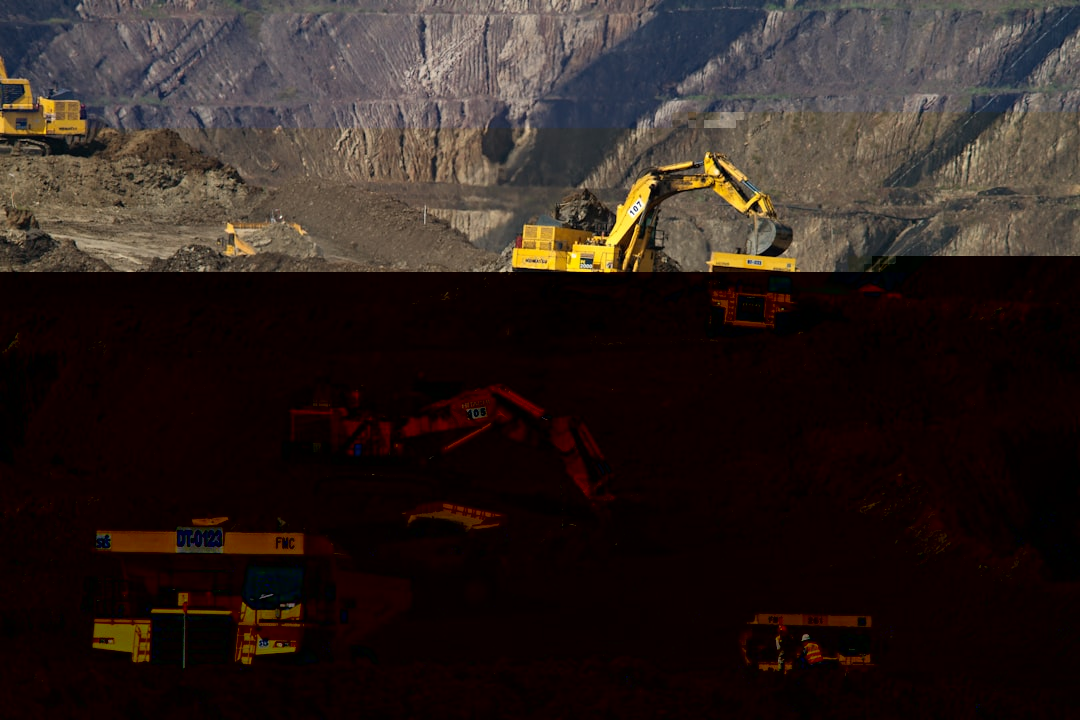
Advancements in technology offer hope for more sustainable resource extraction. Innovations such as bioleaching and green chemistry aim to reduce the environmental footprint of mining operations. These technologies promise to minimize pollution and improve efficiency. However, widespread adoption remains limited due to high costs and resistance from traditional industries. Encouraging investment in research and development is vital for making these technologies accessible and affordable. Embracing innovation is key to transforming the resource extraction industry into a more sustainable model.
The Power of Consumer Choices

Consumers hold significant power in influencing resource extraction practices. By choosing sustainably sourced products, individuals can drive demand for environmentally friendly options. Awareness campaigns and certifications, such as Fairtrade and Rainforest Alliance, empower consumers to make informed decisions. This shift in consumer behavior sends a powerful message to industries, urging them to adopt more sustainable practices. Collective action can lead to substantial change, highlighting the importance of individual choices in the fight against resource-driven environmental degradation.
Education and Awareness
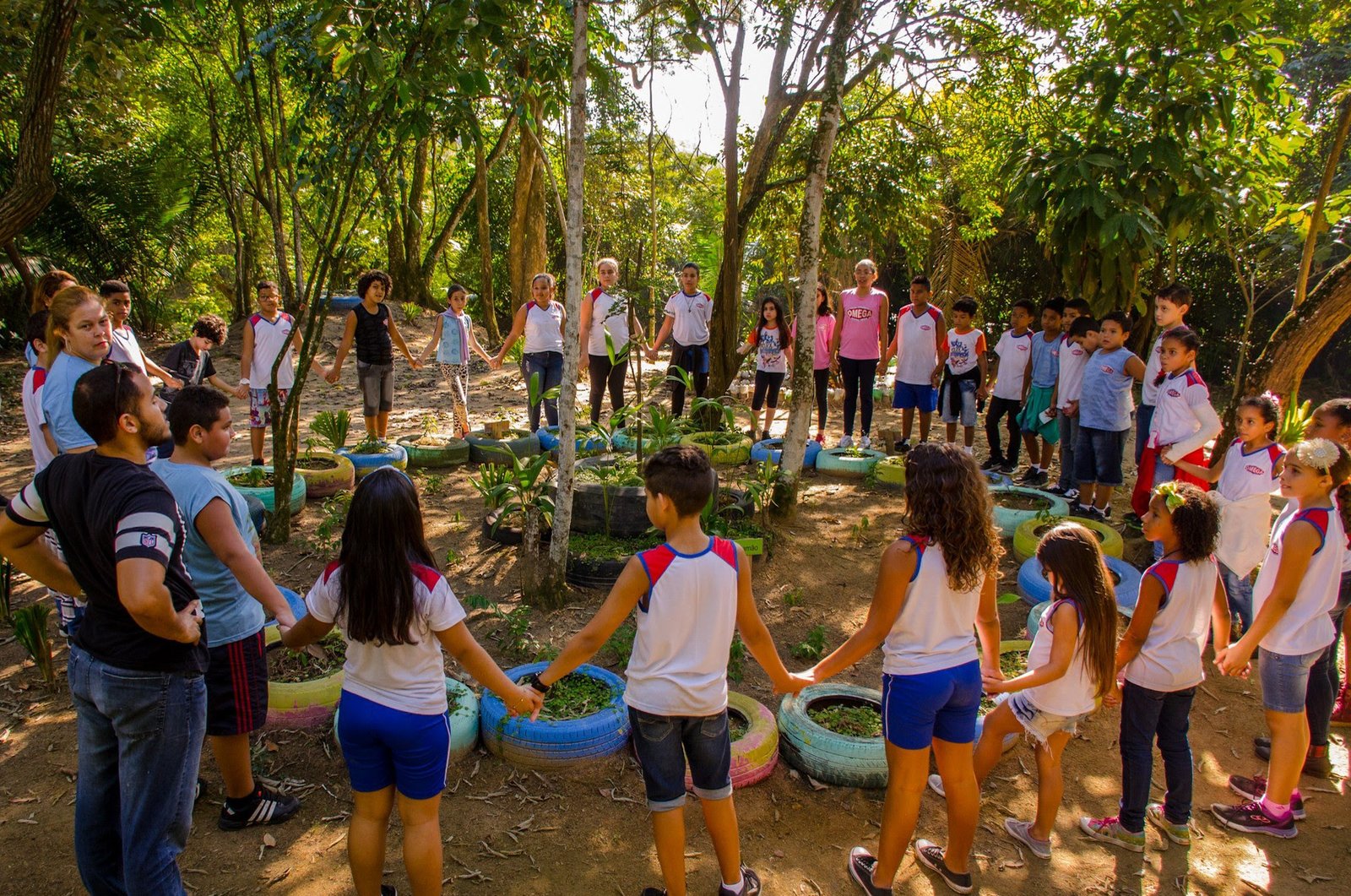
Raising awareness about the impacts of resource extraction is crucial in fostering a culture of environmental responsibility. Education plays a vital role in this endeavor, equipping individuals with the knowledge to make informed decisions. Schools, media, and community programs can all contribute to spreading awareness about the delicate balance between resource extraction and biodiversity conservation. An informed public is more likely to advocate for sustainable practices and hold industries accountable. Education is the cornerstone of building a sustainable future.
Looking Towards a Sustainable Future
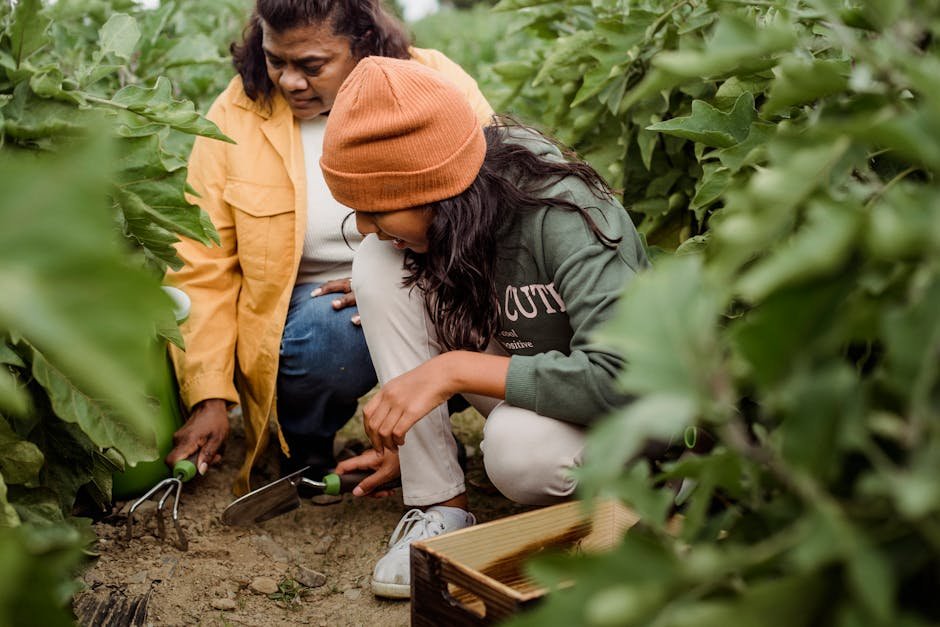
The intersection of gold, rubber, and vanishing species highlights the urgent need for sustainable resource management. As we confront the challenges posed by resource extraction, it is essential to prioritize ecological well-being alongside economic growth. Collaboration between governments, industries, and individuals is vital in creating a future where both humanity and nature can thrive. The journey towards sustainability requires collective action and a commitment to preserving the planet’s rich biodiversity for generations to come.


