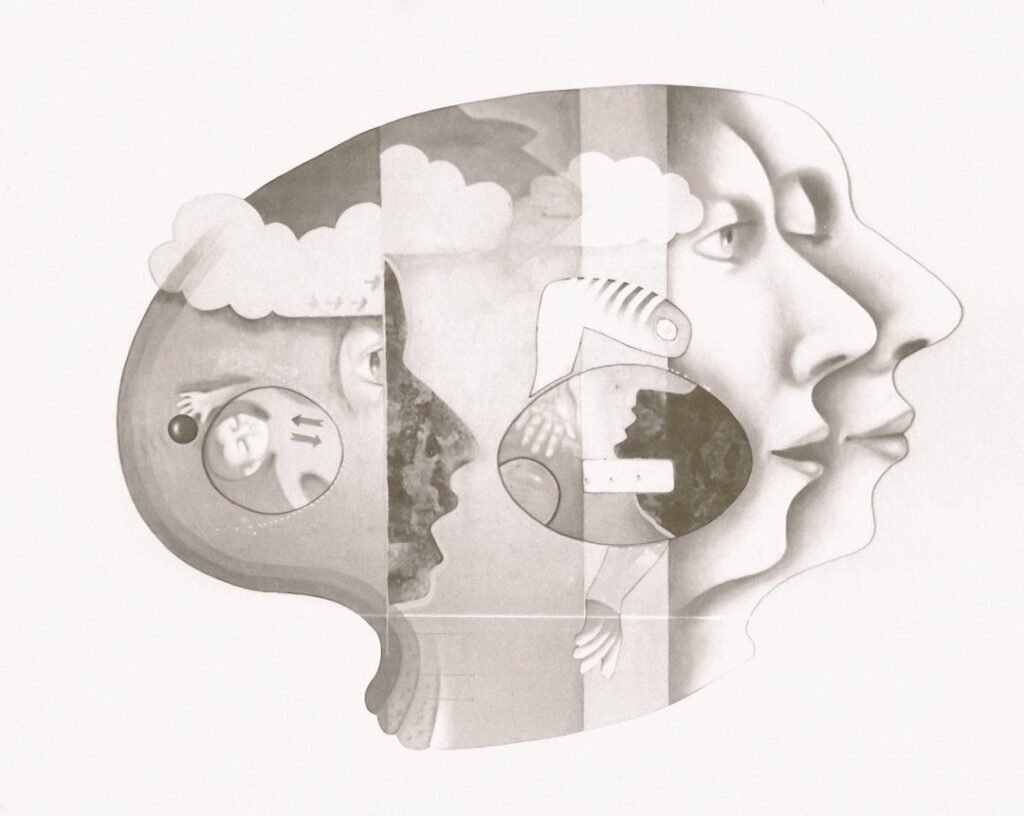

You live your entire life from the inside of a story your mind tells you, but Global Workspace Theory says that story is just a tiny highlight reel. Behind the scenes, your brain is buzzing with activity you never notice, like a crowded newsroom where only a few headlines ever make the evening broadcast. Once you see your mind this way, everyday experiences start to look different: that sudden insight in the shower, the way you miss obvious details, or how you drive home on “autopilot” and barely remember the trip. This article walks you through what this theory actually says, why it matters for your sense of self, and what it means for attention, free will, and AI. You’ll see how most of your mental life happens quietly in the background, while only a narrow stream reaches the stage of awareness. The goal is not to make you feel like a passenger in your own brain, but to show you how understanding this backstage machinery can give you more realistic control over what does get on air.
Your Mind as a Theater: The Core Idea of Global Workspace Theory
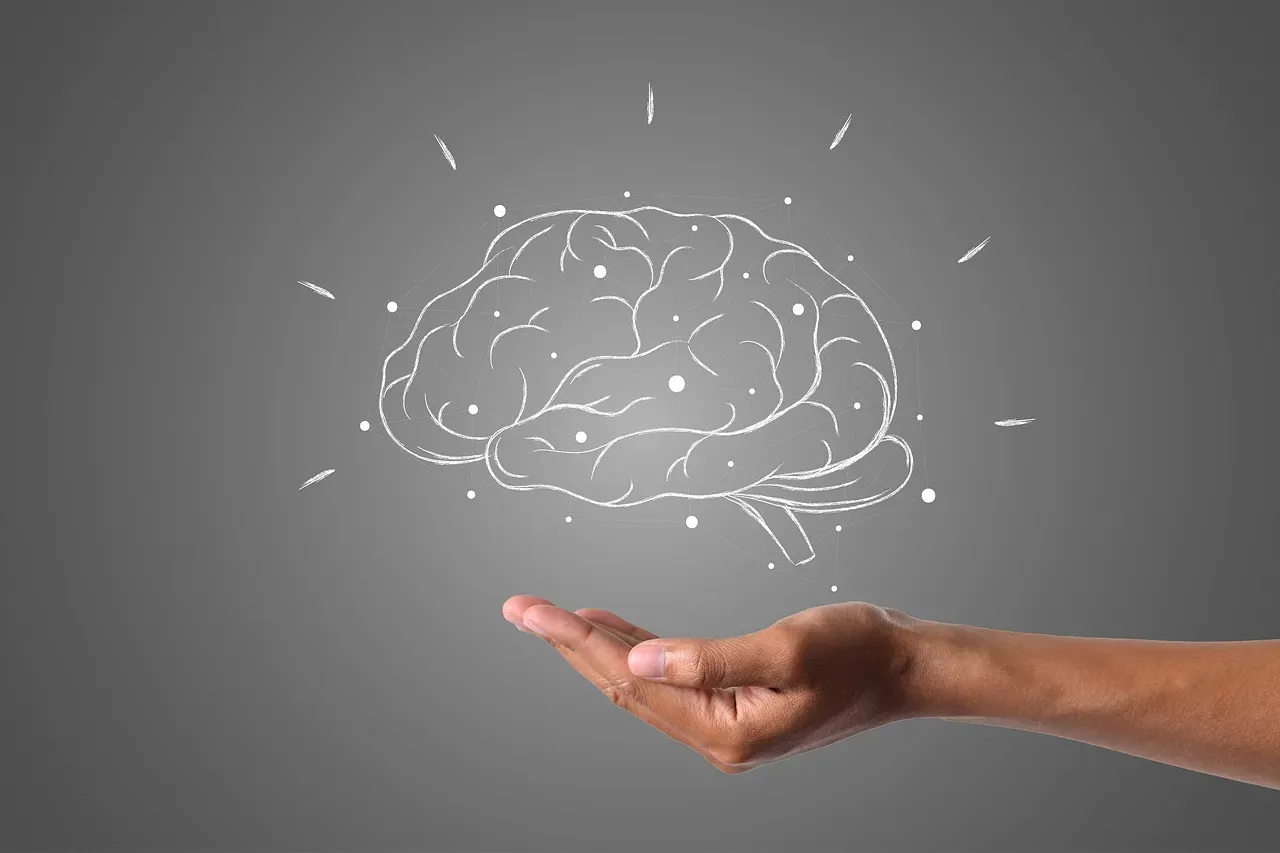
Imagine your mind as a theater. The spotlight on the stage is your conscious awareness, the bright, limited area where you can hold a phone number, think through a decision, or notice a feeling. Around that spotlight is a huge, dark auditorium filled with unconscious processes: perception systems, memories, habits, and emotions all working hard, mostly offstage, mostly unseen by you. Global Workspace Theory, often shortened to GWT, says that when something “becomes conscious,” it’s like an item stepping into that spotlight and getting broadcast to the entire theater. Different parts of your brain can then access that information at once: language systems can talk about it, memory systems can store it, motor systems can act on it. Most brain activity never gets that far and just stays in the dark, quietly shaping what does reach awareness. You experience the spotlight, but the whole show depends on the unseen crew.
Billions of Signals, One Tiny Broadcast: Why Most of Your Brain Stays Hidden
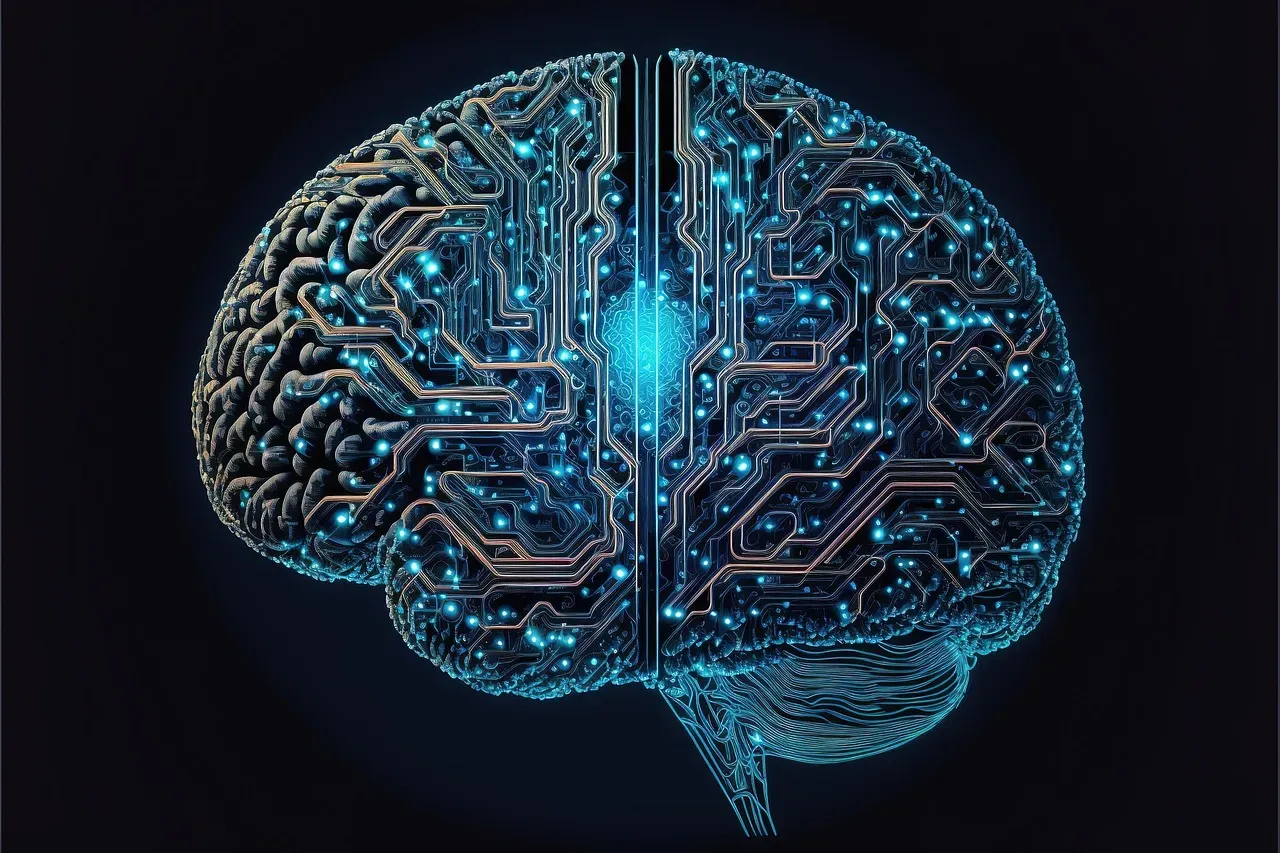
At any given moment, your senses are flooding your brain with information: light patterns on your eyes, sounds, body sensations, smells, your internal bodily state. If every bit of that hit your awareness, it would be unbearable noise. Your brain filters ruthlessly, and GWT explains this filtering as a competitive process to get into the global “broadcast.” Only a very small fraction of what your brain is processing wins that competition. You don’t feel your socks once you’ve worn them for a few minutes, you barely notice your breathing unless you focus, and you miss countless visual details in a room you’re sitting in. Your conscious experience is not a complete dashboard of everything your brain knows; it’s closer to a tiny status screen showing just enough to guide flexible, deliberate action.
Attention as the Gatekeeper: What Actually Makes It Into Awareness
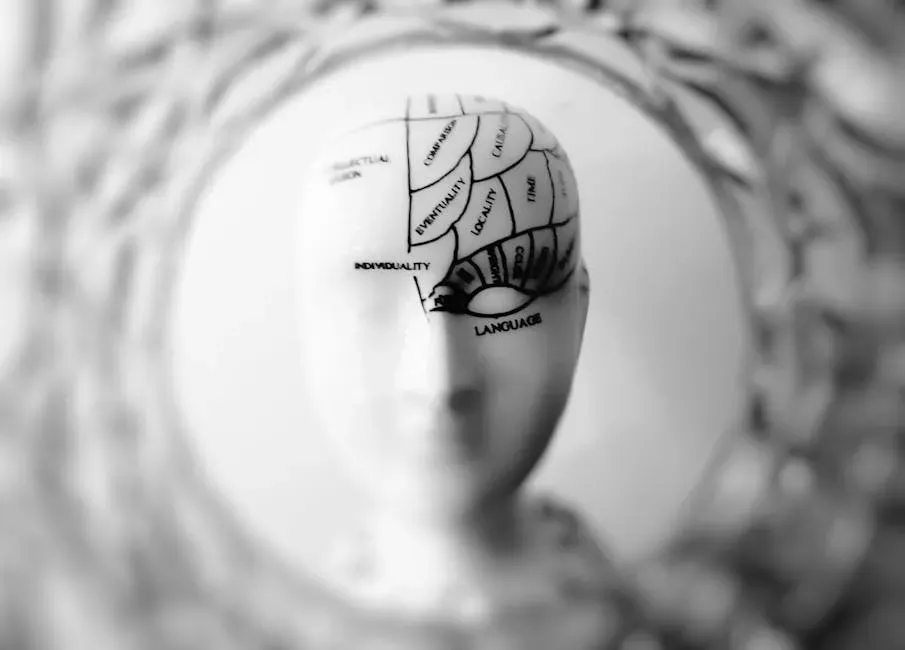
You might think you see and know “everything in front of you,” but GWT suggests awareness is more like a newsletter you curate with your attention. When you focus on someone’s face in a crowd, your brain boosts the signals related to that person and suppresses the rest, making it more likely that their face gets into the global broadcast. In effect, attention turns up the volume on some signals and turns others down so far they never reach consciousness. At the same time, attention is not fully under your control. Sudden movements, loud noises, or emotional cues can hijack the process, forcing something into the broadcast even if you didn’t choose it. You can think of your awareness as a limited stage where your deliberate focus and your automatic reactions constantly negotiate which mental content gets the mic. What you experience as “now” is the outcome of that tug-of-war.
Autopilot and Habits: How Unconscious Systems Run Most of Your Life
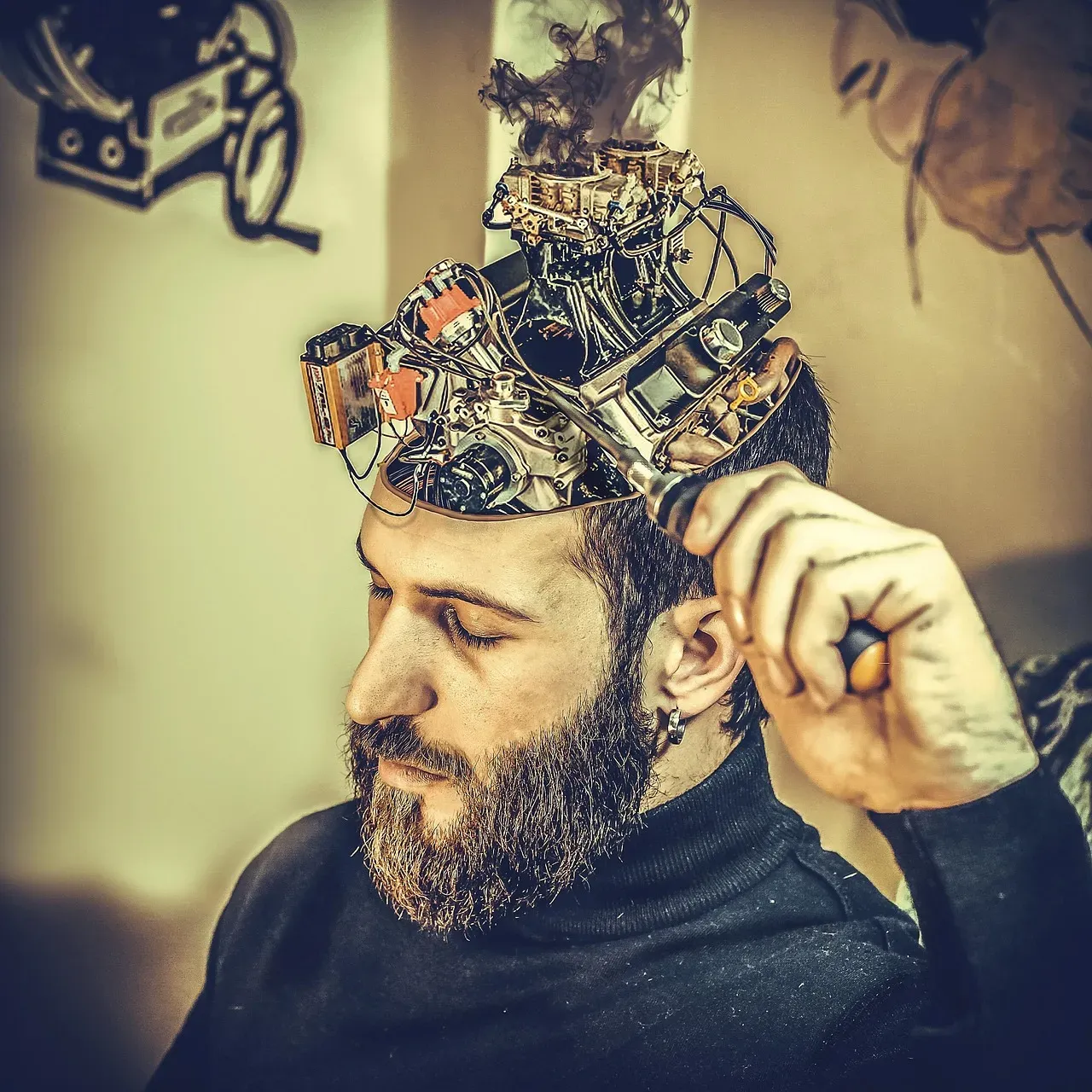
Think about the last time you drove a familiar route, washed dishes, or scrolled your phone and suddenly realized you don’t remember the last few minutes clearly. You were not unconscious in a medical sense, but your conscious broadcast was barely involved in the detailed control of your behavior. Habit systems and sensory–motor circuits took over, while your awareness wandered somewhere else entirely. From the point of view of Global Workspace Theory, this is not a glitch; it’s the normal, efficient way your brain runs. Once a behavior is well learned, it doesn’t need constant access to the global spotlight. It can run in the background, only pushing a signal onto the stage when something unexpected happens or when you deliberately decide to check in. A lot of your day is actually managed by these backstage routines while your conscious mind jumps between planning, worrying, and daydreaming.
Consciousness as a Global Broadcast: What Happens When Something “Pops In”
When a thought, perception, or feeling suddenly “pops into your head,” it likely just won a competition to enter the global workspace. Multiple unconscious systems are constantly proposing candidates: a vague memory, a faint sound, a subtle emotion, a task you meant to do. Only a few of them become globally broadcast at any given second, and those are what you experience as your current conscious content. Once something does get broadcast, it becomes available to many different brain systems at once. You can name what you see, remember it later, compare it to a rule, decide what it means for you, or imagine alternatives. Consciousness, in this view, is not a separate substance or a glowing inner screen; it is the temporary, coordinated sharing of information across many specialized parts of your brain. The feeling of “me noticing this right now” is how that global access shows up from the inside.
The Storytelling Self: How You Build a Narrative From Thin Slices
Here is a slightly uncomfortable implication: you build your sense of self out of very incomplete data. Your brain stitches together whatever made it into the broadcast and then backfills reasons, motives, and explanations to make it seem coherent. You feel like you are the author of your thoughts, but you only ever see the draft that made it to publication, never the pile of rejected pages that never reached awareness. You might catch a glimpse of this when you notice yourself explaining a decision after the fact, or when your mood shifts before you know why and your mind rushes in to invent a reason. GWT suggests that your conscious self is a storyteller working with a narrow trickle of broadcast content, while the real work – evaluating options, predicting outcomes, pulling from memory – happens largely offstage. You are not lying to yourself on purpose; you are just narrating the part of the process you can actually see.
Free Will Revisited: Are You Really Choosing, or Just Watching?
If most processing happens unconsciously, it is tempting to think you are just a spectator watching decisions arrive fully formed. Global Workspace Theory gives you a slightly different picture. Your conscious broadcast still matters, because once information is globally available, it can influence slower, more flexible decision pathways. You can hold conflicting options in mind, compare long-term outcomes, and override a tempting impulse, but you can only do that with what actually reaches awareness. In that sense, your freedom lives in how you manage the broadcast: what you attend to, how long you keep it on the stage, and which signals you repeatedly allow in. You cannot control every unconscious process running under the hood, but you can train patterns over time. For example, if you repeatedly bring certain values, goals, or perspectives into consciousness when making decisions, you gradually shape the unconscious biases that feed into future choices. You are less a puppet and more a coach working with a powerful, largely invisible team.
What This Means for AI and Machines That “Might” One Day Be Conscious
Global Workspace Theory has become popular in discussions about whether machines might ever be conscious, because it offers a functional recipe: if a system has many specialized modules and a way to globally broadcast information between them, it might have something analogous to consciousness. Some modern AI architectures loosely resemble this idea, with different components sharing a common space of information instead of working in isolation. From the outside, that can look like flexible, coordinated behavior. For you, the interesting part is not whether your laptop secretly has feelings, but how this comparison throws your own mind into sharper relief. The theory suggests that what makes you conscious is not just raw computing power, but how information is shared and integrated across your brain. If a machine ever did achieve something similar, it would not just be about speed or size; it would be about having its own internal “newsroom” deciding what to broadcast to its many parts, just as your brain does now.
How You Can Use This Insight: Practical Ways to Work With Your Own Broadcast System

Knowing that your awareness is a narrow broadcast channel gives you a few practical levers. First, you can be more deliberate about what you let take over the stage. Practices like mindfulness, journaling, or simple focused work sessions are basically ways of stabilizing certain contents in the global workspace long enough for deeper processing to happen. You are teaching your brain that these signals matter and are worth integrating across many systems. Second, you can be more humble about your blind spots. Instead of assuming you already see everything important, you can treat your conscious thoughts as hypotheses shaped by a lot of hidden processing. That makes it easier to double-check your assumptions, invite other perspectives, and pause before reacting. You may never see the entire backstage machinery, but you can absolutely get better at running the show that reaches the spotlight.
Conclusion: Living With a Brain That Hides Most of Itself
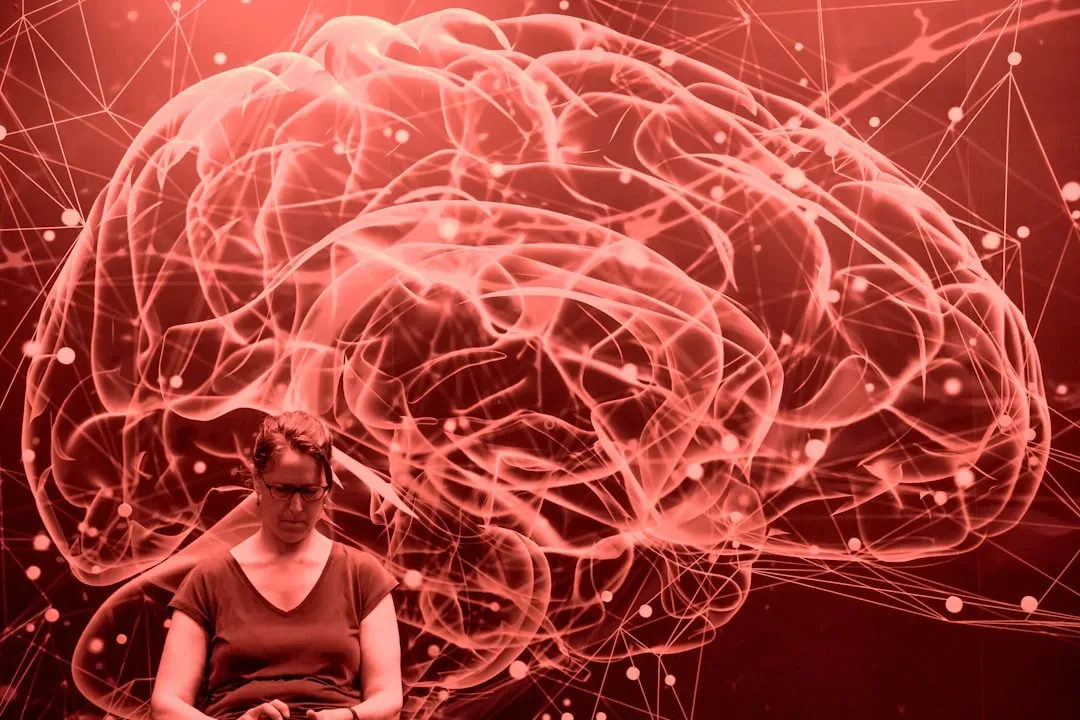
Global Workspace Theory gives you a strange but powerful lens: you are not the whole brain, you are the part that gets the broadcast and helps decide what to do with it. Most of what happens inside your head will never reach your awareness, yet the tiny slice that does is enough to let you reflect, choose, and build a life that feels meaningful. You are living in a curated highlight reel, not a full surveillance feed, and that is probably the only way your mind could function at all. Once you see yourself this way, everyday moments become more interesting: the slip of the tongue, the sudden idea, the habit you did not know you had. They are all clues about the vast backstage you rarely notice. The real question is not whether you can see everything your brain is doing – it is what you want to do with the precious few things that actually make it to air. What will you choose to put under the spotlight next?