

A Stark Analogy to Household Debt (Image Credits: Unsplash)
Humanity’s accelerating drawdown of freshwater resources threatens to overwhelm natural replenishment rates, a new United Nations report cautions.
A Stark Analogy to Household Debt
Researchers at the United Nations University Institute for Water, Environment and Health drew a direct parallel between Earth’s water cycle and personal finances to underscore the urgency. Rivers, rainfall, and snowmelt function much like annual income streams into a household budget. Glaciers and aquifers, by contrast, serve as critical savings accounts built up over centuries or millennia.
Overuse now mirrors reckless spending that exhausts both income and reserves. The report highlighted how many regions already operate in deficit, withdrawing far more water than precipitation restores. This imbalance leaves little buffer for droughts or growing demands. Wildlife habitats suffer first as rivers run dry and wetlands shrink.
Drivers Behind the Rapid Drain
Agriculture tops the list of culprits, consuming the lion’s share of global freshwater through irrigation for crops and livestock. Urban expansion and industrial activities compound the pressure, pulling vast quantities for manufacturing and daily use. Climate change disrupts the equation further by altering rainfall patterns and hastening glacier melt.
Groundwater aquifers, once seen as inexhaustible, now deplete in tandem. Pumping exceeds recharge in key breadbasket areas, leading to sinking land surfaces and saltwater intrusion. These trends signal a systemic overload on the planet’s hydrological ledger.
Impacts Rippling Through Ecosystems
Depleted rivers and lakes disrupt aquatic life cycles, starving fish populations and migratory birds of essential breeding grounds. Wetlands, vital carbon sinks and biodiversity hotspots, vanish as water tables drop. This cascade affects terrestrial species reliant on consistent moisture for survival.
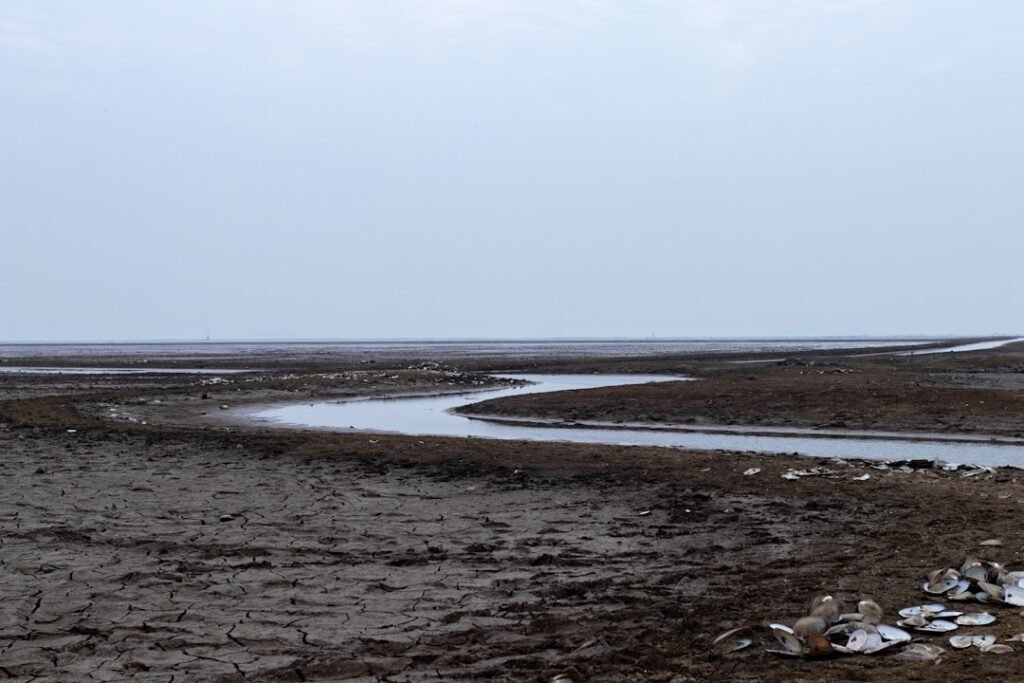
Human communities face rationing, conflicts over shared basins, and agricultural shortfalls. The report emphasized that without intervention, “water bankruptcy” could redefine scarcity on a planetary scale. Early signs already appeared in parched landscapes worldwide.
Strategies to Rebalance the Books
Experts advocated for smarter allocation, such as precision irrigation and crop choices that demand less water. Restoring ecosystems through reforestation helps recharge aquifers and stabilize flows. Policy shifts toward pricing water based on true costs could curb waste.
International cooperation remains essential for transboundary rivers. Innovations like desalination and wastewater recycling offer supplementary supplies in water-stressed zones. These measures, if scaled, could avert the worst outcomes.
Key Takeaways
- Freshwater acts like income (rivers, rain) and savings (glaciers, aquifers), now overdrawn globally.
- Agriculture and climate shifts drive the depletion, harming wildlife and human needs alike.
- Sustainable practices and policies provide a path to restore balance before bankruptcy hits.
The UNU-INWEH report serves as a wake-up call: the world stands at a hydrological tipping point, where inaction invites irreversible shortages. Proactive stewardship offers hope for replenishing this vital resource. What steps should leaders prioritize to prevent water bankruptcy? Share your thoughts in the comments.