
Imagine wading into the chilly waters off the coast of ancient New Zealand, only to come face-to-face with a bird nearly as tall as you. This isn’t some wild fantasy, but a peek into a world where giant penguins once dominated the southern hemisphere. These enormous, tuxedoed titans waddled across rocks and dived beneath the waves long before humans ever set foot on these remote islands. Their story is a breathtaking reminder that nature can be weirder, wilder, and more wonderful than we ever imagined.
The Discovery That Changed Everything
The first fossils of giant penguins in New Zealand weren’t found by seasoned paleontologists, but stumbled upon by an eagle-eyed amateur fossil hunter. When the bones were first unearthed, the sheer size of the leg bones left scientists stunned. It was as if someone had combined the skeleton of a modern penguin with the heft of a human child. This discovery set off a flurry of excitement and debate, sparking new questions about how such enormous birds could have lived and thrived.
A Glimpse into the Distant Past
Picture New Zealand around 60 million years ago—a place utterly unlike the lush, green islands we know today. Back then, the land was mostly underwater, dotted with small islands and teeming with marine life. The ancestors of today’s penguins were just beginning to make waves, evolving into some of the largest birds ever to waddle the Earth. These ancient penguins lived alongside other prehistoric creatures, painting a vivid picture of a world ruled not by mammals, but by birds.
Meet Kumimanu: The Colossus of Penguins
Among the most jaw-dropping of these ancient birds is Kumimanu, a penguin so large that it could have looked an adult human in the eye. Fossils indicate Kumimanu stood around 1.7 meters tall—roughly the height of a refrigerator. Weighing over 100 kilograms, this bird would have been a formidable presence on any stony beach. Scientists named it “Kumimanu,” which means “monster bird” in Māori, a fitting tribute to its impressive stature.
How Did Penguins Get So Big?
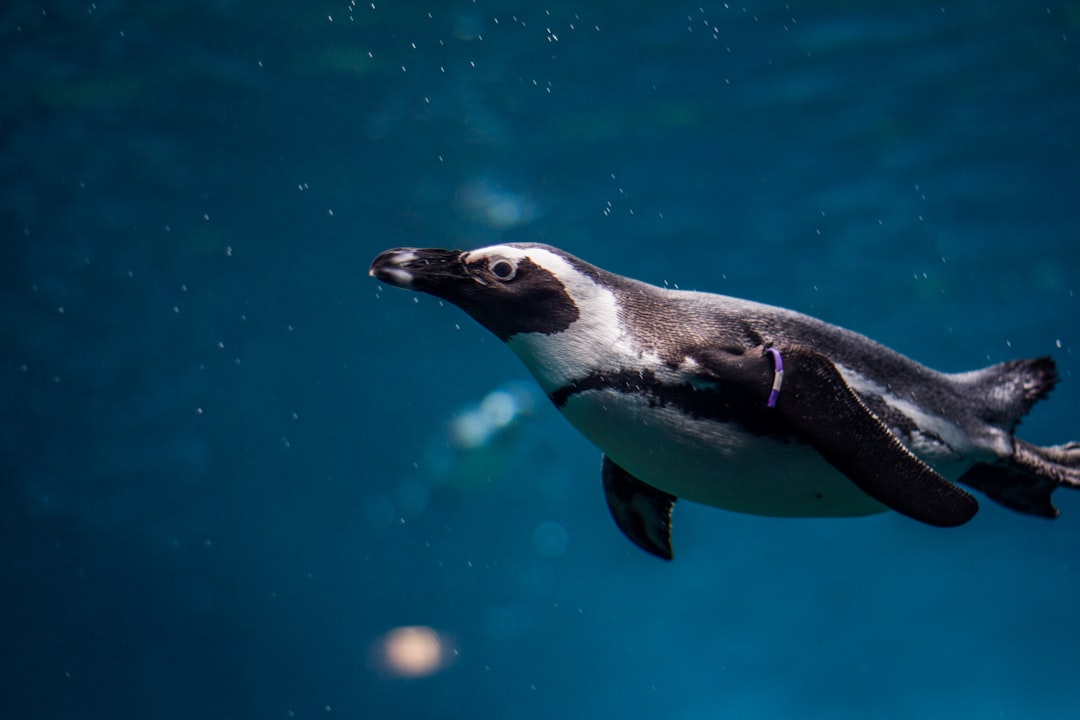
It’s a question that keeps even the most seasoned scientists up at night: what evolutionary pressures led to such gigantic penguins? One leading theory points to the lack of large marine predators after the extinction of dinosaurs. With fewer threats, penguins could grow larger without fear. Bigger bodies also allowed them to dive deeper and hunt more efficiently, turning them into the apex seabirds of their age.
Life in the Southern Seas
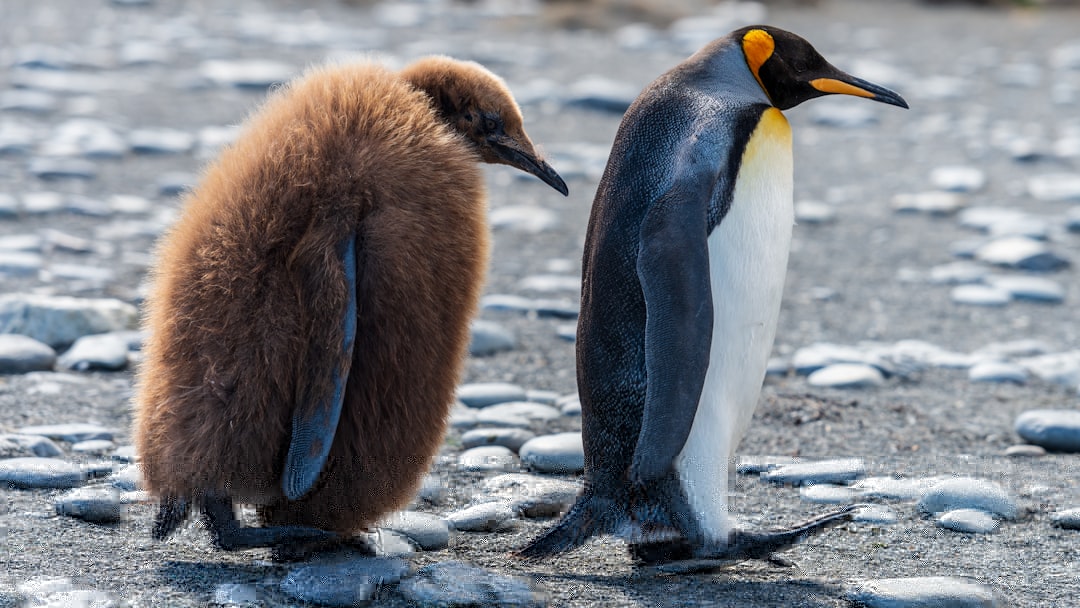
Giant penguins didn’t just tower over their modern relatives—they ruled their coastal realms. The southern seas were their hunting grounds, rich with fish, squid, and other marine delicacies. With their powerful flippers and hefty bodies, these birds could plunge to impressive depths, staying underwater for long stretches. Their reign was a golden age, a time when birds truly ruled the waves.
New Zealand: A Land of Lost Giants
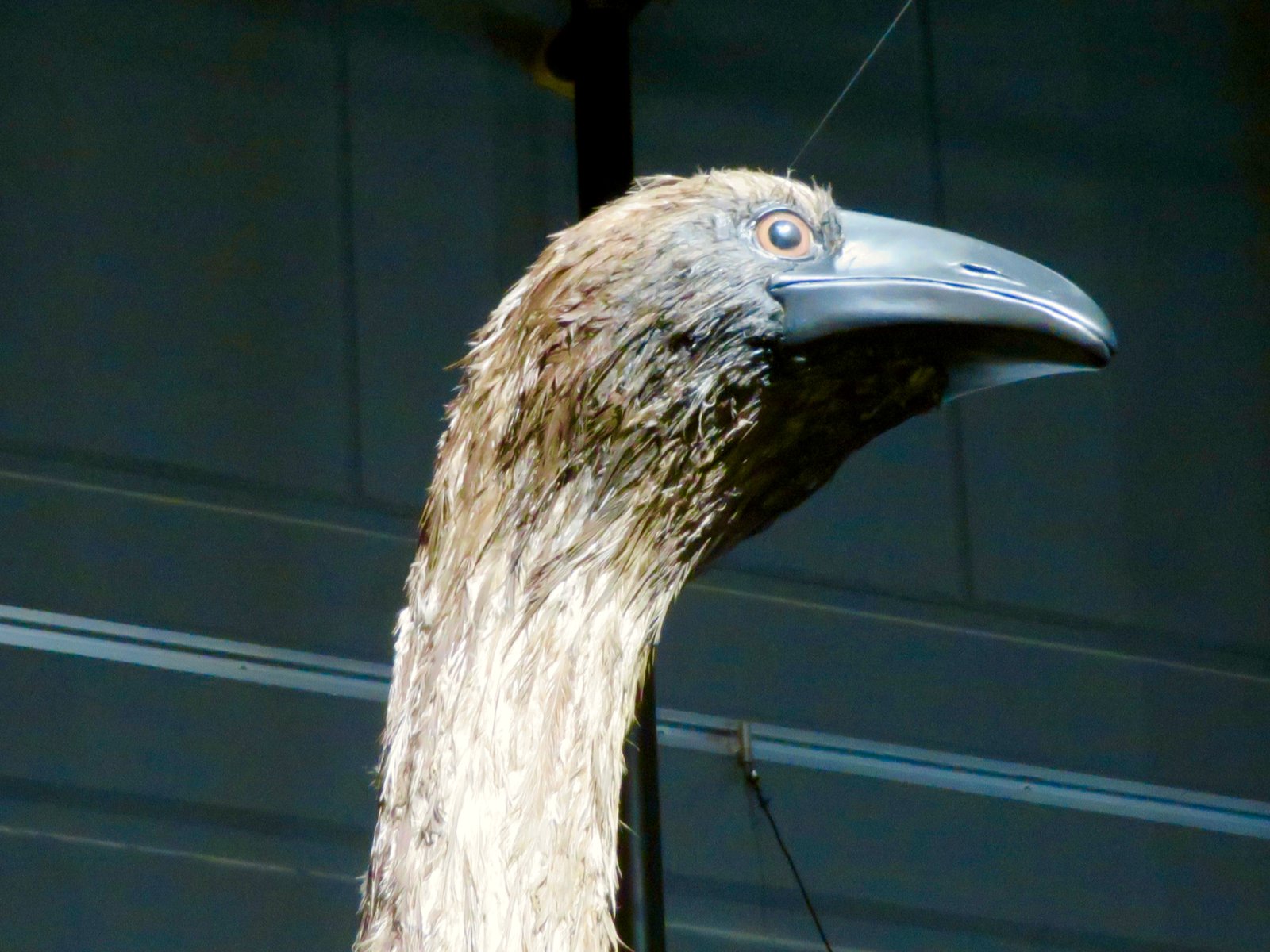
New Zealand wasn’t just home to giant penguins; it was a hotspot for all things unusual and oversized. From the towering moa to massive eagles, the islands have always favored the extraordinary. Isolation played a big part—cut off from the rest of the world, species here evolved in their own quirky directions. The giant penguins are just one chapter in New Zealand’s ongoing saga of natural oddities.
Paleontologists Unravel the Mystery

Uncovering the life story of a creature that lived millions of years ago is no easy feat. Paleontologists painstakingly piece together bones, using clues from rocks and sediment to reconstruct the ancient world. Every fossil tells a story, and with each new penguin discovery, scientists learn a little more about how these birds lived, hunted, and eventually disappeared.
What Did They Eat?
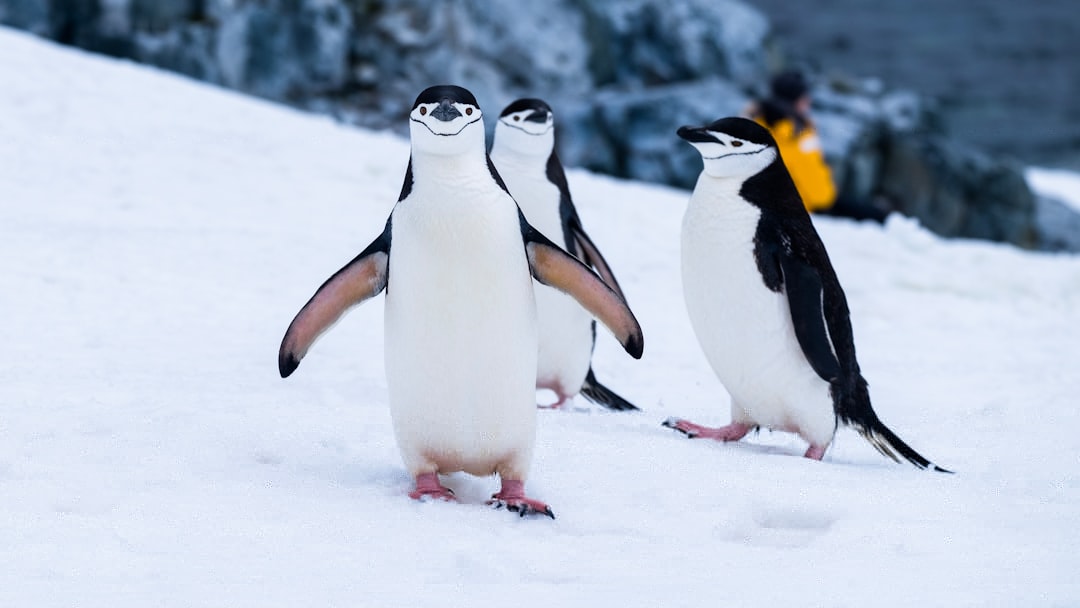
Giant penguins were the ultimate seafood connoisseurs. Their beaks, shaped differently from today’s penguins, hint at diverse diets. From slippery fish to soft-bodied squid, these birds had the tools to tackle a variety of prey. Some researchers even believe they could have hunted larger creatures, using their size and strength to outcompete smaller rivals in the ocean’s depths.
The Art of Walking and Swimming
Watching a modern penguin waddle is endearing, but imagine seeing a bird the size of a grown man shuffle across the rocks! Despite their ungainly appearance on land, giant penguins were exquisitely adapted for life in water. Their strong bones and muscular flippers made them powerful swimmers, capable of navigating strong currents and diving to impressive depths in search of food.
Why Did They Disappear?
It’s one of nature’s great mysteries: what caused the giants to vanish? As the ages passed, the southern seas became more crowded. New marine mammals, like seals and whales, arrived and began to compete for food. The changing climate and shifting continents transformed their habitats. Slowly, the era of giant penguins faded, leaving behind only their bones and the echoes of their ancient reign.
Modern Penguins: A Shadow of Their Ancestors
Today’s penguins are charming, but they don’t hold a candle to their colossal ancestors. The tallest living penguin, the emperor, stands just over a meter tall—dwarfed by the likes of Kumimanu. Yet, in their own way, modern penguins carry on the legacy of endurance and adaptability, surviving against all odds in some of the harshest environments on Earth.
Fossil Hunting in New Zealand

The windswept beaches and rocky cliffs of New Zealand are a treasure trove for fossil hunters. Every year, new discoveries emerge from the ancient rocks, adding pieces to the puzzle of the past. It’s a thrilling, sometimes muddy adventure—one that can turn an ordinary walk into a journey back in time. The work is painstaking, but the rewards are incredible, offering glimpses into worlds long vanished.
What Makes a Penguin a Penguin?
Despite their diversity in size and shape, all penguins share a set of remarkable adaptations. Their bones are dense, making them less buoyant and better suited to diving. Their wings have evolved into flippers, perfect for slicing through water. Even their iconic tuxedo coloring serves a purpose, camouflaging them from predators above and below. The giant penguins took these traits to the extreme, showcasing just how versatile and successful this family of birds has been.
The Role of Climate in Penguin Evolution
Climate has always played a starring role in the story of penguin evolution. During the warm periods after the dinosaurs’ extinction, the seas were rich with life, and penguins flourished. But as the Earth cooled and ice spread across the poles, only the most adaptable survived. The giants faded away, but their smaller cousins persisted, evolving into the species we know and love today.
How Giant Penguins Inspire Imagination
There’s something undeniably magical about imagining a world where six-foot penguins stomped along the shore. Their story has inspired artists, writers, and scientists alike, fueling tales of lost worlds and prehistoric adventures. These birds are a reminder that nature’s creativity knows no bounds—and that sometimes, reality is stranger than fiction.
The Māori Connection

For the Māori people, the original inhabitants of New Zealand, the land’s unique wildlife has always been a source of inspiration and wonder. The discovery of giant penguin fossils adds a new layer to these ancient stories, blending traditional wisdom with modern science. The naming of Kumimanu itself is a nod to this rich cultural heritage, linking past and present in a single, awe-inspiring discovery.
Scientific Surprises: New Species Still Emerging
Just when scientists think they’ve uncovered all there is to know about ancient penguins, a new discovery shakes things up. In recent years, several new species have been identified from fossil remains, each with its own quirks and mysteries. Some were taller, others heavier, each adapted to their unique slice of prehistoric New Zealand. The science is constantly evolving, with more surprises surely waiting beneath the surface.
What Can We Learn from the Giants?

Studying the rise and fall of giant penguins offers powerful lessons about evolution, extinction, and survival. These birds thrived when the conditions were right, but vanished when the world changed around them. Their bones are a silent warning about the fragility of life and the relentless march of time. In a rapidly changing world, their story is more relevant than ever, reminding us that even the mightiest are not immune to the forces of nature.
The Enduring Mystery
Despite decades of research, many questions about giant penguins remain unanswered. How exactly did they move? What was their daily life like? Did they care for their young in colonies, as modern penguins do? The answers remain locked in stone, waiting for the next discovery. Each fossil offers a tantalizing glimpse, but the full picture is still coming together—layer by fascinating layer.
Legacy of the Southern Giants

The giant penguins of New Zealand may be gone, but their legacy lives on in the rocks, the waves, and the imaginations of those who dream of lost worlds. They remind us that the past is never truly dead, but echoes on in the shapes of bones and the stories we tell. Next time you see a penguin, whether in a zoo or on a cold southern shore, take a moment to remember their towering ancestors—and wonder what other giants might still be waiting, hidden beneath the earth.