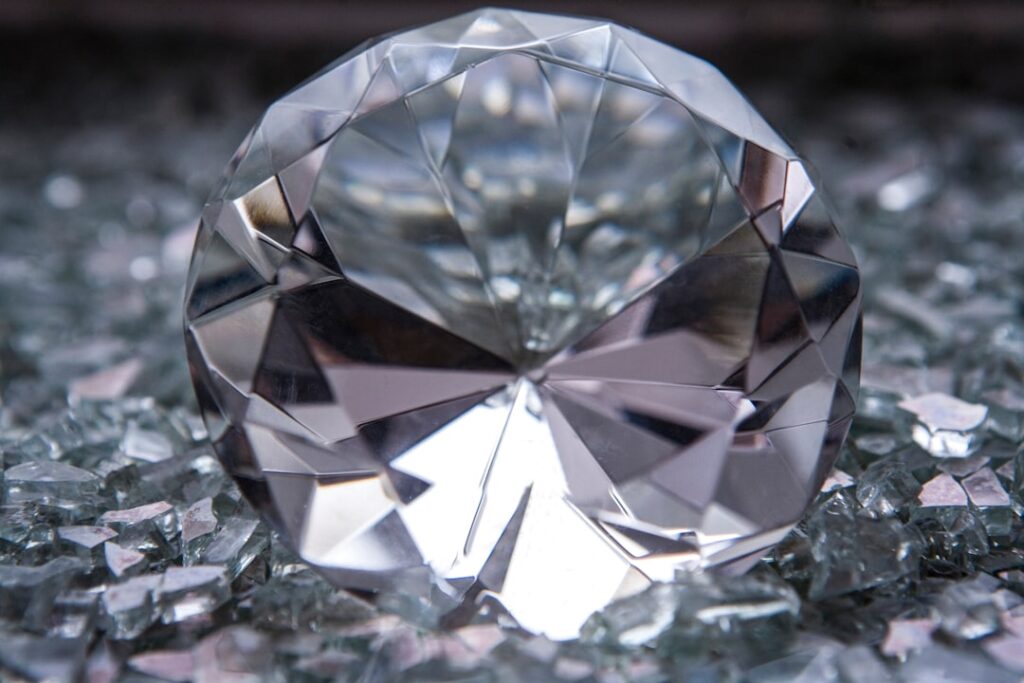
If you have always thought of diamonds as impossibly rare, almost mythical stones scattered randomly in the Earth’s crust, geology has a twist for you. Deep in the mantle, diamonds are not exotic treasures at all; they are a fairly ordinary mineral, stable under intense pressure and heat. What makes them seem rare at the surface is not their existence, but the extreme geological violence required to lift them from two hundred kilometers down to where you can actually hold one in your hand.
That journey depends on a special kind of eruption, faster than almost anything else Earth does, and it appears that this kind of eruption has not happened anywhere on the planet for roughly the last twenty-five million years. So you are living in a geological quiet period, long after the chaos that created most of the diamonds you see in jewelry stores. Once you see diamonds in this light, they stop being symbols of simple rarity and start becoming time capsules from a more explosive Earth you will never personally witness.
You Live on a Crust That Hides a Diamond-Rich Interior
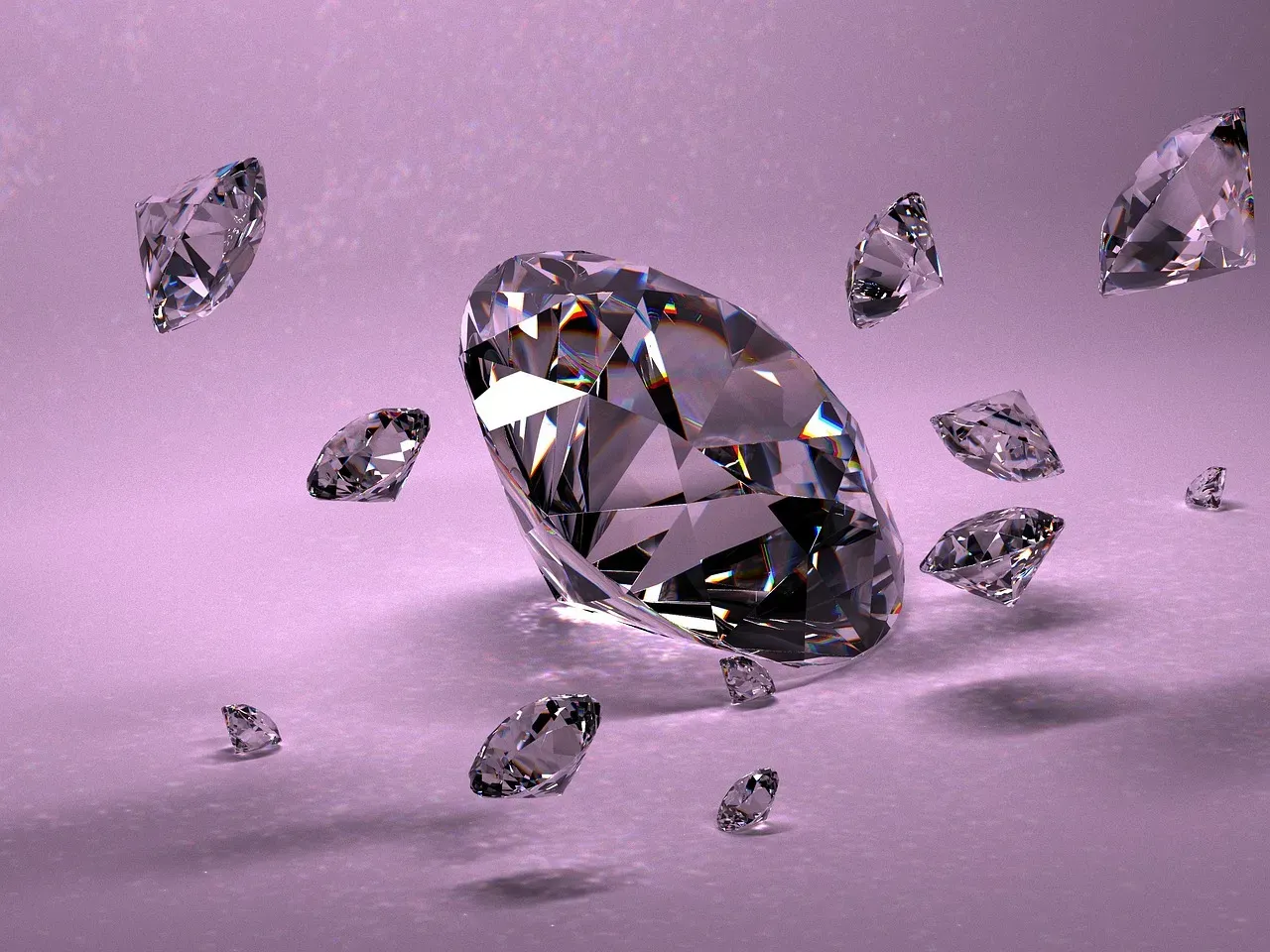
You probably think of Earth in terms of what you can see: rocks, soil, oceans, maybe the occasional mountain range. But if you could slice the planet open like a fruit, you’d find that the thin crust you walk on is just a fragile rind over a vast, high-pressure mantle where minerals behave very differently. Down there, at depths of roughly one hundred and fifty to two hundred kilometers or more, carbon atoms can arrange themselves into the tightly packed lattice that you recognize as diamond.
In those deep mantle zones, conditions of pressure and temperature make diamonds a stable, even common, form of carbon, the way ordinary quartz or feldspar feels common to you at the surface. You are not talking about a few scattered crystals, but about a habitat where diamond is simply the default structure for carbon in certain pockets of the mantle. The irony is that this deep-Earth abundance is completely invisible from where you stand, unless something extraordinarily violent rips through the mantle and drags those crystals up before they can transform into something else.
Diamonds Need Crushing Pressures and Fierce Heat to Form
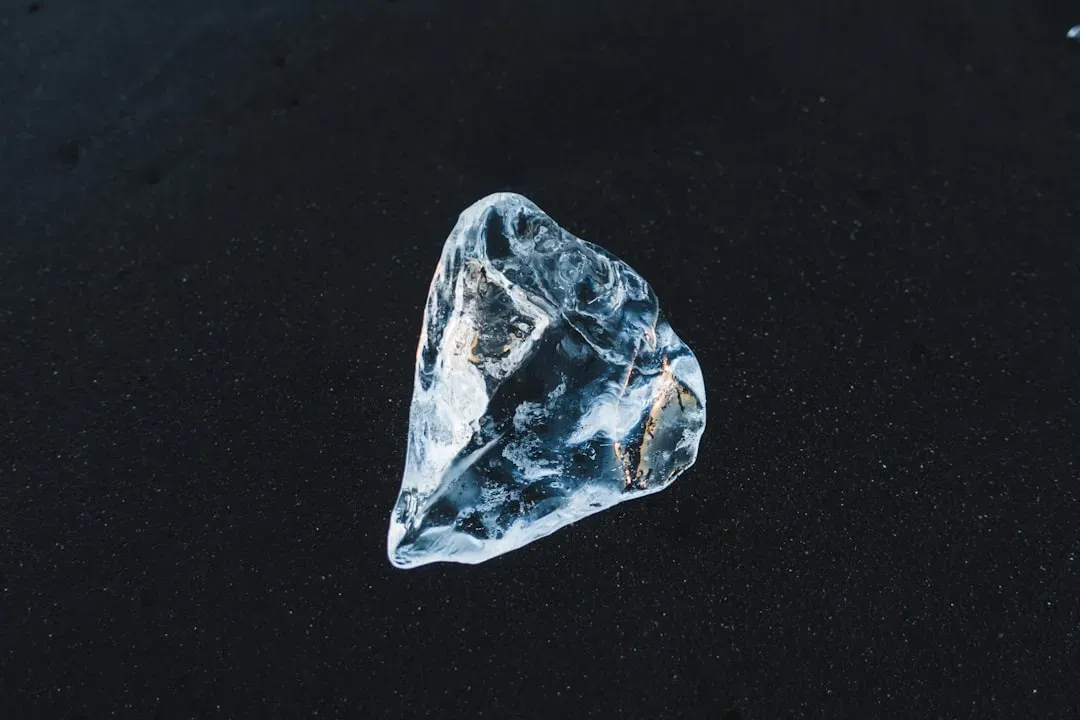
To understand why diamonds are common down there but rare up here, you have to picture the conditions they need to form and survive. You are dealing with pressures many tens of thousands of times greater than the air pressing on you right now and temperatures on the order of a thousand degrees Celsius or more. Under those extremes, carbon prefers the super-dense diamond structure instead of the softer, more open structure of graphite that you might see in a pencil.
If you could somehow teleport a diamond from your ring back into the deep mantle, it would feel right at home; in that environment, diamond is the stable phase. But if carbon rises slowly to shallower depths, where pressure drops, it wants to reconfigure into graphite, and your precious gem would literally rearrange itself atom by atom. That is why, for a diamond to make the leap from deep mantle to surface, it cannot just drift upward lazily. It has to ride an almost instantaneous, catastrophic eruption that outruns this tendency to turn into something more ordinary.
The Real Rarity Is a Freakishly Fast Kind of Volcanic Eruption
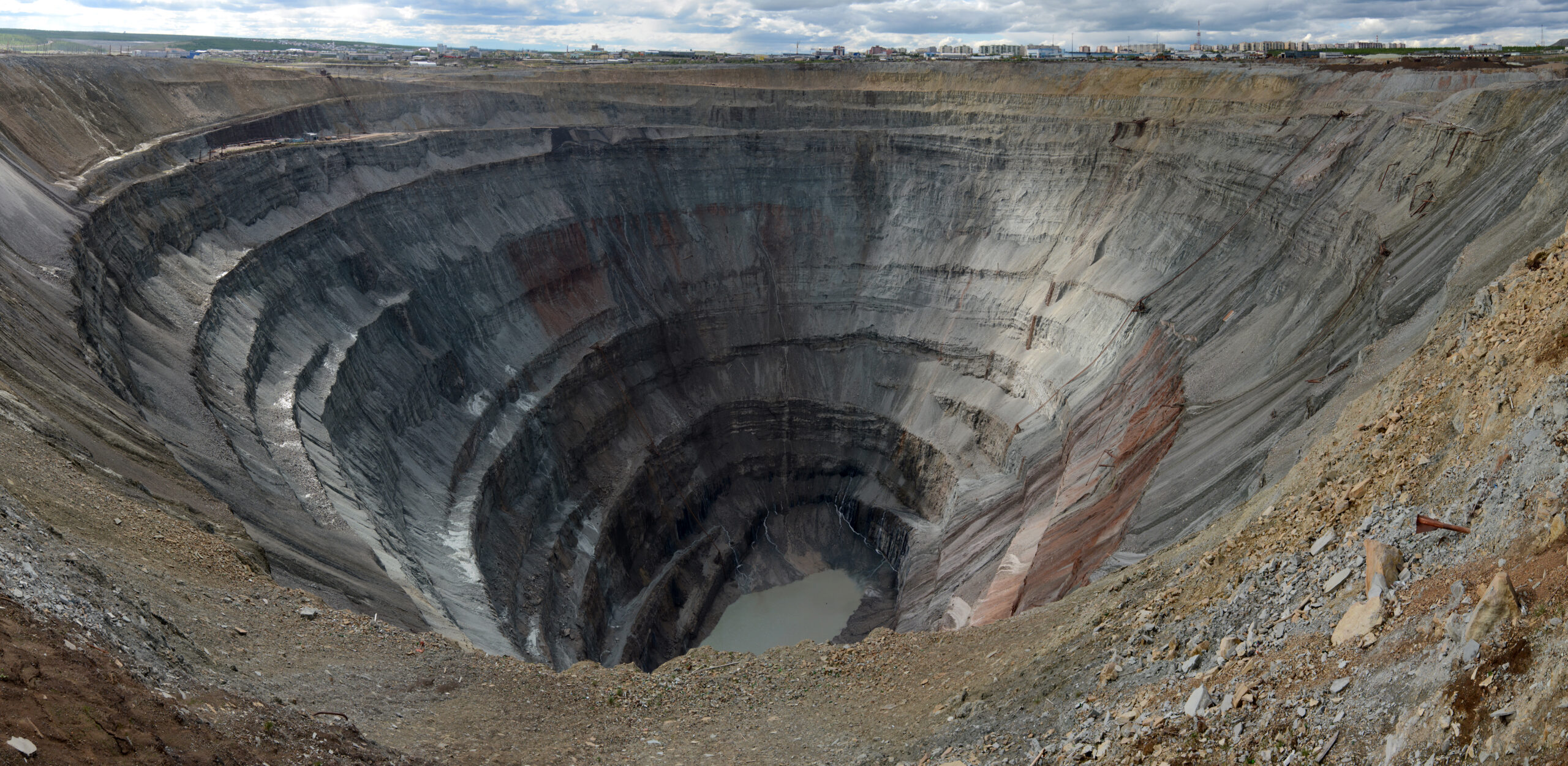
Here is where your mental picture of volcanoes may lead you astray. You might imagine slow-moving lava flows or classic cone-shaped mountains with occasional eruptions. Diamond-bearing eruptions are nothing like that. Instead, they are tied to weird, carrot-shaped pipes of rock called kimberlites and, less commonly, lamproites, which blast up from deep mantle levels at speeds that can rival a commercial jet or even faster for part of the journey.
You can think of these eruptions as geological blowouts: volatile-rich magma charged with gas and fragments rockets through the crust, carrying chunks of mantle rock like torn shrapnel. Inside those chunks, called xenoliths, sit diamonds that formed long before the eruption itself. The eruption is not what makes the diamonds; it is the emergency evacuation that rescues them from depths where you could never otherwise reach, delivering them so quickly that they do not have time to revert to more stable, non-diamond forms on the way up.
Most Diamonds You See Are Older Than Many Continents
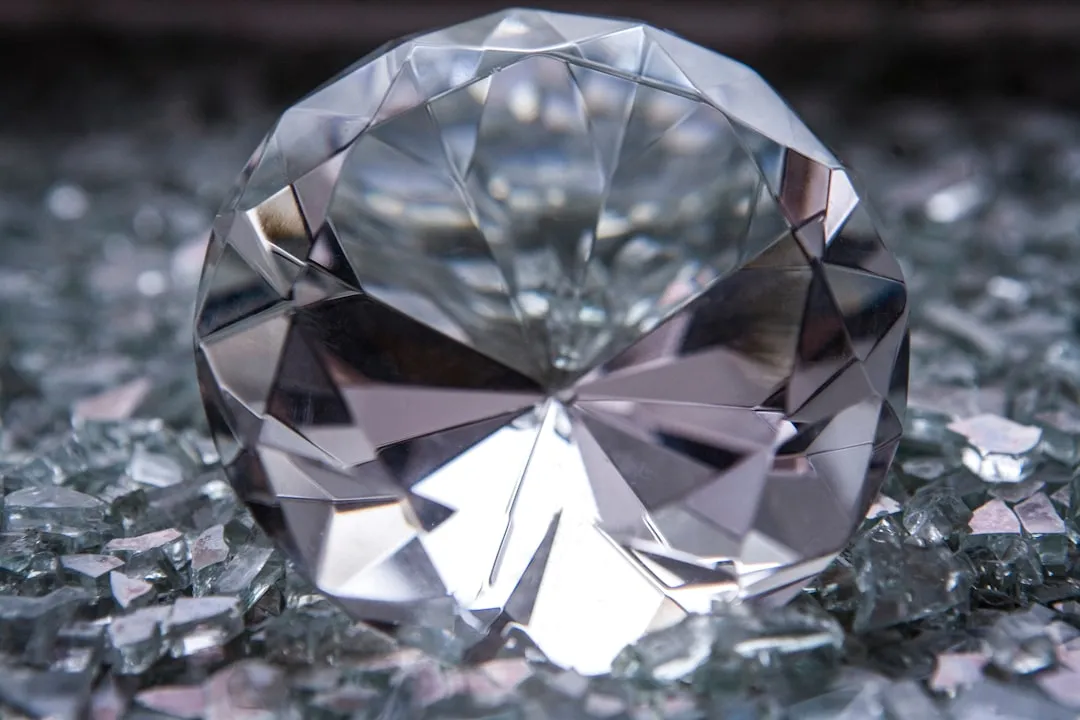
When you look at a diamond, you are not just looking at something expensive; you are peering into absurdly deep time. Many natural diamonds formed more than a billion years ago, in mantle conditions that predate some of the continents as you know them today. The crystal in a ring or in an industrial drill bit could easily have crystallized when Earth’s atmosphere and life looked completely different from anything you would recognize now.
Then, long after that initial formation, those same crystals waited in the mantle until a rare kimberlite eruption punched its way upward and carried them into the crust. In other words, when you hold a diamond, you are holding a piece of Earth that not only comes from great depth but also represents a time span so vast it makes human history feel like a brief flash. You are essentially wearing a relic from an era closer to the planet’s early experiments in continents than to your own modern civilization.
Why You Have Not Seen a Diamond-Bearing Eruption in 25 Million Years
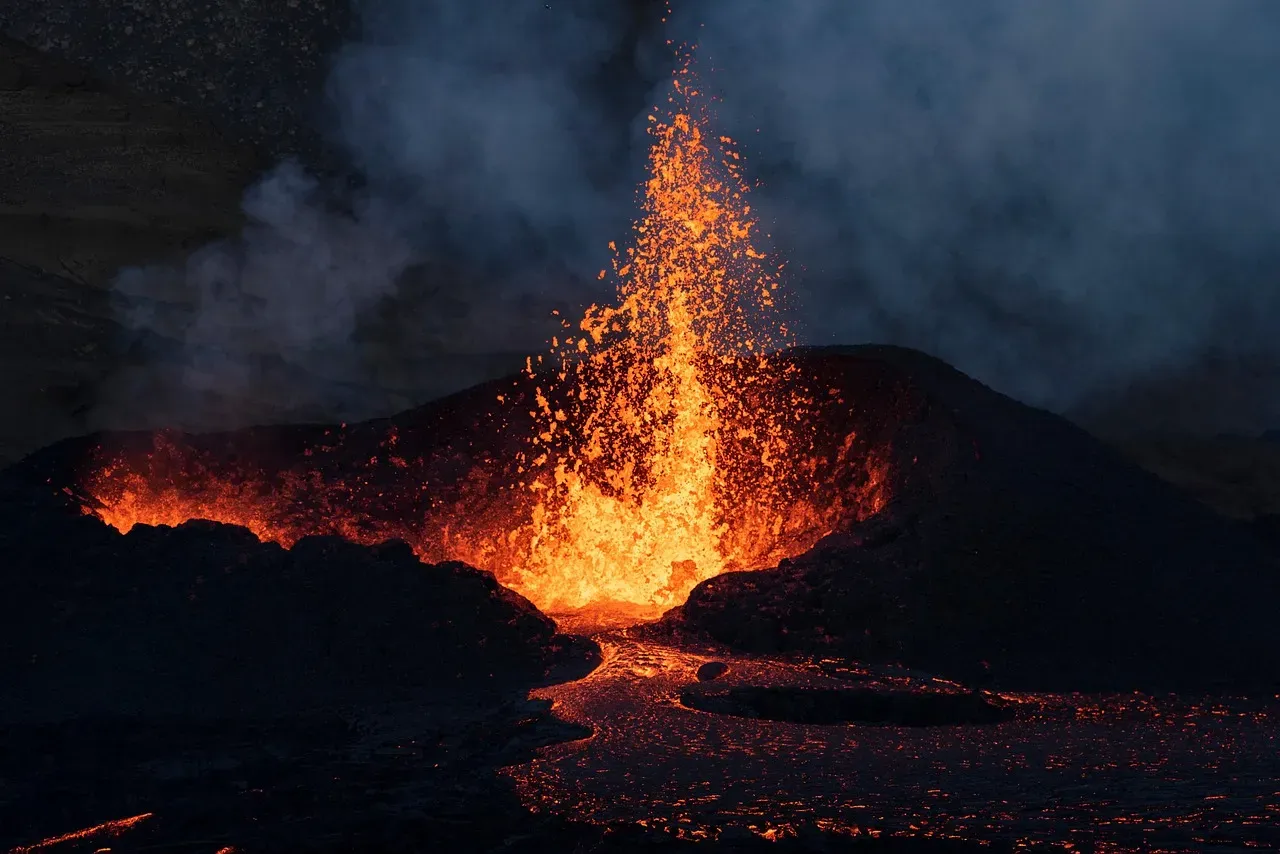
Here is one of the strangest facts you will ever learn about diamonds: as far as geologists can tell, the kind of violent kimberlite eruptions that bring them to the surface have not happened anywhere on Earth for roughly the last twenty-five million years. That might feel surprising because your own lifespan is so tiny compared with geological time, but in Earth’s story, twenty-five million years is more like a few pages than the whole book. It is long enough, though, that no human has ever witnessed such an event.
The reasons are still being worked out, but you can think of it as a shift in how your planet vents its deep mantle energy. The old cratons – those ancient, thick blocks of continental lithosphere – seem to have been the favored launchpads for kimberlite magmas in the past. Over time, as tectonic stresses changed, as mantle plumes moved or cooled, and as the architecture of continents evolved, the conditions that triggered those extremely rapid eruptions appear to have faded. You are living in a quieter phase, where volcanoes still exist, but the specific recipe for diamond-delivery eruptions no longer seems to be active.
You Still Find Diamonds Because Ancient Eruptions Left Geological Time Capsules
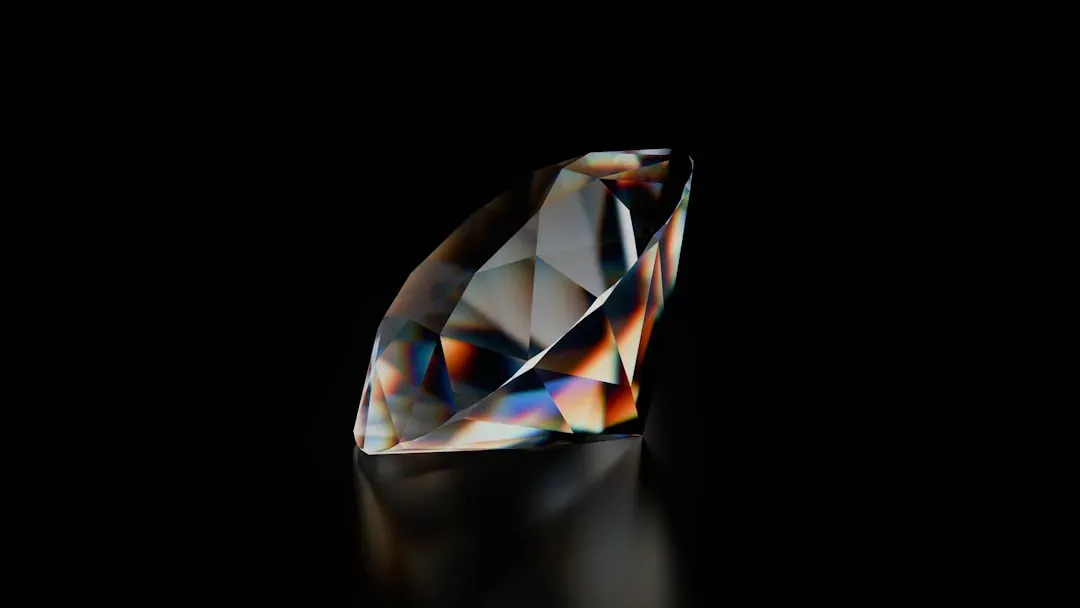
Even though the pipeline from deep mantle to surface has been dormant for tens of millions of years, you still mine diamonds because earlier eruptions left behind distinct footprints. Those old kimberlite and lamproite pipes, frozen in the crust, act like buried chimneys filled with chunks of mantle rock that contain diamonds. When you see maps of diamond mines in places like southern Africa, Canada, Siberia, or Australia, you are essentially looking at the scars of long-dead eruptions that last roared in times no human ever saw.
Exploration geologists use a mixture of detective work and high-tech tools to track these pipes down. You might analyze indicator minerals in river sediments, like tiny garnets and chromites that weather out of kimberlite and travel downstream, a little like breadcrumbs. Or you might use geophysical surveys to spot the unusual density and magnetic signature of a buried pipe. When you finally drill into one, you are not tapping into an active volcano, but rather unpacking a geological archive where diamonds have quietly waited near the surface for tens or hundreds of millions of years.
Industrial Diamonds and Lab-Grown Gems Change How You Think About Rarity
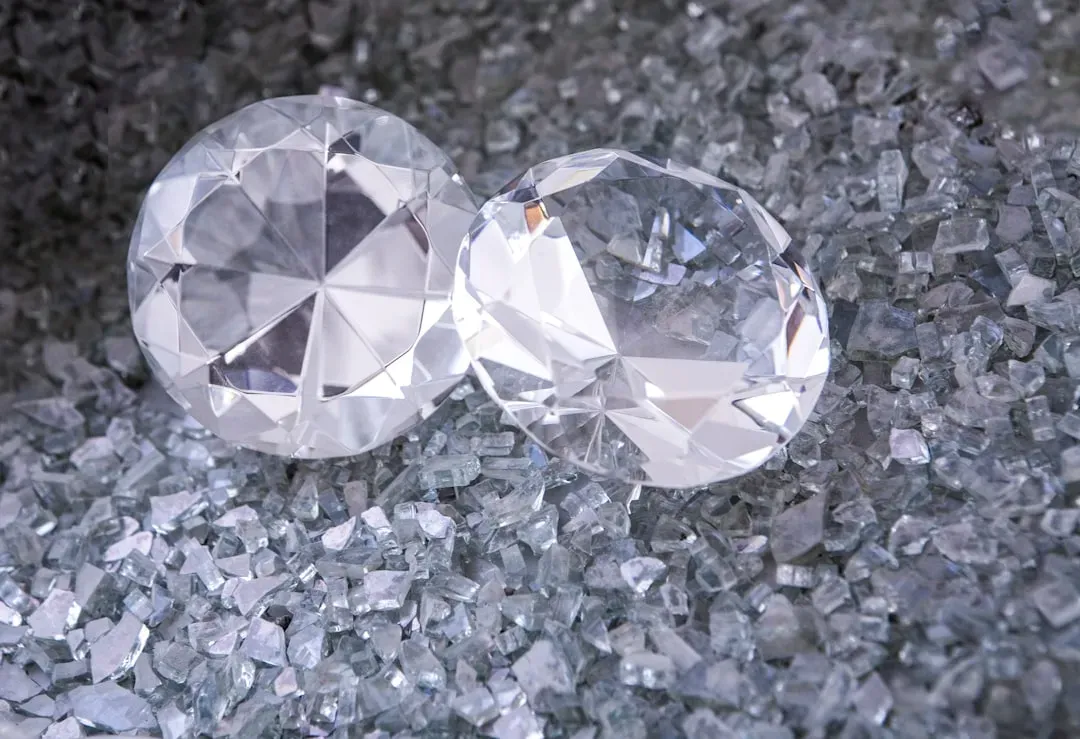
Once you realize diamonds are not fundamentally rare deep-Earth minerals, it becomes easier to understand why humans can now manufacture them in laboratories. If you give carbon the right pressures and temperatures, or subject it to certain chemical vapor deposition techniques, you can coax it into forming diamond without needing a mantle or a kimberlite eruption. From your point of view, that means high-quality synthetic diamonds can be grown for industrial cutting tools, electronics, and even jewelry, all without waiting for the planet to do the job.
This shift challenges the emotional story you may have heard about diamonds being intrinsically rare and therefore naturally precious. In reality, what has always been scarce is the set of geological conditions that bring them to you, not the basic physics that builds their crystal structure. When you use a lab-grown stone in a ring or a precision cutting head, you are essentially bypassing the entire deep-mantle drama and jumping straight to the final product. That does not make natural diamonds meaningless, but it does put their value in a new light: they are historical artifacts and geological souvenirs at least as much as they are rare materials.
Diamonds Are Time Capsules of Deep-Earth Chemistry and Tectonics
You might be surprised to learn that geologists care less about the sparkle of diamonds and more about what is trapped inside them. Many natural diamonds contain tiny mineral inclusions and pockets of fluid that record the conditions of the mantle at the time they grew. If you study these inclusions, you can reconstruct aspects of deep-Earth chemistry, temperature, and even the cycling of water and carbon in ways that are impossible to measure directly.
From your perspective, that turns a diamond into a kind of black box recorder for the planet, preserving information from depths and times you cannot reach any other way. When researchers analyze these inclusions, they gain clues about how continents stabilized, how subducted oceanic plates melted or transformed, and how deep carbon moves through the mantle. So while you may see a diamond as a luxury item, a geologist sees a data capsule from within the Earth, and that scientific value has nothing to do with jewelry or market prices.
Seeing Diamonds Differently: Not Just Rare Jewels, but Messages from a Restless Planet
If you put all of this together, your image of diamonds should shift dramatically. Instead of magical rarities that just happen to turn up in river gravels or underground mines, you can see them as common deep-mantle minerals that only become surface treasures because of a very specific, very rare kind of eruption that Earth has not performed for roughly twenty-five million years. The real story is not about scarcity of the material itself, but about scarcity of the geological traffic system that delivers it.
When you look at a diamond now, you can think about the thick cratonic roots it once sat within, the billion-year timescales involved, and the brief, chaotic eruption that shot it upward fast enough to outrun its own tendency to change. You can remember that you live in a quiet era, long after those eruptions faded, mining the leftovers rather than witnessing new ones. In that sense, every natural diamond you encounter is a reminder that Earth used to be more violently expressive than anything you have ever seen – and a question hangs in the air: if the planet did it before, what might it still have in store, far beyond your own tiny slice of time?