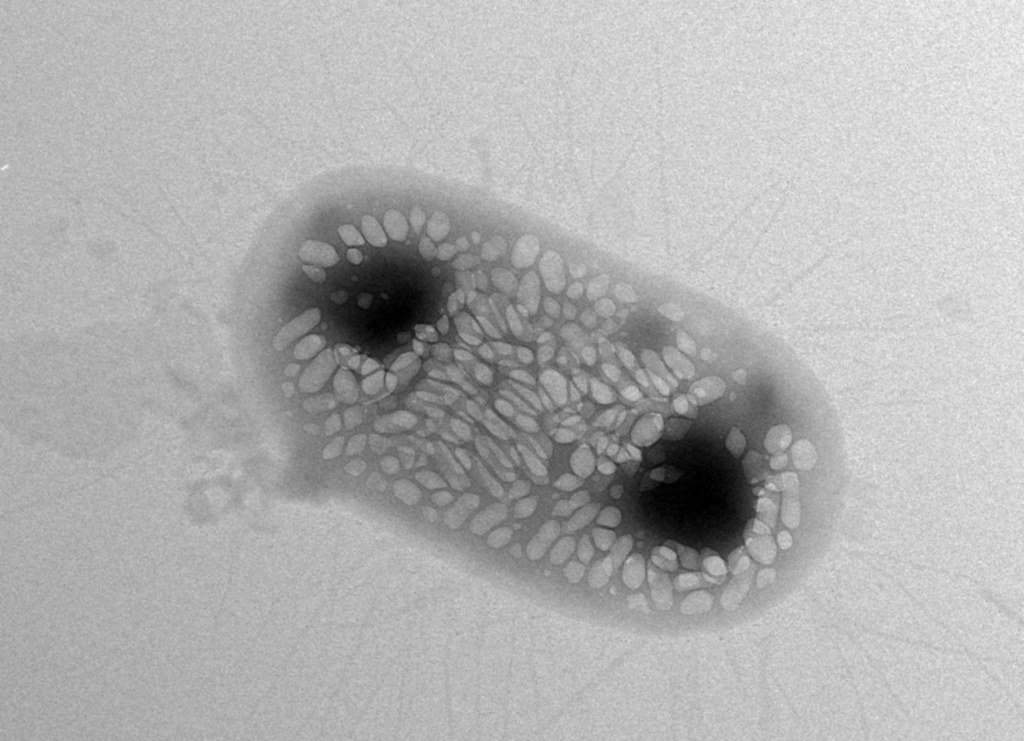

Genetic engineering is a scientific breakthrough that has revolutionized our understanding of biology. At its core, it involves the manipulation of an organism’s DNA to alter its characteristics. CRISPR (Clustered Regularly Interspaced Short Palindromic Repeats) is a cutting-edge technology that has emerged as one of the most precise tools for genetic engineering. Originally discovered in bacteria as an immune defense mechanism against viruses, CRISPR and its associated protein, Cas9, allow scientists to edit genes with greater accuracy and efficiency than ever before. As climate change poses existential threats to global ecosystems, it raises a crucial question: should we use CRISPR to modify plants and animals to better adapt to these changing conditions?
The Impact of Climate Change on Flora and Fauna

Climate change has far-reaching effects on ecosystems across the globe. Rising temperatures, unpredictable weather patterns, and increased frequency of extreme climatic events threaten biodiversity and the survival of countless species. Plants and animals have evolved over millennia to thrive in specific environments; however, the rapid pace of climate change outpaces many species’ ability to adapt. Habitats are shifting, food sources are altering, and the delicate balance of ecosystems is being disrupted, leading to mass migrations, population declines, and extinctions. In light of these challenges, leveraging genetic engineering could provide a potential solution for enhancing the resilience of species in the face of climate change.
CRISPR’s Potential Applications in Agriculture and Conservation

CRISPR technology can be applied to agriculture and conservation in numerous ways. In agriculture, CRISPR can be harnessed to develop crop varieties that are more resistant to drought, heat, and pests, helping to secure food production against the challenges posed by a changing climate. By altering specific genes, we can engineer plants that need less water, have higher yields, or contain enhanced nutritional qualities, which can be pivotal in feeding a growing global population.
Similarly, in conservation efforts, CRISPR can be used to help endangered animal species by making them more resilient to environmental stressors or diseases exacerbated by climate change. For example, it can be employed to enhance genetic diversity in small populations, increasing their adaptive potential. Furthermore, CRISPR can be a tool to control invasive species that threaten biodiversity, helping to preserve native ecosystems.
Ethical Considerations and Risks

Despite its potential, the use of CRISPR to alter animals and plants raises significant ethical concerns. One of the primary concerns is the risk of unintended consequences. Genetic systems are incredibly complex, and changes to one gene can have cascading effects on others, potentially leading to unforeseen ecological impacts. Additionally, altering the genetics of wild species could affect entire ecosystems in unpredictable ways.
From an ethical standpoint, there is also the consideration of human intervention in natural processes. While CRISPR offers the potential to save species from extinction or improve agricultural resilience, it also poses questions about human responsibility and the limits of scientific influence. Concerns about the potential for biopiracy and the exploitation of genetically modified organisms for commercial gain add another layer of complexity to the debate.
The Future of CRISPR in Combating Climate Change
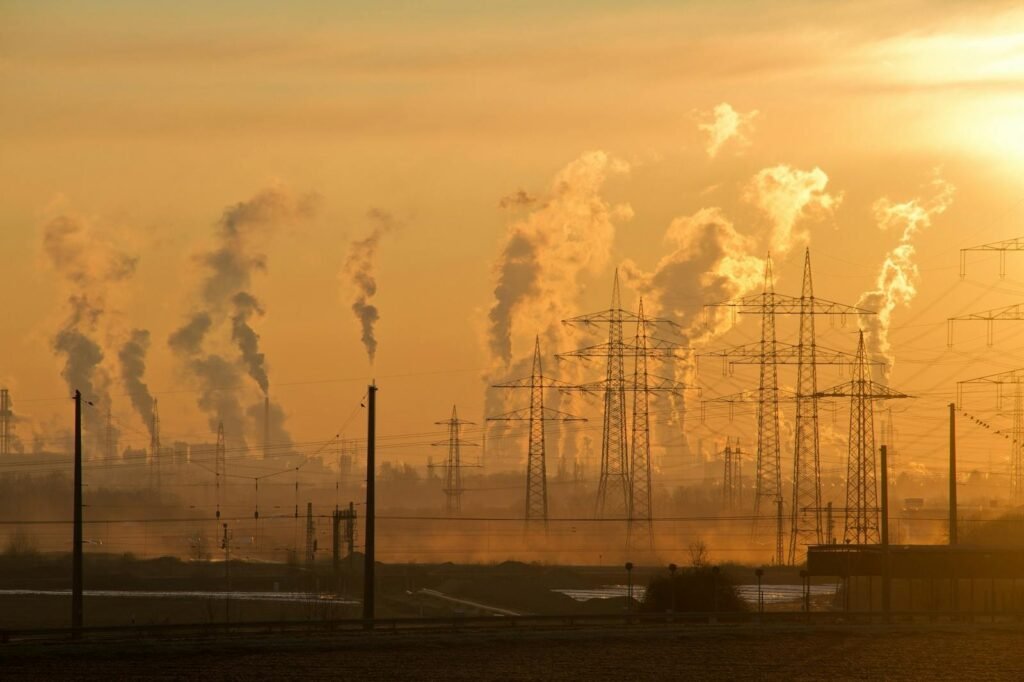
The potential of CRISPR to address the challenges of climate change is undeniable, but its application must be approached with caution and responsibility. Ongoing research and rigorous testing are crucial to understand the long-term implications fully. Robust regulatory frameworks should be established to govern the use of genetic engineering technologies, ensuring that ethical considerations are front and center. Public engagement and transparent dialogues between scientists, policymakers, and communities are essential to build trust and guide responsible decision-making.
As scientists continue to explore the possibilities of CRISPR, its role in mitigating the effects of climate change should be seen as complementary to broader strategies, such as reducing carbon emissions, conserving habitats, and developing sustainable practices. By combining technological innovations with conservation efforts, society can hope to navigate the complex challenges posed by climate change more effectively.
Conclusion

CRISPR holds transformative potential in the battle against the adverse impacts of climate change on plants and animals. However, its application must be carefully balanced against ethical considerations and ecological risks. As we stand at the precipice of a new era in genetic engineering, it is crucial to ensure that these powerful tools are used wisely and equitably, embracing their potential to foster a more resilient and sustainable future while avoiding unintended harm to our planet’s delicate ecosystems.