
Imagine waking up one morning and pulling on a shirt grown from mushrooms, or slipping into a pair of shoes spun from recycled ocean plastic. It sounds like a scene from a futuristic novel, but this is quickly becoming our reality. As fast fashion’s impact on our planet grows more alarming, innovators and dreamers across the world are reinventing what we wear. The story of clothing is being rewritten—thread by thread—by scientists, designers, and nature itself. This isn’t just about saving the Earth; it’s about falling in love with what’s possible when creativity and sustainability walk hand in hand. Let’s unravel the fascinating world of eco-friendly fabrics, from the familiar warmth of wool to the astonishing adaptability of mycelium, and discover the astonishing materials destined to change our wardrobes forever.
Wool: The Original Renewable Wonder
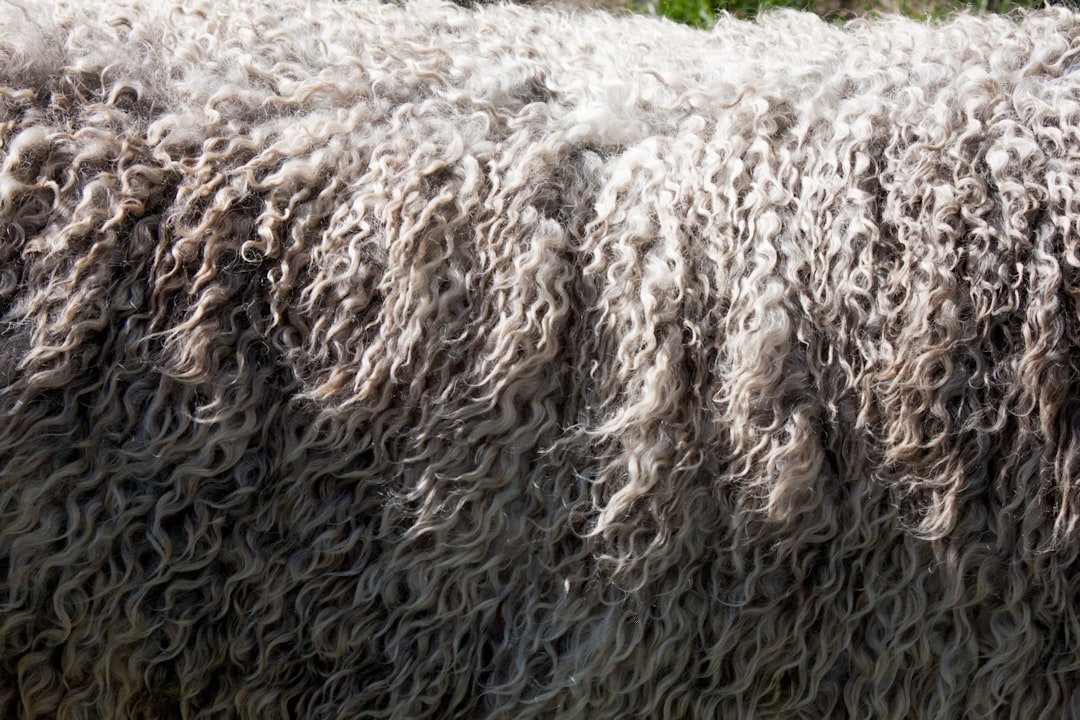
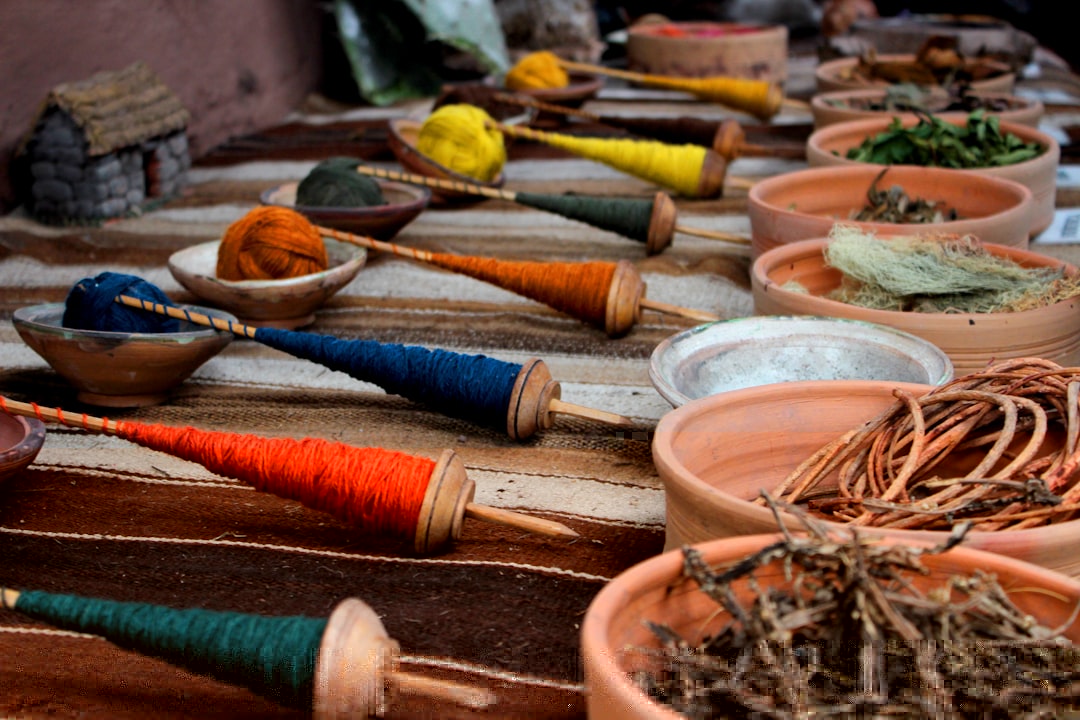
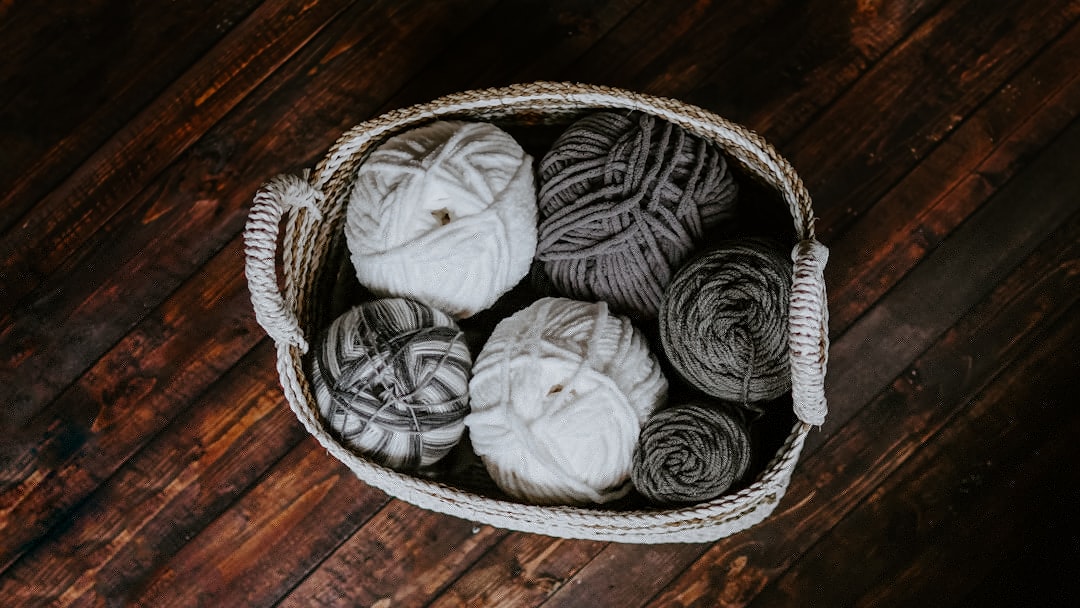
Wool has dressed human beings for thousands of years, and for good reason. It’s naturally warm, breathes easily, and even resists odors, making it a timeless staple. But what many don’t realize is just how sustainable wool can be when managed ethically. Sheep regrow their fleece every year, providing a steady, renewable supply. Modern wool farming practices are increasingly mindful, focusing on animal welfare and land regeneration. Some farms rotate sheep to restore soil health, while others use the animals’ grazing to maintain wildflower meadows. Even at the end of its life, wool biodegrades, returning nutrients to the earth instead of lingering in a landfill. When you wrap yourself in wool, you’re not just wearing tradition—you’re wearing a piece of the Earth’s renewable cycle.
Organic Cotton: Cleaner Fields, Softer Touch

Conventional cotton is notorious for its heavy use of pesticides and water, but organic cotton flips the script. Grown without synthetic chemicals, organic cotton fields are alive with insects, birds, and healthy soil. Farmers rotate crops, use compost, and encourage natural pollinators, creating a thriving ecosystem. The result is a fabric that feels luxurious and soft but carries a much lighter environmental footprint. Organic cotton clothing is gentle against your skin and kinder to the planet—making it a favorite among nature lovers and those with sensitive skin. It’s a quiet revolution, one thread at a time.
Bamboo: Fast-Growing and Surprisingly Versatile
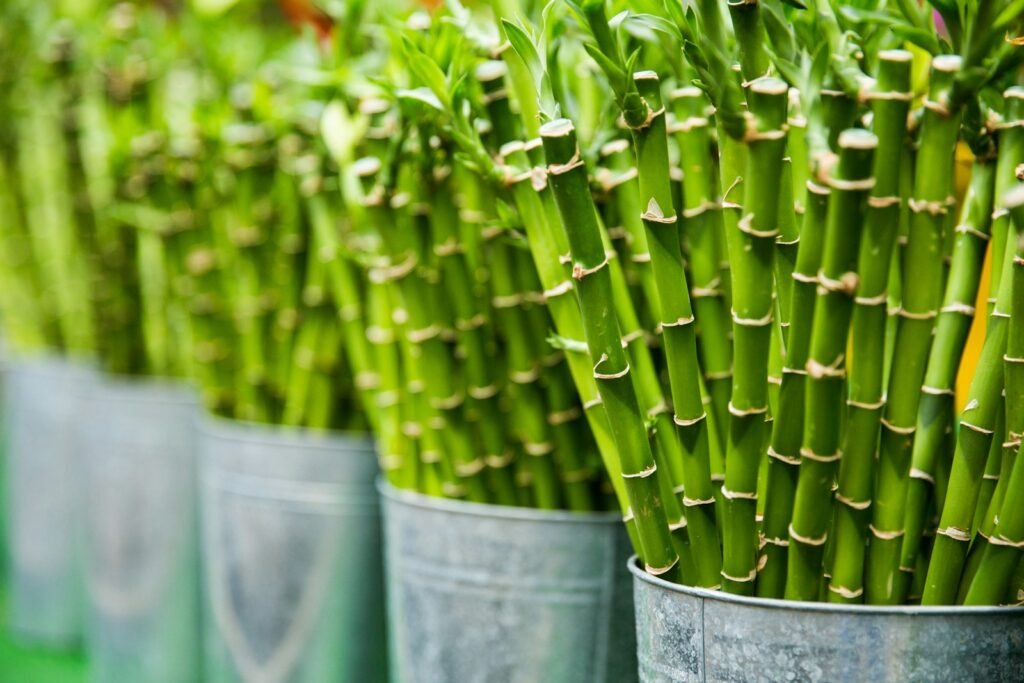
Bamboo might seem like an unlikely candidate for clothing, but its transformation is nothing short of magical. This plant grows at breakneck speeds—up to three feet in a single day—and requires minimal water or pesticides. When processed responsibly, bamboo fibers turn into fabrics that are silky, breathable, and moisture-wicking. You’ll find bamboo in everything from activewear to cozy socks. Plus, bamboo plantations can restore degraded land and absorb carbon dioxide at impressive rates. This plant proves that sometimes the greenest solutions are also the fastest growing.
Hemp: The Revival of a Historical Hero
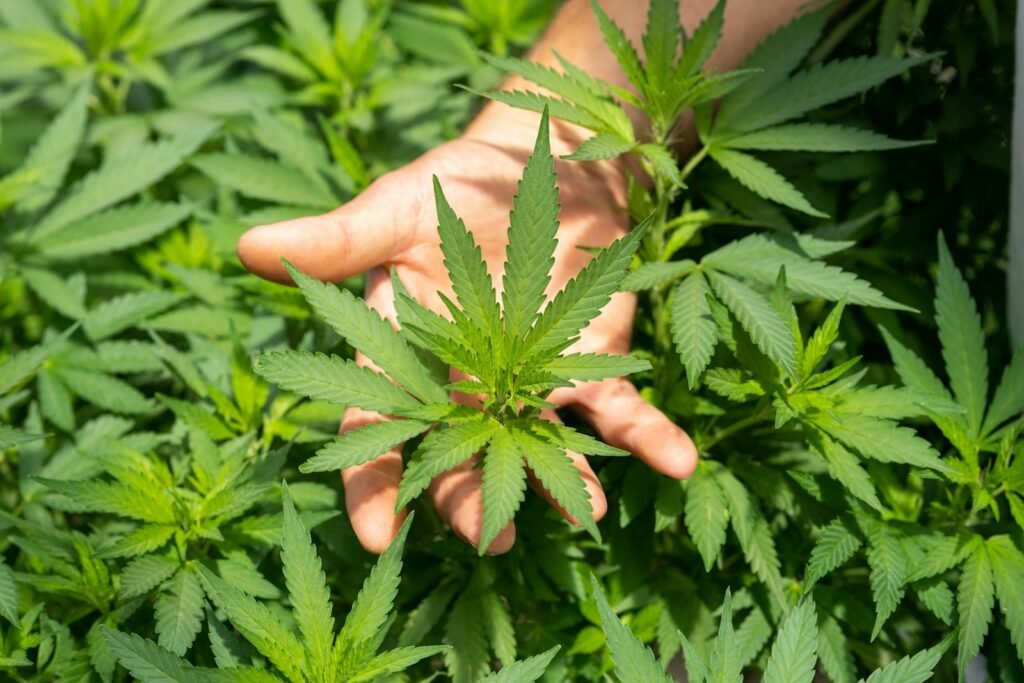
Hemp has made a triumphant comeback, and for good reason. This ancient crop grows rapidly, thrives without much water, and naturally resists pests, so it needs far fewer chemicals than most conventional crops. The fibers spun from hemp are strong, durable, and get softer with every wash. Unlike cotton, hemp’s deep roots stabilize soil and prevent erosion, making it a soil-friendly champion. Modern hemp fabrics are a far cry from the scratchy burlap of the past—they’re now blended with cotton or silk for comfort and style. Wearing hemp isn’t just a fashion statement; it’s a vote for resilient, regenerative agriculture.
Tencel and Lyocell: The Magic of Trees
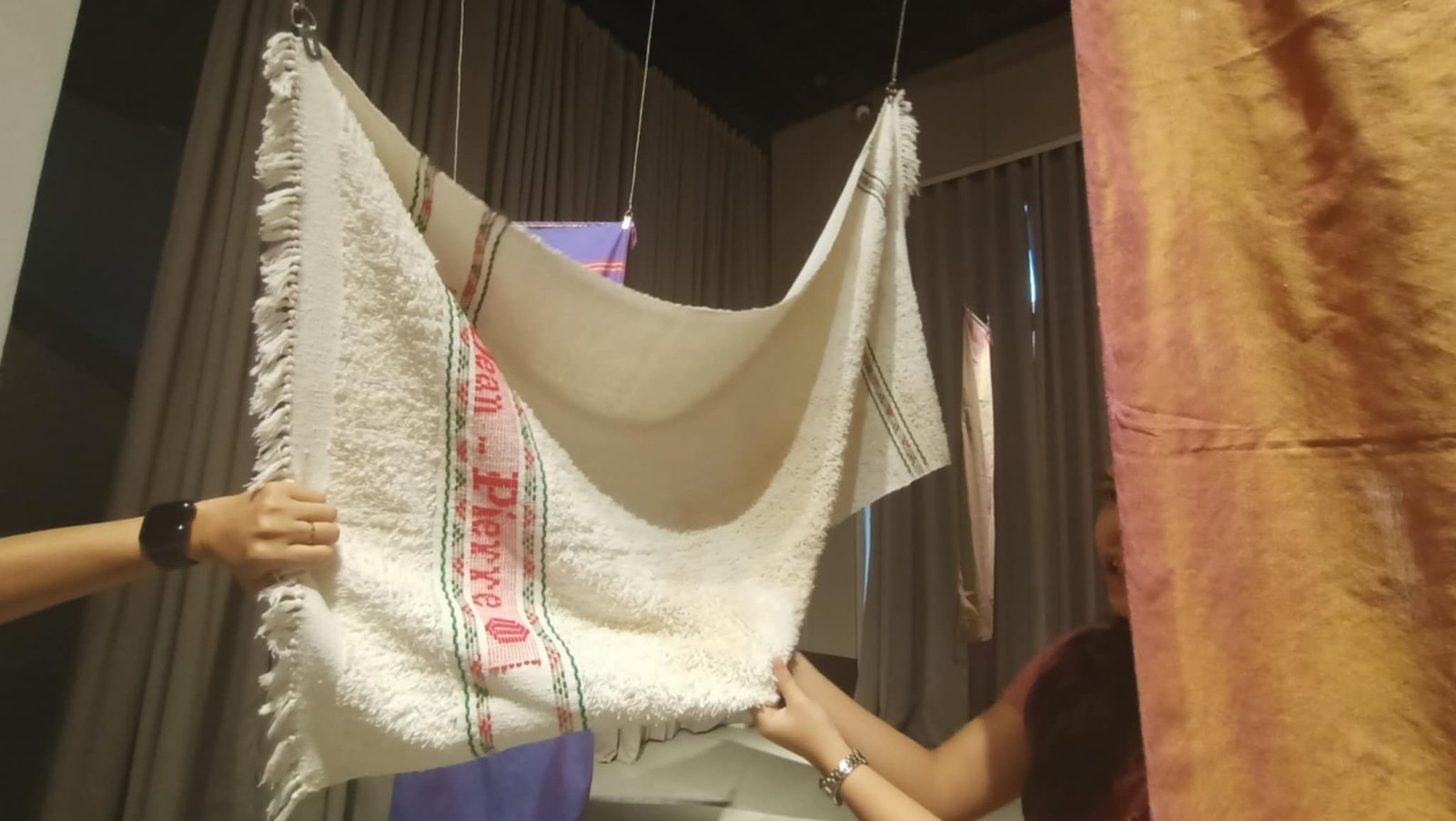
Imagine clothing spun from trees—Tencel and Lyocell make this dream a reality. Created from sustainably harvested wood pulp, these fibers are made using closed-loop processes that recycle almost all water and solvents. The resulting fabric is smooth, strong, and gentle on the skin. It feels cool like linen, but drapes elegantly like silk. Eucalyptus, beech, and spruce are common sources, and forests are managed for biodiversity and long-term health. Tencel is biodegradable, so it returns to the earth gracefully. It’s proof that our forests are not just lungs for the planet, but also the future of fashion.
Recycled Polyester: Giving Plastic a Second Life
The world is drowning in plastic waste, but recycled polyester offers a glimmer of hope. Made from discarded bottles, fishing nets, or old textiles, this material transforms trash into treasure. The process uses less energy than producing new polyester and diverts waste from landfills and oceans. Modern recycled polyester is soft, durable, and can be woven into everything from sportswear to puffer jackets. While it’s not perfect—microplastics are still a concern—each recycled garment helps reduce the mountain of plastic threatening our planet.
Piñatex: Pineapple Leaves Turned Leather

Piñatex is one of the most surprising eco-materials on the market, turning pineapple leaf fibers—a byproduct of agriculture—into a leather-like fabric. No extra land, water, or fertilizer is needed, since these leaves would otherwise be discarded. The result is a supple, durable material that’s quickly gaining ground in fashion and footwear. Piñatex is vegan and offers a creative solution for reducing agricultural waste. When you see a stylish bag or pair of shoes made from pineapple leaves, it’s hard not to be inspired by the ingenuity of nature and human innovation working together.
Cork: Harvested Without Harm

Cork isn’t just for wine bottles and bulletin boards. This renewable material is peeled from the bark of cork oak trees without harming them, allowing the trees to keep growing and absorbing carbon dioxide. Cork fabric is water-resistant, flexible, and surprisingly soft, making it a popular choice for bags, wallets, and even shoes. The harvesting process supports ancient Mediterranean forests and rural communities, demonstrating that sustainable materials can also preserve cultural heritage. Wearing cork connects you to a living tradition that’s as gentle on the Earth as it is beautiful.
Mycelium: The Marvel of Mushroom Leather
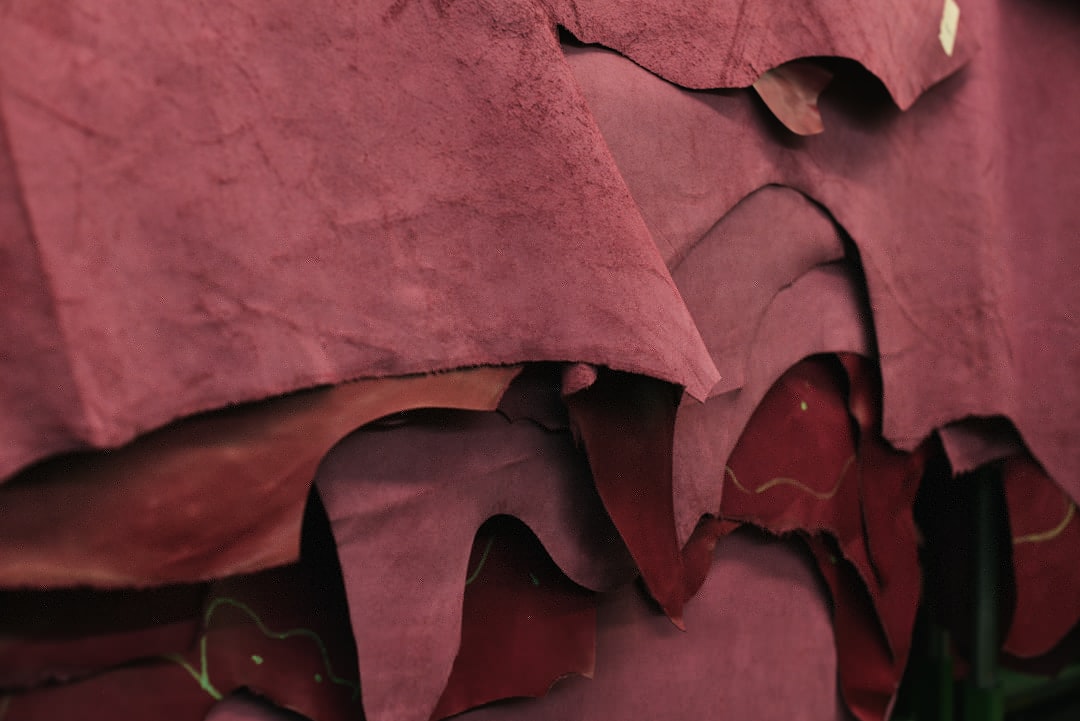
Mycelium—the root-like network of fungi—has burst onto the scene as a revolutionary material. By growing mycelium in controlled environments, scientists can “farm” sheets of leather-like fabric in just a few weeks. Mycelium materials are biodegradable, customizable, and can even be designed for specific textures or strengths. Luxury brands are already experimenting with mushroom leather for bags and sneakers, and the possibilities are almost endless. Mycelium’s rapid growth and minimal resource needs make it a standout in the quest for a low-impact, high-performance fabric of the future.
Algae-Based Textiles: Turning Green Into Gold
Algae is one of the planet’s fastest-growing organisms, and now it’s being spun into fabric. Algae-based textiles are incredibly lightweight, breathable, and have a silky touch. The production process can even capture carbon dioxide, making it doubly beneficial for the environment. These futuristic fabrics can be dyed without harsh chemicals and are fully biodegradable. Imagine a world where your t-shirt not only looks good but also helps clean the air and water. Algae proves that sometimes, the greenest solutions really do come from the simplest organisms.
Banana Fiber: The Hidden Strength in the Stalk
Banana fiber is extracted from the stalks of banana plants after the fruit is harvested, turning agricultural waste into a valuable resource. This fiber is surprisingly strong and has a natural sheen, making it perfect for everything from sturdy bags to delicate dresses. In countries like India and the Philippines, banana fiber supports rural livelihoods while reducing the environmental impact of banana farming. By using every part of the plant, banana fiber gives new meaning to the phrase “nothing goes to waste.”
Spider Silk: Nature’s Strongest Thread, Made by Science
Spider silk has long fascinated scientists for its incredible strength and flexibility. While farming spiders isn’t practical, researchers have cracked the code by creating synthetic spider silk using genetically engineered bacteria, yeast, or even plants. This lab-grown silk is lightweight, tough, and biodegradable. Companies are already developing spider silk textiles for high-performance clothing and medical uses. Imagine a world where your jacket is as strong as a spider’s web but gentle on the environment—nature and technology, perfectly entwined.
Orange Fiber: Citrus Peels Reimagined
After orange juice production, mountains of citrus peels are left behind. Enter orange fiber—a silky fabric made by extracting cellulose from these peels. The process reduces food waste and creates a luxurious textile with a soft, lightweight feel. Orange fiber is already gracing runways in designer collections, proving that high fashion and sustainability can go hand in hand. Wearing a dress made from orange peels isn’t just a conversation starter; it’s a celebration of turning everyday waste into everyday wear.
Recycled Wool: Closing the Loop on Tradition

Recycled wool takes old garments and offcuts and gives them a second life. Through careful cleaning and re-spinning, these scraps become new yarns and fabrics, reducing the need for virgin materials. This practice cuts down on landfill waste, saves energy, and preserves the unique qualities of wool. Many brands are now embracing recycled wool for everything from classic coats to modern accessories. It’s a simple yet powerful way to honor tradition while reimagining the possibilities of circular fashion.
Soybean Fiber: Softness from the Soy Fields
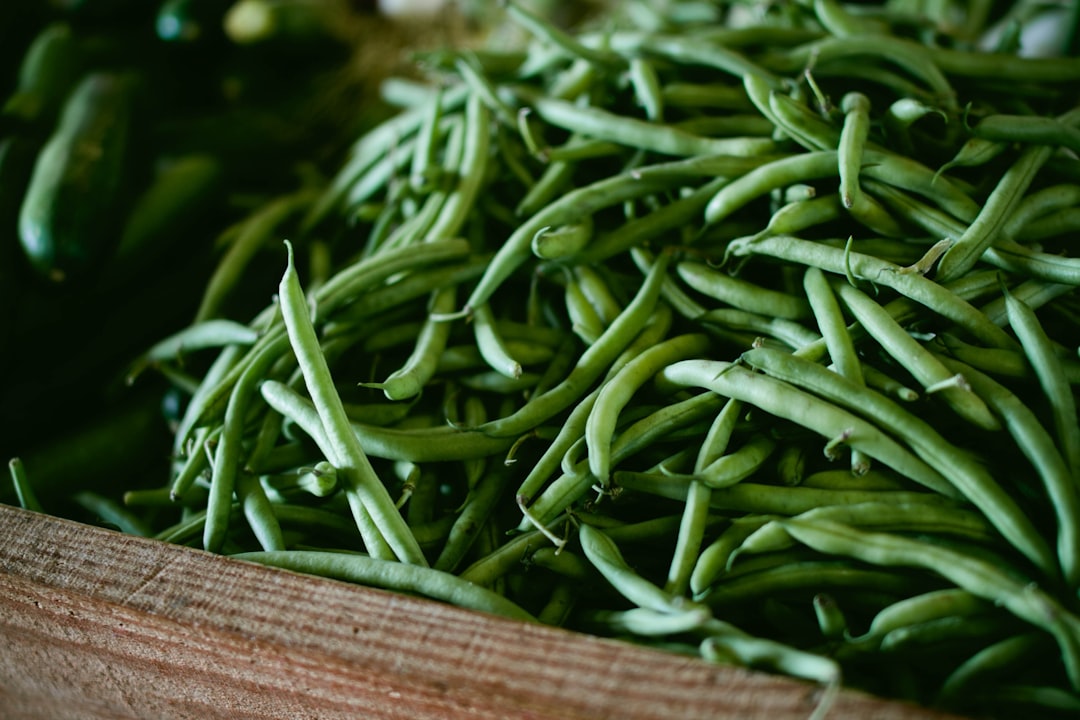
Soybean fiber is a lesser-known but promising eco-friendly material made from the byproducts of soybean processing. It’s sometimes called “vegetable cashmere” for its soft, luxurious feel. The fiber is fully biodegradable and uses agricultural waste that would otherwise be discarded. Soybean fabric is breathable, moisture-wicking, and gentle on sensitive skin, making it ideal for undergarments and activewear. With more research and investment, soybean fiber could become a staple in the sustainable fashion toolkit.
Milk Fiber: Dairy Waste Turned Deluxe
It sounds almost unbelievable, but leftover milk proteins can be transformed into a silky, lightweight fiber. This material, known as casein fiber, uses waste from the dairy industry and creates a fabric that feels like a cross between silk and cotton. It’s naturally antibacterial and moisture-absorbent, making it perfect for sensitive skin. Milk fiber garments are already finding their way into luxury and eco-conscious collections, showing that even yesterday’s leftovers can become tomorrow’s fashion statements.
Recycled Nylon: Fishing Nets to Fashion
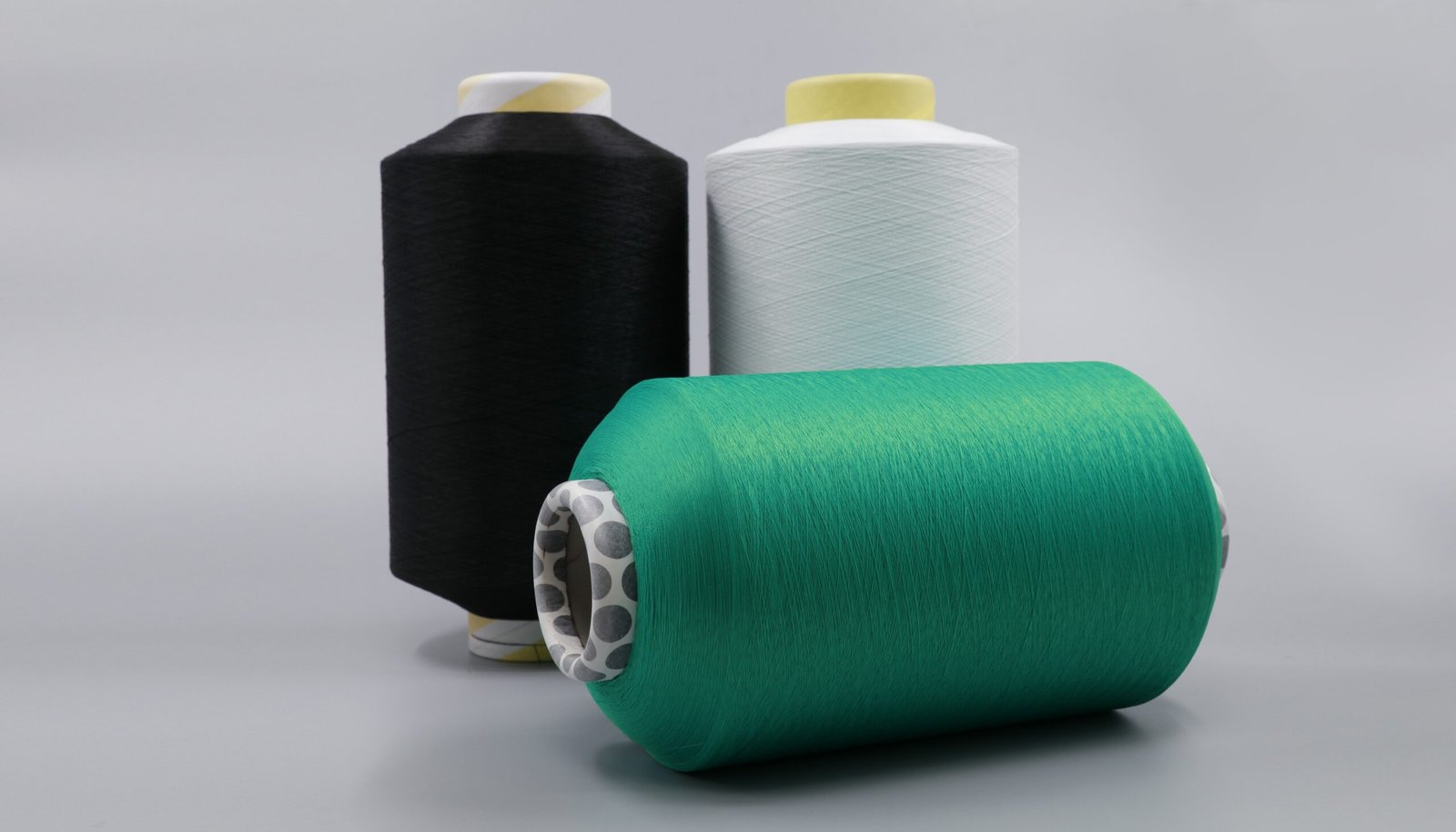
Abandoned fishing nets, sometimes called “ghost nets,” are a major threat to marine life. Recycled nylon turns this deadly waste into something beautiful and useful. Through innovative chemical recycling, old nets and carpets become new nylon yarns for swimwear, leggings, and outerwear. This closes the loop on plastic pollution and gives ocean conservation a fashionable twist. Every recycled nylon garment is a small but meaningful victory for the world’s oceans.
Kapok: The Feather-Light Fiber from the Rainforest
Kapok comes from the fluffy seed pods of the kapok tree, a giant of the tropical rainforest. The fiber is lighter than cotton and water-resistant, making it ideal for insulation in jackets and bedding. Kapok harvesting is sustainable and supports rainforest conservation, as the trees are left standing and continue to support wildlife. The gentle, cloud-like texture of kapok fiber feels like wearing a piece of the rainforest itself—a reminder that comfort and sustainability can go hand in hand.
Crabyon: Sea Shells Spun Into Softness
Crabyon is an innovative fiber made by blending natural cellulose with chitosan, a substance found in crab shells. The result is a fabric that’s soft, antibacterial, and biodegradable. Crabyon uses seafood industry waste, reducing environmental impact and providing new value from what would otherwise be discarded. It’s used in everything from medical textiles to baby clothes. The next time you think of the ocean, imagine its bounty not just on your plate, but woven into the clothes you wear.
Cellulose Acetate: Plant-Based Plastics for Fashion
Cellulose acetate is a plant-based material often used in eyeglass frames, buttons, and accessories. Derived from wood pulp or cotton fibers, it offers an alternative to petroleum-based plastics. It’s lightweight, hypoallergenic, and can be made in a rainbow of colors. Advances in manufacturing are making cellulose acetate more sustainable and biodegradable. As the fashion industry looks to ditch fossil fuels, plant-based plastics like cellulose acetate are leading the charge toward a more natural, beautiful future.
The future of fashion is being grown, spun, and engineered in ways we could barely imagine a decade ago. As we explore these extraordinary new materials, it’s clear that every choice we make—every shirt, shoe, or scarf—can help shape a world that’s kinder to both people and planet. Isn’t it amazing to think your next favorite outfit might come from a mushroom, a pineapple, or even the depths of the sea?