

Imagine opening a dusty scroll, the parchment crackling beneath your fingertips, and realizing the wisdom scrawled inside has shaped civilizations for thousands of years. Now, imagine asking an AI to explain that wisdom, only to receive a list of facts without soul or context. There’s something deeply human—almost magical—about the way ancient knowledge was passed down, and no algorithm, no matter how advanced, seems able to truly capture its essence. Why does artificial intelligence, with all its processing power, still fall short when it comes to the mysteries, nuances, and living spirit of ancient wisdom? Let’s dive deep into this surprising gap, exploring what machines miss when they try to translate the echoes of scrolls into the language of silicon.
The Heartbeat of Oral Traditions
Long before the written word, knowledge flowed from mouth to ear, carried on the breath of elders and storytellers. These oral traditions weren’t just about memorizing facts—they were performances, full of gestures, pauses, and emotion. The subtle inflection in a grandmother’s voice could change a lesson from simple information into a living, breathing story. AI, no matter how sophisticated, processes language as data, not as a song or a dance. It can catalog myths and legends, but it cannot feel the goosebumps that run down your spine when you hear a tale told by firelight. This emotional charge, this heartbeat of tradition, is a dimension AI hasn’t yet learned to replicate.
The Context Trap: Culture and Environment
Ancient knowledge is rooted in the soil of its time and place. The meaning of a proverb in rural China, for instance, may be tied to the rhythms of rice planting, while a Greek myth might draw life from the sparkling Aegean Sea. AI often misses these nuances, stripping away cultural context in favor of universal translation. But wisdom divorced from its environment loses much of its flavor—like a plant uprooted from its native earth. Without a sense of place, AI’s interpretation becomes bland, missing the local color and specificity that make ancient lessons so rich.
Symbolism Beyond Literal Meaning
Ancient texts are drenched in symbolism—snakes symbolize transformation, rivers suggest the passage of time, and mountains represent spiritual ascent. These symbols are often multilayered, shifting in meaning across cultures and epochs. While AI can identify symbols, it tends to flatten their significance, treating them as static icons rather than living metaphors. It’s like looking at a rainbow and seeing only stripes, not the spectrum. The subtle dance of symbols, their hidden meanings and emotional weight, often slips through the digital net.
The Silence Between Words

Sometimes, what’s left unsaid is just as important as what’s spoken. Ancient wisdom is full of ellipses, hints, and riddles—statements that invite reflection rather than provide clear-cut answers. AI, trained to fill gaps and resolve ambiguity, struggles with this intentional silence. It seeks to clarify, to define, to make everything explicit. But ancient knowledge often thrives in the spaces between words, where mystery invites contemplation. Here, AI’s efficiency becomes a liability, erasing the quiet moments that beckon us to think deeper.
Embodied Wisdom: Learning by Doing

Many ancient skills—like weaving, herbal medicine, or martial arts—were learned not through lectures but through hands-on practice. Knowledge lived in the body, in muscle memory, in the calluses of a craftsman’s hands. AI can analyze instructions or generate tutorial videos, but it cannot mimic the sensation of clay beneath your fingers or the way your arms ache after hours at the loom. This embodied wisdom, passed along through touch and repetition, resists digital translation. The richness of learning by doing, of failing and trying again, is something AI can only simulate, never experience.
The Role of Intuition and Mystery

Ancient knowledge often embraces the unknown. Shamans, priests, and sages spoke of dreams, omens, and visions—realms where logic gives way to intuition. AI, on the other hand, is built on patterns, probabilities, and the drive to explain. It struggles with the mysterious, the irrational, and the awe-inspiring. Yet, as anyone who’s gazed at a star-filled sky knows, not everything important can be measured. The humility to admit “we don’t know” is a crucial part of ancient wisdom, one that AI frequently overlooks in its quest for certainty.
Values and Ethics Woven Into Wisdom
Much of ancient knowledge is fundamentally moral. Stories teach us not just how the world works, but how we ought to live—what it means to be brave, generous, or wise. These values are embedded within narratives, rituals, and proverbs. AI, for all its rapid learning, lacks a lived sense of right and wrong. It can summarize ethical theories, but it doesn’t feel the tug of conscience or the sting of regret. The transmission of values, soaked in emotion and experience, is something machines can only echo, never truly embody.
Intergenerational Bonds and Community
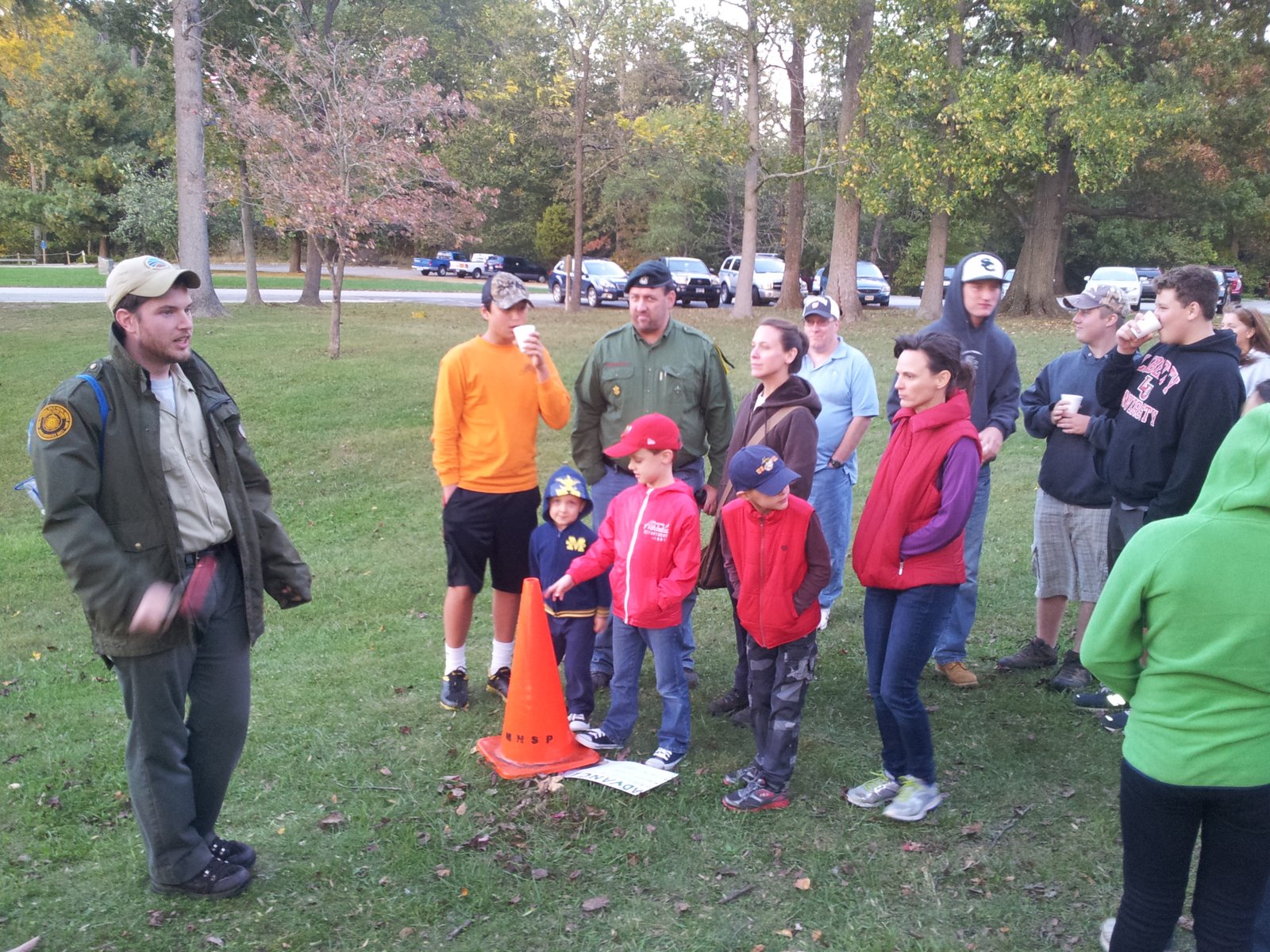
Learning in ancient times was rarely a solitary act. Grandparents, parents, and children gathered to share stories and lessons, creating bonds that stretched across generations. This communal aspect of knowledge-building fostered empathy, trust, and a sense of belonging. AI, on the other hand, is a tool for individuals—personalized, tailored, but ultimately isolating. It cannot recreate the warmth of shared learning, nor the subtle cues exchanged in a circle of friends. The wisdom that arises from community, from laughter and argument, remains stubbornly human.
Adaptation and Evolution Over Time
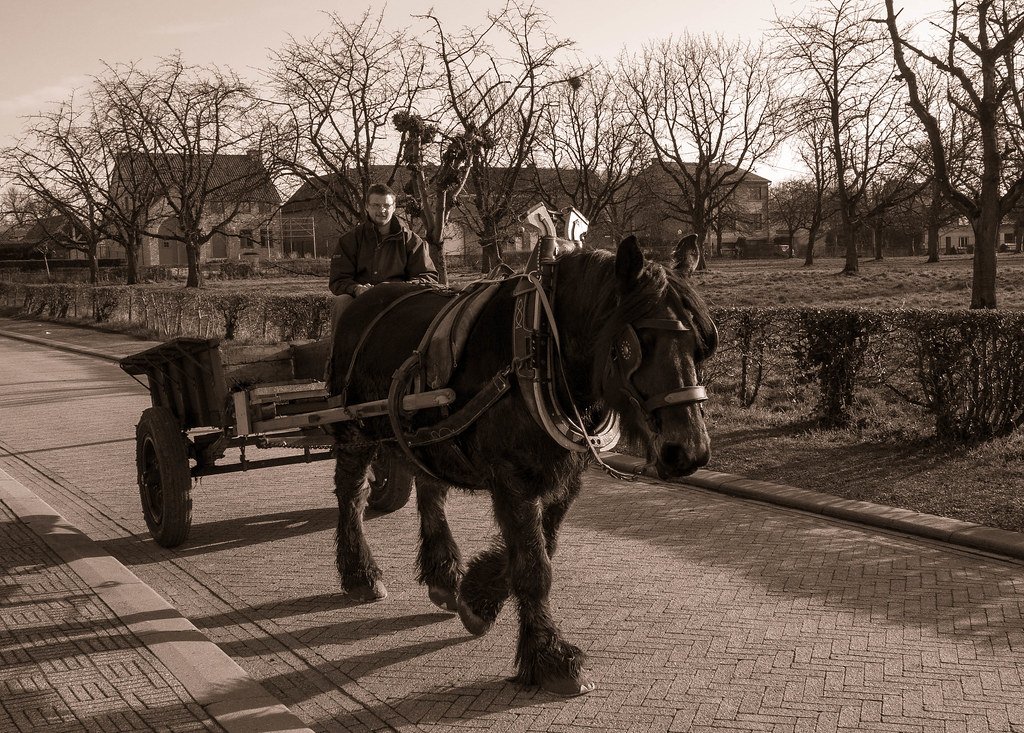
Ancient knowledge is not static; it morphs and adapts as it’s passed down. A folk remedy might gain new ingredients, a myth might sprout new branches. This organic evolution ensures that wisdom remains relevant. AI, while capable of updating its data, often lacks the flexibility to reinterpret old ideas in new contexts. Its “knowledge” is frequently frozen at the moment of input, missing the living, evolving nature of tradition. Like language itself, wisdom needs to breathe and grow—a process that resists algorithmic simplification.
Storytelling as a Vessel for Memory

“Once upon a time…”—these words have opened gateways to ancient wisdom for millennia. Stories weave facts into emotion, turning information into memory. AI can generate stories, even mimic styles, but it doesn’t remember in the way humans do. Our memories are colored by feeling, by the circumstances in which we first heard a tale. This emotional encoding is vital for deep learning, something that no neural network has yet mastered. The best stories stick with us, not because they’re true, but because they ring true to our hearts.
The Fragility and Resilience of Ancient Texts

Scrolls, tablets, and manuscripts are vulnerable—fire, water, and time can erase them in an instant. Yet, their very fragility makes them precious. Communities have risked everything to protect their books and wisdom, a testament to their value. In contrast, digital information is easily duplicated and distributed, but it often feels disposable. The respect born from scarcity is missing in the age of abundance. This reverence, this sense of guardianship, is a vital part of what AI can’t grasp about ancient knowledge.
The Untranslatable: Words Lost in Translation

Every language contains words that defy easy translation—a Japanese “komorebi” (sunlight filtering through trees), a Sanskrit “maya” (illusion), or a Welsh “hiraeth” (longing for a home that might never have existed). These words carry worlds within them. AI translation tools can offer approximations, but the soul of these terms slips through the cracks. The untranslatable is a reminder that some wisdom is embedded in language itself, shaped by unique worldviews that resist being boiled down to simple definitions.
Rituals: Knowledge in Motion

Ancient rituals are more than actions; they are knowledge embodied in movement. Lighting a candle, offering grain, or performing a dance—each act encodes lessons about gratitude, hope, or community. AI can describe rituals, but it cannot feel the shiver of anticipation before a festival or the comfort of repeating a family tradition. The energy, the anticipation, the communal joy—these are experiences that live in the doing, not the describing.
Myth as a Map for Meaning

Myths provided ancient peoples with a way to map the chaos of life. Whether it was the journey of Odysseus or the trials of Gilgamesh, these stories offered a blueprint for facing adversity and seeking purpose. AI can identify plot structures and themes, but it cannot navigate existential uncertainty or the search for meaning. For humans, myths are not just stories—they are guiding stars in the night sky of experience, something silicon circuits cannot feel.
The Sensory Richness of Ancient Wisdom

Ancient knowledge is full of sensory detail—the scent of incense, the feel of cool stone underfoot, the sound of chanting. These details ground wisdom in the body and the senses. AI processes information abstractly, missing the textures, tastes, and smells that make knowledge come alive. Imagine reading about bread without ever tasting it. That’s the gap between digital knowledge and lived experience.
Resilience Through Uncertainty

Ancient wisdom was forged in times of unpredictability—failed crops, shifting empires, natural disasters. It taught resilience not through guarantees, but through stories of survival and adaptation. AI excels at prediction, but it struggles when confronted with true uncertainty or chaos. The lessons that helped people weather hardship—hope, patience, improvisation—are qualities that can’t be coded into algorithms with precision. They emerge in the messy, unpredictable real world.
Paradox and Contradiction as Wisdom

Ancient texts are full of paradox—“the only constant is change,” “to lead is to serve,” and so on. These contradictions invite reflection rather than easy answers. AI, programmed for consistency, finds such paradoxes troubling. But for humans, embracing contradiction is often a mark of wisdom, a sign of maturity. It’s the willingness to hold two opposing truths at once that keeps us humble and open-minded.
Emotional Intelligence in Ancient Teaching
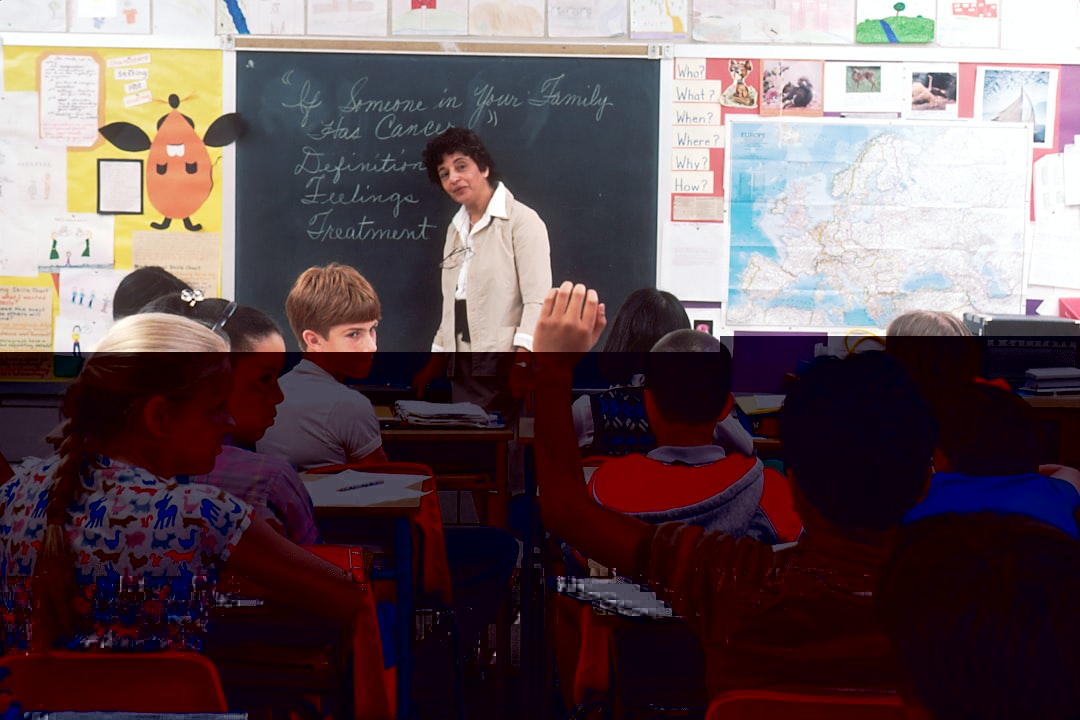
Great teachers of the past—Socrates, Confucius, the Buddha—did not simply deliver information; they modeled curiosity, compassion, and humility. Ancient teaching was as much about shaping character as it was about imparting facts. AI can answer questions, but it does not nurture or challenge in the way a wise teacher does. The art of gentle guidance, of knowing when to push and when to comfort, is a fundamentally human skill.
The Role of Doubt and Skepticism
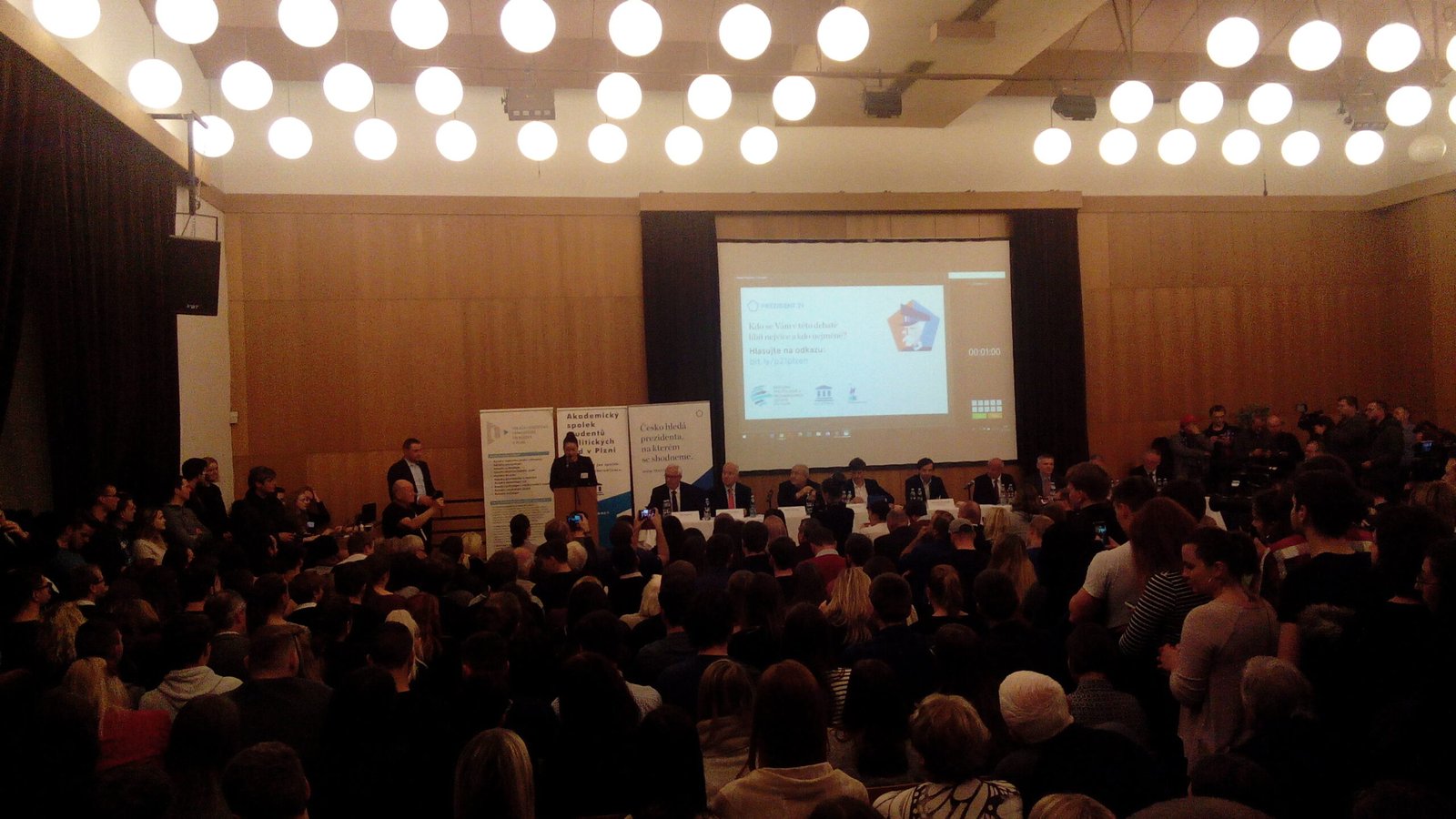
While AI thrives on data certainty, ancient knowledge often encouraged skepticism and questioning. Socratic dialogues, Zen koans, and Talmudic debates all prized the value of doubt. This embrace of uncertainty spurred progress, innovation, and deeper understanding. AI, designed to provide answers, can inadvertently discourage the healthy skepticism that keeps learning alive. In the scrolls of the past, doubt was a sign of intelligence, not a bug to be fixed.
Legacy and the Weight of Time

Ancient knowledge carries the weight of centuries—each scroll, story, or practice shaped by countless hands and voices. There’s a gravity to this legacy, a sense of standing on the shoulders of giants. AI, by contrast, is always new, always updating. It lacks the patina of age, the sense of continuity that connects us to our ancestors. This depth of tradition, this unbroken chain, is something that silicon has yet to capture.
Imagination: The Final Frontier

Perhaps the greatest gap between AI and ancient wisdom is the realm of imagination. The ability to dream, to envision new worlds, to wonder “what if?”—this is the spark that ignites creativity and discovery. Ancient stories dared us to imagine the impossible. AI can remix old ideas, but true imagination, the leap into the unknown, remains a mystery—one that lives at the heart of every story ever whispered by firelight or penned onto a fragile scroll.