
Imagine standing in a lush rainforest, the air thick with the hum of insects, sunlight filtering through emerald leaves. Suddenly, a tiny, glimmering insect lands on a flower—its iridescent wings barely visible to the naked eye. Now, imagine capturing this moment in breathtaking detail, or soaring above the treetops to record sweeping vistas. Today, thanks to a revolution in scientific tools, nature photography has become a thrilling blend of art and technology. The wonders once hidden from our eyes—whether microscopic fungi or sweeping landscapes—are now revealed through ingenious devices. This is not just about taking pictures; it’s about unveiling the invisible, the fleeting, and the awe-inspiring in the natural world.
The Magnifying Power of Microscopes
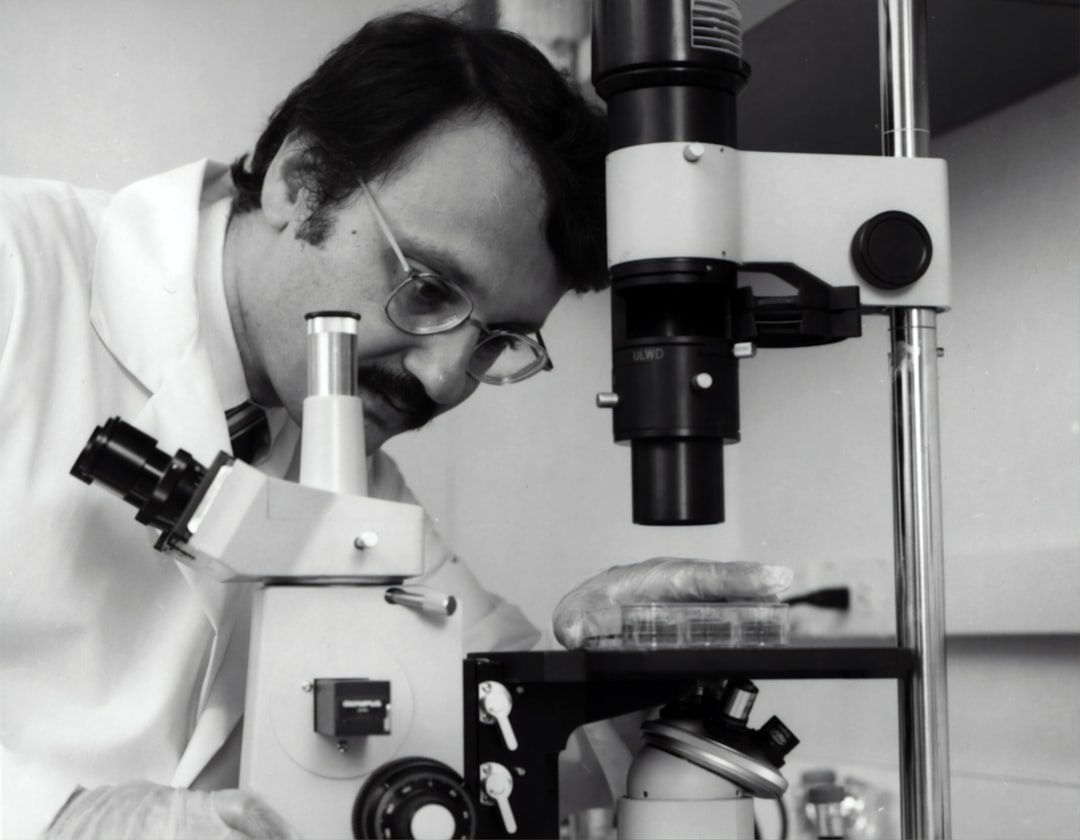
Microscopes have long been the secret window into the miniature universe all around us. Through the lens of a microscope, drops of pond water transform into bustling metropolises filled with single-celled organisms. For nature photographers, these instruments open up the world of the unseen, allowing them to capture the intricate designs of pollen grains or the crystalline structure of snowflakes. Recent advances have made microscopes more portable and even digital, bringing high-resolution imagery to fieldwork. Photographers now use sophisticated techniques like stacking multiple images to create crisp, detailed photos that seem almost otherworldly. By revealing life at such tiny scales, microscopes remind us that beauty thrives in the smallest corners of nature.
Macro Lenses: Bringing the Minuscule Into Focus
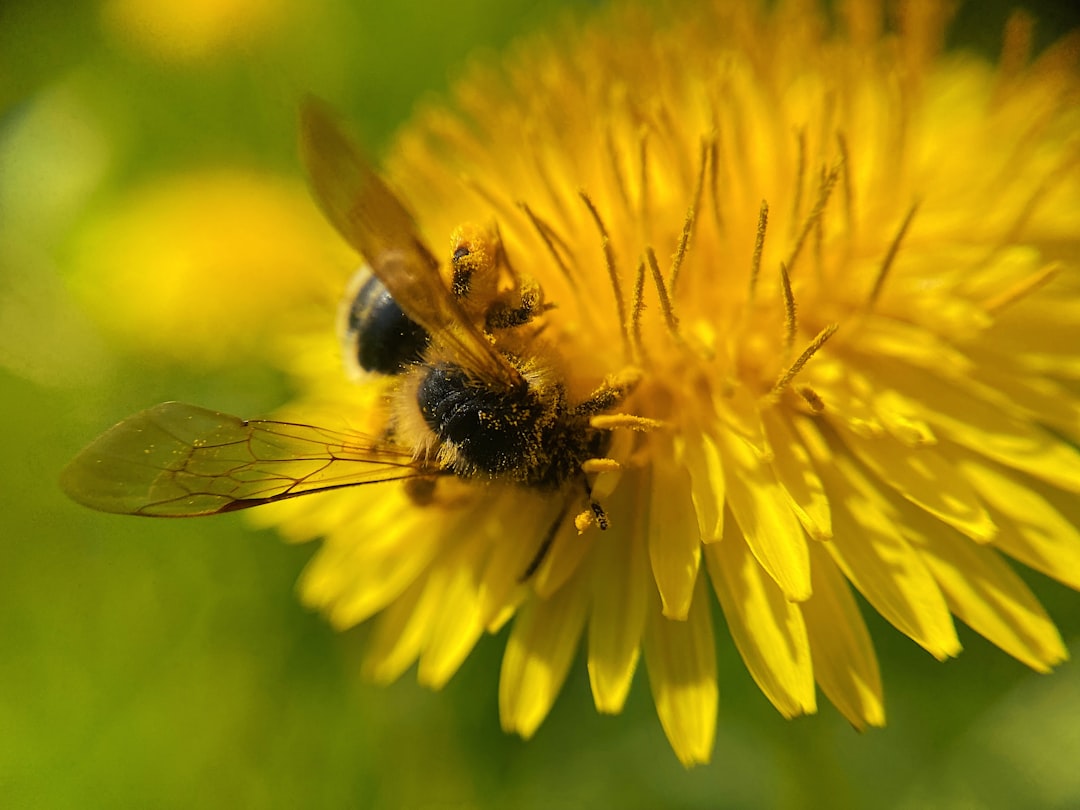
Macro lenses are the unsung heroes for those who crave close-ups of nature’s tiniest marvels. Unlike standard lenses, macro lenses can focus on subjects just a few centimeters away, showcasing textures and patterns invisible to the naked eye. Imagine photographing the dew on a spider’s web, or the fine hairs on a bee’s leg—suddenly, the ordinary becomes extraordinary. These lenses have become essential for nature photographers eager to capture insects, flowers, and even the scales on a butterfly’s wing. With advances in lens technology, images are now sharper and more vibrant than ever, making macro shots a favorite among both professionals and hobbyists.
Telephoto Lenses: Reaching the Unreachable
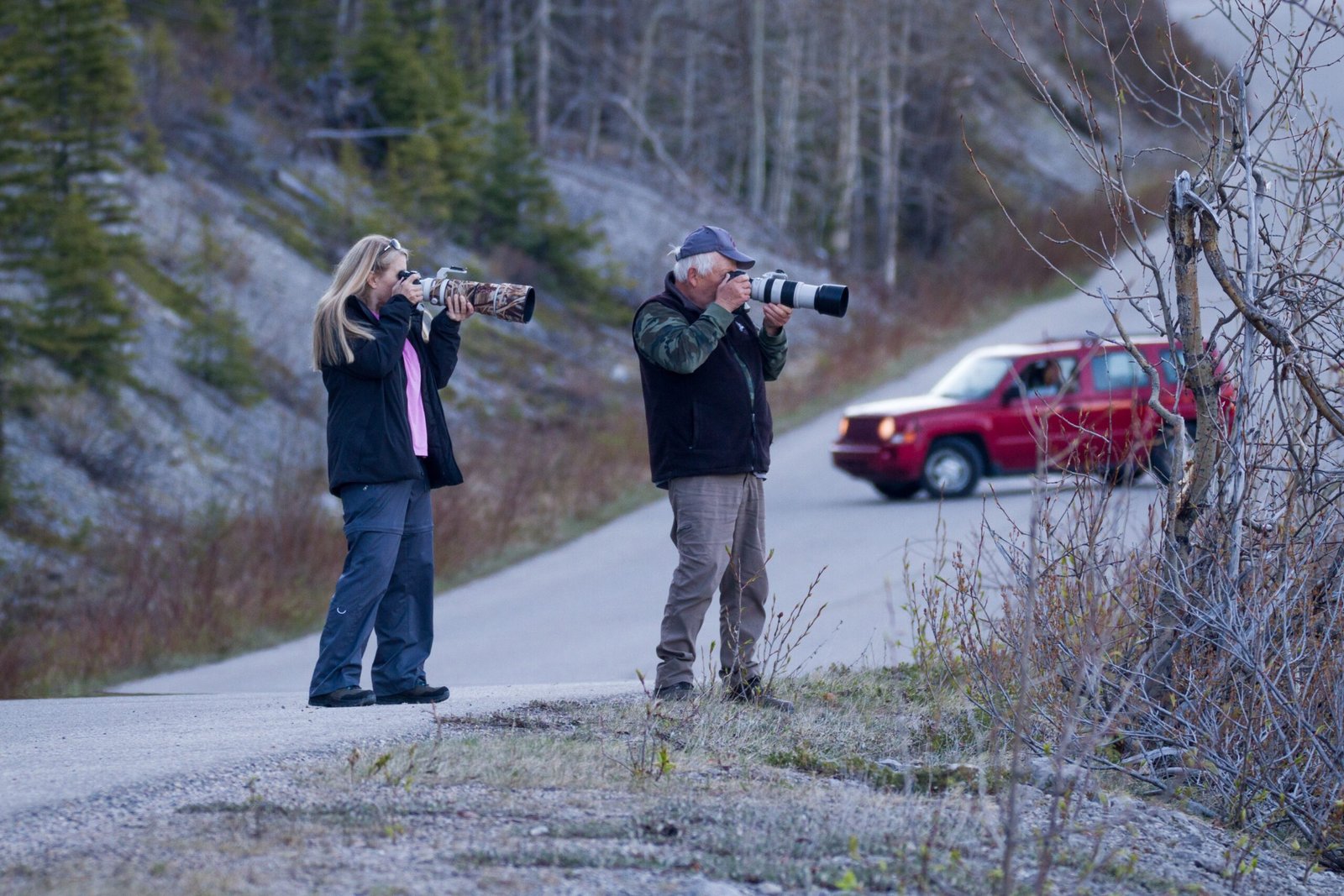
Wildlife photography often means keeping a respectful distance from your subject—especially when that subject has claws or fangs. Telephoto lenses make this possible, enabling photographers to capture animals from afar without disturbing their natural behaviors. These lenses are like binoculars for the camera, bringing distant birds, elusive mammals, or shy reptiles into sharp focus. The latest telephoto lenses are lighter and more precise, allowing photographers to react quickly to fleeting moments, like a hawk swooping down for its prey. Every detail, from the twitch of an ear to the glint in an animal’s eye, becomes accessible through the marvel of telephoto technology.
Drones: A Bird’s-Eye View of the Wild
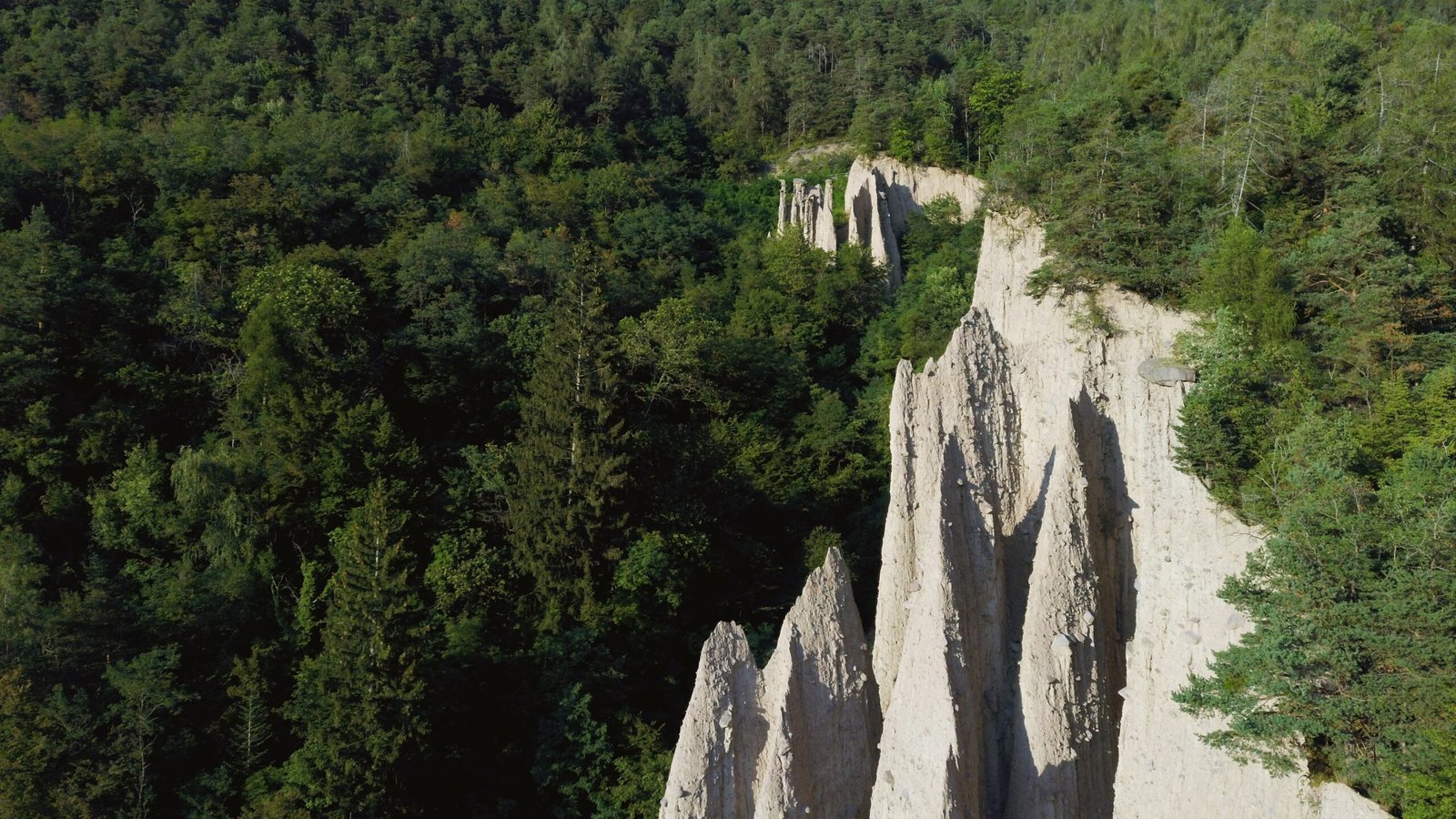
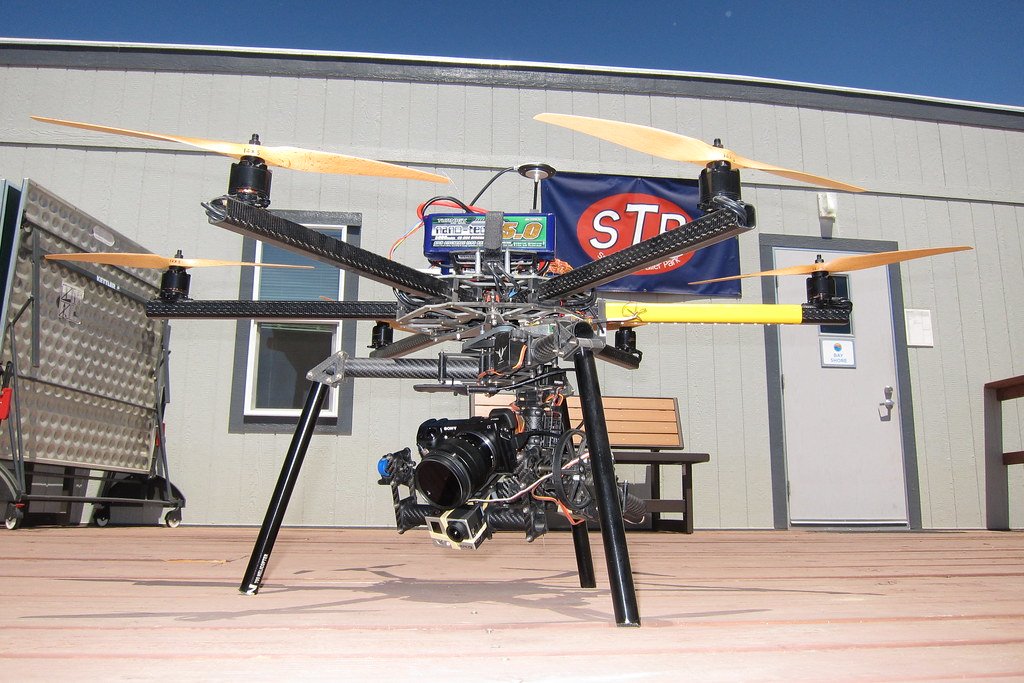
Drones have utterly transformed the way we see and photograph nature. Once, aerial photography was reserved for those with access to helicopters or planes. Now, lightweight drones equipped with high-resolution cameras can soar above forests, mountains, and rivers, capturing breathtaking vistas from unique angles. Drones allow photographers to observe animal migrations, follow herds across the savannah, or reveal the swirling patterns of a flock of birds—all without setting foot on the ground. This technology is not just a tool for photographers; it’s a new perspective on the interconnectedness of our planet.
Time-Lapse Cameras: Capturing Nature’s Patience
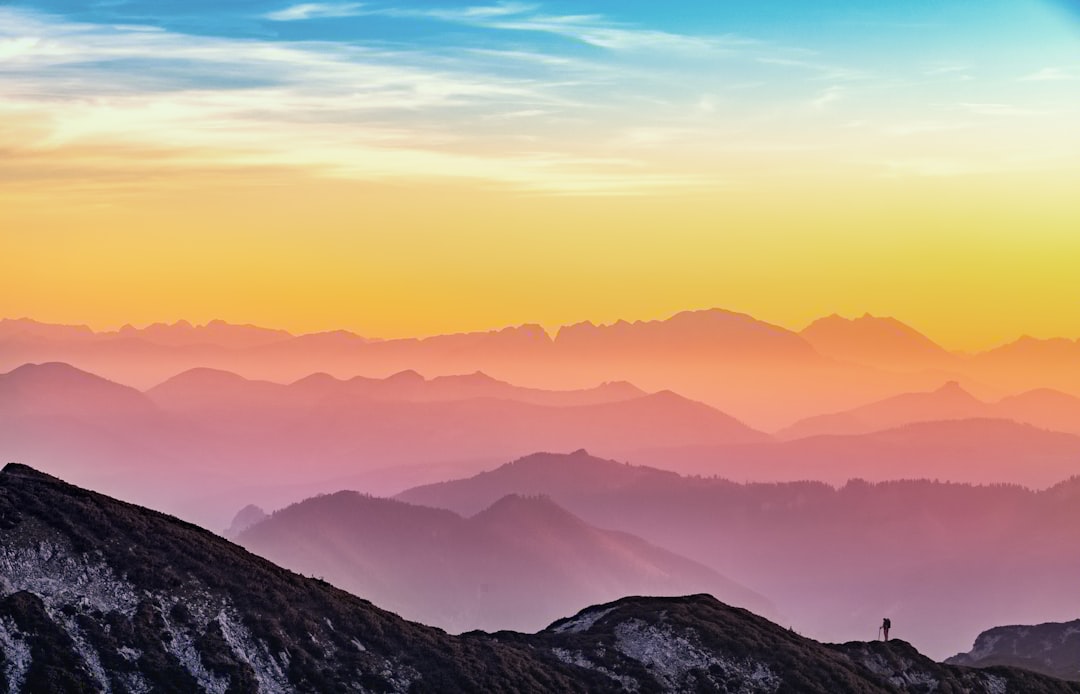
Nature rarely moves at a speed we can appreciate. Flowers bloom, clouds drift, and stars wheel across the sky—all too slowly for the human eye. Time-lapse cameras compress hours, days, or even months into seconds, unveiling the secret rhythms of the natural world. These cameras, often weatherproof and programmable, are left in place to record the slow unfurling of a fern or the migration of shadows across a desert. The resulting footage is nothing short of mesmerizing, giving viewers a sense of time’s flow as never before. Time-lapse photography fosters a deeper appreciation for the patience and persistence of nature.
Remote Camera Traps: Eyes Where We Cannot Be

Some of the most elusive creatures rarely show themselves to humans. Camera traps—motion-activated cameras—have become indispensable for capturing candid moments in the wild. Hidden along animal trails, these devices snap photos or videos whenever movement is detected. Researchers and photographers have captured everything from shy snow leopards in the Himalayas to rare night-time behaviors of forest elephants. Camera traps are rugged and designed to withstand harsh environments, making them ideal for long-term monitoring. They provide an honest glimpse into the lives of animals, revealing the drama and tenderness often missed by the human eye.
Underwater Cameras: Diving Into a Hidden World

The world beneath the waves is filled with wonders, from vibrant coral reefs to mysterious deep-sea creatures. Underwater cameras are engineered to withstand crushing pressures and challenging lighting conditions, allowing photographers to document life in rivers, lakes, and oceans. Modern models offer crystal-clear imagery and are used by divers and remotely operated vehicles alike. Through underwater photography, we can witness the swirling dance of jellyfish, the stealthy movements of octopuses, and the dazzling colors of tropical fish. These images not only inspire awe but also highlight the fragility and importance of aquatic ecosystems.
Thermal Imaging: Seeing the Invisible Heat

Thermal cameras detect heat rather than visible light, revealing a whole new layer of the natural world. With these tools, photographers can capture animals at night or hidden in dense foliage, their warm bodies glowing against cooler backgrounds. This technology is especially useful for studying nocturnal creatures like bats or for tracking the movement of herds after sunset. Thermal imaging also has applications in conservation, such as detecting poachers or monitoring animal health. By visualizing the heat signature of living things, thermal cameras make the invisible, visible.
Light Traps and UV Photography: The Secret Life of Glow
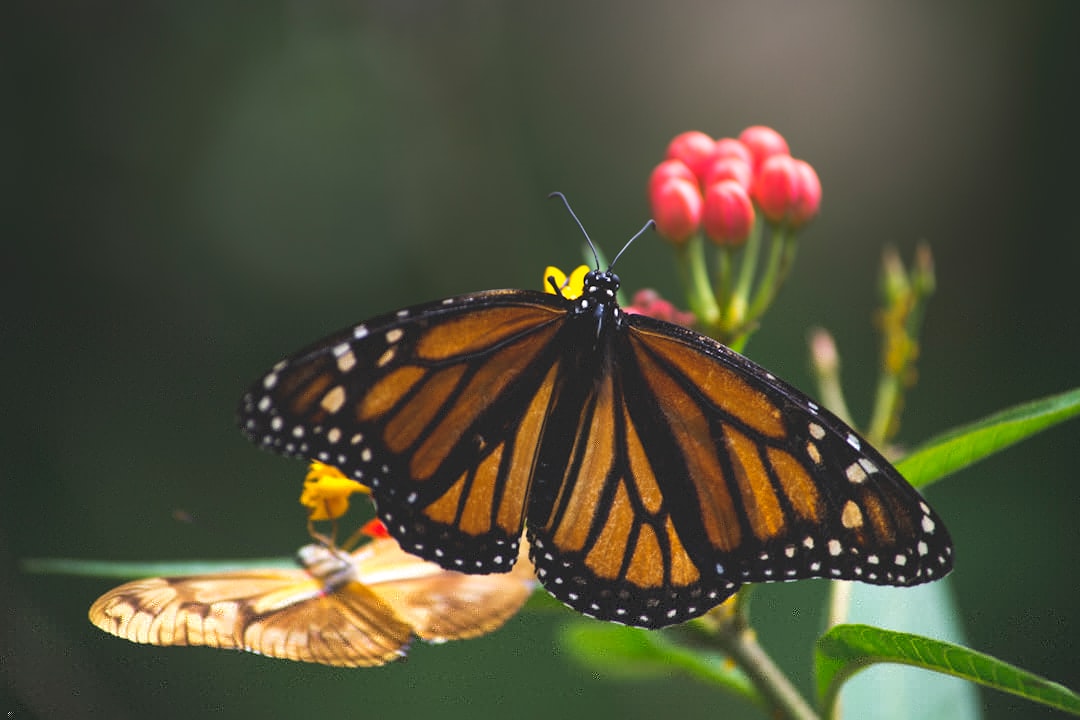
Many aspects of nature come alive under different wavelengths of light. Light traps attract nocturnal insects, allowing photographers to document species that might otherwise go unnoticed. Meanwhile, ultraviolet (UV) photography exposes patterns on flowers and animals that are invisible under normal light. For example, some flowers have UV markings that guide bees to their nectar—an evolutionary secret revealed only through special lenses and lighting. These techniques unveil the hidden signals and adaptations that shape life’s diversity.
Sound Recording Devices: Painting With Waves
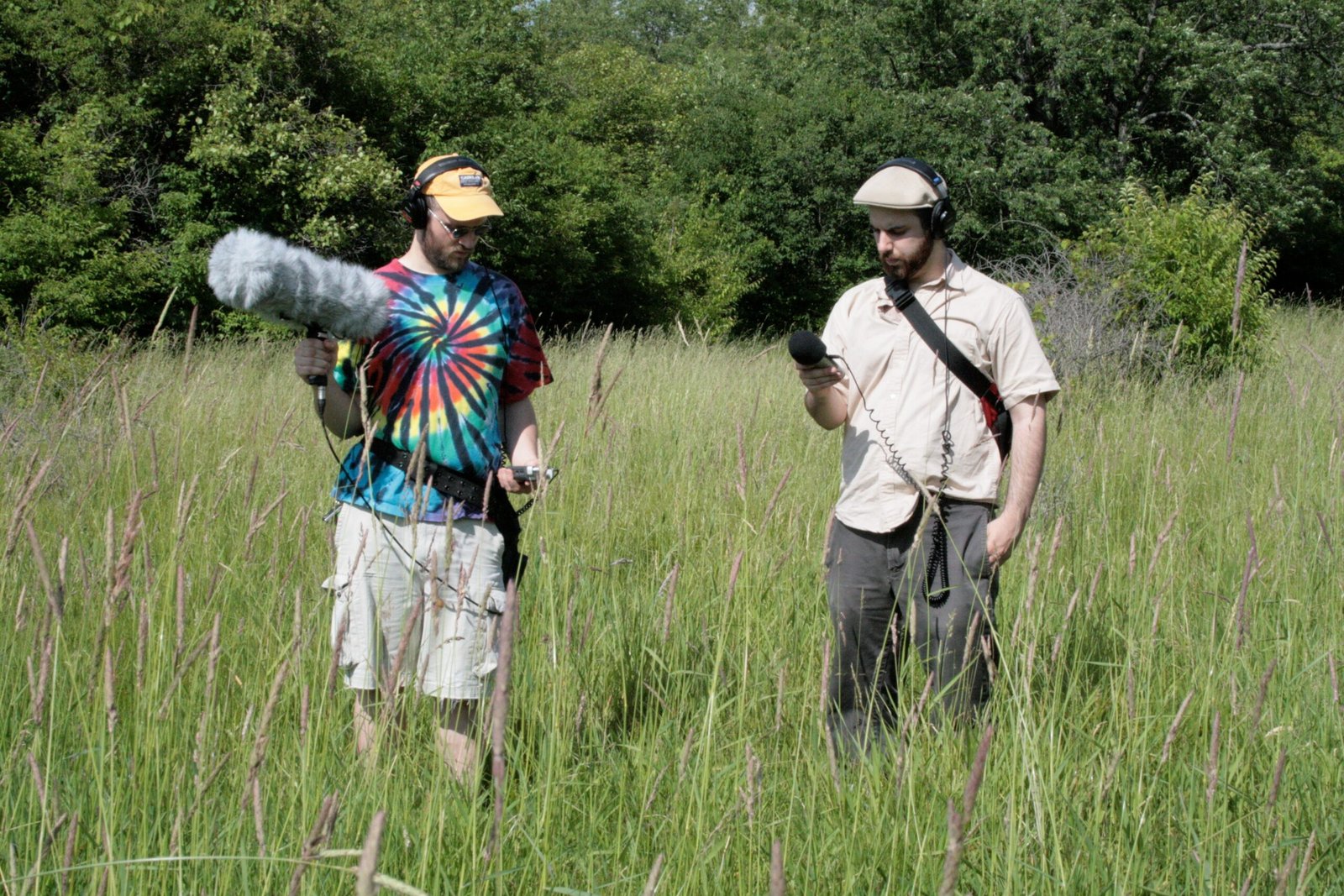
Though not “photography” in the traditional sense, sound recorders are crucial for documenting the natural world. Sensitive microphones capture the haunting calls of wolves, the rhythmic drumming of woodpeckers, or the chorus of frogs on a summer night. These soundscapes can be paired with photographs to create immersive multimedia experiences. Recording devices help scientists study animal communication, migration, and even changes in ecosystems. By listening as well as looking, nature photographers can tell richer, more nuanced stories.
High-Speed Cameras: Freezing the Fraction of a Second

Some of nature’s most spectacular moments happen in the blink of an eye—a kingfisher diving for a fish, a hummingbird’s wings in mid-beat, or a predator’s pounce. High-speed cameras can capture thousands of frames per second, freezing action that would otherwise be a blur. These images allow us to study the mechanics of flight, the splash of a drop, or the split-second reactions of animals. High-speed photography turns the fleeting into the eternal, letting us marvel at the precision and beauty of life’s quicksilver moments.
Field Microscopes: Science in Your Backpack

Traditional microscopes are bulky and sensitive, but field microscopes are designed for adventure. Compact, durable, and battery-powered, these tools allow researchers and photographers to examine plant cells, fungal spores, or insect anatomy right in the heart of the wilderness. This mobility transforms any patch of forest or meadow into a laboratory. The ability to investigate and photograph specimens on-site deepens our connection to the natural world, fostering curiosity and discovery.
Portable Spectrometers: The Colors Beyond Vision

Light is more than what our eyes see. Portable spectrometers break down light into its component wavelengths, revealing chemical signatures and subtle color variations. Nature photographers use these tools to analyze plant pigments, monitor water quality, or study the changing hues of the sky. Spectrometry can uncover the hidden stories behind a leaf’s autumn colors or the iridescence of a bird’s feather. By expanding our visual palette, spectrometers enrich our understanding of nature’s complexity.
Satellite Imaging: Nature’s Big Picture
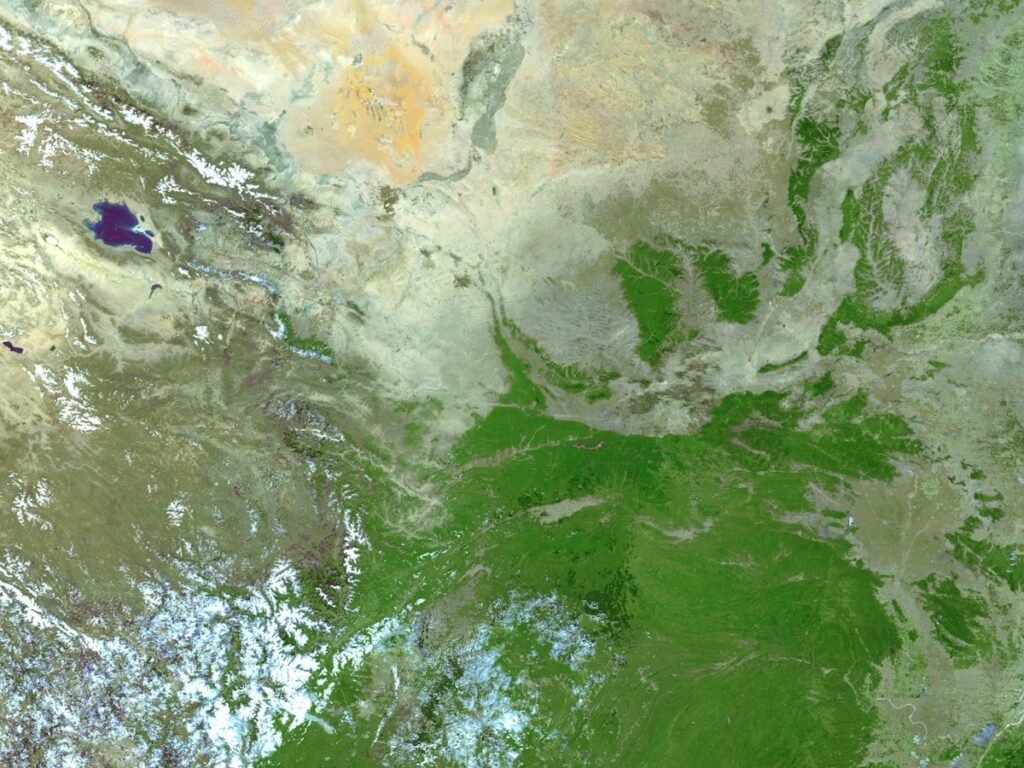
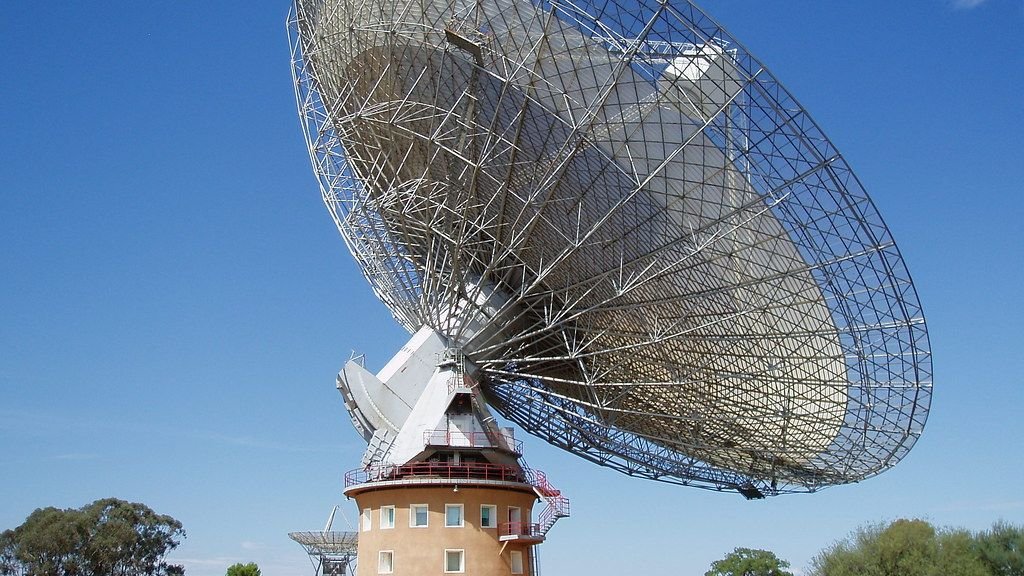
From high above the Earth, satellites capture sweeping images of continents, oceans, and weather systems. These images are not just for scientists—nature photographers use satellite data to plan expeditions, track animal migrations, and document environmental changes like deforestation. The ability to view vast areas from above provides context for ground-level photography and helps tell the story of our planet’s interconnected ecosystems. Satellite imagery also plays a vital role in conservation, revealing the impact of human activity on remote landscapes.
Robotic Cameras: Going Where Humans Cannot
In environments too dangerous or inaccessible for humans, robotic cameras step in. These remotely operated devices can explore volcanic craters, deep caves, or the icy reaches of the polar regions. Equipped with advanced sensors and cameras, they send back images from the edges of the possible. Robotic cameras have photographed penguin colonies in Antarctica, volcano eruptions, and even the inside of animal burrows. Their resilience and versatility allow us to witness life in the planet’s most extreme habitats.
Image Processing Software: Turning Data Into Art
The magic of nature photography doesn’t end with the click of a shutter. Image processing software helps photographers refine their shots, bringing out subtle colors, enhancing contrast, or stitching together panoramic views. Modern programs use artificial intelligence to reduce noise, sharpen details, and even identify species. This digital darkroom is where science meets creativity. With the right tools, a raw photo becomes a masterpiece that can educate, inspire, and move audiences around the world.
Wireless Technology: Instant Sharing From the Field

The days of waiting to develop film are long gone. Wireless technology now allows nature photographers to transmit images directly from remote locations to scientists, educators, or fans worldwide. Cameras with built-in Wi-Fi or Bluetooth can send photos to smartphones or cloud storage in real-time. This instant sharing accelerates research, supports conservation efforts, and brings the wonders of nature to a global audience. The immediacy of wireless technology keeps the excitement of discovery alive.
3D Imaging and Photogrammetry: Mapping Nature in Three Dimensions

Flat pictures can only tell part of the story. Using 3D imaging and photogrammetry, photographers create detailed three-dimensional models of landscapes, fossils, or animal habitats. By combining multiple images taken from different angles, these techniques reconstruct rocks, trees, or even entire ecosystems in virtual space. Scientists use these digital models for research, while nature enthusiasts marvel at virtual tours of caves or coral reefs. 3D photography deepens our appreciation for the shape and structure of the natural world.
Environmental Sensors: Adding Context to Every Shot

A photograph is more meaningful with context. Environmental sensors record temperature, humidity, light levels, and even air quality alongside every shot. This data helps scientists interpret animal behavior, plant growth, or weather patterns at the time of the photograph. For photographers, sensors offer valuable insights and can even trigger cameras automatically under certain conditions. By pairing images with environmental data, we gain a fuller understanding of the stories unfolding in nature.
Wearable Devices: The Photographer’s Digital Sixth Sense

Modern nature photographers are equipped with more than just cameras—they often wear smartwatches, heart rate monitors, and GPS trackers. These wearable devices help photographers navigate difficult terrain, monitor their health, and log exact locations of rare sightings. Some devices can even control cameras remotely or provide alerts about changing weather. This seamless integration of technology and exploration empowers photographers to focus on their creative vision while staying safe and informed.
Citizen Science Apps: Everyone’s a Nature Photographer
The revolution in nature photography isn’t limited to professionals. Citizen science apps encourage everyday people to document the world around them, sharing photos of plants, animals, and landscapes with global databases. These platforms turn every smartphone into a scientific tool, allowing users to contribute valuable data to research projects. Citizen science has led to surprising discoveries, such as the documentation of new species or the tracking of migratory birds. By putting powerful photographic tools in everyone’s hands, we create a vast, collective portrait of our changing planet.
The evolution of science tools has not just transformed nature photography—it has changed the way we see, understand, and connect with the natural world. Each breakthrough brings us closer to the intricate tapestry of life that surrounds us, inspiring wonder and responsibility in equal measure.