Imagine looking into the eyes of a chimpanzee and seeing not just an animal, but a reflection of humanity itself. These remarkable beings share 98.8% of our DNA, yet for decades they’ve been locked away in sterile laboratory environments, subjected to experiments that would horrify us if performed on humans. The story of chimpanzee research is one of scientific breakthrough and moral reckoning, a tale that forces us to confront uncomfortable truths about the price of human progress.
The Dawn of Chimpanzee Research

The systematic use of chimpanzees in scientific research began in the early 1900s when scientists first recognized their genetic similarity to humans. Initially, researchers were drawn to these primates for their intelligence and physical resemblance to people, making them ideal subjects for studying human diseases and behaviors.
The first major research facilities emerged in the 1920s and 1930s, with institutions like the Yerkes National Primate Research Center leading the charge. These early studies focused primarily on comparative psychology and basic behavioral research. Scientists were fascinated by chimpanzees’ ability to learn, use tools, and display complex social behaviors that mirrored human societies.
The Medical Goldmine

By the 1950s, chimpanzee research had evolved into a cornerstone of biomedical science. Their genetic proximity to humans made them invaluable for testing vaccines, studying infectious diseases, and understanding human physiology. The development of the polio vaccine relied heavily on chimpanzee testing, as these primates were among the few animals susceptible to the poliovirus.
Researchers discovered that chimpanzees could serve as living models for hepatitis, HIV, and other human pathogens. This biological similarity that made them so valuable also made their suffering more profound. Unlike laboratory rats or mice, chimpanzees displayed obvious signs of distress, depression, and psychological trauma that closely resembled human responses to captivity and experimentation.
Behind Laboratory Doors
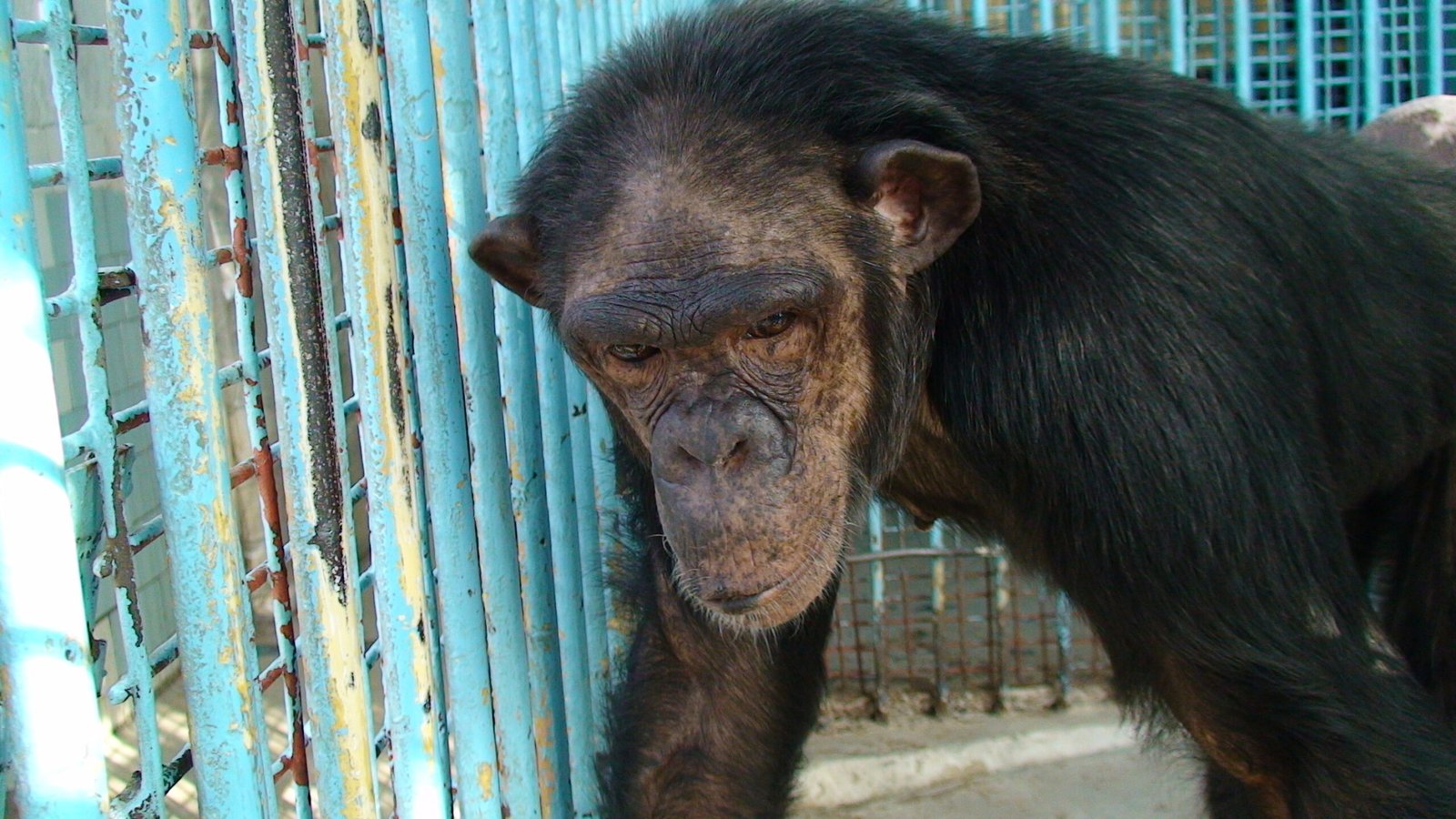
The reality of laboratory life for research chimpanzees was often harsh and unforgiving. Many lived in small, barren cages with minimal social contact, despite being naturally social creatures that form complex family bonds in the wild. The isolation alone caused severe psychological damage, leading to self-harming behaviors, repetitive movements, and withdrawal from human contact.
Daily routines involved blood draws, injections, and invasive procedures that would be considered torture if inflicted on humans. Some chimpanzees spent decades in these conditions, never experiencing the forest canopy, the warmth of sunlight, or the comfort of their own kind. The psychological toll was evident in their hollow stares and repetitive behaviors, yet research continued for what many considered the greater good of humanity.
The Birth of Ethical Awareness
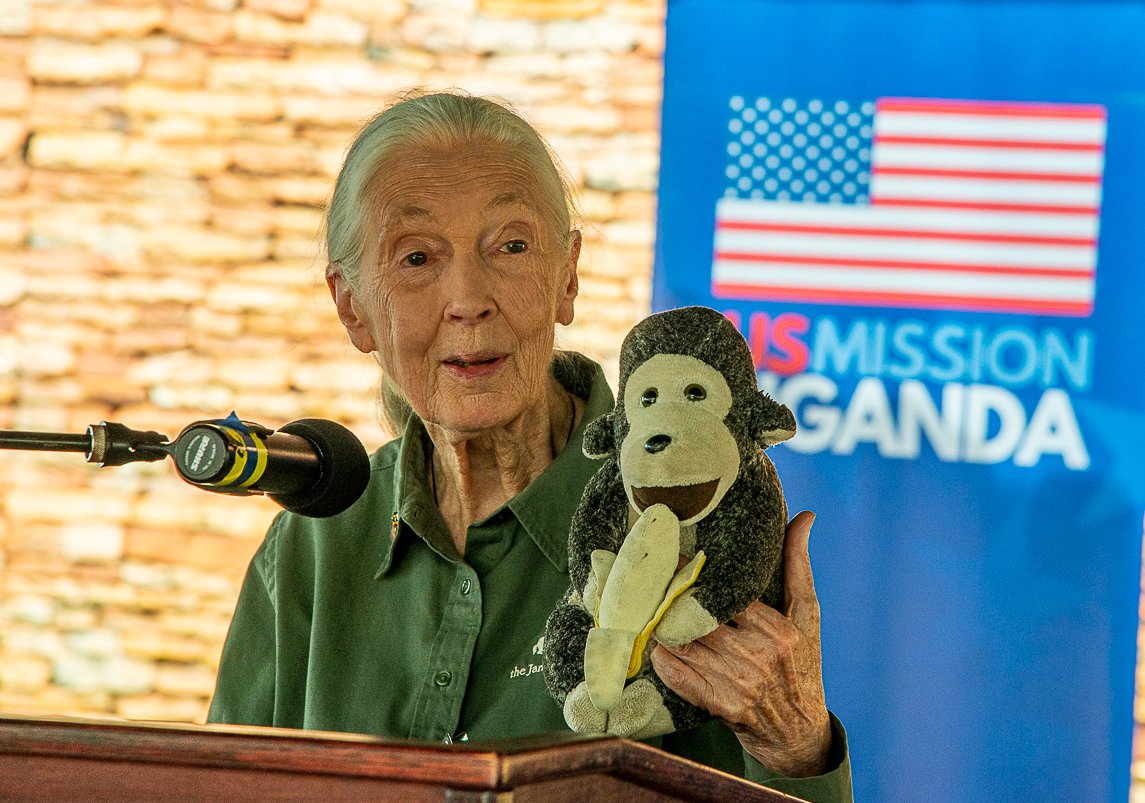
The 1960s marked a turning point in how society viewed chimpanzee research, largely due to the groundbreaking work of Jane Goodall. Her observations of wild chimpanzees in Tanzania revealed their complex emotional lives, use of tools, and intricate social structures. Suddenly, the public began to see these animals not as mere test subjects, but as individuals with personalities, relationships, and rights.
Goodall’s documentation of chimpanzee behavior sparked a global conversation about the ethics of using such intelligent beings for research. Her famous quote, “What you do makes a difference, and you have to decide what kind of difference you want to make,” became a rallying cry for those questioning the morality of invasive research on our closest relatives.
The HIV/AIDS Crisis Intensifies Research

The emergence of HIV/AIDS in the 1980s created an urgent need for animal models that could help researchers understand and combat this deadly disease. Chimpanzees became the primary subjects for AIDS research, as they were the only animals that could be infected with HIV, though they rarely developed the disease itself.
Hundreds of chimpanzees were infected with HIV in research facilities across the United States and Europe. The irony was cruel: these intelligent beings were subjected to a disease that would kill millions of humans, yet they remained largely immune to its fatal effects. This period represented both the height of chimpanzee research and the beginning of serious ethical questioning about its necessity.
Legal Battles and Changing Perspectives

The 1990s brought landmark legal challenges to chimpanzee research practices. Animal rights organizations began filing lawsuits arguing that chimpanzees deserved legal protections similar to those afforded to humans. These cases rarely succeeded in court, but they generated significant public attention and forced researchers to defend their practices in the media.
One of the most compelling arguments came from the growing body of research showing chimpanzees’ capacity for self-awareness, empathy, and even rudimentary moral reasoning. Scientists discovered that chimpanzees could recognize themselves in mirrors, show concern for injured companions, and demonstrate a sense of fairness that challenged traditional notions of what separates humans from other animals.
The Great Ape Project

Founded in 1993, the Great Ape Project represented a revolutionary approach to primate rights, arguing that great apes deserve fundamental rights to life, liberty, and freedom from torture. The project, supported by philosophers, scientists, and ethicists, challenged the legal and moral frameworks that permitted invasive research on chimpanzees, bonobos, gorillas, and orangutans.
The movement gained momentum as more countries began recognizing the special status of great apes. Austria became the first country to grant basic rights to great apes in 2002, followed by Spain in 2008. These legal precedents created international pressure for other nations to reconsider their research practices and acknowledge the moral complexity of using such intelligent beings for scientific purposes.
The Economics of Suffering

Maintaining chimpanzees in research facilities proved enormously expensive, with costs reaching $20,000 to $30,000 per animal per year. These expenses included specialized veterinary care, complex housing requirements, and the need for trained staff to handle dangerous and unpredictable animals. The financial burden became increasingly difficult to justify as alternative research methods emerged.
The economic argument against chimpanzee research gained strength as computer modeling, cell cultures, and other laboratory techniques became more sophisticated. Many studies that once required live chimpanzees could now be conducted using these alternative methods, which were not only more humane but also more cost-effective and often more scientifically accurate.
Breakthrough Moments in Science

Despite the ethical concerns, chimpanzee research did contribute to several major medical breakthroughs. The development of vaccines for hepatitis A and B relied heavily on chimpanzee testing, potentially saving millions of human lives. Research on chimpanzees also advanced our understanding of human genetics, leading to treatments for various genetic disorders.
However, critics argued that many of these discoveries could have been made using alternative methods or were not worth the suffering inflicted on hundreds of chimpanzees. The debate intensified as scientists began questioning whether the benefits of chimpanzee research truly outweighed the ethical costs, particularly given the availability of other research models.
The Rise of Sanctuaries

As public opinion shifted against chimpanzee research, sanctuaries began emerging as alternatives to laboratory life. These facilities offered retired research chimpanzees a chance to live in more natural environments, with larger spaces, social groups, and opportunities to engage in natural behaviors. The first major sanctuary, Primarily Primates, opened in Texas in 1978, followed by others across the United States and Europe.
Sanctuaries faced enormous challenges in caring for chimpanzees who had lived their entire lives in laboratory settings. Many animals struggled to adapt to natural environments, having never learned basic survival skills or social behaviors. The process of rehabilitation could take years, and some chimpanzees never fully recovered from their laboratory experiences.
International Pressure and Policy Changes

The European Union took a leading role in restricting great ape research, implementing increasingly stringent regulations throughout the 1990s and 2000s. By 2010, invasive research on great apes was effectively banned across Europe, with limited exceptions for non-invasive studies that could benefit the animals themselves.
This international pressure created a domino effect, with other countries beginning to reconsider their own policies. Japan, which had conducted extensive chimpanzee research, began winding down its programs in the early 2000s. The global shift away from chimpanzee research accelerated as public awareness grew and alternative methods became more widely available.
The American Turning Point

The United States, which housed the world’s largest population of research chimpanzees, began its own journey toward reform in the 2000s. The National Institutes of Health commissioned several reports examining the necessity of chimpanzee research, concluding that most studies could be conducted using alternative methods.
In 2013, the NIH announced that it would retire most of its research chimpanzees to sanctuaries, keeping only a small population for potential future research. This decision marked a historic shift in American science policy and signaled the beginning of the end for large-scale chimpanzee research in the United States.
The Final Phase-Out

By 2015, the NIH had committed to retiring all government-owned research chimpanzees to sanctuaries, effectively ending federally funded invasive research on these animals. The decision came after years of lobbying by animal rights groups, recommendations from scientific advisory panels, and growing public pressure to treat chimpanzees more humanely.
The phase-out process proved complex and expensive, requiring the construction of new sanctuary facilities and the careful transfer of hundreds of chimpanzees from laboratories to more natural environments. Many animals required extensive medical care and behavioral rehabilitation before they could be safely introduced to sanctuary life.
Life After the Laboratory

For chimpanzees lucky enough to reach sanctuaries, the transition from laboratory to semi-natural environment was often profound and moving. Many animals experienced grass, trees, and natural sunlight for the first time in decades. Videos of research chimpanzees taking their first steps outdoors went viral, capturing the public’s imagination and reinforcing support for the sanctuary movement.
However, the psychological scars of laboratory life often persisted. Some chimpanzees continued to exhibit stereotypic behaviors learned in captivity, while others struggled to form social bonds with their own species. The process of healing was slow and sometimes incomplete, serving as a lasting reminder of the costs of invasive research.
The Scientific Alternative Revolution
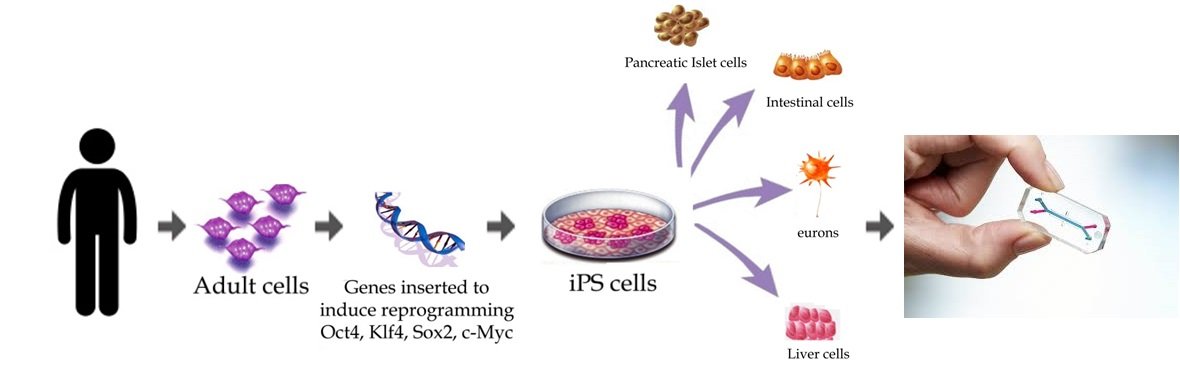
The decline of chimpanzee research coincided with remarkable advances in alternative research methods. Computer modeling became sophisticated enough to simulate complex biological processes, while human cell cultures and tissue samples provided more direct insights into human diseases than animal models ever could.
Organ-on-a-chip technology emerged as a particularly promising alternative, allowing researchers to study human biology using miniaturized models of human organs. These methods often proved more accurate than animal studies while eliminating the ethical concerns associated with invasive research on intelligent beings.
Global Perspectives on Research Ethics

The debate over chimpanzee research reflected broader cultural differences in how societies view the relationship between humans and animals. Western countries generally moved toward greater protection for research animals, while some developing nations continued to view such research as necessary for scientific progress.
These differences created challenges for international scientific collaboration and raised questions about the ethics of conducting research in countries with less stringent animal welfare standards. The global nature of scientific research meant that ethical standards needed to be addressed on an international level to be truly effective.
The Current Landscape

Today, invasive research on chimpanzees has largely ended in developed countries, with most former research animals now living in sanctuaries or specialized facilities. A few hundred chimpanzees remain in research facilities worldwide, but they are primarily used for non-invasive behavioral studies or conservation research that benefits wild populations.
The transition has been remarkable: from thousands of chimpanzees in laboratories just two decades ago to fewer than 100 in research facilities today. This dramatic shift represents one of the most significant victories for animal rights in modern history and demonstrates how scientific practices can evolve in response to ethical concerns.
Lessons for Future Research
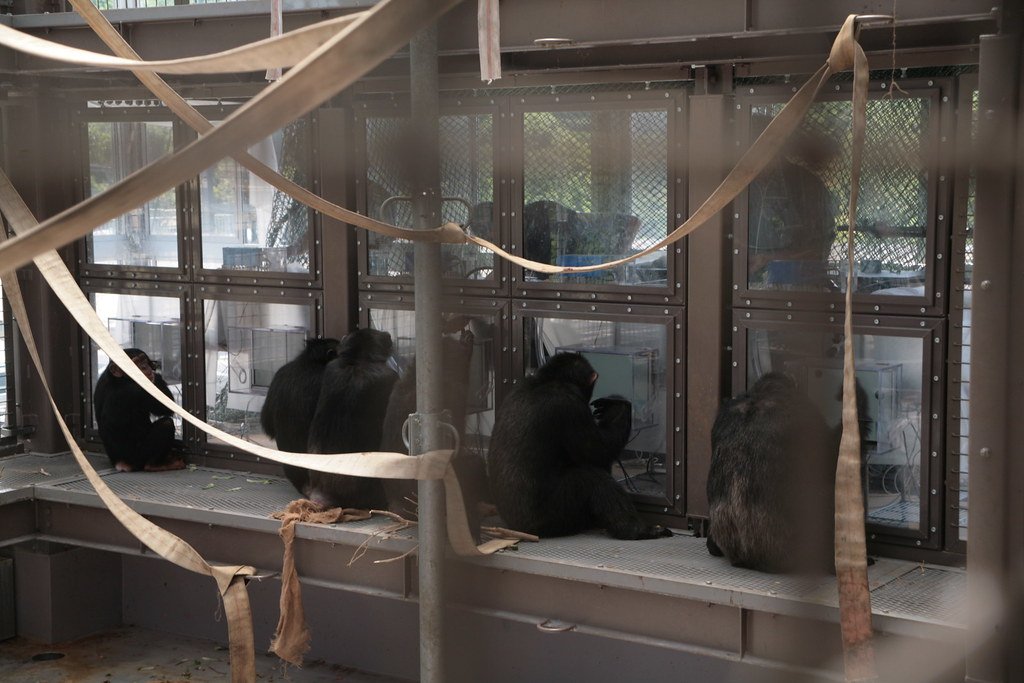
The story of chimpanzee research offers valuable lessons for how society approaches the use of animals in science. It demonstrates the importance of continuously evaluating the ethics of research practices, even those that have been accepted for decades. The development of alternative methods shows that scientific progress need not come at the expense of animal welfare.
Perhaps most importantly, the transition from laboratory to sanctuary illustrates the possibility of redemption and healing, even after decades of suffering. While the scars of the past cannot be erased, the current generation of sanctuary chimpanzees serves as a testament to the power of compassion and the possibility of making amends for past wrongs.
The journey from laboratory to sanctuary represents more than just a change in housing for research chimpanzees – it symbolizes a fundamental shift in how humanity views its relationship with our closest relatives. As these remarkable beings spend their final years in the warmth of sunlight and the company of their own kind, they remind us that progress measured solely in scientific advancement is incomplete without moral progress. The empty cages and closed laboratories stand as monuments to a chapter of science we’ve chosen to leave behind, replaced by a more compassionate approach that honors both human curiosity and animal dignity. What legacy will today’s research practices leave for future generations to judge?