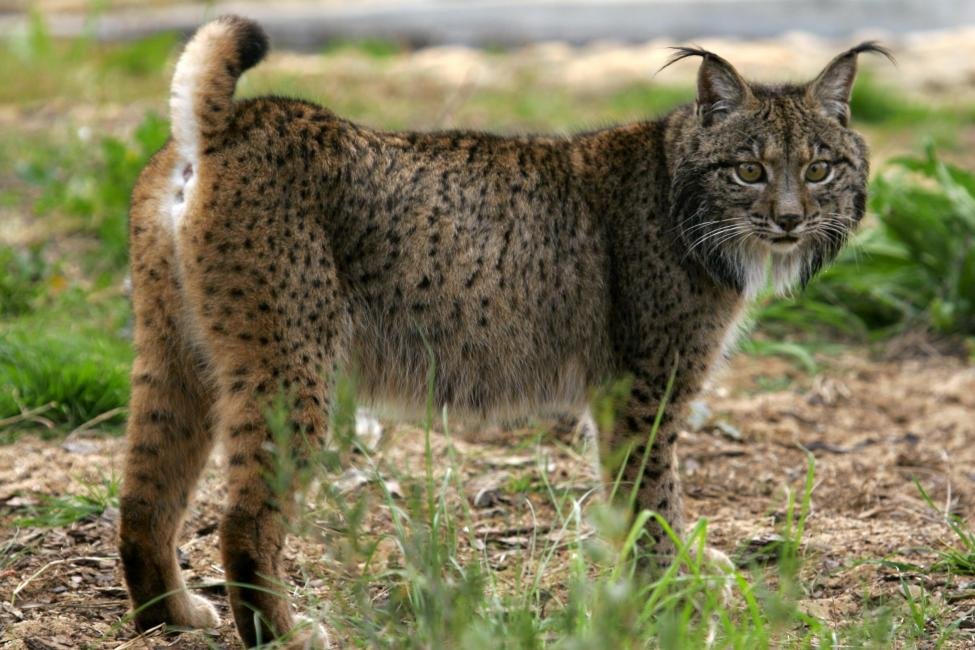

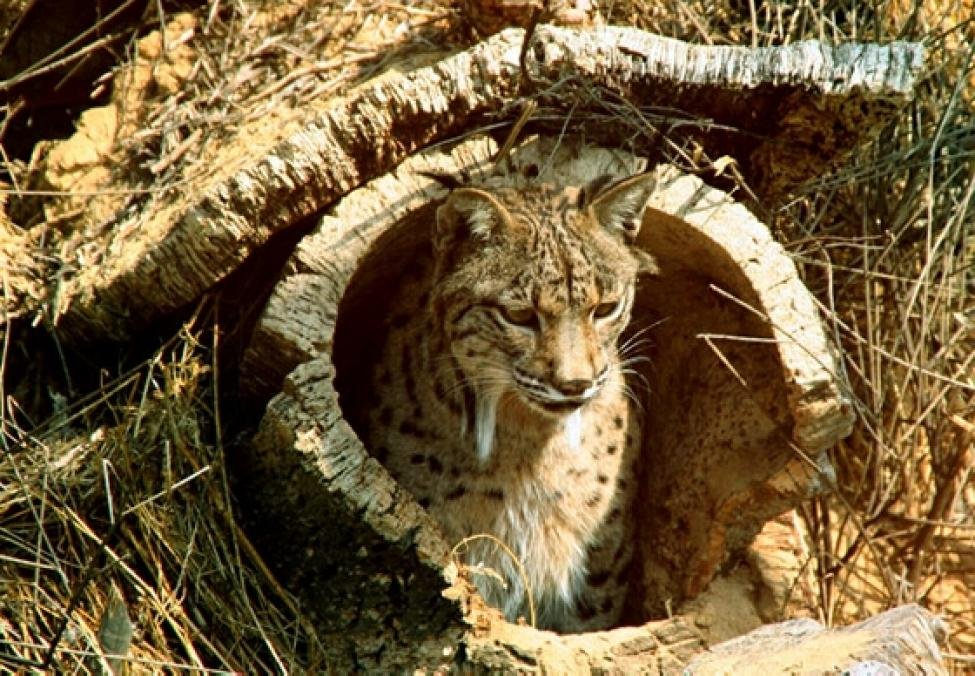
Picture this: in the early morning light of southern Spain, a ghostly figure with piercing amber eyes and distinctive tufted ears moves silently through Mediterranean scrubland. Twenty years ago, this scene was almost extinct from our world forever. The Iberian lynx was literally counting down its final days, with fewer than 100 individuals remaining by 2002, making it the most endangered wild cat on Earth. Today, that same species boasts a record-breaking population of 2,401 individuals in 2024, representing one of the most spectacular conservation comebacks in modern history.
When Death Seemed Certain

At the turn of the 21st century, the Iberian lynx was the world’s most endangered wild cat. Just over two decades ago, the Iberian Lynx was down to fewer than 50 mature animals in two tiny locations in the Andalusia region of Spain. Think about that for a moment – an entire species reduced to what you might find in a small neighborhood! Years of declining wild rabbit populations, habitat destruction, inbreeding and deaths from ‘non-natural’ causes – including hunting and roadkills – had left the species teetering on the brink of extinction. Scientists were genuinely preparing for the worst-case scenario: the species was on track to becoming the first cat species to die out since the saber-toothed tiger 12,000 years ago. The clock was ticking, and every second mattered.
The Emergency Response That Changed Everything

When you’re staring extinction in the face, conventional conservation methods simply aren’t enough. The Iberian lynx ex-situ conservation programme was established in 2001, as the species was Critically Endangered, with the aim of maintaining a healthy, genetically sound captive breeding population to prevent extinction and provide a source for future reintroductions. This wasn’t just about saving a few cats – it was about rebuilding an entire species from scratch. Prompted by the critically low numbers and partly funded by the European Union, the breeding program was initially an emergency strategy surrounded by uncertainty. Nobody knew if these fierce, solitary hunters could even adapt to captivity, let alone breed successfully. According to Simón, scientists had little knowledge of lynx biology: would the animal be capable of adapting and breeding in captivity?
The First Miracle – Saliega’s Historic Birth

March 28th, 2005, became a date etched in conservation history. On March the 28th of 2005, round about 8p.m., Saliega, Iberian lynx female from the population of the Sierra Morena, gave birth to the first Iberian lynx litter born in captivity. This achievement meant a great step forwards for the conservation and recovery actions of the species. Imagine the tension in that room – researchers holding their breath as three tiny cubs entered the world, representing hope incarnate. Saliega didn’t just give birth to kittens; she delivered an entire species back from the edge of oblivion. This single moment proved that captive breeding could work, opening the floodgates for an unprecedented rescue mission.
Building a Network of Life – The Breeding Centers
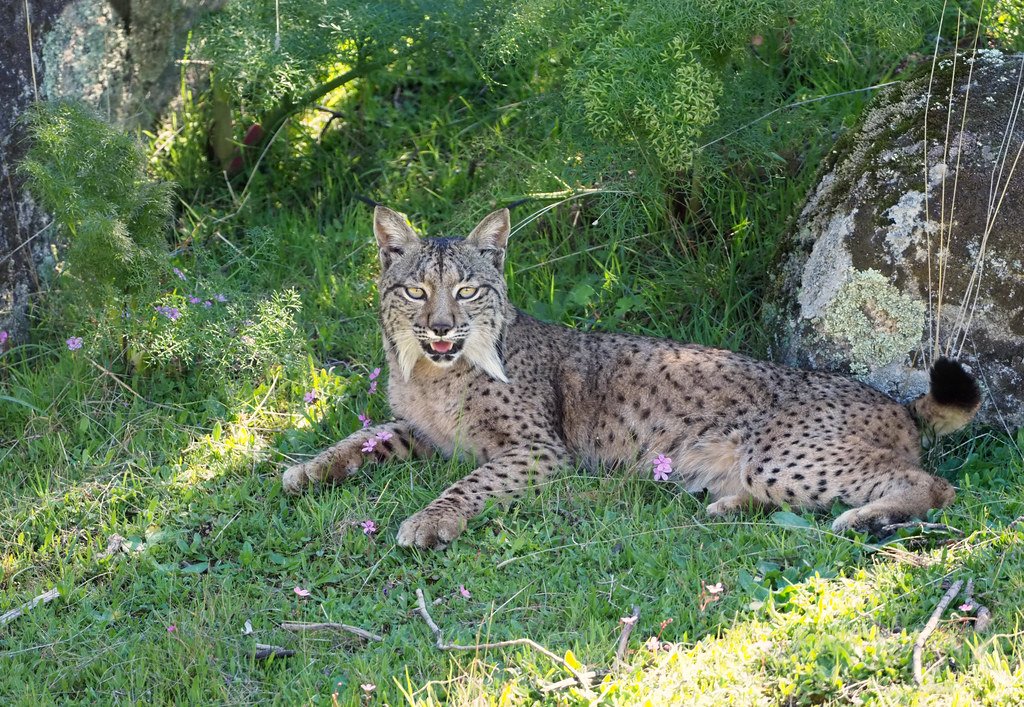
Success breeds success, and soon Spain and Portugal were constructing a network of specialized breeding facilities. Over the years, nearly 500 hundred lynx were born across five captive breeding locations in Spain and Portugal: El Acebuche, La Olivilla, Silves, Zarza de Granadilla and Zoobotánico de Jerez. Each center became a fortress of hope, with La Olivilla being the largest of all centers with 23 enclosures with a surface of about 1250m2 for each, each containing autochthon vegetation. But this wasn’t just about quantity – it was about quality and genetic diversity. Though the captive lynx are divided across these five areas, scientists consider them a single population and have carefully distributed the animals to ensure maximum genetic diversity. “Genetic diversity is key for the species’ survival,” says Rodrigo Serra, director of the Silves breeding center.
The Science Behind the Miracle
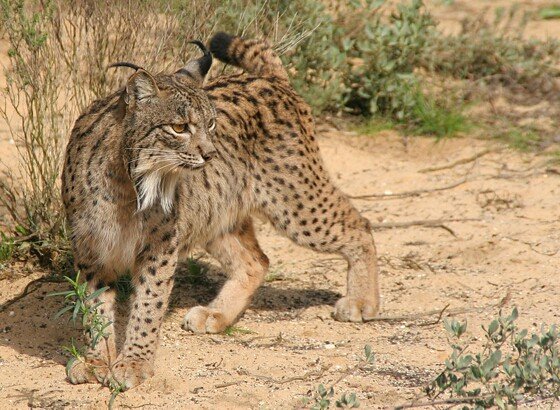
What made this program extraordinary wasn’t just the breeding – it was the cutting-edge science backing every decision. Some relevant research areas include: determining fecal hormone profiles for adult and subadult lynx, studying reproductive behaviour and cub development, determining reproductive health of male and female breeders, developing a non-invasive pregnancy test, establishing sound bio-security and biomedical protocols. Scientists literally had to learn how to be lynx whisperers, understanding everything from stress hormones to pregnancy detection without disturbing these naturally skittish animals. Extensive research advanced understanding of lynx reproductive biology leading to developments such as genus-specific pregnancy diagnosis, while assisted reproductive techniques and biobanking are being developed to optimise genetic management and reproductive output.
The Rabbit Connection – Fixing the Food Chain

Here’s something most people don’t realize: saving the Iberian lynx meant saving another species entirely. The European rabbit (Oryctolagus cuniculus), which accounts for about 75% of the Iberian lynx’s diet, had suffered catastrophic population crashes due to disease outbreaks. Key to this success has been the active restoration of Mediterranean scrub and forest habitats, as well as the full protection of the European rabbit (Oryctolagus cuniculus), the main source of food for the lynx. It’s like trying to save tigers while the deer population is collapsing – you need both pieces of the puzzle. By 2022, efforts to boost the population of the European rabbit had significantly increased numerous populations, ensuring a stable food supply for the lynx, crucial for their continued recovery. Conservationists essentially had to rebuild an entire ecosystem from the ground up.
From Captivity to Wild Freedom
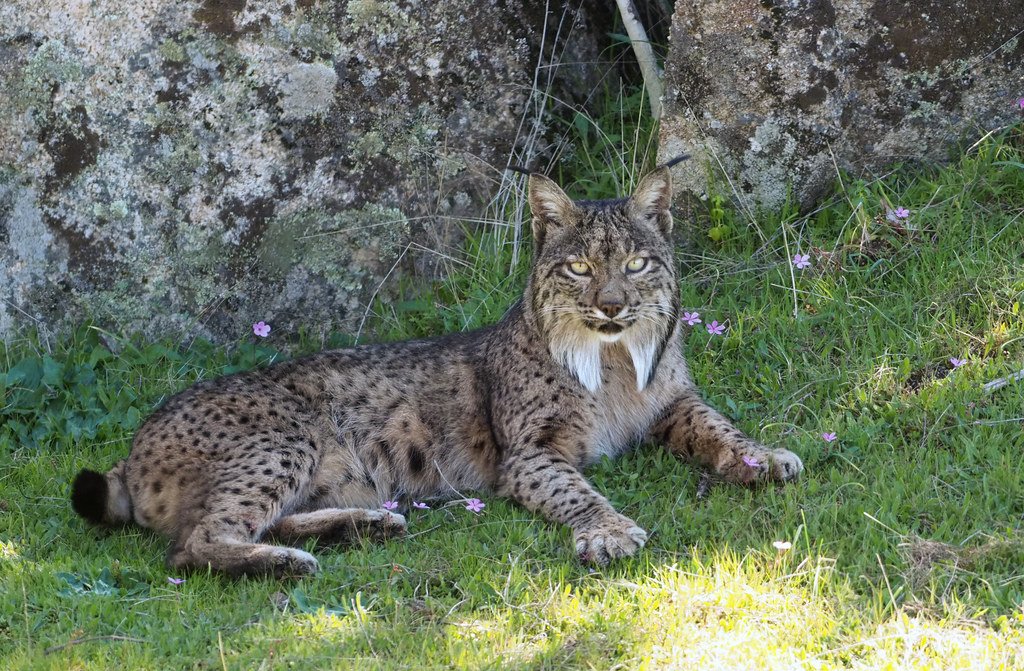
The ultimate test came when it was time to release these captive-born lynx back into the wild. The ministry’s report partly attributed the demographic boom to the success of a captive breeding and reintroduction programme launched in 2011. Since then, 338 lynx born in captivity have been released into the wild. But this wasn’t simply opening cage doors and hoping for the best. Current Iberian lynx conservation breeding efforts focus on producing physiologically and behaviourally sound captive-born individuals that are suitable for future reintroduction efforts. Each lynx had to essentially graduate from “Survival 101” – learning to hunt, establish territories, and navigate the dangerous modern world of roads and human interference.
The Numbers That Tell an Incredible Story

Let’s talk about the math that made headlines around the world. The population has significantly increased thanks to reintroduction and captive breeding projects, with the population increasing from 62 mature individuals in 2001 to 648 in 2022. But 2024 shattered all previous records. From fewer than 100 in 2002, the species is now expanding in both range and breeding strength. In just four more years, that number more than doubled to 2,401 individuals. To put this in perspective, this growth averages nearly 29% per year, reflecting the success of coordinated conservation between Spain, Portugal, and the European Union. These aren’t just statistics – they represent individual lynx mothers, fathers, and cubs that exist today because of human determination.
Expanding Horizons – New Territories
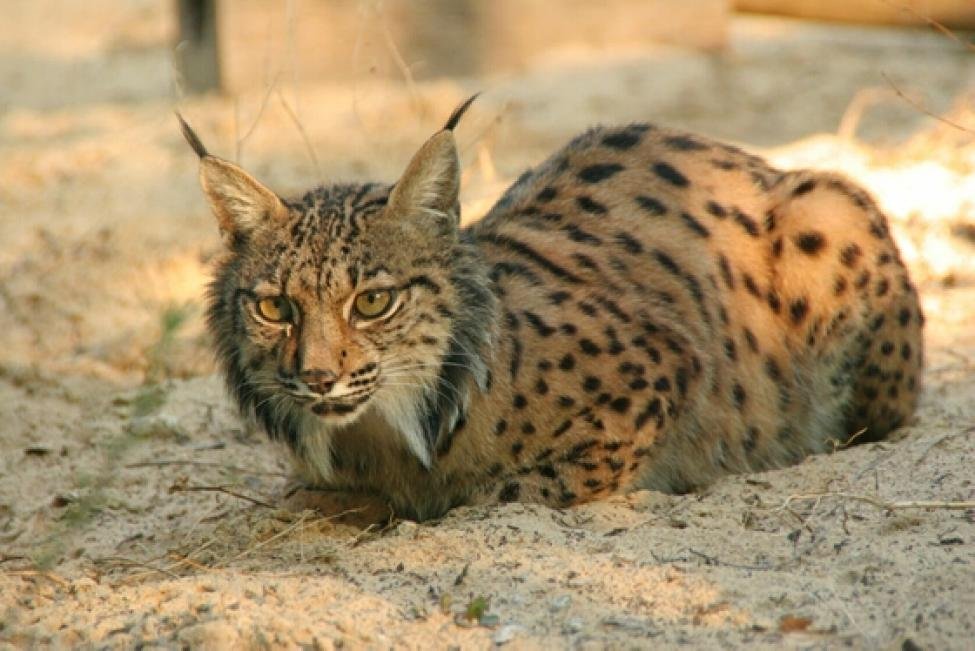
The wild population was reduced to two isolated pockets at the turn of the millennium—one in Doñana National Park and another in the Sierra Morena mountains, both in southern Spain—but the release of captive-bred lynx allowed for the creation of six more pockets. No longer confined to an area of roughly 100 square miles, the lynx is now spread over a territory ten times bigger. Today’s lynx population spans multiple regions and countries. In 2024, 2,047 lynxes were identified in Spain and 354 in Portugal, in the Guadiana Valley. In addition to this population in Portugal, there are others in the Spanish regions of Castile-La Mancha (942 lynxes), Andalusia (836), Extremadura (254) and Murcia (15). It’s like watching a species literally reclaim its ancestral homeland, one territory at a time.
The Historic Status Change
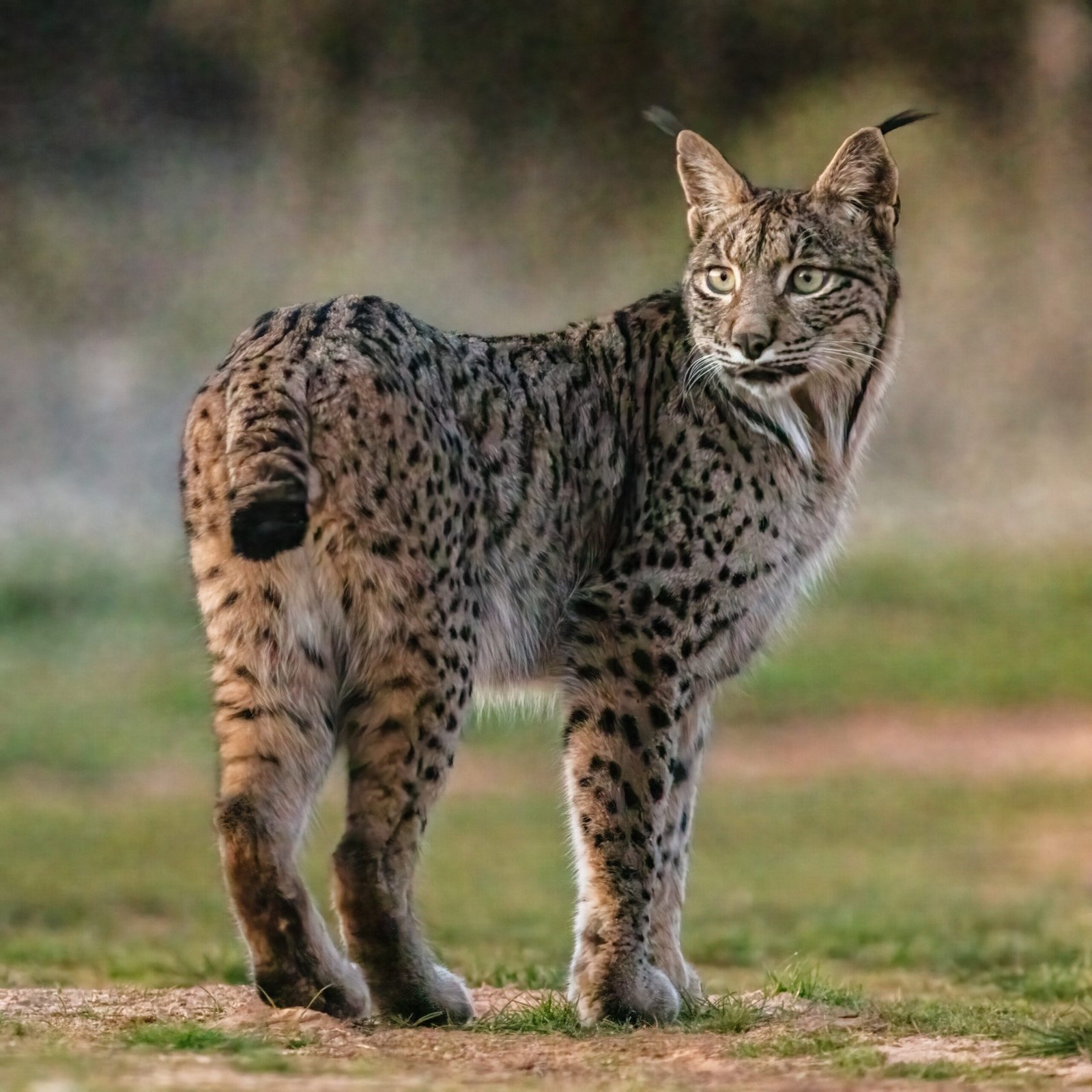
Earlier this summer, the Iberian Lynx was officially reclassified from Endangered to Vulnerable on the IUCN Red List of Threatened Species. This might sound like bureaucratic paperwork, but it represents something monumental. “The greatest recovery of a cat species ever achieved through conservation, this success is the result of committed collaboration between public bodies, scientific institutions, NGOs, private companies, and community members including local landowners, farmers, gamekeepers and hunters”, declared Francisco Javier Salcedo Ortiz, Coordinator of the LIFE Lynx-Connect project. Moving from “Endangered” to “Vulnerable” is like upgrading from life support to recovery – still serious, but no longer facing imminent extinction.
The Deadly Highway Problem
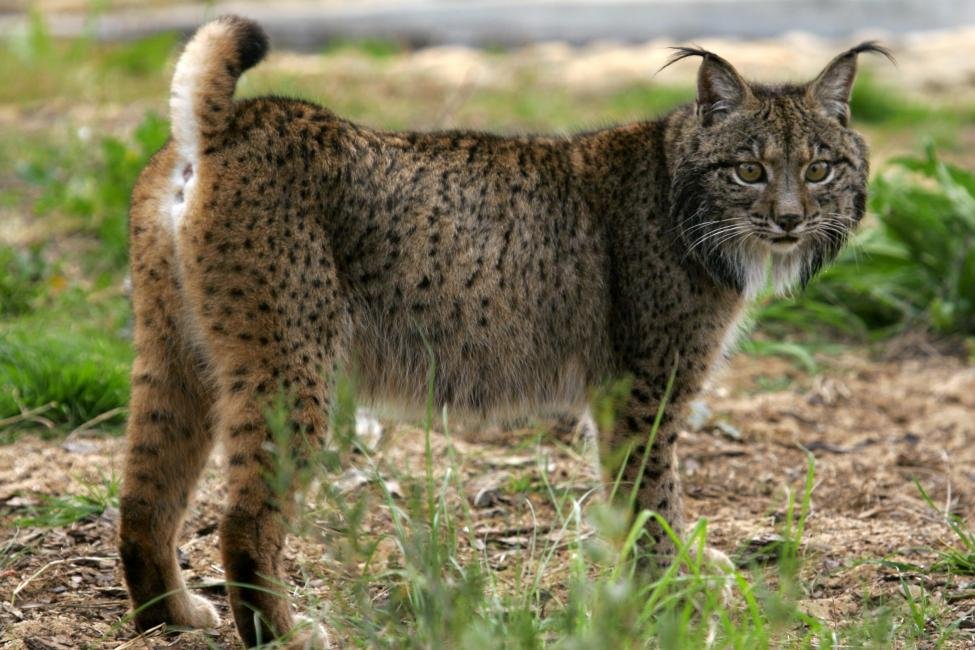
Despite all the success, one enemy remains particularly stubborn: our roads. In 2024, 214 lynx deaths were recorded—75.4% (162 deaths) caused by vehicle collisions. Unnatural mortality remains a major barrier to long-term success. Poaching and road kills remain threats, particularly where high traffic roads cut-through the lynx’s habitat. Picture a mother lynx with cubs needing to cross a busy highway to reach hunting grounds – it’s a deadly game of chance. To address this, Spain and Portugal are expanding their Green Infrastructure and Ecological Connectivity Strategies. These plans aim to reduce roadkill and connect fragmented habitats through wildlife corridors, underpasses, and improved land management.
The Climate Challenge Ahead
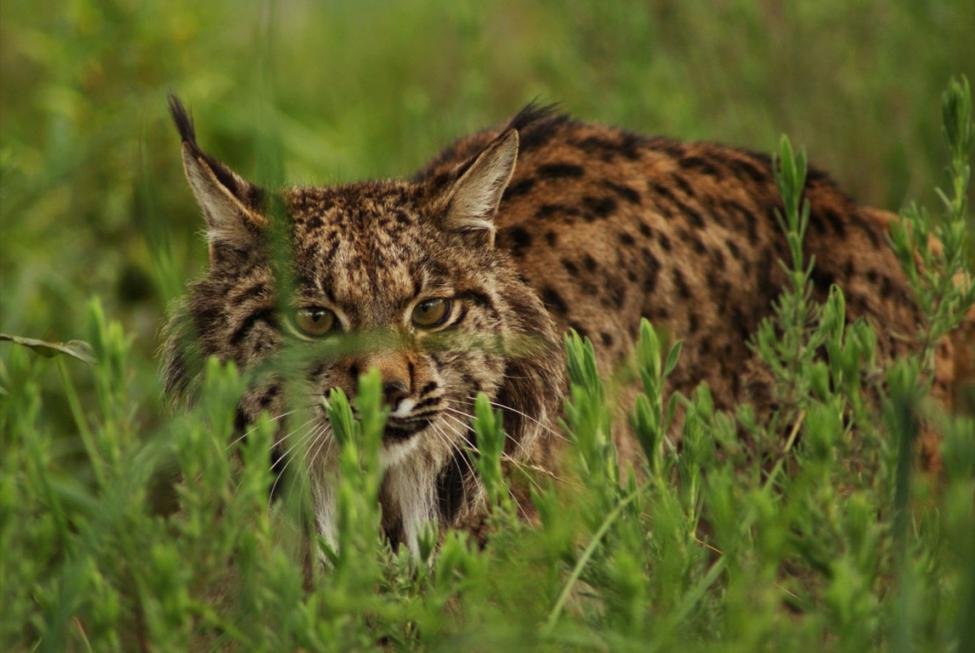
As if roads weren’t enough, climate change looms as the next major threat. Habitat alterations related to climate change are a growing threat. The climate crisis could alter the lynx’s habitat irrevocably, with severe droughts and rising temperatures already scorching the Iberian peninsula. Wildfires are also on the increase in the Mediterranean. Therefore species which can’t adapt to more frequent burning or migrate to wetter climes will face an uncertain future. The Mediterranean scrubland that lynx call home is becoming hotter and drier each year. It’s like saving someone from drowning only to realize the flood waters are still rising.
The Breeding Success of 2024
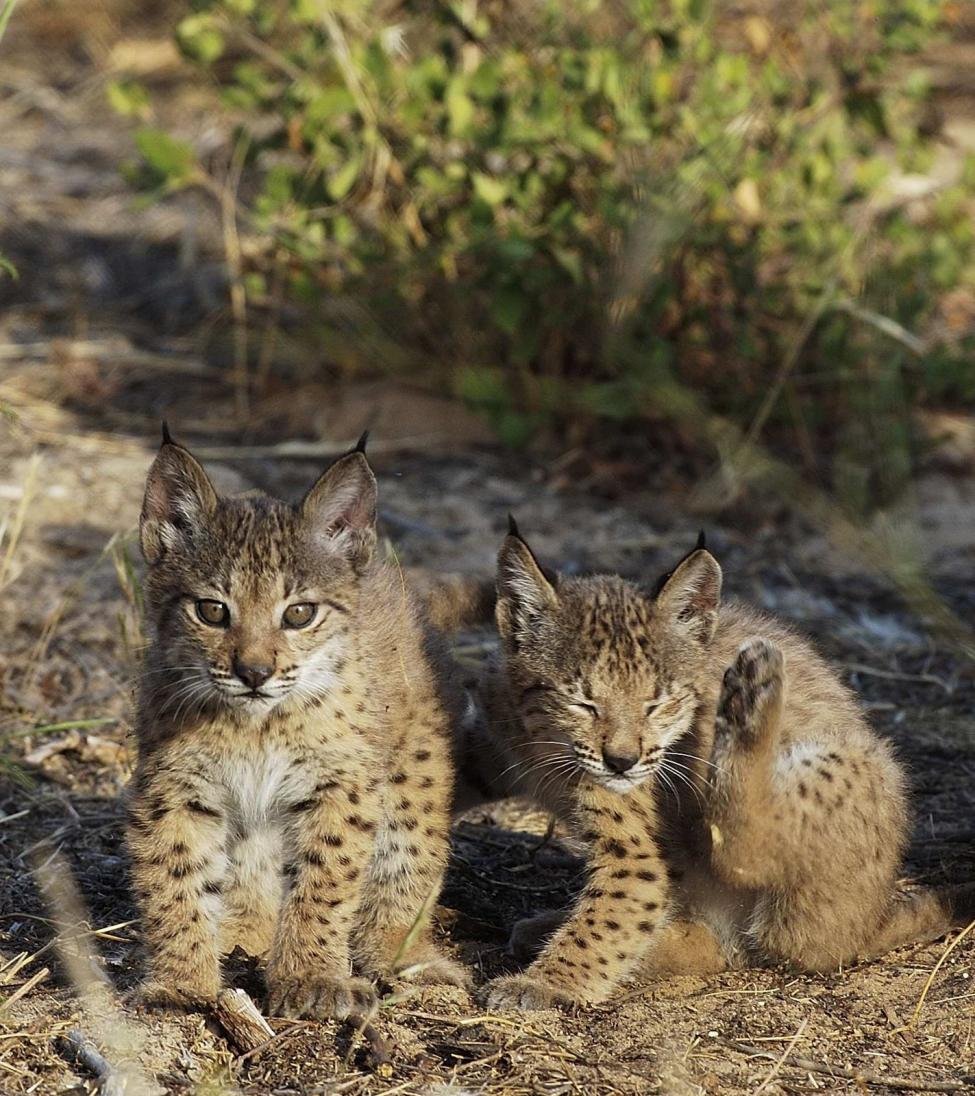
Despite challenges, 2024 proved to be a banner year for lynx reproduction. 844 cubs were born in 2024, demonstrating robust reproductive success. A crucial milestone in 2024 was the increase in territorial or breeding females, now totaling 470—up by 64 from 2023. The long-term goal is to reach 750 breeding females, a benchmark for favorable conservation status under IUCN guidelines. Each breeding female represents hope multiplied – the potential for generations of wild lynx to follow. These aren’t just numbers; they’re mothers raising the next generation of Spain’s most iconic predator.
International Collaboration Success
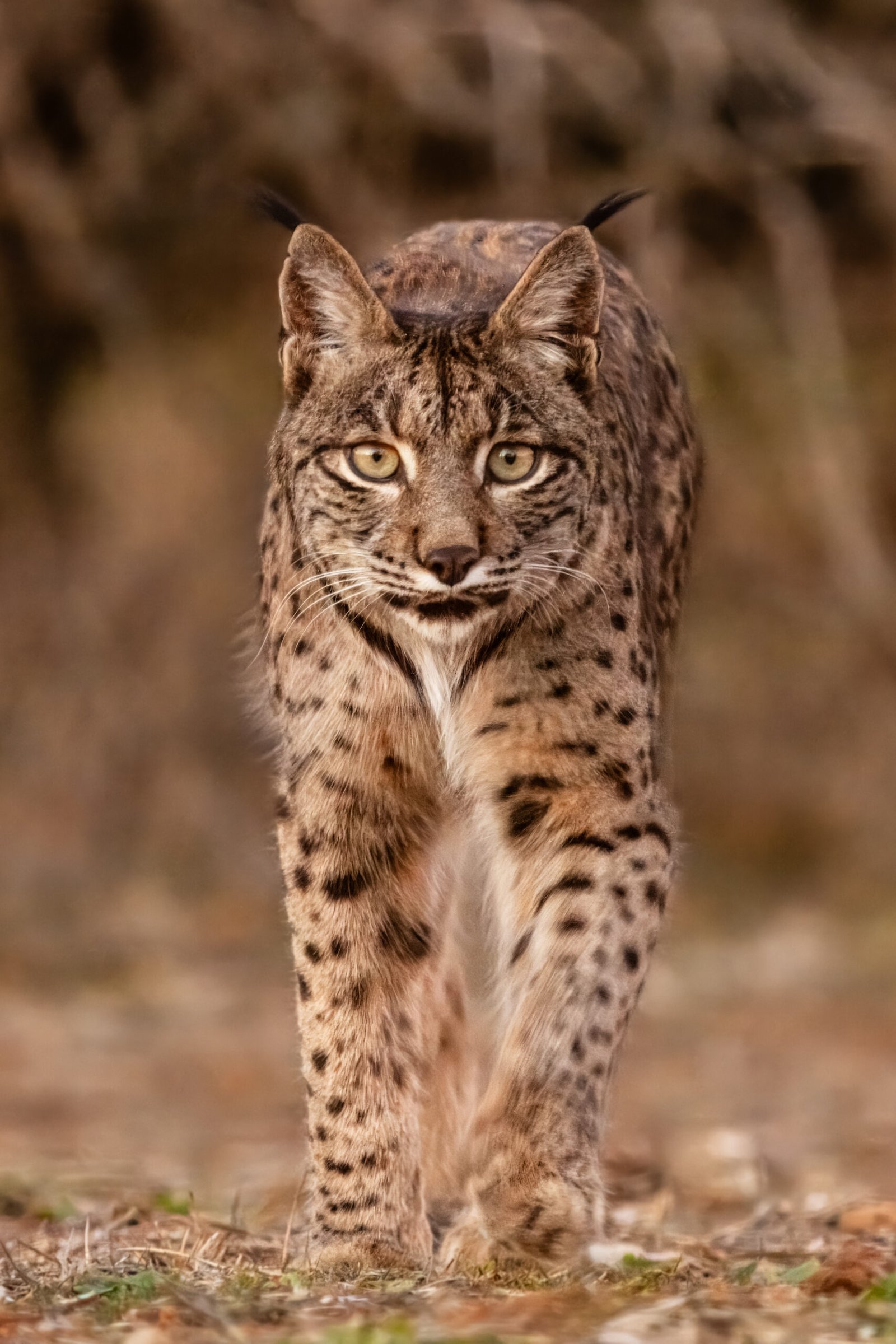
This comeback story wouldn’t exist without unprecedented international cooperation. The Center of Silves is the result of an agreement signed between the Spanish kingdom and the Portuguese republic for the conservation of this species during 2006 and 2008, which represents the most visible link of collaboration between these two countries for the conservation of the Iberian lynx. Furthermore, Spain and Portugal have agreed to prepare and create new territories for reintroduction in both countries. National, regional and international institutions collaborate with the Programme, which is currently implemented through a “multilateral commission” that includes the central governments of Spain and Portugal, together with the autonomous governments of Andalusia, Extremadura and Castilla-La Mancha, Spain. It’s like the European Union’s greatest wildlife success story.
Beyond Conservation – Cultural Revival
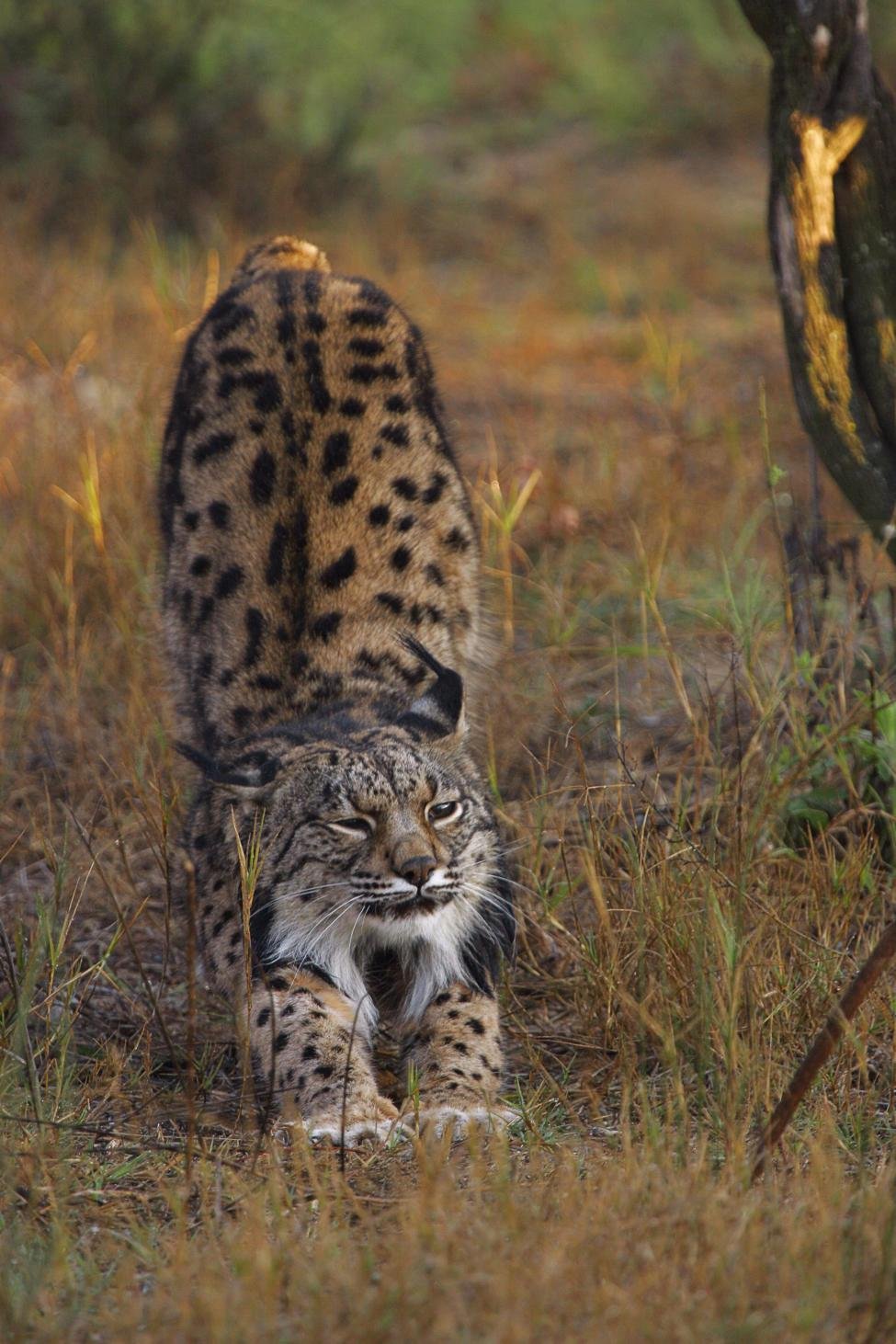
The lynx’s return represents more than ecological success – it’s cultural resurrection. The Iberian lynx has become a symbol of Spanish biodiversity and an example of how cooperation and commitment can reverse the course of endangered species. The recovery of the Iberian lynx is not only a conservation milestone, but also an inspiration for future efforts to protect Spain’s natural heritage. In rural communities across Spain and Portugal, seeing lynx tracks again connects people to their natural heritage in ways that had been lost for decades. It’s like bringing back a piece of the landscape that had been missing from the soul of the peninsula.
The Road to Full Recovery
While celebrating success, scientists remain realistic about the journey ahead. The people responsible and scientists of the LIFE LynxConnect project, for the recovery of the Iberian lynx, which was on the brink of extinction at the beginning of this century, consider that to achieve a “favourable conservation status” it will be necessary to reach between 4,500 and 6,000 individuals, with at least 1,100 breeding females. According to WWF estimates, Iberian lynx numbers would need to reach 3,000-3,500 individuals, including around 750 reproductive females, to be eligible to be considered as being in a ‘favorable State of Conservation’ according to European regulations. Continued conservation efforts that address threats to lynx, support the recovery of decimated rabbit populations, help create new lynx populations, and connect existing ones are critical to reaching such a goal by 2040.
Lessons for Global Conservation

The Iberian lynx story offers blueprints for saving other species worldwide. The Iberian lynx recovery is now cited as a model for endangered species management in Europe. From just 52 individuals in 2002 to over 2,400 in 2024, its resurgence demonstrates what long-term, science-based conservation can achieve. “The significant recovery of the Iberian lynx demonstrates that even the most threatened species can be brought back from the brink of extinction through committed, science-based conservation action and provides hope for those working to protect wildlife across the globe”, said Sarah Durant, Professor at ZSL’s Institute of Zoology. This isn’t just about one cat – it’s proof that extinction doesn’t have to be forever.
The People Behind the Miracle
Behind every lynx cub born is a human story of dedication. These successes were achieved through the dedicated collaboration of government bodies, scientific institutions, NGOs, private companies and local communities. These groups have formed a multifaceted conservation strategy supported by the European Union LIFE project. From veterinarians working midnight shifts during breeding season to farmers allowing lynx corridors through their land, this success belongs to thousands of people who refused to let a species disappear. “If someone told me 20 years ago that we would achieve such results, I would have thought they were out of their mind,” says Miguel Simón, the recently retired director of the Lynx LIFE program.
The Iberian lynx’s journey from 52 individuals to over 2,400 represents more than conservation success – it’s testament to what humans can achieve when we refuse to accept defeat. This spotted cat with amber eyes didn’t just survive; it taught us that extinction isn’t inevitable and that sometimes, the most beautiful stories are about second chances. In a world filled with environmental doom and gloom, the lynx reminds us that miracles are still possible when science meets determination.
What other species might we save if we brought this same level of commitment and collaboration to their rescue?