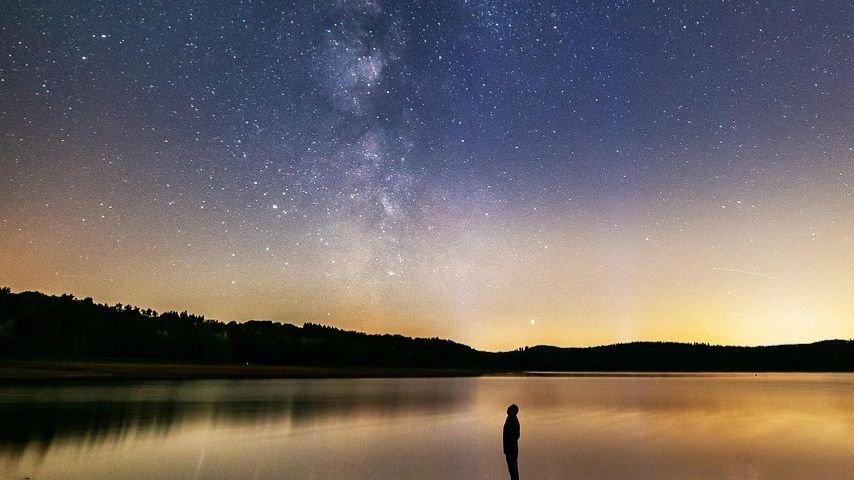

Look up at the night sky and it feels almost impossible that any of this made you. Stars, gas, empty blackness stretching farther than our minds can grasp – and yet, somehow, out of that cold cosmic mess came warm hands, beating hearts, and a brain reading these words right now. The idea that every atom in your body was once part of a star sounds poetic, but it’s also one of the most solid, well-tested scientific truths we have.
In a way, we’re the universe’s most recent experiment in self-awareness. Cosmic dust became chemistry, chemistry became biology, and biology became curiosity. The story of how that happened isn’t just about distant galaxies and equations on chalkboards; it’s a raw, physical journey through explosions, collisions, and billions of years of trial and error. Let’s walk through that story from the very beginning – or at least as far back as science can reliably see.
The First Elements: A Universe Born Bare
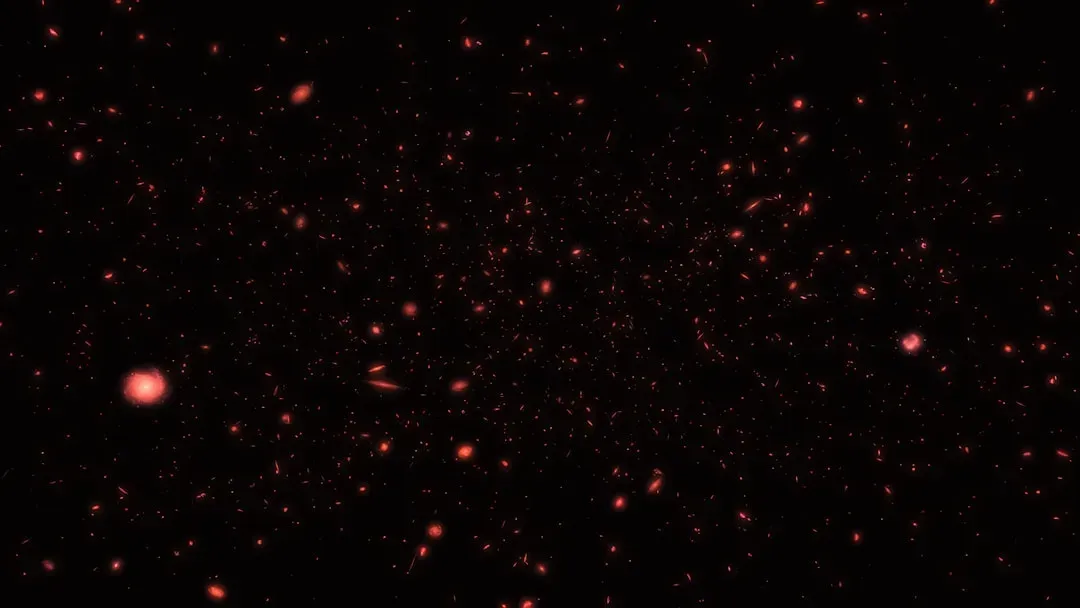
Imagine the universe in its first moments: no stars, no planets, not even atoms as we know them – just an unimaginably hot, dense fireball expanding at a staggering pace. In the first few minutes after the Big Bang, the universe cooled just enough for the first simple nuclei to form, mostly hydrogen and helium with tiny traces of lithium. These were the cosmic building blocks, but on their own, they were like a kitchen stocked only with water and salt – not nearly enough ingredients for life.
For hundreds of millions of years, that was pretty much it: a dark universe filled with a thin, expanding fog of these light elements. There were no complex atoms like carbon, oxygen, or iron yet, which means there was no solid matter, no rocks, no oceans, and certainly no biology. The chemistry that would one day write DNA simply wasn’t possible. The universe had the raw canvas, but the paint set was still missing. That would change when gravity started gathering this simple gas into something far more powerful.
Stellar Alchemy: How Stars Cooked the Elements of Life
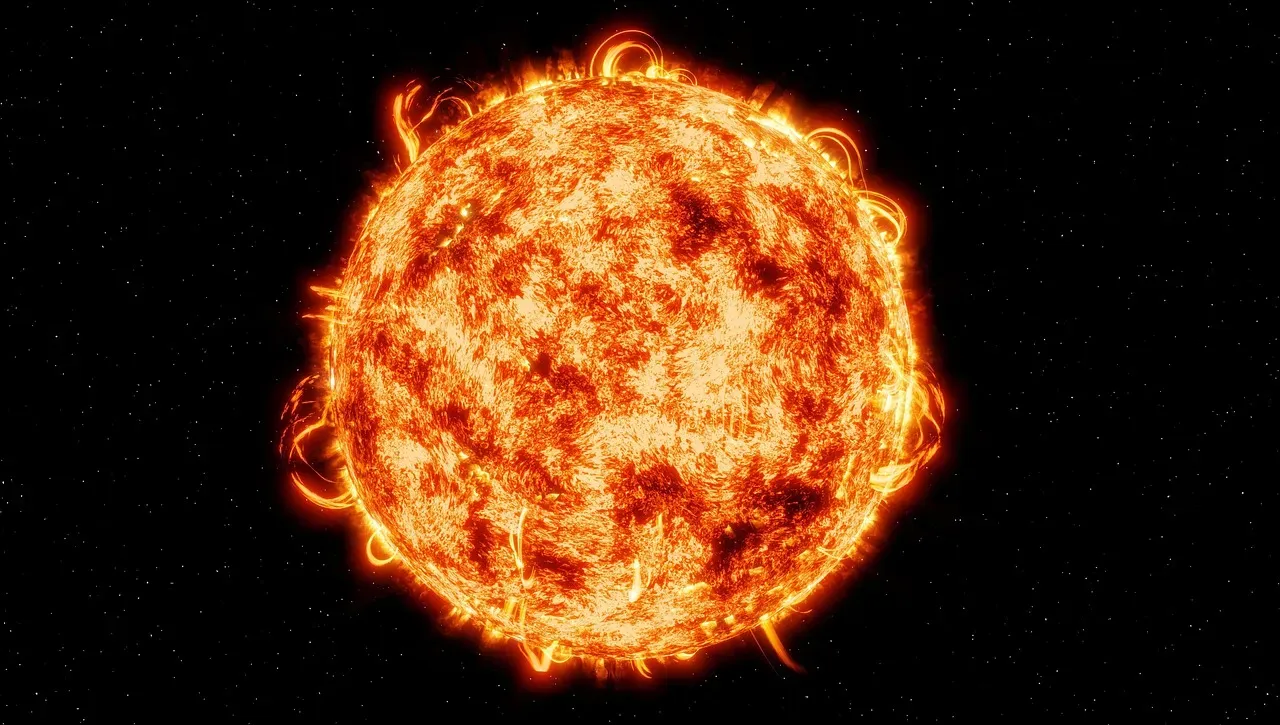
Gravity, patient and relentless, began pulling together clouds of hydrogen and helium, compressing them until their cores grew hot enough to ignite nuclear fusion. When the first stars flared into existence, the universe finally got its furnaces – places where light elements could be welded into heavier ones. Inside these stellar cores, hydrogen fused into helium, and in more massive stars, helium went on to form carbon, oxygen, nitrogen, and beyond. This was the moment the chemical palette for life really started filling out.
These stars were like cosmic factories running for millions or even billions of years, steadily building up the ingredients we now find in our bones, blood, and brains. Larger stars burned hotter and faster, creating heavier and more complex elements in their final stages. But as long as those atoms stayed locked inside stars, they were useless for forming planets or people. For life to stand a chance, the factory had to explode and scatter its products across space – which is where things got violent.
Supernovas and Star Death: Forging the Heavy Stuff
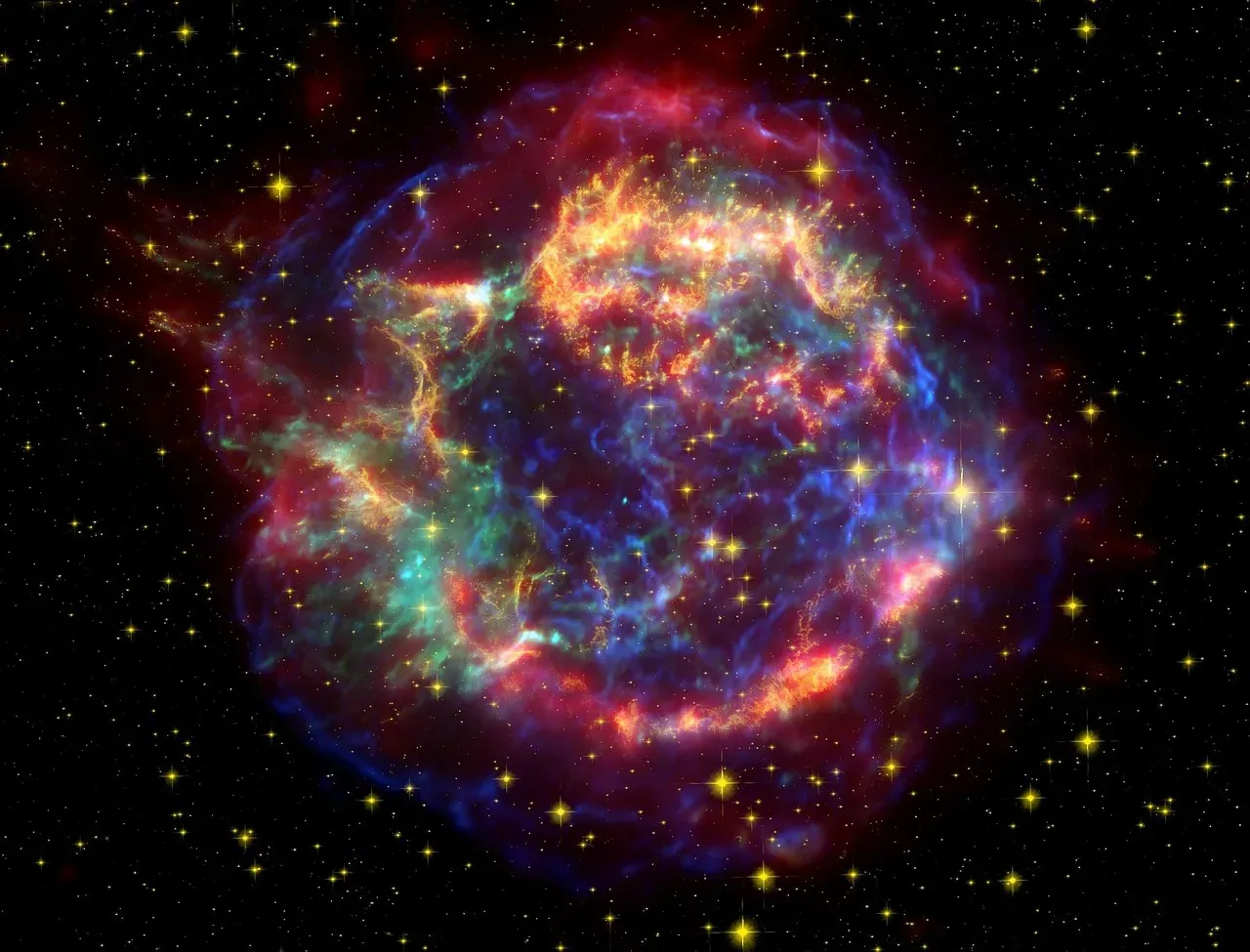
When a massive star reaches the end of its life, its core collapses under its own weight and rebounds in a titanic explosion known as a supernova. In those brief, furious moments, temperatures and pressures skyrocket, and nuclear reactions that can’t happen in normal stars suddenly switch on. This is where many of the heavier elements – like iron, nickel, and elements beyond – are forged. Your blood’s iron, the metal in your phone, and the gold in a wedding ring all trace back to these moments of stellar death.
The explosion blasts these newly made atoms out into space at incredible speeds, mixing them into the surrounding gas clouds. Over billions of years, generation after generation of stars lived, created elements, and died, gradually enriching the galaxy’s gas with more and more complex atoms. Space went from being mostly hydrogen and helium to carrying a growing sprinkling of carbon, oxygen, silicon, phosphorus, and other essentials for planets and life. A universe that started chemically simple was slowly becoming rich enough to do something far more interesting than just burn and glow.
Cosmic Dust and Molecular Clouds: Where Chemistry Gets Weird
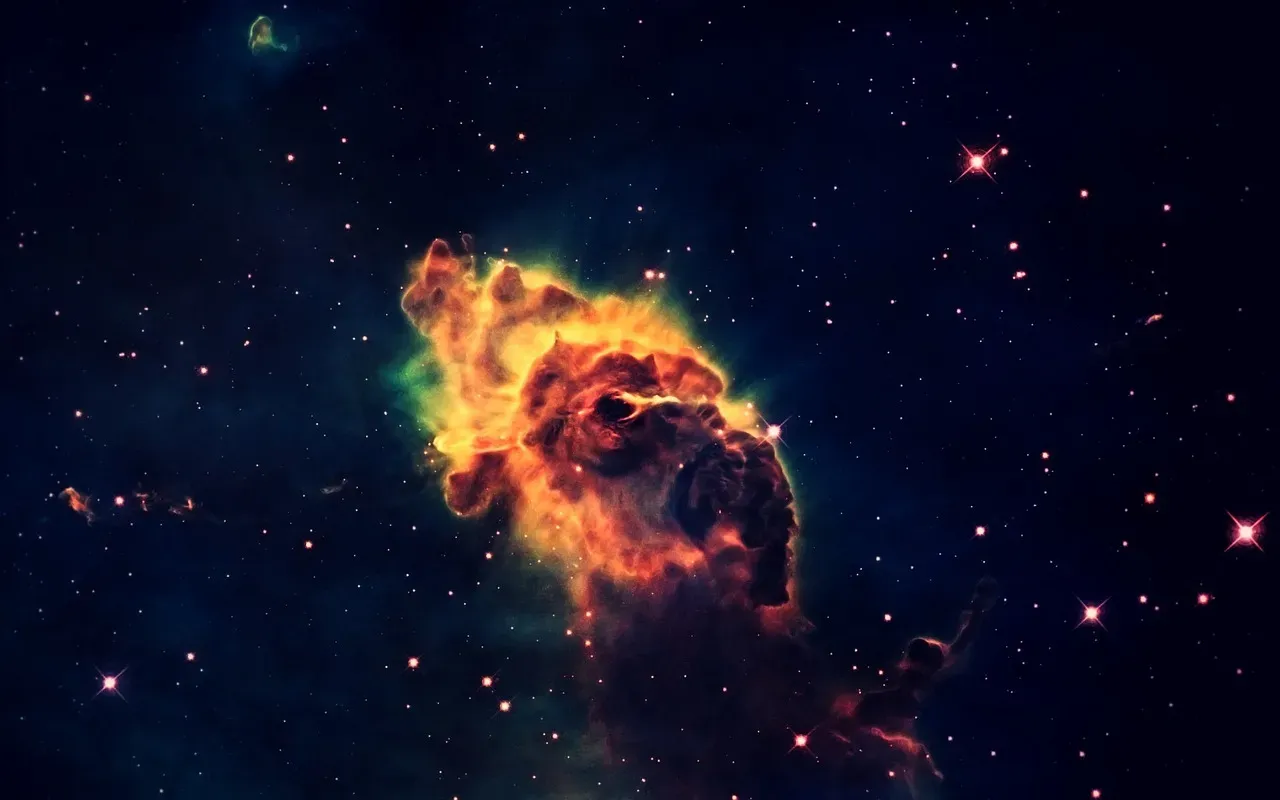
As exploded star material cooled and mixed, some of it clumped into tiny solid grains: cosmic dust. Far from being just dirty space fluff, these dust grains became miniature laboratories, shielding delicate molecules from harsh radiation and giving them surfaces to form on. In vast, cold molecular clouds – regions sometimes dozens of light-years across – simple atoms began sticking together into more complex molecules such as water, carbon monoxide, and even basic organic compounds. These clouds were pitch-black in visible light but incredibly active in terms of chemistry.
Radio telescopes scanning these clouds have detected molecules that start to look surprisingly life-adjacent: simple alcohols, sugars, and amino acid precursors. They’re not living, but they’re steps toward the kind of chemistry life needs. It’s a bit like walking into a kitchen and finding flour, sugar, oil, and spices already laid out. No cake yet, but you can see how one might happen. In these frigid, shadowy nurseries, gravity once again began to gather material, this time not just into new stars, but into swirling disks that would eventually become planetary systems.
Birth of Planetary Systems: From Chaos to Rocky Worlds
When parts of a molecular cloud collapse, they don’t just make a star; they also form a wide, spinning disk of gas and dust around it. Within these protoplanetary disks, dust grains collide, stick, and gradually grow into pebbles, then boulders, and eventually planet-sized bodies. It’s a remarkably messy process, full of collisions, shattering impacts, and constant reassembly. Over millions of years, this chaos settles into a system of planets, moons, asteroids, and comets, like what we see in our own solar system.
Closer to the young star, heat tends to drive off lighter materials, favoring dense, rocky planets like Earth; farther away, ices and gases can survive, forming giant planets and frozen worlds. Crucially, these forming planets inherit the chemical richness of all the stars that died before them. Earth was built from recycled stardust containing carbon, oxygen, nitrogen, iron, silicon, and countless other elements. In a very real sense, our planet is a graveyard of dead stars that gradually reorganized into oceans, mountains, and eventually living cells.
Prebiotic Chemistry: When Rocks, Water, and Energy Meet
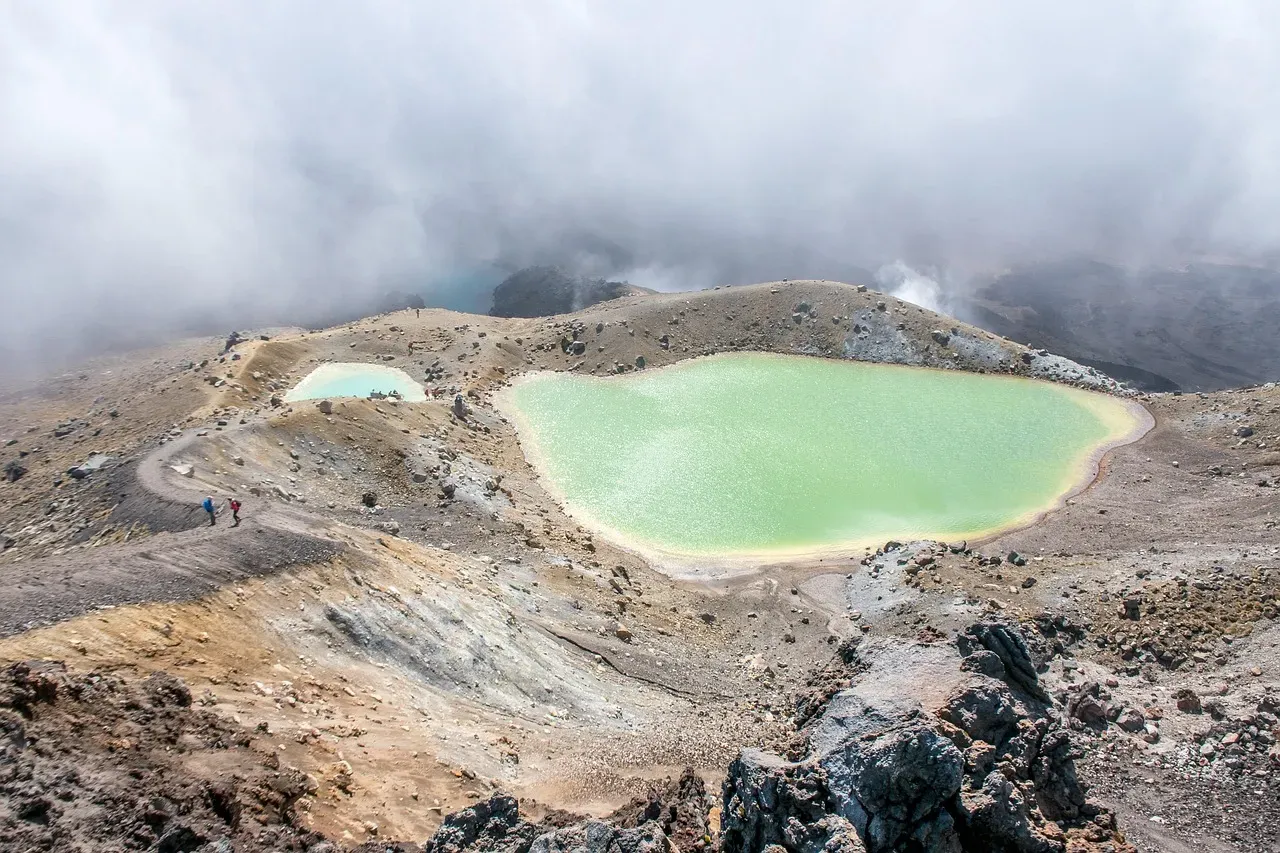
Once you have a rocky planet in the right zone around its star, things get even more interesting. On early Earth, volcanic activity, lightning, ultraviolet light, and impacts from comets and asteroids pumped energy into pools, oceans, and atmospheres rich with simple molecules. Experiments on Earth have shown that under the right conditions, this kind of environment can produce amino acids, nucleotides, and other building blocks of life. The jump from cosmic chemistry to prebiotic chemistry is the bridge where physics and chemistry start flirting with biology.
We still don’t know exactly how life’s first self-replicating systems formed, and scientists in 2026 are actively arguing over possibilities like RNA-first, metabolism-first, or some hybrid scenario. But what’s clear is that the raw ingredients did not appear magically; they were assembled over billions of years of cosmic processing. Comets and asteroids likely delivered additional organic compounds and water, acting like care packages from the outer solar system. The early Earth wasn’t a gentle place, but in those harsh, dynamic conditions, chemistry had the freedom to explore an enormous range of possibilities – and at least once, it stumbled onto something that could copy itself.
From Cells to Consciousness: The Universe Wakes Up
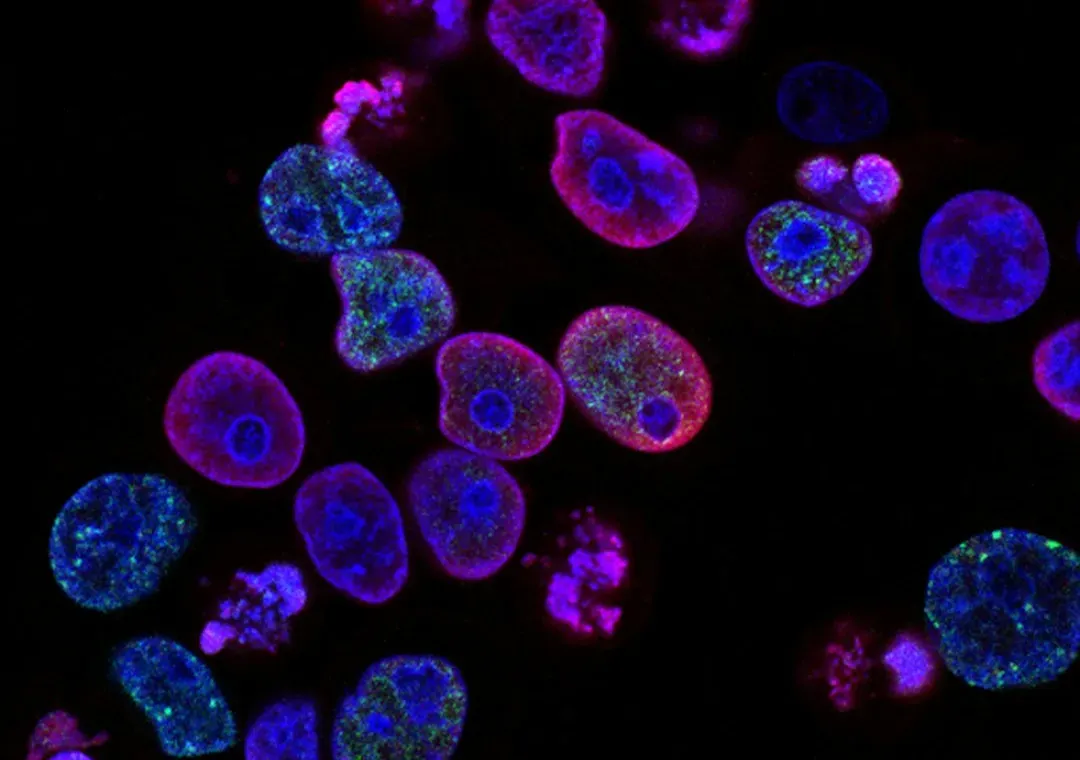
Once the first primitive cells appeared, evolution took over as the main driver of complexity. Tiny molecules that could copy themselves became more robust systems, wrapped in membranes, competing for resources and adapting to changing conditions. Over staggering stretches of time, these simple cells diversified, learned to harvest energy from sunlight, and eventually teamed up to form multicellular organisms. The atoms forged in ancient stars were now organized into bodies that could move, sense, and respond to their environment.
On at least one planet – ours – this process eventually produced nervous systems, then brains, then minds capable of wondering where they came from. It’s hard not to feel a little stunned by that: matter that once sat in the core of a star is now thinking about itself and writing about its own origins. When you trace the chain from hydrogen gas to human consciousness, it’s less like a neat staircase and more like a wild, branching river. Yet the through-line is clear: physics made chemistry possible, chemistry opened the door to biology, and biology gave the universe eyes, ears, and questions.
The Ongoing Story: We Are Still Stardust in Motion
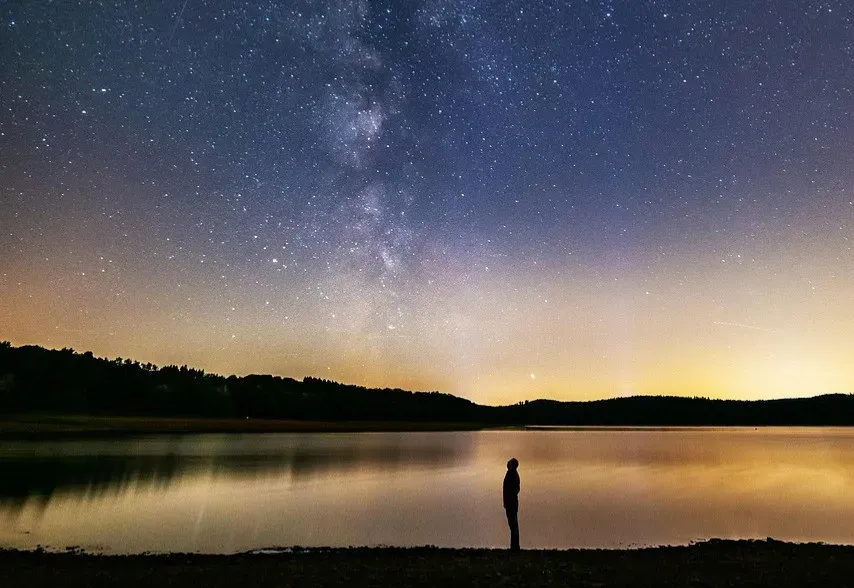
isn’t over; it’s still happening all around us. New stars are forming in distant nebulae, new planets are coalescing in dusty disks, and new generations of supernovas continue to enrich galaxies with heavier elements. Even here on Earth, the atoms in your body are constantly cycling – the oxygen you exhale, the carbon in your food, the calcium in your bones – all part of ongoing planetary and cosmic flows. We’re not just made of stardust; we’re stardust that keeps moving and changing.
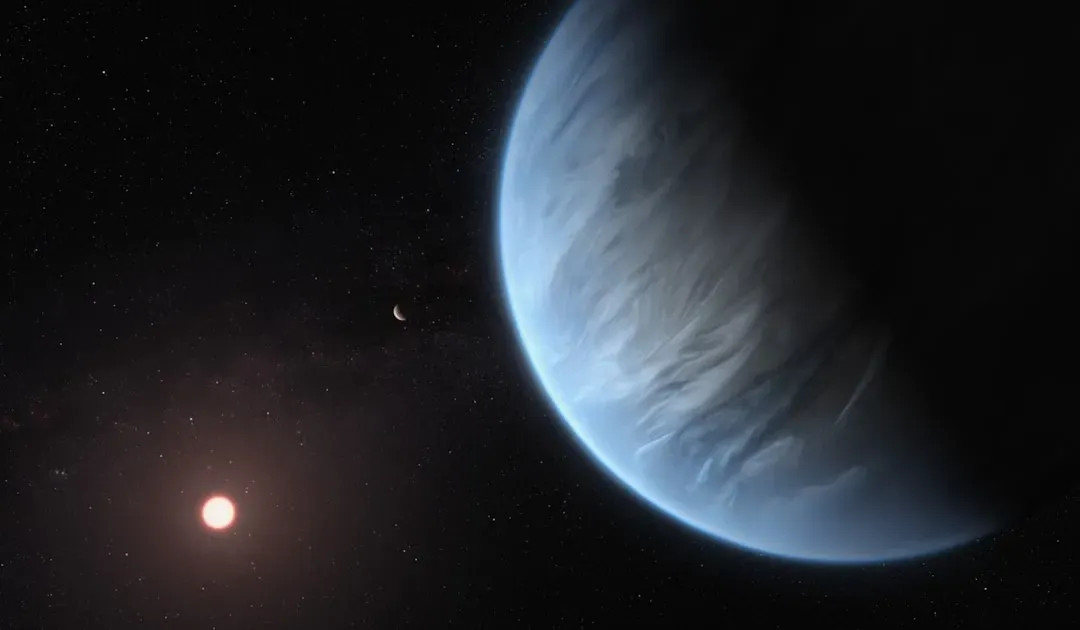
As telescopes and space missions get better, we’re starting to detect planets around other stars that might have the right conditions for similar chemistry to unfold. If life is a natural outcome of the universe’s tendency to explore chemical possibilities, then it’s hard to believe we’re the only result. Whether we ever confirm that or not, the story we can already tell is astonishing on its own. From bare hydrogen to human thought, the path was long, messy, and anything but guaranteed – and yet here we are. Did you expect that?