In the intricate web of nature, each species plays a role that impacts others. But what happens when new players are introduced into this delicate system? This is the story of foxes and rabbits, both introduced species in various parts of the world, and how their presence has reshaped ecosystems far beyond their native lands. The tale is one of survival, adaptation, and often unintended consequences that ripple through the environment, illustrating the delicate balance of nature.
The Arrival of Rabbits: A Tale of Unintended Consequences

Rabbits, those small, fluffy creatures, may seem harmless at first glance. However, when they were introduced to places like Australia, the consequences were anything but benign. Initially brought in for hunting and as pets, rabbits multiplied at an astonishing rate. Without natural predators to keep their numbers in check, they quickly became a dominant force in the landscape. Their voracious appetite for vegetation led to severe ecological damage, including soil erosion and a decline in native plant species. This illustrates how even small animals can have a profound impact on their environment when introduced without consideration of ecological balance.
Foxes Enter the Scene: Nature’s Attempt at Balance
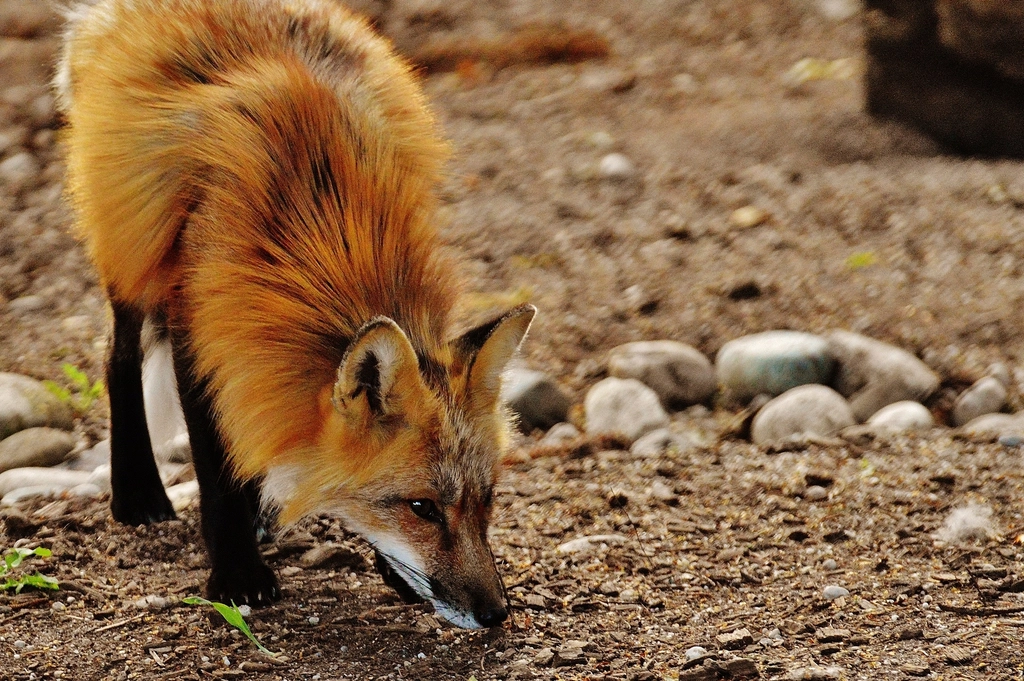
In an attempt to control the burgeoning rabbit population, foxes were introduced into the ecosystem. The idea was simple: introduce a predator to keep the prey in check. However, nature is rarely straightforward. Instead of solely preying on rabbits, foxes turned their attention to native species, many of which were already vulnerable. This led to further imbalances and highlighted the complexity of predator-prey relationships. The introduction of foxes serves as a cautionary tale about the unforeseen consequences of human attempts to manage nature.
Ecological Impact: More Than Meets the Eye
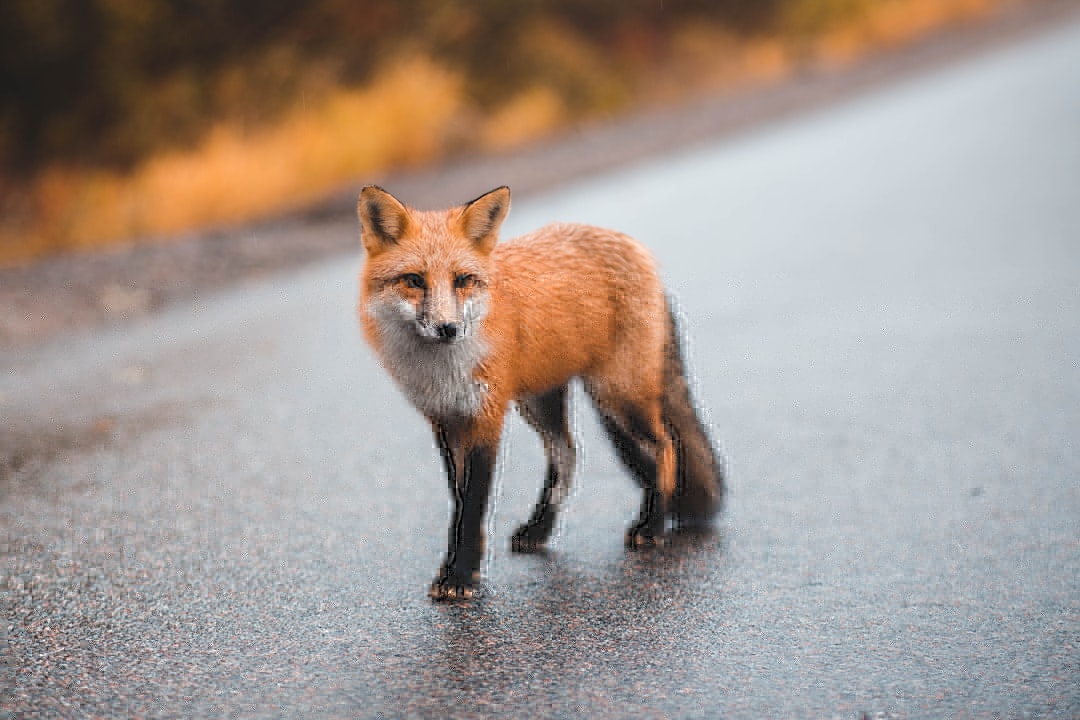
The introduction of foxes and rabbits has had far-reaching effects on the ecosystems they invaded. Beyond the immediate impact on flora and fauna, these species have altered soil composition, water retention, and even the overall biodiversity of the regions. As rabbits strip vegetation and foxes hunt native animals, the intricate balance that supports a thriving ecosystem is disrupted. This domino effect demonstrates how interconnected the natural world is, where a change in one element can lead to widespread repercussions.
The Role of Competition: Survival of the Fittest

In the battle for survival, both foxes and rabbits have had to adapt to their new environments. Rabbits, with their rapid reproductive rate, have shown remarkable resilience, while foxes have demonstrated adaptability by shifting their diet to whatever prey is available. This constant competition for resources has led to an evolutionary arms race, where only the fittest survive. Such dynamics offer valuable insights into the mechanisms of natural selection and adaptation.
The Human Factor: Responsibility and Awareness

Humans have played a significant role in the introduction of these species, often with little regard for the long-term consequences. This raises questions about our responsibility towards the ecosystems we alter. The story of foxes and rabbits serves as a reminder of the need for ecological awareness and the importance of considering the broader impact of our actions. As stewards of the environment, it is crucial to approach such interventions with caution and foresight.
Lessons from the Past: Learning from Mistakes

The history of introduced species provides valuable lessons for future conservation efforts. By studying the impacts of foxes and rabbits, scientists and policymakers can better understand the potential consequences of introducing new species. This knowledge is vital for developing strategies that mitigate negative impacts and protect native ecosystems. Learning from past mistakes can help guide more informed decision-making in the future.
The Role of Conservation Efforts: Restoring Balance

Efforts to restore balance to ecosystems impacted by introduced species are ongoing. Conservation initiatives aim to control rabbit populations through methods like biological control agents, while protective measures are implemented to safeguard native species from predation by foxes. These efforts highlight the importance of proactive conservation strategies and the need for ongoing research to adapt and improve these methods.
Community Involvement: A Collective Effort

Restoring ecosystems is not solely the responsibility of scientists and conservationists. Communities play a crucial role in supporting these efforts. Public education campaigns and community-led initiatives can raise awareness about the impact of introduced species and encourage sustainable practices. By involving local communities, conservation efforts can be more effective and have a lasting impact on the environment.
The Future of Ecosystems: Hope and Resilience

Despite the challenges posed by introduced species, there is hope for the future of affected ecosystems. Nature is resilient, and with the right support, it can recover and thrive. By learning from past experiences and implementing informed conservation strategies, we can work towards a future where ecosystems are balanced and diverse. This prospect offers a hopeful outlook for the natural world and underscores the importance of continued efforts to protect and preserve our environment.
Conclusion: A Call to Action
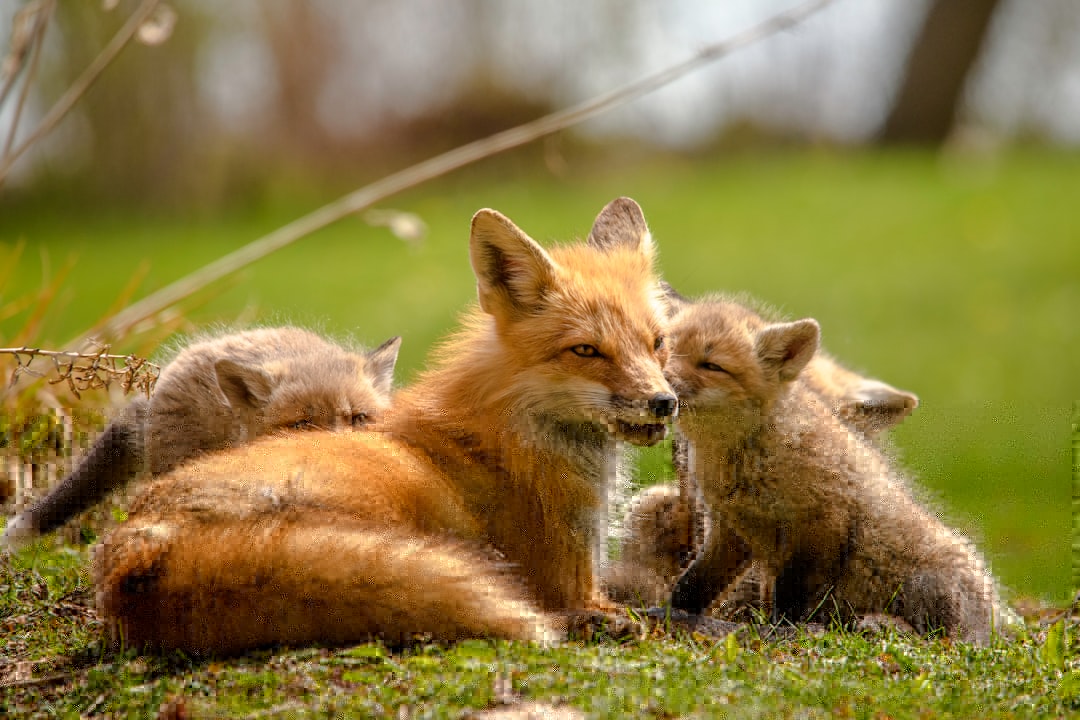
The story of foxes, rabbits, and their struggle for survival is a powerful reminder of the interconnectedness of life and the impact of human actions on the environment. It calls for greater awareness, responsibility, and proactive measures to protect the delicate balance of nature. By embracing this challenge, we can ensure a future where ecosystems thrive, and the natural world continues to inspire and sustain us.