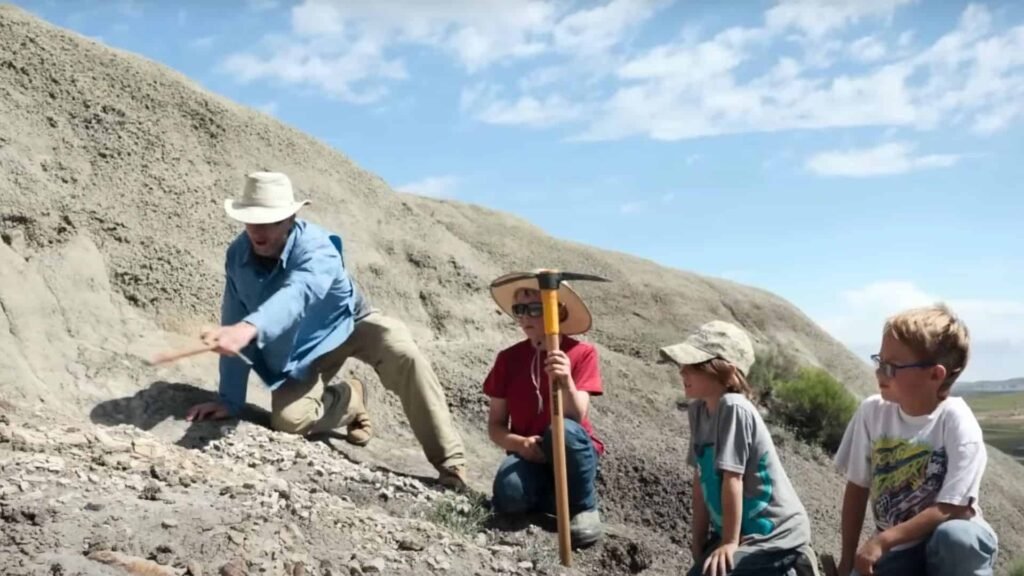

The thought of stumbling upon fossils in your own backyard might sound like an adventure straight out of a storybook. Yet, for many people around the world, finding these ancient relics is more common than you might think. While fossils are often associated with dramatic landscapes or vast desert plains, there are numerous unexpected places where they can be discovered, even close to home. Join us as we explore these surprising locations and delve into the fascinating world of prehistoric remains right at our doorstep.
Understanding Fossils: A Brief Overview

Fossils are the preserved remains, impressions, or traces of organisms that existed millions of years ago. These can include bones, shells, exoskeletons, stone imprints, and even remnants of DNA. Collectively, they provide invaluable insight into the history of life on Earth, helping scientists piece together the evolutionary puzzle of current biodiversity. With a basic understanding of fossils, you can begin to appreciate the significance of finding them close to home.
Your Backyard: Closer Than You Think

Believe it or not, your own yard might harbor fossilized treasures. Depending on your location, the soil beneath your feet could contain remains of plants and creatures that lived there millions of years ago. Digging in landscaped gardens or amid construction work often reveals fossils embedded in clay or shale. Always be cautious and respectful of the local geology and property rights when hunting for fossils in residential areas.
Riverbeds: Natural Time Capsules
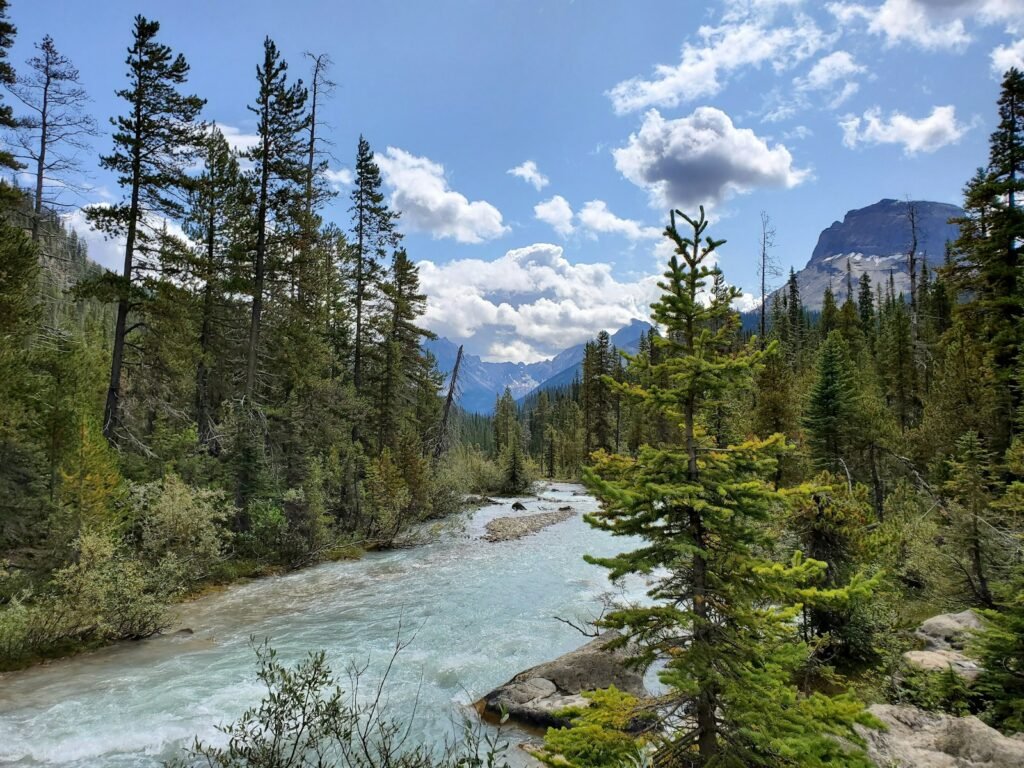
Rivers and streams are natural eroders, continually shaping the landscape and revealing layers upon layers of Earth’s history. As the water cuts through rock and soil, it often exposes fossils that have been buried for eons. Eroded riverbanks are excellent places to begin a fossil hunt, offering a glimpse into the prehistoric past with each new discovery.
Construction Sites: Unearthing History
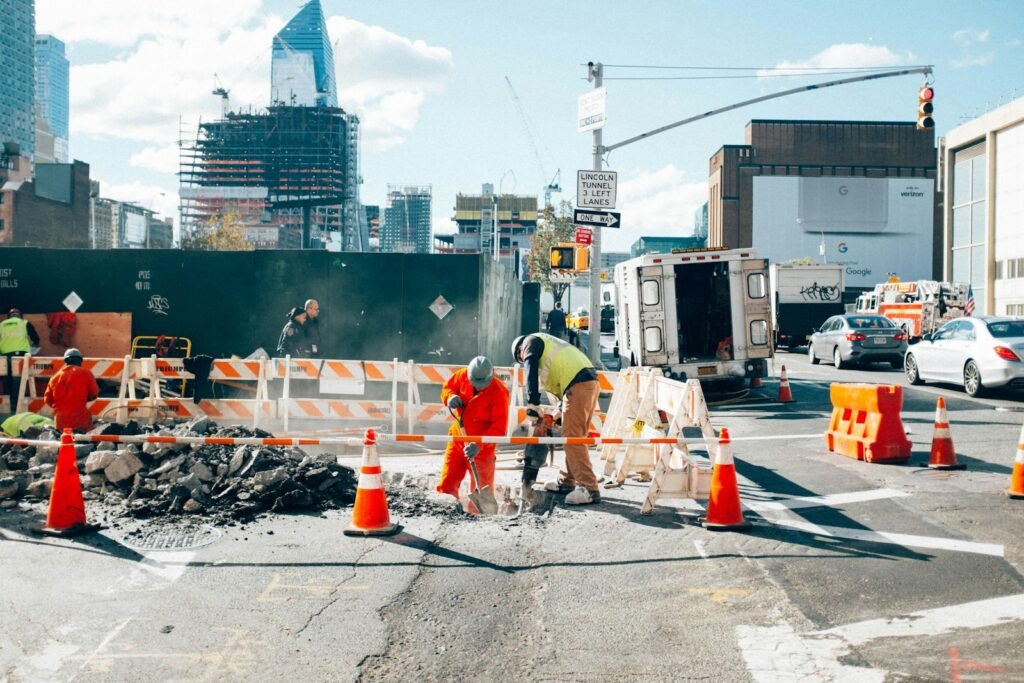
Construction sites are, surprisingly, common places where fossils are unearthed. While it might seem ironic, the very act of digging foundations or clearing land often brings to light ancient fossils. Observing excavations with permission could lead to the discovery of remains that had been hidden just beneath the urban sprawl.
Local Quarries: Treasures Amid the Stones
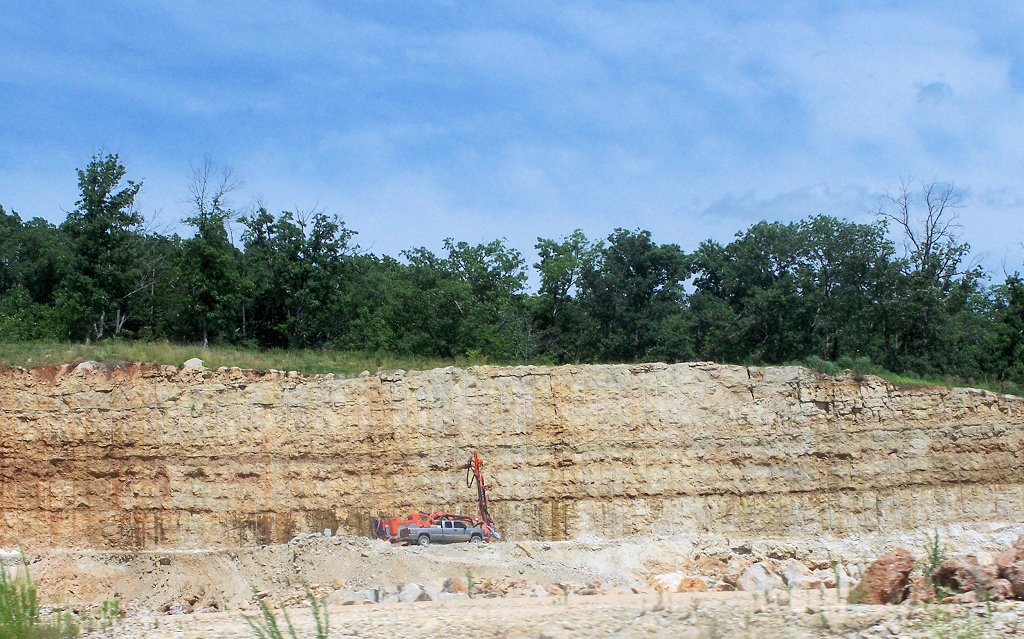
Quarries, which provide stones for construction and industrial use, frequently reveal fossil specimens. With the layers of rock stripped away, it becomes possible to uncover the hardened remains of ancient sea creatures, especially in areas that used to be underwater in prehistoric times. Visiting a quarry or a similar site with permission can prove to be a rewarding fossil-hunting expedition.
Road Cuts: Windows into Ancient Worlds
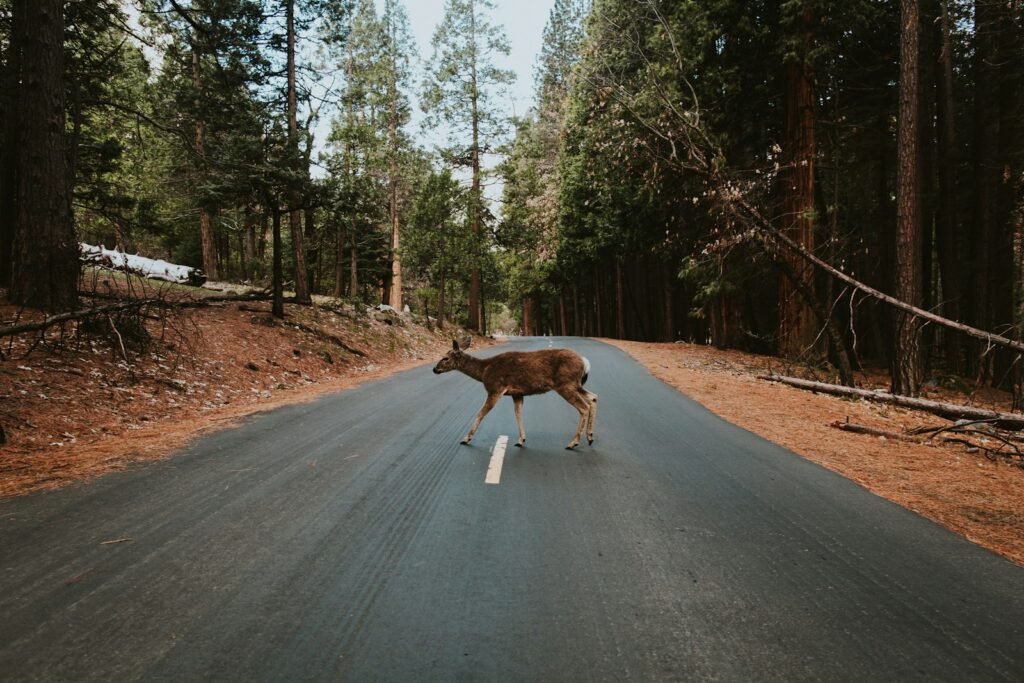
Road cuts, where roads have been carved through hills or cliffs, expose sequential layers of rock to view. These artificial cross-sections can reveal a wealth of fossils preserved in sedimentary rock. Taking a walk along these cuts can offer insights into the distant past and occasionally, a fossil catch.
Beaches: More Than Just Sand and Surf
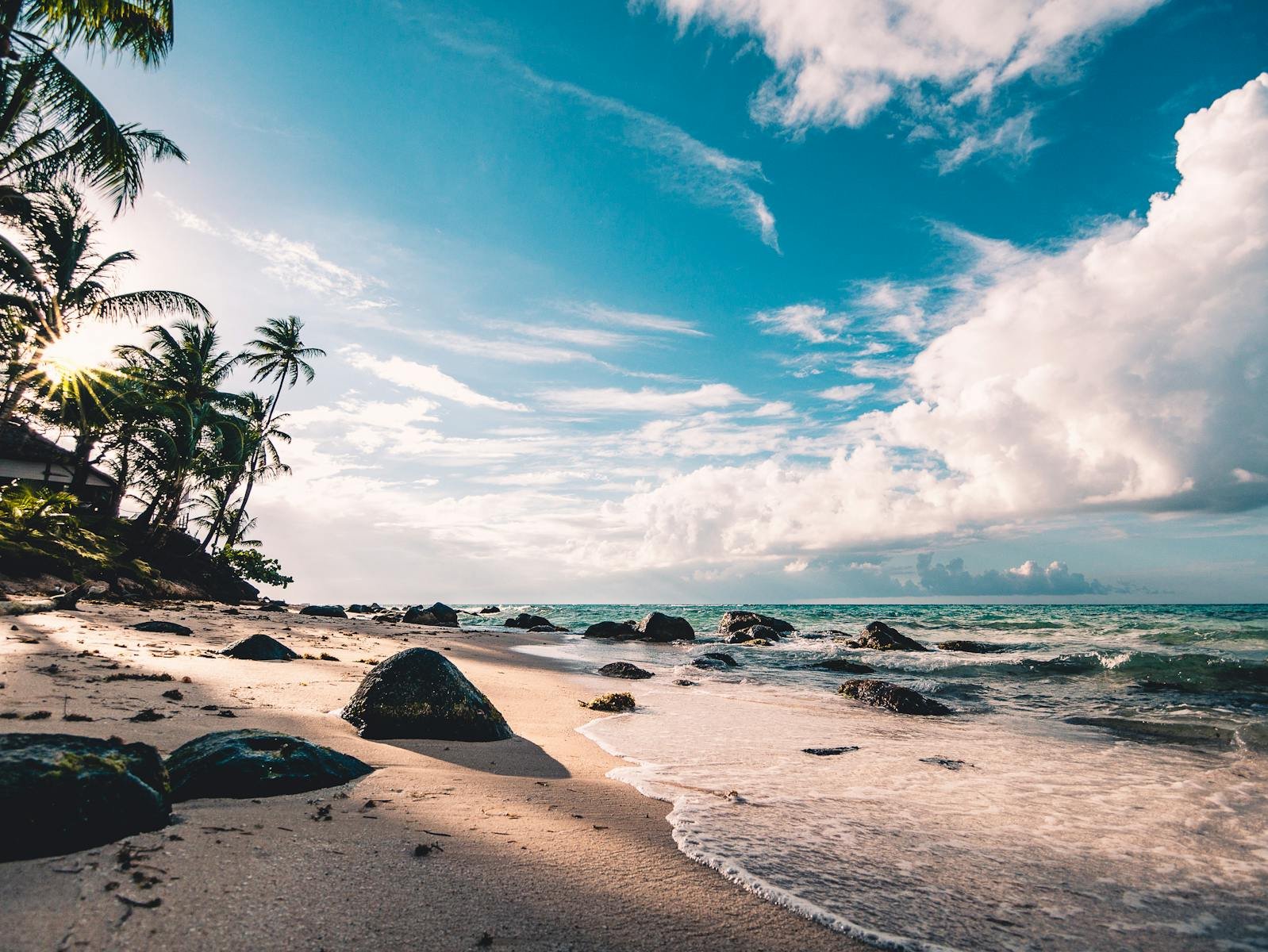
The coastline offers exciting opportunities for fossil hunting, especially in areas where erosion continually unveils new layers of rock and sediment. Beaches, known for their picturesque beauty, sometimes host fossils washed onto the shore from ancient sea beds, providing a treasure trove for those with a keen eye.
Parks and Natural Reserves: Where Nature and History Converge

Some public parks and natural reserves allow for fossil hunting in designated areas. These spaces, protected for their natural beauty and historical significance, offer guided tours or specific zones where you can uncover fossils. Researching and visiting such locations can make for a delightful and educating experience.
The Ethics of Fossil Hunting

It’s crucial to recognize that fossil collection must be conducted ethically and legally. In many places, removing fossils without permission is prohibited. Always seek proper guidelines, respect private lands, and contribute to preserving scientific data when you encounter remains of historical significance.
Conclusion: Rediscovering the Past Close to Home

Fossil hunting doesn’t have to take you to remote, distant lands. With curiosity and respect for nature’s timeworn treasures, you can find gateways to Earth’s distant past in the most unexpected places. Whether beneath your backyard garden or along a local riverbank, these ancient remains remind us of the interconnected stories of life and the ever-changing nature of our planet. Next time you venture outdoors, take a moment to ponder what might lie just beneath the surface.