
Imagine wandering the windswept shores of ancient New Zealand, only to be confronted by a creature both familiar and utterly shocking—a penguin towering as tall as you, waddling with an almost comical confidence, yet driven by primal instincts. This isn’t the script of a sci-fi movie. It’s a real, jaw-dropping discovery: Fossils unearthed in New Zealand have revealed that gigantic penguins once roamed these lands, rivaling the height and heft of adult humans. These “waddling menaces” rewrite what we thought we knew about the world’s most beloved flightless birds, turning a symbol of cuteness into a prehistoric powerhouse. If you’ve ever wondered what it would be like to encounter a penguin that could look you straight in the eye—now, science has an answer.
Unearthing a Prehistoric Giant

The first hints of these colossal penguins came from fossilized bones discovered along the South Island’s rugged coastline. Paleontologists were stunned as fragments of leg bones and wing-like flippers revealed proportions far greater than any modern penguin. The fossils, painstakingly extracted from ancient rock, showed a bird that could reach up to 1.6 meters (over 5 feet) tall and weigh more than 80 kilograms—nearly the size of a grown man. It’s hard not to imagine the thrill and disbelief of the scientists who first brushed away the sand to reveal a piece of this ancient marvel. Each bone told a story of a world where penguins truly ruled the waves—and perhaps even the beaches.
The Science Behind the Giant Penguin
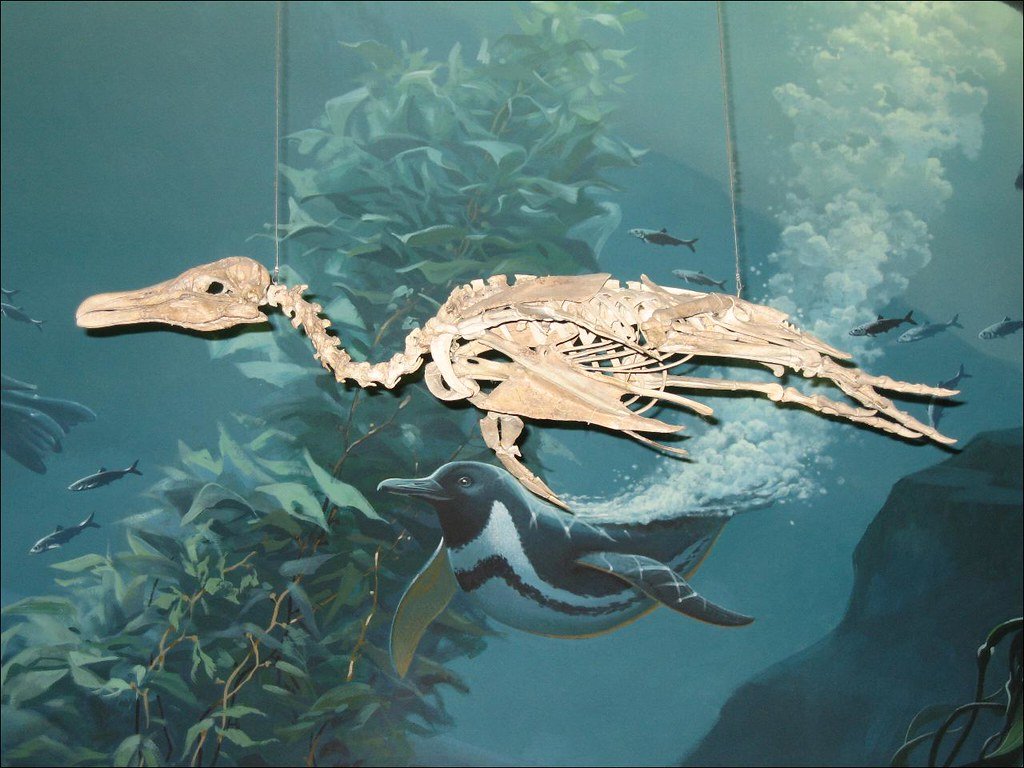
Researchers have used advanced techniques like 3D scanning and digital reconstruction to piece together the skeletons of these mega-penguins. By comparing bone structure and muscle attachment points, scientists can estimate the animal’s physical capabilities and lifestyle. It turns out these giants—given names like Kumimanu (“monster bird”)—were built for powerful swimming, using their massive flippers to glide through ancient seas with surprising grace. Their size likely gave them an edge, protecting them from marine predators of their time. The careful analysis of these fossils reveals not just a bird, but a survivor, adapted to a world before whales and seals dominated the oceans.
Why Did Penguins in New Zealand Grow So Big?

The question that haunts many is simple: why did these penguins get so big? Scientists believe the answer lies in the unique ecosystem of ancient New Zealand. With few large land predators and an ocean teeming with food, the conditions were perfect for flightless birds to flourish and grow. In the absence of competition from mammals and with rich marine resources, penguins could safely evolve into true giants. This phenomenon, called “island gigantism,” is seen in other species around the world, but the New Zealand penguins take it to a stunning extreme.
Ancient Seas: A Prehistoric Playground
New Zealand’s ancient seas were a dynamic, sometimes dangerous place, filled with strange creatures now lost to time. Huge sharks, early whales, and marine reptiles prowled the waters, but the giant penguins carved out their own niche. Fossil evidence suggests they hunted fish and squid, using their formidable size and strength to outcompete smaller rivals. These birds were not just surviving—they were thriving, dominating the food chain in a world vastly different from today’s penguin colonies.
Comparing Giants: Then and Now
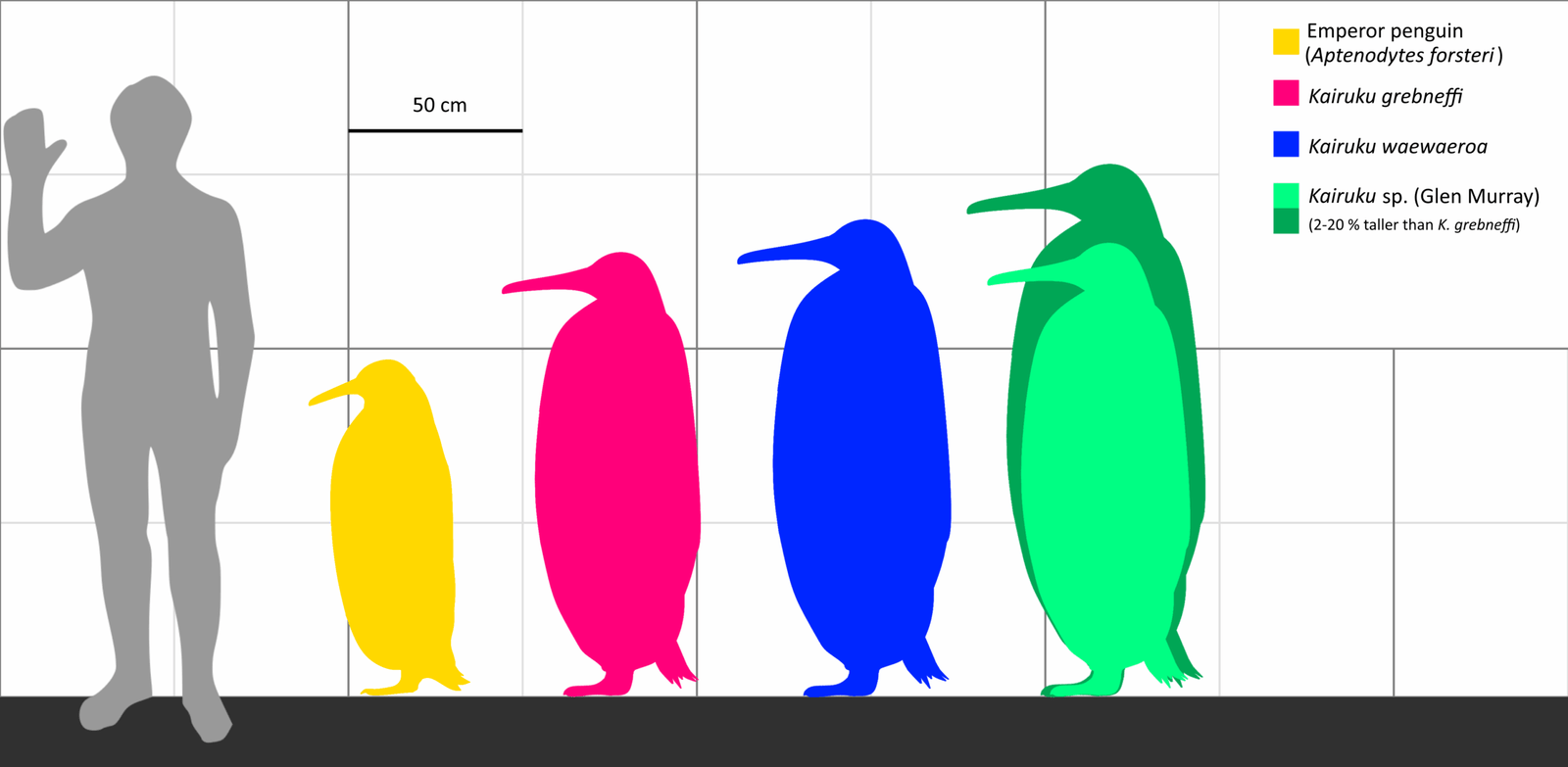
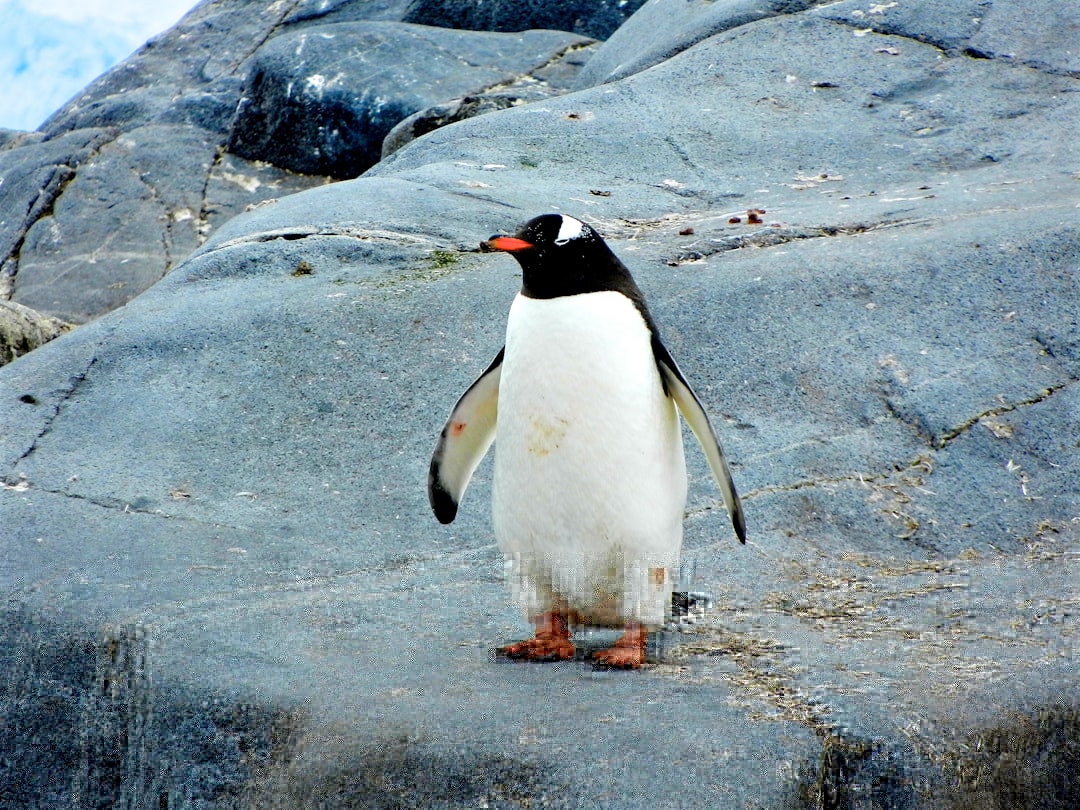
When we think of penguins, we picture the Emperor penguin—the largest living species—standing at just over a meter tall. The New Zealand fossils dwarf these modern birds, making today’s penguins seem almost petite by comparison. Imagine a group of human-sized penguins shuffling along the sand, their beady eyes searching for the next meal. The contrast is almost surreal, a vivid reminder of how dramatically our planet’s wildlife has changed over millions of years. These ancient giants challenge our perceptions of what penguins are—and what they could have been.
Evolutionary Lessons from the Past
The discovery of these giant penguins opens a window into evolution’s unpredictable dance. When conditions are right, animals can grow to astonishing sizes, adapting to their environment in ways that defy expectation. The story of New Zealand’s mega-penguins teaches scientists about the forces shaping life on Earth, from extinction events to shifting climates. It’s a lesson in resilience and innovation, showing how species can reinvent themselves to conquer new challenges.
The “Waddling Menace” in Popular Imagination
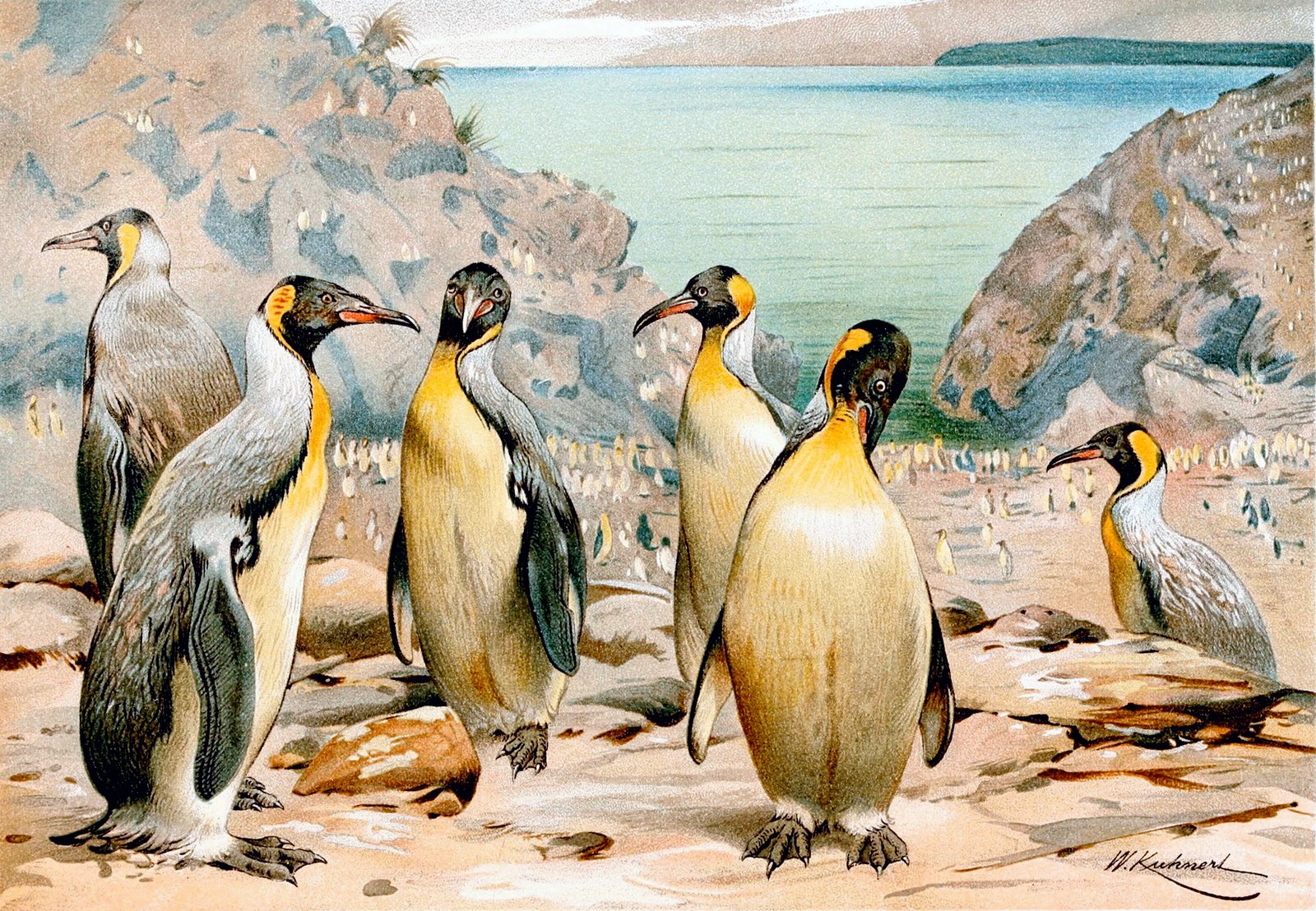
It’s hard not to picture these ancient penguins as waddling menaces—part comical, part awe-inspiring. Their size alone would have made them a spectacle, both on land and in the water. Artists and illustrators have brought these creatures to life, imagining scenes where they tower over their modern descendants. In popular culture, the idea of a human-sized penguin sparks both wonder and a shiver of fear—reminding us that nature’s creativity knows no bounds.
The Role of Fossils in Rewriting History
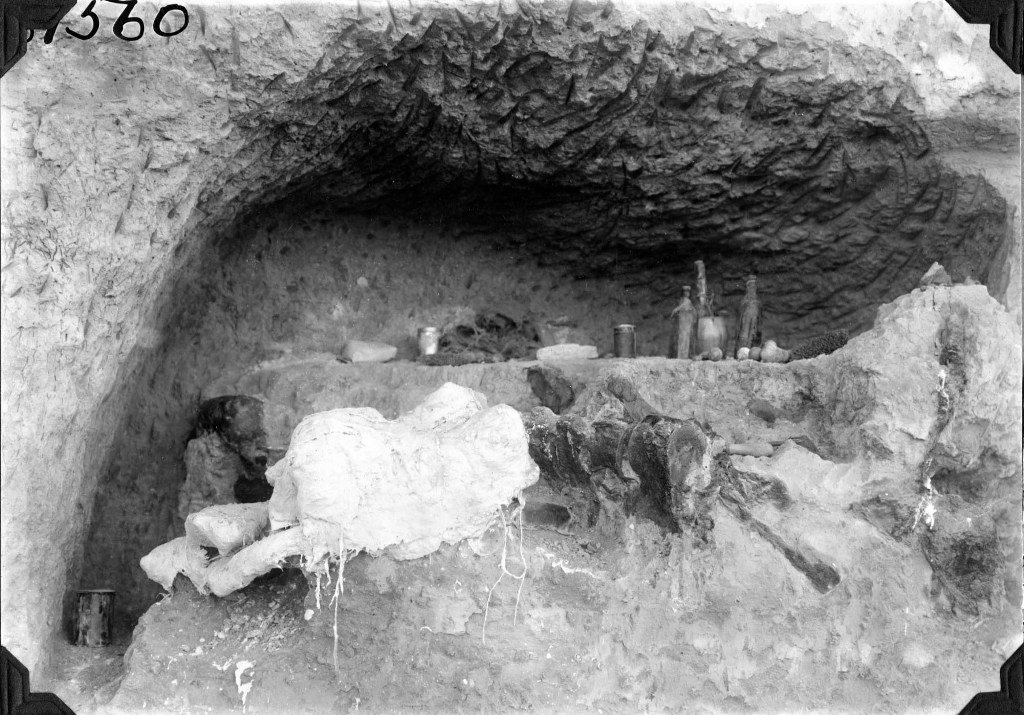
Every fossil is a puzzle piece, and with each discovery, the story of life on Earth becomes richer and more surprising. The New Zealand penguin fossils don’t just tell us about birds—they reveal secrets about ancient ecosystems, climate shifts, and the march of evolution. Paleontologists continue to scour the country’s remote beaches in search of more clues, knowing that every new bone could transform our understanding of the past. These discoveries show that even in the age of satellites and smartphones, the world is still full of mysteries waiting to be unearthed.
Penguins as Survivors: The Modern Legacy
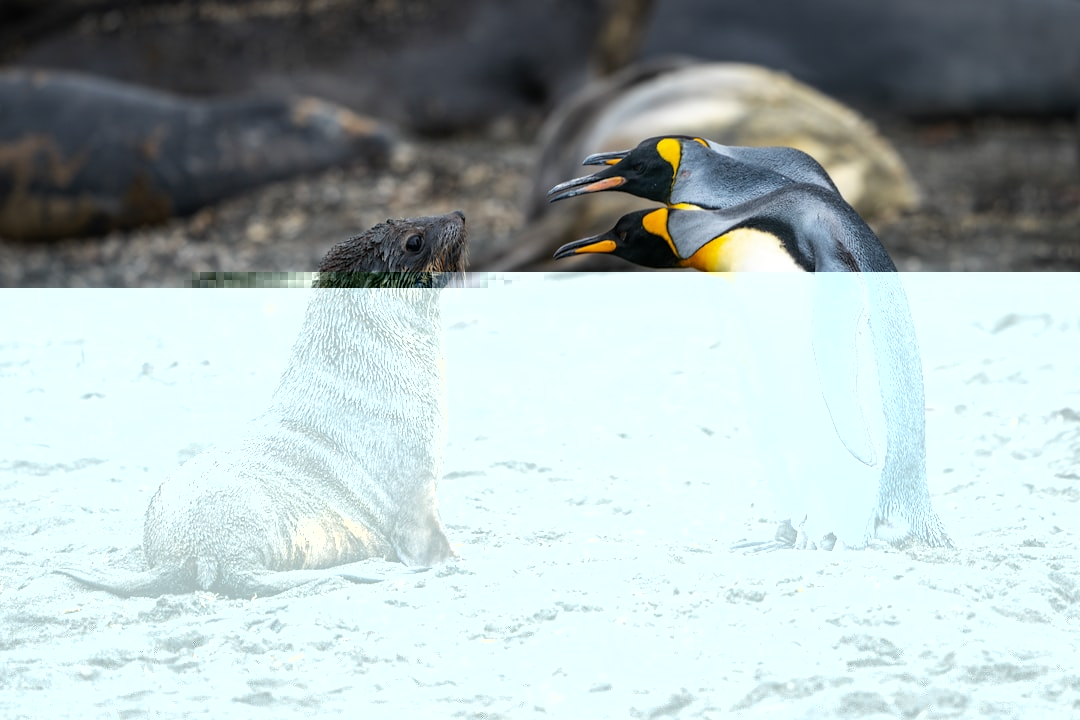
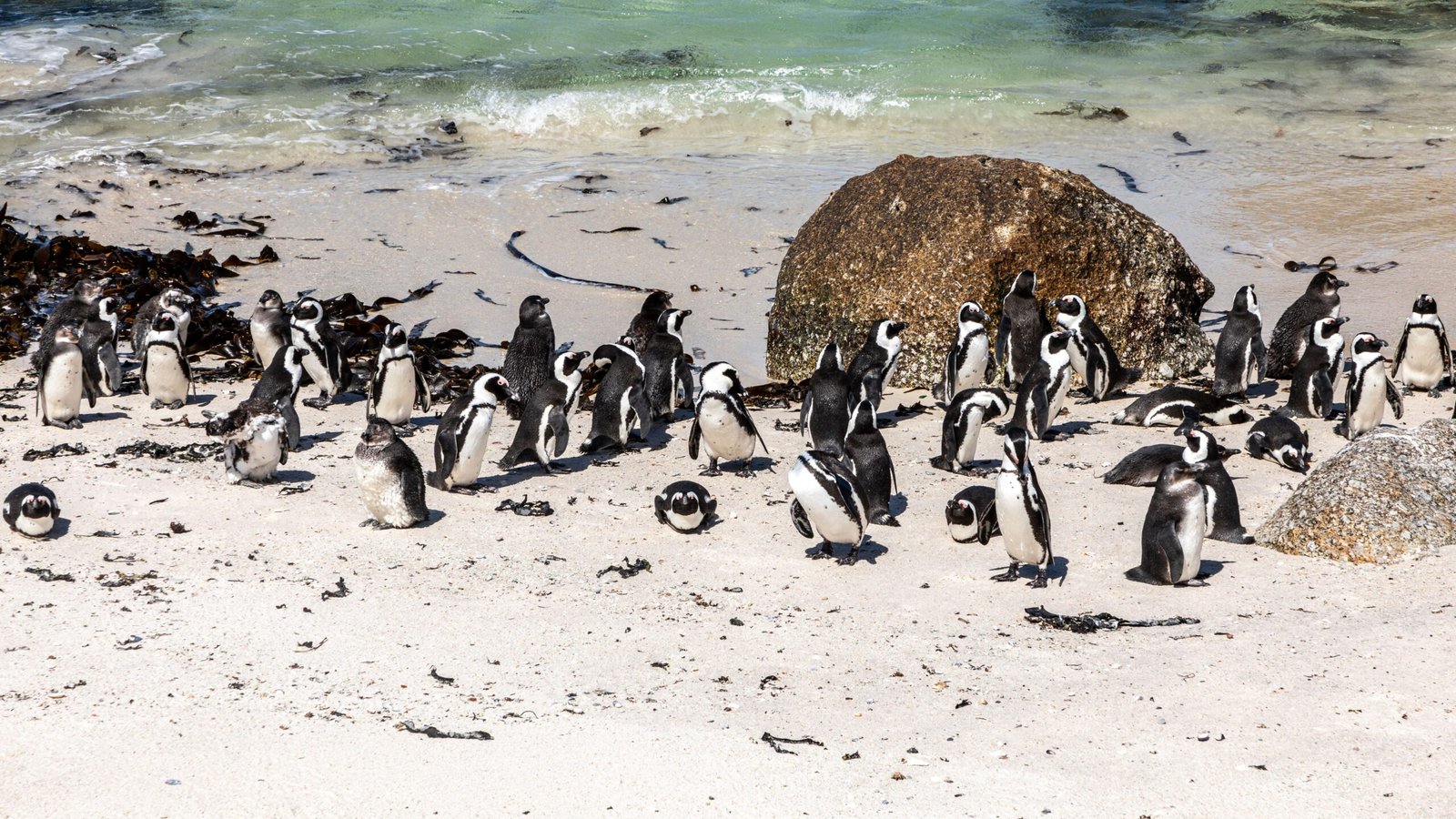
Though the giant penguins are long gone, their legacy lives on in the resilient species that inhabit New Zealand and the Southern Ocean today. Modern penguins have adapted to new threats—climate change, habitat loss, and human activity—proving themselves survivors in a rapidly changing world. The story of their gigantic ancestors is both a warning and an inspiration, urging us to protect the fragile wonders of our planet before they too are lost to history.
What the Future Holds for Paleontology in New Zealand

Excitement among researchers is at an all-time high as new technologies promise to reveal even more about New Zealand’s prehistoric giants. Ground-penetrating radar, improved dating methods, and genetic analysis could soon uncover even older or stranger species. Each discovery adds another chapter to the extraordinary tale of life in this island nation. For scientists and dreamers alike, the search for the next “waddling menace” is more thrilling than ever.
Key Takeaways from the Land of Giants
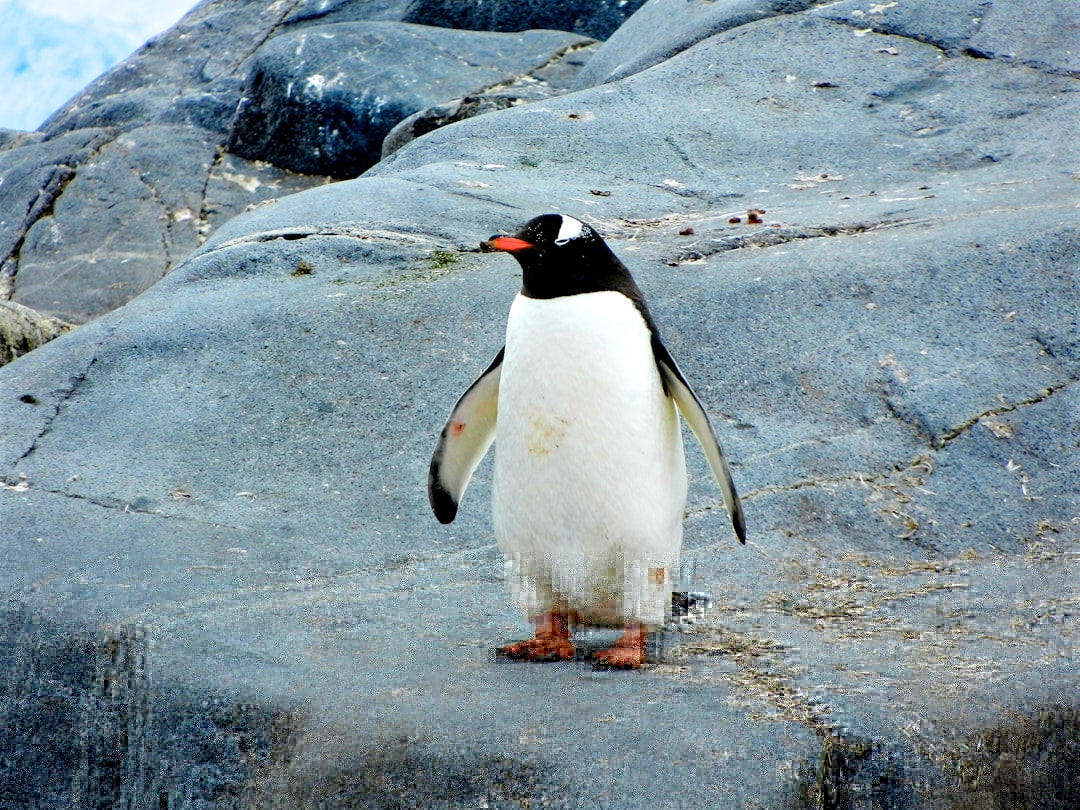
The story of New Zealand’s giant penguins is a powerful reminder of nature’s capacity for surprise. These towering, waddling creatures challenge everything we thought we knew about penguins, evolution, and the history of our planet. Their bones, silent yet eloquent, urge us to keep asking questions, to look beyond the obvious, and to cherish the wild diversity that still exists today. Who would have guessed that the world’s most lovable birds once walked among us as giants?