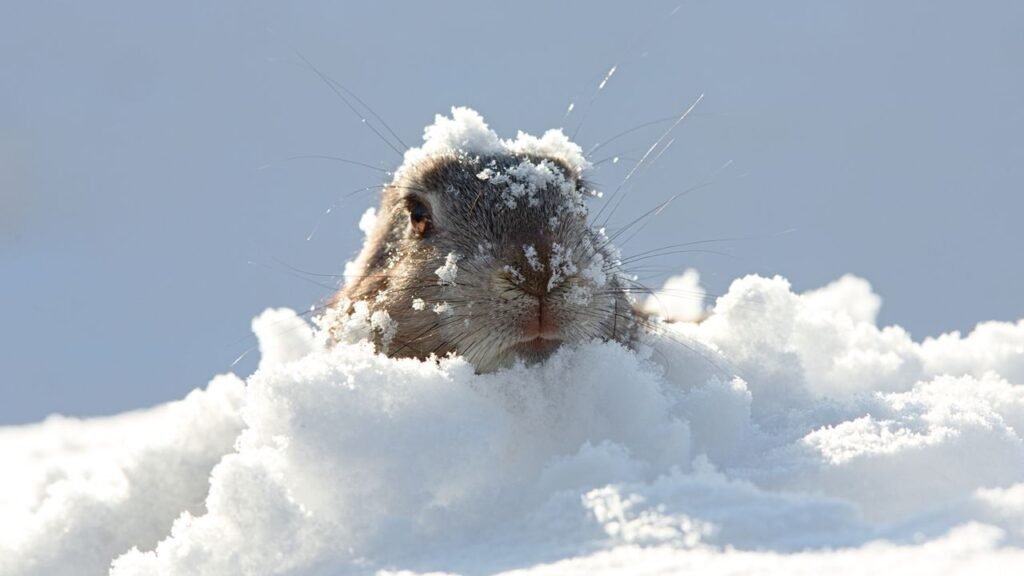

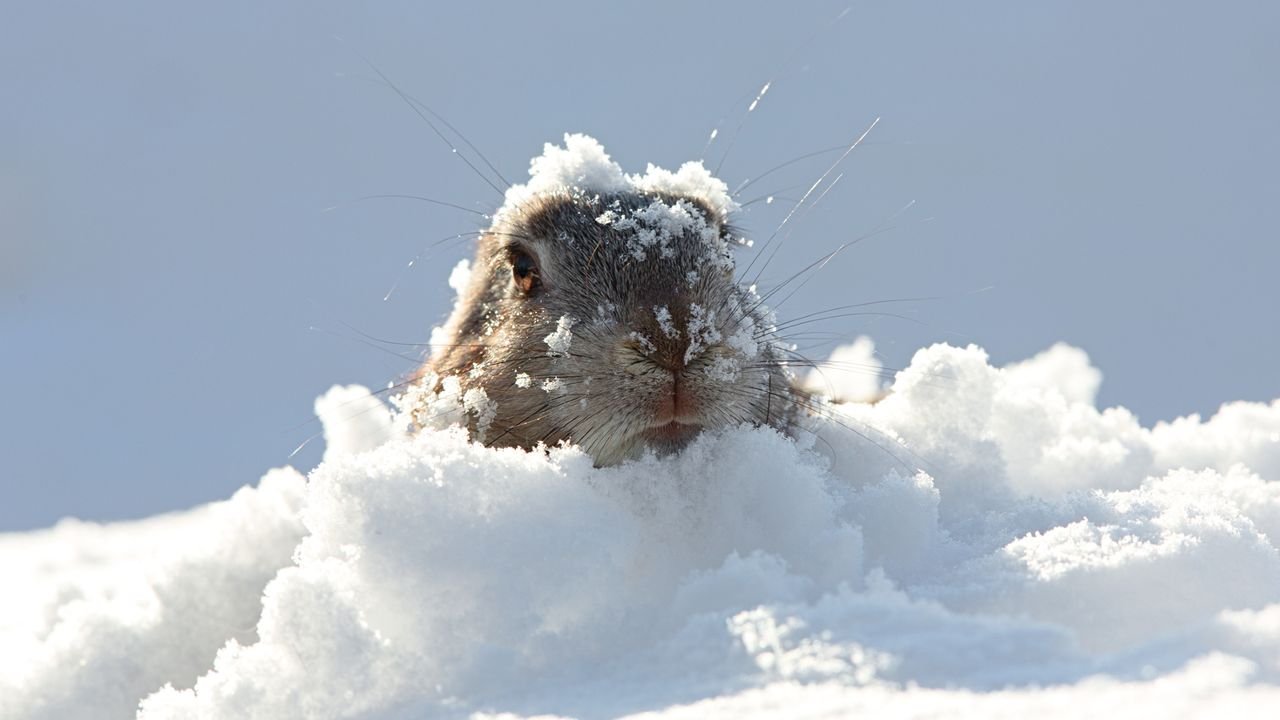
Punxsutawney Phil’s Shadow Overshadows the Stars (Image Credits: Cdn.mos.cms.futurecdn.net)
Astronomical winter reaches its precise halfway point on February 3, revealing why the familiar Groundhog Day tradition falls just short of marking the season’s center.[1]
Punxsutawney Phil’s Shadow Overshadows the Stars
Each February 2, crowds flock to Punxsutawney, Pennsylvania, where a groundhog named Phil emerges to predict the weather based on his shadow. This event, rooted in folklore, positions Groundhog Day as winter’s traditional midpoint. Yet astronomers point out that the date misses the mark by roughly one day.[1]
Phil’s forecasts have favored extended winter, with early spring predictions rare. Records through 2025 showed only 21 no-shadow calls out of 130, yielding about 16 percent for milder weather ahead. Such outcomes align loosely with patterns where early February often registers as the coldest stretch in northern regions.[1]
Defining Winter Through the Solar Calendar
Astronomical winter spanned from the December 21 solstice to the March 20 vernal equinox. The exact midpoint emerged on February 3 at 9:54 p.m. Eastern Time. This calculation stemmed from the sun’s position in Earth’s orbit, not fixed calendar dates.[1]
Daylight lengthened subtly since the solstice, with sunset times shifting gradually. In Denver, for instance, the day began with 9 hours and 21 minutes of light on December 21, sunset at 4:38 p.m. By February 2, that added just 57 minutes, pushing sunset to 5:23 p.m. The vernal equinox promised even more dramatic gains.[1]
Daylight’s Acceleration Kicks In
Post-midpoint changes intensified as the sun climbed higher. From February 3 through early May, midday sun altitude and daylight duration rose sharply, unmatched at other times. Denver’s March 20 daylight would surge by 110 minutes beyond the February 3 baseline, with sunset after 7 p.m. thanks to daylight saving time starting March 15.[1]
This pivot reflected Earth’s elliptical path, where solar geometry sped up seasonal transitions. Meteorologists viewed February’s end as winter’s close, defining the season via December through February’s chill.
- Subtle daylight gains pre-February 3: ~1 minute per day.
- Post-midpoint surge: Noticeable lengthening by mid-March.
- Peak effect: Vernal equinox brings balanced day and night.
- Regional note: Northern areas saw coldest days early February.
From Candlemas to Groundhog Legacy
February 2 once bore the name Candlemas, the 40th day after Christmas, tied to ancient weather lore. An old rhyme warned: “If Candlemas be fair and bright, Come, Winter, have another flight. If Candlemas bring clouds and rain, Go, Winter, and come not again.”[1]
The first official Groundhog Day occurred in 1887, organized by Clymer Freas in Punxsutawney. Phil now “speaks” in Groundhogese to club leaders, who translate his call – often for six more weeks of winter.
Key Takeaways:
- Astronomical midpoint: February 3, 2026, evening.
- Groundhog Day: Traditional but one day early.
- Daylight ramps up post-midpoint for spring preview.
As temperatures climb beyond early February’s bite, the stars remind us that winter’s grip loosens precisely when the math demands. What does Punxsutawney Phil’s latest prediction mean for your local forecast? Share your thoughts in the comments.