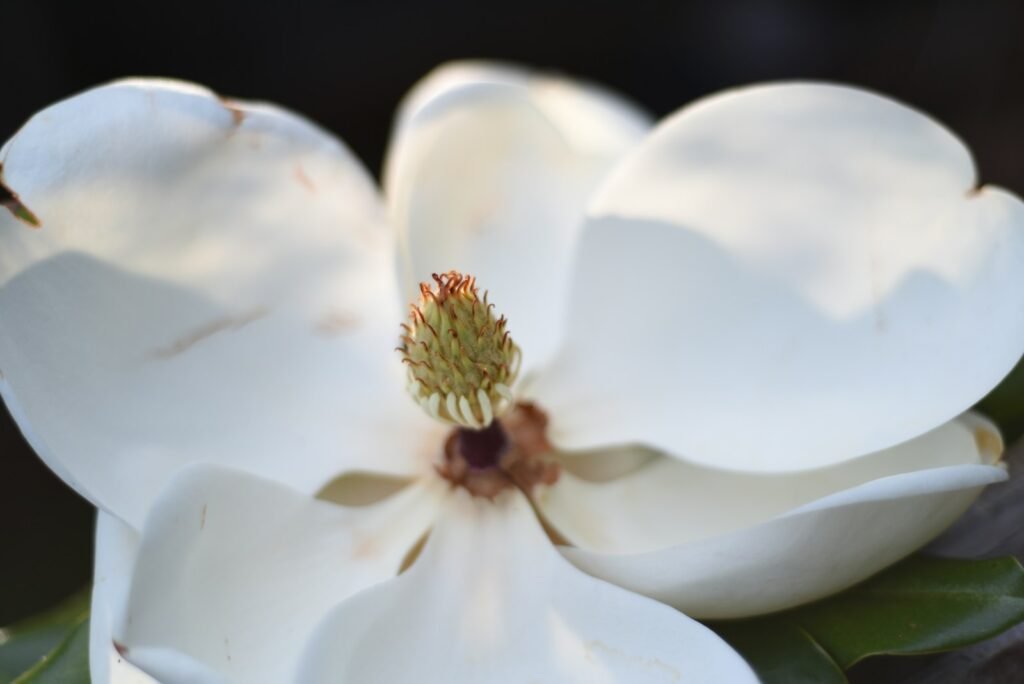

Nature is full of mysteries that often leave us in awe, and one such enigma is the ancient relationship between flowers and their pollinators. But what if I told you that some flowers existed long before their buzzing companions? Magnolias, with their timeless elegance, challenge our understanding of floral evolution. These stunning blossoms, older than bees, tell a tale of survival, adaptation, and intricate relationships in the natural world. Are you ready to dive into the fascinating world of magnolias and discover their unique pollination story?
The Magnificent Magnolia: A Living Fossil
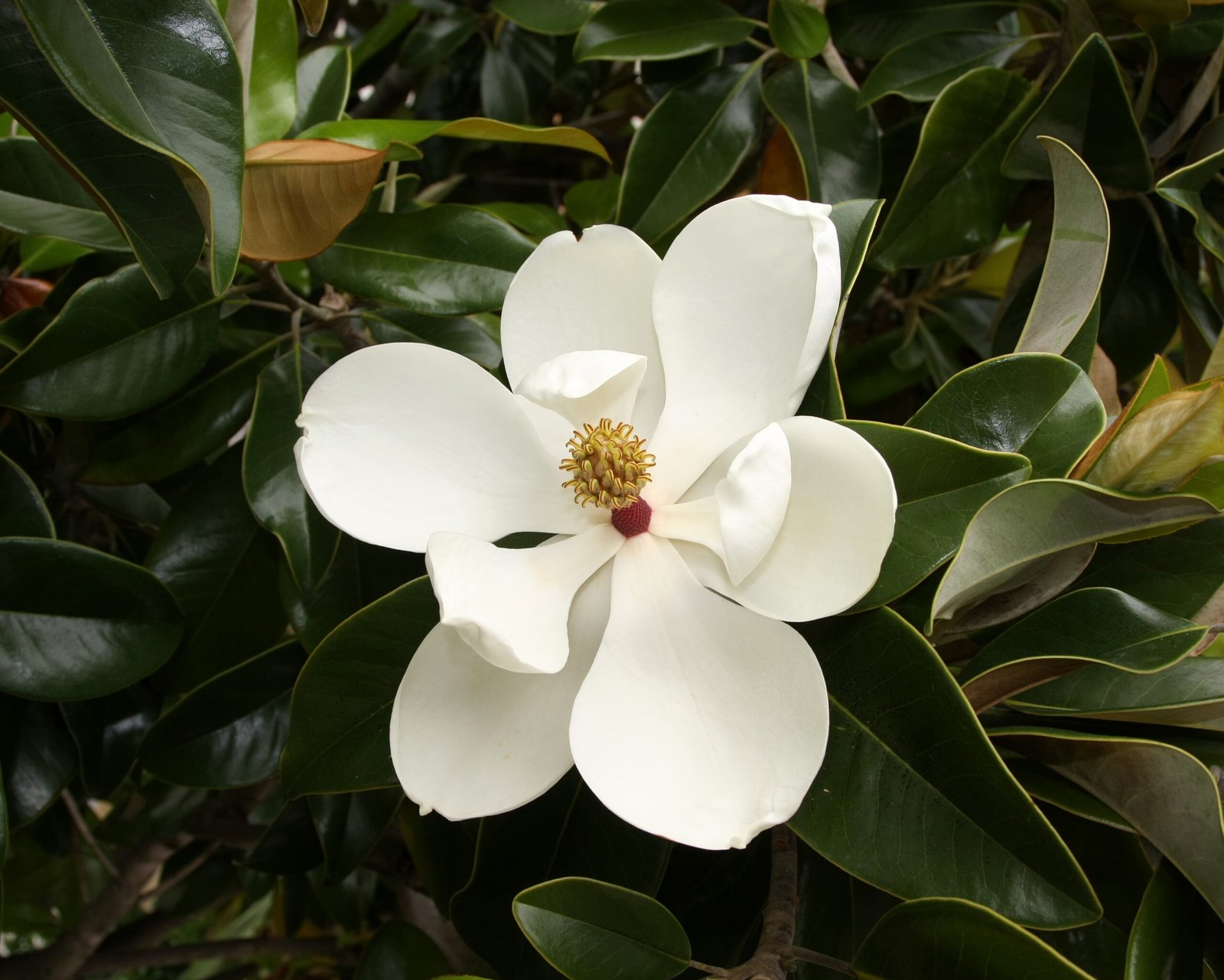
Magnolias are often referred to as “living fossils” because they have been around for millions of years. Their existence dates back to the time of dinosaurs, long before bees came into the picture. The fossil records reveal that magnolias are over 95 million years old, showcasing their resilience and adaptability. Unlike many modern flowers, magnolias have evolved to thrive without the help of bees. This ancient lineage makes them a captivating subject for botanists and nature lovers alike. Their survival through the ages is a testament to their extraordinary design and biological ingenuity.
Beetles: The Unsung Heroes of Magnolia Pollination
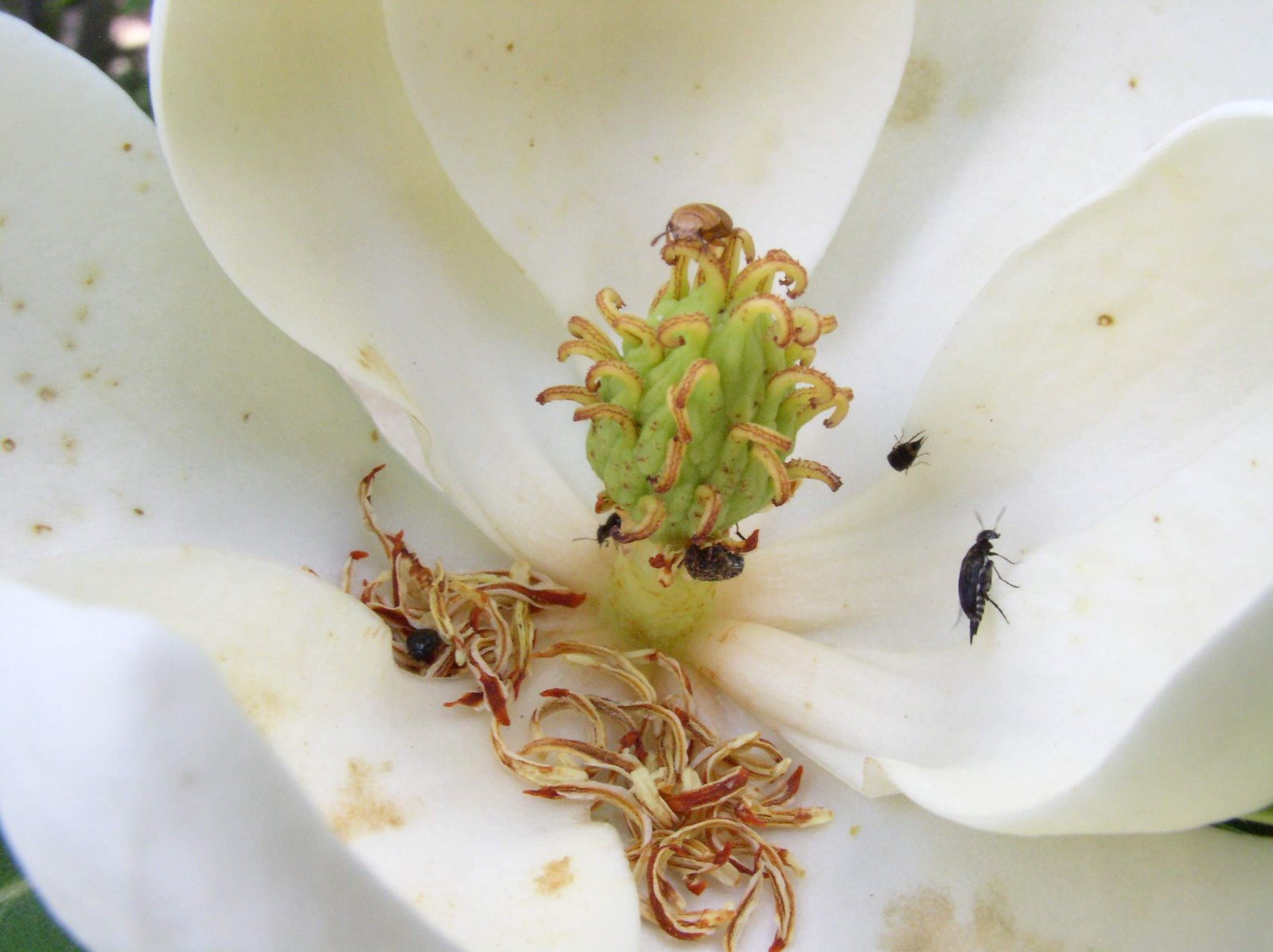
Before bees buzzed into the scene, beetles were the primary pollinators of magnolias. These humble insects, often overlooked, played a crucial role in the survival of these ancient flowers. Beetles are attracted to the large, fragrant blossoms of magnolias, drawn in by the promise of food and shelter. The magnolia’s thick, robust petals are perfectly designed to withstand the clumsy movements of beetles. As beetles feast on the pollen, they unknowingly facilitate the pollination process. This symbiotic relationship highlights the intricate dance of nature, where every species has its unique role to play.
Magnolia’s Unique Floral Structure
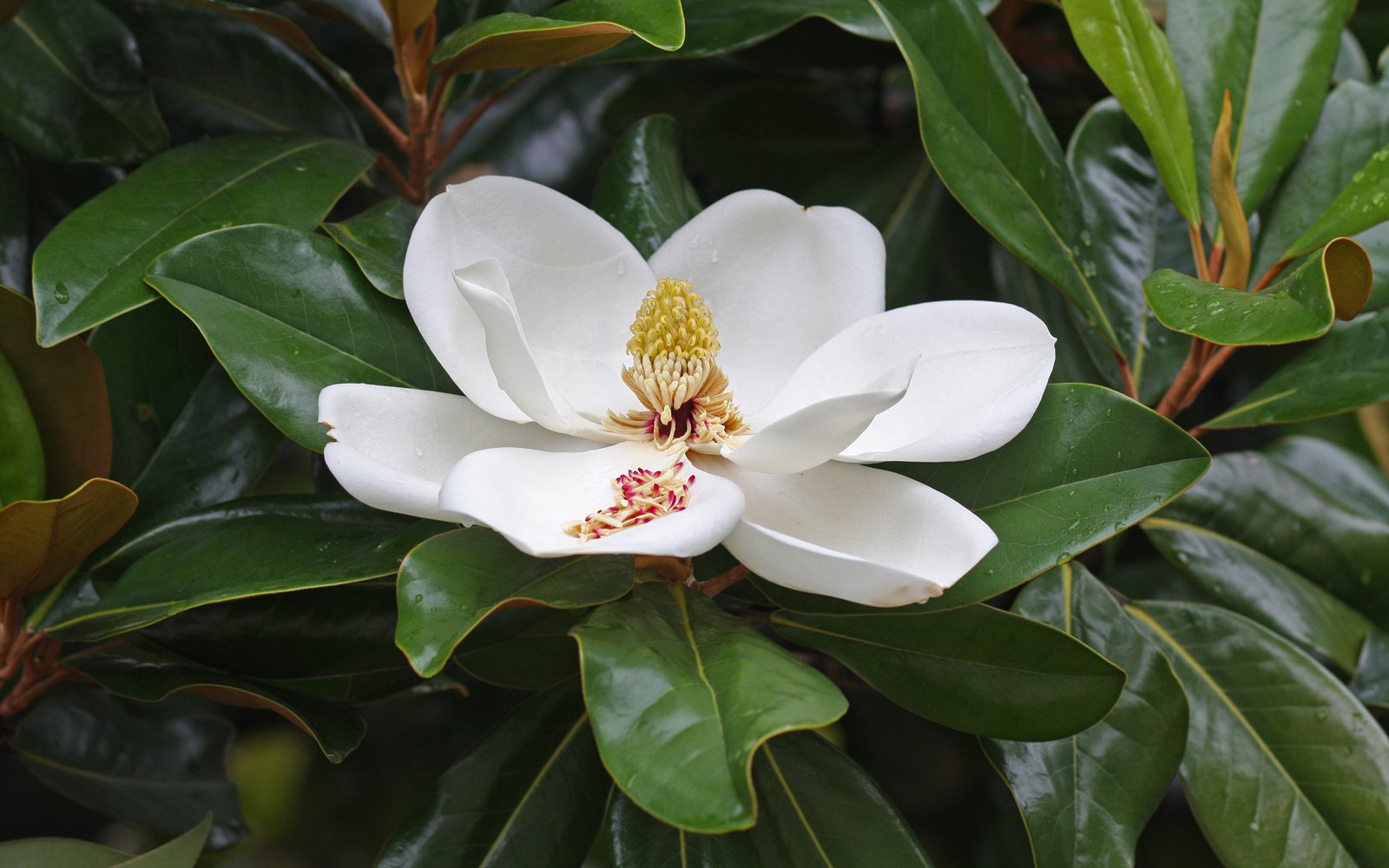
The structure of a magnolia flower is both simple and complex, a reflection of its ancient lineage. Unlike many modern flowers, magnolias do not have distinct sepals and petals; instead, they possess tepals, which serve both functions. This design is not only aesthetically pleasing but also functional. The tepals protect the reproductive organs while providing a landing platform for pollinators. Inside, the numerous stamens and carpels are arranged in a spiral, a primitive floral arrangement that predates the more organized structures seen in modern flowers. This unique design is a testament to the magnolia’s evolutionary journey.
Why Magnolias Thrive Without Bees
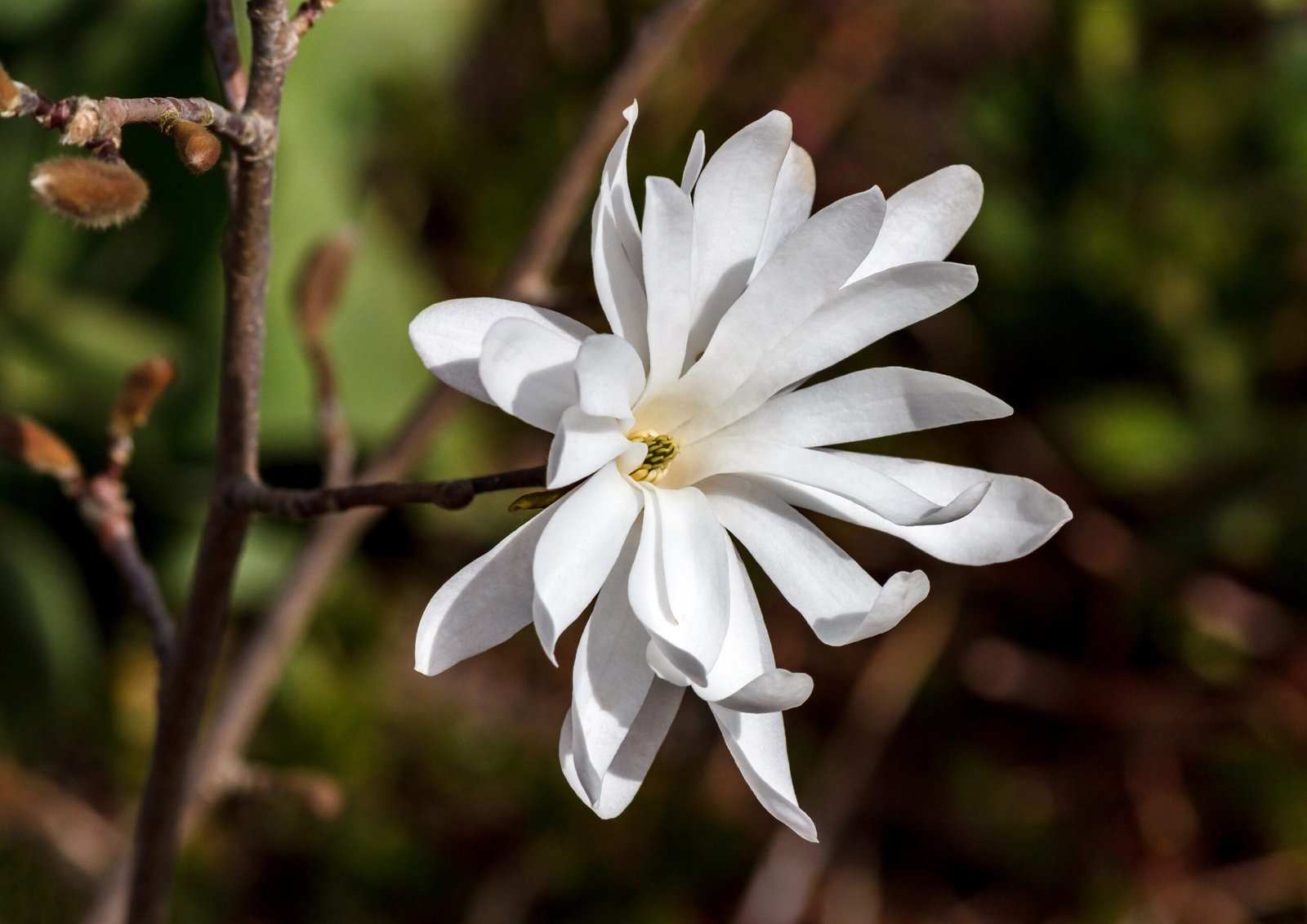
The absence of bees in the early evolutionary history of magnolias did not hinder their success. Instead, it led to the development of alternative pollination strategies. Magnolias produce large quantities of pollen, ensuring that even if some are lost, enough remains for successful reproduction. Their strong fragrance and robust structure attract a variety of pollinators, not just bees. This diversity in pollination partners increases the chances of successful fertilization. By not relying solely on one type of pollinator, magnolias have ensured their continued survival and proliferation across different habitats.
The Role of Scent in Magnolia Pollination
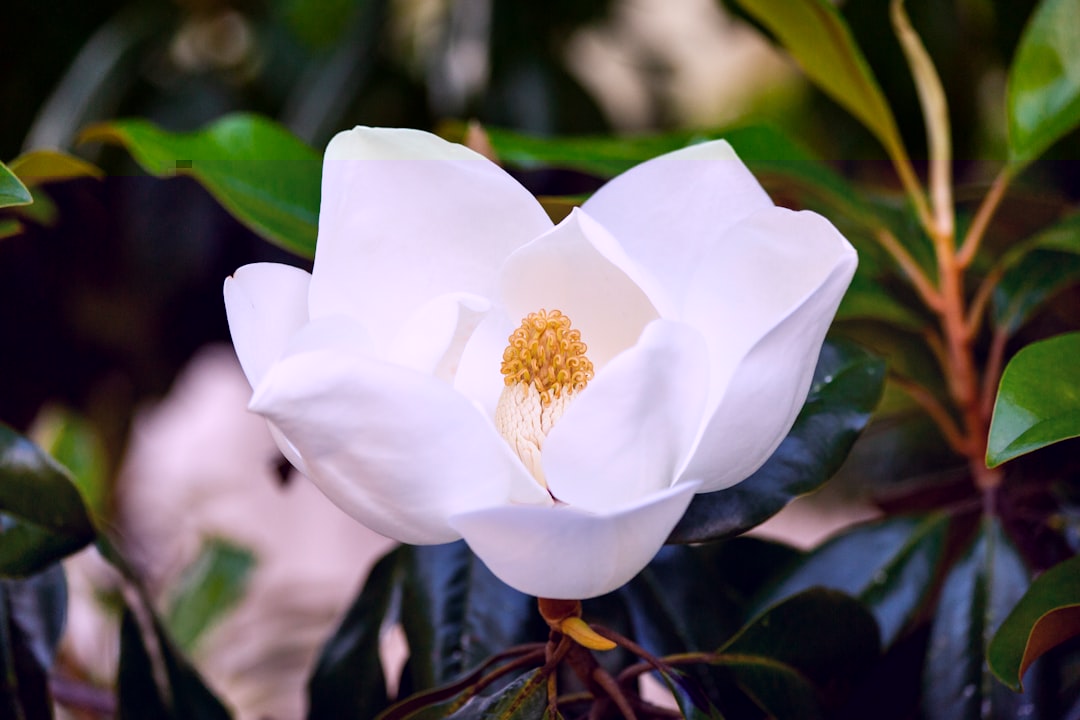
One of the most captivating features of magnolias is their intoxicating scent. The fragrance serves a dual purpose: attracting pollinators and deterring herbivores. The sweet aroma is irresistible to beetles and other insects, drawing them in from afar. Once inside, the insects are enveloped by the flower’s scent, encouraging them to stay longer and, in turn, increasing the chances of pollination. This chemical communication between plant and pollinator is a perfect example of how nature uses sensory cues to facilitate survival and reproduction.
Magnolias in Modern Ecosystems
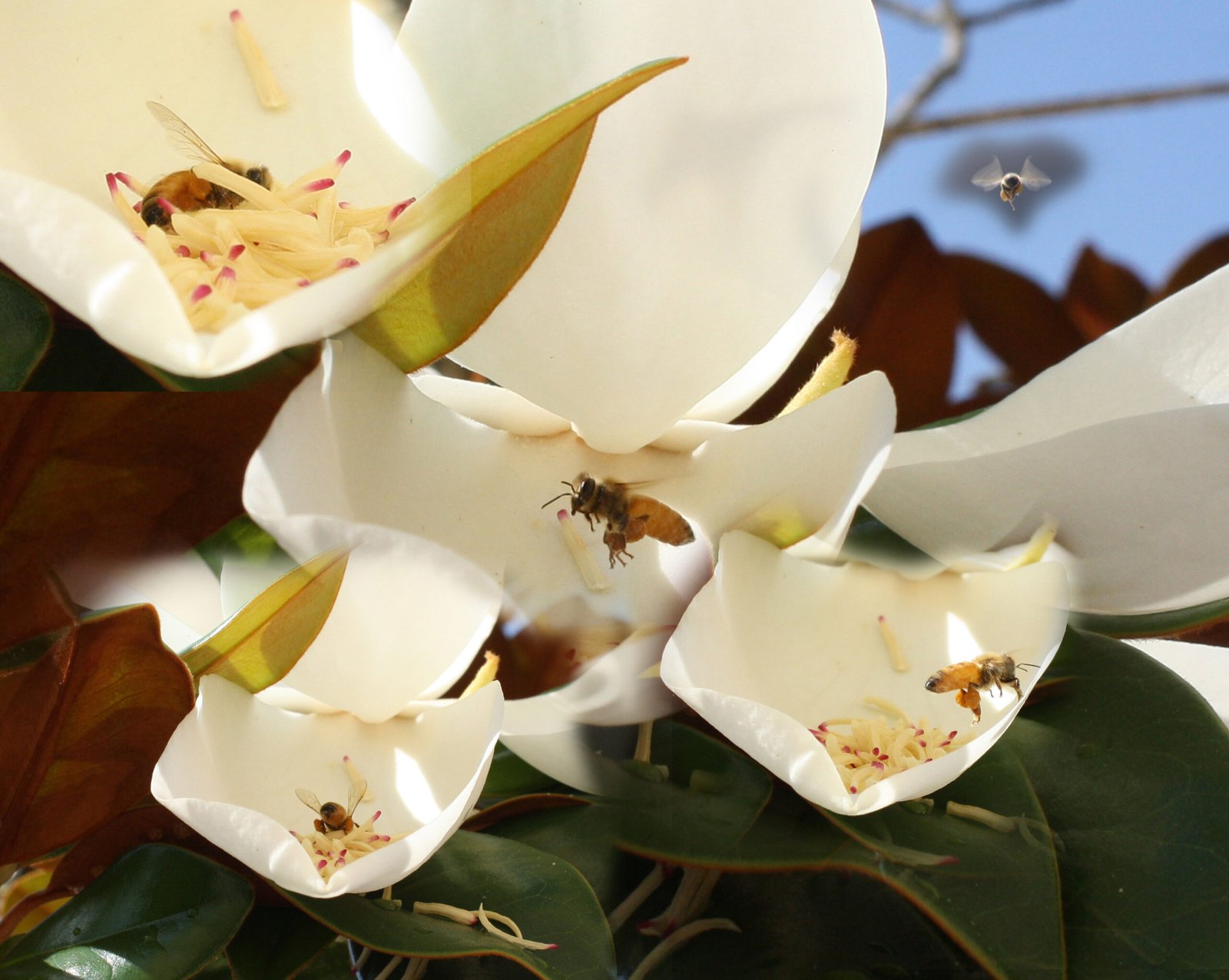
Today, magnolias continue to thrive in diverse ecosystems around the world. They have adapted to various climates, from temperate forests to tropical regions. In each environment, magnolias have formed unique relationships with local pollinators, showcasing their incredible adaptability. In some areas, bees have joined the ranks of magnolia pollinators, adding another layer to the flower’s complex ecology. This adaptability ensures that magnolias remain a vital part of the ecosystems they inhabit, providing food and shelter for a wide range of species.
Cultural Significance of Magnolias
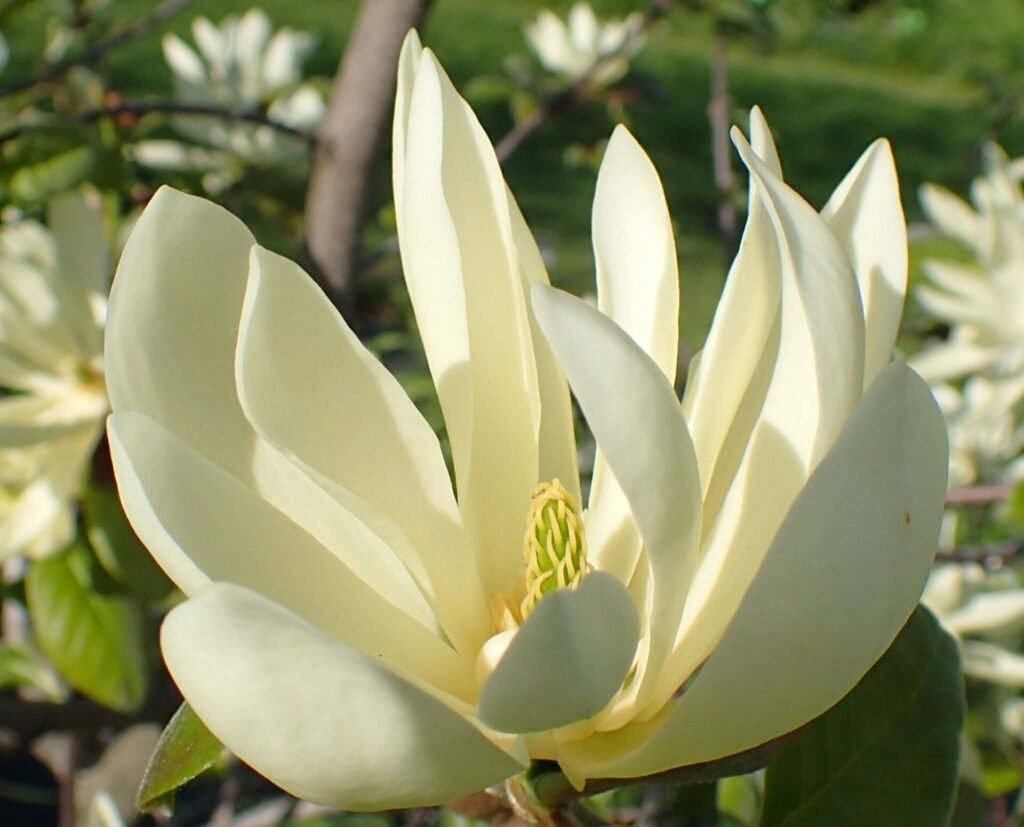
Beyond their ecological importance, magnolias hold a special place in human culture. They are often associated with beauty, dignity, and resilience, making them a popular choice for gardens and landscapes. In many cultures, magnolias symbolize purity and nobility, often featured in art, literature, and folklore. Their timeless beauty and historical significance make them a cherished part of our natural and cultural heritage. The allure of magnolias transcends time, captivating people across generations with their elegance and grace.
Challenges Facing Magnolias Today
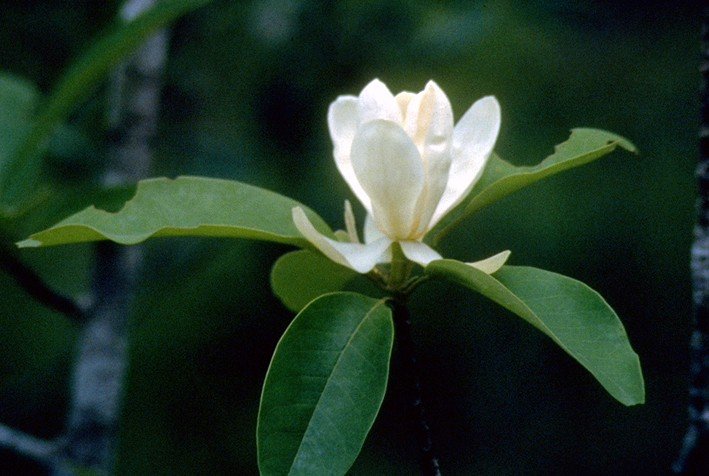
Despite their ancient lineage, magnolias face modern challenges that threaten their survival. Habitat destruction, climate change, and pollution are some of the significant threats they encounter. Urbanization has led to the loss of natural habitats, reducing the areas where magnolias can thrive. Climate change alters blooming times and affects pollinator populations, disrupting the delicate balance of nature. Conservation efforts are crucial to preserve these magnificent flowers for future generations. By protecting magnolias, we safeguard not only a species but also a piece of our planet’s history.
Conservation Efforts and Future Prospects
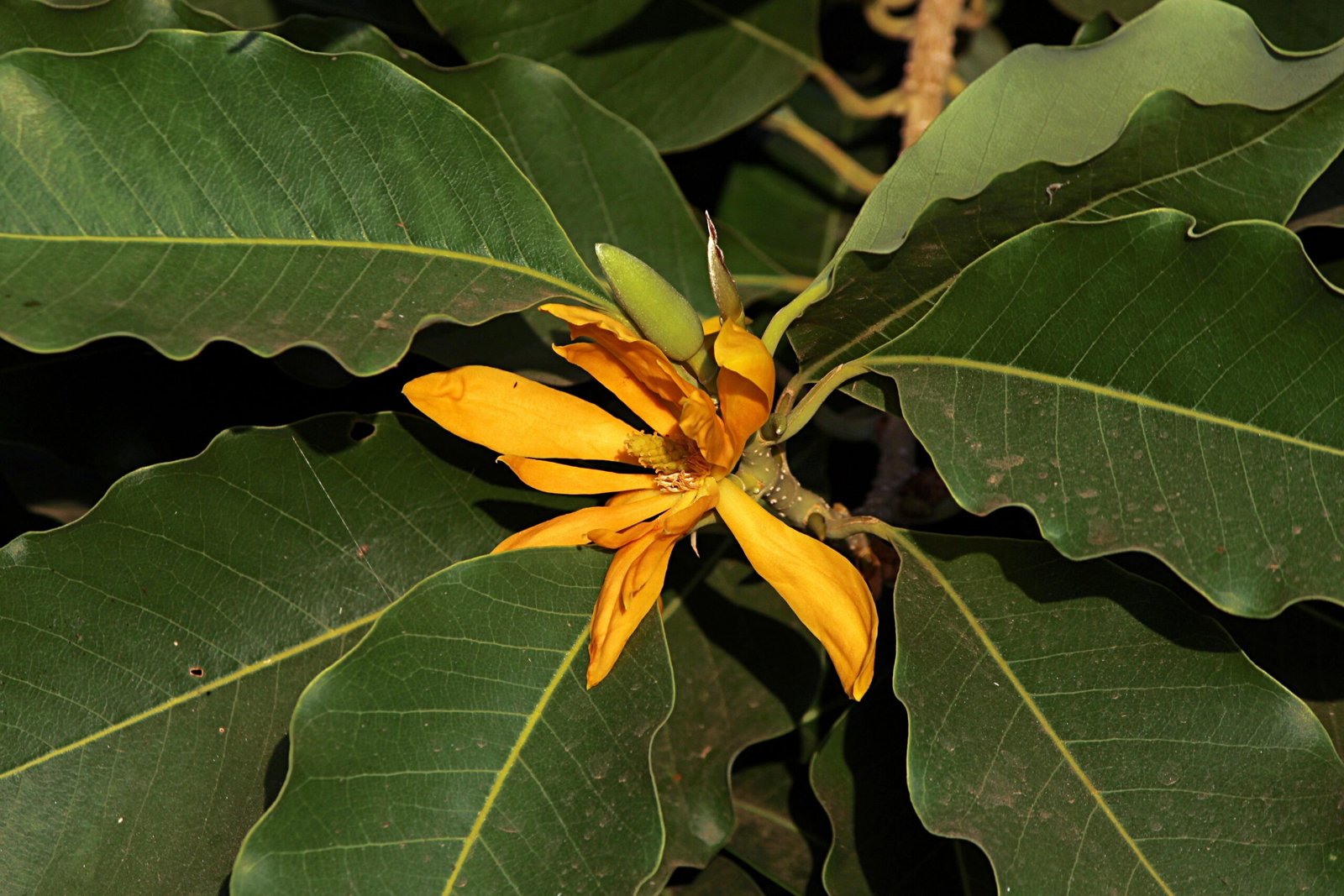
Conservationists around the world are working tirelessly to protect magnolias and their habitats. Initiatives include habitat restoration, seed banking, and public awareness campaigns to highlight the importance of these ancient flowers. Botanical gardens play a vital role in preserving magnolia species, providing a sanctuary for endangered varieties. By supporting conservation efforts, we can ensure that magnolias continue to grace our landscapes for centuries to come. The future of magnolias depends on our collective actions and commitment to preserving the natural world.
Conclusion: The Timeless Beauty of Magnolias
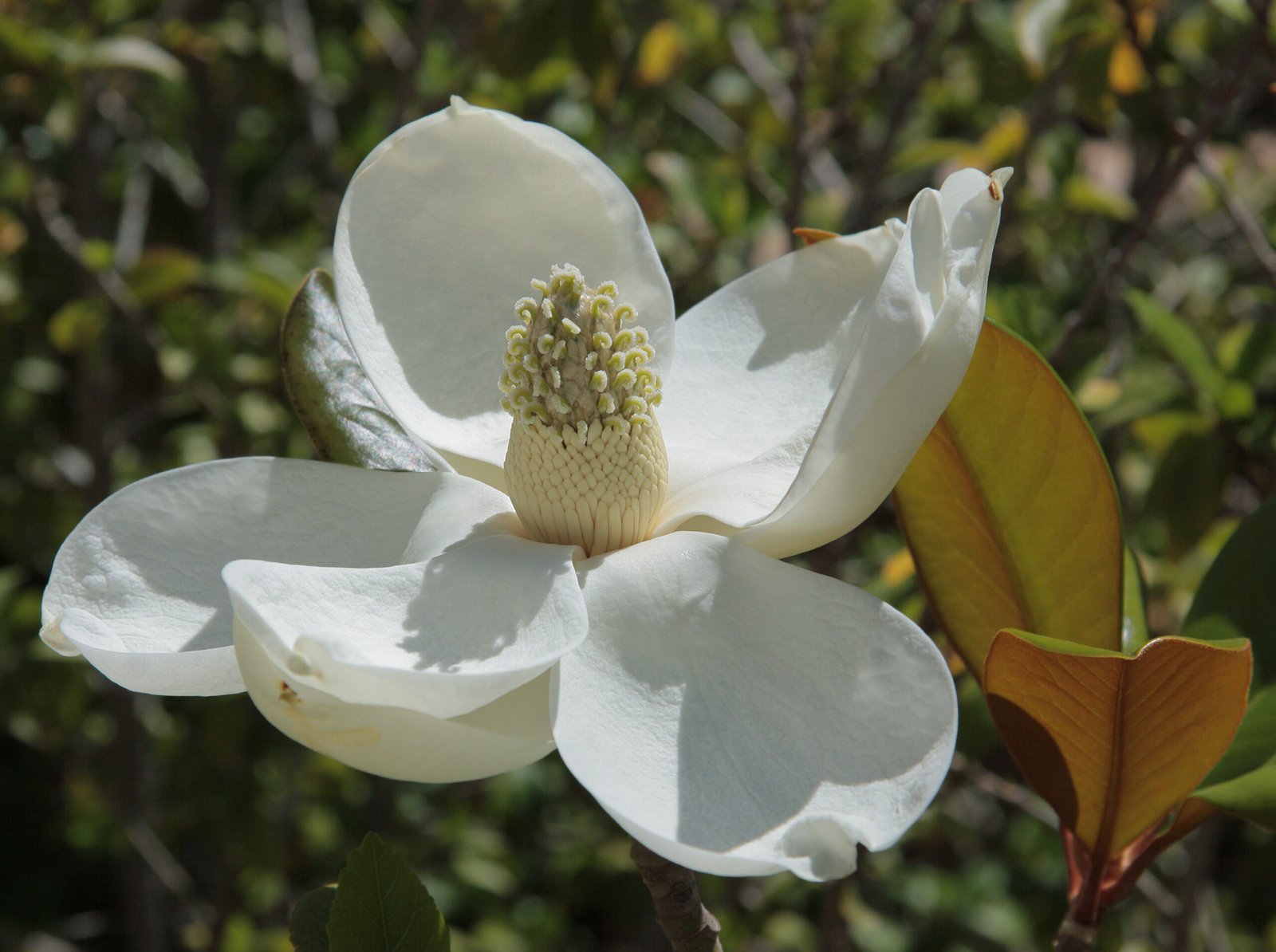
Magnolias remind us of the incredible resilience and adaptability of nature. Their story is one of survival, evolution, and the intricate relationships that define the natural world. As we marvel at their beauty, let us also reflect on the importance of preserving these ancient flowers for future generations. Magnolias are more than just flowers; they are a testament to the enduring power of nature. What will you do to ensure that these magnificent blossoms continue to thrive in our ever-changing world?