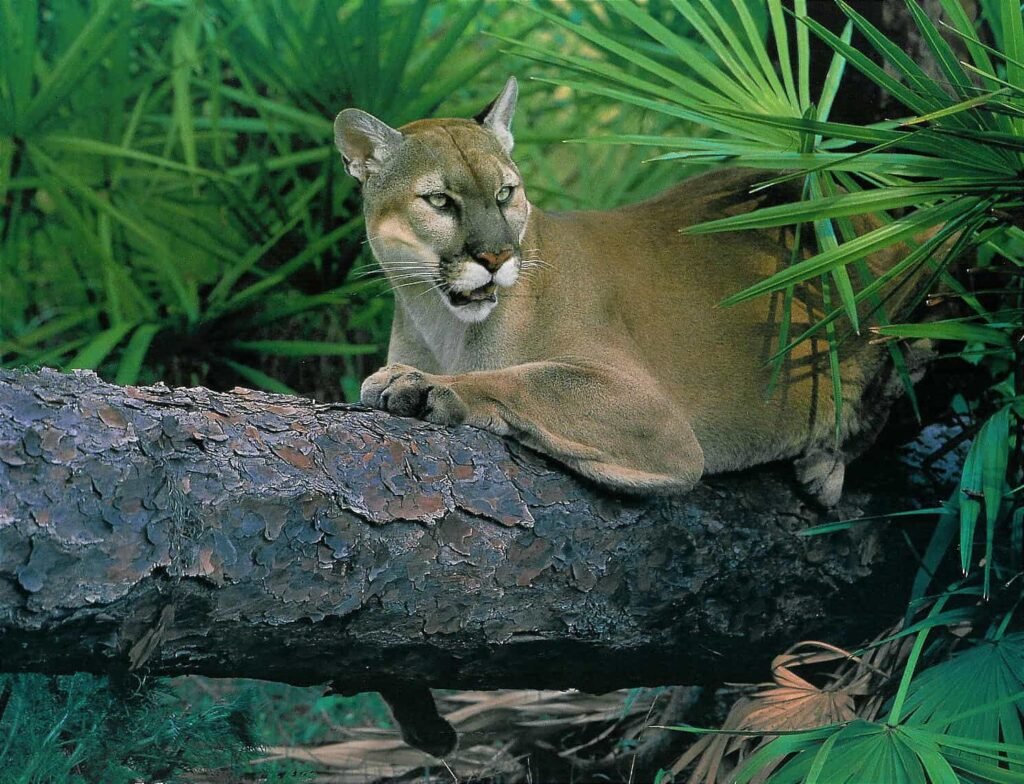

Imagine wandering through the dense, sun-dappled forests of southern Florida, your heart pounding with anticipation. Somewhere in the tangled brush, a ghostly figure moves with silent grace—America’s rarest big cat, the Florida panther. For decades, these magnificent creatures have come dangerously close to vanishing forever. And now, deep within the boundaries of the Florida Panther National Wildlife Refuge, their fate hangs in a delicate balance. This is the story of a species fighting for survival, a wild world on the edge, and the people determined to make sure these legendary cats don’t become just another tale of what was lost.
The Unique Legacy of the Florida Panther
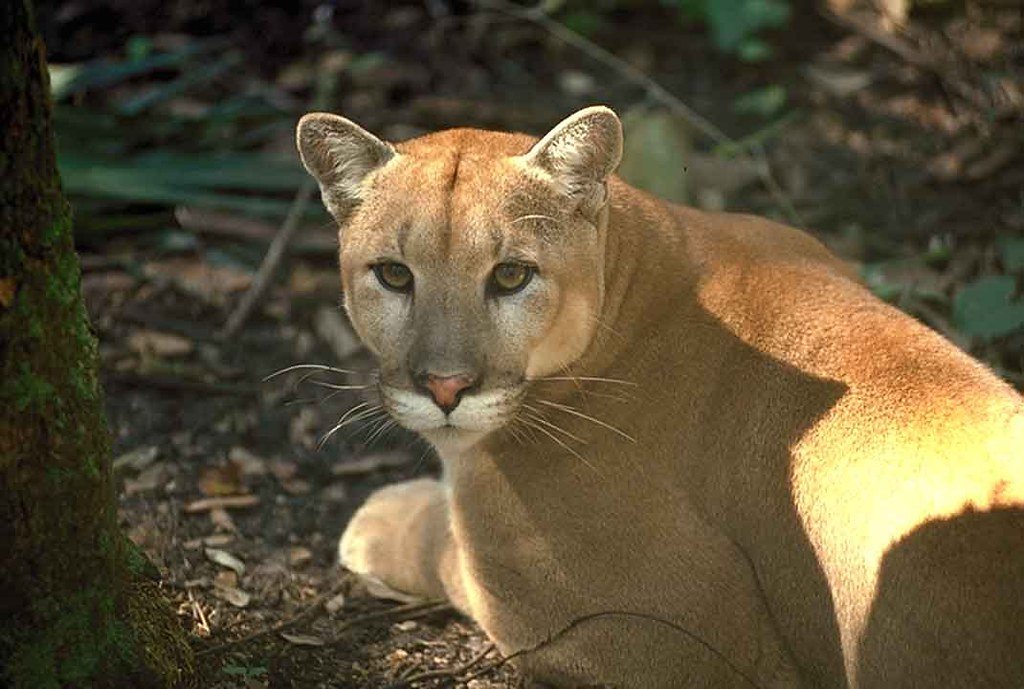
The Florida panther isn’t just another predator; it’s a living symbol of the untamed spirit of the American wilderness. Unlike its western cousins, the Florida panther has evolved in isolation, developing a slightly smaller frame and a trademark kinked tail. These subtle differences are the results of generations spent adapting to the swamps and forests of the Sunshine State. People often don’t realize that every panther carries the genetic stories of both survival and struggle. This legacy sets them apart in the world of big cats, making their continued existence a testament to resilience in the face of change. The panther’s presence reminds us that wildness still clings to some corners of America, even as cities and highways sprawl ever outward.
Where Wilderness Remains: The Panther’s Final Refuge
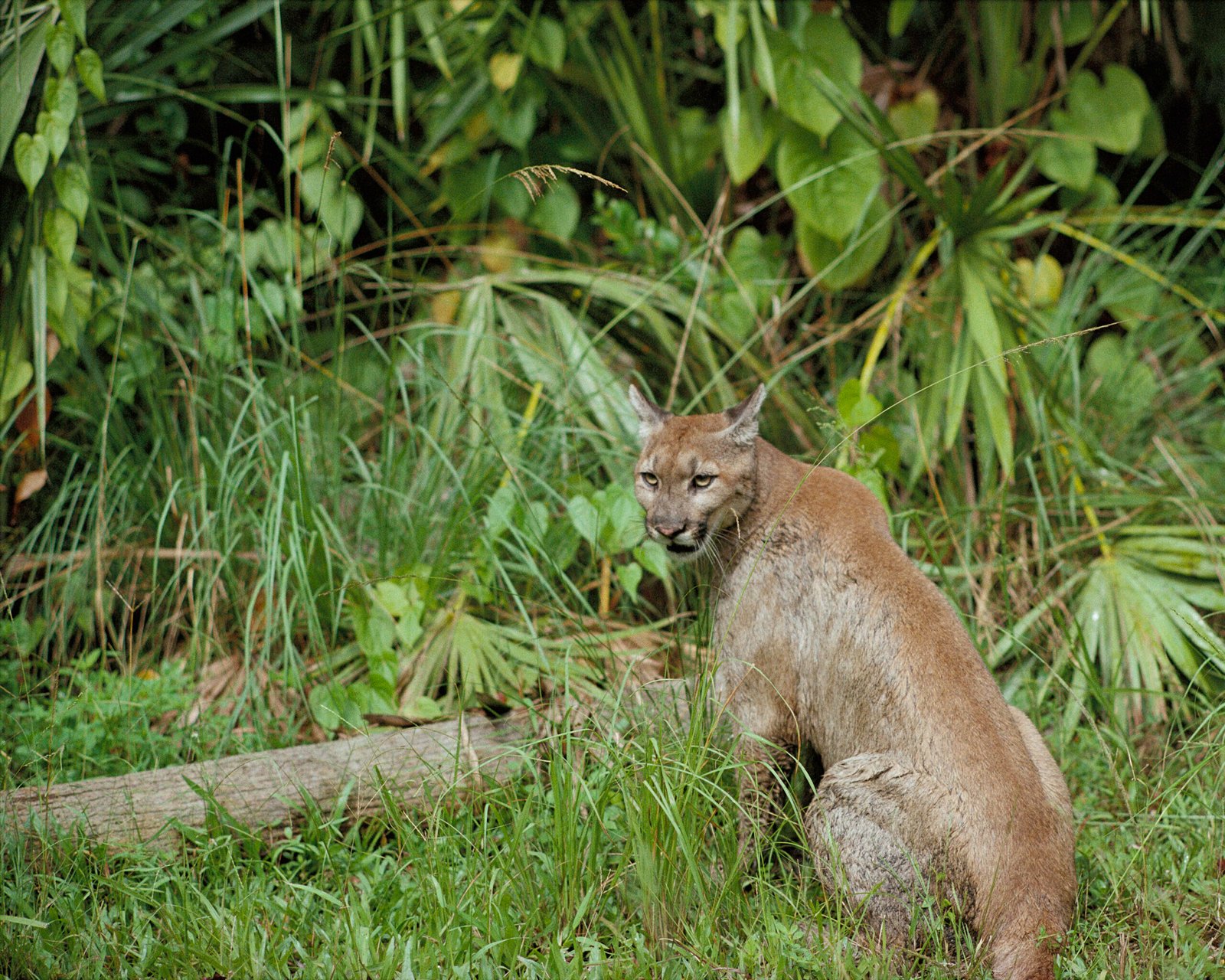
The Florida Panther National Wildlife Refuge, established in 1989, isn’t just a swath of protected land—it’s the last lifeline for a vanishing species. Nestled in the heart of Collier County, this 26,000-acre sanctuary is a mosaic of cypress swamps, pinelands, and hardwood hammocks. Here, panthers roam free, stalking deer through tangled undergrowth and slinking past ancient trees. The refuge stands as a bold statement: amid the rush of development, there’s still room for wildness. For many visitors, stepping into the preserve feels like being transported to a primordial world, where every rustle could be the whisper of a secretive cat.
A Cat on the Brink: The Panther’s Precarious Numbers
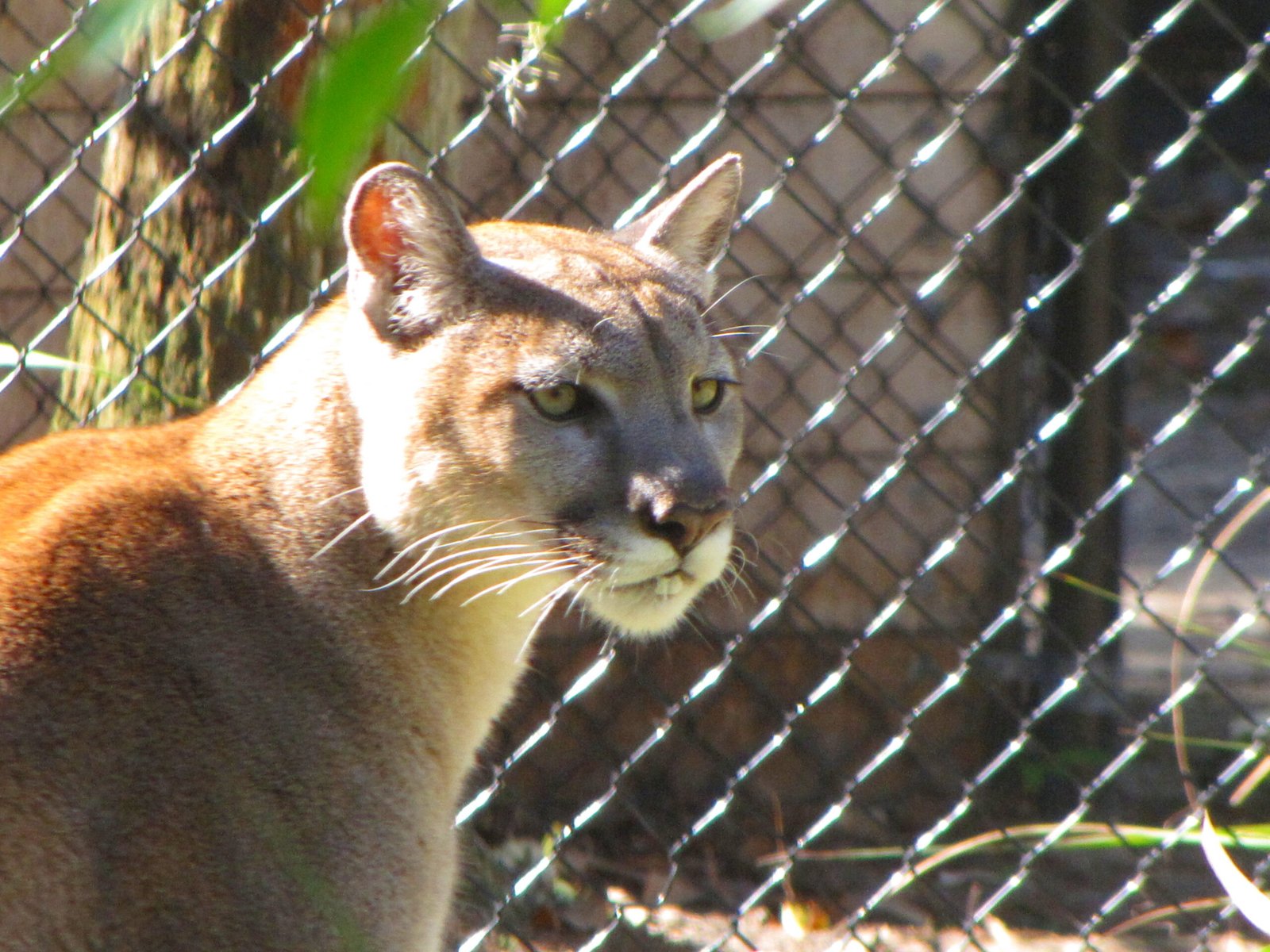
It’s hard to fathom that at one point, fewer than 30 Florida panthers remained in the wild. Today, thanks to painstaking conservation, that number has climbed to an estimated 120-230 adults. But this increase is fragile—like a candle in the wind. Every panther counts, and the loss of even a single individual can ripple through the population. Scientists monitor the cats closely, using radio collars and trail cameras to track their movements and health. The fight for survival is relentless, and every kitten born feels like a small miracle. Yet, the odds are still stacked against long-term recovery, and extinction remains a real threat if vigilance lapses even for a moment.
Genetic Roadblocks: The Cost of Isolation
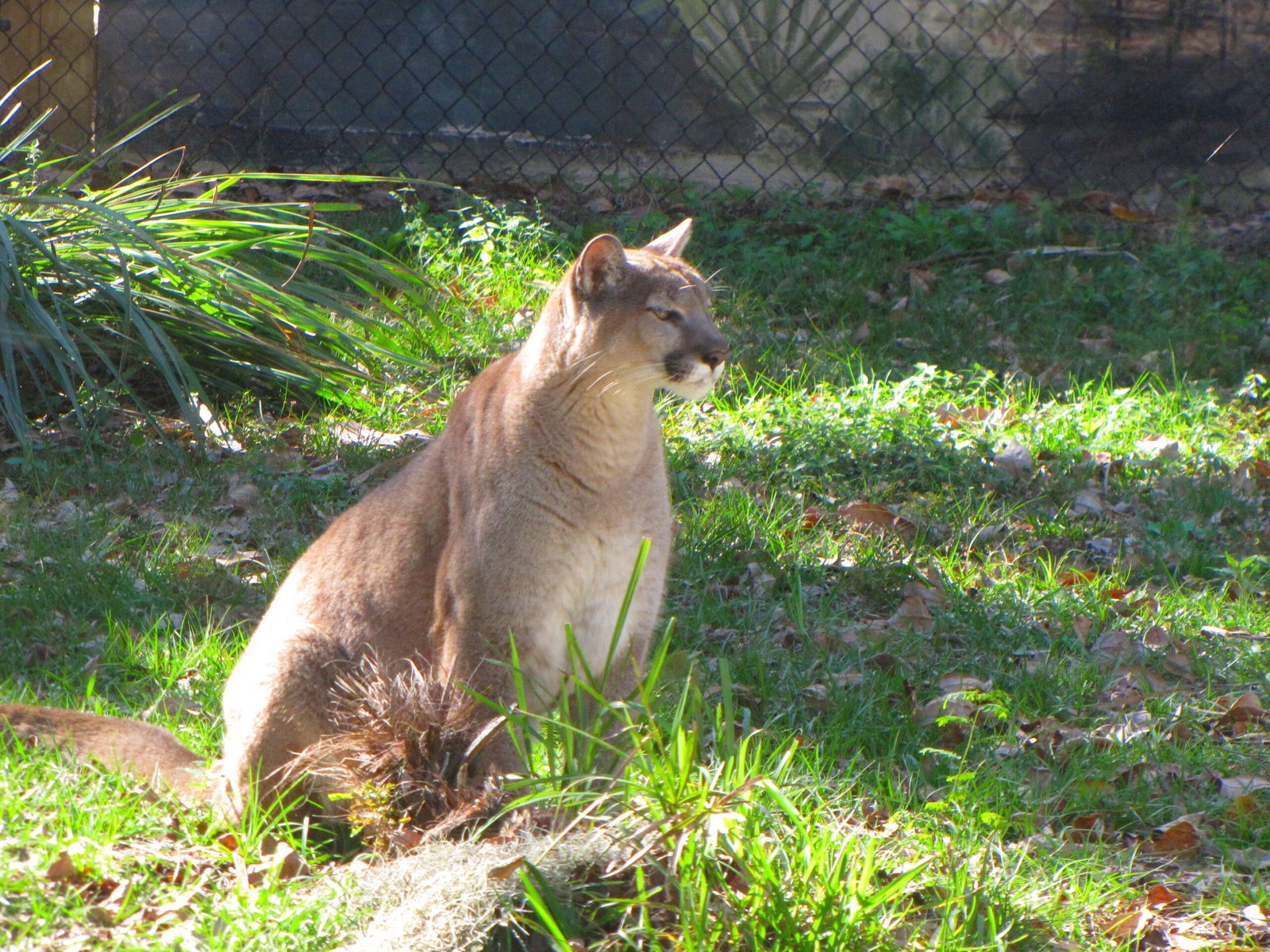
Decades of isolation have left the Florida panther with a dangerously shallow gene pool. Inbreeding has caused problems like kinked tails, heart defects, and low fertility—traits that threaten the cats’ ability to thrive. To counteract this, biologists introduced Texas cougars in the 1990s, infusing new genetic diversity into the population. The results were immediate: healthier kittens, fewer physical defects, and a glimmer of hope. But genetic health isn’t a problem solved overnight. It’s a constant battle to maintain diversity, requiring careful monitoring and sometimes tough decisions. The panther’s genes tell a story of both hope and hardship—a reminder of how human intervention can both harm and help.
The Secret Life of a Solitary Hunter
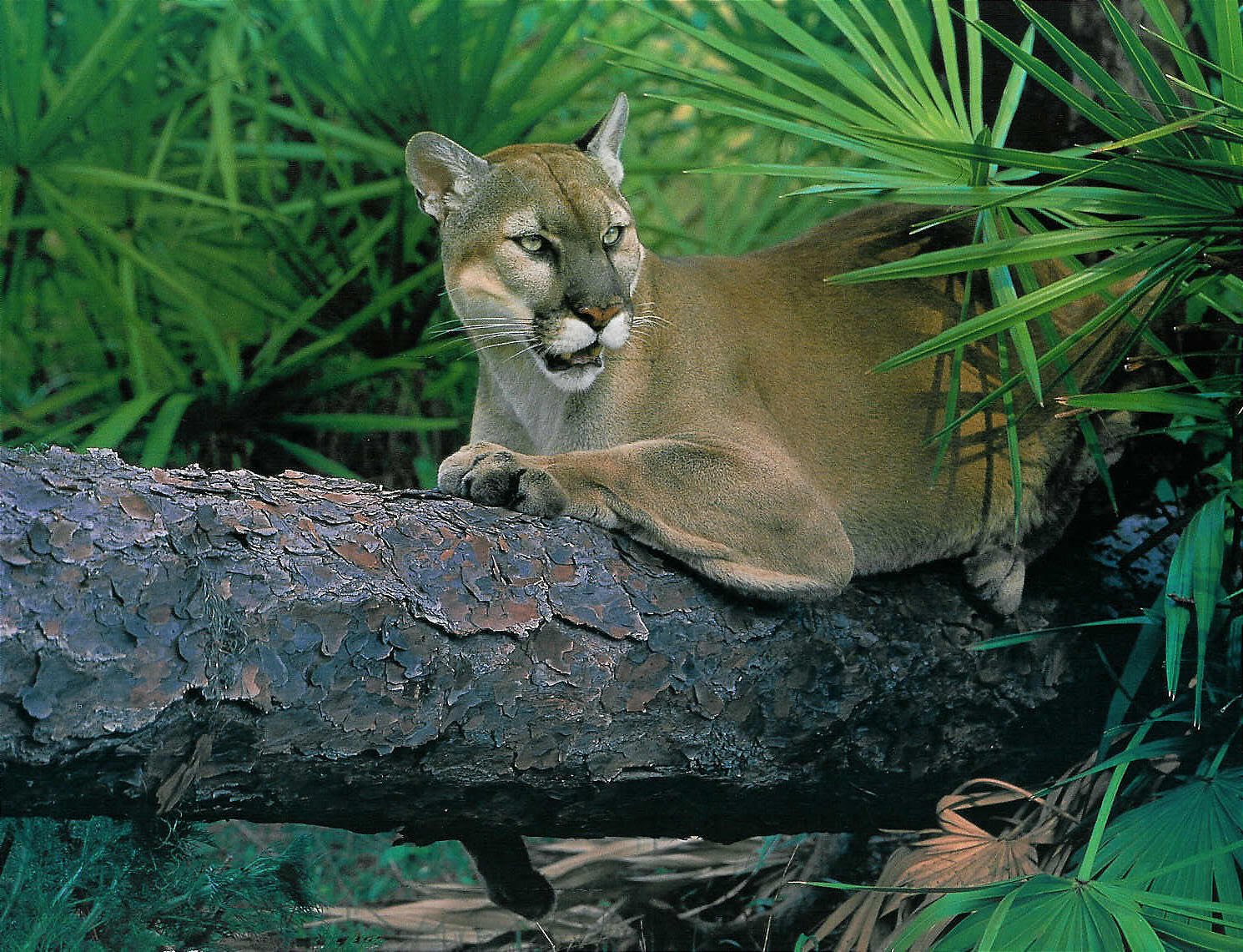
Florida panthers are the definition of elusive. They move mostly at dawn and dusk, gliding through shadowy forests with an almost supernatural grace. Unlike lions or wolves, panthers are solitary, fiercely defending their territories from rivals. Their preferred prey—white-tailed deer, wild hogs, and raccoons—require both cunning and patience. It’s a lonely existence, punctuated by moments of raw intensity: a chase, a leap, a silent kill. Even experienced trackers rarely catch more than a glimpse, and most people will never see a panther in the wild. This mystery is part of their allure, making each rare sighting feel like a gift from nature itself.
Habitat at Risk: Encroachment and Fragmentation

As Florida’s population booms, the wild spaces that panthers call home are shrinking. New roads, neighborhoods, and agricultural fields carve up the landscape, slicing habitats into ever-smaller pieces. Panthers need vast territories—sometimes over 200 square miles—to survive. Fragmented habitats mean more deadly encounters with humans, vehicles, and even other panthers. Conservationists work tirelessly to connect wild spaces with wildlife corridors, but every acre lost is a blow to the panther’s future. The tension between growth and preservation plays out on this landscape every day, raising tough questions about what we’re willing to save.
The Deadly Toll of Highways

Nothing illustrates the peril facing panthers quite like Florida’s busy roadways. Each year, dozens of panthers are struck and killed by cars—a staggering loss for such a small population. Roadkill is the leading cause of death for adult panthers, overshadowing even disease and territorial fights. Wildlife underpasses and road signs help, but drivers often speed through panther country without a second thought. Each fatal accident is a heartbreaking reminder that even small choices—like slowing down or staying alert—can make a difference. For conservationists, reducing roadkill is an urgent, ongoing battle fought one mile at a time.
Human-Panther Conflict: Myths and Realities
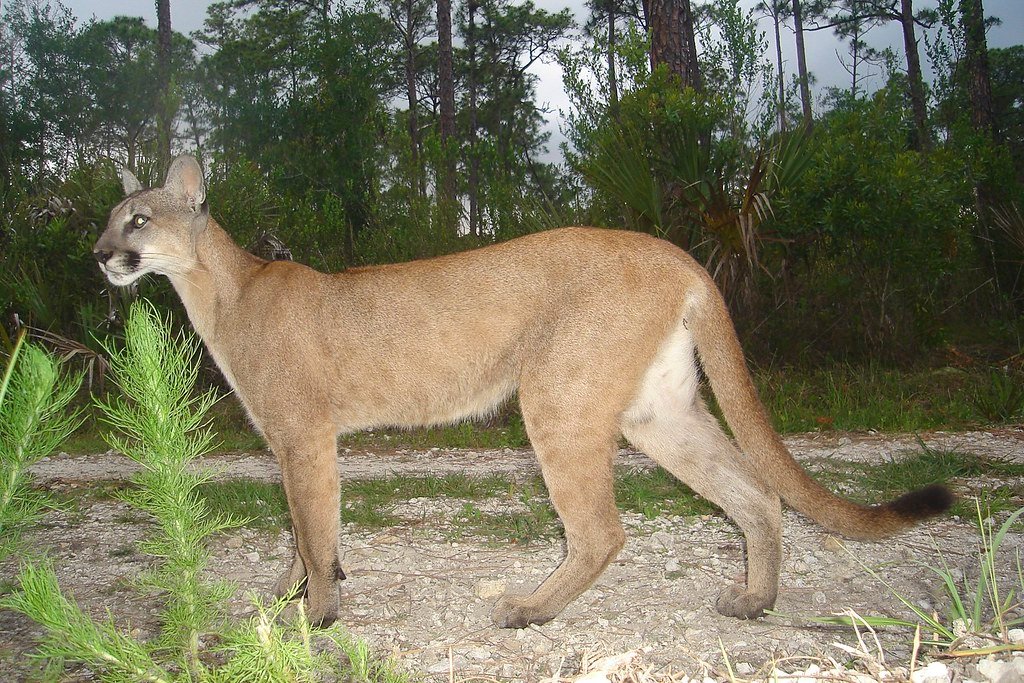
Stories of panthers lurking near backyards or preying on livestock stoke fear and misunderstanding. Yet, actual attacks on people are vanishingly rare, and panthers generally avoid human contact. Still, as their habitat shrinks, encounters are bound to increase. Conservation programs focus on education—teaching residents how to protect pets and livestock, and dispelling myths about these “dangerous” cats. Sometimes, a single incident can ignite heated debates over the place of panthers in Florida’s future. But more often, communities rally around efforts to coexist, recognizing that the loss of these cats would make Florida a poorer, emptier place.
Tracking the Elusive: Science in Action

Modern technology is revolutionizing how we study Florida panthers. GPS collars, motion-triggered cameras, and genetic testing reveal secrets that would otherwise remain hidden in the swamps. Researchers can map territories, monitor health, and even identify individual cats by their footprints. This flood of data helps guide conservation decisions—pinpointing key habitats, tracking disease outbreaks, and measuring the success of genetic rescue efforts. For scientists, each new discovery feels like a window into a mysterious world. But it’s not just about numbers; it’s about forging a deeper connection between people and wildness.
The Role of Fire in Panther Habitat

Fire is not the enemy here; in fact, it’s a crucial ally. Controlled burns mimic the natural wildfires that shaped Florida’s landscape for centuries. These burns clear out thick undergrowth, allowing fresh grasses and shrubs to sprout—perfect for deer and, by extension, panthers. Without fire, forests become choked and less hospitable for prey animals, making survival harder for big cats. Land managers carefully plan when and where to burn, balancing safety with the needs of wildlife. In many ways, fire breathes new life into the panther’s world, showing that sometimes destruction is a path to renewal.
Kitten Survival: Hope in Tiny Packages
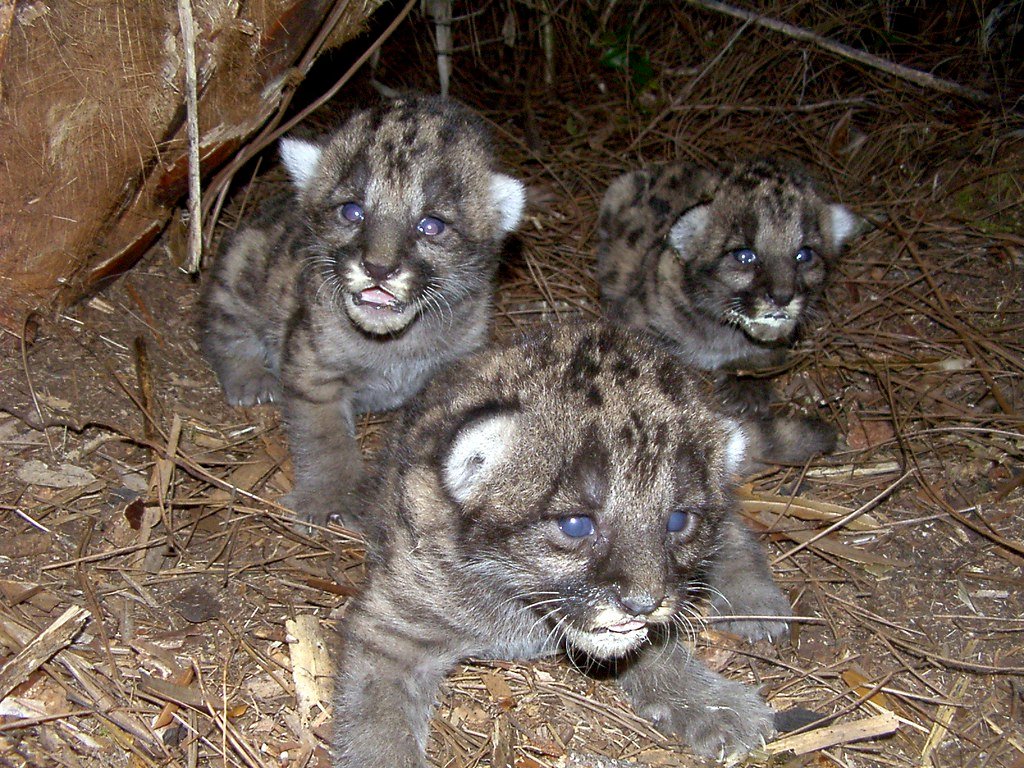
Each panther kitten represents the future, but survival is far from guaranteed. Born blind and helpless, kittens depend on their mothers for everything—food, shelter, and protection from predators. Many don’t make it past their first year, falling victim to disease, starvation, or larger predators like bobcats. Biologists often track den sites and monitor kitten health, celebrating every new litter as a small victory. The playful antics and wide-eyed curiosity of panther kittens inspire hope and determination among those working to save the species. Every survivor is a step closer to a thriving population.
Panther Prey: The Balance of the Ecosystem
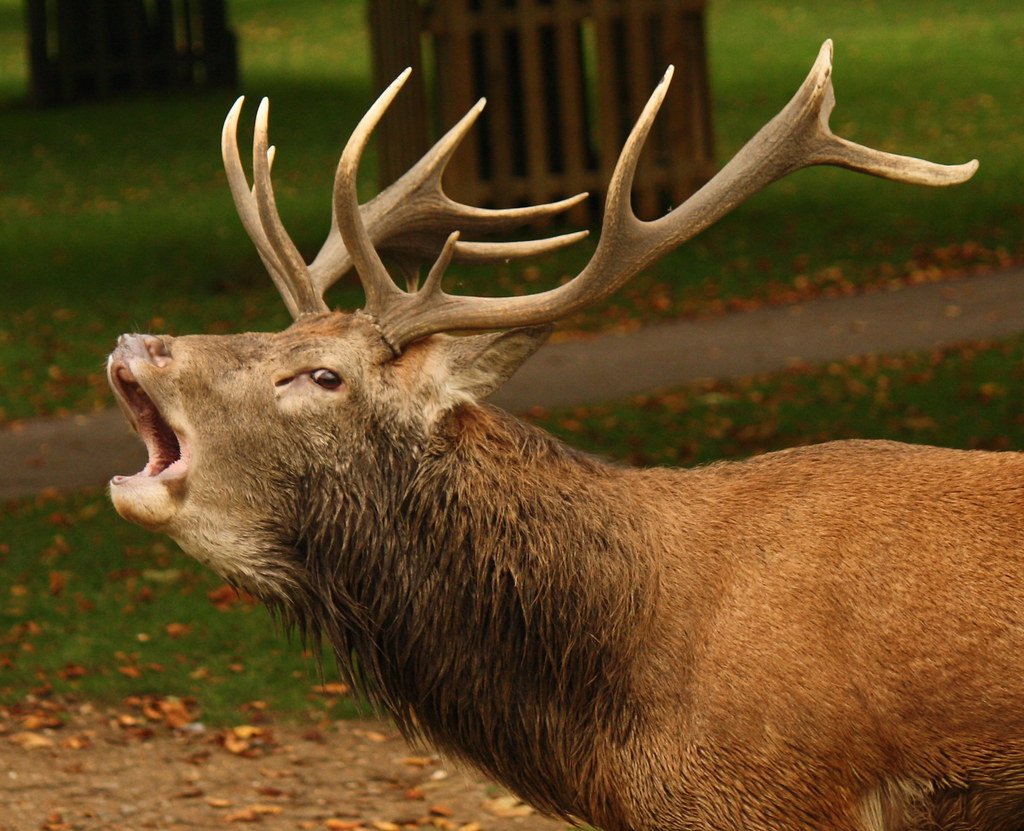
The Florida panther’s diet is a mirror reflecting the health of the ecosystem. Deer, wild hogs, armadillos, and even rabbits make up the bulk of their meals. When prey is abundant, panthers thrive and raise more kittens. But when disease or drought strikes, cats must roam further and face greater risks. In this way, panthers serve as a barometer for the land itself. Protecting their food sources means safeguarding water, forests, and the delicate web of life that supports countless other species. The ripple effects of a healthy panther population extend far beyond the cats themselves.
Living with the Shadow: Panther Culture and Folklore
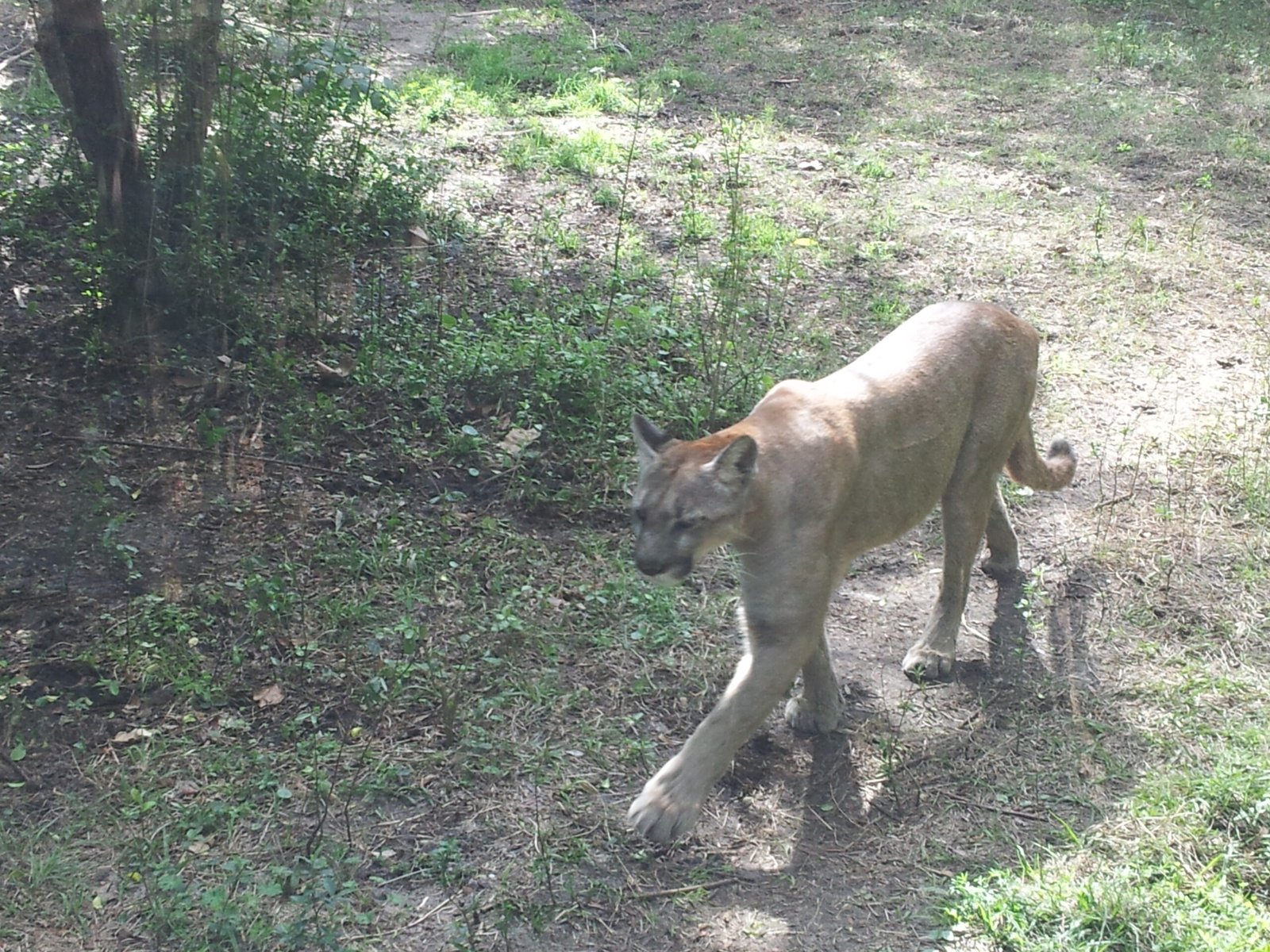
The Florida panther has haunted the dreams and stories of local people for generations. Native legends see the cat as a spirit guide, a symbol of strength and survival. Early settlers feared and revered the animal in equal measure, spinning tales of midnight encounters and phantom tracks. Today, the panther appears on license plates, murals, and even sports team logos, a silent reminder of the wildness just beyond the city limits. This cultural legacy fuels both passion and controversy, shaping public attitudes and political will. In many ways, the panther is as much a creature of myth as of flesh and blood.
Conservation Champions: The People Behind the Preserve
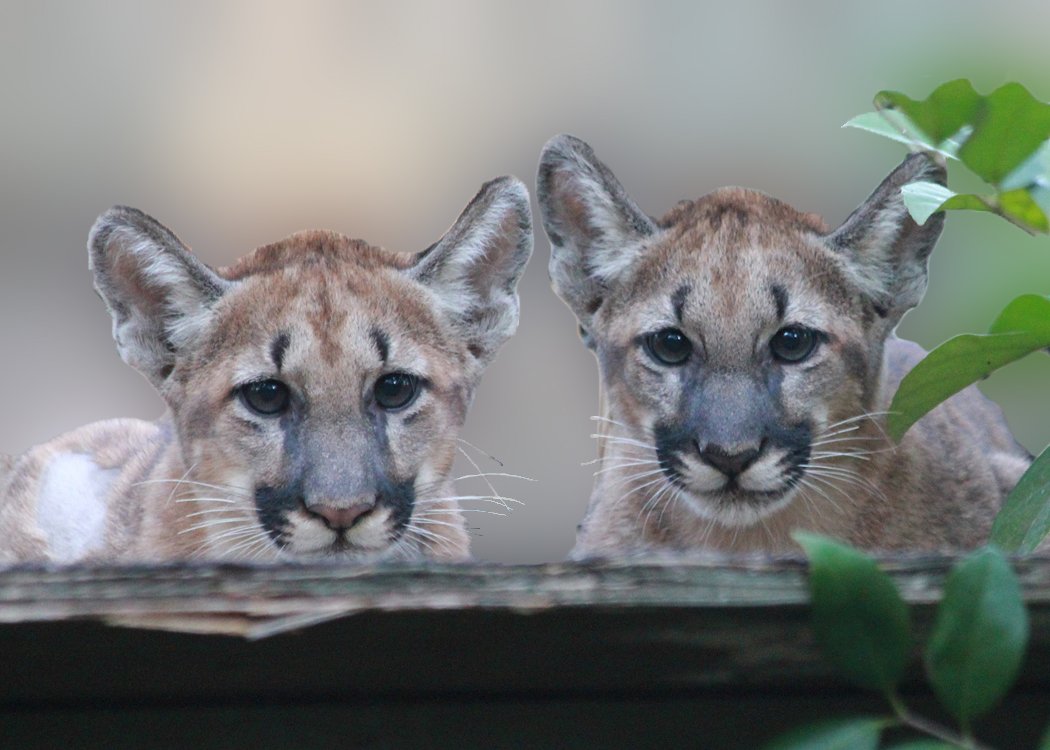
Behind every panther sighting stands an army of dedicated scientists, rangers, and volunteers. These unsung heroes track cats through swamps, rescue orphaned kittens, and educate the public about coexistence. Their days are long, muddy, and often frustrating, but the rewards—seeing a healthy panther slip through the trees—make it all worthwhile. Local communities, too, have stepped up, supporting land protection initiatives and advocating for wildlife-friendly policies. The fight to save the Florida panther is, above all, a story of hope fueled by human passion and perseverance.
Facing Disease: The Threat of Feline Leukemia and More

Just when it seemed things couldn’t get tougher, disease threw another wrench into the works. In recent years, scientists discovered several panthers infected with feline leukemia virus (FeLV), a contagious and sometimes deadly illness. Outbreaks threaten to undo years of progress, spreading quickly through the small, close-knit population. Biologists scramble to vaccinate healthy cats and monitor for new cases, racing against time to prevent catastrophe. Disease is a reminder that, in nature, challenges rarely come one at a time. Every setback tests the resilience of both the panthers and the people who care for them.
Climate Change: A New and Unpredictable Challenge
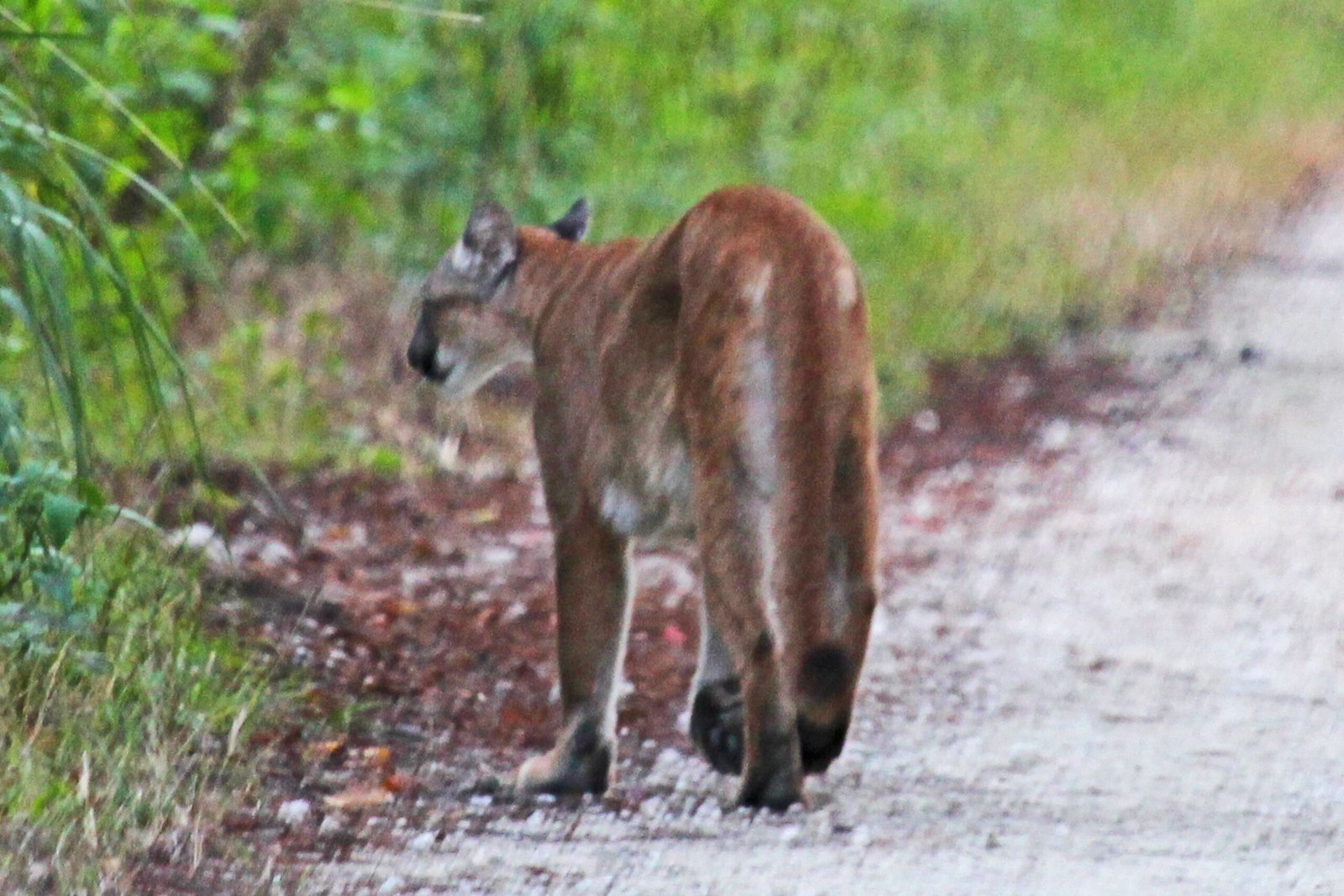
Rising seas, stronger storms, and shifting temperatures are reshaping the Florida landscape in unexpected ways. Saltwater invades freshwater swamps, hurricanes flatten forests, and prey animals migrate to cooler, wetter areas. For panthers, these changes mean adapting quickly or facing new threats to survival. Conservation plans now include climate modeling and habitat restoration to buffer the impacts of a warming world. The future is uncertain, but the panther’s story is one of persistence against the odds. If these cats can adapt, perhaps they can teach us a thing or two about resilience.
Why Saving Panthers Matters: The Heart of the Wild
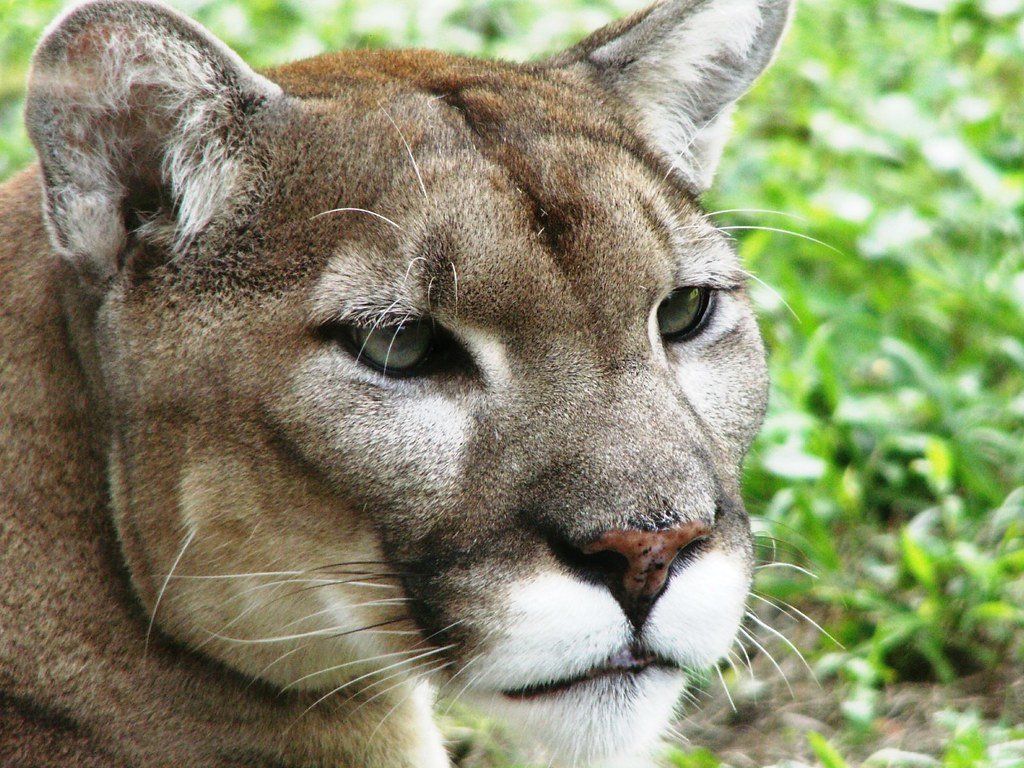
The fight to save the Florida panther isn’t just about one species—it’s about preserving the untamed soul of the American wilderness. Panthers are top predators, shaping the landscape and keeping ecosystems in balance. Their survival is a signal that wild places still exist, that hope and beauty can thrive even in the face of relentless change. For many, seeing a panther—just once, even from a distance—is a life-changing experience, a reminder that not everything precious can be tamed or easily replaced. In the end, the panther’s last stand is really our own, a test of what we value and what kind of world we want to leave behind.