If you thought the wildest party animals in Florida were spring breakers, think again. There’s a new kind of chaos brewing in the Sunshine State, and it’s not coming from the beaches or theme parks. Picture this: a plucky gray squirrel, eyes a little glazed, zigzagging across your backyard, making a beeline for the nearest birdfeeder like it’s the last buffet on Earth. Welcome to Florida’s most bizarre spring tradition — the annual return of the “drunk” squirrels. These fluffy, seemingly harmless critters are once again on a mission, fueled by fermented fruit and an unrelenting obsession with birdseed. Their antics are as hilarious as they are destructive, turning peaceful gardens into the front lines of a war between backyard wildlife. But what’s really going on behind this rodent rampage? Let’s dive into the science, the spectacle, and the downright strange saga of Florida’s intoxicated squirrels.
The Curious Case of the Intoxicated Squirrel
Every spring, reports start flooding in from across Florida: squirrels behaving oddly, stumbling, falling off fences, and launching daring raids on birdfeeders. The root of this odd behavior is surprisingly simple — fermented fruit. As temperatures rise, fallen fruits like loquats, mulberries, and even mangoes start to ferment on the ground, producing natural alcohol. Squirrels, opportunistic feeders by nature, can’t resist a free meal, even if it comes with an unexpected buzz. The result? Tipsy rodents unsteady on their paws, earning them the nickname “drunk squirrels.” While it might sound like an urban legend, the phenomenon is very real, sparking laughter and concern in equal measure among Florida residents.
Why Squirrels Love Fermented Fruit
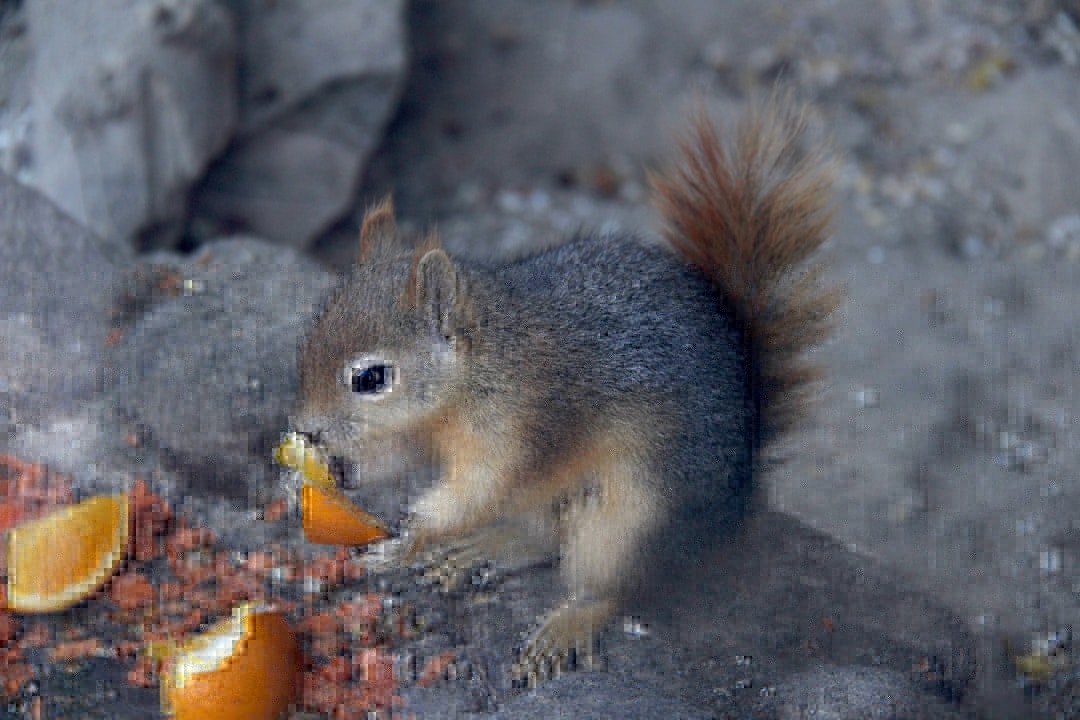
Squirrels are not picky eaters. They’re renowned for their ability to adapt and survive in almost any environment. In the wild, their diets consist mostly of nuts, seeds, berries, and fruits. When fruit falls and begins to decompose, yeasts naturally occurring in the environment begin to convert sugars into alcohol. Most animals avoid fermented foods, but squirrels have a surprisingly high tolerance for them. The sweet, sugary taste draws them in, and the alcohol content, while enough to make them a little wobbly, typically isn’t dangerous. In fact, their attraction to these boozy snacks is a testament to their resourcefulness and adaptability.
Birdfeeders: The Unlikely Battleground
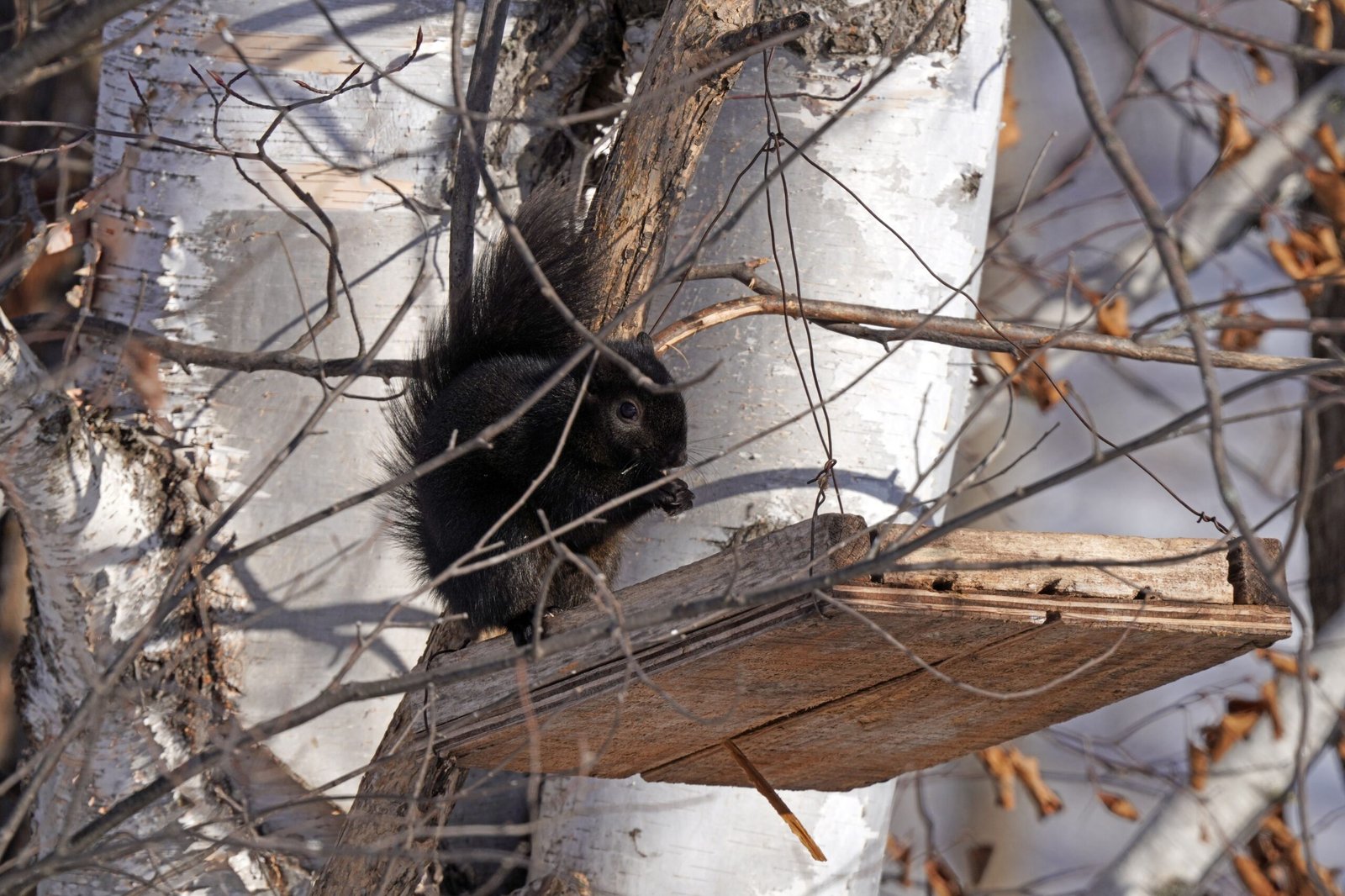
While squirrels can find food almost anywhere, birdfeeders are their ultimate jackpot. Birdseed is packed with calories and nutrients, making it irresistible to a hungry squirrel. When a squirrel is under the influence of fermented fruit, its already bold nature becomes even more reckless. Birdfeeders become the center of high-stakes heists, as squirrels leap, dangle, and sometimes even somersault their way to a meal. Homeowners across Florida have tried every trick in the book to squirrel-proof their feeders, but these determined rodents often outsmart even the cleverest defenses. The result is a never-ending game of cat and mouse — or, more accurately, squirrel and human.
The Science of Animal Intoxication
It may seem strange, but squirrels aren’t the only animals prone to accidental intoxication. Across the animal kingdom, cases of “drunken” behavior have been documented, from elephants in Africa consuming overripe marula fruit to birds in Australia feasting on fermented berries. Scientists believe that the ability to metabolize alcohol is an evolutionary adaptation that allows animals to exploit food sources otherwise avoided by competitors. In squirrels, specific liver enzymes break down ethanol, allowing them to recover quickly from their tipsy escapades. But even with this adaptation, too much alcohol can still be dangerous, which is why the phenomenon is closely watched by wildlife experts.
What Happens When Squirrels Get Drunk?
A squirrel that’s had one too many bites of fermented fruit is a sight to behold. Their coordination suffers; they stagger, tumble, and sometimes even fall from trees or fences. Their reactions slow down, making them more vulnerable to predators. Yet, in most cases, these effects are temporary. After a short period of rest (and perhaps a nap in a sunny patch of grass), most squirrels bounce back to their usual energetic selves. For onlookers, the spectacle is equal parts amusing and concerning — a reminder that even wildlife isn’t immune to nature’s little surprises.
How Homeowners Respond to Squirrel Mayhem
For many Floridians, the annual return of the “drunk” squirrels is met with a mix of frustration and fascination. Birdwatchers lament the loss of seed, while gardeners shake their heads at the destruction. Some people try to outsmart the squirrels with spinning feeders, baffles, or even homemade obstacle courses. Others simply surrender, leaving out extra treats in hopes that the squirrels will leave their birdfeeders alone. Social media lights up with videos and photos of the furry bandits in action, turning backyard chaos into community entertainment. No matter the response, one thing is clear: these squirrels are here to stay.
The Squirrel’s Secret Superpowers

Despite their comical antics, squirrels possess remarkable abilities. Their acrobatic leaps and uncanny balance help them navigate even the most challenging birdfeeder setups. Their powerful sense of smell leads them straight to the ripest fruit and the freshest seed. And their memory? Almost legendary. Squirrels can recall the location of hundreds of hidden food caches, making them one of nature’s best foragers. When you add a little alcohol into the mix, their determination only seems to grow — even if their coordination takes a hit.
Ecological Impacts of Squirrel Hijinks
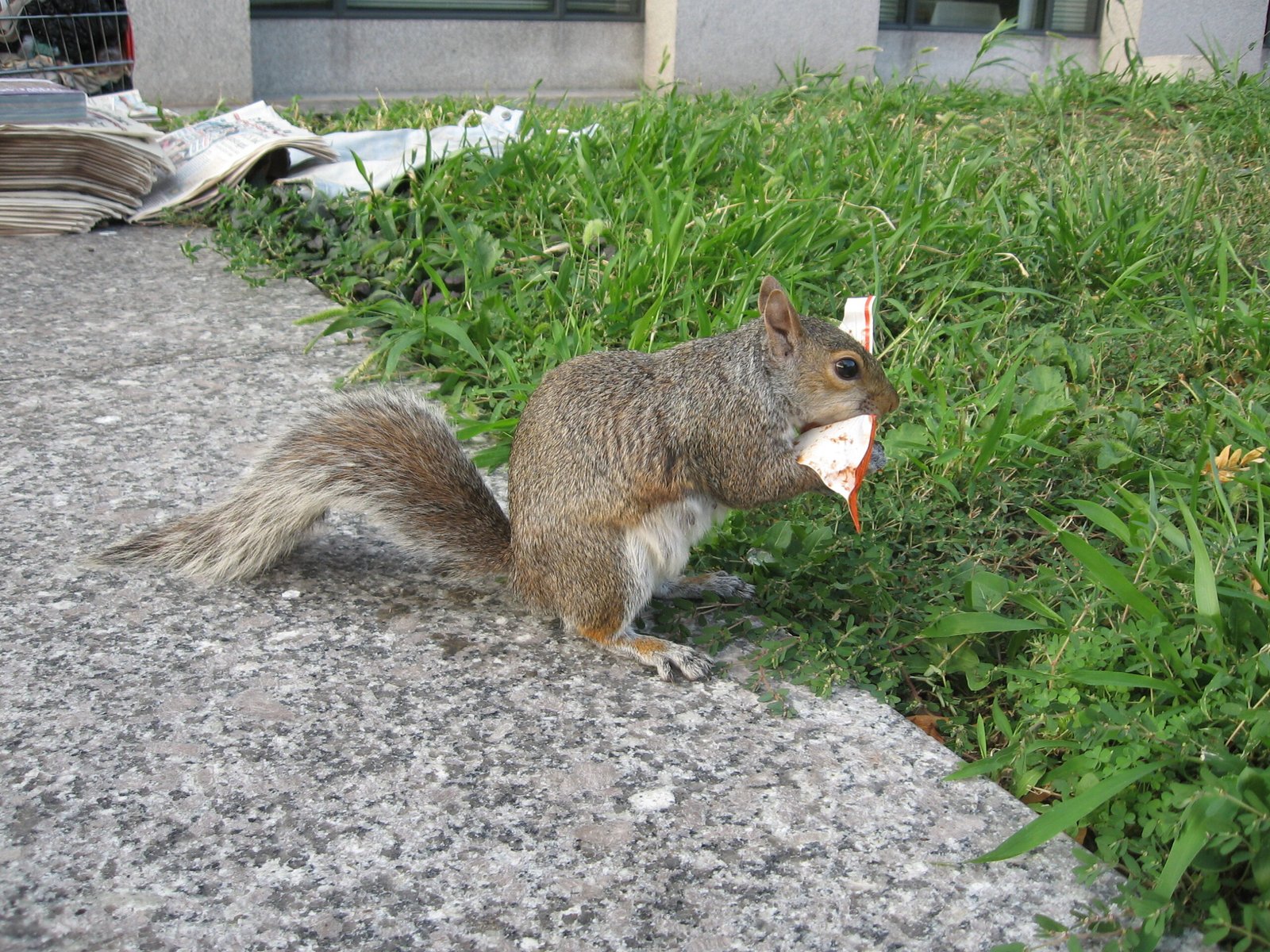
While it’s easy to laugh at the image of a tipsy squirrel, their behavior has real ecological consequences. Squirrels play a vital role in seed dispersal, helping to regenerate forests and maintain healthy ecosystems. However, their raids on birdfeeders can disrupt local bird populations by reducing available food. In urban and suburban areas, large numbers of squirrels can lead to increased competition for resources, sometimes pushing smaller species out. Wildlife experts keep a close eye on these patterns, balancing the needs of different species to maintain ecological harmony.
The Role of Climate in Squirrel Behavior
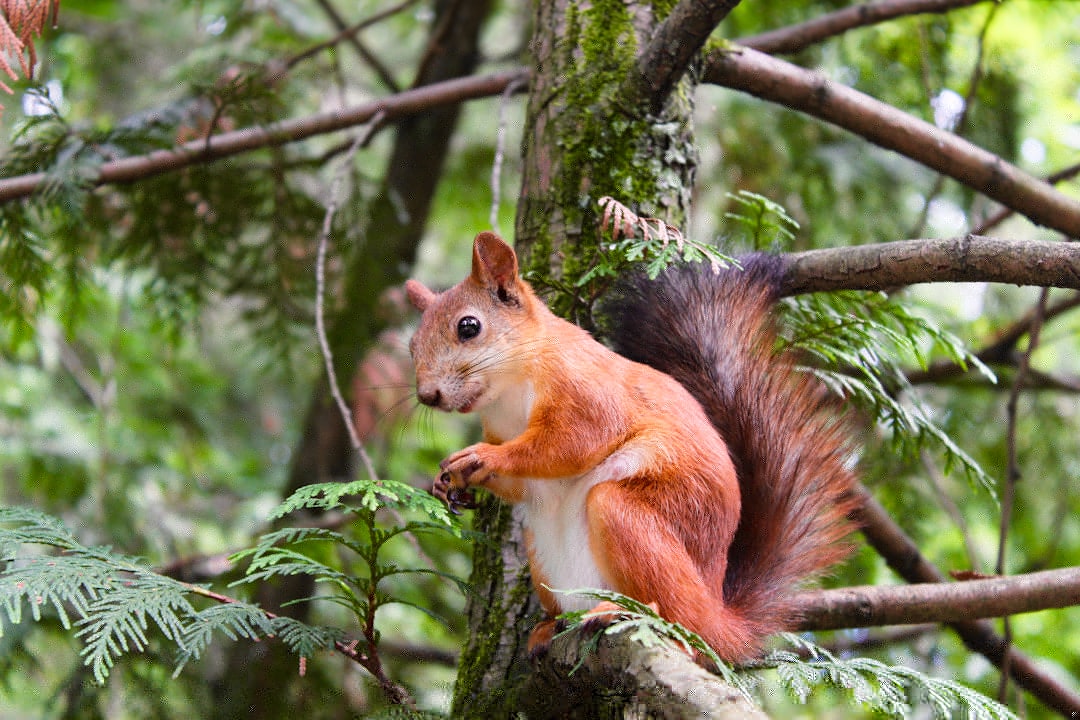
Florida’s warm, humid climate creates the perfect conditions for fruit fermentation. Unseasonably hot spells can speed up this process, leading to more opportunities for squirrels to indulge. Changes in weather patterns, such as late frosts or early heatwaves, can alter the timing and abundance of fruit, impacting both squirrels and their avian neighbors. Climate scientists are increasingly interested in how these subtle shifts affect animal behavior, seeing them as indicators of broader environmental changes.
Wildlife Experts Weigh In
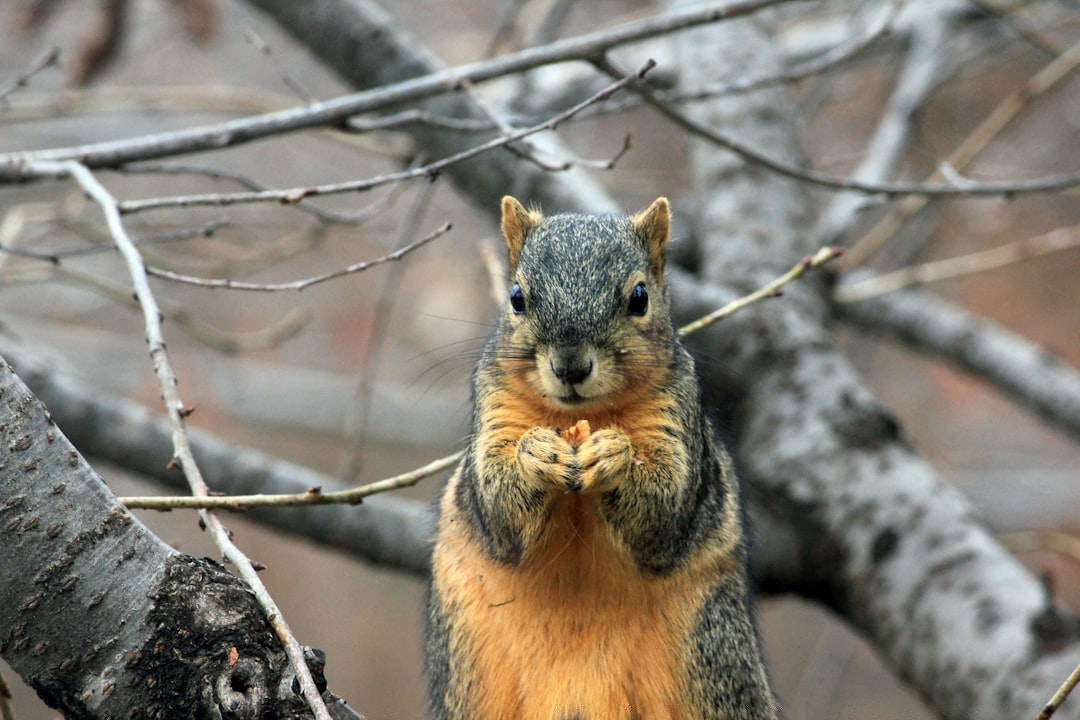
Biologists and wildlife rehabilitators are often called in when a squirrel’s drunken escapades go too far. While most cases resolve on their own, some squirrels become disoriented and wander into dangerous areas, like roads or swimming pools. Experts advise homeowners to remove fallen fruit promptly and to monitor birdfeeders closely during peak fermentation season. “It’s a natural phenomenon, but it’s important to keep an eye on the animals to make sure they’re safe,” says one Florida wildlife specialist. Their advice is simple: enjoy the spectacle, but don’t forget to look out for the animals involved.
Human Attitudes: From Annoyance to Amusement
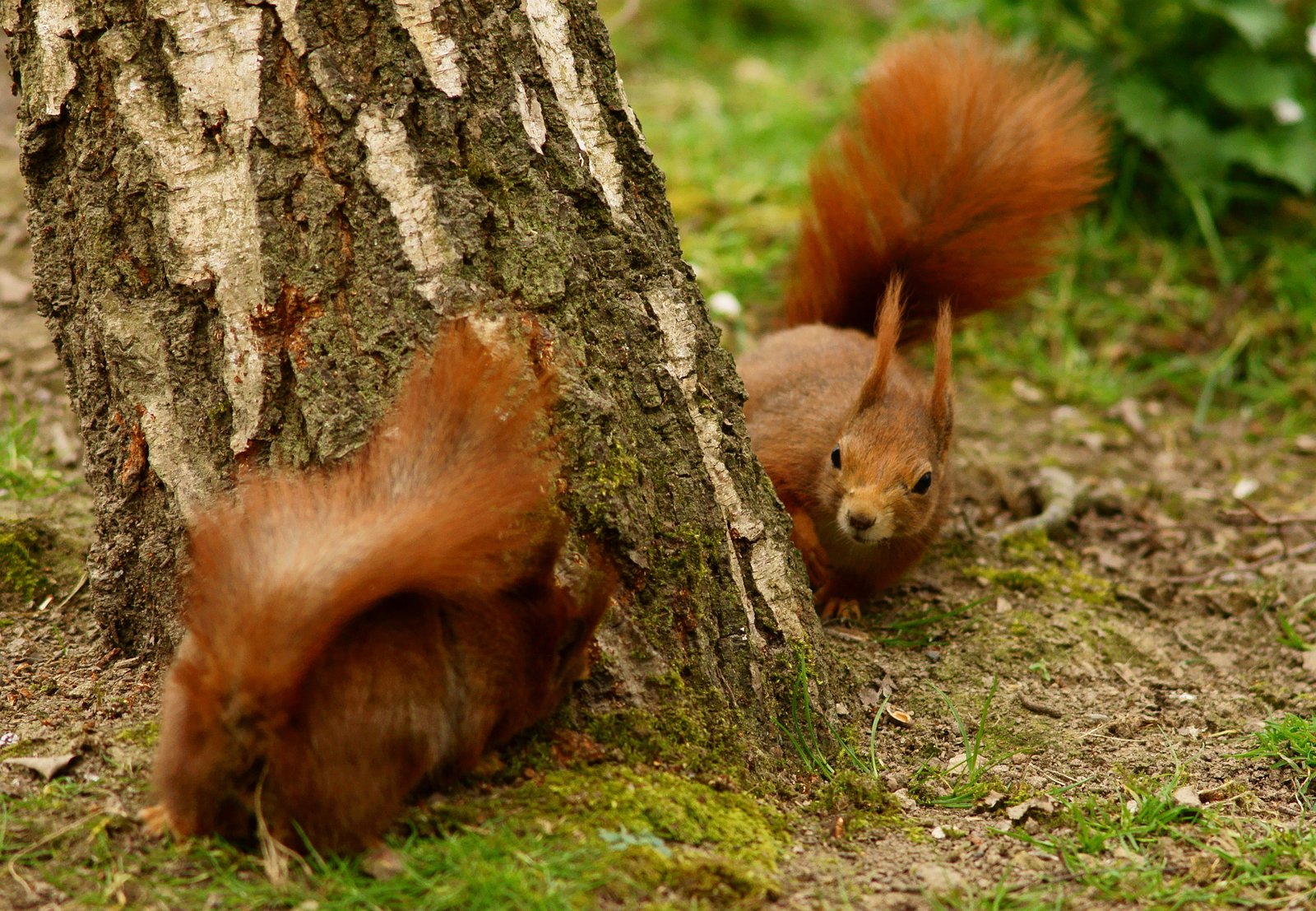
It’s hard not to develop a soft spot for these mischievous rodents. While some homeowners curse their persistence, others find themselves rooting for the underdog (or undersquirrel) in the ongoing battle of wits. The annual squirrel saga has inspired everything from neighborhood squirrel-watching parties to homemade “squirrel ninja warrior” courses. For many, the blend of frustration and fascination has become a cherished part of springtime in Florida — a reminder that nature always finds a way to surprise us.
Creative Deterrents: Outwitting the Outwittable
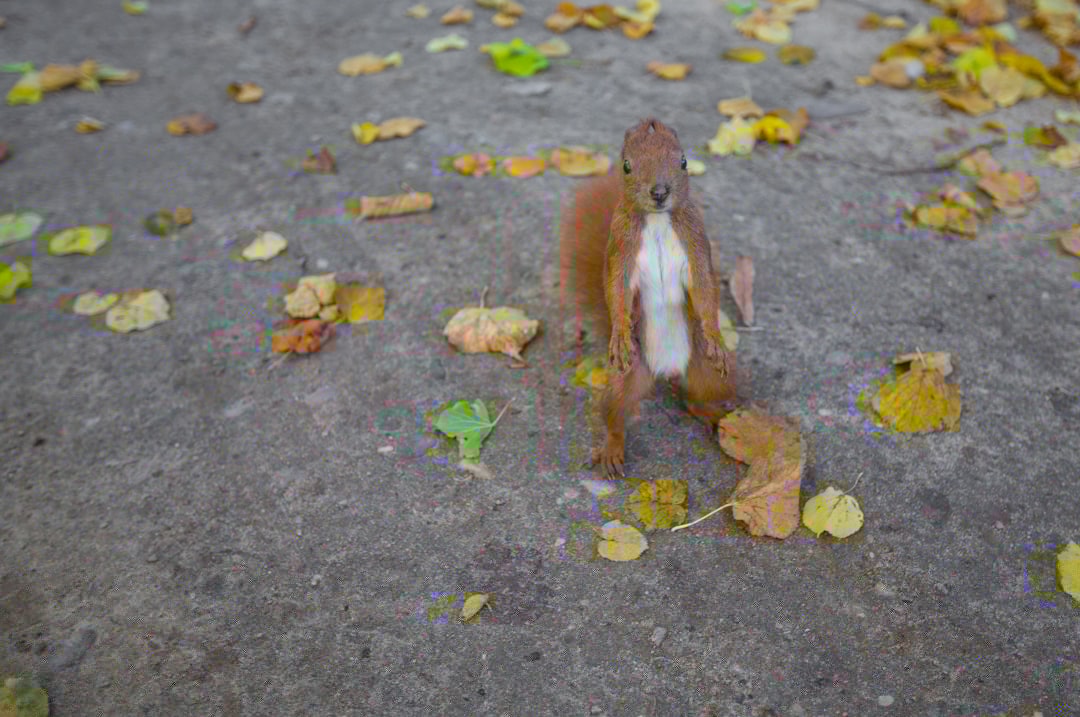
If there’s one universal truth, it’s this: you can’t keep a determined squirrel down for long. But that hasn’t stopped Floridians from trying. Some of the most creative solutions include spinning birdfeeders, greased poles, and even motion-activated sprinklers. There are entire online communities dedicated to sharing tips and tricks for keeping squirrels at bay. Yet, for every new invention, there’s a squirrel ready to rise to the challenge, proving time and time again that persistence is their true superpower.
Comparisons to Other Wildlife Antics

Florida is no stranger to unusual animal behavior, from alligators sunning themselves on golf courses to raccoons raiding garbage cans. However, the annual spectacle of inebriated squirrels is in a league of its own. Unlike other nuisance wildlife, these squirrels bring a certain slapstick charm to their mischief. Their antics have even inspired local artists and storytellers, turning neighborhood chaos into folklore. In a state known for its “Florida Man” headlines, perhaps it’s only fitting that “Florida Squirrel” is gaining fame of its own.
What Does the Future Hold for Florida’s Drunk Squirrels?
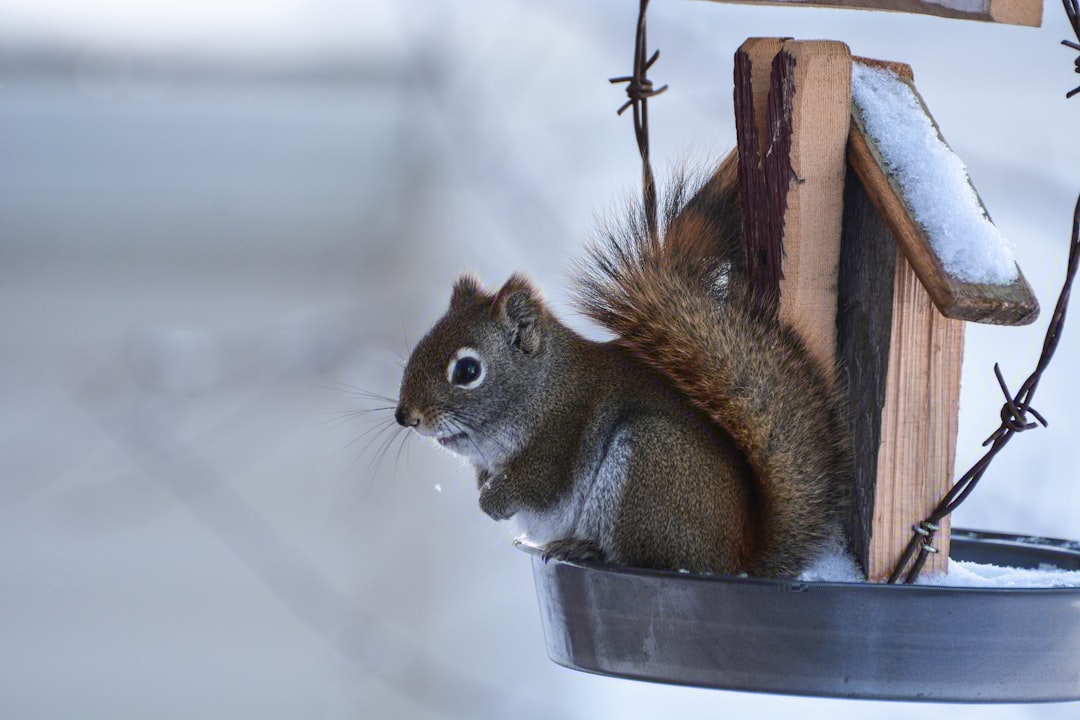
As long as there are fruit trees and birdfeeders, Florida’s squirrels will continue their annual escapades. Climate trends suggest that fermentation events could become more common, potentially leading to even more squirrel shenanigans in years to come. Wildlife researchers are exploring ways to better understand and manage these interactions, hoping to strike a balance between human enjoyment and animal welfare. In the meantime, residents are learning to coexist — sometimes grudgingly, often with a smile — with their persistent, unpredictable, and undeniably entertaining neighbors.
A Glimpse Into Nature’s Resilience
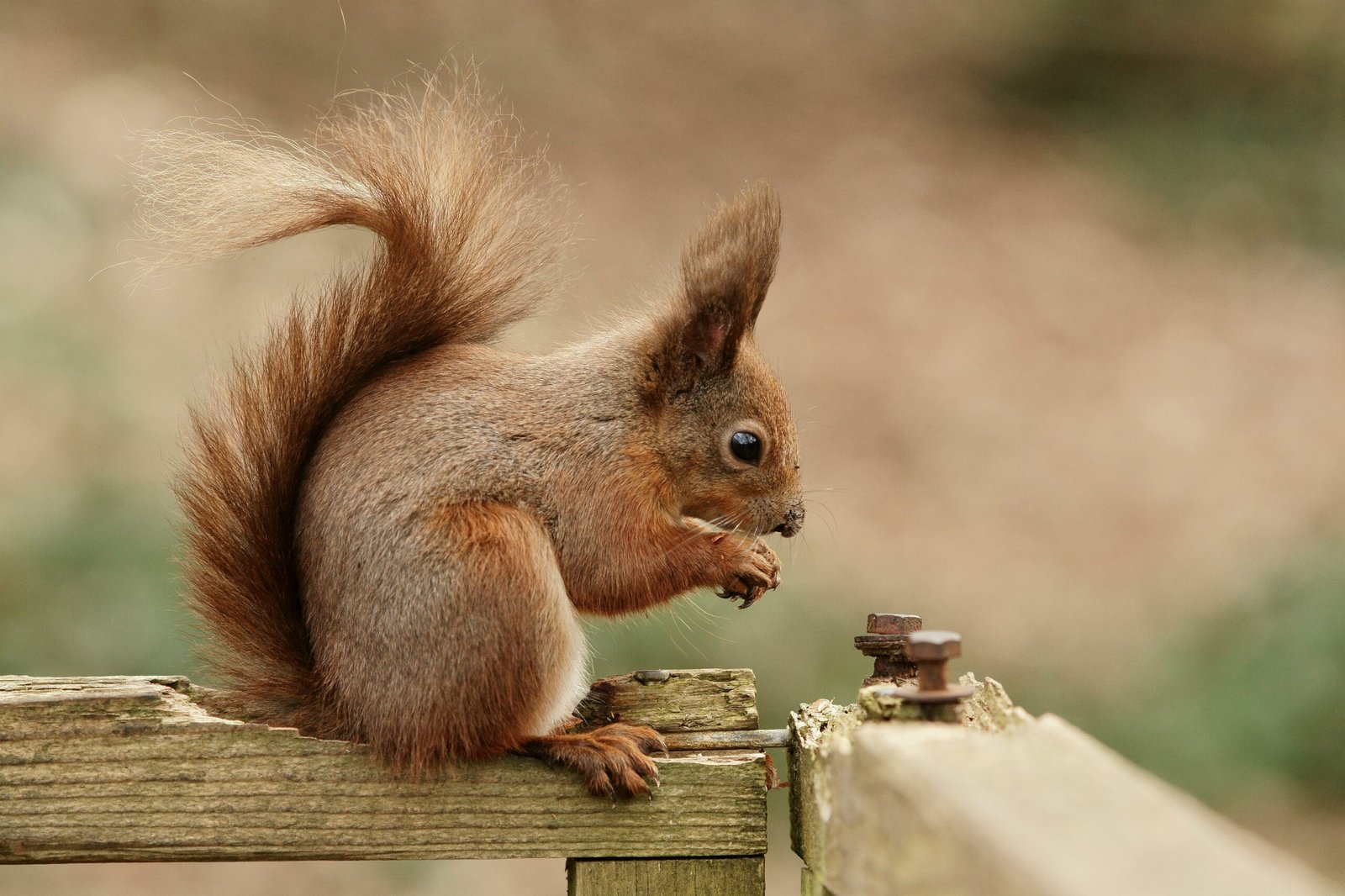
The saga of Florida’s drunk squirrels is more than just a funny backyard story; it’s a testament to the adaptability and resilience of wildlife in the face of changing environments. Every year, these small mammals navigate a landscape shaped by humans, weather, and their own instincts, finding food and fun wherever they can. Their determination, creativity, and occasional mishaps remind us that nature is full of surprises — and that sometimes, the best thing we can do is sit back, watch, and marvel at the spectacle.