There’s something magical about looking up and seeing a flock of birds gliding together in perfect harmony, painting the sky with their synchronized movements. But have you ever wondered why flamingos, cranes, and pelicans all form such striking aerial patterns—yet do it in their own unique ways? The sky, it turns out, is not just a highway for birds; it’s a complex stage where science, instinct, and survival play out in spectacular fashion. From the shimmering pink ribbons of flamingos at dawn to the elegant V-shaped squadrons of cranes and the commanding lines of pelicans over the sea, each species brings its own flair to the art of formation flying. Let’s dive into the mesmerizing world of these avian aviators and unravel the secrets behind their airborne choreography.
The Science Behind Formation Flying
Formation flying isn’t just for show—it’s a strategy deeply rooted in physics and biology. When birds fly in groups, especially in a V or line formation, they take advantage of the aerodynamic effects created by the flapping wings of their neighbors. The lead bird works the hardest, breaking the air, while those behind benefit from upwash and reduced air resistance. This means less energy spent for everyone except the leader, who is periodically rotated. For flamingos, cranes, and pelicans, this principle forms the backbone of their group flights, but each species tweaks this basic science to suit their own needs and environments.
Why Do Birds Fly in Formation?
The reasons behind formation flying are as varied as the birds themselves. Energy savings is a major factor—science shows that birds in formation can travel up to 70% farther than if they flew solo. But there’s more to it than just saving fuel. Flying together helps birds stay safe from predators, navigate over long distances, and communicate more effectively. For migratory species like cranes, covering thousands of miles without formation flying would be nearly impossible. For others, formation flying is about social bonding, finding food, or even impressing potential mates.
Flamingos: The Pink Ribbon in the Sky
Few sights are as breathtaking as a flock of flamingos sweeping across the sky, their pink feathers glowing in the sunlight. Unlike the rigid V-formation of cranes or pelicans, flamingos tend to form loose, undulating lines or ribbons. Their flight is less about strict aerodynamics and more about keeping the flock together as they move between feeding and nesting sites. The constant shifting and shimmering of the formation make it seem almost liquid, reflecting the watery habitats they love. This flexible approach allows flamingos to adjust quickly to changing winds, threats, or opportunities.
Cranes: Masters of the V-Formation
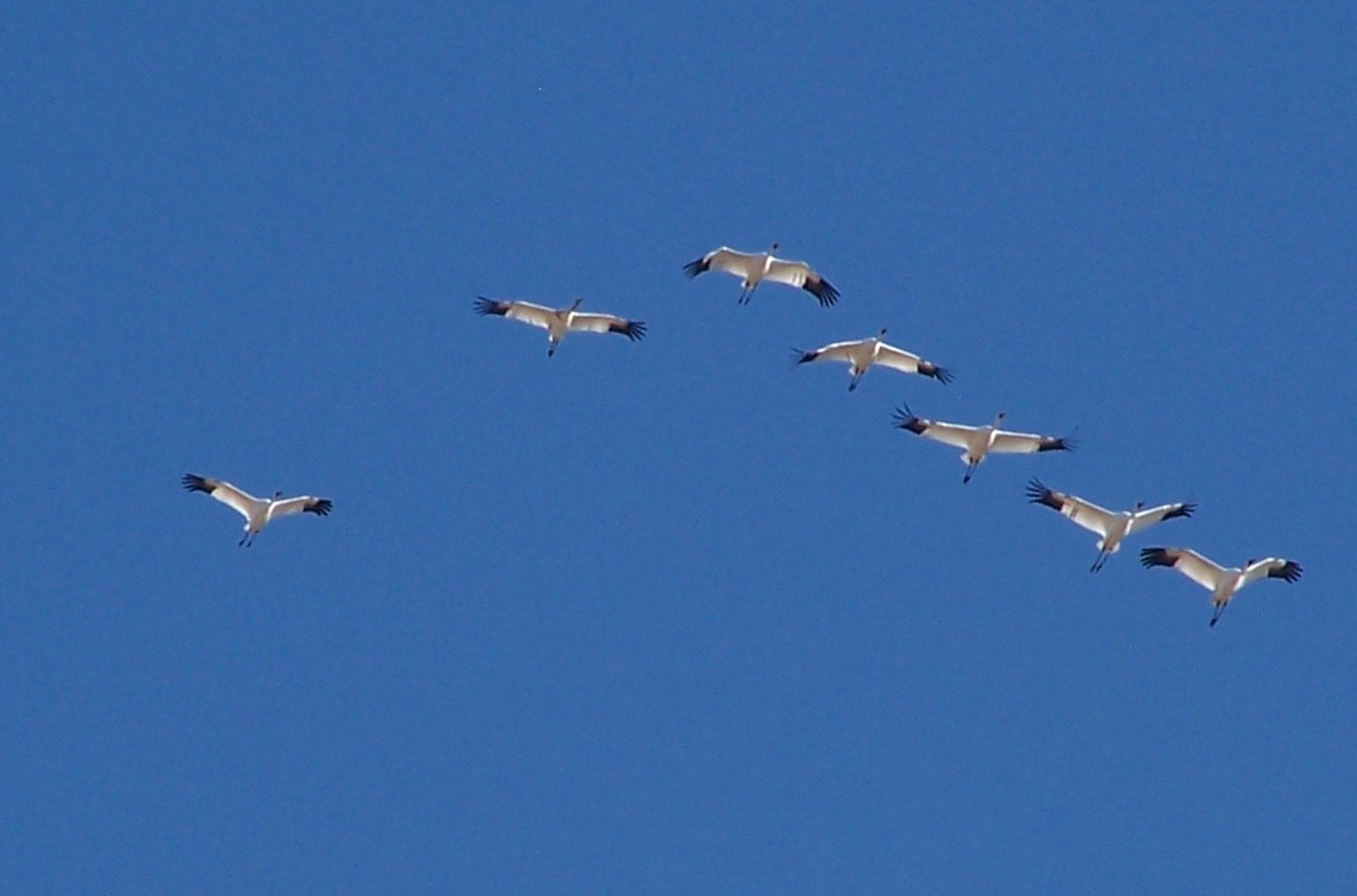
Cranes are perhaps the poster birds for the classic V-formation. When you see a group of cranes migrating, their V is often sharp and well-defined, with each bird precisely spaced to take advantage of the upwash from the bird ahead. Scientists have observed that cranes even synchronize their wingbeats, maximizing the aerodynamic benefits and reducing fatigue. This discipline is crucial for their epic migrations, which can stretch thousands of miles between breeding and wintering grounds. For cranes, the V-formation is a lifeline, a way to cross continents with remarkable efficiency.
Pelicans: Skimming the Surface in Line
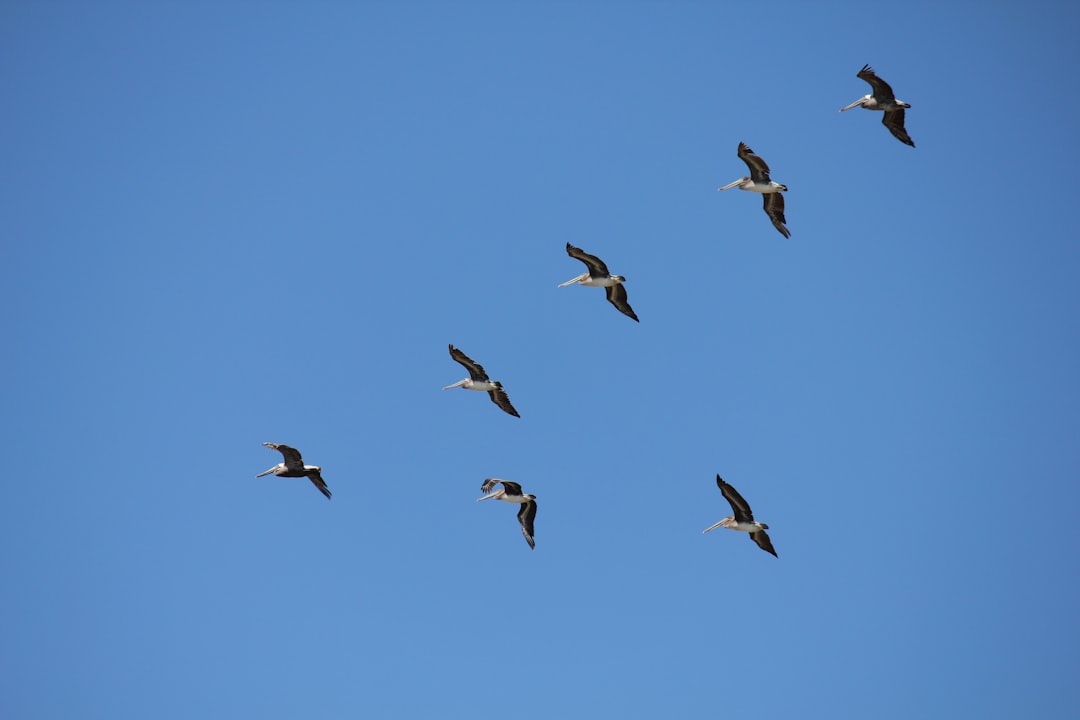
Pelicans take formation flying to another level by hugging the water’s surface in long, straight lines. This behavior lets them exploit a phenomenon called “ground effect,” where flying close to the ground (or water) reduces drag and makes flight more efficient. Watching a squadron of pelicans glide inches above the waves is like seeing a living train, each bird perfectly in step with its neighbor. This technique is especially useful during lengthy coastal flights, where conserving energy is the difference between a successful journey and exhaustion.
Comparing Formations: V, Line, and Ribbon
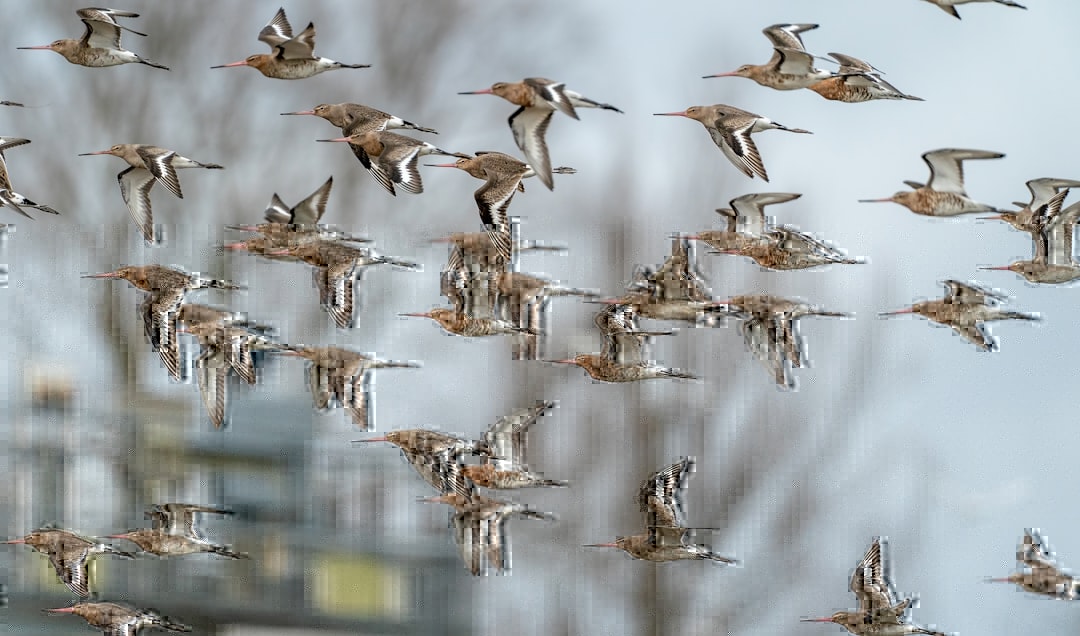
Each of these birds has evolved distinct strategies for group flight, shaped by their bodies, environments, and needs. Cranes favor the classic V, where precision rules and every bird knows its place. Pelicans opt for straight lines, making the most of their large wings and the lift from the water. Flamingos, meanwhile, prefer flowing ribbons, staying close but flexible. These differences highlight the adaptability of birds and the creative ways they solve the challenges of long-distance travel.
Communication in the Air

Formation flying isn’t just about wings and wind; it’s also about communication. Birds use calls, body language, and even subtle changes in flight pattern to signal shifts in direction or warn of danger. Cranes, for instance, have a haunting, bugle-like call that can be heard for miles, helping keep the flock coordinated. Flamingos rely more on visual cues, watching for shifts in the line or changes in altitude. Pelicans, less vocal, depend on the steady rhythm of their wingbeats and the tight spacing of their line.
The Role of Leadership and Rotation
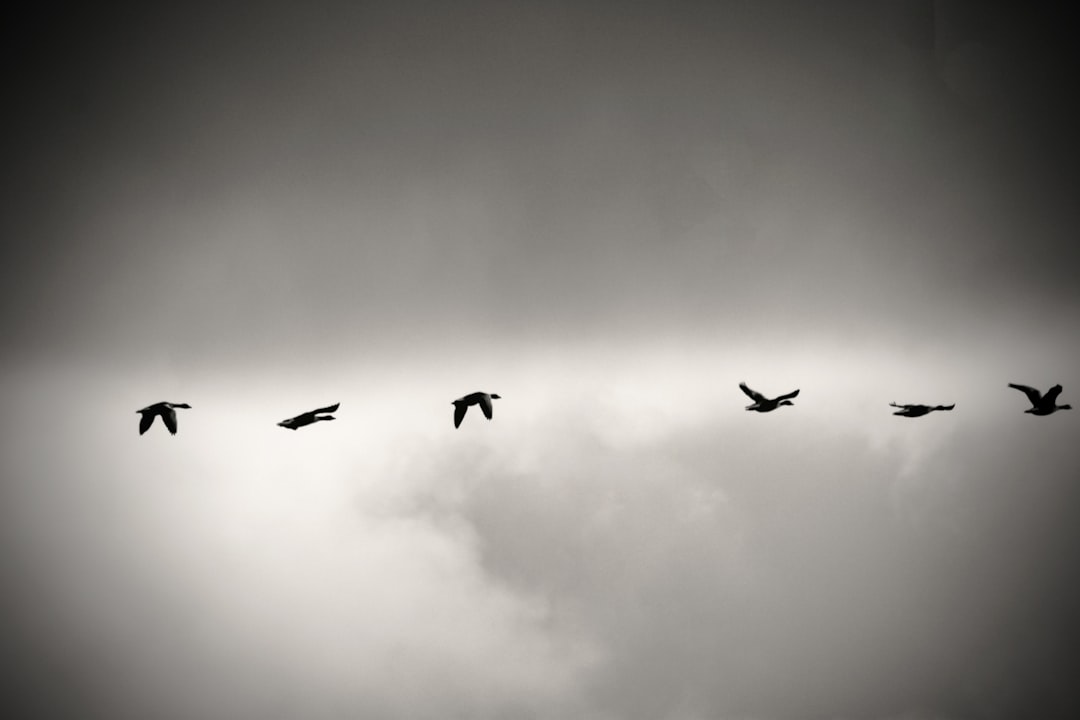
Leadership in bird formations is a shared responsibility. The lead bird faces the brunt of wind resistance, so flocks rotate this vital role to prevent exhaustion. In cranes, this rotation is almost ritualistic, with birds taking turns and moving back through the V as needed. Flamingos, with their looser formations, may not rotate as systematically, but individuals still shift positions to share the workload. Pelicans, too, switch leaders, especially during long flights over open water. This teamwork ensures that no single bird burns out before reaching the destination.
Energy Conservation: The Key to Migration
Migrating birds face enormous energy demands, often flying nonstop for hundreds or even thousands of miles. Formation flying is like drafting in cycling or racing—the birds behind the leader use up to 20-30% less energy. This energy savings is critical for survival, especially for cranes crossing deserts or pelicans making oceanic journeys. Flamingos, who may travel great distances between wetlands, also benefit, though their formations are less regimented.
Adapting to Weather and Landscape
The sky is never the same two days in a row, and birds must constantly adapt their formations to shifting winds, storms, and landscapes. Cranes will tighten or loosen their V depending on turbulence. Pelicans might break formation to ride thermals or avoid rough seas. Flamingos, ever the improvisers, can quickly bunch together or spread out as conditions demand. This adaptability is a testament to their intelligence and the evolutionary pressures that have shaped their behavior.
Social Dynamics Within the Flock
Formation flying also reflects the complex social lives of these birds. Cranes often migrate in family groups, with pairs and their offspring sticking close together. Flamingos are famously social, forming flocks of thousands, where relationships shift and change like the flight patterns themselves. Pelicans, though less overtly social, still rely on cooperation and coordination, especially when hunting or traveling. These social bonds are strengthened in the air, where trust and teamwork are matters of life and death.
Learning to Fly in Formation
Young birds aren’t born knowing how to fly in formation—they have to learn by watching and imitating their elders. Juvenile cranes practice flying in small groups before joining the full migration. Young flamingos follow their parents, gradually learning the cues and signals that keep the flock together. Pelican chicks may practice short flights along the shoreline, getting the hang of line formations before tackling longer journeys. This learning process is both instinctive and social, blending genetics and experience in a way that’s uniquely avian.
Predator Avoidance and Safety
Flying in formation isn’t just about energy—it’s also about safety. A tightly packed flock is harder for predators to single out. The shifting, shimmering lines of flamingos can confuse attackers. Cranes in a V can quickly break apart and scatter if threatened. Pelicans, with their imposing size and coordinated movement, present a united front that deters most would-be predators. In the sky, unity really does mean strength.
Navigation and Orientation
Long-distance navigation is a marvel in itself, and formation flying helps birds keep everyone on course. Cranes and pelicans rely on experienced leaders to set the route, often following ancient migratory paths encoded in their genes. Flamingos use landmarks, the sun, and even the Earth’s magnetic field to find their way. Flying together increases the chances that at least some birds know the way, reducing the risk of getting lost. It’s like a living GPS, powered by instinct and experience.
The Impact of Climate Change on Formation Flying
As the climate shifts, the habitats and migration routes of these birds are changing too. Wetlands are drying up, coastlines are eroding, and weather patterns are becoming more unpredictable. Flamingos may have to fly farther to find food and nesting sites. Cranes might face stronger headwinds or storms during migration. Pelicans could struggle as fish stocks move or disappear. These challenges test the flexibility of formation flying and the resilience of the birds themselves.
What We Can Learn from Avian Flight Formations
There’s a lot we humans can take away from watching birds in formation. The power of teamwork, the importance of communication, and the wisdom of sharing leadership are lessons that resonate far beyond the animal kingdom. Scientists study these formations to design better aircraft and drones. Nature lovers find inspiration in the beauty and precision of avian flight. Ultimately, the skies remind us that even the smallest creatures can teach us about cooperation, resilience, and the art of moving forward—together.