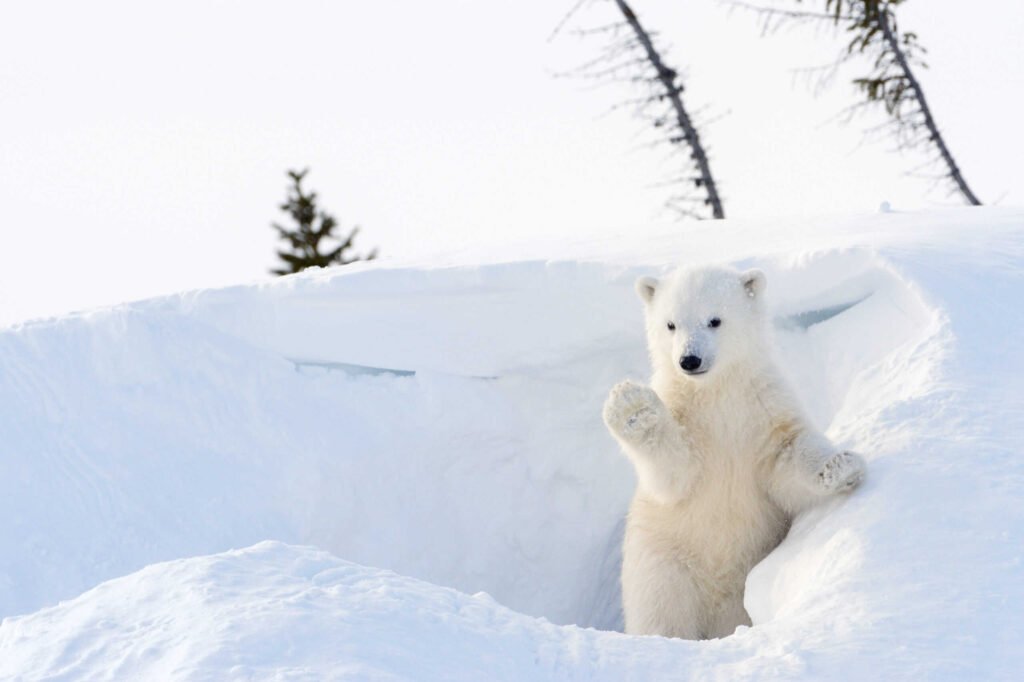

The magical moment when polar bear cubs take their first steps outside their den is not just a heartwarming spectacle but also a significant event in understanding these majestic creatures. Witnessing this rare footage is an opportunity to glean insights into the early stages of life for one of the Arctic’s most iconic inhabitants. The footage not only captivates animal lovers but also contributes valuable knowledge to scientists dedicated to studying and conserving polar bears amidst a rapidly changing world. This article delves into the wonder and significance of these first steps, uncovering layers of information about their habitat, behavior, and the challenges they face.
Understanding Polar Bear Dens
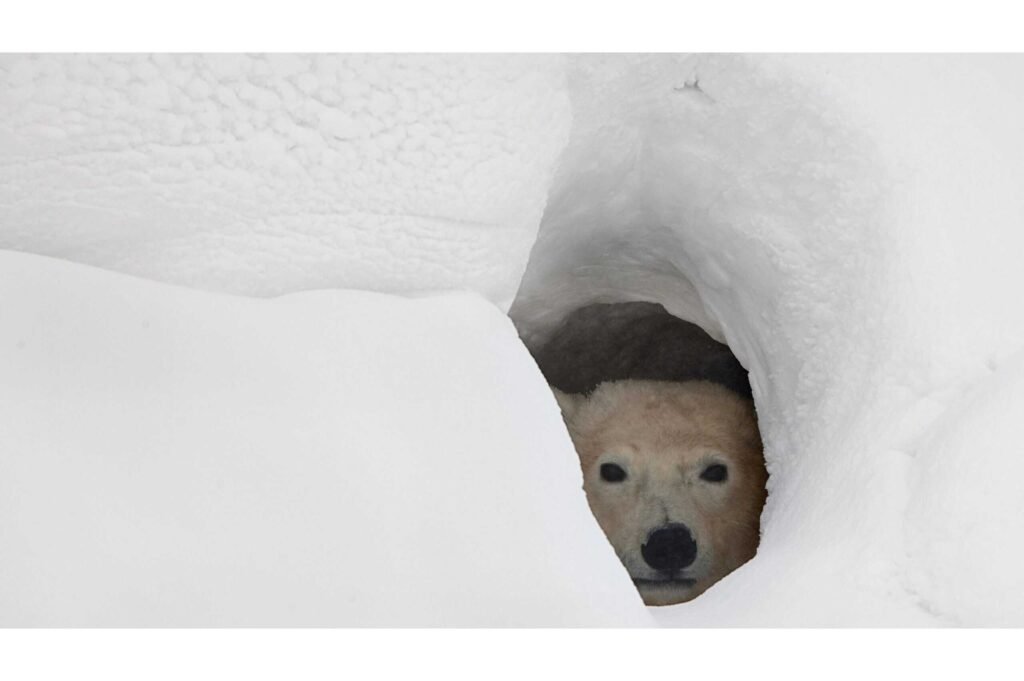
Polar bears rely on dens as secure locations where mothers can nurture their cubs through the critical early stages of life. Typically formed in snowdrifts or on sea ice, these dens provide warmth and protection against the harsh Arctic conditions. During the denning period, which usually lasts from October to March, mother polar bears give birth and care for their young until they are strong enough to venture outside.
The Birth and Early Life of Polar Bear Cubs
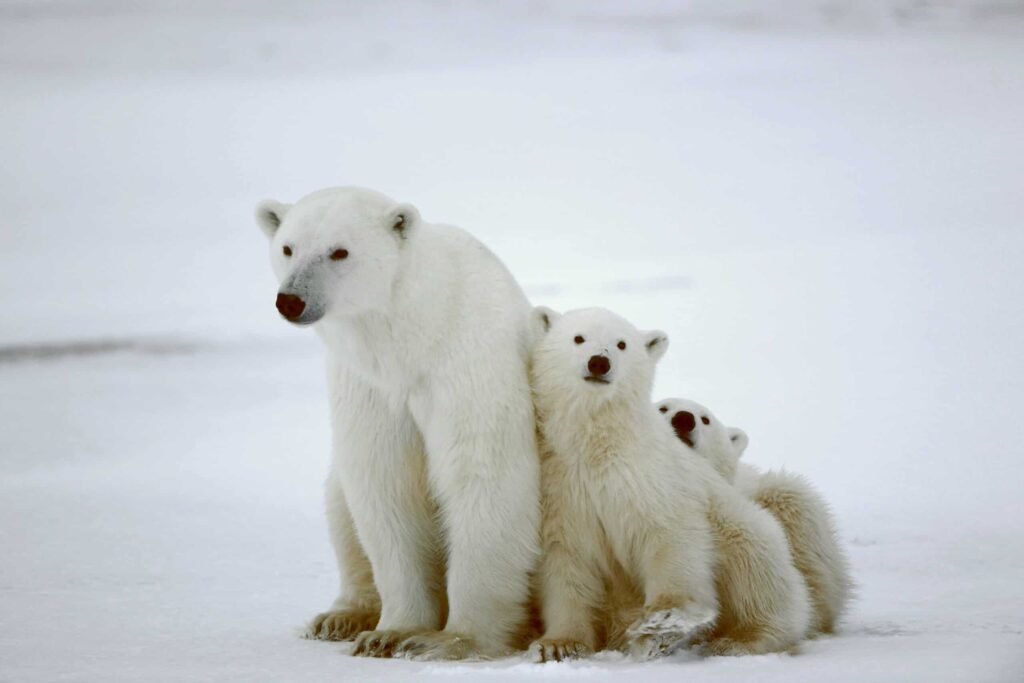
Polar bear cubs are usually born in December or January, emerging as tiny, helpless creatures weighing less than a kilogram. Blind and covered in a thin layer of fur, they require constant care and warmth from their mother. In the confines of the den, the cubs feed on their mother’s rich milk, which helps them grow rapidly in preparation for their emergence into the world.
The Significance of Emerging Cub Footage
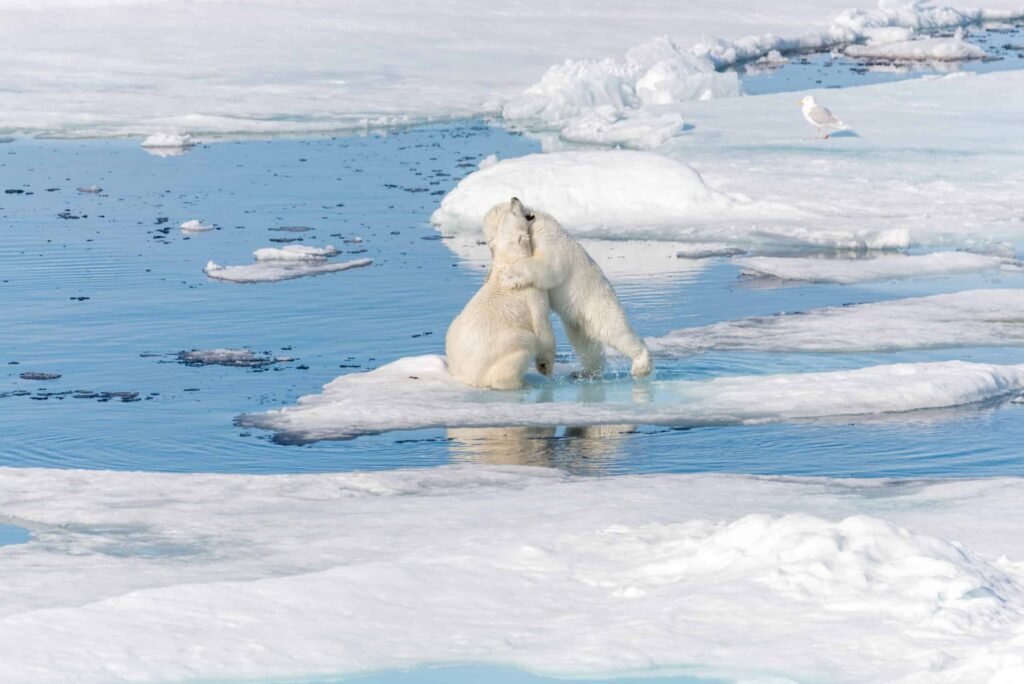
The rare footage of polar bear cubs emerging from their dens offers a priceless glimpse into a key moment in their development. This footage helps scientists monitor cub health and behavior, understand maternal care, and evaluate the impact of environmental factors on polar bears. Each recorded emergence contributes to the broader body of knowledge required to develop effective conservation strategies.
Adapting to Life Outside the Den
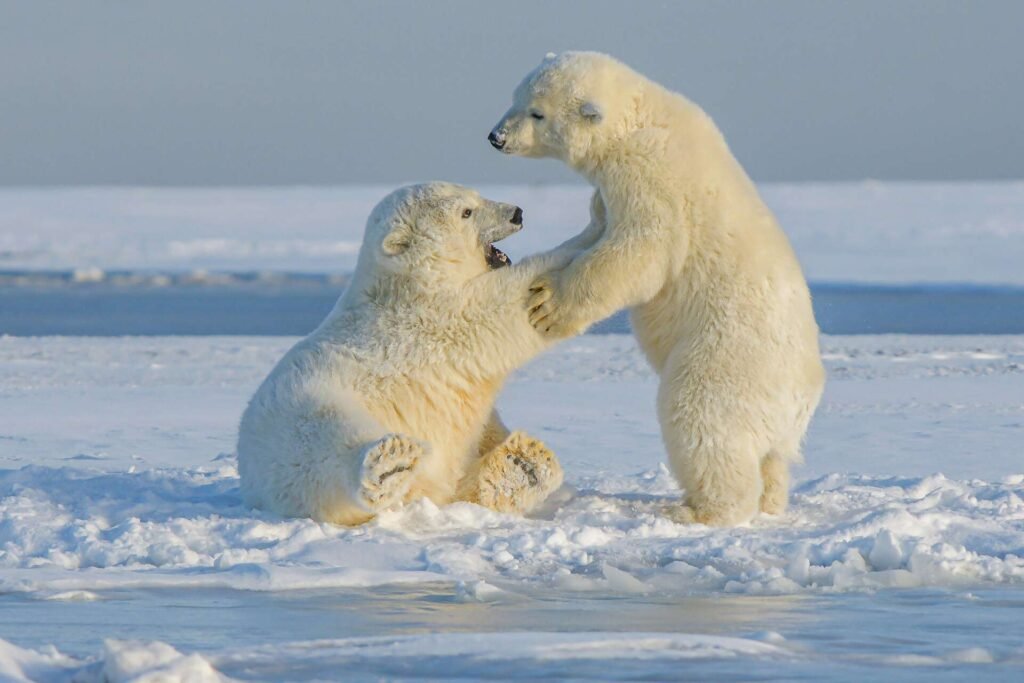
Upon leaving the den, polar bear cubs face a daunting and challenging environment. They must adapt quickly to the cold Arctic climate, learn to navigate the snowy terrain, and develop crucial survival skills. Under the watchful eye of their mother, cubs begin to explore their surroundings, honing their abilities in preparation for the independent life that lies ahead.
Impact of Climate Change on Polar Bear Dens
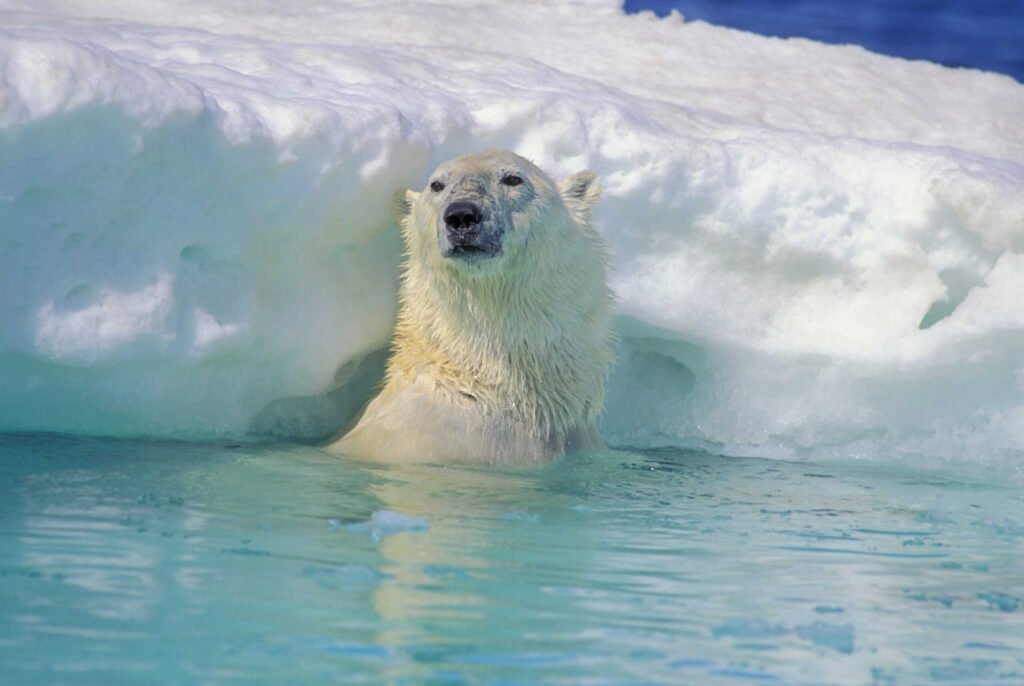
Climate change poses a significant threat to the stability of polar bear habitats. Warming temperatures lead to the melting of sea ice and snow, which can disrupt denning sites and reduce available space for dens. This environmental pressure challenges the survival of polar bears, making the protection of their habitats critical for their future.
The Role of Technology in Capturing Footage

Advanced camera technology has made it possible to capture high-quality footage of polar bear cubs emerging from their dens without disturbing the animals. Remote-operated cameras and drones provide researchers with detailed observations, enabling them to study polar bear behavior and cub development while minimizing human impact.
Conservation Efforts and Future Challenges

Understanding the experiences of polar bear cubs is essential for conservation efforts. Organizations across the globe are working tirelessly to protect polar bear habitats, promote sustainable practices, and raise awareness of the threats posed by climate change. Continued research and funding are vital to ensuring the survival of polar bears in the wild.
Conclusion: A Glimpse into the Wild

The footage of polar bear cubs stepping into the wild is more than a captivating scene; it is a window into the lives of one of nature’s most enigmatic creatures. Every glimpse captured aids in the understanding of their behaviors and the challenges they face in a changing world. As we celebrate these first steps, we are reminded of the importance of conservation and the collective responsibility to preserve the fragile Arctic habitat that polar bears call home.