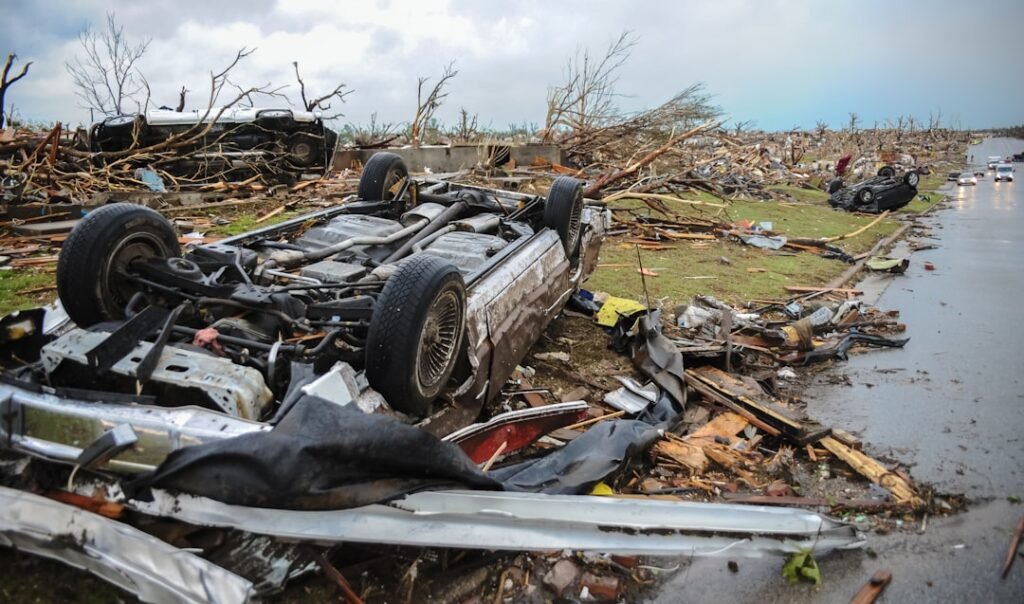


A Bold Plan to Reshape Emergency Response (Image Credits: Unsplash)
As federal agencies face pressure to reduce bureaucracy and boost efficiency, the Federal Emergency Management Agency stands at a crossroads, with proposed downsizing measures sparking debate over their impact on handling intensifying weather events.
A Bold Plan to Reshape Emergency Response
The push for downsizing FEMA emerged prominently in late 2025, when a task force appointed by President Donald Trump recommended sweeping changes to the agency. Officials outlined a vision to halve the workforce and introduce block grants, aiming to empower states and localities with faster, less red-tape-laden aid distribution. This approach sought to address long-standing criticisms of FEMA’s slow response times during major disasters.
By early 2026, internal documents revealed preparations for significant staff reductions, including up to thousands of disaster responders. The Department of Homeland Security signaled that cuts would occur in phases, targeting core and surge personnel essential for on-the-ground operations. Proponents argued that such reforms would eliminate redundancies and refocus resources on prevention rather than reaction.
Yet, these plans arrived as climate-driven weather patterns grew more unpredictable, with forecasts predicting an active hurricane season and increased wildfire risks. Emergency management experts expressed concerns that a leaner FEMA might struggle to coordinate national efforts effectively.
Weather Forecasting Takes a Hit from Related Cuts
Parallel reductions at the National Weather Service and NOAA compounded worries about FEMA’s viability. Budget slashes led to the loss of hundreds of forecasters and support staff, impairing data collection tools like weather balloons and radar systems. These agencies, once robust pillars of prediction, now operated with diminished capacity, potentially delaying critical warnings for floods, storms, and heatwaves.
In Texas, recent flooding highlighted the stakes: timely alerts saved lives, but experts noted underestimations in rainfall projections due to staffing shortages. A downsized forecasting network could exacerbate such issues, leaving communities vulnerable as severe weather events intensify nationwide.
The interconnectedness of these agencies became clear; accurate predictions directly inform FEMA’s deployment strategies. With fewer experts on board, the margin for error in anticipating disasters narrowed, raising questions about overall resilience.
Balancing Efficiency Gains Against Response Risks
Advocates for the overhaul pointed to FEMA’s historical inefficiencies, citing instances where federal aid lagged behind local needs during hurricanes and wildfires. The proposed block grant system promised quicker fund releases to states, bypassing layers of federal oversight that often prolonged recovery. This model drew inspiration from past reforms, emphasizing self-reliance at the state level to handle routine emergencies.
However, critics warned of uneven capabilities across regions. Poorer states, reliant on federal surge teams, might face prolonged hardships without FEMA’s full support. Internal emails from December 2025 instructed leaders to model scenarios with up to 50% staff cuts, underscoring the depth of anticipated changes.
- Workforce reduction targets core disaster responders, potentially affecting rapid deployment.
- Block grants aim to accelerate aid but require states to build stronger infrastructures.
- Integration with local partners could mitigate gaps, though training lags persist.
- Focus shifts toward prevention programs, like flood insurance enhancements.
- Monitoring mechanisms would track outcomes to adjust as needed.
Looking Ahead to a Stormier 2026
As 2026 unfolds, the initial wave of terminations at FEMA began, with dozens of response staff affected in the first weeks. Homeland Security Secretary Kristi Noem defended the moves as essential for a more agile agency, aligned with broader government efficiency drives. Still, the timing – mere months before peak storm season – drew sharp scrutiny from lawmakers and aid organizations.
Reports from CNN and The Washington Post detailed the internal planning, revealing a tension between fiscal restraint and public safety imperatives. While no outright elimination of FEMA loomed, the overhaul promised a fundamental shift in how America confronts weather-related crises.
| Aspect | Pre-Downsizing | Post-Overhaul Projection |
|---|---|---|
| Workforce Size | Full federal complement | Reduced by up to 50% |
| Aid Delivery | Centralized federal control | State-led block grants |
| Forecast Integration | Robust NOAA support | Streamlined but strained |
Key Takeaways
- Downsizing aims to cut bureaucracy but risks slowing disaster coordination.
- Weather agency cuts have already weakened forecasting accuracy.
- States must prepare for greater responsibility in an era of frequent storms.
In the end, FEMA’s transformation underscores a pivotal choice: prioritize lean operations or bolster defenses against escalating weather threats. As communities brace for what lies ahead, the true test will come with the next major event. What do you think about these changes? Tell us in the comments.