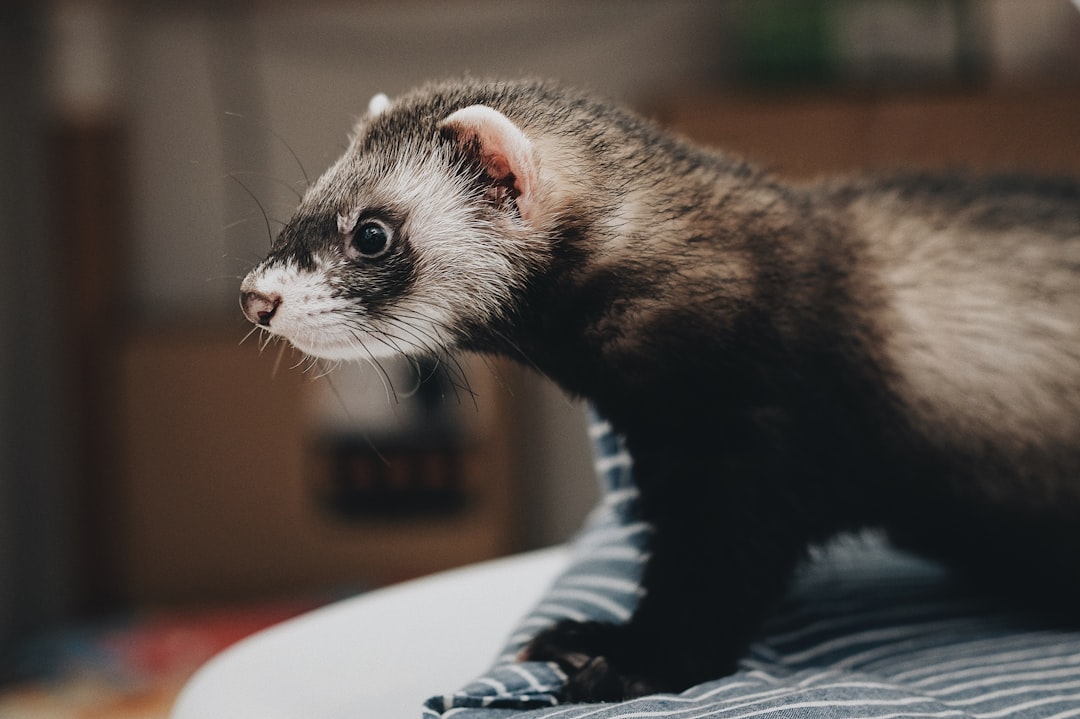
In the world of science, especially in the field of particle physics, one might expect to find complex machinery, high-energy beams, and scientists in lab coats. But a ferret? It sounds like the beginning of a joke, yet Felicia the Ferret holds a unique place in the annals of scientific history. Her story is both amusing and illustrative of the innovative spirit that often characterizes scientific endeavors. Felicia was not just a curious critter; she was a crucial part of a groundbreaking project at a particle accelerator. Her tale is a testament to the creative problem-solving that sometimes involves thinking outside the box—or rather, outside the traditional laboratory setting.
Felicia’s Unlikely Role in Science
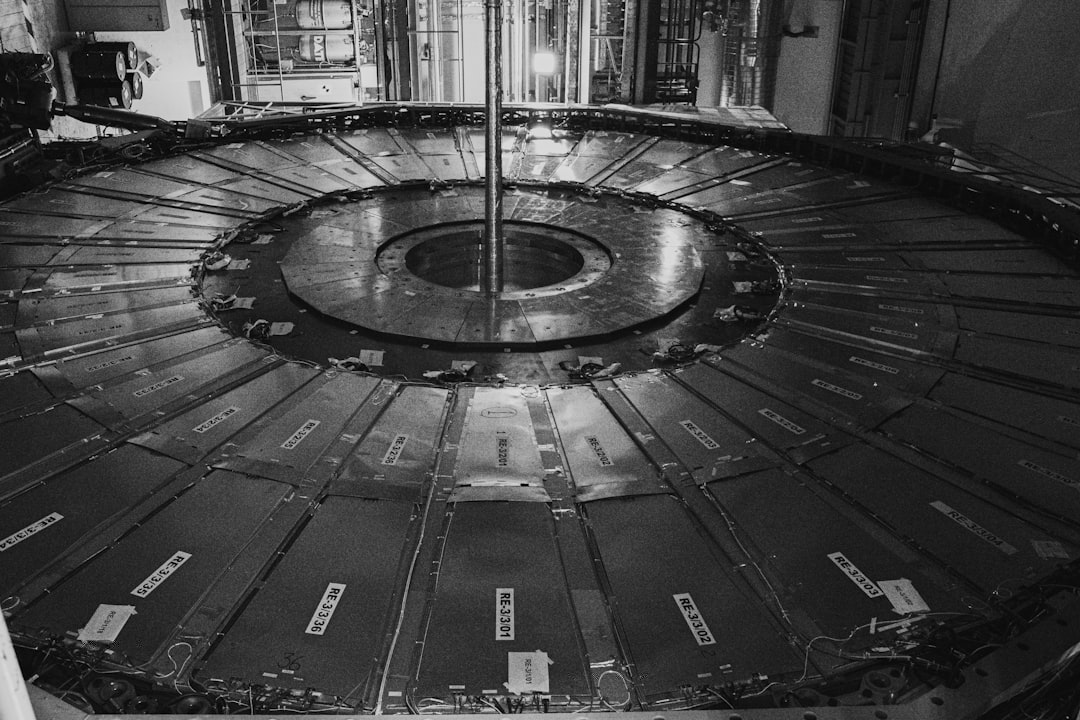
Felicia the Ferret was not your ordinary animal resident of a particle accelerator. In fact, her presence in such a high-tech environment was both surprising and ingenious. Unlike the typical use of sophisticated instruments or robots, Felicia was brought in for a very practical reason. Her small size and natural curiosity made her an ideal candidate for a task that seemed almost tailor-made for her. This unique situation highlights how sometimes the simplest solutions can be the most effective, even in the most advanced scientific settings.
Why a Ferret? The Need for an Unconventional Solution
The choice to use a ferret was not made lightly. Particle accelerators, with their intricate and lengthy tunnels, often require maintenance and cleaning that can be both meticulous and challenging. Engineers faced a problem: how to effectively clean and maintain these tunnels without interrupting operations or investing in costly, complex machinery. Enter Felicia, whose slender body and natural inclination to explore tight spaces provided the perfect solution. The decision to use a ferret was driven by necessity and practicality, a reminder that sometimes innovation comes in unexpected forms.
How Felicia Got Involved
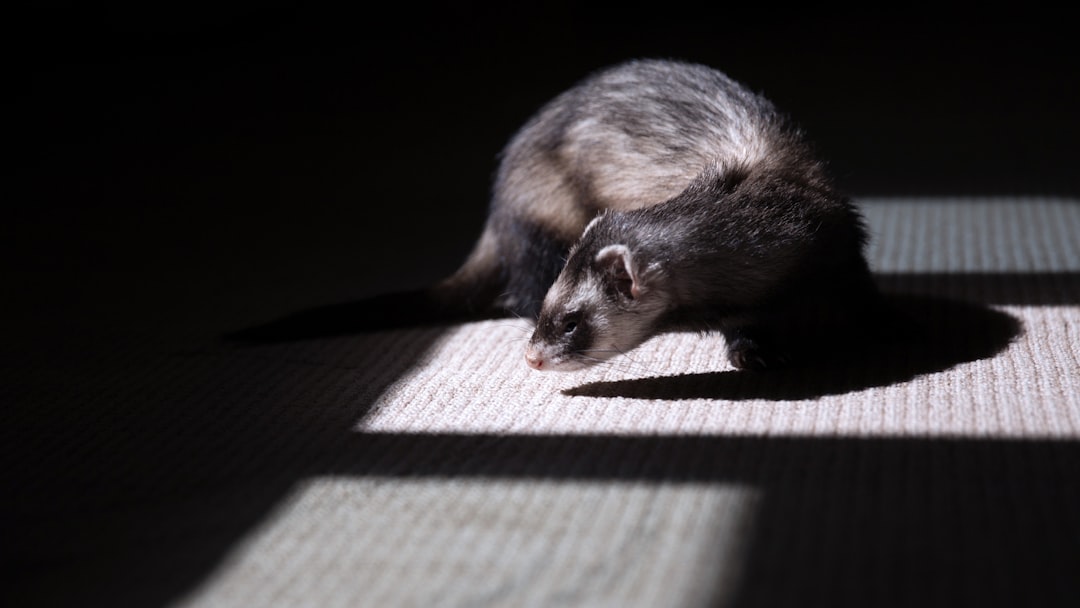
Felicia’s journey from a typical ferret to a scientific assistant began with a simple yet brilliant idea. Scientists at Fermilab, a major U.S. particle physics laboratory, envisioned using her to pull a string through the tunnels, which could then be used to clean and maintain these areas. Her involvement was not just a whimsical choice but a strategic one. Felicia was trained to traverse the accelerator’s tunnels, effectively pulling a cleaning cloth behind her. This clever method proved to be both efficient and effective, showcasing the potential of using animals in roles traditionally reserved for technology.
Training Felicia: A Unique Challenge
Training a ferret to assist in scientific operations was no small feat. Felicia needed to become accustomed to the environment of the particle accelerator, which was vastly different from her natural habitat. This involved a period of acclimatization and training, where she was gradually introduced to the task at hand. The scientists employed gentle and positive reinforcement techniques to encourage her cooperation. The process was a testament to the patience and creativity of the team, who understood the importance of Felicia’s role in their project.
The Impact of Felicia’s Work
Felicia’s contributions were more than a mere novelty; they had a tangible impact on the efficiency and maintenance of the accelerator. By performing a task that would otherwise be labor-intensive and time-consuming for humans, she helped streamline operations and save valuable time and resources. Her work demonstrated that unconventional approaches could yield significant benefits, inspiring other scientists to consider alternative solutions in their own fields. Felicia became a symbol of ingenuity, proving that sometimes the smallest contributors can make the biggest difference.
Lessons from Felicia’s Story
The story of Felicia the Ferret offers several valuable lessons for both scientists and the general public. It underscores the importance of creativity and adaptability in problem-solving. Felicia’s involvement in a scientific project serves as a reminder that innovative solutions can come from unexpected sources. Additionally, her story highlights the potential for collaboration between nature and technology, encouraging us to think beyond conventional boundaries. By embracing diverse approaches, we can tackle challenges more effectively and efficiently.
The Broader Implications
Felicia’s tale is not just a quirky anecdote but a reflection of the broader implications of using animals in scientific settings. It raises questions about the ethical considerations and the potential benefits of such collaborations. While Felicia’s role was benign and beneficial, it prompts us to think about how animals can be integrated into scientific research in a way that respects their well-being. Her story encourages ongoing dialogue about the intersection of science, innovation, and ethics, paving the way for more thoughtful and responsible practices.
A Legacy of Creativity
Though Felicia’s time at the particle accelerator was limited, her legacy endures. She is remembered not only for her unique contribution to science but also for the way she inspired creativity and innovation. Her story continues to be shared as an example of thinking outside the traditional parameters of scientific research. Felicia’s legacy is a reminder that sometimes, the most effective solutions are those that blend the boundaries between the natural and technological worlds, fostering a spirit of curiosity and exploration.
Felicia’s Place in History
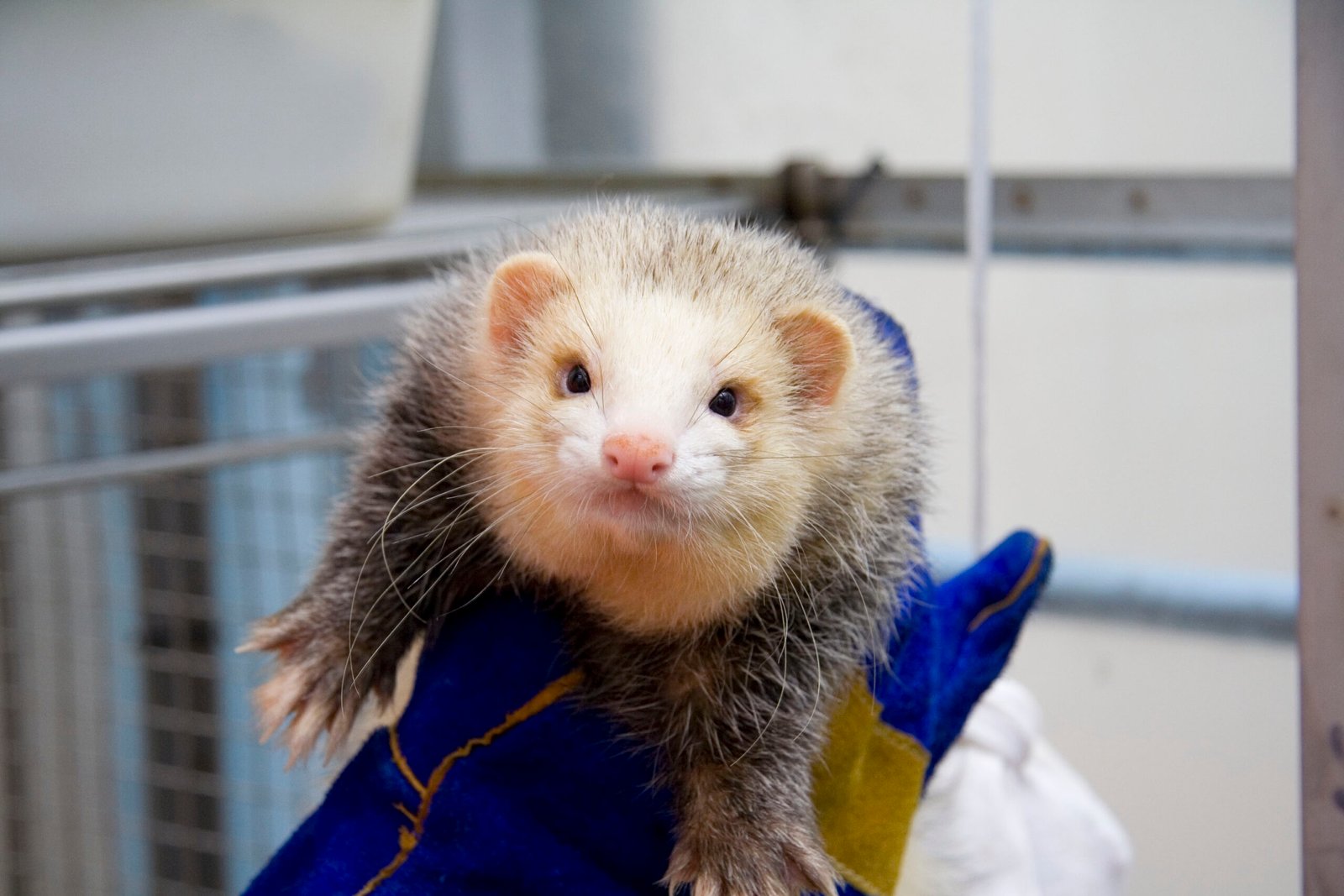
Felicia the Ferret’s place in scientific history is both endearing and significant. Her story has become a part of the folklore of particle physics, illustrating the lengths to which scientists will go to solve complex problems. She serves as a symbol of the unexpected paths that science can take, and her tale continues to inspire both seasoned researchers and budding scientists alike. Felicia’s role in a particle accelerator may seem unusual, but it exemplifies the creativity and resourcefulness that define scientific innovation.
A Lasting Inspiration
The story of Felicia the Ferret is more than just a curious chapter in scientific history; it is an enduring source of inspiration. Her involvement in the particle accelerator project demonstrates the power of unconventional thinking and the potential for animals to play meaningful roles in scientific endeavors. As we look to the future, Felicia’s story encourages us to remain open-minded and inventive, always seeking new ways to bridge the gap between nature and technology. Her legacy lives on, reminding us that sometimes, the most unexpected partnerships can lead to the most extraordinary outcomes.