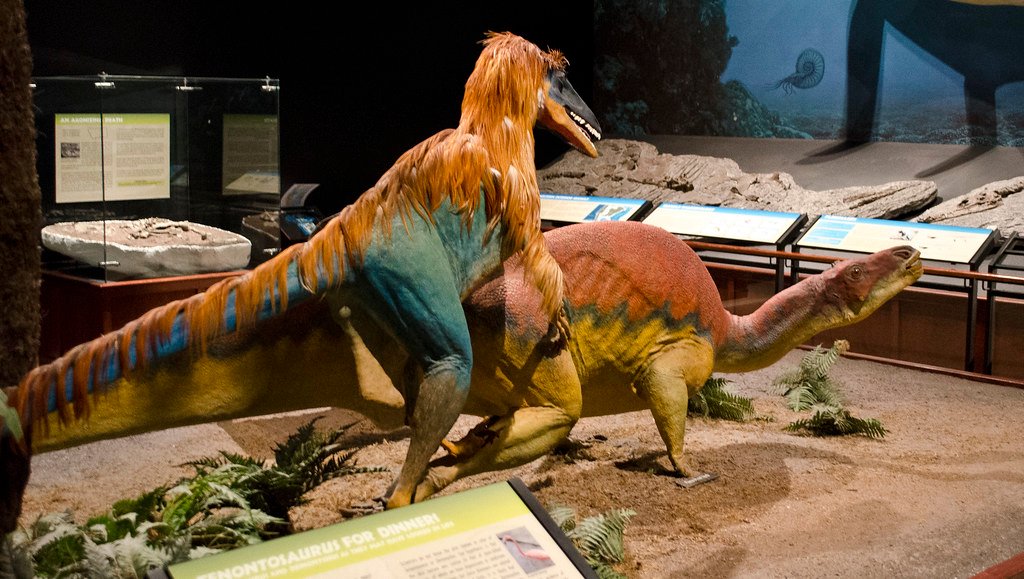

When we think of feathers, our minds often flutter to images of birds gracefully soaring through the sky. Yet, in a twist of nature’s tale, feathers did not originally evolve for flight. Long before the first bird took to the skies, dinosaurs were already adorned in feathers, and their reasons for this plumage were as varied as they were fascinating. This captivating journey into the prehistoric world reveals how these ancient creatures used feathers for purposes beyond the art of flight.
The Early Appearance of Feathers
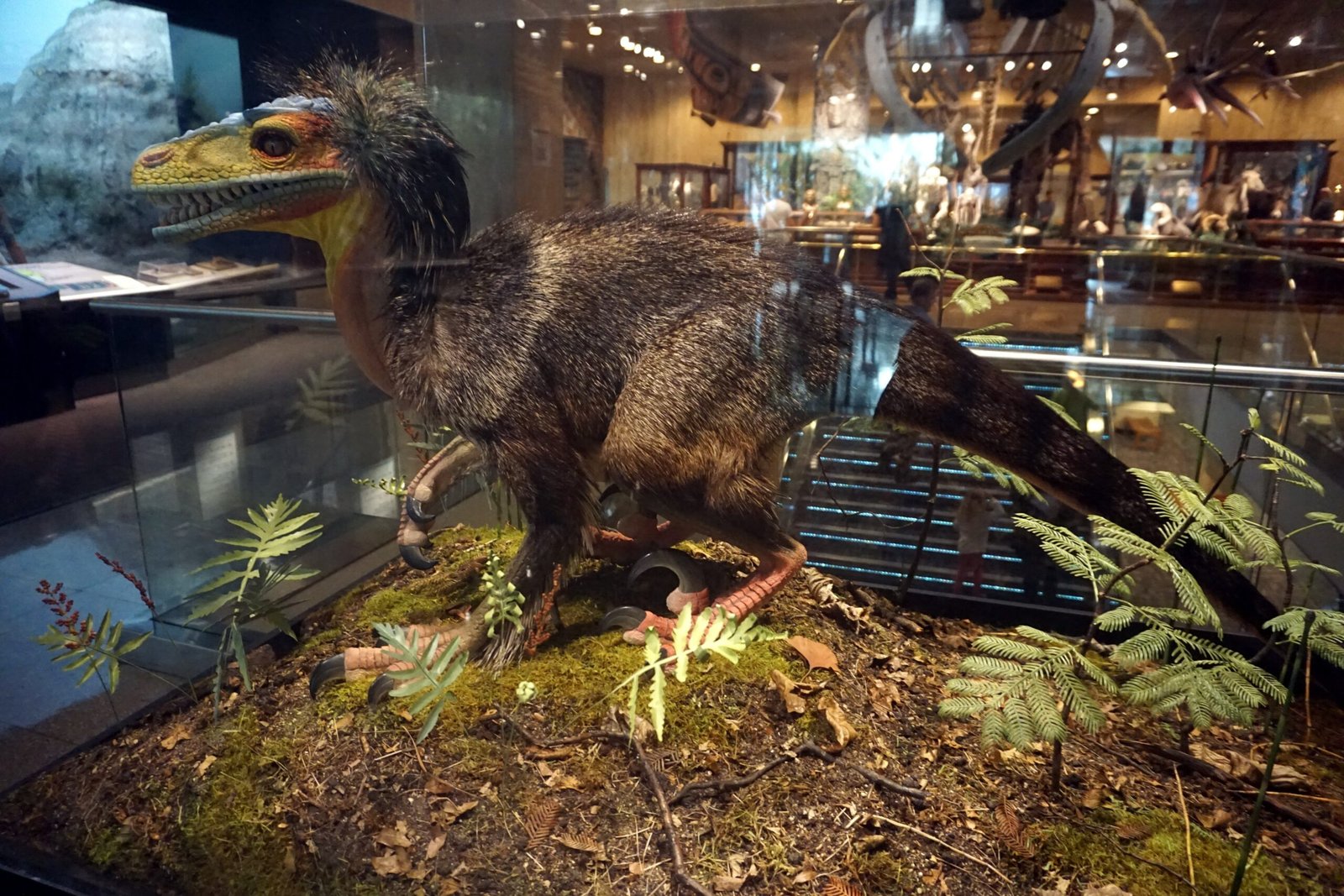
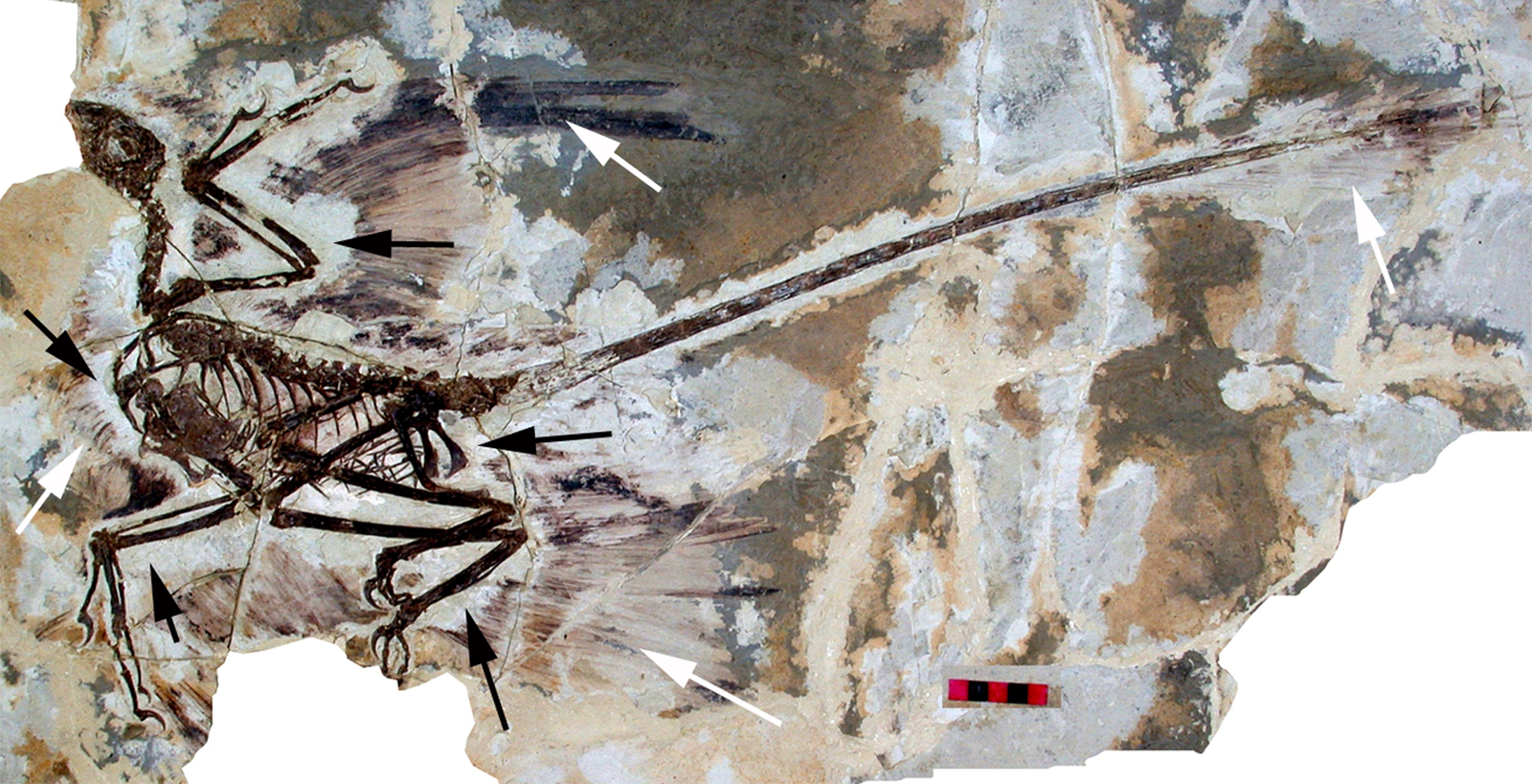
Feathers made their debut in the Mesozoic era, when dinosaurs roamed the Earth. These were not the feathers we see on birds today but rather simple filamentous structures. Paleontologists have discovered fossils of feathered dinosaurs like the Anchiornis, which show that feathers appeared long before the advent of avian flight. These primitive feathers likely served multiple purposes, evolving over millions of years into the complex structures we see today.
Insulation: A Prehistoric Blanket
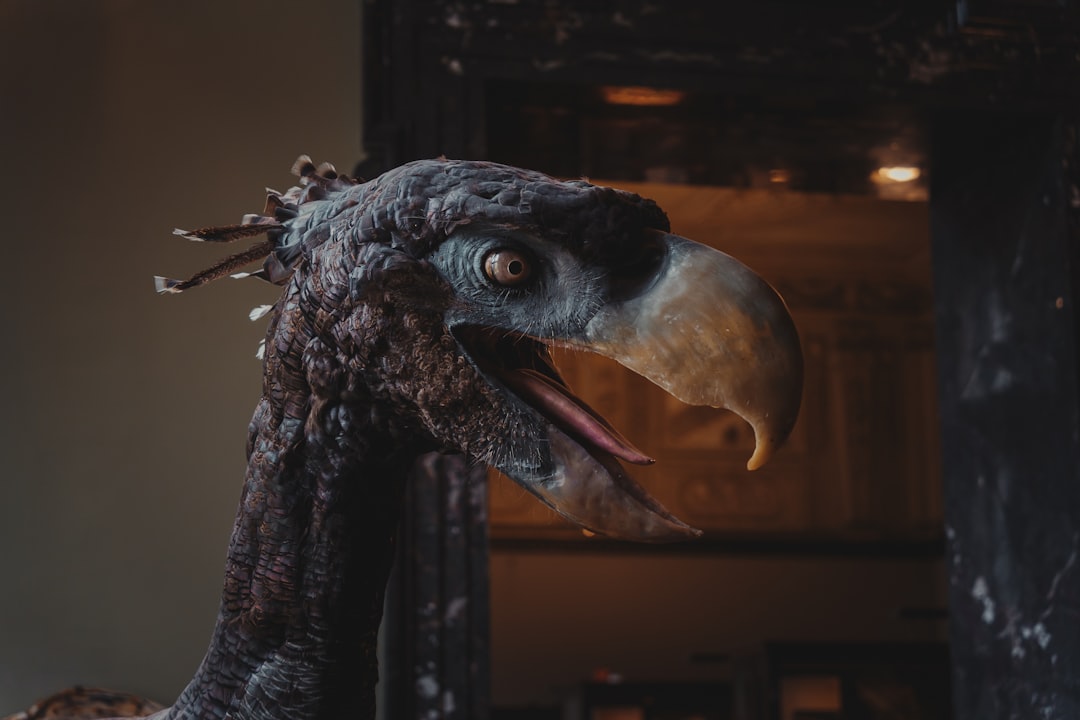
One of the primary theories for the early evolution of feathers is insulation. Just as mammals have fur to keep warm, these proto-feathers may have helped dinosaurs maintain a stable body temperature. This would have been especially beneficial during cooler periods or in colder climates. The downy feathers trapped air close to the skin, much like how a down jacket works for us today, providing a layer of warmth and protection.
Camouflage and Concealment
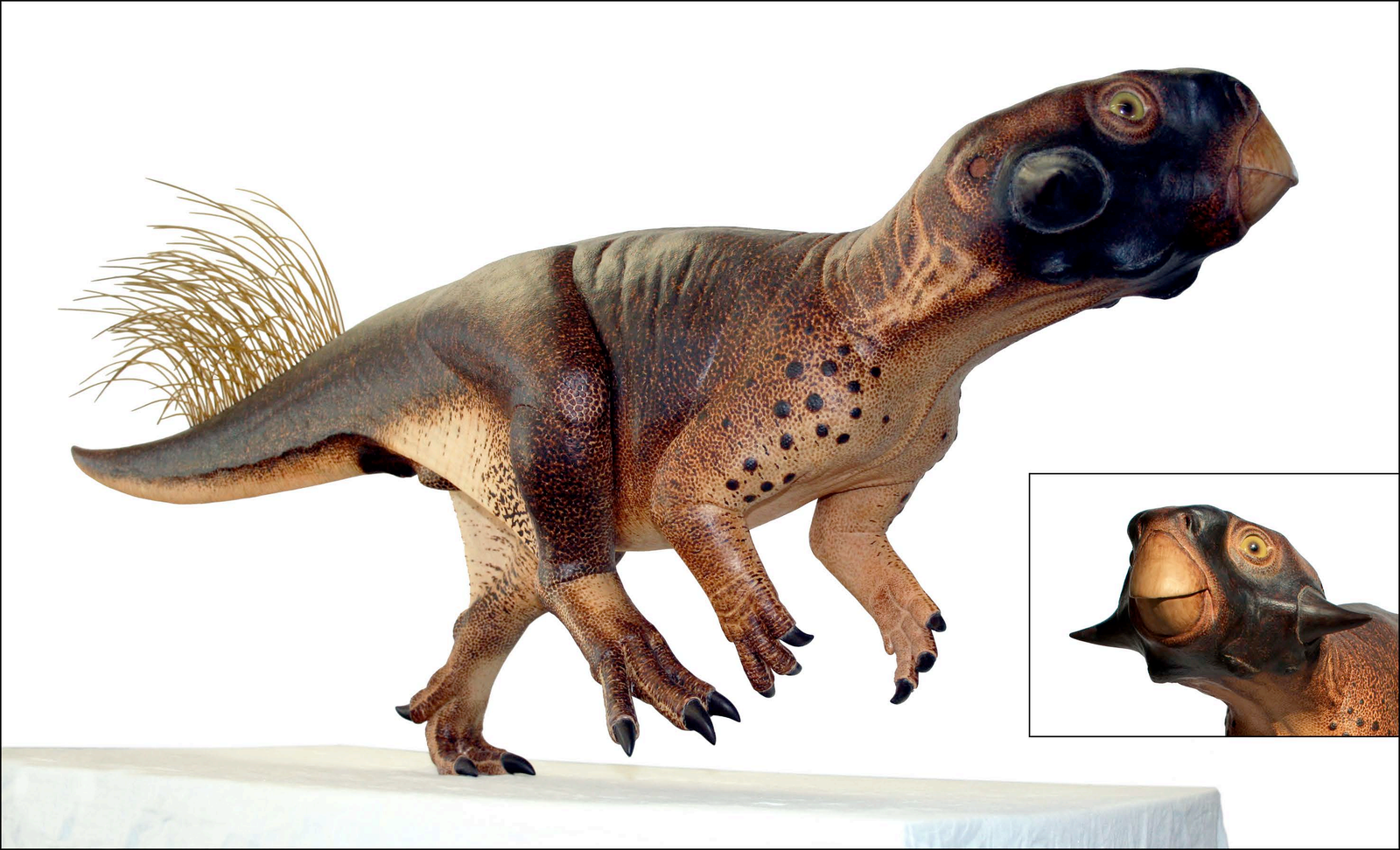
In a world where survival often depended on staying hidden from predators or sneaking up on prey, camouflage was crucial. Feathers likely played a significant role in helping dinosaurs blend into their environments. The varied colors and patterns of these early feathers could have provided an effective means of disguise, allowing dinosaurs to merge seamlessly with their surroundings, much like a chameleon changes color to evade predators.
Display and Communication
Feathers also became a canvas for communication and display. Just as a peacock’s tail is used to attract mates, dinosaurs may have used their colorful plumage to signal to one another. This could have included showing off health and vitality, intimidating rivals, or establishing dominance. The striking features of the Velociraptor, for instance, might have been used to signal to others in their pack or to potential mates.
Protection and Defense
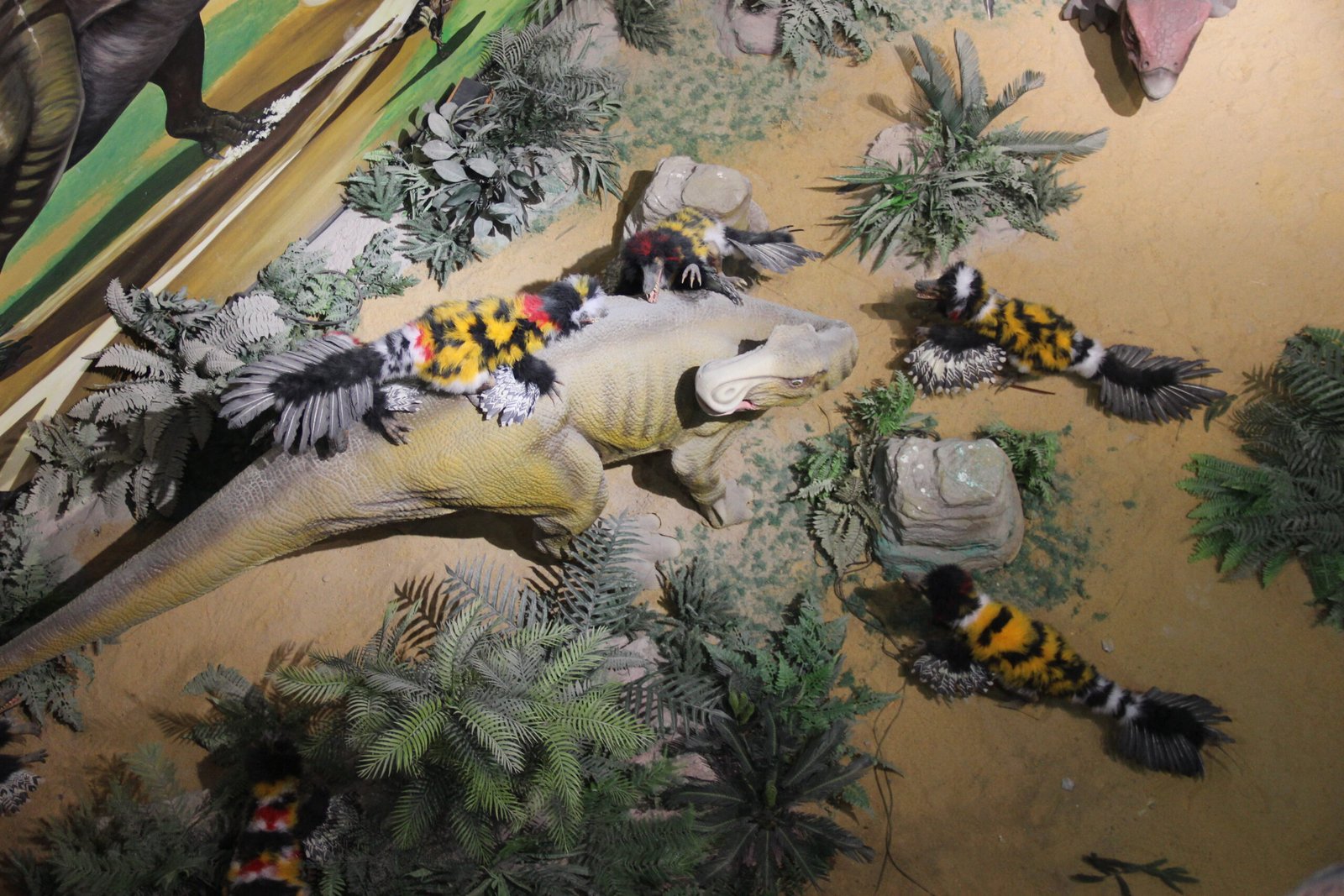
The feathered coat of some dinosaurs might have provided a layer of protection, acting as a defensive barrier against the elements or even in combat. Much like the quills of a porcupine, these feathers could have deterred predators. Overlapping layers could shield delicate skin from minor injuries or bites, giving these creatures an evolutionary edge in the harsh prehistoric world.
The Role of Feathers in Thermoregulation
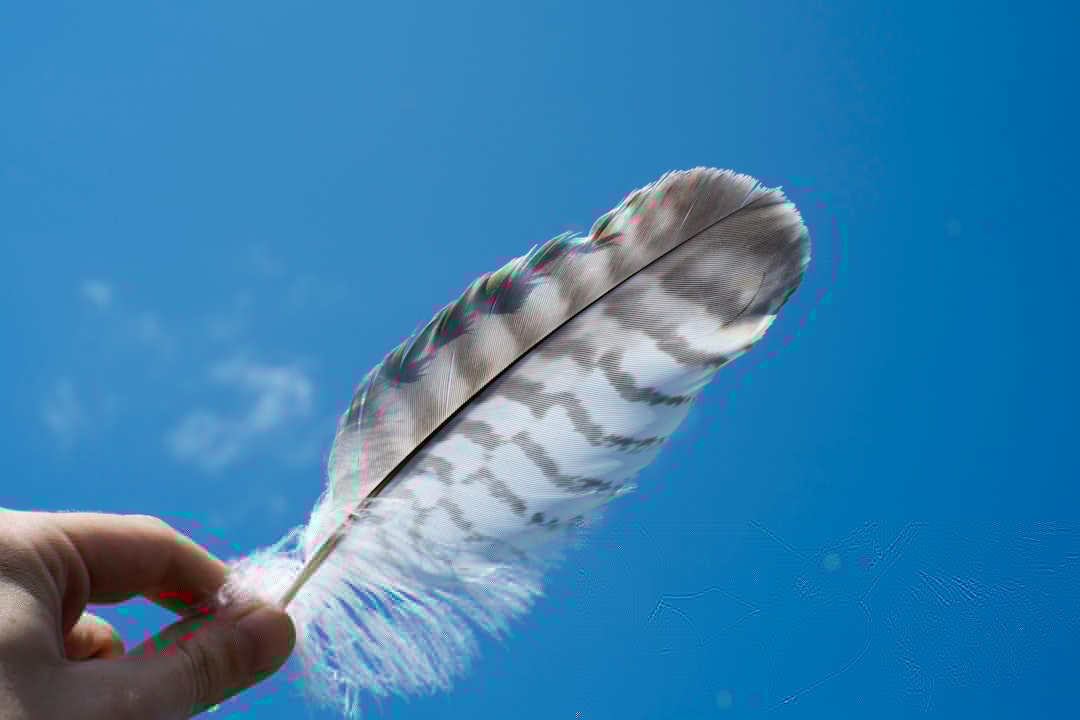
Feathers could also help regulate body temperature, aiding in thermoregulation. By fluffing up their feathers, dinosaurs could trap more air, providing extra insulation during cold spells. Conversely, flattening them could help release excess heat. This function would have been crucial for energy efficiency, allowing dinosaurs to conserve resources for growth and reproduction.
Evidence from Fossils
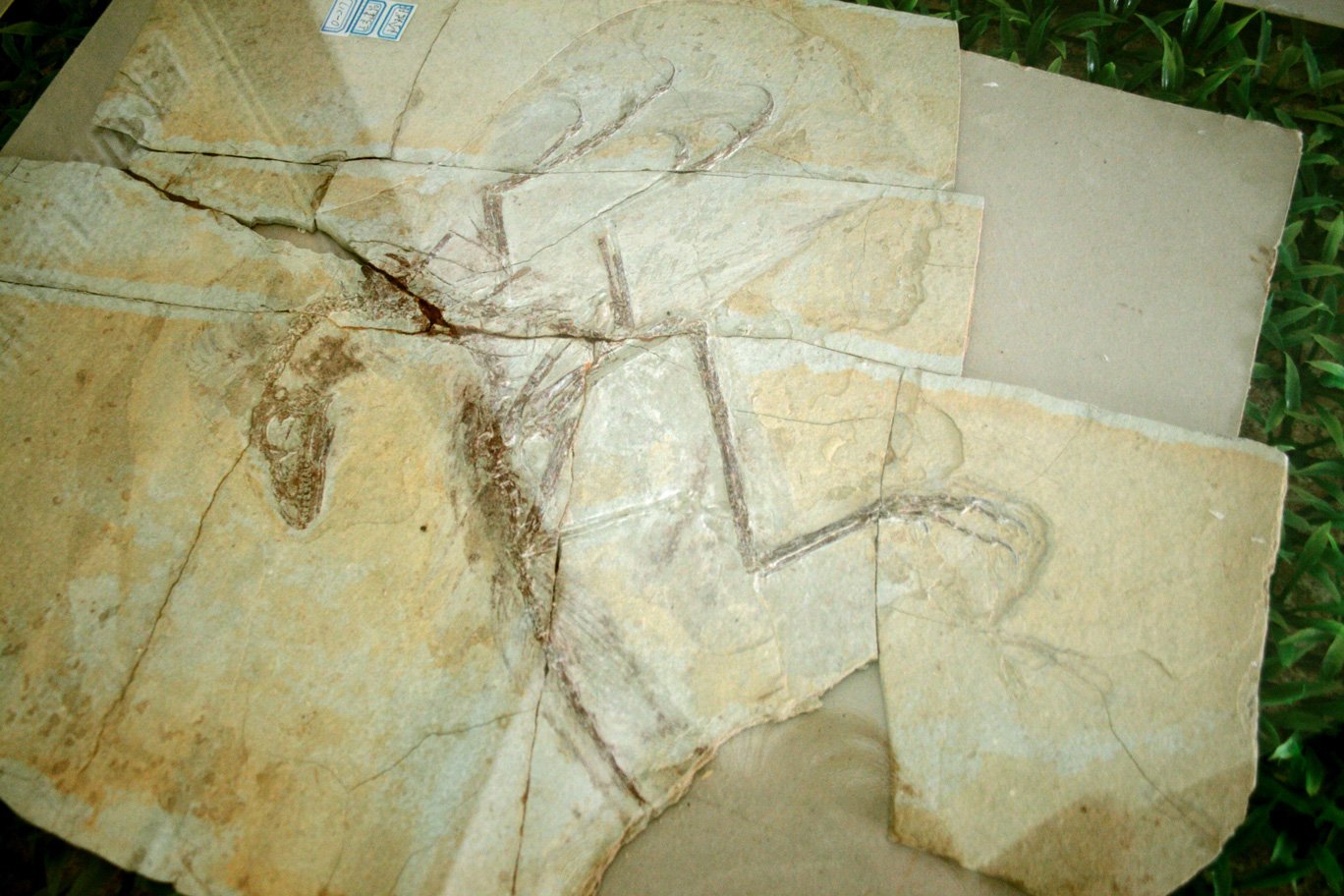
The fossil record has been instrumental in revealing the presence of feathers in non-avian dinosaurs. Findings in sites like the Liaoning Province in China have uncovered beautifully preserved feather impressions. These fossils provide direct evidence of the diversity and complexity of feathers long before the first birds. They paint a vivid picture of a world where dinosaurs boasted a variety of plumage.
Dinosaurs and the Evolution of Flight
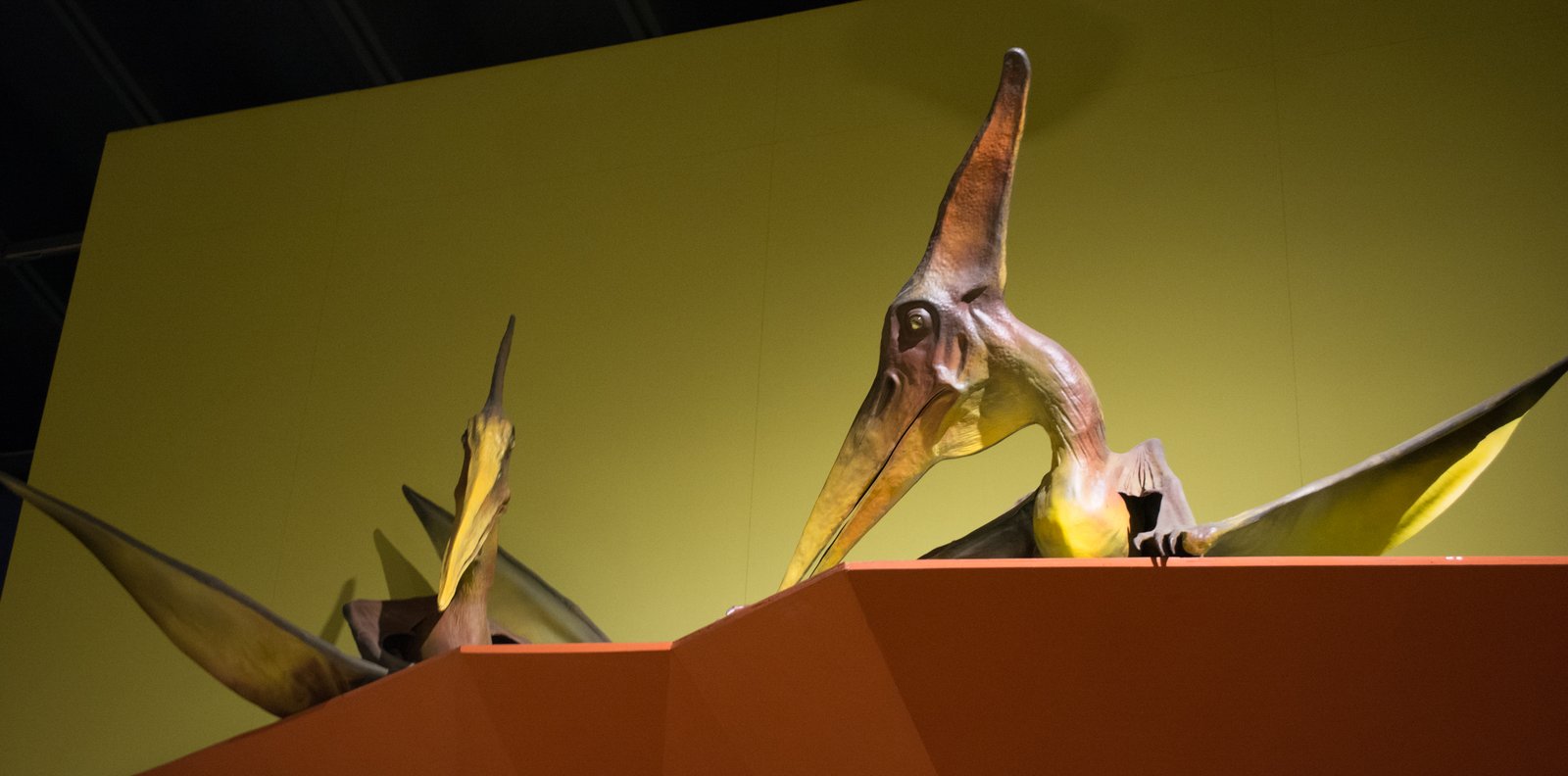
While feathers began as tools for survival on land, they eventually paved the way for flight. Over time, the structure of feathers became more specialized, leading to the development of flight feathers. This gradual evolution showcases nature’s remarkable ability to repurpose existing features for new functions, culminating in the rise of birds.
The Connection to Modern Birds
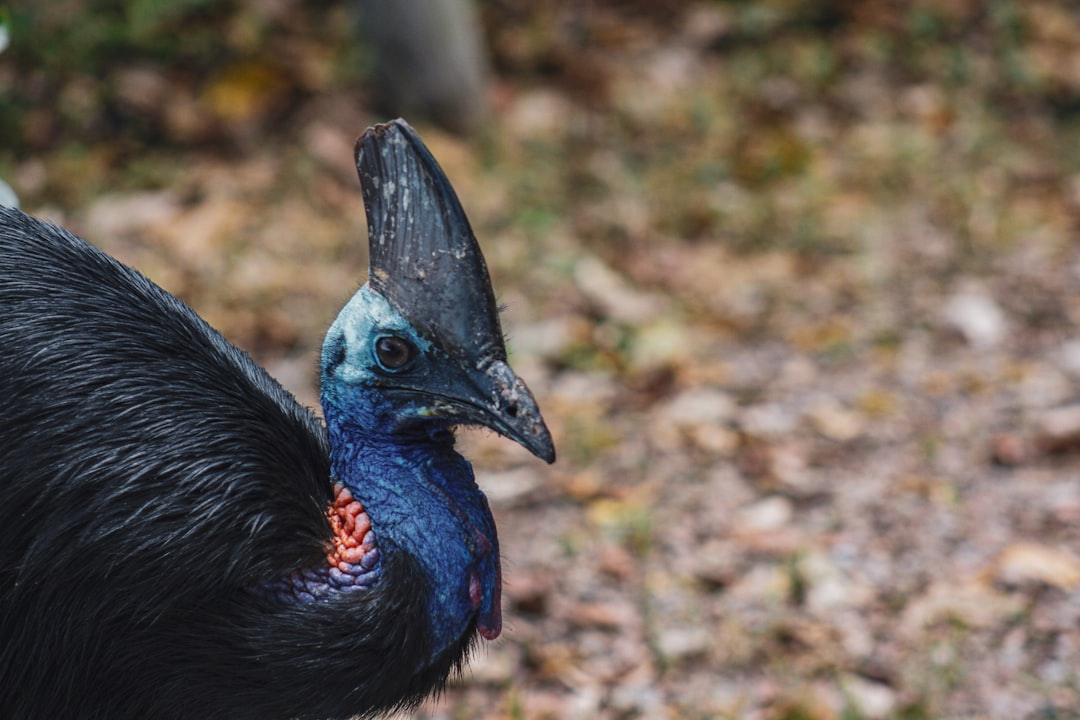
Today, we see the legacy of these feathered dinosaurs in the birds that inhabit our skies. The evolutionary link between dinosaurs and birds is evident in the shared characteristics of their feathers. This connection highlights the remarkable journey from earthbound creatures to the masters of the sky, bridging the ancient past with the vibrant present.
The Ongoing Mystery of Feather Evolution
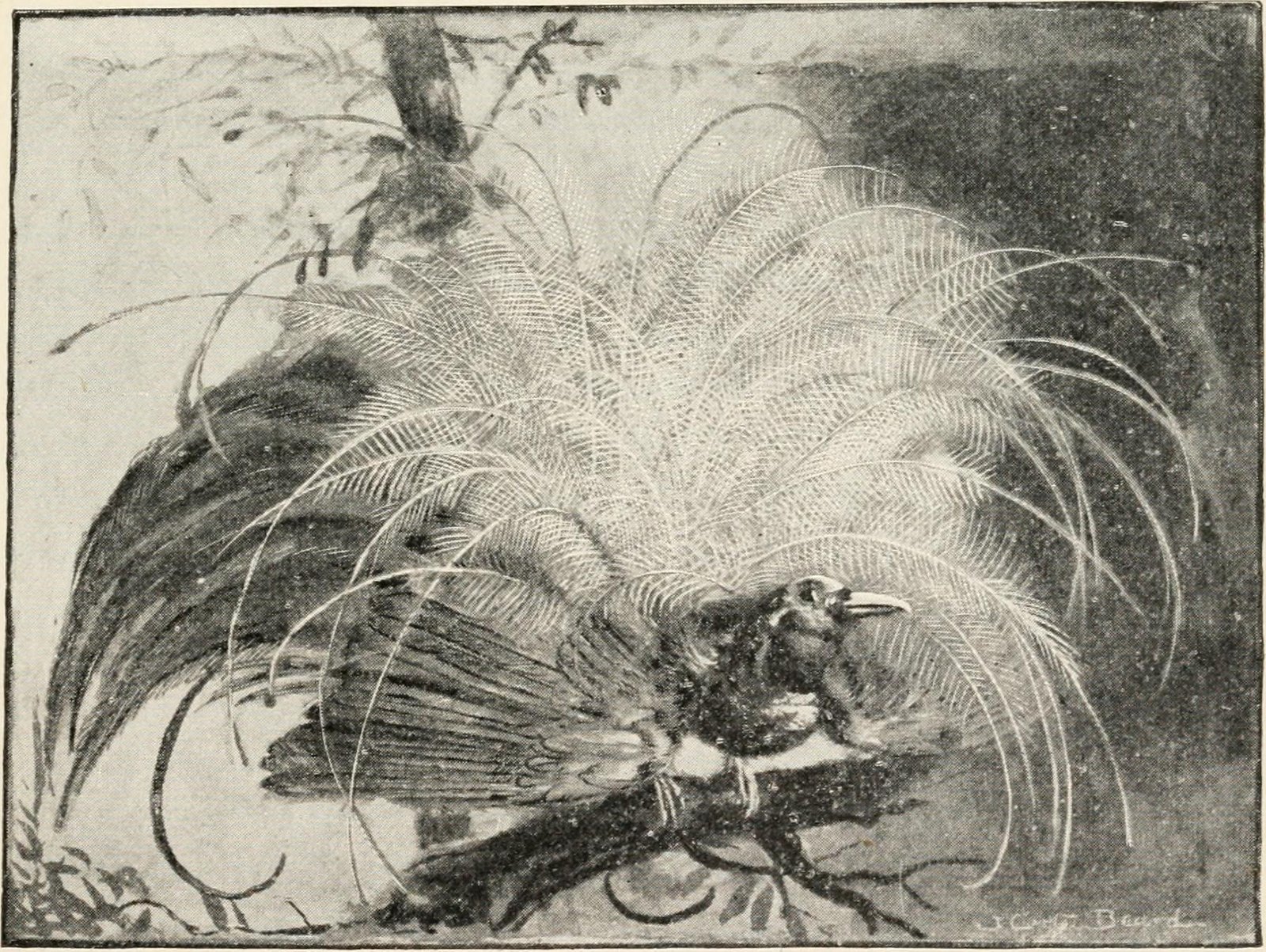
Despite the wealth of information gathered, the evolution of feathers remains a topic of intrigue and discovery. Scientists continue to study how these structures evolved and what they reveal about the behavior and ecology of dinosaurs. New discoveries and technologies promise to shed further light on this mystery, offering exciting prospects for paleontology and our understanding of life’s history.