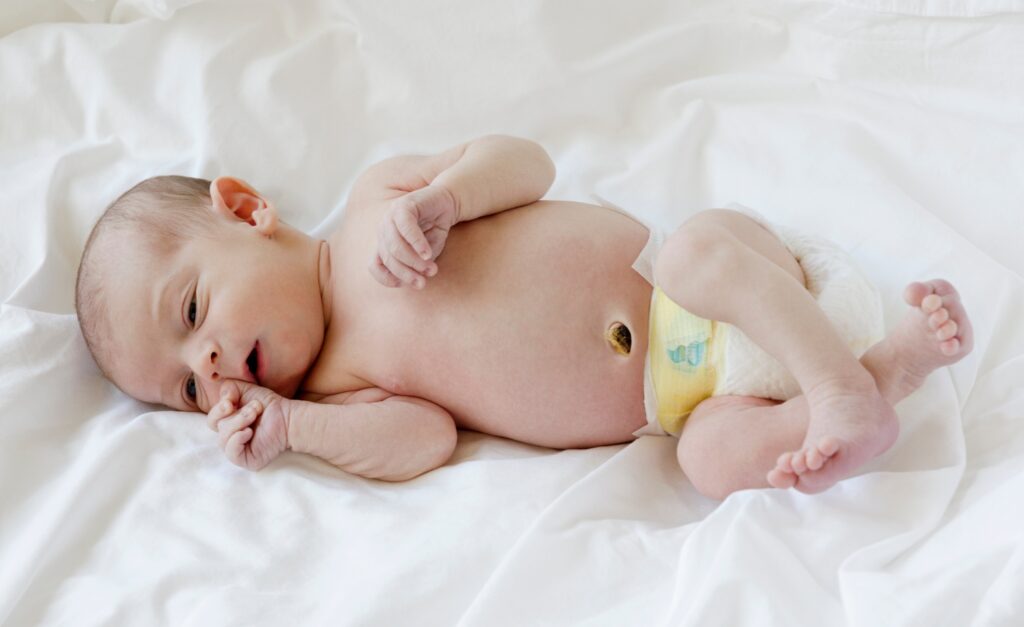

Watch a newborn foal stand up within an hour of birth and it almost feels unfair. Human babies, in comparison, can’t hold up their own heads, let alone walk. Yet our species dominates the planet, builds rockets, writes symphonies, and argues on the internet about everything. That contrast is one of biology’s most surprising paradoxes: how can the most cognitively powerful species start life in such a fragile, unfinished state?
Evolutionary science offers a bold, slightly unsettling answer. Human babies are born so helpless because, in a very real sense, they are born too early. Their brains are still under construction, pushed out of the womb before the job is done. This is not a design flaw but an evolutionary trade-off involving brain size, pelvic anatomy, energy demands, and the way humans live in groups. Once you see how all these pieces fit together, the helplessness of newborns stops looking like a weakness and starts looking like a radical strategy.
The “Obstetrical Dilemma”: When Big Brains Meet Narrow Hips
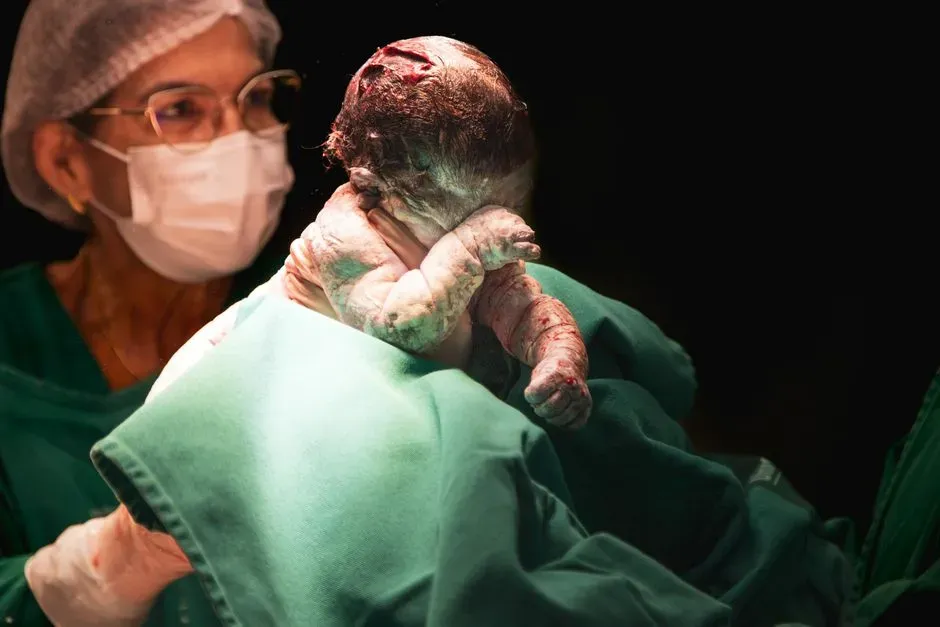
One of the most influential ideas in evolutionary biology is often called the obstetrical dilemma. It centers on a brutal truth: large, complex brains require large heads, and large heads are hard to push through a bony birth canal. As our ancestors evolved to walk upright, their pelvises shifted and narrowed to support efficient bipedal movement. At the same time, selection favored bigger brains, especially in species that used tools, communication, and cooperation to survive.
These two pressures pushed in opposite directions. A wider birth canal might make childbirth easier, but it could disrupt the mechanics of efficient walking and running. A smaller head might ease birth, but would limit the space for the growing brain that powers human intelligence. The evolutionary compromise was to deliver the baby at an earlier stage of brain development, before the head became too big to pass through the pelvis safely. That means a human newborn arrives neurologically unfinished, with a brain that still has a lot of growing and wiring to do outside the womb.
Brain Growth on a Deadline: Why the Fetus Has to Get Out
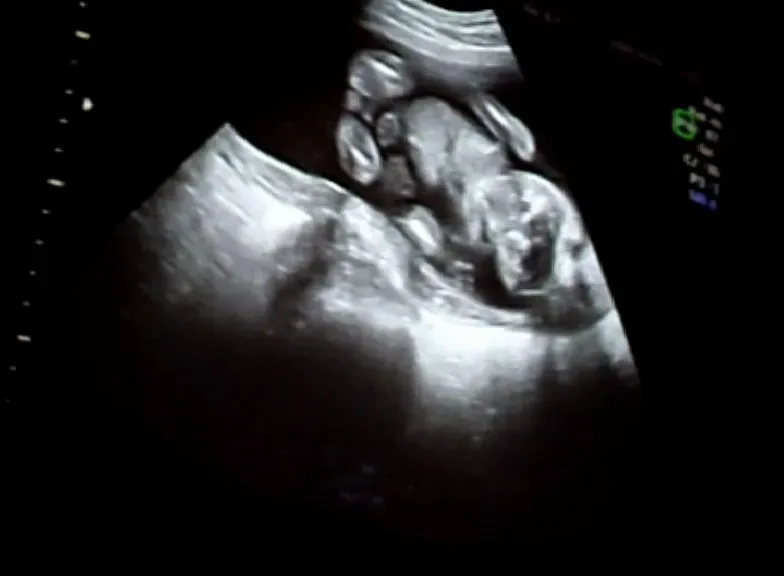
There is another side to the story that goes beyond just anatomy: energy. Growing a human brain is unbelievably expensive in metabolic terms. Late in pregnancy, a fetus demands a huge share of the mother’s total energy budget, especially during the final stretch when brain and body growth surge. At some point, that energy demand reaches a limit the mother’s body can reasonably sustain while still keeping herself alive and functional.
Some researchers argue that human babies are born when the metabolic cost of pregnancy would otherwise become unsustainable, not simply when the pelvis runs out of space. Think of it like an energy deadline: the fetus is evicted because staying longer would be too costly for the mother, even though the baby is technically still immature. Once born, the baby’s brain continues to grow at a furious pace, but now the energy can come from milk and, eventually, food shared by others, instead of being carried solely by the mother’s body.
Altricial vs. Precocial: Humans Picked the “Helpless” Strategy
Biologists often divide newborns into two broad categories. Precocial animals, like horses or deer, are relatively mature at birth. They can stand, move, and follow their parents shortly after entering the world. Altricial animals, like songbirds or mice, are born naked, blind, and utterly dependent on parental care. Humans are closer to the altricial end of that spectrum, even though we are primates, not rodents or birds.
What makes humans especially interesting is that, by some estimates, if we followed the developmental pattern of many other mammals, a baby might need to stay in the womb for many more months to be born at a similar level of physical independence. Instead, we essentially export a chunk of brain development into the first year after birth. Our species accepted a long period of helplessness in exchange for the flexibility and complexity that come from extending early brain wiring into the outside world, where social and environmental experiences can shape it.
The “Fourth Trimester”: Life Outside the Womb, But Still Not Ready

Many pediatricians talk informally about a so-called fourth trimester, roughly the first three months after birth when human babies still behave in many ways like fetuses. They cannot regulate temperature well, they startle easily, and they seek constant physical closeness. From an evolutionary perspective, this period can be seen as a continuation of brain and nervous system development that would be dangerous or impossible to complete inside the womb.
During this time, neurons are forming dense connections, sensory systems are calibrating, and the baby is learning to interpret a flood of new stimuli. It is as if nature moved a critical chunk of development into a slightly more forgiving environment, where caregivers can respond to cues, adjust stimulation, and protect the infant from extremes. That trade-off comes with a cost – exhausted parents and fragile, round-the-clock dependency – but the payoff is a brain tuned by the world it is going to inhabit, rather than one sculpted entirely in isolation.
Why Cognitive Potential Beats Early Independence

From a strictly survival-on-day-one view, human infants look like a poor design. They cannot run from predators, feed themselves, or stay warm alone. But evolution does not optimize for day one; it optimizes for lifetime reproductive success. For humans, the long game is all about cognitive power – language, culture, problem-solving, creativity, and planning years into the future. A brain that stays plastic and adaptable for a long time has enormous advantages in a complex, changing environment.
Finishing brain development outside the womb allows human infants to absorb local languages, social norms, tool use, and cultural skills that no genome could possibly encode in advance. Instead of being born with a narrow set of fixed behaviors, we are born with a flexible learning engine. That engine starts out weak and unfinished but becomes incredibly powerful over childhood. The price of that flexibility is early helplessness. Evolution clearly decided that investing heavily in long-term, adaptable intelligence was worth the risk and cost of an extended dependent period.
Cooperative Parenting: How Helpless Babies Reshaped Human Society

Helpless babies are not simply a biological fact; they are a social force. Because a single caregiver struggles to meet all the needs of a very dependent infant, human societies evolved patterns of cooperative care. Grandparents, older siblings, other relatives, and even unrelated community members often share the work of feeding, holding, and protecting babies. Anthropologists sometimes call this cooperative breeding, and it appears to be one of the foundations of human social life.
This network of alloparents does more than just lighten the workload. It also creates a dense web of social bonds, shared responsibilities, and emotional connections that shape how humans live together. You can argue that the very helplessness of babies helped drive the evolution of empathy, communication, and long-term pair bonding. Our babies are born unfinished, and in a sense, our societies are built around finishing the job together.
Plastic Brains, Shaped by Culture and Experience
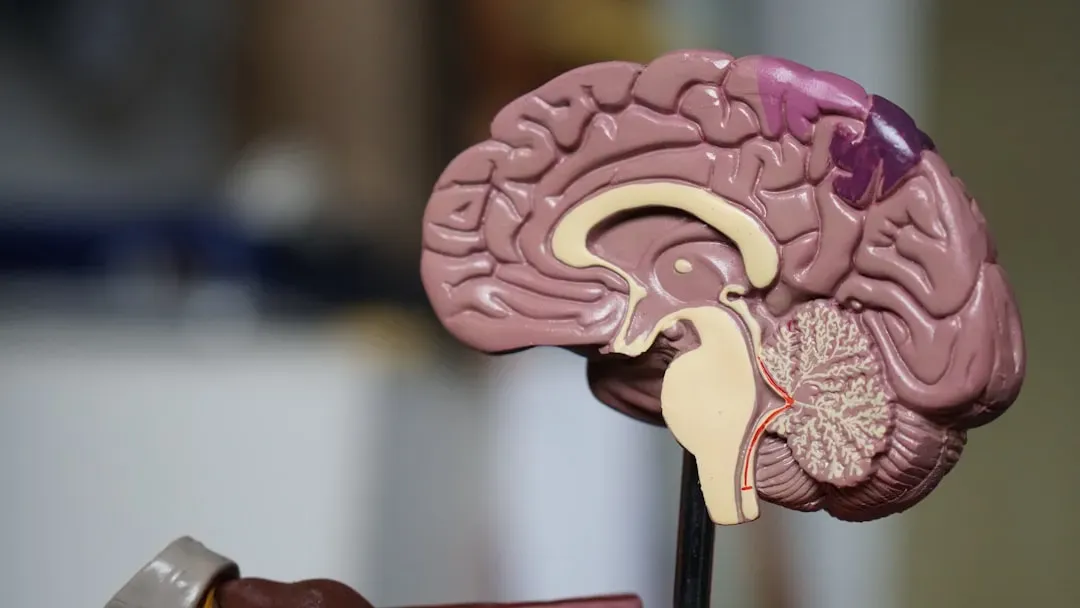
Because human babies finish a huge portion of their brain development outside the womb, their nervous systems are remarkably sensitive to experience. The first years of life are a period of intense neural plasticity, when the brain is exploding with new connections and then pruning them back based on what proves useful. The world a baby lands in – its language, family structures, risks, and opportunities – literally sculpts the brain’s wiring.
That plasticity is a double-edged sword. On one hand, it allows humans to thrive in wildly different environments, from Arctic tundra to crowded megacities, by internalizing specific cultural knowledge. On the other hand, it means early adversity, neglect, or chronic stress can leave deep traces on the developing brain. The fact that we are born neurologically unfinished is a superpower, but it is also a vulnerability that places enormous importance on how we treat infants and young children.
Childbirth Risk: The Harsh Cost of Big-Brained Babies
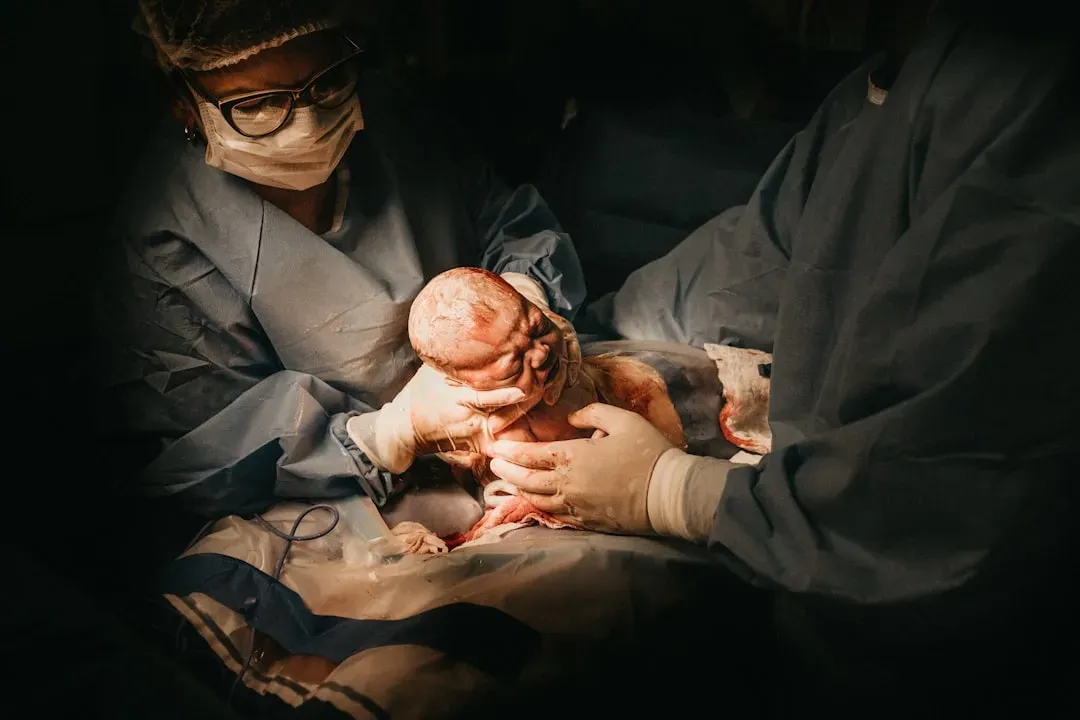
It would be dishonest to talk about human evolution and helpless newborns without acknowledging the harsh reality of childbirth. For much of human history, delivering a baby has been dangerous for both mother and child. A large head and relatively tight fit through the pelvis mean that complications are far from rare. Before modern obstetric care, many women and infants died during or shortly after labor as a direct result of these anatomical trade-offs.
This risk underscores just how strong the evolutionary pull toward big brains must have been. If large-headed babies and difficult births persisted generation after generation, it suggests the long-term benefits of a highly developed brain, even one that is still incomplete at birth, outweighed the immediate dangers. Modern medicine can ease that cost considerably, but the basic tension between brain size, pelvic anatomy, and developmental timing remains written into our bodies.
Rethinking What “Helpless” Really Means
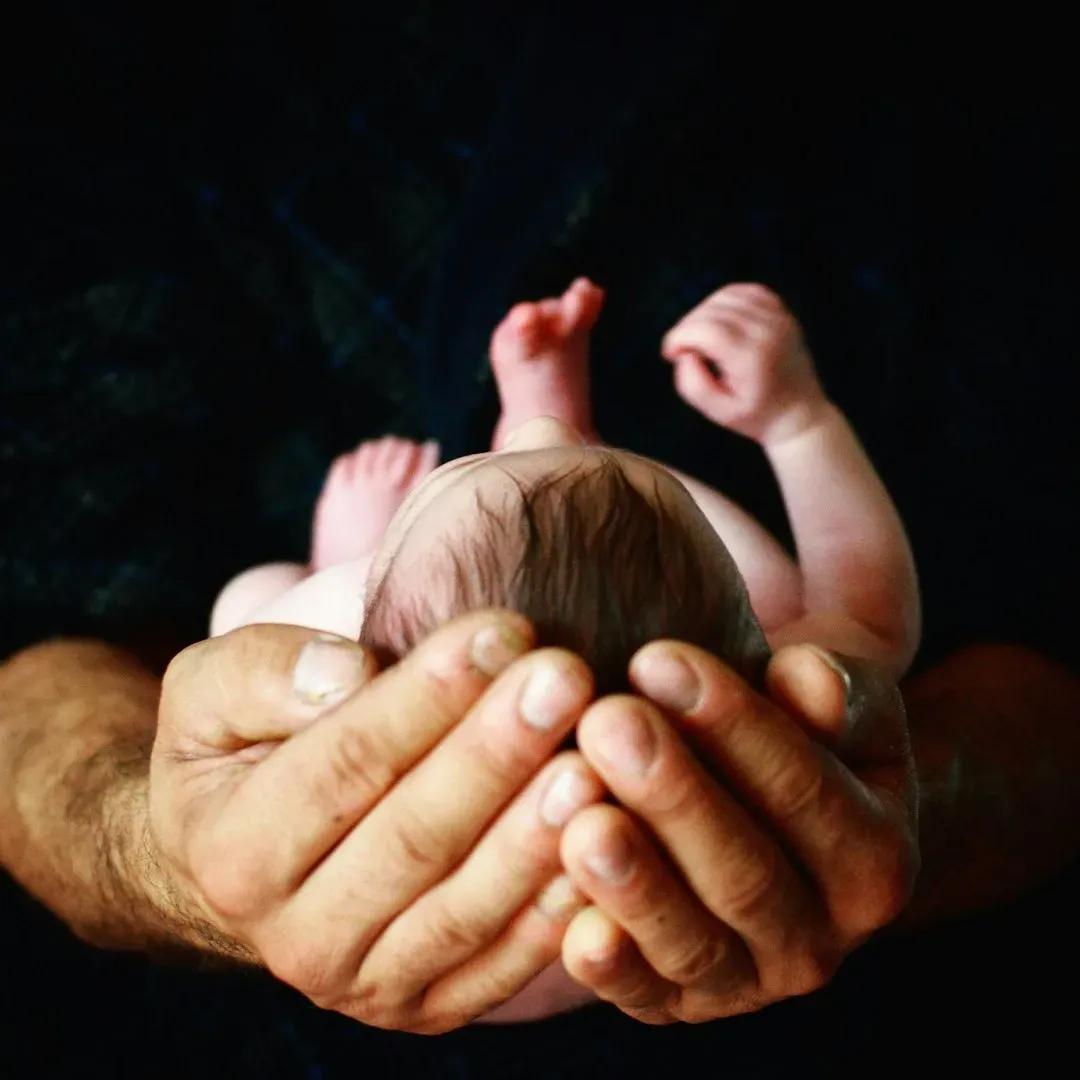
It is tempting to look at a newborn who cannot even roll over and see only weakness. But if you zoom out, that helplessness starts to look like a clever evolutionary bet. By shipping part of brain development to the outside world, humans turned infancy into a period of intense learning and social bonding. Babies may arrive unfinished, but that unfinished state lets them absorb the specific languages, customs, technologies, and behaviors of whatever world they happen to be born into.
In my view, calling human babies helpless misses the point. They are not defective versions of precocial animals; they are specialists in adaptation, designed to trade early independence for deep, lifelong flexibility. Their unfinished brains pull adults together, demand community, and force us to build societies that protect and nurture the next generation. In a way, every tiny, wobbly baby is a reminder that our greatest strength as a species is not being born ready-made, but being born ready to change.