
Look up on a clear night, away from the glow of city lights. Those tiny pinpoints scattered across the darkness aren’t just decoration for our night sky. They’re suns, just like ours. Each one burning, each one massive, each one impossibly far away. It’s one of those ideas that sounds simple until you really think about it, and then it becomes almost overwhelming.
The realization that each star in the sky is a sun like our own but incredibly far away changed everything about how we understand our place in the universe. We’re not the center of anything special. We’re just one system among countless others, all with their own potential for planets, moons, and maybe even life. So let’s dive in and explore what makes these distant suns so fascinating.
The Ancient Revelation That Stars Are Distant Suns
For most of human history, stars were considered fundamentally different from our Sun. People imagined them as lights stuck to some celestial dome, separate and mysterious. The idea that they might actually be the same type of object as the Sun was revolutionary, even heretical in some circles.
Through increasingly sophisticated telescopes and some basic trigonometry we figured out how far away the stars are, and by understanding the properties of light we were able to deduce what the stars are made of. This wasn’t an overnight discovery. It took centuries of observation, measurement, and the courage to challenge what everyone thought they knew. Honestly, it’s hard to imagine what that must have felt like, to suddenly grasp that the universe was so much bigger than anyone imagined.
Our Sun Is Just Another Average Star
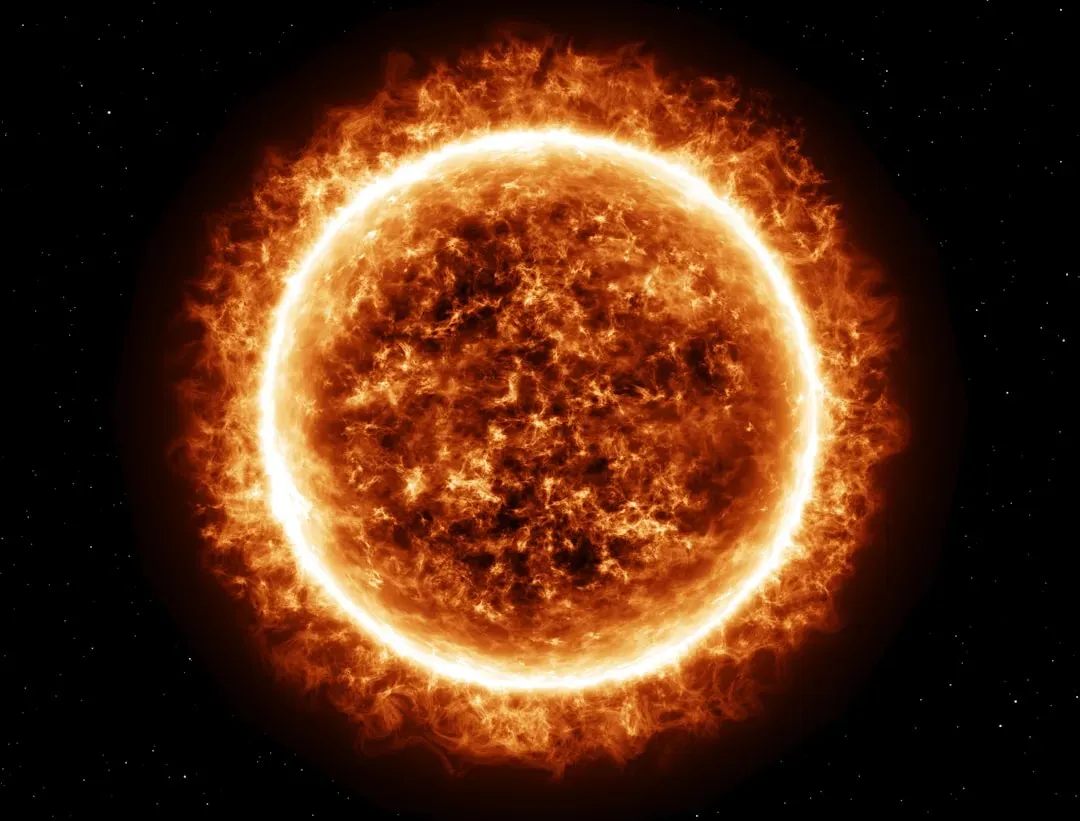
Here’s the thing about our Sun that might surprise you. Even though the Sun is the center of our solar system and essential to our survival, it’s only an average star in terms of its size, with stars up to 100 times larger having been found. We’re orbiting something pretty ordinary, cosmically speaking.
Our Sun is a 4.5 billion-year-old yellow dwarf star at the center of our solar system, about 93 million miles from Earth. It’s a middle-aged star, burning hydrogen steadily, doing exactly what billions of other stars across the galaxy are doing right now. The kinship between the Sun and stars means we can learn about distant stars by studying the Sun, and other stars can show us how the Sun was during earlier stages or how it will be billions of years later. Looking at other stars is like flipping through a photo album of our Sun’s past and future.
Thousands of Exoplanet Systems Around Other Suns
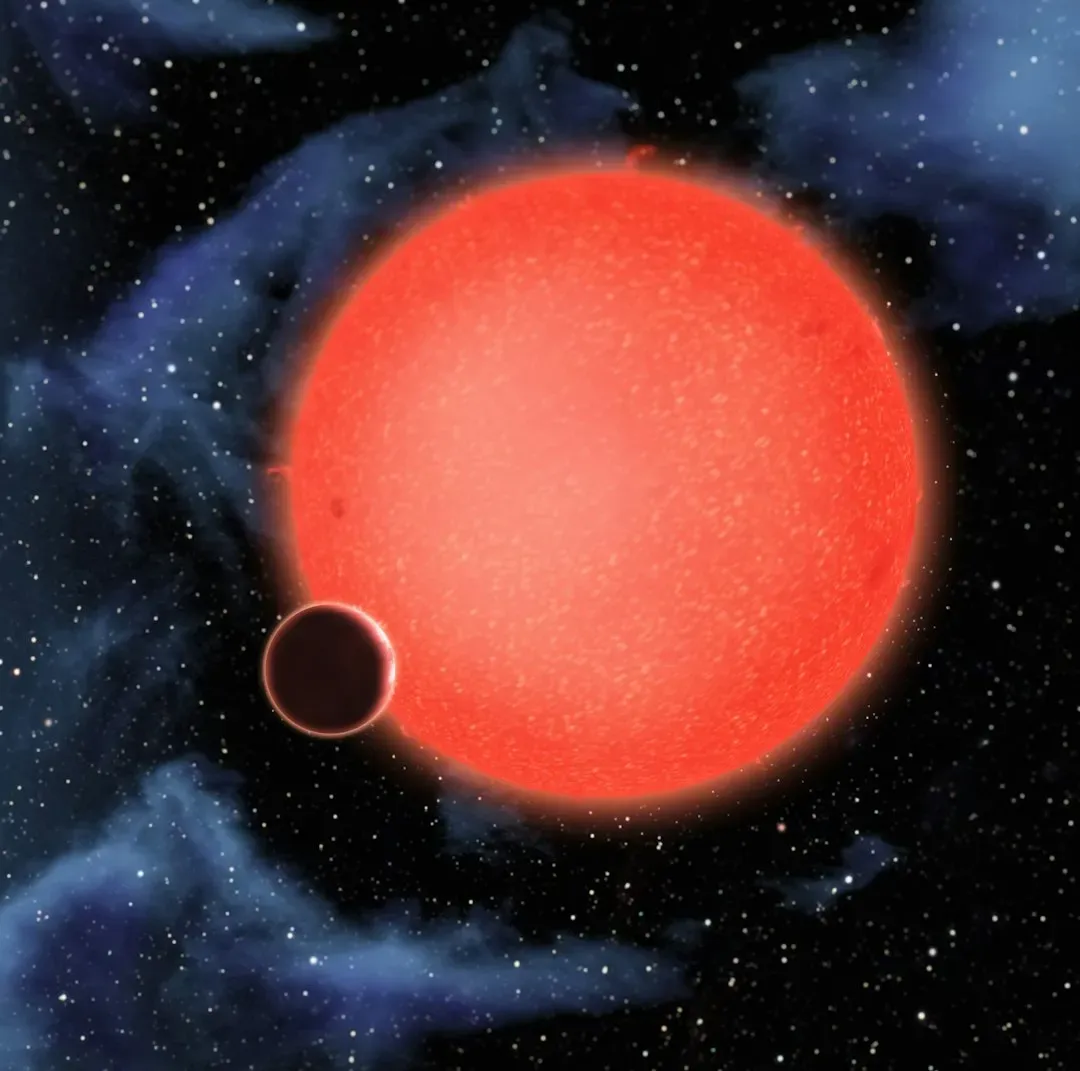
The real game changer came when we started finding planets around other stars. The first planet discovered orbiting a Sun-like star, 51 Pegasi b, was identified in October 1995, and in the three decades since then, we’ve confirmed 6,000 more. Think about that for a second. Six thousand confirmed worlds orbiting distant suns, and we’re just getting started.
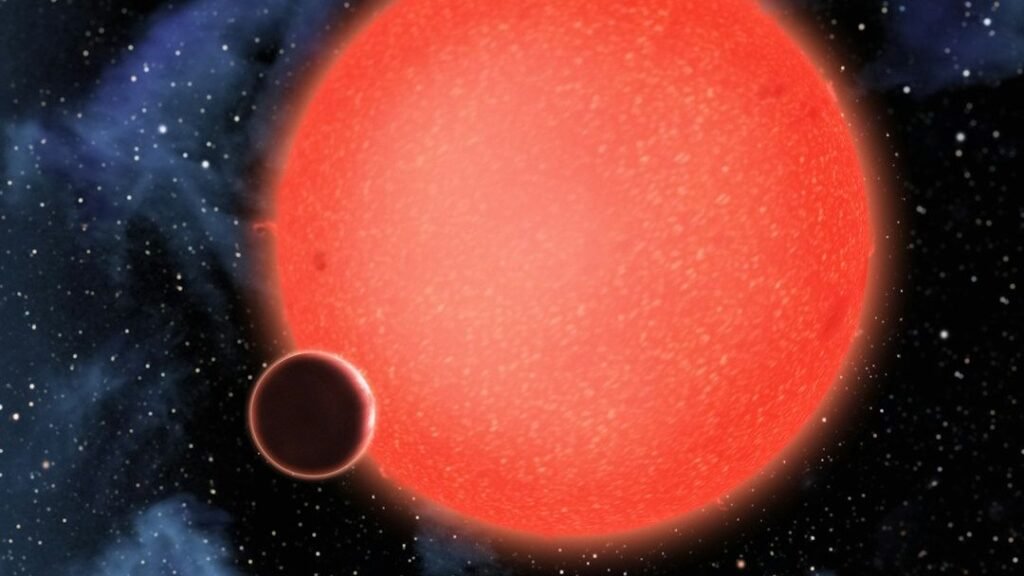
So many new planets have been discovered in other solar systems and they’re very different from the planets in our solar system, with these planets being common in other planetary systems while we have nothing like them. Some are gas giants orbiting closer to their stars than Mercury orbits our Sun. Others are rocky worlds in the habitable zones of red dwarf stars. From Tatooine-like planets to worlds that shed comet tails, exciting exoplanet discoveries in 2025 underscored the strangeness and diversity in the Milky Way galaxy. The universe is weirder and more creative than science fiction ever imagined.
How Many Stars Can We Actually See
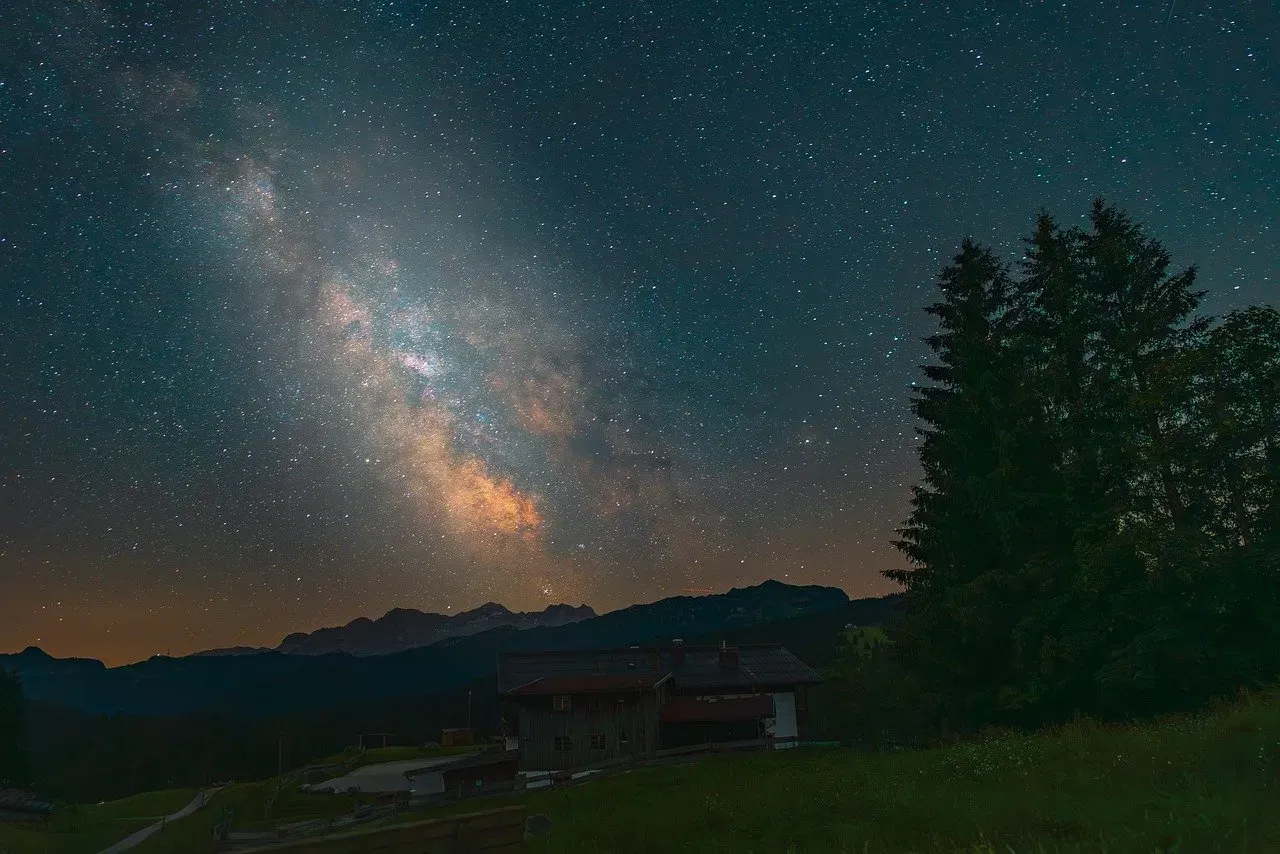
When you gaze up at a truly dark sky, how many stars do you think you’re seeing? Most people guess millions, but the reality is far more modest. Considering all the stars visible in all directions around Earth, the upper end on the estimates is close to 10,000 visible stars, though each hemisphere can only see about 5,000 stars.
At any given time, half of Earth is in daylight, so only half the estimated number, perhaps 2,500 stars, would be visible from Earth’s night side, though another fraction would be lost in the murk surrounding your horizon, bringing you down to around 2,000. That’s it. Two thousand or so on a perfect night. Yet it feels like millions, doesn’t it? The actual number of stars visible is under 1,000 because of the effects of atmospheric extinction, which dims objects towards the horizon. Light pollution makes it even worse for most of us.
The Lives Stars Lead From Birth to Death
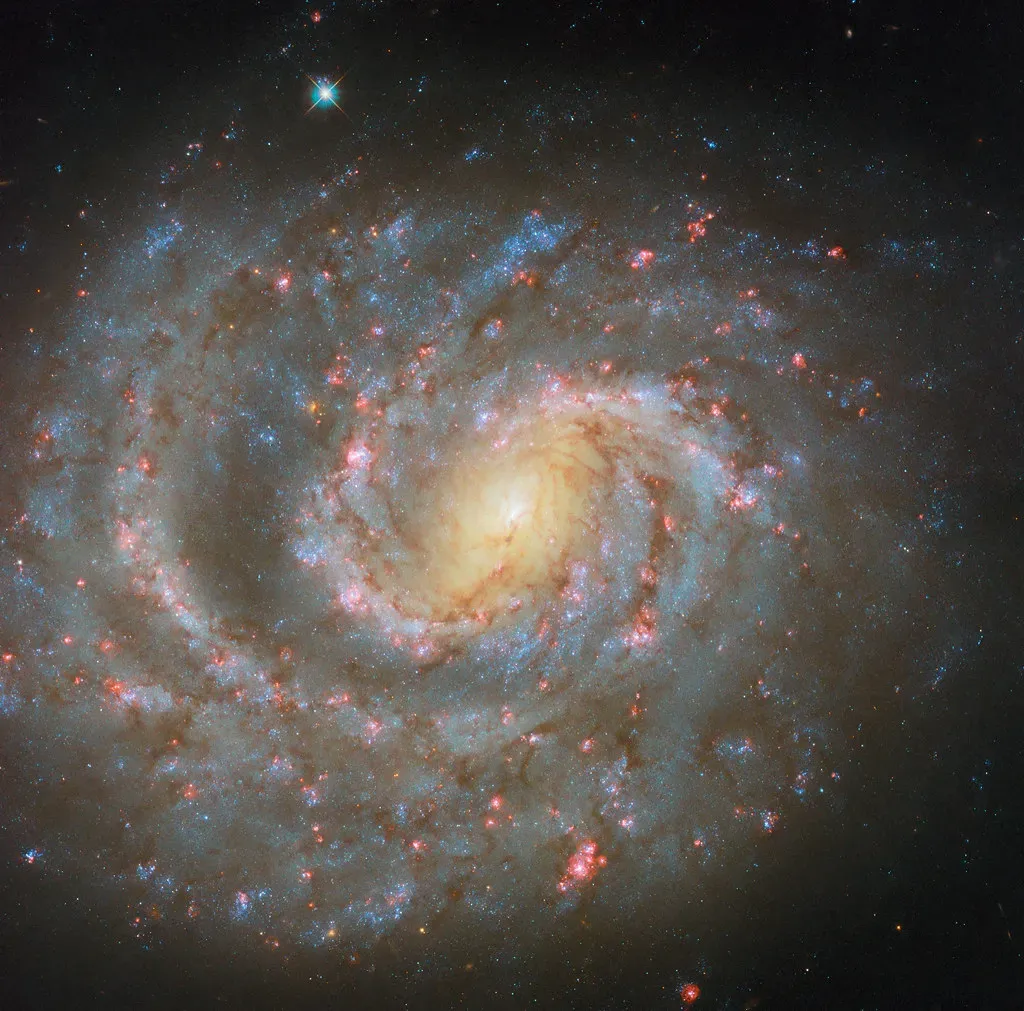
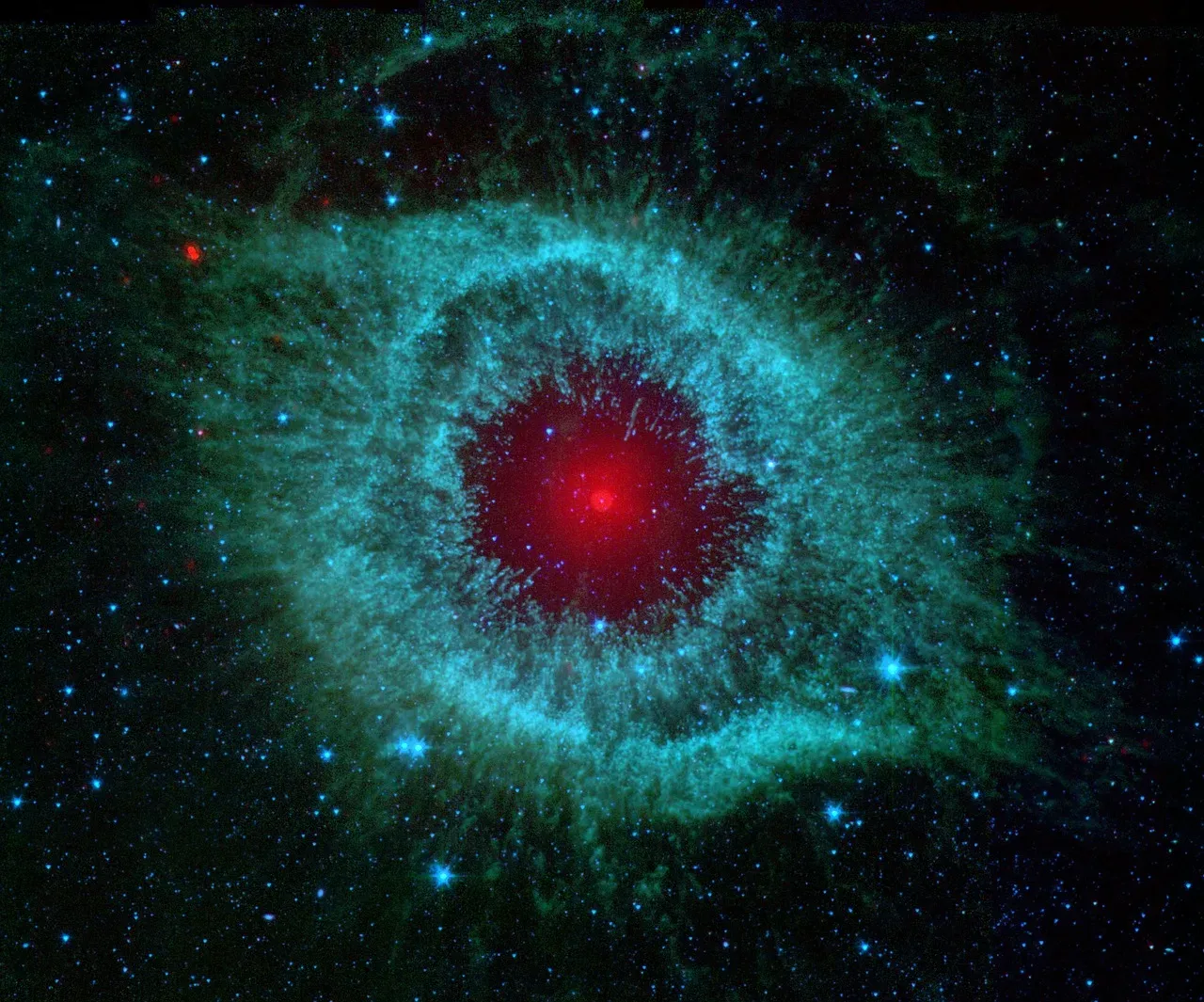
Every star has a story, a biography written in light and gravity. Every star has its own life cycle, ranging from a few million to trillions of years, and its properties change as it ages, with stars forming in large clouds of gas and dust called molecular clouds. They’re born in vast nebulae, those spectacular clouds we see in telescope images.
Depending on the mass of the star, its lifetime can range from a few million years for the most massive to trillions of years for the least massive, with energy initially generated by the fusion of hydrogen atoms at the core of the main-sequence star, and later stars like the Sun begin to fuse hydrogen along a spherical shell surrounding the core. The smallest red dwarf stars will burn for longer than the current age of the universe. The most massive blue giants will explode in supernovas after just a few million years. Mass is destiny when you’re a star.
Our Nearest Stellar Neighbors
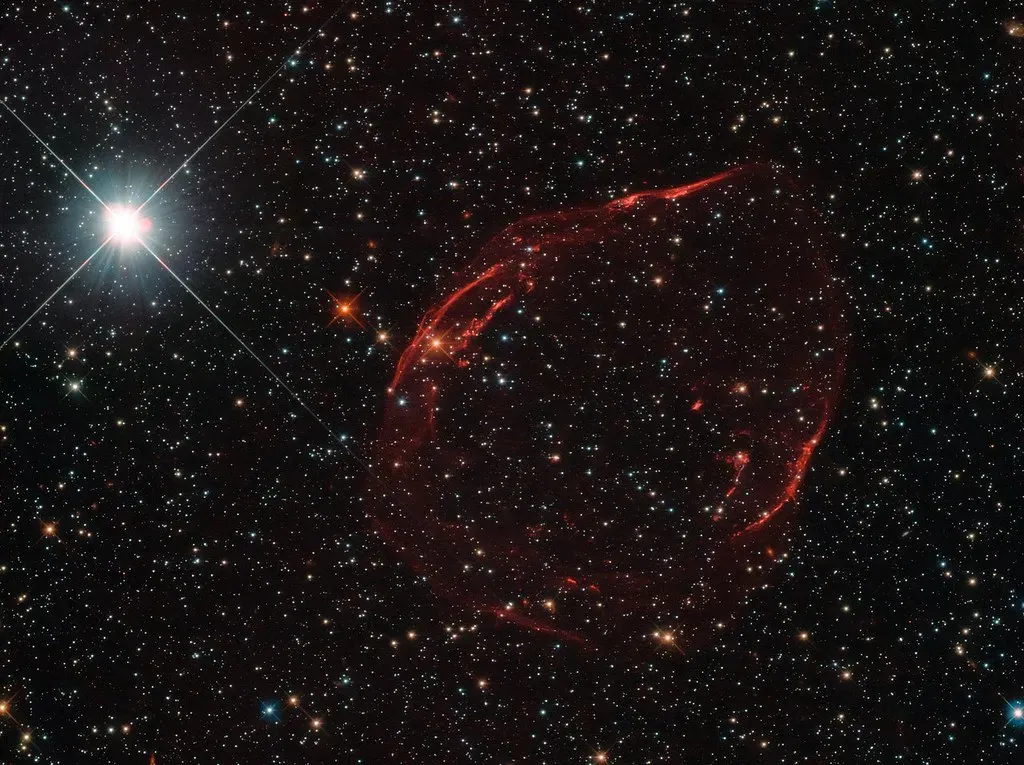
Let’s be real, “nearby” in space is a relative term. Proxima Centauri is the nearest star to Earth after the Sun, located 4.25 light-years away in the southern constellation of Centaurus. That means light from Proxima, traveling at roughly 186,000 miles per second, takes more than four years to reach us.
The closest star system to the Sun, Alpha Centauri, is the third brightest stellar point of light in the sky, while Sirius, the brightest star in Earth’s night sky, is the seventh individual nearest star to the solar system. Most of our closest neighbors are red dwarfs, small cool stars too faint to see without a telescope. There are three known exoplanets around Proxima Centauri, and in August 2025, astronomers announced the James Webb Space Telescope found evidence of a planet around Alpha Centauri A and B. Our nearest neighbors might have their own worlds.
—
When you look up tonight and see those points of light, remember what you’re actually seeing. Each one is a sun, burning through its cosmic fuel, possibly surrounded by its own family of planets. Each has been shining for millions or billions of years. Some of the stars you see tonight have already died, their light still traveling toward us across the void. Others are being born right now in distant nebulae.
It’s humbling, honestly. We’re not special, but we’re also part of something spectacular. What do you think about it? Does it make you feel small, or does it make you feel connected to something vast?