Some of the most unsettling and exciting discoveries in modern neuroscience point to a single, uncomfortable truth: your brain is far less fixed than you think, and that means your excuses are shakier than you might like. Neuroplasticity – the brain’s ability to rewire itself throughout life – has moved from fringe idea to central scientific reality, reshaping how we think about learning, trauma, aging, even identity. This article dives into what that plasticity really is, how it plays out in ordinary lives, and why it makes the human body’s most mysterious organ feel even stranger and more hopeful. Along the way, we’ll look at stroke survivors who relearn to move, people who “see” with their tongues, kids whose language centers migrate across hemispheres, and adults whose habits carve highways in gray matter. Underneath all of it lies a simple but radical message: your brain is constantly under construction, whether you notice or not.
The Myth of the Hard-Wired Brain
For most of the twentieth century, medical textbooks treated the adult brain like a finished circuit board: once wired, mostly unchangeable, and doomed to slow decline. That view made intuitive sense; damaged brain regions after stroke or injury often led to permanent deficits, and brain scans looked static compared with fast-moving organs like the heart. Yet early hints that something was off came from surprising recoveries, especially in children whose brains seemed to route essential skills around damaged tissue. Those anecdotes were usually dismissed as “special cases,” not evidence that the brain itself might be more flexible than the dogma allowed.
By the late twentieth and early twenty-first century, imaging tools like functional MRI and PET scans started to reveal a very different picture: neurons forming new connections, neighboring regions taking over lost functions, and networks shifting activity as people learned new skills. The term neuroplasticity, once used mainly for early development, expanded to include adulthood and even old age. Today, researchers talk less about hard-wiring and more about dynamic circuits that strengthen or weaken based on experience, like paths through a forest that grow wider the more you walk them. The old myth of a rigid brain has not just faded; it now looks like one of the most limiting stories we ever told about ourselves.
Neurons That Fire Together Really Do Wire Together
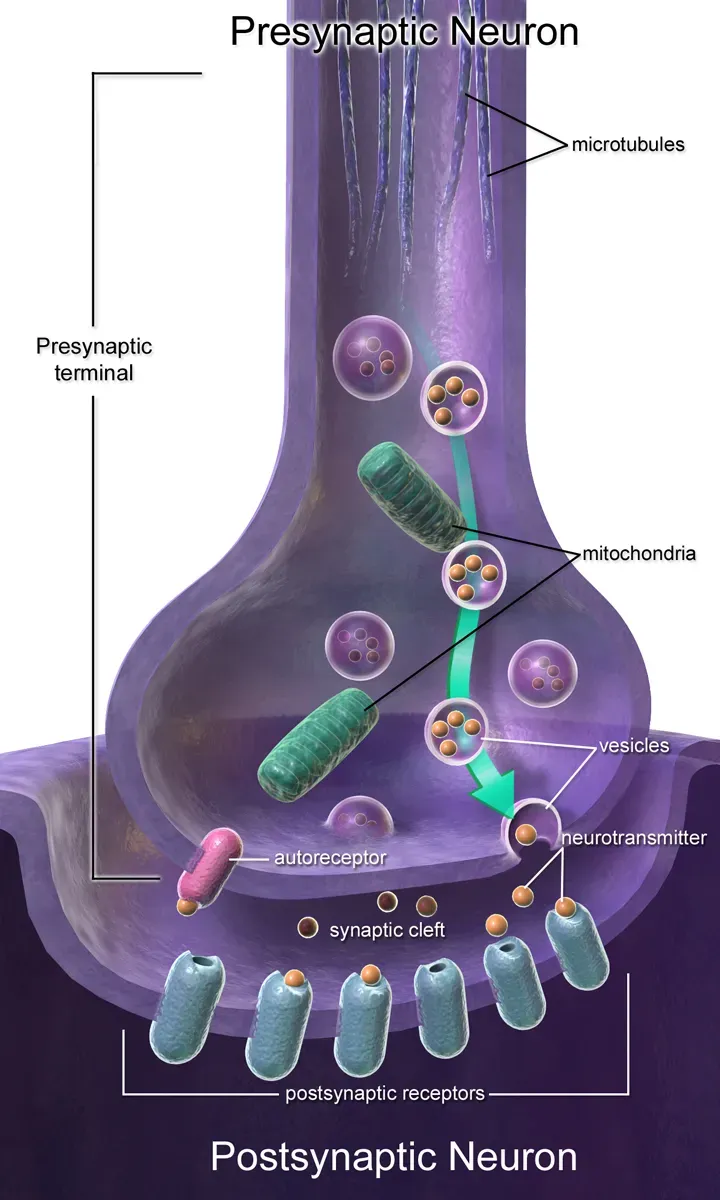
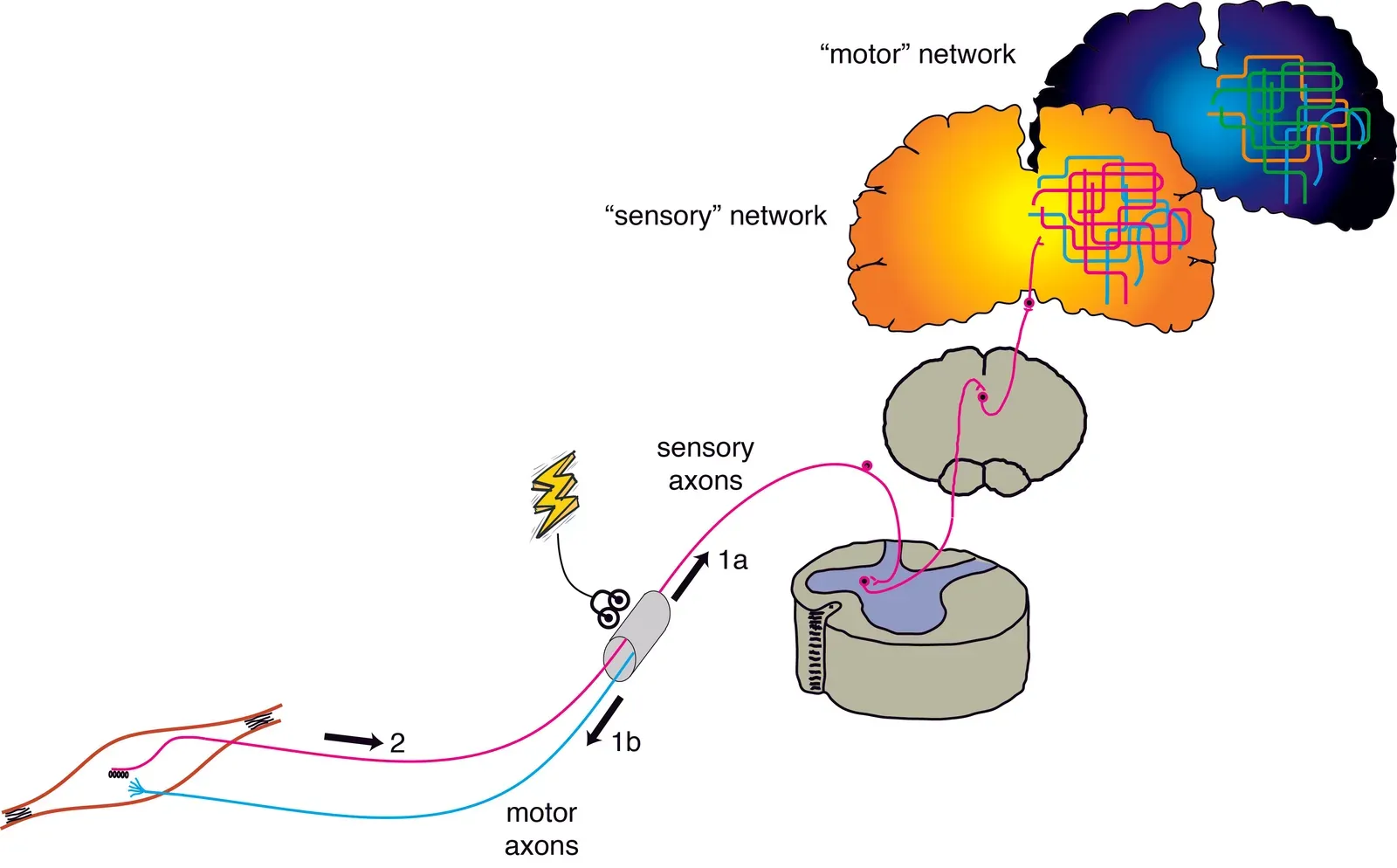
If neuroplasticity had a slogan, it would be the deceptively simple idea that repeated activity strengthens connections. When groups of neurons activate at the same time – whether while practicing a piano scale, recalling a traumatic memory, or navigating a new city – the microscopic junctions between them, called synapses, can become more efficient. Over time, this process, known as synaptic plasticity, means that certain patterns of thought or movement become easier to trigger, while unused connections may weaken or fade. The brain is constantly adjusting its internal wiring diagram, balancing stability with flexibility.
On a larger scale, these changes are not just theoretical; high-resolution scans show measurable shifts in gray matter density and white matter pathways when people learn demanding skills like juggling, taxi navigation, or a second language. What looks like talent from the outside often reflects countless microscopic edits to neural networks, rewarded by repetition and feedback. This is where neuroplasticity becomes a double-edged sword: the same mechanisms that help you master a musical instrument can also reinforce anxiety loops or addictive behaviors if those patterns are rehearsed instead. The brain is always listening to what you do and feel most often, and over time, it reorganizes itself around that default.
When the Brain Reroutes After Injury
Few stories make neuroplasticity feel as visceral as watching someone regain abilities after a brain injury that doctors once considered irreversible. Stroke, for example, can abruptly cut off blood flow to parts of the brain that control speech or movement, leaving people unable to talk or move one side of the body. For decades, rehabilitation focused more on compensation – working around the damage – than on actual structural recovery. That began to shift as therapists noticed that intense, targeted practice could coax dormant networks into action and even recruit new ones to share the load.
Modern stroke rehabilitation often leans on a concept called experience-dependent plasticity: the idea that the right kind of repeated challenge can reshape damaged circuits. Patients might practice grasping objects hundreds of times a day, or use constraint-induced therapy that temporarily restricts the healthy limb to force the weakened one into action. Brain imaging studies have shown motor functions migrating to neighboring cortical areas, a literal rerouting of control as new pathways strengthen. Recovery is rarely perfect, and the timeline can be brutally slow, but the underlying message is powerful: under pressure and with guidance, the adult brain can rewrite parts of its own operating manual.
Extreme Plasticity in Childhood Brains
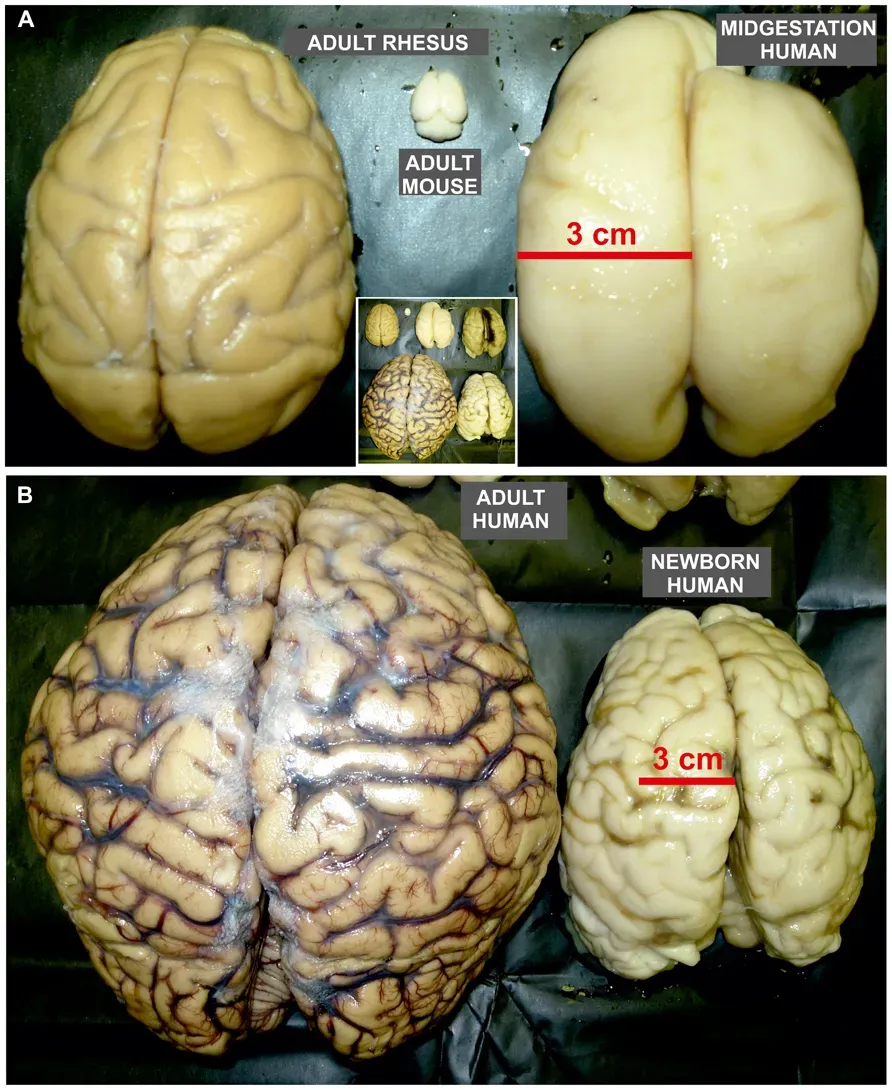
If adult neuroplasticity is impressive, childhood plasticity is almost unsettling in its scale. Early in life, the brain overproduces connections, creating a dense, noisy network that is gradually refined as children interact with the world. This pruning process strengthens circuits that are used and trims back those that are not, which is one reason immersion in language, movement, and rich social environments leaves such a deep mark. Cases where children lose or are born without parts of the brain show just how far this adaptability can go.
Some children who undergo surgery to remove an entire hemisphere to control severe seizures still develop surprisingly robust language and cognitive skills, especially when the operation is done very young. The remaining hemisphere appears to take over key functions that are usually divided between both sides, shifting language, vision, and even aspects of emotion into new territory. That does not mean there are no costs – fine motor skills, complex processing, or spatial abilities can be affected – but it does reveal a staggering capacity for reorganization. The flip side is sobering: harmful experiences in childhood, from chronic stress to neglect, can also sculpt the brain, embedding vulnerability that may echo across decades.
Sensing the World with Rewired Circuits
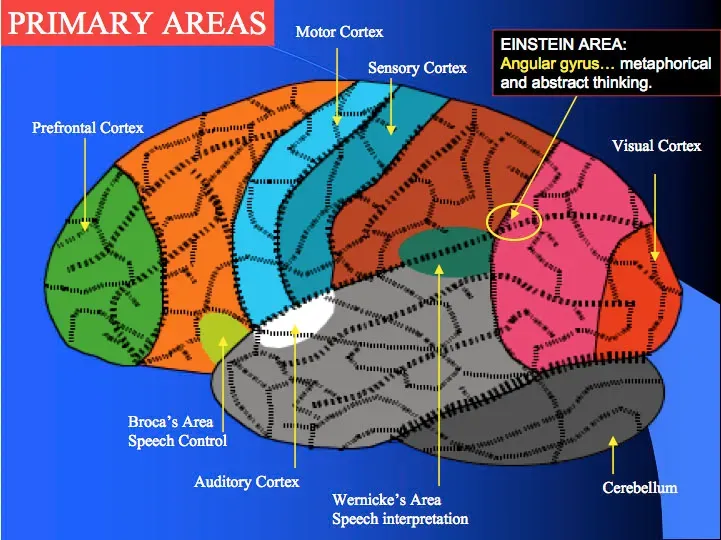
Neuroplasticity is not just about recovering lost skills; sometimes it generates entirely new ways of sensing the world. In sensory substitution research, scientists have built devices that convert visual information into patterns of touch or sound, allowing blind participants to navigate and recognize shapes. After training, brain scans often show areas typically associated with vision becoming active in response to these tactile or auditory inputs. In other words, the brain learns to treat nonvisual signals as if they were visual data, repurposing available circuits to fill in missing senses.
Similarly, people who are born blind often show heightened abilities in other domains, such as fine-grained hearing or language processing, supported by visual cortex regions that have been reassigned. Tinnitus, phantom limb sensations, and chronic pain also highlight plasticity, but in a more unsettling way, as the brain fills in missing input with internally generated signals. These examples underline a key point: the brain is less concerned with following a fixed blueprint for each region and more focused on using available real estate to solve whatever problems experience throws at it. That flexibility is a gift, but it can create strange and sometimes tormenting side effects.
Habits, Skills, and the Everyday Sculpting of the Brain
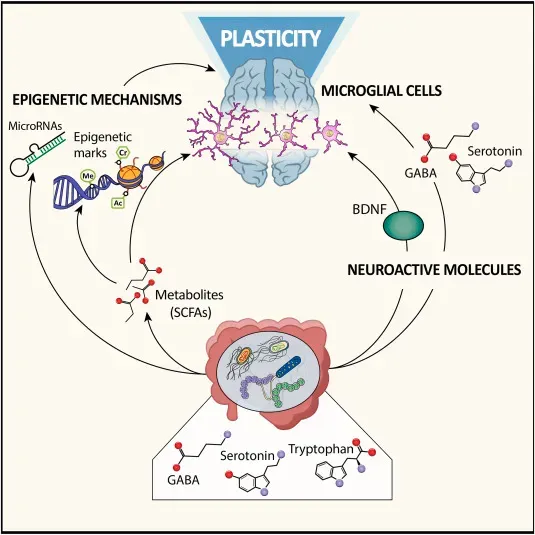
We tend to associate neuroplasticity with dramatic events – injury, blindness, breakthrough therapies – but most of its work happens quietly in daily routines. When you scroll your phone late at night, practice a new language, or rehearse a social worry, you are training your neural circuits as surely as if you were lifting weights. Long-term practice can thicken gray matter in regions linked to attention, memory, or motor control, while chronic stress has been linked to shrinkage in areas involved in decision-making and emotion regulation. The brain is not asking whether a habit is good for you; it is simply reinforcing what you repeat.
This is part of why changing long-standing habits feels like trying to turn a cargo ship – it is not just about willpower but about redirecting deeply grooved pathways. Learning a new skill, like dancing, coding, or drawing, often feels clumsy because the brain is building fresh circuits from scratch instead of leaning on familiar shortcuts. Over time, as actions become more automatic, activity shifts from effortful, conscious control centers to more efficient networks, particularly in subcortical regions. That transfer is neuroplasticity in action: awkward experiments slowly becoming second nature as the brain reorganizes around what you keep insisting on doing.
The Deeper Meaning of a Changeable Brain
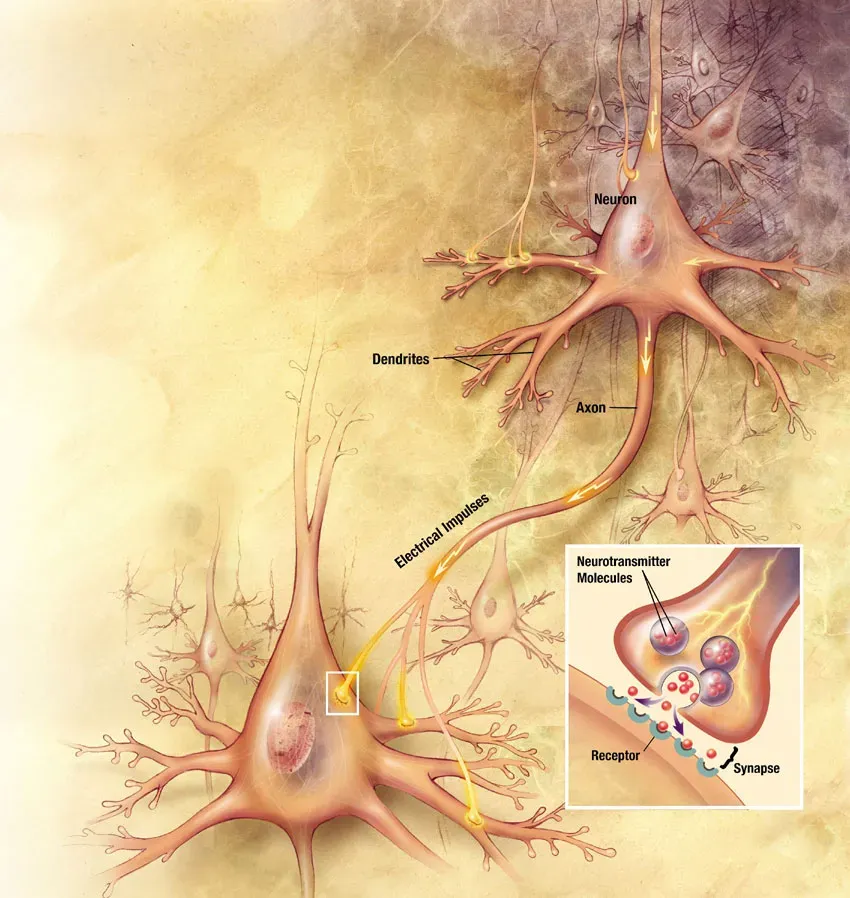
Stepping back, neuroplasticity does more than update a few neuroscience diagrams; it challenges basic assumptions about identity, responsibility, and potential. If a person’s patterns of thought and feeling are at least partly the result of repeated wiring and rewiring, then change becomes less about flipping a mental switch and more about patiently reshaping circuits. Earlier views that treated traits as largely fixed – intelligence as a static score, personality as a permanent mold – look increasingly incomplete in light of how experience sculpts networks over time. At the same time, plasticity does not mean anything is possible for anyone at any moment; biology, age, health, and history still set real constraints.
Comparing old and new understandings, the shift is from a brain seen as a rigid machine to one more like a living ecosystem, responsive but not infinitely malleable. Traditional rehabilitation often focused on teaching people to work around deficits, while modern approaches try to drive true structural changes, combining intense practice, sensory feedback, and sometimes brain stimulation. In education and mental health, the idea that effort and environment can literally reshape neural pathways lends scientific weight to growth-oriented approaches, but it also risks being oversold as a cure-all. The most honest takeaway is nuanced: your brain is neither your prison nor a blank slate, but a work in progress whose future architecture will reflect how you live now.
Extending Plasticity Across the Lifespan
One of the most encouraging findings of the past few decades is that neuroplasticity does not slam shut at adulthood, though it does change with age. Older brains may not adapt as rapidly as younger ones, but studies show that learning new languages, musical instruments, or complex skills can still produce measurable structural and functional changes well into later life. Activities that combine cognitive challenge, physical movement, and social engagement seem especially powerful, perhaps because they activate multiple networks at once. This runs counter to the old belief that aging is mainly a story of inevitable decline.
Researchers are also exploring how factors like sleep, exercise, and cardiovascular health influence the brain’s capacity to rewire. Aerobic activity, for instance, has been linked to the growth of new neurons in specific regions and to improved connectivity between brain areas, providing a kind of biological boost for plasticity. On the clinical side, therapies that pair training tasks with noninvasive brain stimulation or targeted medications aim to open temporary windows of heightened adaptability. None of these approaches are magic, and some remain experimental, but together they reinforce a hopeful conclusion: while time matters, the door to change rarely closes completely.
Turning Neuroplasticity into Personal Practice
Knowing that your brain is plastic is oddly useless unless it changes how you live. The most realistic way to harness it is not through dramatic life overhauls but through deliberate, repeated choices that nudge networks in a new direction. That might mean setting up a daily learning habit that is just hard enough to be engaging, or replacing a doomscrolling routine with a walk and an audiobook. Small shifts, done consistently, can eventually compete with and replace older circuits, though the process is often slower and more emotionally messy than self-help slogans admit.
There are also quieter, internal ways to work with plasticity: mindfulness practices that train attention, therapies that gently revisit and reframe painful memories, or simply becoming more aware of the stories you rehearse to yourself. None of these guarantee transformation, but they all leverage the same principle that repeated mental activity leaves a physical trace. On a broader level, supporting science education, mental health services, and equitable access to rich learning environments becomes a kind of social neuroplasticity project, shaping brains at scale. If every human brain holds unexplored connections, the real question becomes how many of them we are willing to discover, and how many we will leave untouched.
Suhail Ahmed is a passionate digital professional and nature enthusiast with over 8 years of experience in content strategy, SEO, web development, and digital operations. Alongside his freelance journey, Suhail actively contributes to nature and wildlife platforms like Discover Wildlife, where he channels his curiosity for the planet into engaging, educational storytelling.
With a strong background in managing digital ecosystems — from ecommerce stores and WordPress websites to social media and automation — Suhail merges technical precision with creative insight. His content reflects a rare balance: SEO-friendly yet deeply human, data-informed yet emotionally resonant.
Driven by a love for discovery and storytelling, Suhail believes in using digital platforms to amplify causes that matter — especially those protecting Earth’s biodiversity and inspiring sustainable living. Whether he’s managing online projects or crafting wildlife content, his goal remains the same: to inform, inspire, and leave a positive digital footprint.