
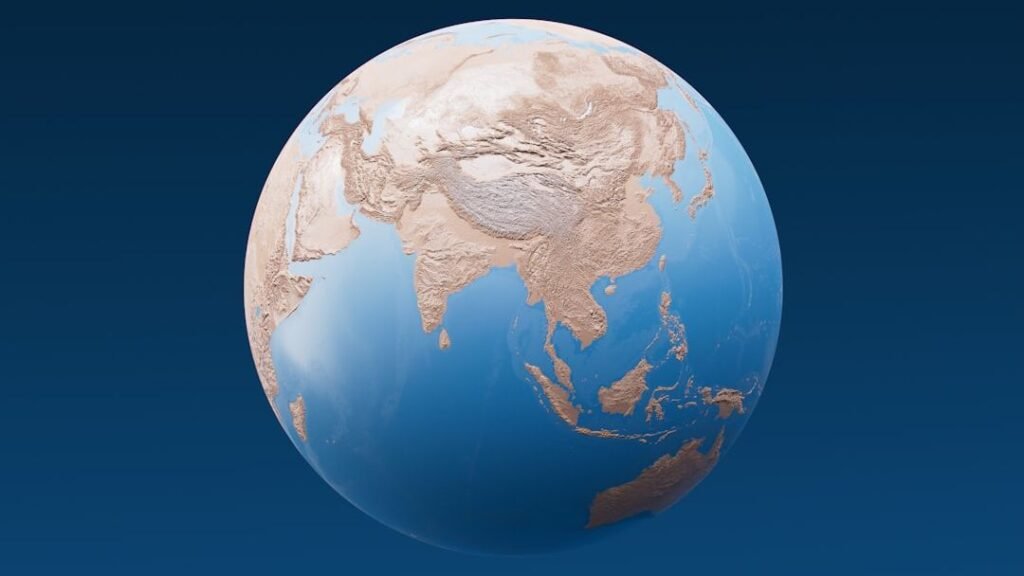

You turn on the faucet. Water flows out. You drink it without a second thought. Yet that seemingly ordinary water carries within it a history older than mountains, dinosaurs, and even the Sun itself. Let’s be real, every single drop you’ve ever touched, swum in, or sipped has been on an extraordinary journey spanning billions of years.
Think about that next time you’re staring at a glass of H₂O. Those molecules haven’t just been around for a long time; they’ve been everywhere, done everything, and witnessed nearly every moment of Earth’s existence. Ready to learn just how ancient and well traveled your drinking water really is? Let’s dive in.
Water Formed Before the Sun Was Born
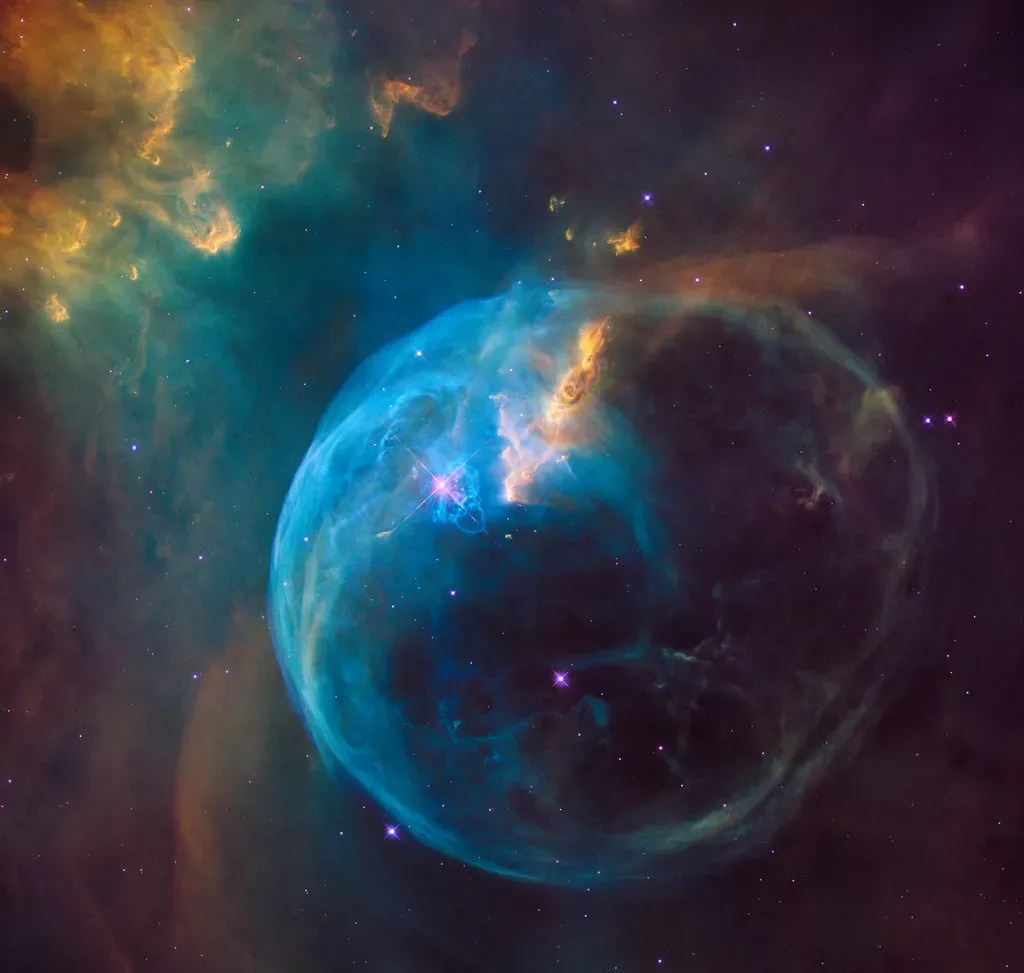
Here’s something that might blow your mind. Much of the water on Earth is older than the sun, dating back to the molecular cloud that formed our solar system, and up to half of our water was inherited from interstellar ice as our sun formed. That’s right. The hydrogen and oxygen that make up water molecules started bonding together in the cold, dark depths of space long before our solar system even existed.
Water is around 4.5 billion years old, and the evidence is in Earth’s heavy water content. Scientists figured this out by measuring something called deuterium, a heavy form of hydrogen. This isotopic signature acts like a chemical fingerprint, telling researchers where water came from and how old it is. You’re basically drinking stardust that predates our entire neighborhood of planets.
Ancient Zircons Tell Tales of Earth’s First Oceans
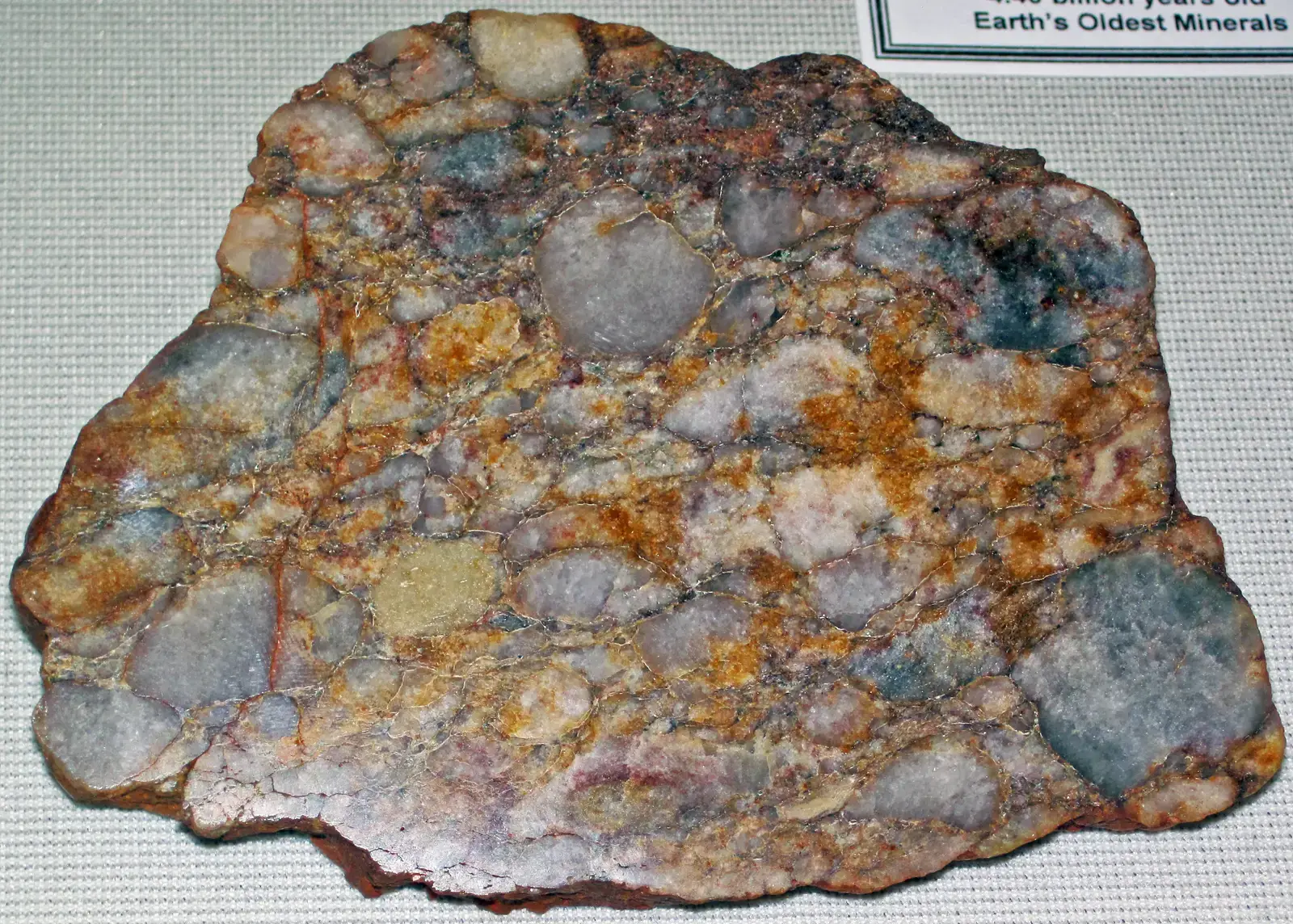
Scientists love zircon crystals for one simple reason: they’re nearly indestructible. Mineralogical evidence from zircons has shown that liquid water and an atmosphere must have existed 4.404 billion years ago, very soon after the formation of Earth. These tiny crystals form under specific conditions and lock in chemical clues about the environment at the time they were created.
An ancient ocean likely covered the entire planet 150 million years after the formation of Earth, about 4.4 billion years ago, and zircon crystals dated around this time have a specific chemistry that indicates they formed through a sedimentary process in a cool and wet environment. Picture a young Earth, still cooling down, with oceans already covering its surface. Life hadn’t started yet, but the stage was being set.
Your Water Once Rained on Dinosaurs
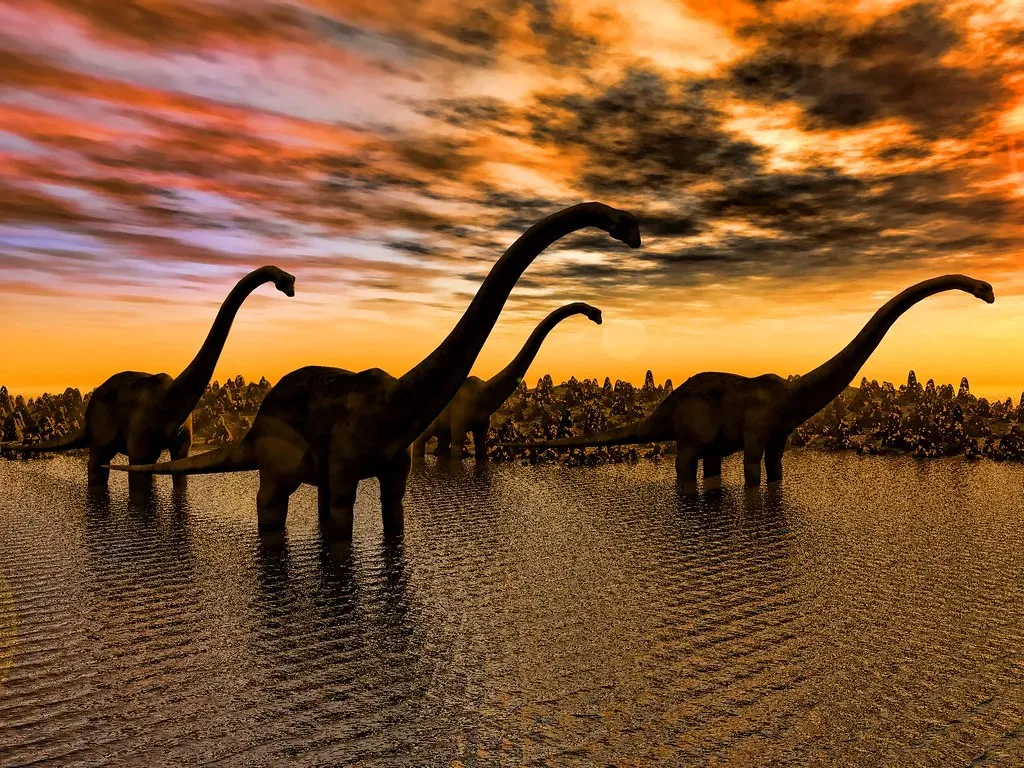
It sounds like something from a kid’s imagination, yet it’s completely true. The water that we drink today is the same water that wooly mammoths, dinosaurs, and the first humans ever drank. Think about a Tyrannosaurus rex drinking from a stream or a massive sauropod splashing through a lake. That very same water is now flowing from your tap.
Water doesn’t disappear or get destroyed. It just changes form and moves around the planet in what scientists call the water cycle. There is the same amount of water on the earth today as there was billions of years ago, and no new water is being made or lost. When a dinosaur drank, sweated, or excreted water millions of years ago, those molecules eventually evaporated, rained down somewhere else, and continued their endless journey through time.
Where Did All This Water Come From, Anyway?
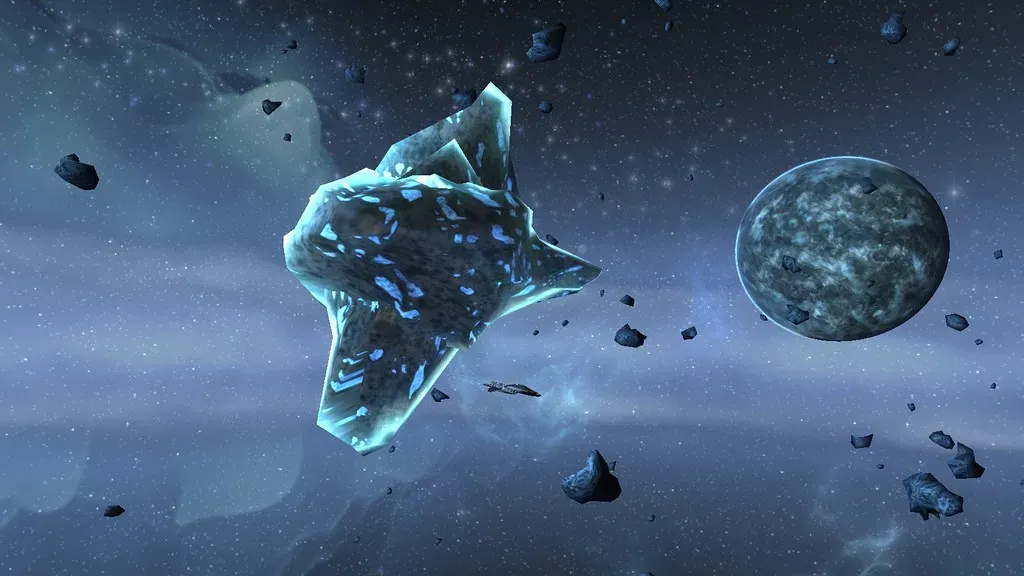
Scientists have debated this question for decades. One hypothesis claims that Earth accreted icy planetesimals about 4.5 billion years ago, when it was 60 to 90 percent of its current size, and in this scenario, Earth was able to retain water in some form throughout accretion and major impact events. Essentially, water-rich space rocks crashed into the young Earth, delivering their precious cargo.
Asteroids from the outer belt between Mars and Jupiter are the current favorites. Asteroids up to a few hundred kilometers across seem the most likely sources of most of Earth’s water, specifically the types of asteroid that dominate the outer asteroid belt between Mars and Jupiter. Comets were once considered the main culprits, but their chemical signatures don’t quite match up with Earth’s water. Still, some scientists think Earth might have also generated water internally through reactions between hydrogen-rich atmospheres and magma oceans billions of years ago.
Water Cycles Through Earth’s Interior, Not Just the Surface
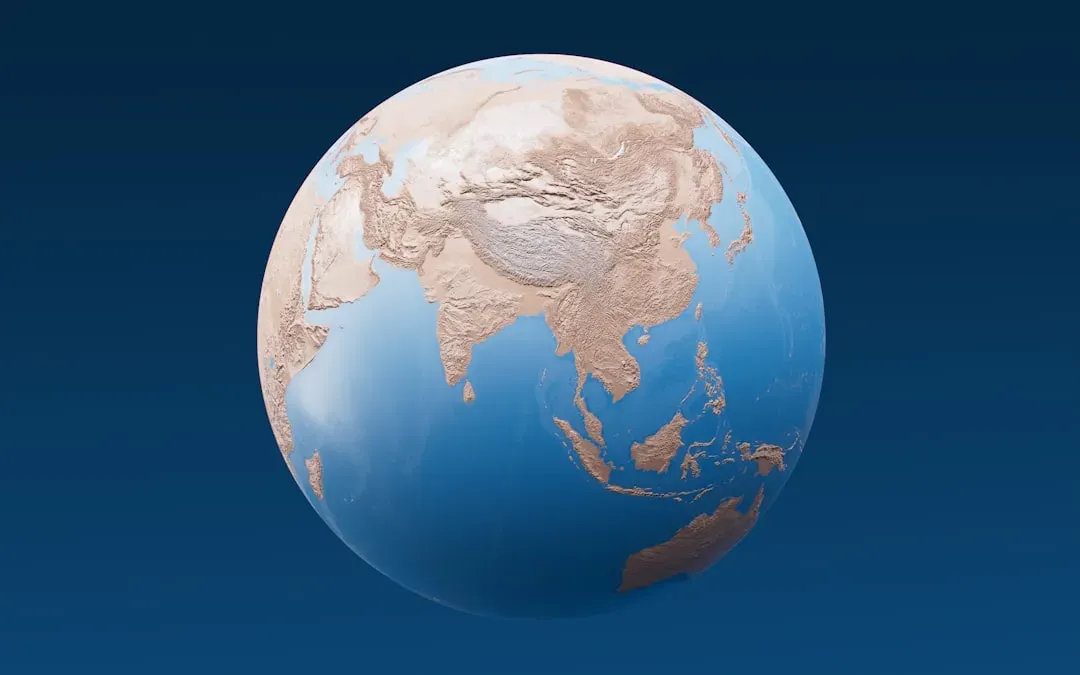
Most of us learned about the water cycle in school: evaporation, condensation, precipitation, collection. Simple, right? Turns out there’s a much deeper cycle happening beneath our feet. The global water cycle, which circulates surface water into the deep mantle and back to the surface again, could have played a critical role in the Earth’s history. Plate tectonics drags water-soaked rocks down into the mantle at subduction zones.
Modeling suggests that the near constancy of continental freeboard since the Early Proterozoic requires a long-term net water influx from the surface to the mantle of at least 3 times 10 to the 11 kilograms per year for a billion years. That means over geological time, water is actually being pulled into Earth’s interior faster than it’s being released by volcanoes. The ocean you see today might be slightly different in volume millions of years from now.
Ice from Antarctica Holds Water Older Than Human Civilization
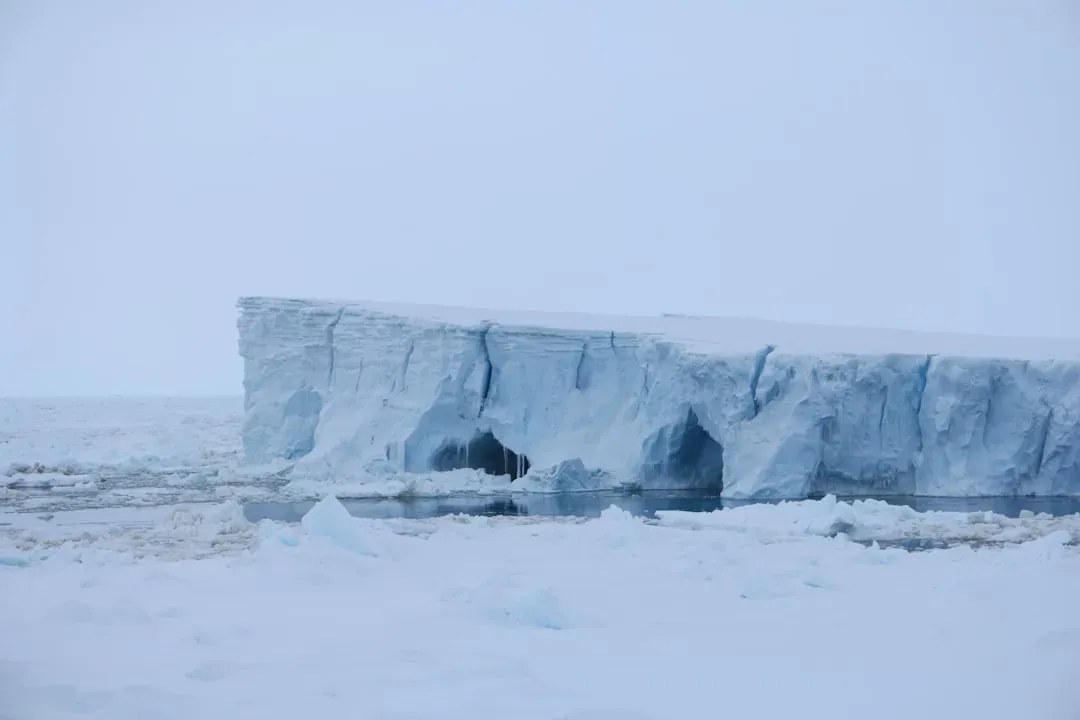
Not all water moves quickly through the cycle. Some gets locked away for thousands, even millions, of years. Groundwater can spend over 10,000 years beneath Earth’s surface before leaving, and ice from Antarctica has been reliably dated to 800,000 years before present. Imagine water molecules freezing in place long before modern humans existed, staying frozen through ice ages, through the rise and fall of entire species.
The deep Pacific holds the ocean’s oldest waters, which have been out of contact with the atmosphere for about 1000 years before they mix to the surface again. That’s water that sank before the Renaissance, before the discovery of the Americas, before many of the world’s major civilizations even existed. It’s been sitting in cold, dark silence at the bottom of the ocean, waiting for currents to bring it back up.
The Same Water That Flows Today Flowed Through Ancient Civilizations
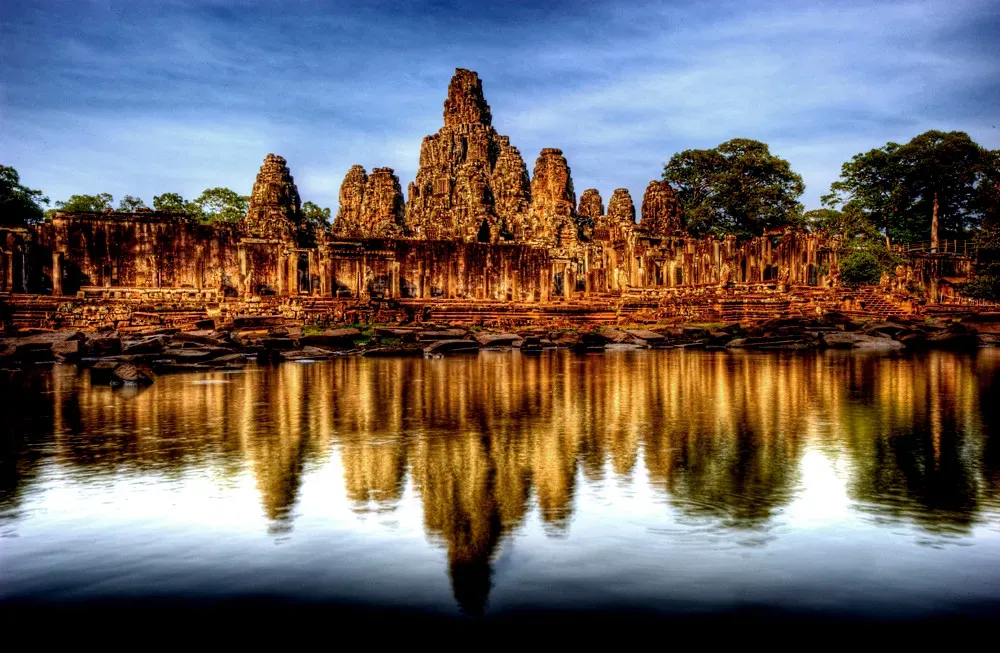
Human history has been written with water. Domestic wastewater has been used for irrigation and aquaculture by a number of civilizations including those that developed in China and the Orient, Egypt, the Indus Valley, Mesopotamia, and Crete, and in historic times, wastewater was disposed of or used for irrigation and fertilization purposes by the Greek and later Roman civilizations. Every major civilization rose and fell near reliable water sources.
The Romans built aqueducts. The Egyptians worshipped the Nile. Ancient philosophers like Anaximander and Aristotle pondered where rain came from, slowly piecing together the essence of the water cycle. Aristotle understood the water phase change and the energy exchange required for it, and he recognized water mass conservation by reporting that in a certain period all quantity that has been abstracted is returned. They didn’t have modern science, yet they grasped something profound: water moves in cycles, always returning.
Water’s Journey Never Truly Ends
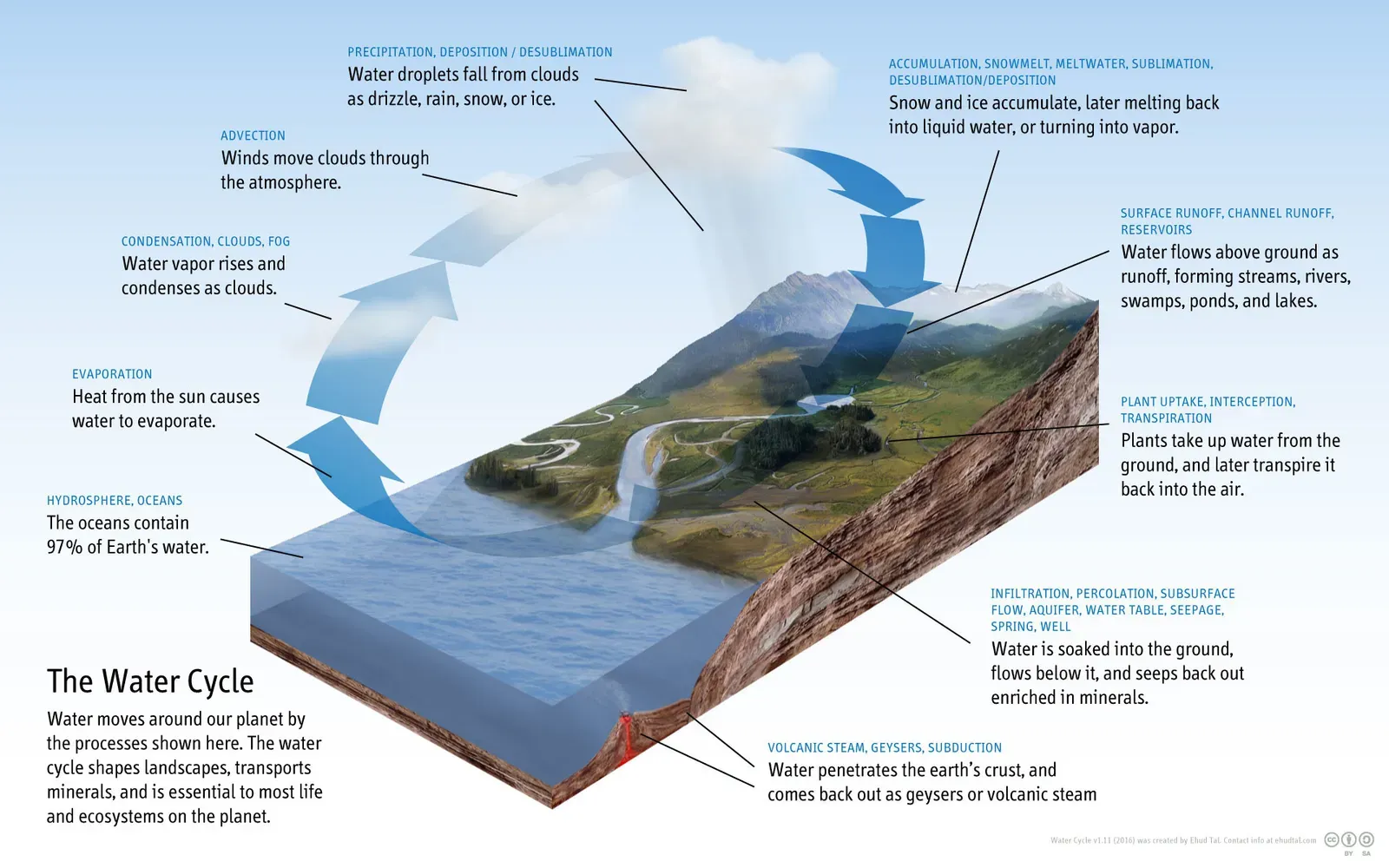
The mass of water on Earth remains fairly constant over time, however, the partitioning of the water into the major reservoirs of ice, fresh water, salt water and atmospheric water is variable and depends on climatic variables, and the water moves from one reservoir to another due to a variety of physical and chemical processes. Water in your body right now might have once been a raindrop on a Jurassic fern, a wave crashing on a prehistoric beach, or a tear shed by someone a thousand years ago.
Every time you wash your hands, take a shower, or water a plant, you’re participating in a process that has been happening since before complex life existed. Earth has been recycling the same water for billions of years through the water cycle, and every drop on the planet is constantly moving through this cycle, traveling between the land, air, and oceans. Nothing is ever truly lost, only transformed and relocated. Water is the ultimate recycler, the ultimate time traveler, and the ultimate storyteller.
So the next time you take a sip, pause for just a moment. You’re tasting deep time itself. You’re connected to every ocean, every raindrop, every living thing that has ever existed on this planet. That’s not just remarkable; honestly, it’s humbling. What do you think? Does knowing water’s ancient story change how you see it?


