In the early dawn of a seemingly ordinary day, the world witnessed a catastrophe that reverberated through ecosystems and communities alike. The collapse of the Kakhovka Dam was not just a structural failure; it was a profound blow to environmental stability and human livelihood. Nestled along the Dnieper River in Ukraine, this dam was a lifeline for agricultural lands, wildlife habitats, and local economies. But in the blink of an eye, the rupture unleashed a deluge of water that swept away more than just land and infrastructure—it swept away certainty and security. As we delve deeper into the ramifications of this event, we unravel the intricate tapestry of ecological and societal impacts that will echo for generations.
Immediate Environmental Ramifications
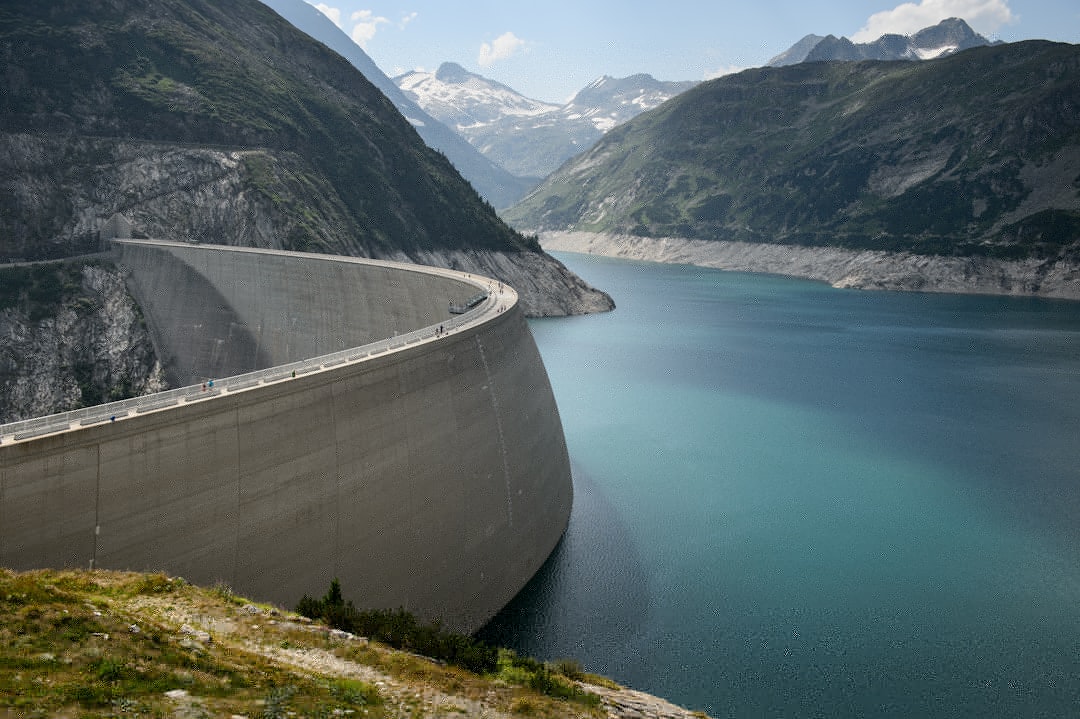
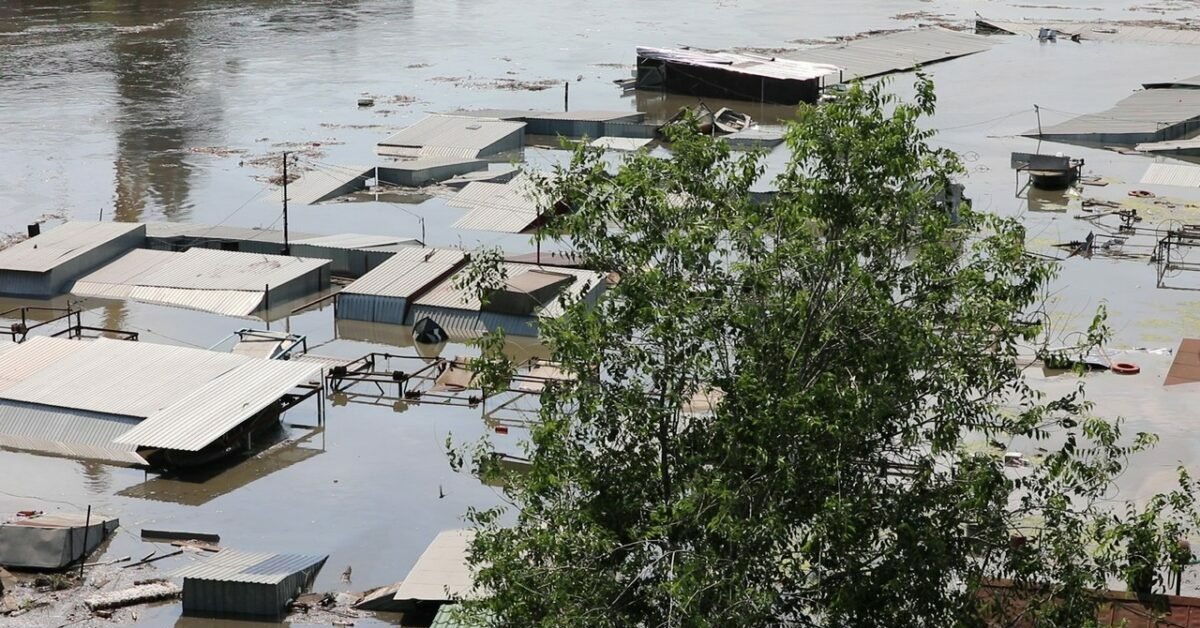
The collapse of the Kakhovka Dam triggered a cascade of immediate environmental consequences. The sudden release of water inundated vast tracts of land, submerging ecosystems and displacing terrestrial flora and fauna. Many species found themselves caught in a race against time, struggling to find safe ground. In some areas, fish and aquatic life were suddenly thrust into new territories, disrupting established food chains and breeding grounds. The sheer volume of water also carried sediments and pollutants, drastically altering water quality and affecting the health of downstream ecosystems. This initial shock to the environment laid the groundwork for a series of longer-term challenges that would need careful monitoring and management.
Displacement of Wildlife
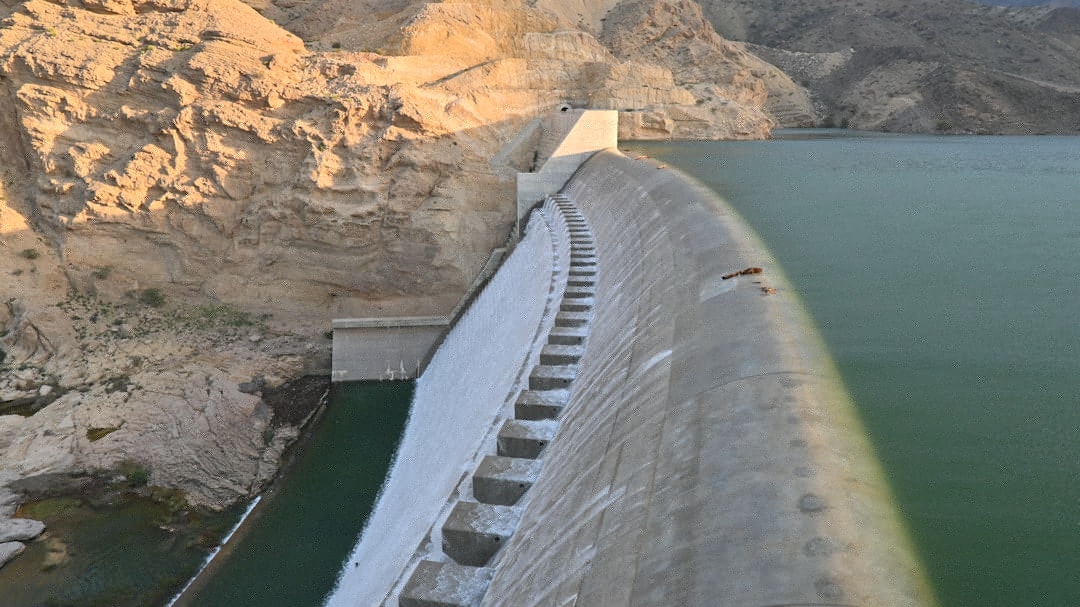
Wildlife displacement emerged as one of the most visible consequences of the dam’s collapse. With their habitats submerged, countless animals were forced to seek refuge elsewhere, leading to increased competition for resources in unaffected areas. Birds, mammals, and reptiles found themselves in unfamiliar territories, often resulting in increased mortality rates and strained ecosystems. The disruption of established habitats also posed significant challenges for conservation efforts, as many species faced the threat of losing critical breeding and feeding grounds. The long-term survival of these displaced populations remains uncertain, highlighting the urgent need for conservation strategies that address habitat restoration and protection.
Impact on Aquatic Life
The aquatic ecosystems in the region bore the brunt of the dam’s collapse. The sudden influx of water altered river flow patterns, affecting fish migration and spawning cycles. Many aquatic species, accustomed to stable conditions, found themselves struggling to adapt to the new environment. The increased turbidity and sedimentation further compromised water quality, leading to declines in fish populations and biodiversity. The delicate balance of aquatic food webs was disrupted, with implications for both predators and prey. Restoring these ecosystems will require careful monitoring and targeted interventions to ensure the recovery of aquatic life and the overall health of the river ecosystem.
Soil Erosion and Agricultural Loss
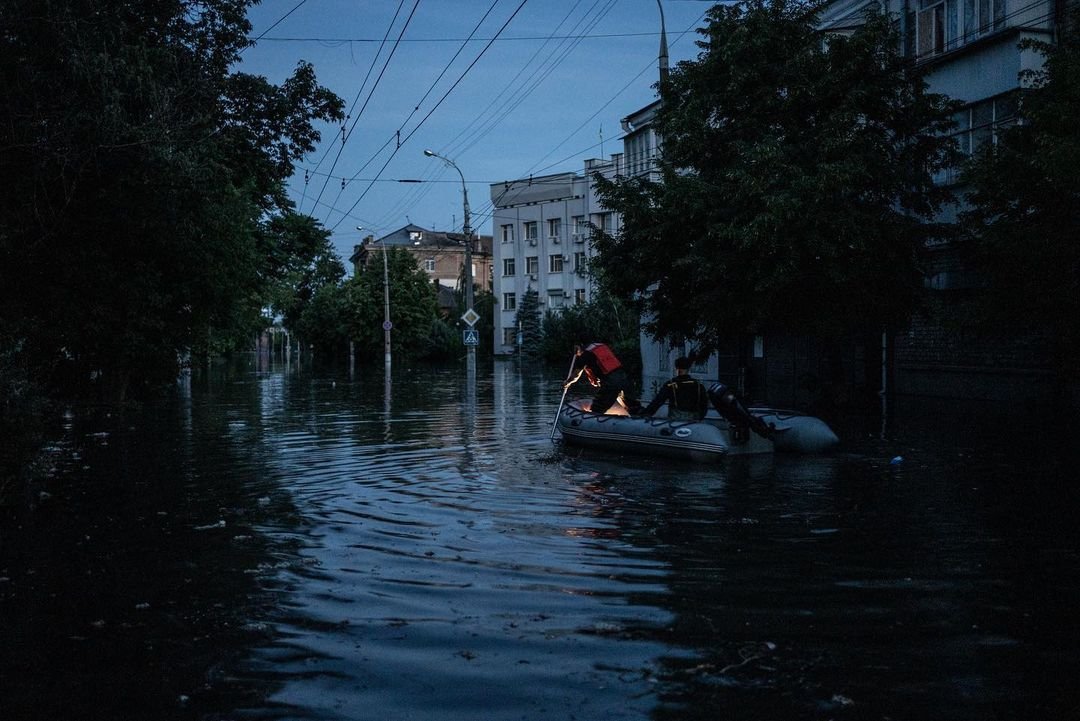
The floodwaters unleashed by the dam’s collapse swept across agricultural lands, leaving a trail of destruction in their wake. Topsoil erosion became a pressing concern, as fertile lands were stripped of their nutrient-rich layers. Farmers faced the daunting task of rebuilding their livelihoods in the aftermath of the disaster, grappling with reduced crop yields and financial uncertainty. The loss of arable land not only affected local economies but also had broader implications for food security in the region. Efforts to mitigate soil erosion and restore agricultural productivity will be critical in supporting communities and ensuring sustainable land use practices.
Contamination of Water Resources
As the floodwaters receded, concerns over water contamination came to the forefront. The release of sediments and pollutants from the dam’s reservoir posed significant risks to water quality in downstream areas. Heavy metals, agricultural runoff, and other contaminants entered water bodies, threatening the health of both ecosystems and human populations reliant on these resources. Ensuring access to clean and safe water became a priority, necessitating comprehensive monitoring and remediation efforts. Addressing water contamination is essential not only for environmental recovery but also for safeguarding public health and well-being.
Socioeconomic Consequences
Beyond the environmental impacts, the dam’s collapse had far-reaching socioeconomic implications. Communities reliant on the river for livelihoods, such as fishing and agriculture, faced unprecedented challenges. The loss of infrastructure and access to resources disrupted daily life and economic activities. Displaced populations grappled with uncertainty and financial instability, highlighting the need for social support systems and economic recovery plans. Rebuilding these communities will require collaboration between government agencies, local organizations, and international partners to ensure sustainable development and resilience in the face of future challenges.
Long-Term Ecological Recovery
The path to ecological recovery following the dam’s collapse is fraught with complexities. Restoring habitats, reestablishing species populations, and rehabilitating ecosystems will require a multifaceted approach. Collaborative efforts involving scientists, conservationists, and local communities will be essential in developing effective restoration strategies. Monitoring and adaptive management will play crucial roles in ensuring the resilience and sustainability of ecosystems in the face of ongoing environmental pressures. The long-term success of these efforts will depend on a commitment to understanding and addressing the intricate web of interactions within the affected landscapes.
Lessons for Future Infrastructure Projects
The Kakhovka Dam collapse serves as a poignant reminder of the importance of sustainable infrastructure planning and management. As the world grapples with the impacts of climate change and increasing environmental pressures, the need for resilient and adaptive infrastructure becomes paramount. Lessons learned from this disaster can inform future projects, emphasizing the importance of rigorous risk assessments, robust maintenance protocols, and community engagement. Building infrastructure that harmonizes with natural systems and prioritizes environmental and social considerations will be crucial in preventing similar catastrophes and ensuring long-term sustainability.
Role of International Cooperation
Addressing the multifaceted challenges posed by the Kakhovka Dam collapse requires international collaboration and cooperation. Environmental disasters transcend borders, necessitating coordinated efforts to mitigate their impacts and support recovery. Sharing knowledge, resources, and expertise can enhance the capacity of affected regions to respond effectively to such crises. International partnerships can also facilitate the development of innovative solutions and technologies to address complex environmental and socioeconomic issues. Strengthening global cooperation will be essential in building resilience and fostering sustainable development in the face of an uncertain future.
Hope for the Future

Amidst the devastation and uncertainty, there is hope for a brighter future. The resilience of nature and human communities provides a foundation for recovery and renewal. Through concerted efforts and a commitment to sustainable practices, it is possible to restore ecosystems, rebuild communities, and create a more harmonious relationship with the environment. The lessons learned from the Kakhovka Dam collapse can inspire positive change and drive us towards a more sustainable and resilient world. As we move forward, let us embrace the opportunity to redefine our relationship with nature and work towards a future where environmental disasters are met with preparedness, compassion, and determination.