
Cloning has always felt like something out of a science fiction novel. The idea that you could replicate a living creature from a single cell still sounds almost unbelievable, even decades after Dolly the sheep made headlines. Yet here we are in 2026, and researchers have just pulled off something that might quietly reshape the future of biomedical science forever.
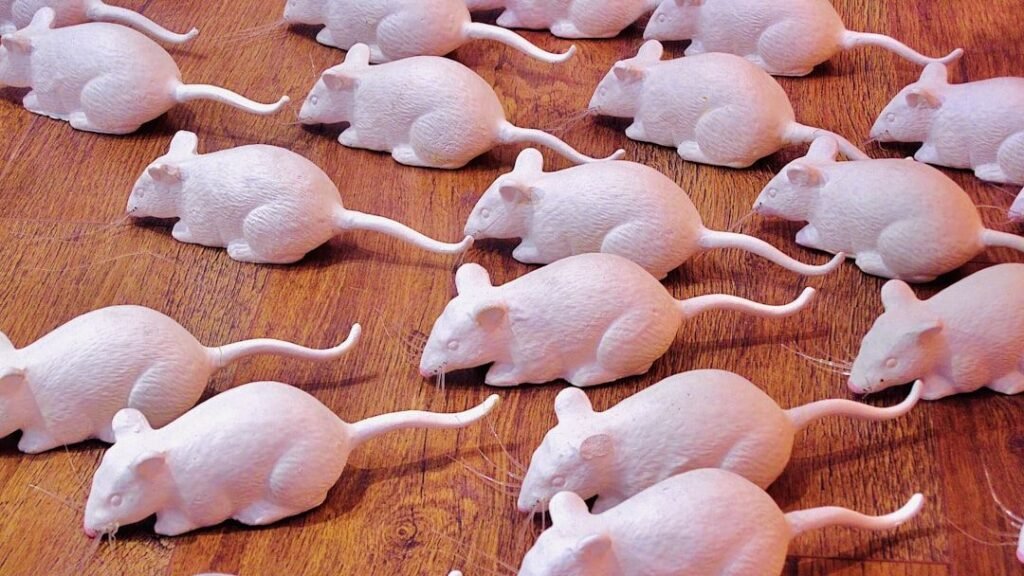
A team of scientists has figured out how to clone mice continuously, generation after generation, without the usual biological roadblocks that have plagued cloning research for years. This isn’t just a small tweak to an old technique. It’s a genuine breakthrough that opens doors nobody was sure could ever be opened. Let’s dive in.
The Problem That Made Cloning Feel Like a Dead End
Here’s the thing about cloning mammals: it has never been easy. Since the famous 1996 cloning of Dolly, scientists have known the process works in theory. In practice, though, efficiency has always been shockingly low. Most cloned embryos simply fail to develop properly, and those that do often come with health complications.
The core issue comes down to something called epigenetic reprogramming. When a normal egg is fertilized, it goes through a beautifully orchestrated process of resetting certain genetic switches. With cloning, that reset is forced and incomplete, like trying to restart a complicated computer using only half the original code. The errors pile up, and eventually the whole system collapses.
What made things worse is that each new generation of cloned animals seemed to accumulate these errors further, making repeated cloning across multiple generations practically impossible. Scientists could barely get one successful clone, let alone an endless line of them.
What the Researchers Actually Did Differently
The team, working on mouse cloning, identified a specific group of problematic genes that were being incorrectly activated during the cloning process. These genes, known as Xist-related and certain retrotransposon genes, interfere with normal embryo development when they should be staying quiet. Think of it like a loud guest at a library who keeps disrupting everyone around them.
The researchers used a chemical inhibitor approach to silence these overactive genes during the critical early stages of cloned embryo development. By doing this, they dramatically improved the success rate of the clones. The embryos developed more normally, and crucially, they remained healthy enough to themselves be used as donors for the next round of cloning.
This might sound like a small adjustment, but the implications are enormous. Previous cloning methods hit a wall after just a few generations because each round introduced more instability. This new method essentially resets that instability before it can cause damage.
The “Endless” Part and Why It Actually Matters
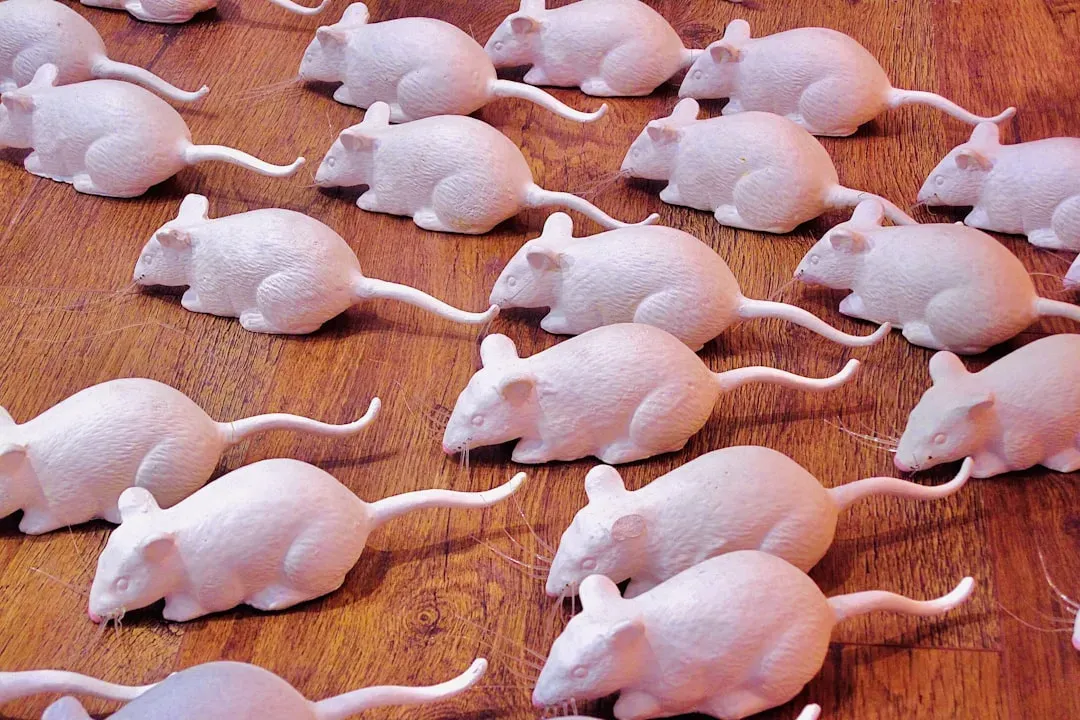
Honestly, the word “endless” gets thrown around a lot in science reporting, so let me be precise about what this means here. The researchers successfully cloned mice across multiple generations repeatedly, something that had never been achieved with this level of consistency before. They produced over a hundred clones from a single original mouse line.
That’s not just impressive. It’s practically revolutionary for laboratory science. Research institutions rely on genetically consistent mouse populations to run experiments. If you’re testing a new cancer drug, for example, you need mice that are as genetically identical as possible to avoid confounding results. Right now, maintaining such lines requires careful breeding over many generations, which takes time, cost, and creates genetic drift.
An essentially perpetual cloning line means researchers could theoretically maintain a perfectly consistent genetic template indefinitely. No drift, no variation introduced by traditional breeding, and far fewer variables muddying up experimental results.
The Role of a Surprisingly Common Lab Chemical
One of the most satisfying parts of this story is just how accessible the solution turned out to be. The researchers didn’t need some exotic, expensive compound developed over years. The chemical inhibitor they used to silence the troublesome genes is already widely available in laboratory settings.
This matters because scientific breakthroughs that depend on rare or costly materials often stay in elite labs for years before spreading. A method built on commonly available tools can be adopted much faster across research institutions worldwide. It’s a bit like discovering that the secret ingredient to a complicated recipe was salt, something everyone already has in the cupboard.
The simplicity of the approach actually adds to its credibility, in my opinion. Overly complicated solutions have a way of falling apart when others try to replicate them. This one has a clean, logical mechanism behind it.
Health and Viability of the Cloned Mice
A fair question to ask is whether these clones are actually healthy. Previous generations of cloned animals often suffered from obesity, premature aging, immune dysfunction, and developmental abnormalities. The mice from early cloning experiments sometimes looked fine at birth but deteriorated noticeably over time.
The researchers in this study reported that the mice produced through their improved method appeared healthy and developed normally. They reached reproductive age, behaved like typical mice, and didn’t show the obvious physical problems that plagued older cloning techniques. It’s hard to say for sure whether long-term health issues might still emerge down the line, and the researchers themselves acknowledge that further study is needed.
Still, the early data is encouraging. Healthy, stable clones that can themselves serve as the source material for the next cloning cycle is the foundational requirement for this whole concept to hold up. So far, it appears to be holding.
What This Could Mean for Biomedical Research Globally
Let’s be real about the scale of what this could change. Mouse models are the backbone of pharmaceutical and biological research. Nearly every drug candidate tested in a laboratory passes through mouse trials before any human clinical testing begins. The quality and consistency of those mouse models directly affects the quality of the science.
If cloning can now provide genetically identical mice on demand, repeatedly and reliably, the reproducibility crisis in biomedical research could see meaningful improvement. Reproducibility, meaning the ability for different labs to get the same results running the same experiment, has been a genuine problem in science for years. Inconsistent animal models are one major contributing factor.
Beyond research, this technology could eventually influence conservation biology. The possibility of maintaining cloned lines from endangered species has been discussed theoretically for decades. This new method doesn’t solve all the barriers to that application, but it makes the foundational science considerably more robust than it was before.
The Ethical Conversations That Will Follow
No cloning breakthrough arrives without raising ethical questions, and this one is no different. The research is focused squarely on mice right now, but the obvious implication that similar techniques could eventually be applied to other mammals, including primates, hangs in the air.
Regulatory bodies and bioethics committees around the world will need to engage with this research carefully. The line between using cloning for controlled laboratory research and using it for more controversial purposes is one that scientific governance has always had to walk. This new development makes that conversation more urgent.
I think it’s worth being clear that the researchers involved appear to be focused on legitimate scientific goals. The practical application of this method in its current form is laboratory research, not anything more sensational. Still, the broader conversation about mammalian cloning and where its limits should be drawn is one that society needs to have openly and honestly, rather than waiting until the technology races too far ahead.
This breakthrough represents one of the more quietly significant advances in cloning science in recent memory. The combination of a simple chemical solution, a clear mechanistic explanation, and genuinely reproducible results across many generations of mice gives this research a solidity that many flashier announcements lack. What do you think about where this kind of science is heading? Drop your thoughts in the comments below.