

Nestled between two vast oceans, Panama serves as a vibrant tapestry of life, rich with an array of endemic species. This tropical bridge, connecting North and South America, offers a unique glimpse into the evolutionary marvels that have unfolded over millennia. As you wander through its lush rainforests, you may find yourself mesmerized by the sheer diversity of flora and fauna, each with its own story of adaptation and survival. The intricate dance of evolution in Panama is not just a tale of survival but a testament to nature’s resilience and ingenuity.
The Unique Geography of Panama

Panama’s strategic location as a land bridge has played a pivotal role in its biodiversity. The country’s geography, with its narrow strip of land connecting two continents, has facilitated the interchange of species, allowing them to migrate and evolve in unique ways. This geographic positioning has also resulted in diverse habitats, from dense rainforests to coastal mangroves. As a result, Panama has become a melting pot of species, many of which are found nowhere else on Earth. The Isthmus of Panama, in particular, acts as a corridor for species migration, influencing the evolutionary paths of countless organisms.
Panama’s Botanical Wonders
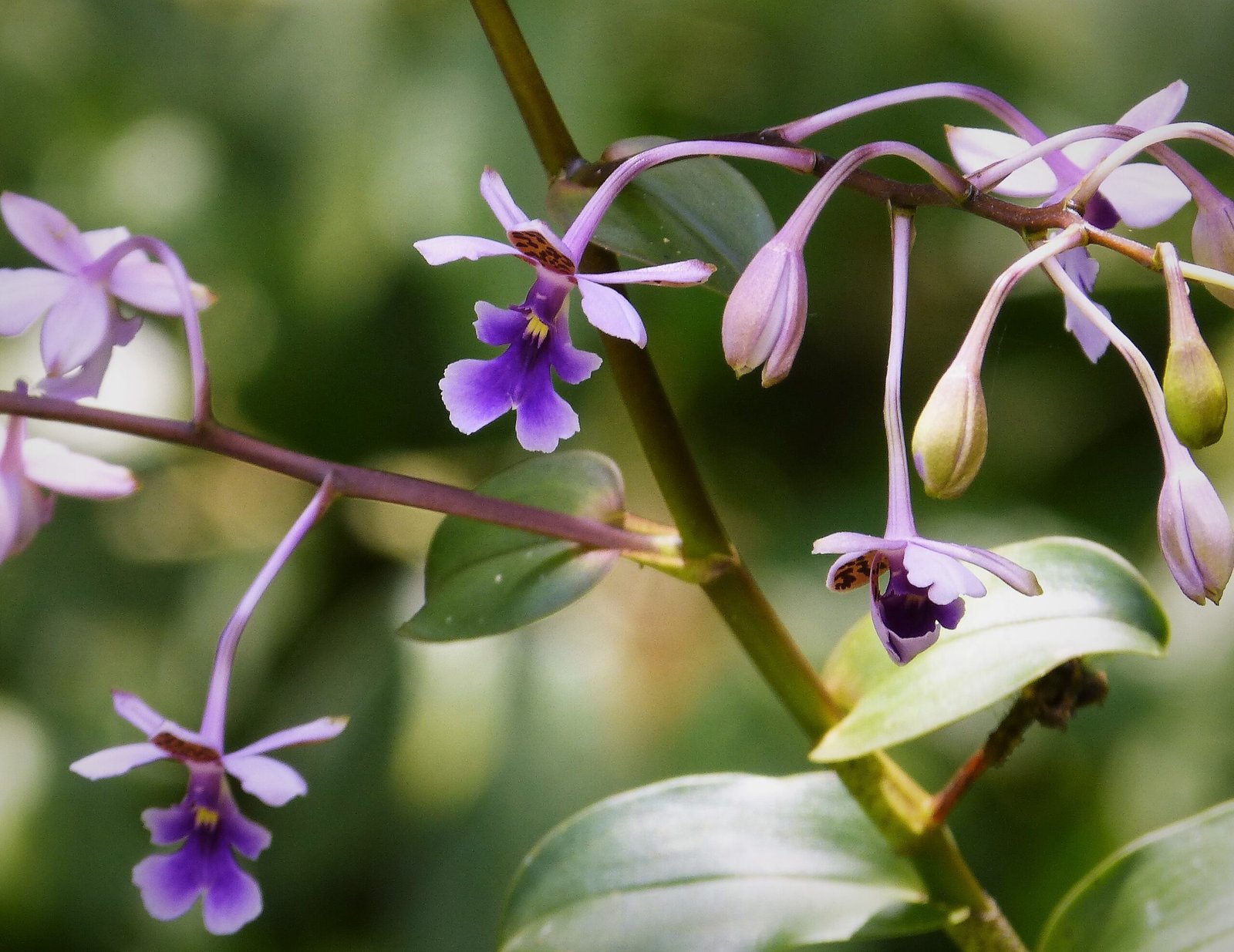
The flora of Panama is as diverse as its landscapes. With over 10,000 species of plants, the country boasts a rich tapestry of botanical life. Among these, numerous endemic species thrive, adapted to the unique conditions of their habitats. The Panama Orchid, for instance, is a symbol of the country’s floral diversity. These orchids have evolved intricate relationships with pollinators, ensuring their survival in the competitive rainforest environment. The diversity in plant life not only supports the ecosystem but also provides invaluable resources for local communities and wildlife.
Avian Marvels: Birds of Panama
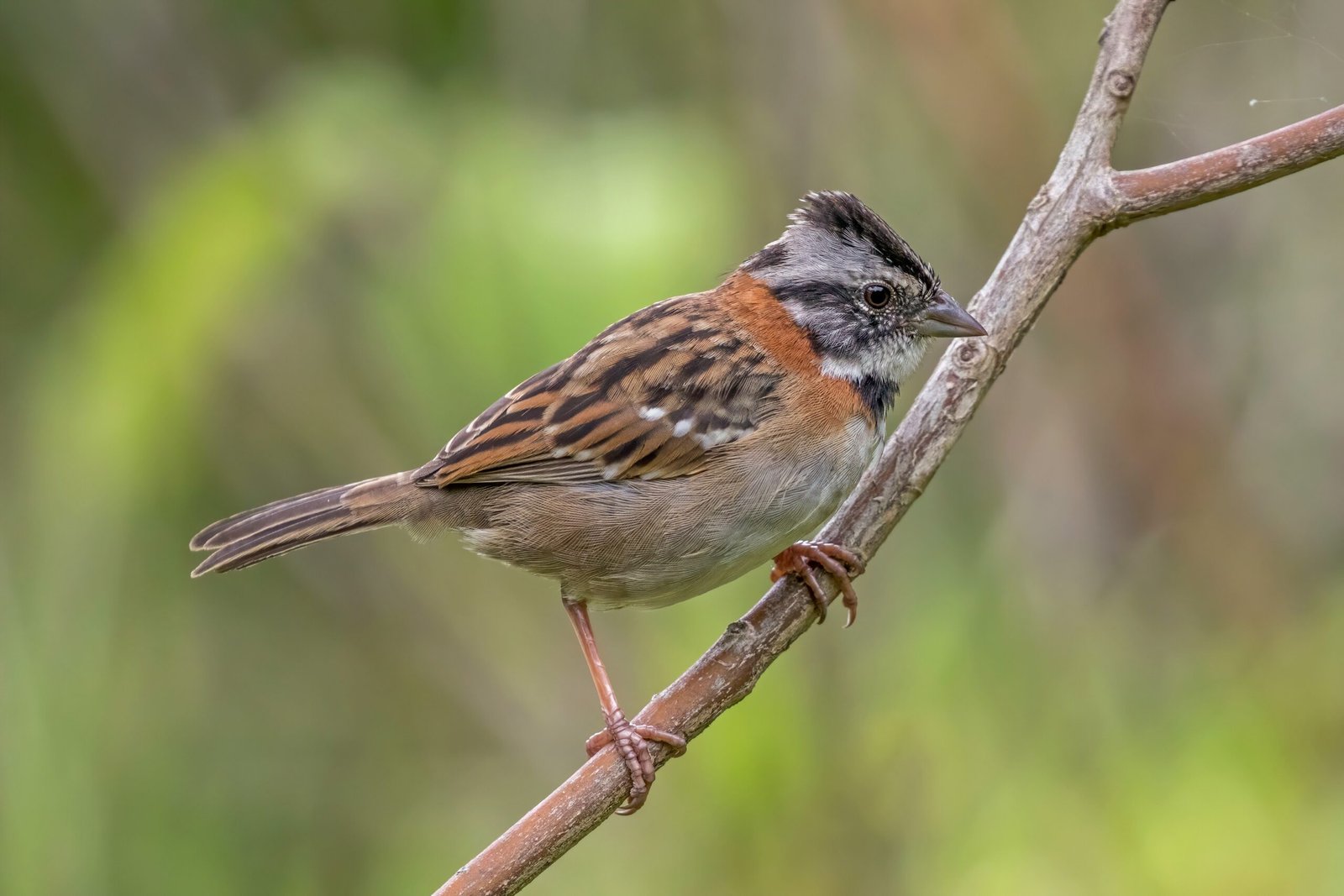
Panama is a paradise for bird enthusiasts, home to over 970 bird species, including several that are endemic. The Resplendent Quetzal, with its vibrant plumage, is a sight to behold and a symbol of the region’s rich avian life. These birds have evolved specialized behaviors and diets, making them perfectly adapted to their tropical surroundings. Birdwatchers flock to Panama to catch a glimpse of the Harpy Eagle, one of the largest and most powerful birds of prey. The diversity of bird life in Panama reflects the country’s varied ecosystems, each offering unique niches for avian species.
Reptilian Residents of the Rainforest
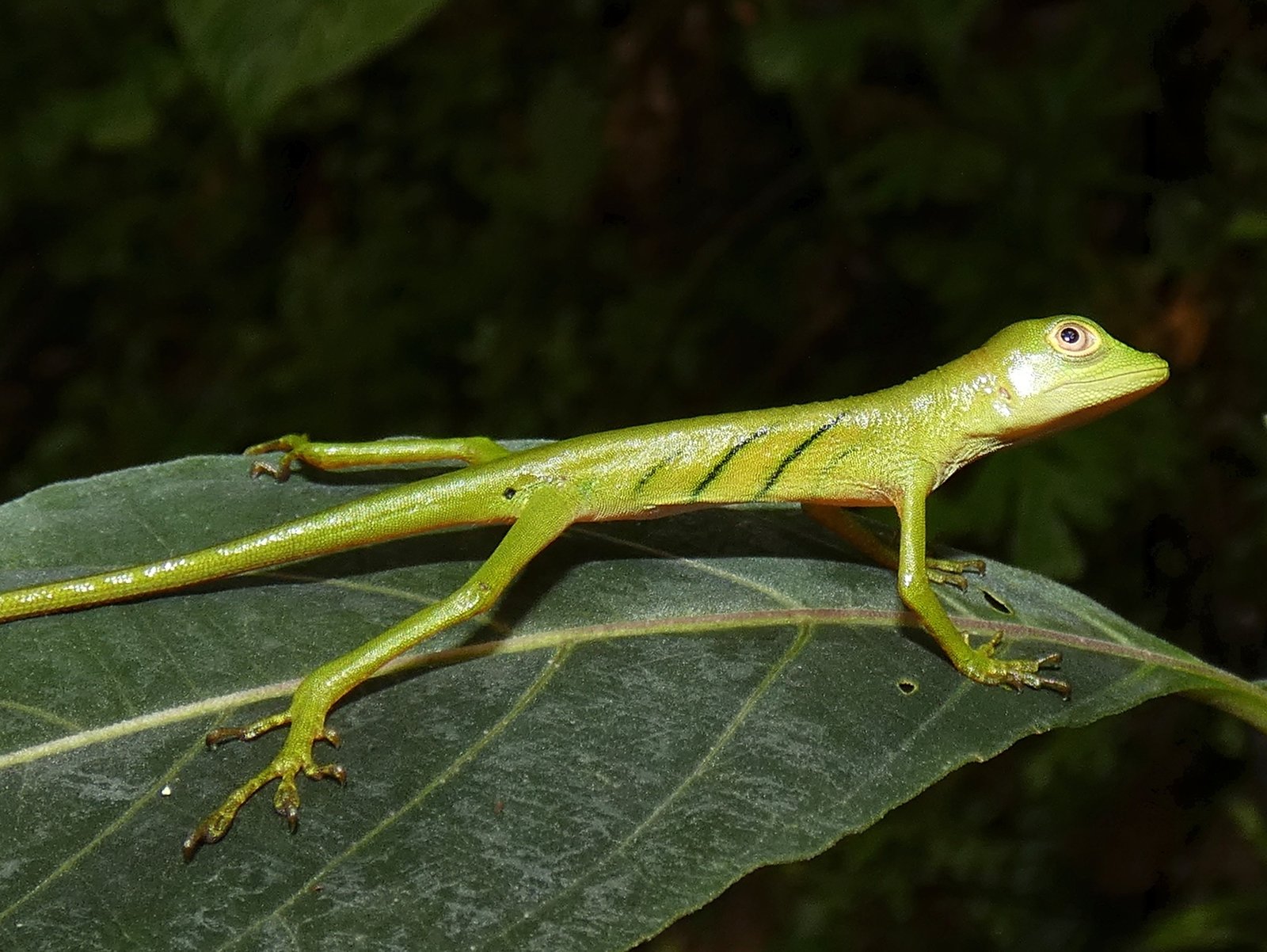
The rainforests of Panama are teeming with reptiles, many of which are endemic. The Panamanian Golden Frog, with its striking yellow coloration, is a national symbol and a testament to the country’s unique wildlife. These frogs have developed remarkable adaptations to thrive in their environment, such as toxin production to deter predators. Additionally, the Caiman Lizard, with its armored body and powerful jaws, demonstrates the evolutionary creativity found among Panama’s reptiles. The presence of such unique species highlights the importance of conservation efforts in preserving these irreplaceable creatures.
Amphibians: Guardians of the Ecosystem
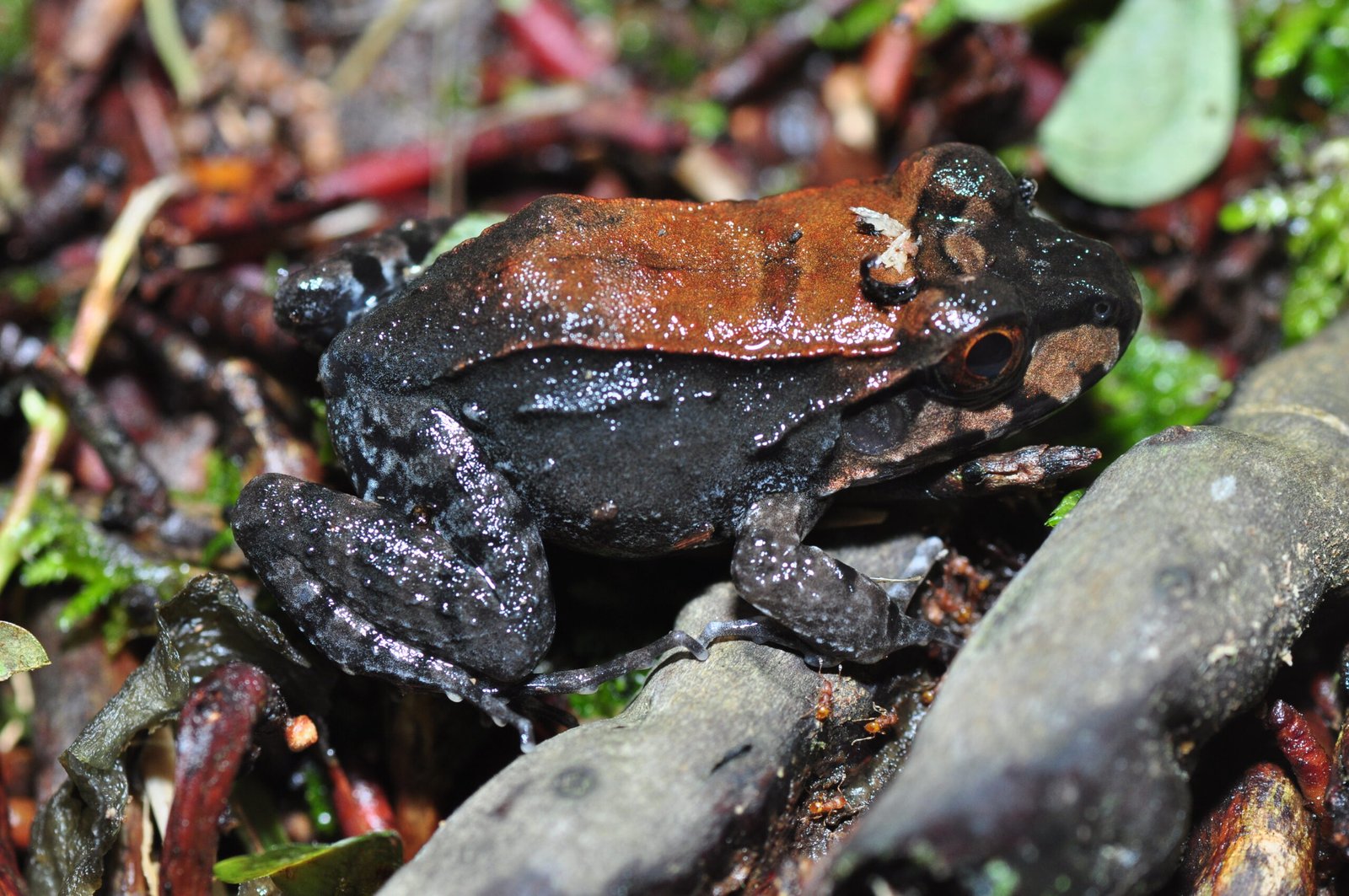
Amphibians are crucial indicators of environmental health, and Panama is home to a remarkable array of these creatures. The Darien Stubfoot Toad, with its distinctive appearance, is one of the many amphibians that call Panama home. These toads have evolved to occupy specific ecological niches, playing vital roles in the food web. However, amphibians in Panama face threats from habitat loss and disease, underscoring the need for conservation initiatives. Protecting these species is not only vital for maintaining biodiversity but also for safeguarding the ecosystems they help balance.
Mammalian Diversity in Panama
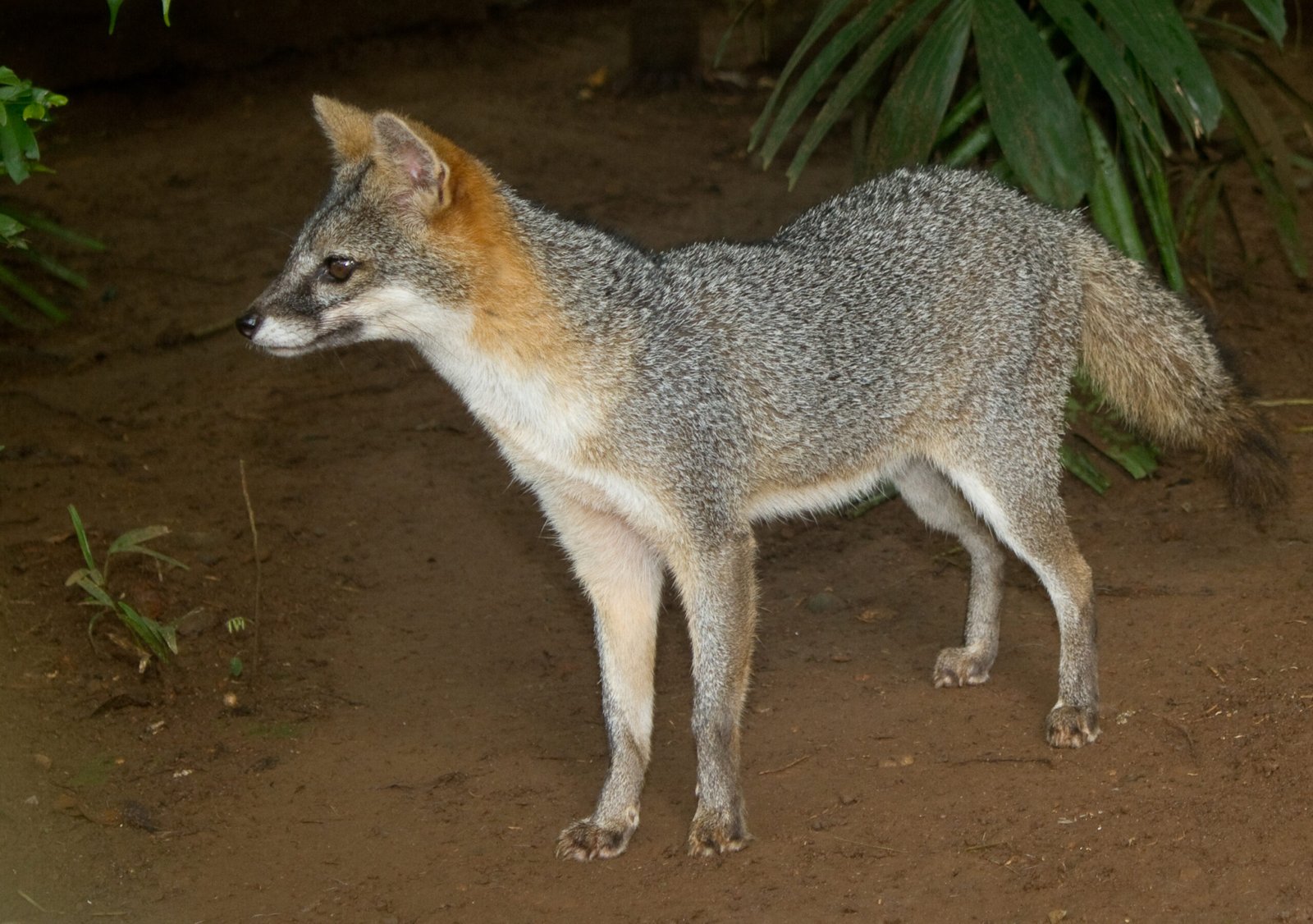
Panama’s diverse landscapes are home to a wide array of mammals, including several endemic species. The Panamanian Night Monkey, with its nocturnal habits and large eyes, is a fascinating example of the country’s unique mammalian life. These monkeys have adapted to thrive in the dense canopy, using their keen senses to navigate the darkness. The Baird’s Tapir, a gentle giant of the rainforest, plays a crucial role in seed dispersal, showcasing the interconnectedness of Panama’s ecosystems. The rich mammalian diversity in Panama is a testament to the country’s ecological richness and evolutionary history.
Insect Life: The Unsung Heroes
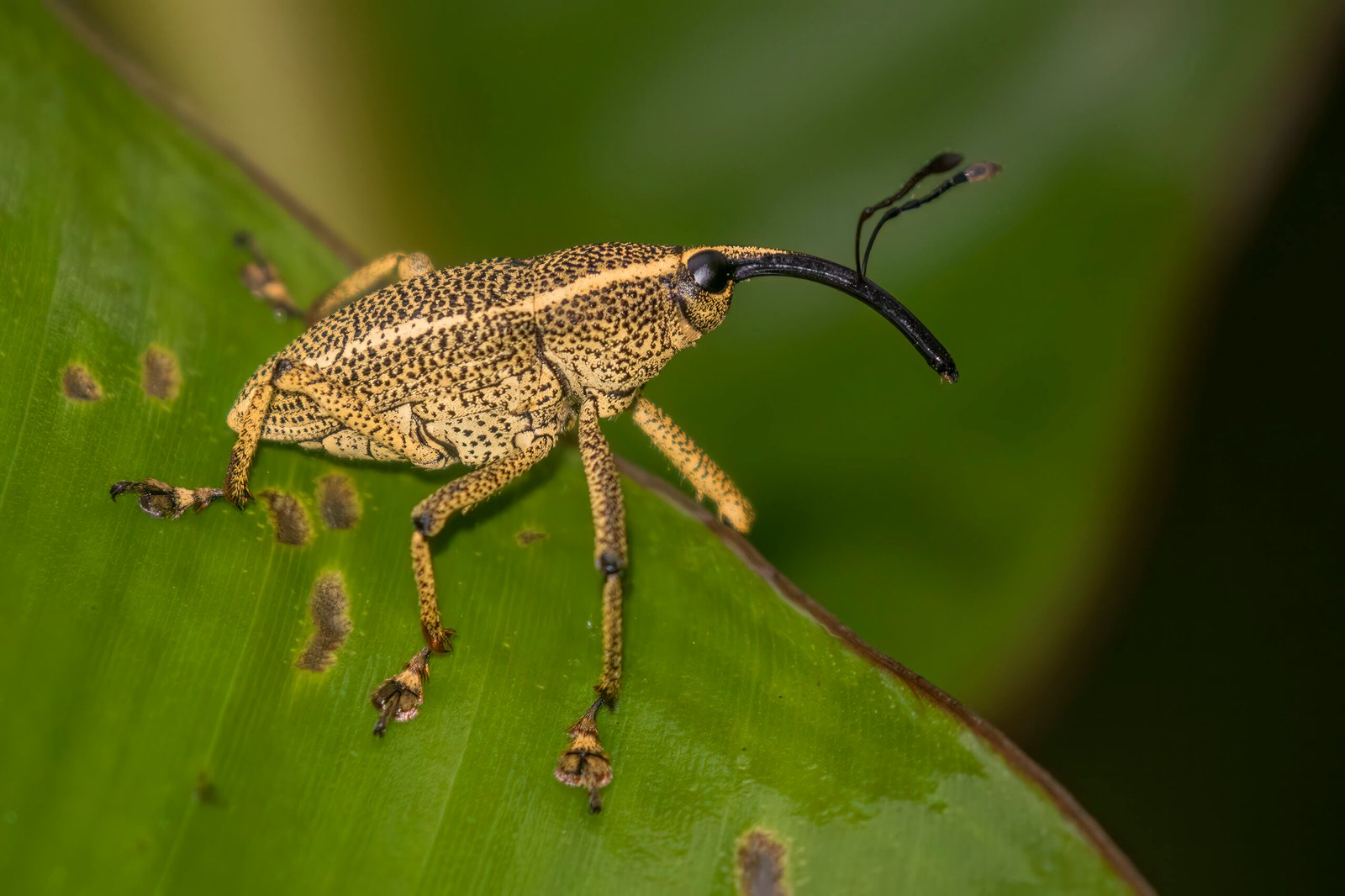
Insects are the unsung heroes of Panama’s ecosystems, playing vital roles in pollination, decomposition, and as a food source for other animals. The Blue Morpho Butterfly, with its iridescent wings, is one of the most iconic insects found in the country. These butterflies have evolved fascinating behaviors and life cycles, contributing to the complex web of life in the rainforest. In addition, Panama is home to a variety of beetles, ants, and bees, each playing a unique role in maintaining ecological balance. The diversity and abundance of insect life in Panama highlight the intricate relationships that sustain its ecosystems.
Marine Life: A Coastal Paradise
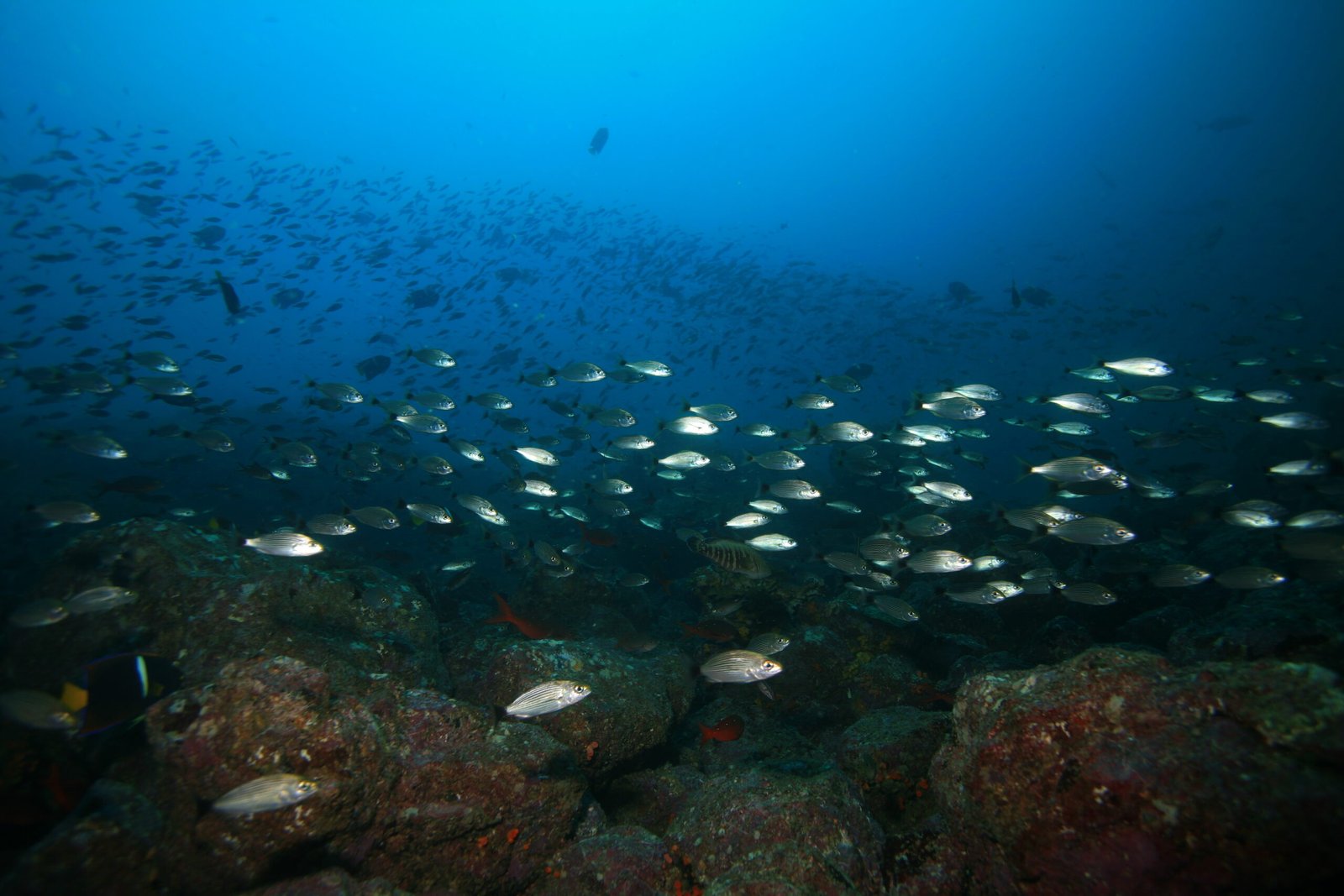
Panama’s coastal waters are teeming with marine life, offering a rich tapestry of biodiversity. The coral reefs, with their vibrant colors and diverse inhabitants, are a testament to the country’s marine wealth. Species such as the Panamic Porkfish and the Spotted Eagle Ray thrive in these waters, showcasing the evolutionary adaptations that enable them to survive in a marine environment. The interactions between marine species and their habitats are complex and delicate, highlighting the importance of preserving these ecosystems. The marine biodiversity of Panama is a vital component of its natural heritage, providing resources and inspiration for generations.
Conservation Efforts: Protecting Panama’s Rich Biodiversity

The remarkable biodiversity of Panama faces numerous threats, from habitat destruction to climate change. Conservation efforts are crucial in protecting the country’s unique species and ecosystems. Organizations and local communities are working tirelessly to preserve Panama’s natural heritage, implementing strategies such as protected areas and sustainable tourism. These efforts not only safeguard biodiversity but also support the livelihoods of those who depend on the land. By fostering a sense of stewardship and raising awareness, Panama is paving the way for a sustainable future, ensuring that its endemic species continue to thrive.
The Future of Panama’s Endemic Species

The future of Panama’s endemic species lies in our hands. As stewards of this tropical bridge, it is our responsibility to protect and preserve the rich tapestry of life that calls Panama home. By supporting conservation efforts, promoting sustainable practices, and raising awareness, we can ensure that future generations will have the opportunity to experience the wonders of Panama’s biodiversity. The story of evolution on this tropical bridge is one of resilience and adaptation, a testament to the enduring power of nature. As we look to the future, let us commit to safeguarding the natural treasures of Panama for all to enjoy.