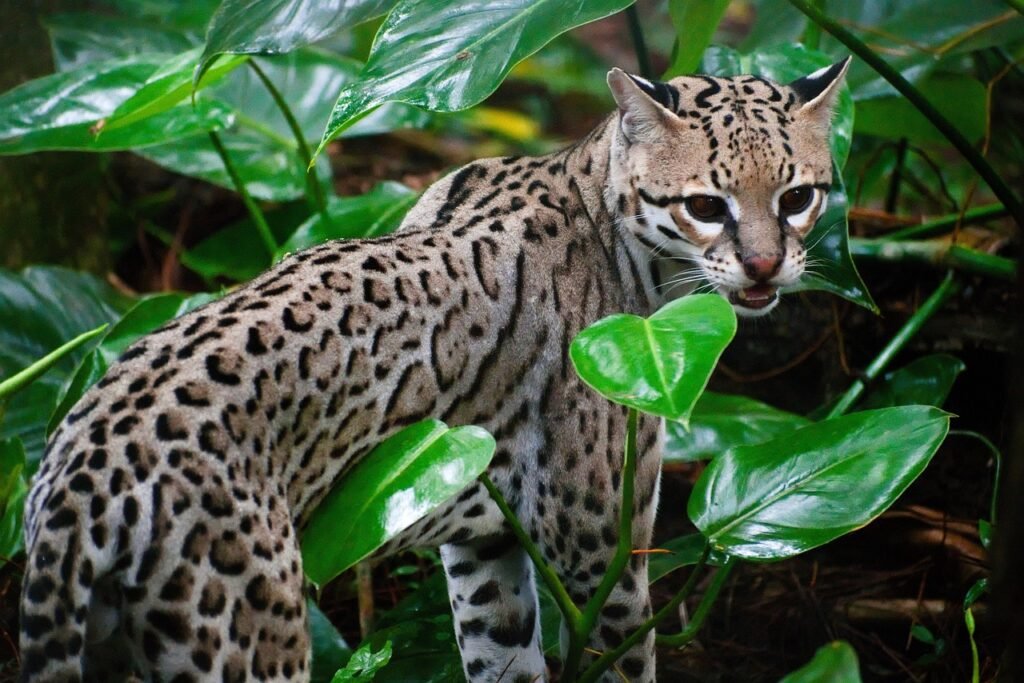


The Shock of the First Detection (Image Credits: Pixabay)
Cozumel Island – Researchers stumbled upon an unexpected visitor in 2016 while sifting through camera trap footage from this Mexican Caribbean outpost. An ocelot, a spotted wildcat long listed as endangered in Mexico, appeared in the images for the first time. What began as a rare wildlife sighting soon raised red flags among conservationists wary of its predatory prowess against the island’s defenseless endemic species.[1][2]
The Shock of the First Detection
Teams had deployed camera traps, conducted line transects, and surveyed roads across Cozumel for decades without a single ocelot trace. Sampling efforts stretched back to 1994, yet the species evaded detection until those 2016 photos surfaced. Luis-Bernardo Vázquez, who leads the Urban Ecology Lab at El Colegio de la Frontera Sur, emphasized the novelty of the find. “Before 2016 we never detected any ocelot in the island,” he stated. “Because we had many years of sampling before that with no records, we think the species was not present on the island before that time.”[1][2]
This marked the inaugural documented presence of Leopardus pardalis on the 477-square-kilometer island. Earlier hints surfaced in 2013, when locals captured a non-native ocelot near a Cozumel roundabout after it preyed on chickens and other livestock. That individual perished days later in custody from trauma and illness, failing to establish a foothold.[3]
Predatory Threat to Island Treasures
Ocelots thrive as versatile hunters, targeting small mammals, birds, and reptiles with lethal efficiency. On Cozumel, however, endemic fauna evolved without such top predators, leaving them vulnerable. The recent scientific analysis highlighted this mismatch, warning of potential population crashes among unique island dwellers.[2]
Species in the crosshairs include several Cozumel exclusives:
- Cozumel white-footed mouse (Peromyscus leucopus cozumelae)
- Cozumel harvest mouse (Reithrodontomys spectabilis)
- Cozumel rice rat (Oryzomys couesi cozumelae)
- Dwarf peccary (Dicotyles tajacu nanus)
- Cozumel curassow (Crax rubra griscomi)
Vázquez underscored the peril: “Cozumel has many endemic animals and historically had very few predators, so the introduction of new carnivores can create conservation problems.” Only one ocelot has surfaced to date, but experts fear additional arrivals could spark a breeding population.[1]
Human Footprints in the Feline Footsteps
Conservationists point to people as the likely culprits for the ocelot’s debut. Vázquez proposed a common scenario in southern Mexico: “It could be an animal that escaped or was released from captivity. In southern Mexico sometimes wild felids are kept illegally as pets or used in tourism attractions, so this is one possible explanation.”[1]
Cozumel already grapples with other human-introduced predators. Margays (Leopardus wiedii) and boa constrictors (Boa constrictor) arrived similarly and now maintain breeding groups, amplifying pressures on native prey. A 2025 study by researchers including Vázquez and Alfredo D. Cuarón detailed these “recurrent conservation paradoxes,” where imperiled species become ecological disruptors in new habitats.[2]
Navigating the Conservation Tightrope
Ocelots face steep declines across their broad range from Texas to Uruguay, earning endangered status in the United States and Mexico. Yet context matters profoundly on islands like Cozumel. David Will of Island Conservation captured the dilemma: “A species can be endangered in one place and ecologically damaging in another, and that requires communities to decide what future they want for their island.” He added, “Cozumel’s ocelot shows how conservation isn’t just about species, it’s about values. The real challenge isn’t the cat; it’s navigating competing conservation priorities in a rapidly changing world.”[1]
Researchers urge sustained camera monitoring, stricter controls on pet trade, and public awareness campaigns. The 2025 paper called the ocelot’s arrival “a critical conservation challenge,” advocating genetic analyses and proactive management to avert lasting harm.[2]
Key Takeaways
- Ocelots, endangered mainland, threaten Cozumel endemics lacking defenses.
- First confirmed sighting in 2016 followed decades of absence.
- Human actions likely drove the introduction; vigilance prevents escalation.
Cozumel’s encounter with the ocelot underscores a poignant truth in ecology: salvation for one species can spell trouble for others. Protecting the island’s biodiversity demands balancing empathy for rare cats with safeguarding irreplaceable locals. What steps should authorities take next? Share your thoughts in the comments.