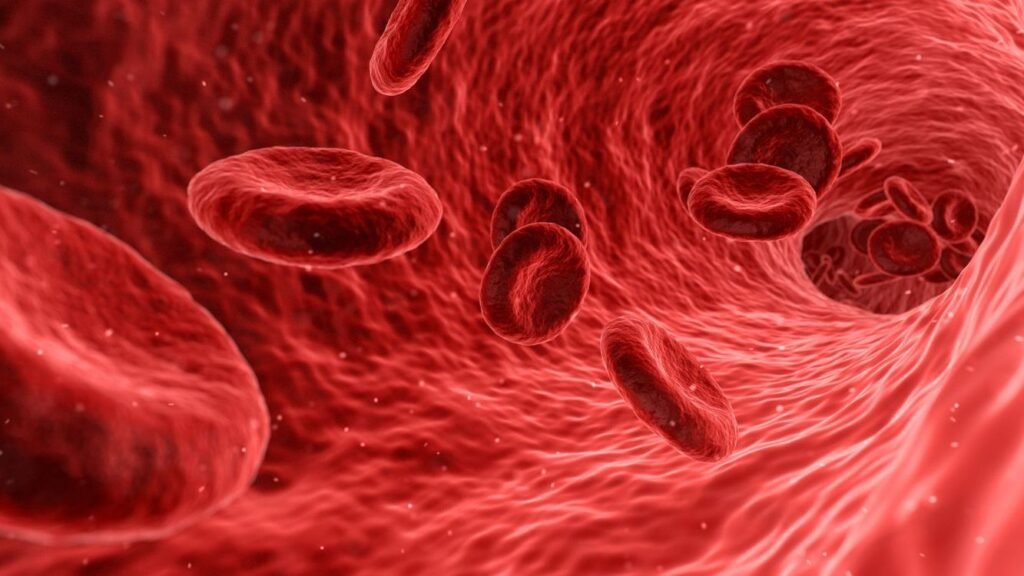

Most of us learned in school that carbon dioxide is simply a waste gas. Your body makes it, your blood picks it up, your lungs breathe it out. Simple, right? Turns out, that tidy little story has a major plot twist that scientists have only just uncovered.
New research suggests the way CO2 actually moves through human blood is far more complex and frankly more fascinating than textbooks have led us to believe. This discovery could reshape how we understand breathing, blood chemistry, and even the treatment of serious respiratory conditions. Let’s dive in.
The Old Textbook Story Was Incomplete

For decades, the standard explanation was straightforward. Carbon dioxide produced by cells enters the bloodstream, gets converted into bicarbonate ions, travels to the lungs, converts back, and gets exhaled. Clean, logical, done.
Here’s the thing though: that explanation always had gaps that researchers quietly glossed over. The speed at which CO2 moves through the body was never fully accounted for by this bicarbonate model alone. Scientists suspected something else was happening, and it turns out they were right to be suspicious.
The missing piece wasn’t some exotic molecule or rare biological quirk. It was hiding in plain sight, embedded in one of the most studied proteins in all of human biology.
Red Blood Cells Are More Clever Than We Thought
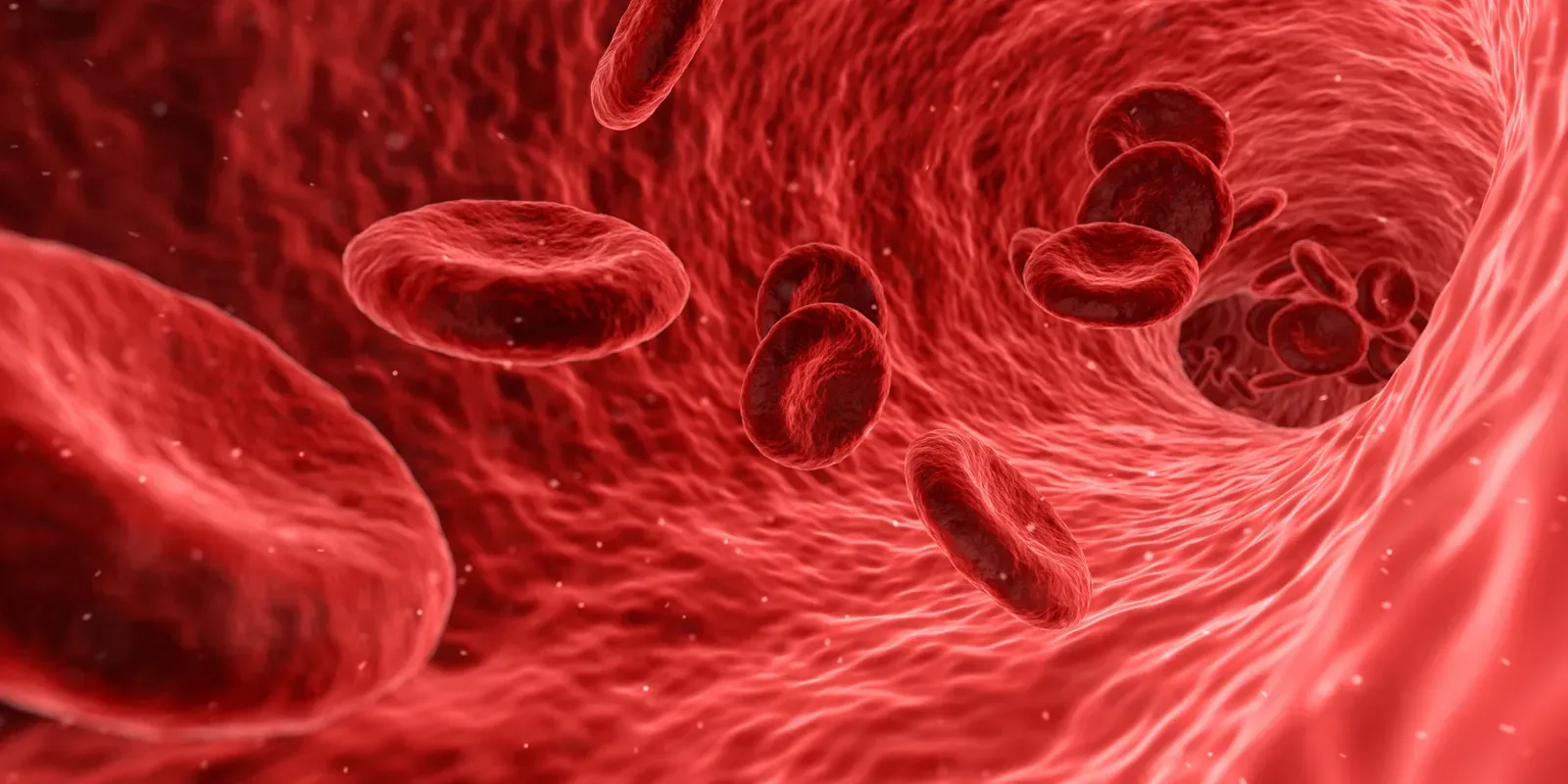
The new research, published in early 2026, points to hemoglobin as a far more active participant in CO2 transport than previously understood. We always knew hemoglobin carries oxygen. Its role in carbon dioxide handling, however, was considered secondary and relatively minor.
What researchers found is that CO2 binds to hemoglobin in a more dynamic and significant way than earlier models suggested. The protein doesn’t just passively ferry the gas around. It actively participates in a rapid exchange that dramatically speeds up how efficiently CO2 is offloaded in the lungs.
Honestly, it’s a bit like finding out that a trusty old delivery truck has a hidden turbo engine nobody knew about. The truck was always getting the job done, but now you understand why it was faster than expected.
The Role of a Tiny but Mighty Protein Channel
Alongside hemoglobin, researchers identified the involvement of specialized protein channels called aquaporins embedded in the red blood cell membrane. These channels were already known to transport water molecules, but their role in CO2 movement is what’s generating serious excitement now.
It appears aquaporins allow CO2 to pass through the red blood cell membrane with remarkable speed and efficiency. Without them, the gas exchange process would be sluggish and far less effective. The lungs wouldn’t be able to clear CO2 nearly as rapidly as they do.
Think of aquaporins like express lanes on a highway. Regular lanes handle the bulk of traffic, but those express lanes make the whole system dramatically faster. In this case, the highway is your bloodstream and the traffic is carbon dioxide rushing to be exhaled.
Why This Changes the Science of Breathing
This discovery forces a meaningful re-evaluation of respiratory physiology as a whole. The models used to describe how gases move in and out of blood have been built on assumptions that are now proven to be incomplete. That’s not a minor footnote. That’s a foundational shift.
For researchers studying lung disease, respiratory failure, and blood gas disorders, this new understanding opens doors that were previously closed. If CO2 transport is more nuanced than assumed, then treatments targeting gas exchange might be optimized in ways that weren’t possible before. It’s hard to say for sure exactly what clinical applications will emerge first, but the implications are genuinely significant.
It also raises a fascinating question about how much we still don’t understand about basic human biology, despite centuries of study. We’ve been breathing our whole lives without fully understanding what’s happening inside our own blood.
Implications for Medical Treatment and Critical Care
Patients in intensive care units, particularly those on mechanical ventilators, are managed heavily based on their blood CO2 levels. Doctors use these readings to make critical decisions about ventilator settings, sedation, and overall respiratory support.
If the transport mechanisms of CO2 are more complex than previously modeled, it stands to reason that our interpretation of blood gas data could also benefit from refinement. A more accurate biological model could lead to better calibrated ventilator protocols and more precise interventions for patients in respiratory distress.
Let’s be real: in critical care, even marginal improvements in precision can mean the difference between a patient recovering well or suffering complications. This research has the potential to matter in very real, very human terms.
What This Means for Understanding Human Evolution
There’s another layer to this story that doesn’t get discussed enough. The efficiency of CO2 transport in human blood may have played an important role in enabling our species to sustain high levels of physical and cognitive activity over evolutionary time. The more effectively CO2 is cleared, the more efficiently cells can keep producing energy.
A transport system this well engineered, with hemoglobin and aquaporins working in concert, suggests that evolution refined these mechanisms with remarkable precision over millions of years. It makes you wonder what other biological processes we’ve oversimplified in our rush to produce clean, teachable models. Nature rarely works in straight lines, and this discovery is a vivid reminder of that.
Conclusion: What We Thought We Knew Was Just the Beginning
Science has a habit of humbling us, and this is one of those moments. A process as basic as breathing, something every human being does roughly twenty thousand times per day, still had a secret worth discovering in 2026. The new understanding of how carbon dioxide travels through human blood isn’t just an interesting footnote in physiology journals. It’s a reminder that biological systems are layered, intricate, and endlessly surprising. The textbooks will need updating, and that’s always a good sign of real progress.
I think what’s most exciting here isn’t just this single discovery. It’s the implication that other “settled” biological explanations might be waiting for their own plot twist. Somewhere in our bodies, the next surprising mechanism is quietly doing its job, waiting to be found. What do you think: how many other everyday biological processes are we still getting wrong? Drop your thoughts in the comments.