Imagine stumbling across a tiny creature darting across the African underbrush, its nose twitching and legs pumping like a sprinter in a race for its life. At first glance, you’d swear it was a mouse or perhaps a small shrew, but look closer: this animal isn’t what it seems. Prepare to be surprised—what you’re seeing is called an elephant shrew, and despite what its name suggests, it has more in common with elephants than with any shrew. This mind-bending fact sparks curiosity and wonder, turning what seems like an ordinary woodland encounter into a journey through the marvels of evolution, DNA, and the wild world of African mammals.
The Name Is a Lie: What Exactly Is an Elephant Shrew?
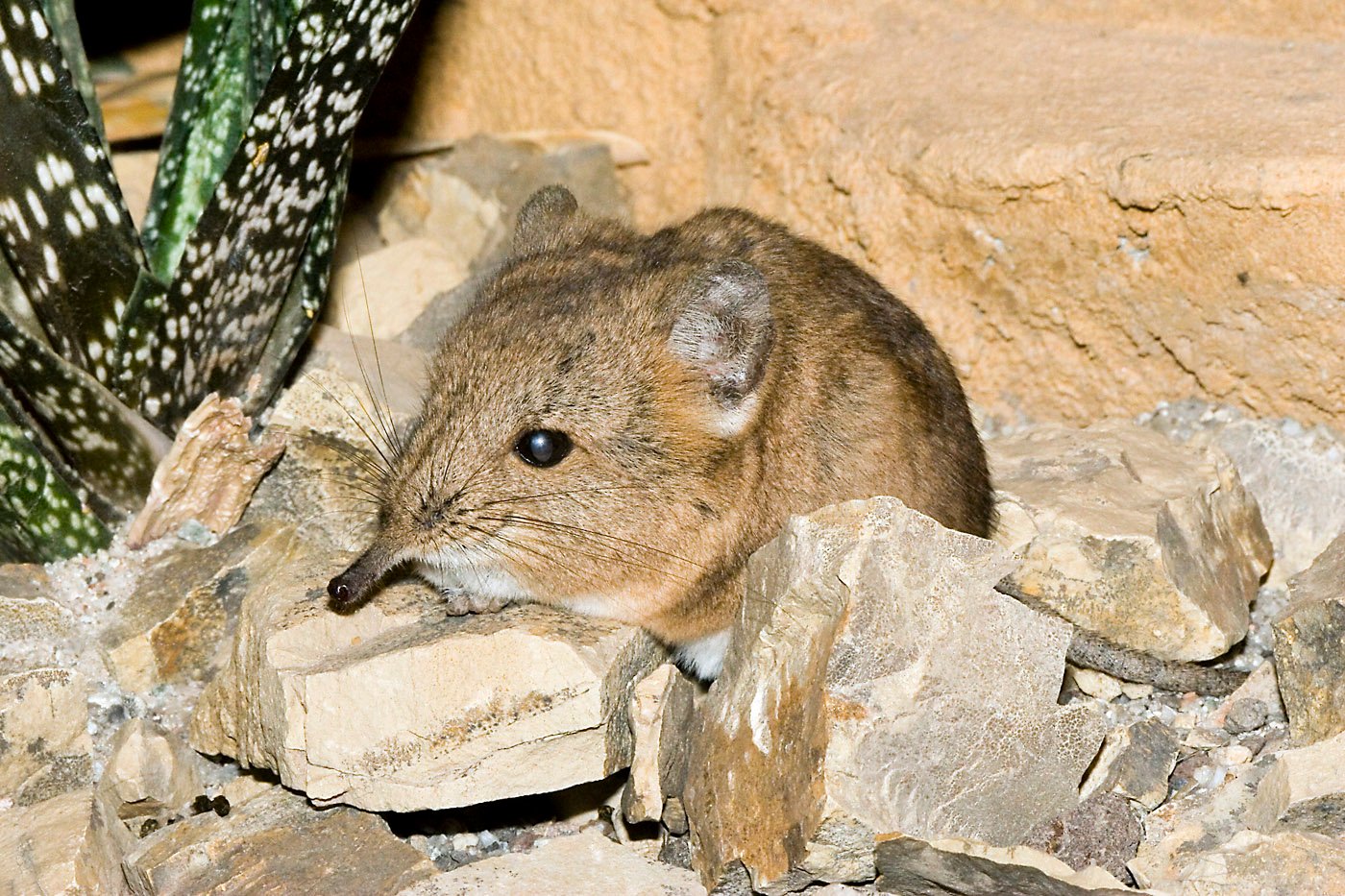
The name “elephant shrew” is misleading. These small mammals, often no bigger than a mouse, were named for their long, flexible noses, which reminded early naturalists of an elephant’s trunk. But when scientists dug deeper into their genetics, they discovered that elephant shrews aren’t shrews at all. In fact, they belong to a completely different order called Macroscelidea. This order has nothing to do with the shrew family, which are insectivores, and everything to do with a group of African mammals that took a totally different evolutionary path. The real kicker? Their closest relatives are not other small animals but, shockingly, elephants, aardvarks, and manatees.
Meet the Miniature Trunk: The Elephant Shrew’s Most Striking Feature
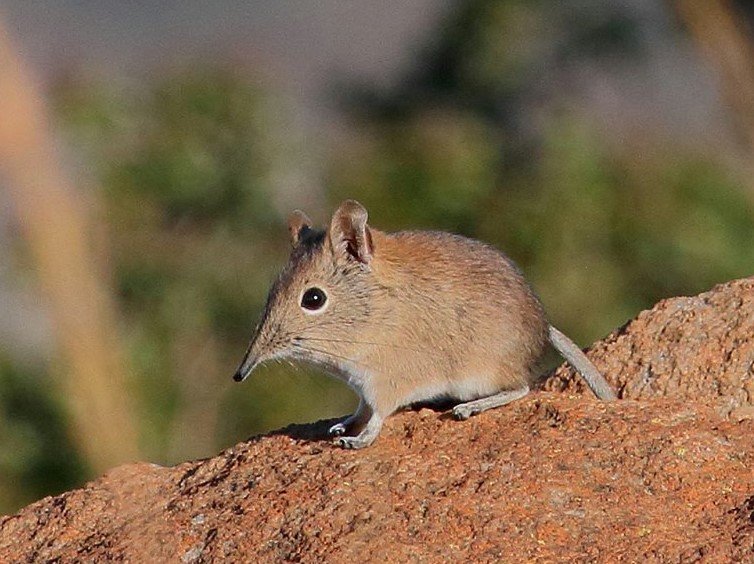
One of the most charming and distinctive features of the elephant shrew is its elongated, flexible snout. This “miniature trunk” is far more than a cute facial quirk—it’s a highly sensitive, mobile tool that helps the animal sniff out insects, spiders, and other small prey hiding under leaves. The nose can twitch, stretch, and bend as the elephant shrew investigates the forest floor, much like a tiny version of an elephant’s trunk sweeping the savannah. This remarkable adaptation is a perfect illustration of how evolution can repeat itself in surprising ways, giving distant relatives similar features for similar tasks.
Not Quite a Shrew: What Do Elephant Shrews Eat?
You might expect a creature called a shrew to snack on worms and grubs, but elephant shrews are much more eclectic eaters. Their diet consists mainly of insects, spiders, centipedes, and even small snails, which they hunt with astonishing speed and precision. They are relentless foragers, using their keen sense of smell to root out food beneath bark, stones, and leaf litter. Unlike many rodents or shrews, they occasionally supplement their meals with berries and seeds, showing an adaptability that helps them survive in a range of environments. Their energetic hunting style is a spectacle, as they dart, stop, sniff, and dig with a vigor that seems almost frantic.
Family Ties: How Are Elephant Shrews Related to Elephants?
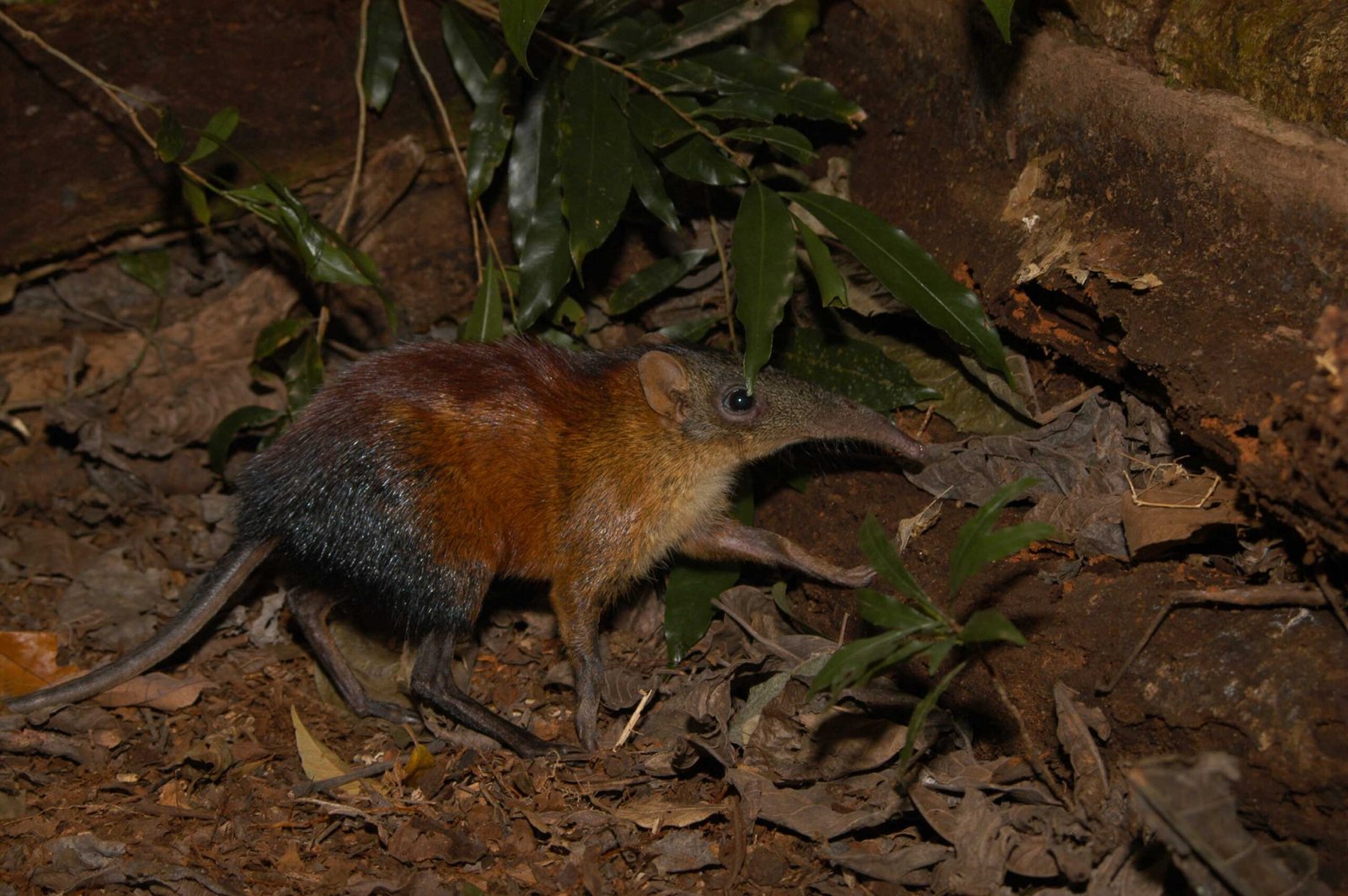
It may sound unbelievable, but DNA studies have revealed that elephant shrews are part of a group called the Afrotheria. This group includes elephants, hyraxes, sea cows (manatees and dugongs), aardvarks, and golden moles. Despite their drastic differences in size and lifestyle, these animals share ancient genetic roots that trace back tens of millions of years to Africa. Scientists believe that Afrotherians evolved from a common ancestor shortly after the extinction of the dinosaurs. The evolutionary split led to wildly different forms—some became the largest land mammals on Earth, while others, like the elephant shrew, remained tiny and nimble. This hidden family tree is one of evolutionary biology’s greatest surprises.
Speed Demons: The Lightning-Fast Lifestyle of Elephant Shrews
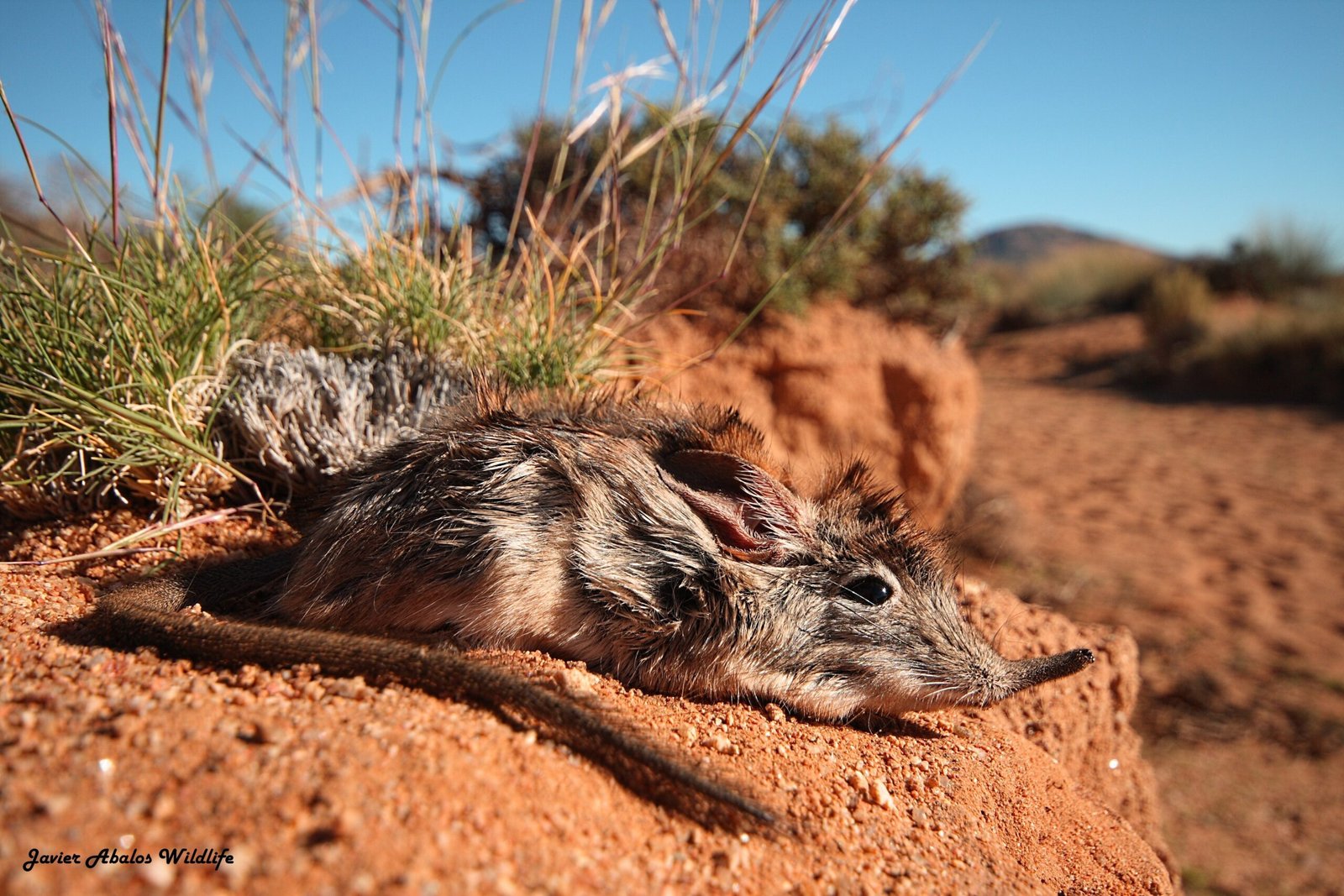
Elephant shrews are among the fastest small mammals you’ll ever encounter. Their long, slender legs are built for speed, allowing them to streak across the ground at up to 28 kilometers per hour (about 17 miles per hour). This lightning pace is essential for survival, helping them escape predators like snakes, birds of prey, and mongooses. They move in sudden bursts, zigzagging with incredible agility to outmaneuver danger. Watching an elephant shrew in motion is like seeing a wind-up toy come to life—blink, and it’s already gone. Their speed, paired with their keen senses, makes them some of the most elusive creatures in the African wilds.
From Forests to Deserts: Where Do Elephant Shrews Live?
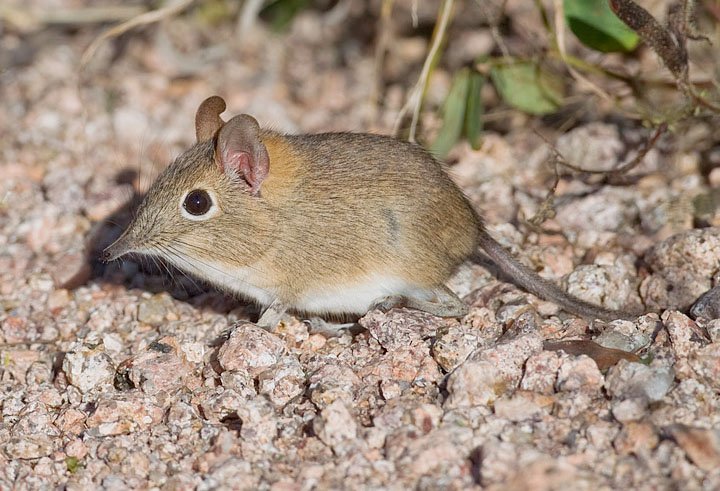
Elephant shrews are versatile survivors, found in a variety of habitats across Africa. Some species thrive in dense forests, where the thick undergrowth offers cover and plenty of insects. Others make their homes in rocky deserts, grasslands, or scrubby savannahs, adapting to both dry and wet conditions. The diversity of their habitats is a testament to their resilience and adaptability. In each environment, they build intricate pathways or “runways” through the vegetation, which they use to travel quickly and evade predators. These carefully maintained trails are a hallmark of elephant shrew territory, often lined with scent markings to warn rivals and attract mates.
Masters of Disguise: How Elephant Shrews Evade Danger
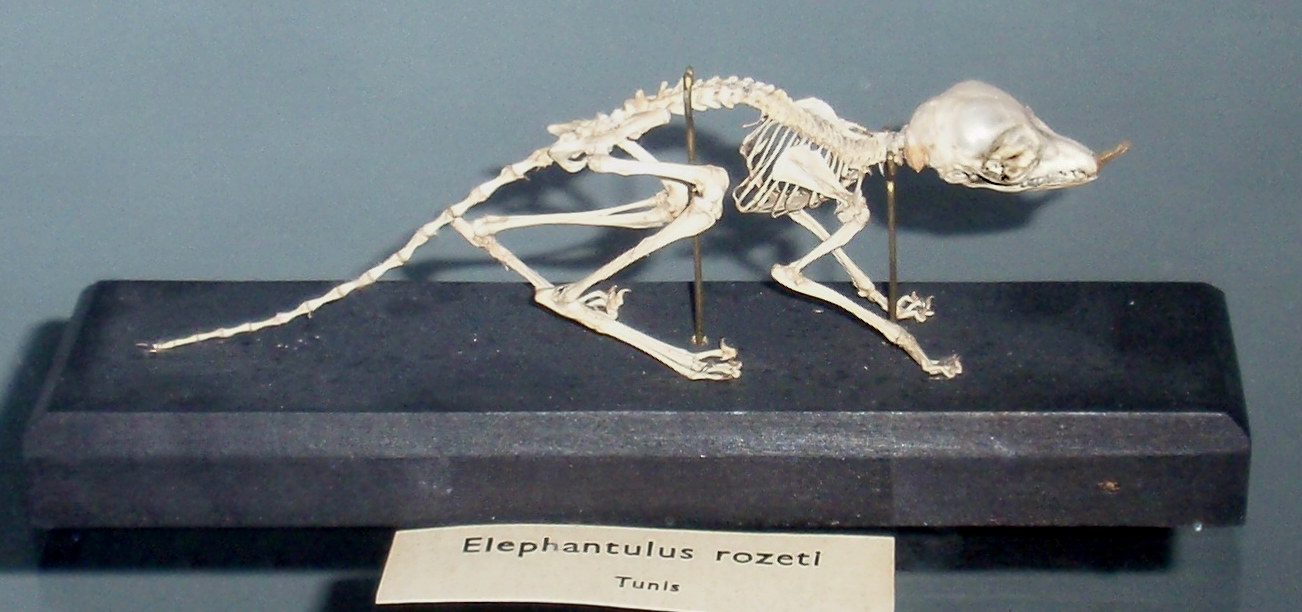
Survival in the wild demands more than speed—elephant shrews are also masters of camouflage and stealth. Their fur, colored in earthy shades of brown, gray, or reddish tones, blends perfectly with the ground and leaf litter. When threatened, they freeze motionless, becoming almost invisible to predators. If danger gets too close, they explode into action, using their pre-built runways to vanish in a flash. Some species even have the ability to leap several feet in a single bound, further confusing would-be attackers. Their small size, cryptic colors, and lightning reactions make them some of the hardest animals to spot in the wild.
Parental Instincts: Raising the Next Generation
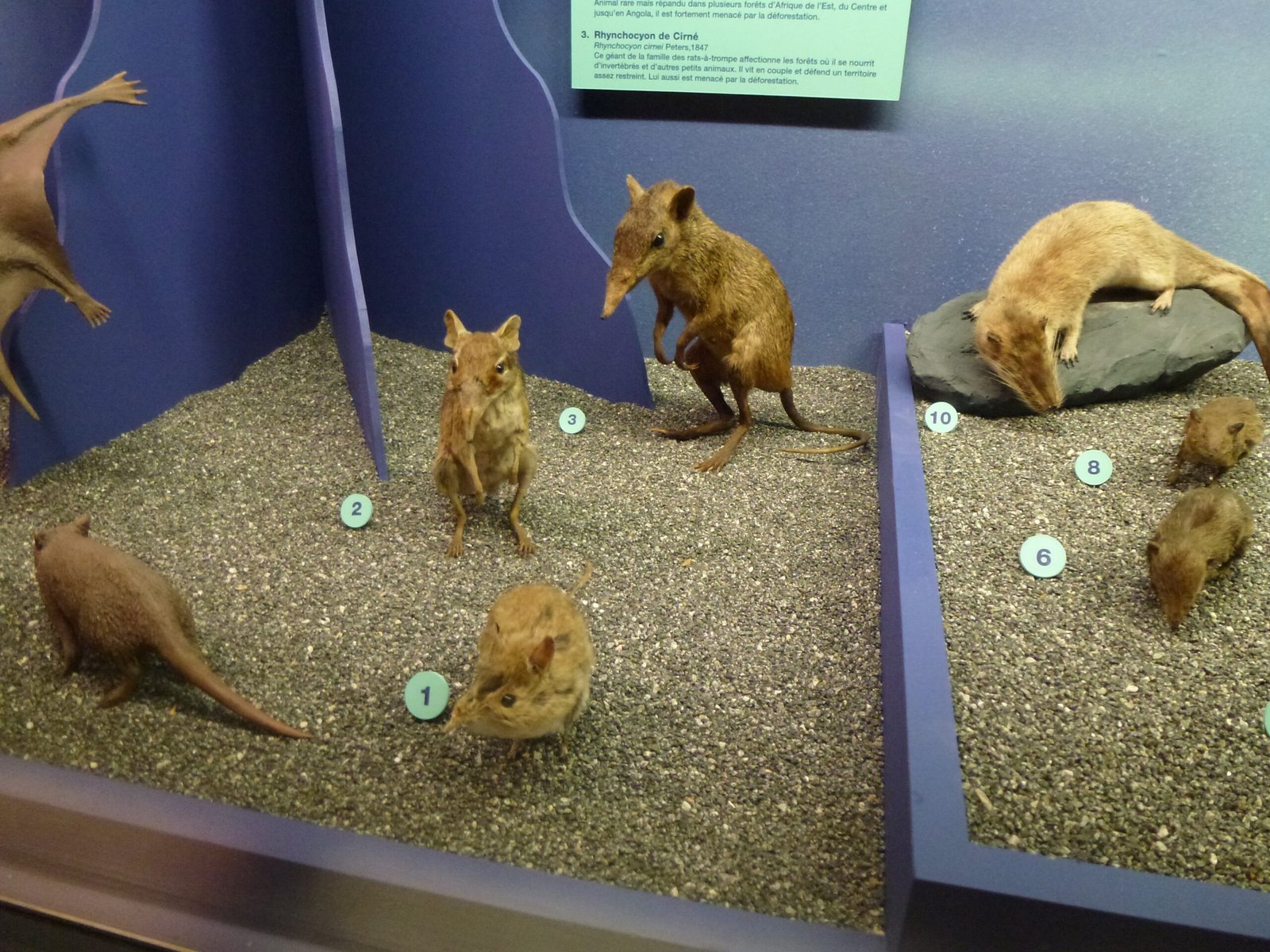
Elephant shrews are devoted parents, with a unique approach to raising their young. Unlike many small mammals, they don’t dig burrows or nests for their babies. Instead, they hide them in well-camouflaged spots on the forest floor, returning periodically to feed and groom them. The young are born fully furred and with their eyes open, ready to start exploring within just a few days. This rapid development is crucial—being exposed on the ground means they are vulnerable, so the quicker they can run and fend for themselves, the better. Parental care is short but intense, focusing on preparing the young for the dangers of the wild as quickly as possible.
The Elusive Golden-Rumped Elephant Shrew
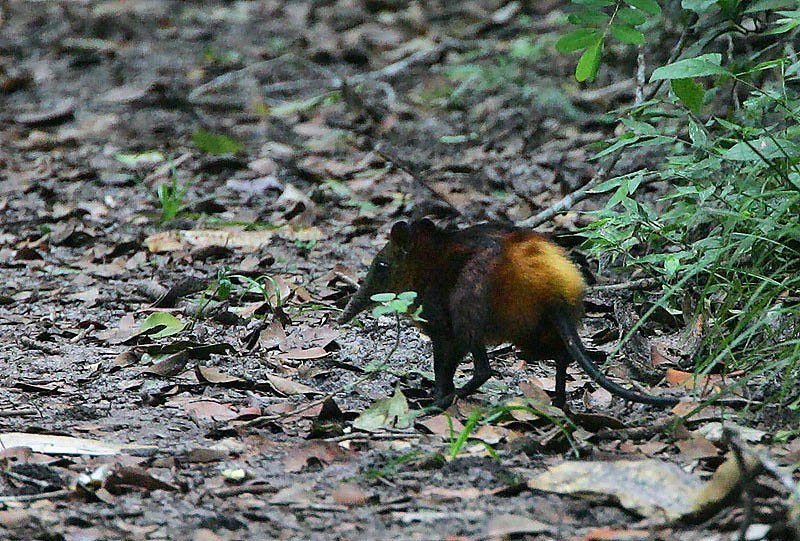
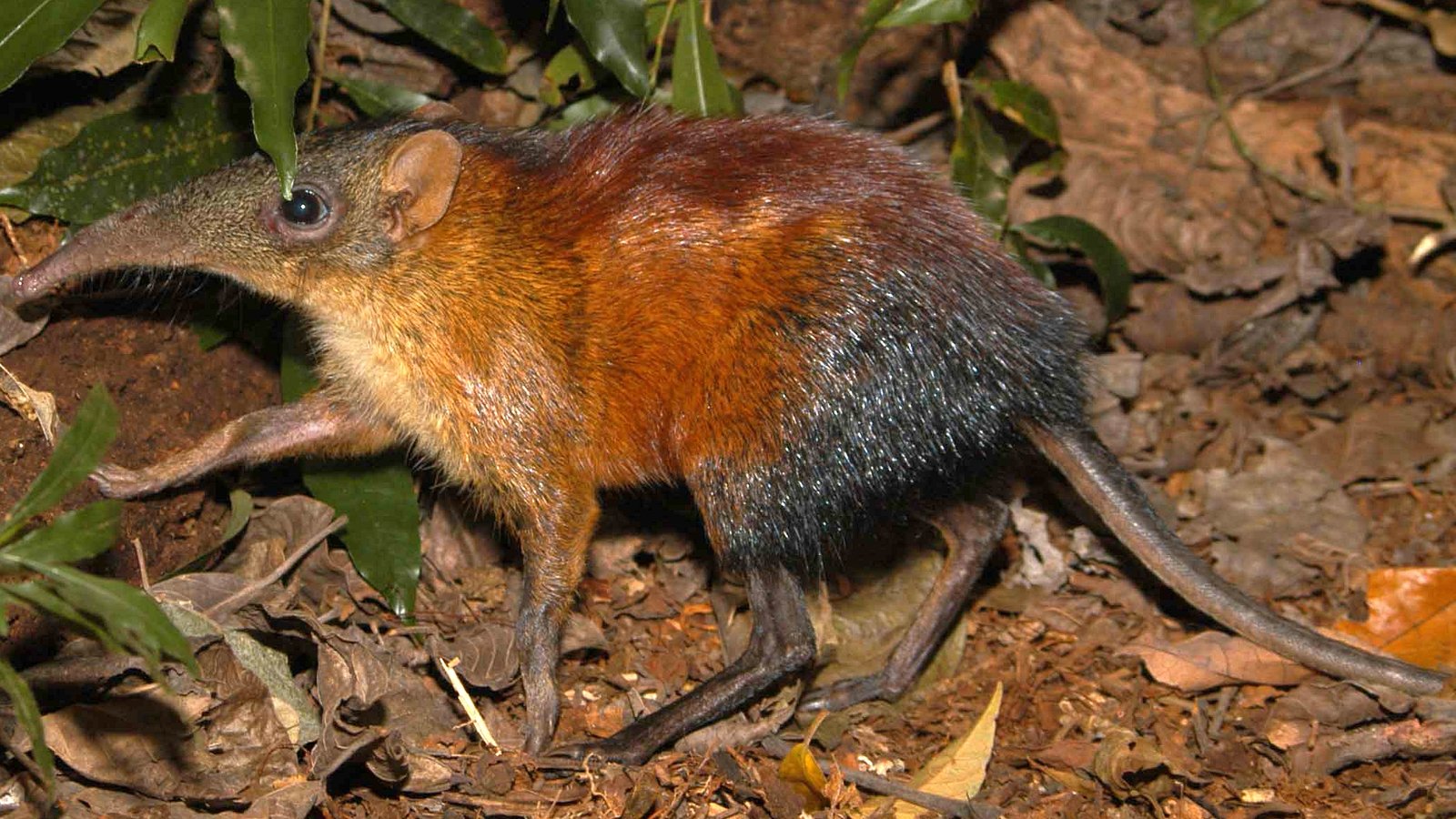
Among the many species of elephant shrews, the golden-rumped elephant shrew stands out as a true oddity. Found only in a small region of coastal Kenya, it is the largest species and sports a striking patch of golden fur on its behind. This unusual coloration is thought to act as a decoy, drawing predator attacks away from its vital organs and toward the rump, which is protected by thick skin. Sadly, this unique species is endangered, threatened by habitat loss and fragmentation. Conservationists are racing against time to protect the forests where these remarkable animals still survive.
The Role of Elephant Shrews in African Ecosystems
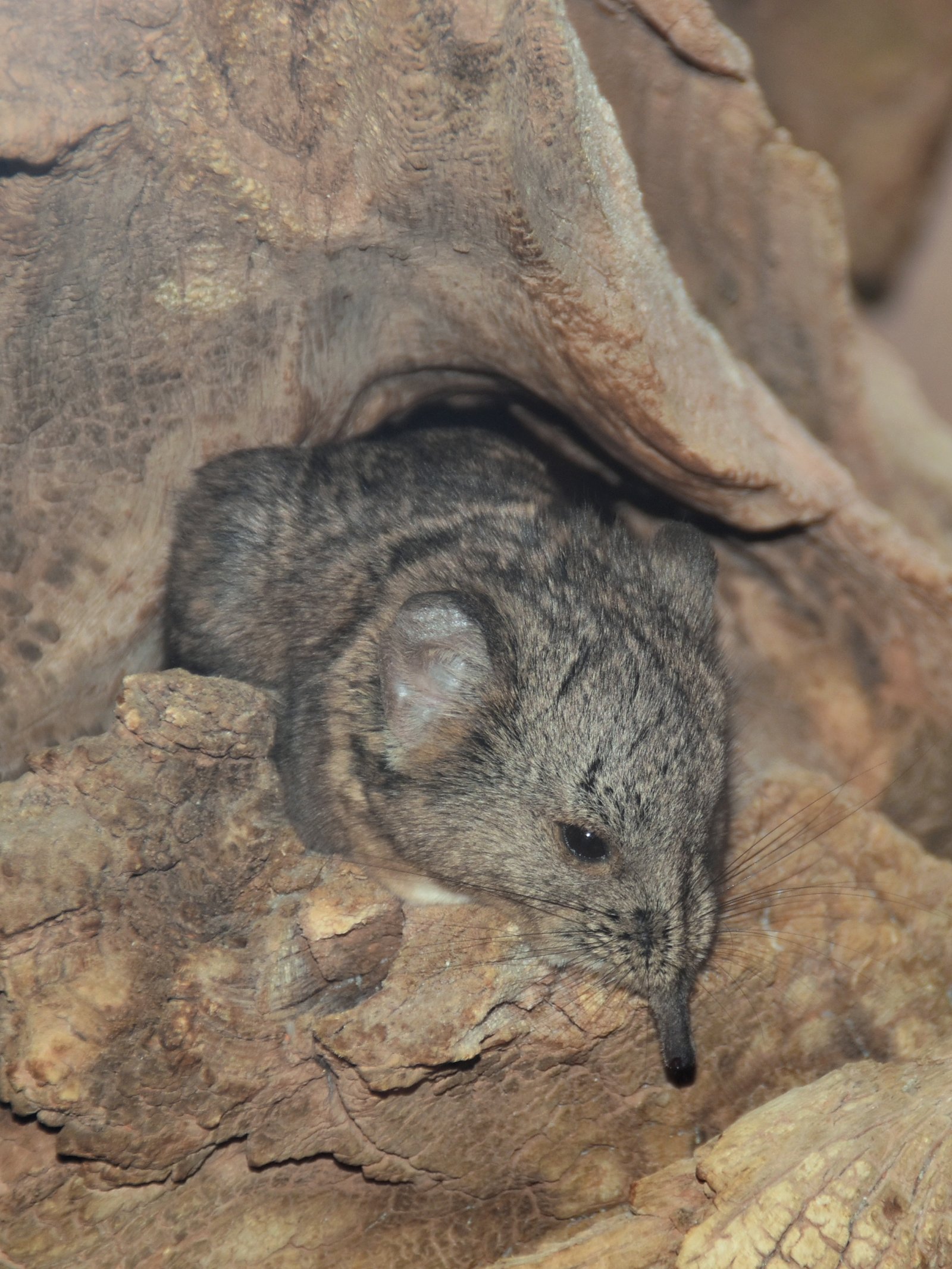
Elephant shrews play a crucial role in maintaining the balance of their ecosystems. As voracious insectivores, they help control populations of insects and other small invertebrates. Their foraging and digging activities aerate the soil and spread seeds, promoting plant growth and soil health. They also serve as prey for a wide variety of animals, forming a vital link in the food chain. Their presence is an indicator of healthy, biodiverse habitats—when elephant shrews thrive, it’s a sign that the ecosystem is functioning well. Losing these tiny mammals would ripple throughout the environment, affecting countless other species.
Conservation Challenges and Hope for the Future

Despite their resilience, elephant shrews face mounting threats from habitat destruction, deforestation, and human encroachment. Some species, like the golden-rumped elephant shrew, are especially vulnerable due to their limited range. Conservation efforts focus on preserving their habitats, conducting research, and raising public awareness about their importance. Wildlife reserves and community-based conservation programs offer hope, demonstrating that it’s possible to protect these unique animals while supporting local livelihoods. By learning about and valuing creatures like the elephant shrew, people can become more passionate defenders of the natural world. The fate of these miniature “elephants” may rest in our hands—will we rise to the challenge?