
Imagine hearing the world the way a Roman crowd did in a packed amphitheater, or listening to a voice that last spoke thousands of years ago. Sound is the most fleeting thing we experience: it happens, then it’s gone. Yet in the last few years, scientists have been pushing the limits of what’s possible, trying to pull sound back out of history itself. It’s like trying to catch smoke with your hands – and somehow, a few times, it has actually worked.
From resurrected musical instruments to digital reconstructions of long‑vanished spaces, researchers are turning archaeology into something you can hear, not just see. Some of their work is deeply moving, some a little eerie, and some still controversial. But taken together, these efforts change the way we think about the past: not as a silent museum, but as a noisy, echoing world we might one day experience again with our own ears.
The Voice Pulled from an Ancient Mummy
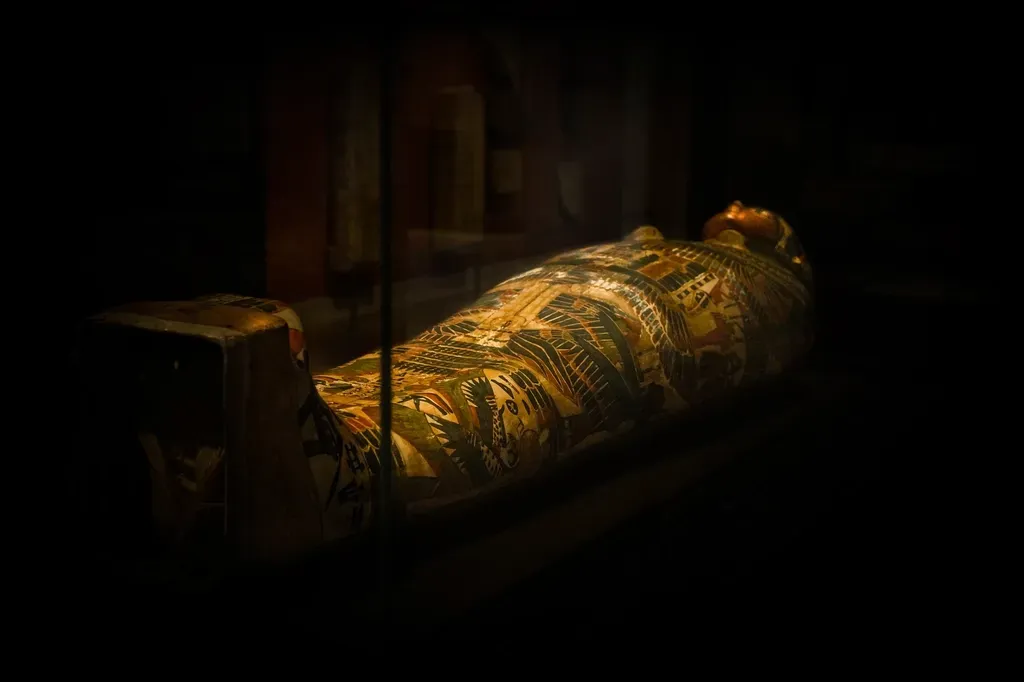
One of the most haunting projects of the last decade came from a team that tried to reconstruct the voice of a 3,000‑year‑old Egyptian mummy. They CT‑scanned the mummified body, built a detailed 3D model of the vocal tract, and then 3D‑printed a replica that could be attached to a modern speech‑synthesizing device. When they powered it up, the system produced a short, single vowel sound – more of a strange groan than a full sentence, but it was enough to shock people who heard it.
The attempt sparked a heated debate: was this really the mummy’s voice, or just an artificial noise built on fragmentary data and many modern assumptions? The soft tissues that shape sound – the tongue, muscles, and parts of the palate – were partially missing or distorted by the mummification process. Still, the experiment showed that voices, once thought completely unrecoverable, can be approached with modern imaging, modeling, and synthesis. It opened the door to the idea that ancient individuals might eventually be given something like a sound, even if not a perfectly accurate one.
The Roar of Crowds in Ancient Amphitheaters
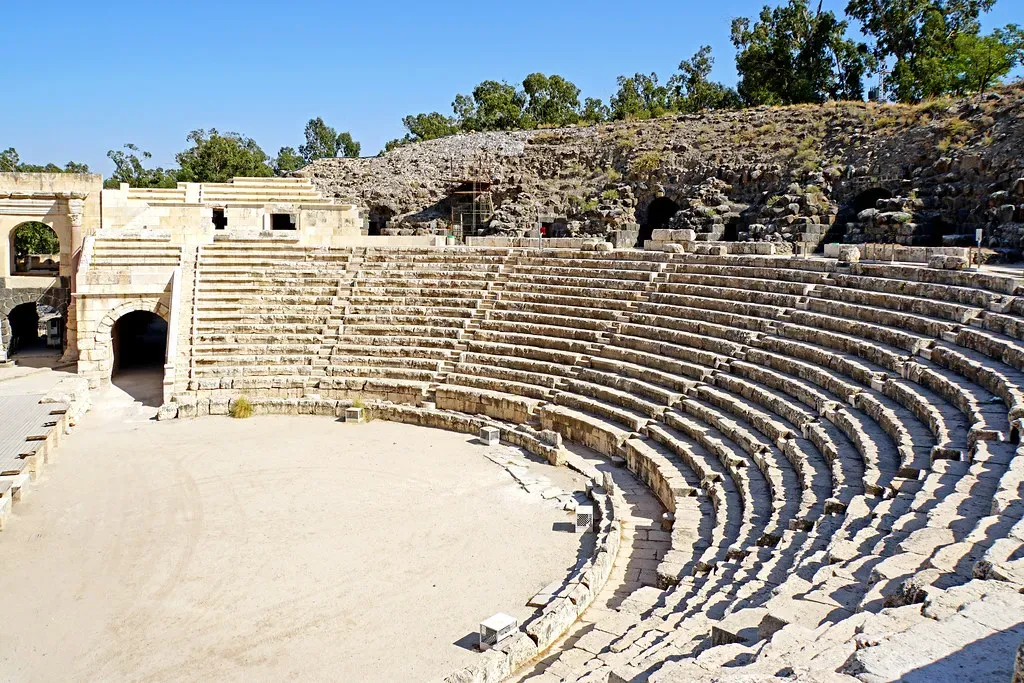
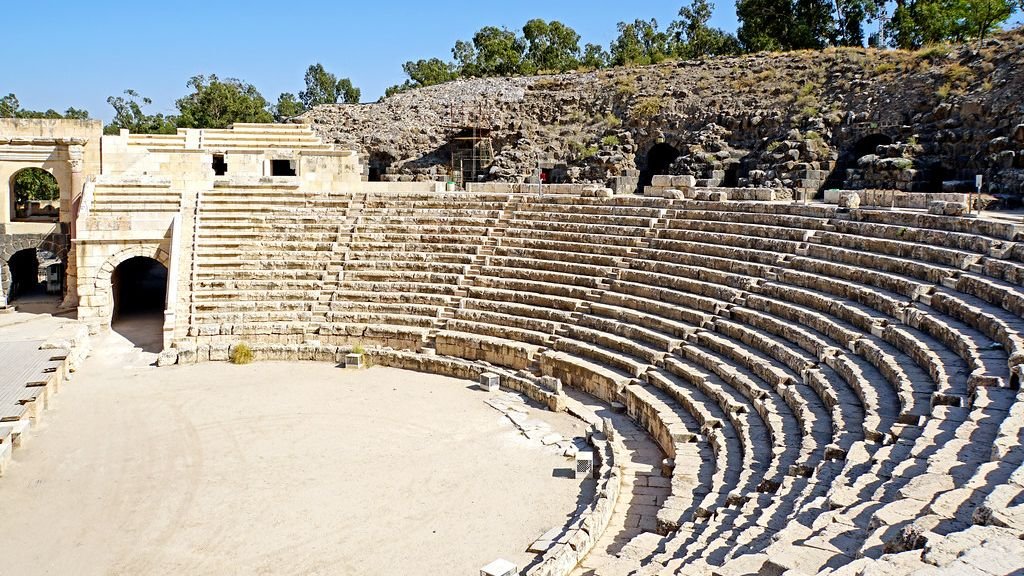
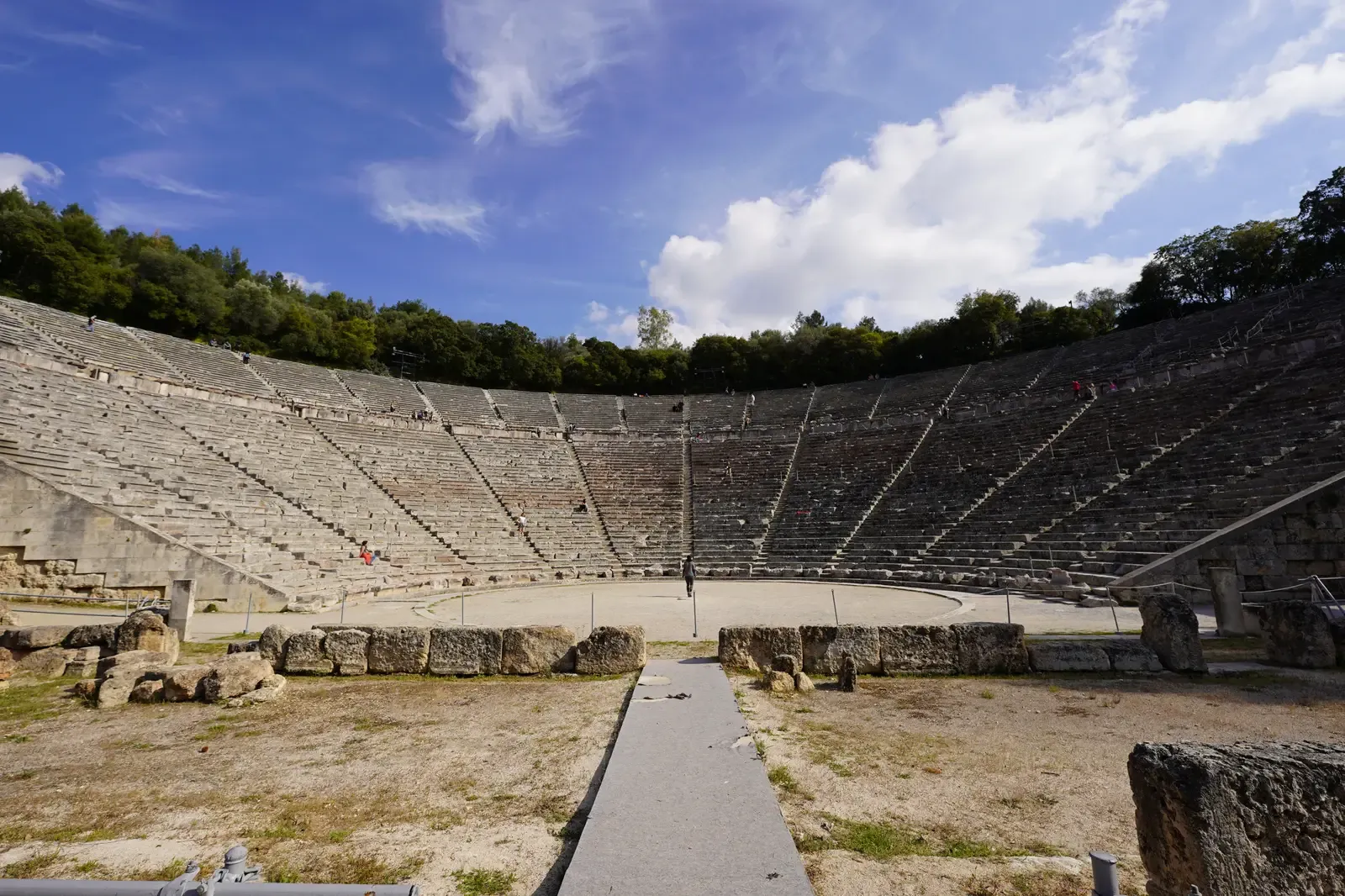
If you’ve ever stood in a ruined amphitheater and clapped, you already know those spaces do strange things to sound. Archaeologists and acoustical engineers have been using lasers, microphones, and advanced simulations to reconstruct how performances and speeches would have sounded in ancient venues like the Theater of Epidaurus in Greece or the Colosseum in Rome. By mapping every curve, stone, and wall, they can create virtual models that simulate how a voice or instrument would bounce around the space.
When they feed modern recordings into these acoustic models, they can “filter” them so the result sounds as if it were performed two thousand years ago under an open sky and stone tiers packed with people. These reconstructions challenge modern assumptions about how loud and clear an unamplified voice can be in a large arena. They suggest that ancient architects had a surprisingly precise intuitive grasp of sound, using geometry and materials to project voices across huge distances without a single microphone or speaker in sight.
The Lost Music of Ancient Mesopotamia
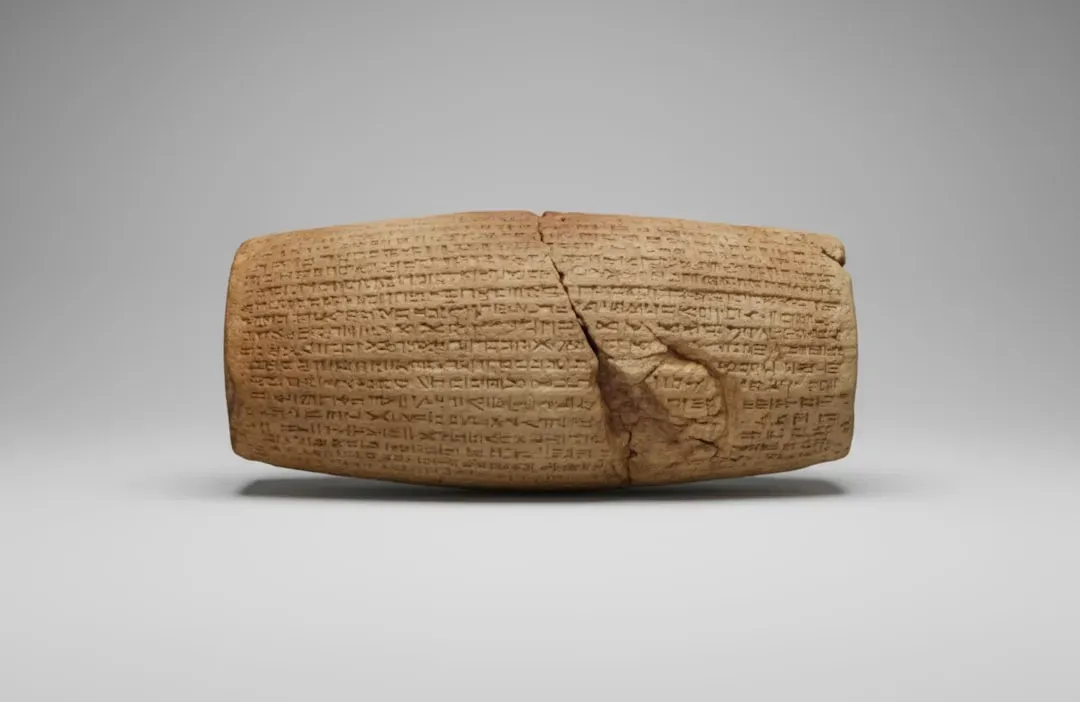
Long before classical music or even written Western notation, cultures in Mesopotamia were carving musical instructions onto clay tablets. Some of these tablets, excavated from sites in modern‑day Iraq and Syria, include what appear to be the earliest known pieces of notated music, along with references to scales, tunings, and instruments like the lyre. For decades, experts have argued over how to interpret these markings, because they don’t map neatly onto modern notions of notes and chords.
In recent years, musicologists and archaeologists have teamed up with musicians and digital modelers to try and give this music a voice again. They build replicas of ancient instruments based on surviving fragments and imagery, then use computational tools to test different tunings and performance styles that match what philologists think the tablets describe. The results are eerie and unfamiliar, often using intervals that sound “wrong” to modern ears, but that’s exactly what makes them powerful: they feel like a reminder that the emotional language of music has a deep history, not just a European one.
The Echoes Inside Ancient Caves and Ritual Sites
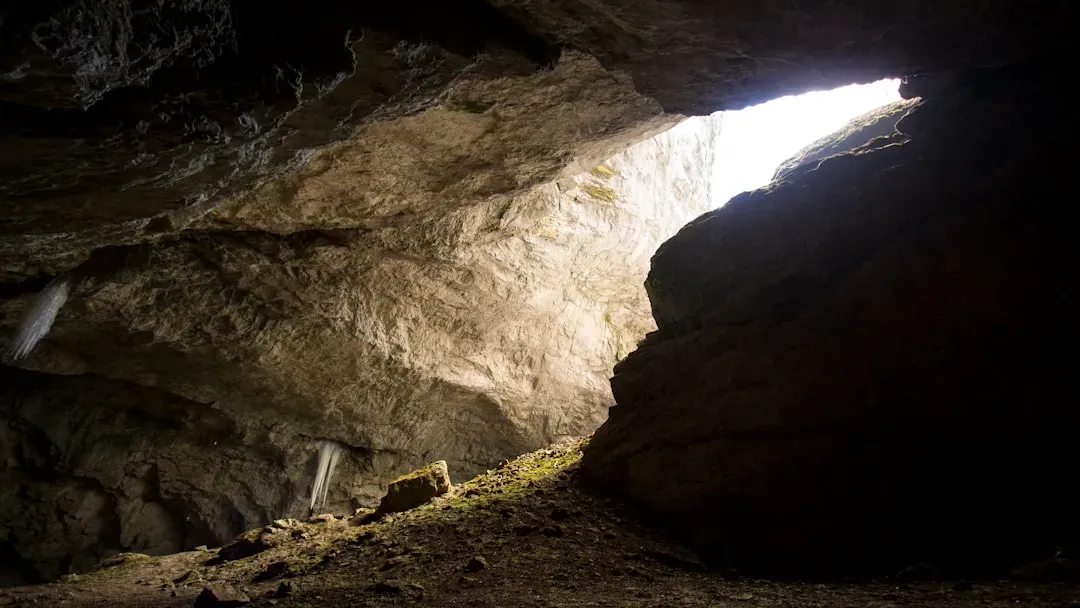
Some of the most striking ancient soundscapes may never have involved instruments at all, but rather the natural acoustics of caves, tombs, and ritual chambers. Researchers studying prehistoric painted caves in Europe, for example, have noticed that many images cluster in spots where echoes and resonances are especially strong. In some cases, a simple clap or shout produces a resonant hum or repeated echo that seems almost otherworldly in the dark.
Scientists now use impulse responses – sharp, controlled sounds recorded with sensitive microphones – to capture the acoustic “fingerprint” of these spaces. Once that data is collected, any modern voice or sound can be processed so it’s as if it were produced inside the ancient chamber. When I first listened to a demonstration from a reconstructed ritual site, it felt oddly physical, like the sound wrapped around you instead of just playing in your ears. It suggests that for many ancient communities, sound and space were as tightly woven into spiritual practice as images or objects.
The Whisper of Ancient Instruments Rebuilt
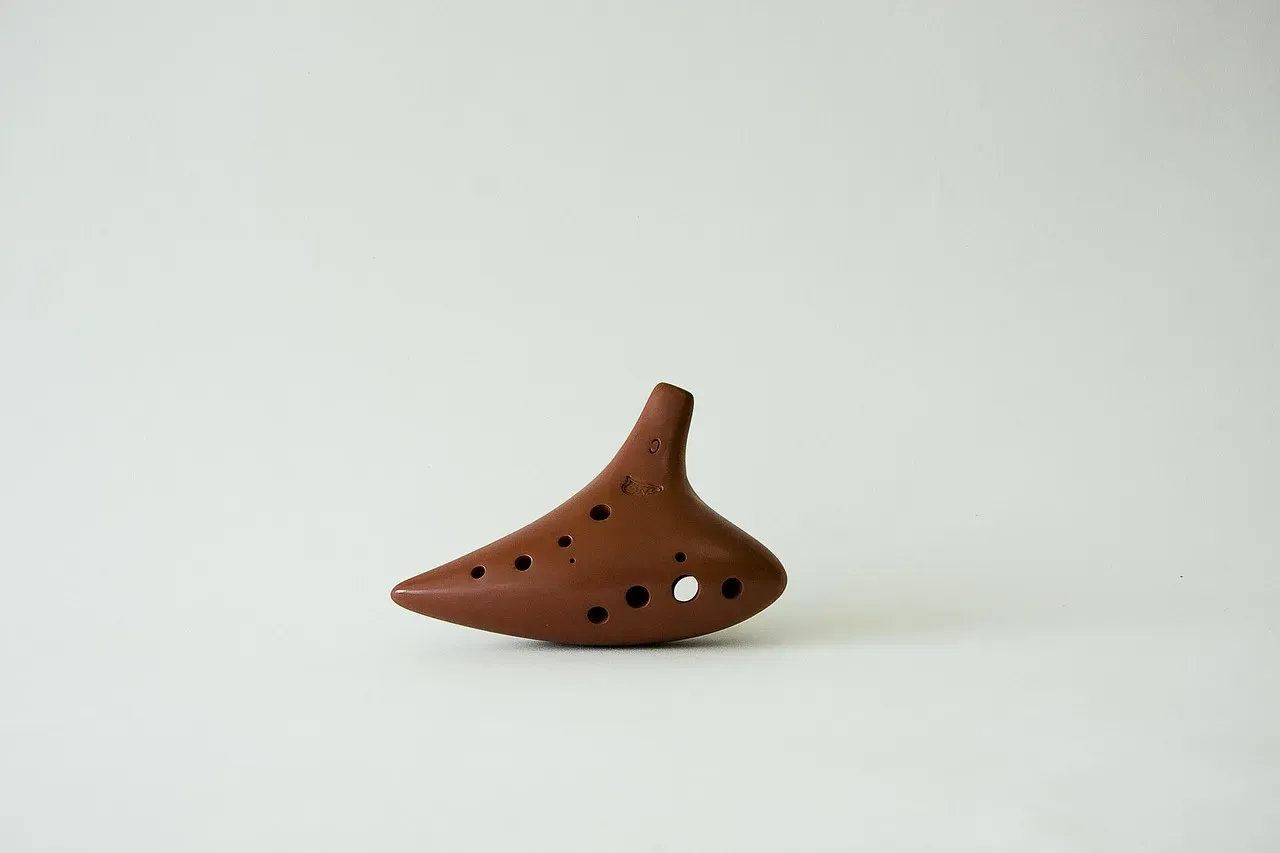
Recreating ancient instruments is equal parts science, craftsmanship, and educated guesswork. Archaeologists sometimes uncover almost complete objects, like Roman cornu horns or Greek aulos pipes, but more often they find fragments, depictions on pottery, or written descriptions. From that incomplete evidence, instrument makers try to reconstruct full, playable versions using traditional materials and construction techniques. Then acousticians step in to measure how these instruments behave and how close they might be to their original sound.
Digital modeling helps fill in the gaps, letting researchers tweak dimensions, materials, and mouthpieces to see how the tone would change. Many of the resulting instruments sound rawer and more piercing than modern orchestral gear, more like something you’d hear in a small, tightly packed crowd or on a dusty battlefield. When you hear a reconstructed Roman horn blare out in a modern lab, it’s not hard to imagine why it would have cut through the noise of soldiers and chaos. That visceral edge reminds us that ancient music was not just for refined court settings, but also for war, work, and everyday life.
The Ambitious Quest to Hear Entire Ancient Cities

The newest frontier goes beyond individual rooms or objects: some teams are trying to reconstruct the sound of entire ancient environments. Using 3D city models built from archaeological surveys, they simulate streets, markets, temples, and open spaces, then layer in likely sound sources such as footsteps, animal calls, water channels, and tools. Modern field recordings from similar environments – like traditional markets or rural workshops – are sometimes used as stand‑ins, then processed to match the simulated acoustics of the ancient city layout.
These projects are still in their early stages, and there’s a lot of debate about how speculative they are. But even rough attempts can be surprisingly evocative: the clatter of carts over stone, the murmur of overlapping voices in a forum, the regular toll of a water clock or temple bell. For me, the idea that we might someday walk through a virtual reconstruction of a long‑destroyed city and actually hear it breathing with everyday noise is more powerful than any glossy museum reconstruction. It shifts the past from a frozen tableau into an active, living system we can move through with our senses.
Listening Backward Through Time
Trying to recreate ancient sounds is a balancing act between rigorous science and honest imagination. Researchers know they’re often dealing with incomplete data, broken artifacts, and environments that have changed beyond recognition. Yet each experiment, whether it’s a single synthesized vowel from a mummy or the simulated chatter of a Roman market, peels back one more layer of silence that has covered the past. It turns abstract history into something that feels physical, immediate, and strangely intimate.
Maybe we’ll never know exactly how a priest’s voice resonated in a Bronze Age temple or how a Mesopotamian melody truly moved its listeners. But the effort to listen backward through time changes us as much as it changes our view of antiquity, forcing us to admit how much of human experience is carried not just in things, but in sound. When you think about your own life, which memories feel more real: the images, or the voices and noises that come with them?