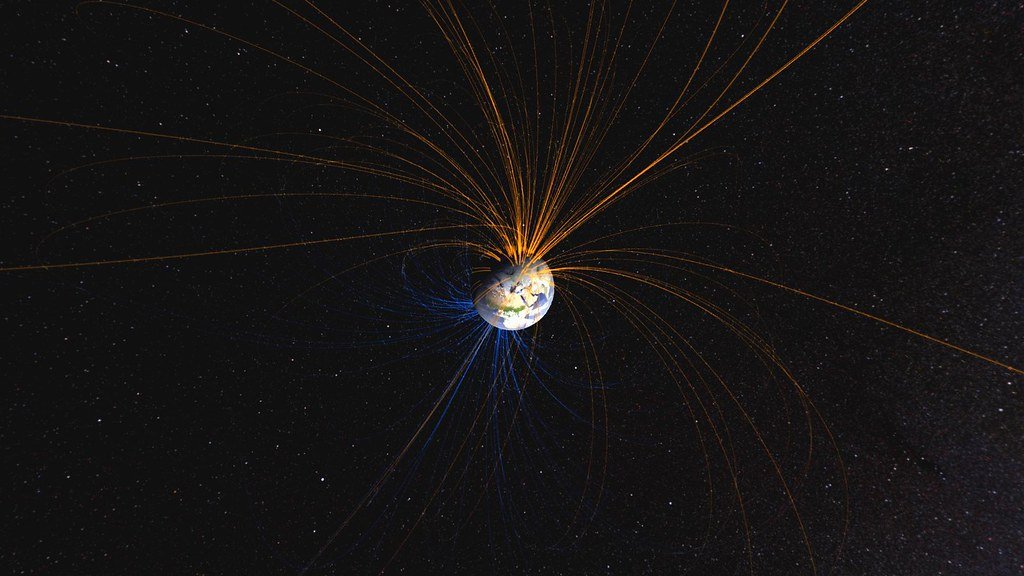

Most of the time, we walk around completely unaware that an invisible shield is humming quietly around our planet, deflecting dangerous radiation and guiding everything from migrating birds to GPS satellites. Yet this same shield is restless, constantly shifting, flickering, and sometimes even flipping its poles in ways that still puzzle scientists in 2026. The story of Earth’s magnetic field is part science, part mystery, and it affects your life far more than you probably realize.
Once you start to dig into it, the magnetic field feels almost like a living thing: generated deep in the molten heart of the planet, stretching far beyond the atmosphere, and responding to violent storms on the Sun. It protects us, but it’s anything but calm or permanent. Understanding how it works, why it sometimes weakens, and what it means for our technology and climate is one of the big scientific adventures of our time.
The Invisible Shield Wrapping Our Planet
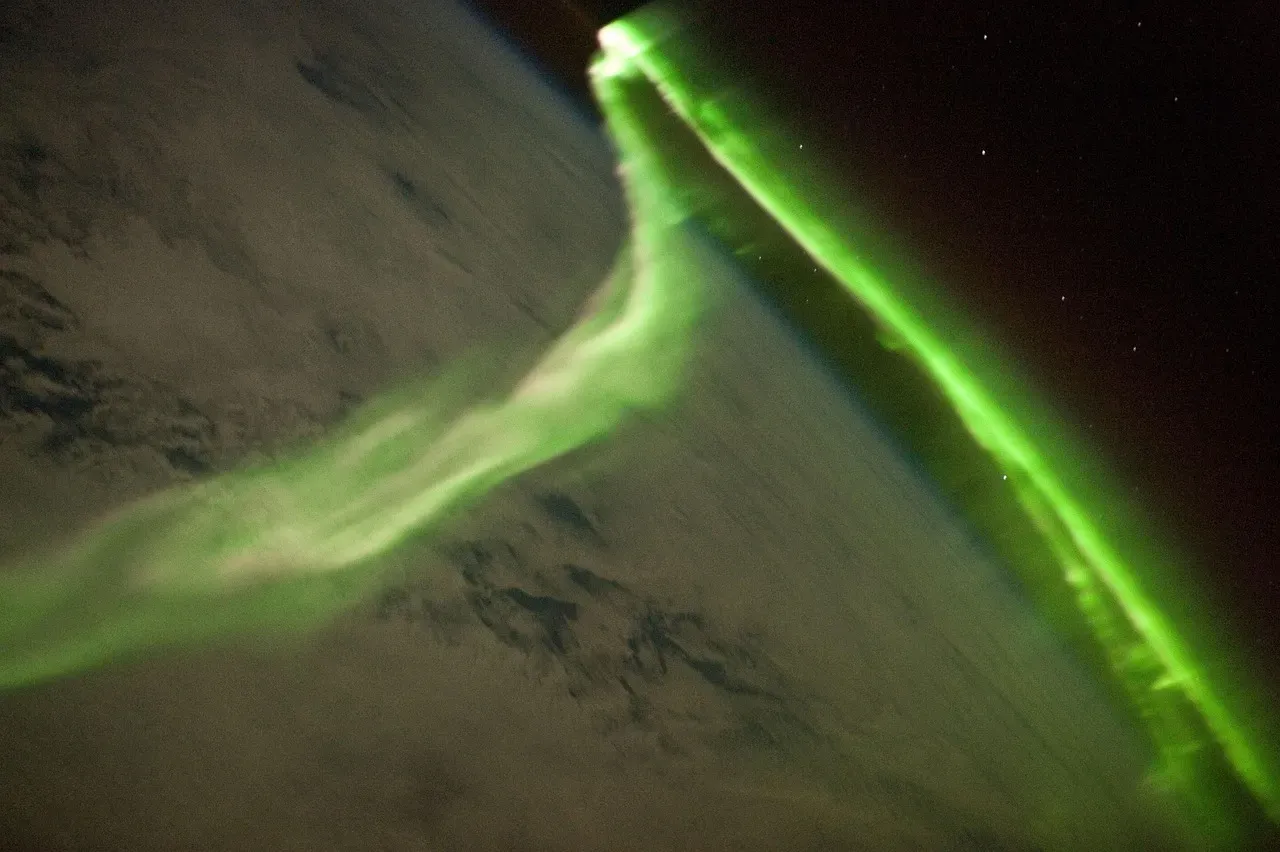
Imagine Earth wrapped in a giant, invisible bubble that deflects deadly space weather before it can fry the surface – that’s essentially what the magnetic field and magnetosphere do. High‑energy charged particles streaming from the Sun, known as the solar wind, are constantly trying to slam into our planet at tremendous speeds. Without the magnetic field, a lot more of this energetic radiation would hit the atmosphere directly, stripping it away over time and exposing life to dangerous levels of radiation.
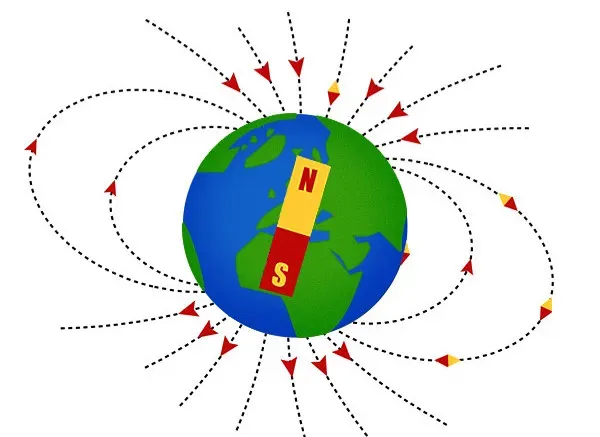
Instead, most of these particles get steered around us, like water flowing around a rock in a river. The magnetic field lines, which emerge near the geographic poles and loop around the planet, trap some charged particles in donut‑shaped belts and send others spiraling harmlessly away into space. It’s not perfect protection, but it’s the main reason Earth looks like a blue, breathable world instead of a scorched, air‑thin rock like Mars.
Deep Inside: How Earth’s Core Creates the Field
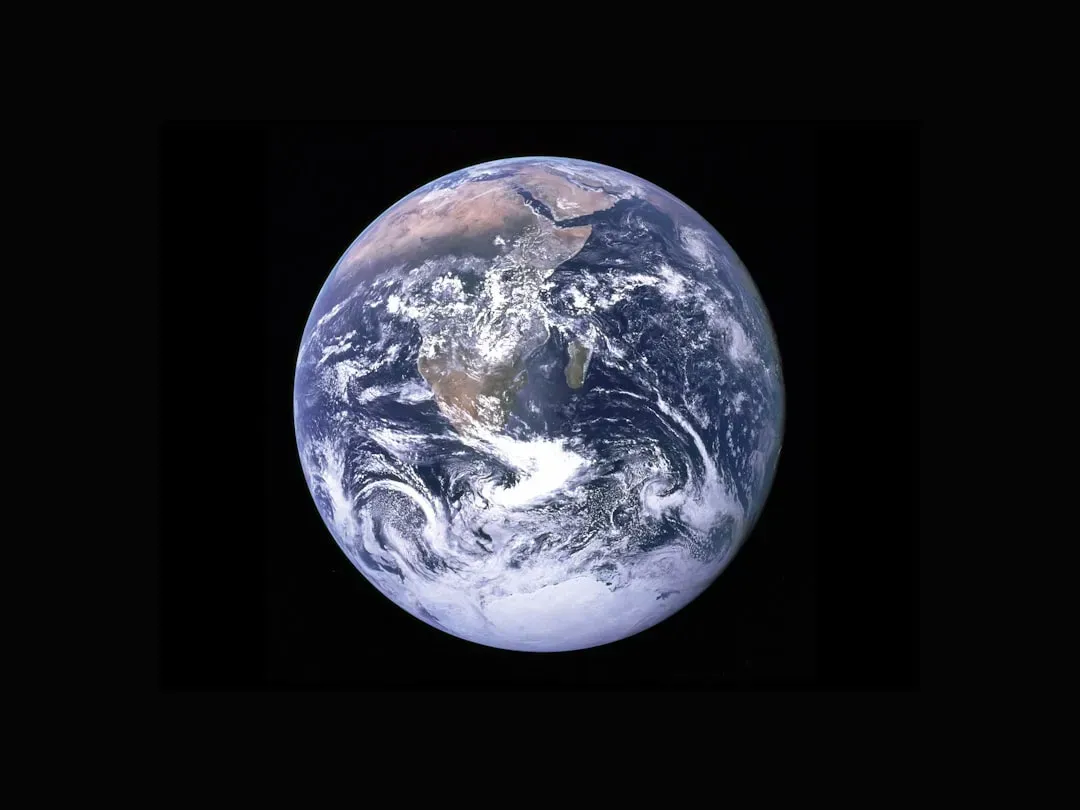
The magnetic field isn’t created in the sky; it’s born far below your feet, in the planet’s outer core, where temperatures rival the surface of the Sun. Down there, a massive layer of mostly liquid iron and nickel swirls and churns because of Earth’s rotation and the heat escaping from deeper inside. These molten metal flows act like gigantic electrical currents, and according to basic physics, moving electric charges generate magnetic fields. This process is known as the geodynamo.
You can think of it like a naturally occurring dynamo on a planetary scale, with the solid inner core, the spinning planet, and complex convection patterns all feeding into an enormous magnetic engine. The result is a roughly dipolar field that somewhat resembles a bar magnet tilted relative to the planet’s rotational axis. But because the flows in the core are turbulent and ever‑changing, the magnetic field is never truly stable, and that’s where the story gets interesting – and a little unsettling.
The Magnetosphere vs. Solar Storms

If the magnetic field is the engine, the magnetosphere is the car it’s driving – the region of space around Earth where the field dominates over the solar wind. When the solar wind is relatively calm, the magnetosphere maintains a somewhat steady, teardrop shape, compressed on the day side and stretched into a long tail on the night side. But when the Sun unleashes solar storms, like coronal mass ejections, the solar wind rams into this shield with much more force. The result can be dramatic rearrangements of magnetic field lines, called geomagnetic storms.
These storms can supercharge particles trapped around Earth and send them hurtling down magnetic field lines toward the polar regions, lighting up the sky as vivid auroras. At the same time, powerful electric currents are induced in the upper atmosphere and even in the ground, which can interfere with satellites, knock out radio communications, and stress power grids. Governments and space agencies now closely monitor space weather, because a large enough storm has the potential to cause widespread technological disruption in a world that depends heavily on electricity and orbiting infrastructure.
What Happens When the Field Weakens?
Earth’s magnetic field isn’t constant in strength; it waxes and wanes over time, and right now scientists measure that it’s gradually weakening in some regions, especially over an area called the South Atlantic Anomaly. A weaker field allows more charged particles to penetrate deeper into near‑Earth space, increasing radiation exposure for satellites and the International Space Station. This can shorten satellite lifetimes, disrupt onboard electronics, and increase the frequency with which certain orbits become hazardous. Engineers now have to design with this extra radiation in mind, especially for missions that pass through these weaker zones.
For people on the surface, even a substantially weaker field would not instantly mean a doomsday scenario, because our thick atmosphere is still a powerful shield against many types of radiation. However, over very long timescales, more high‑energy particles interacting with the upper atmosphere could affect ozone chemistry and slightly change how much harmful ultraviolet light reaches the ground. The bigger concern in the near term is the impact on our technological ecosystem, from communication systems to navigation infrastructure, which was built assuming relatively stable magnetic conditions.
Magnetic Pole Reversals: Flips, Swings, and Myths
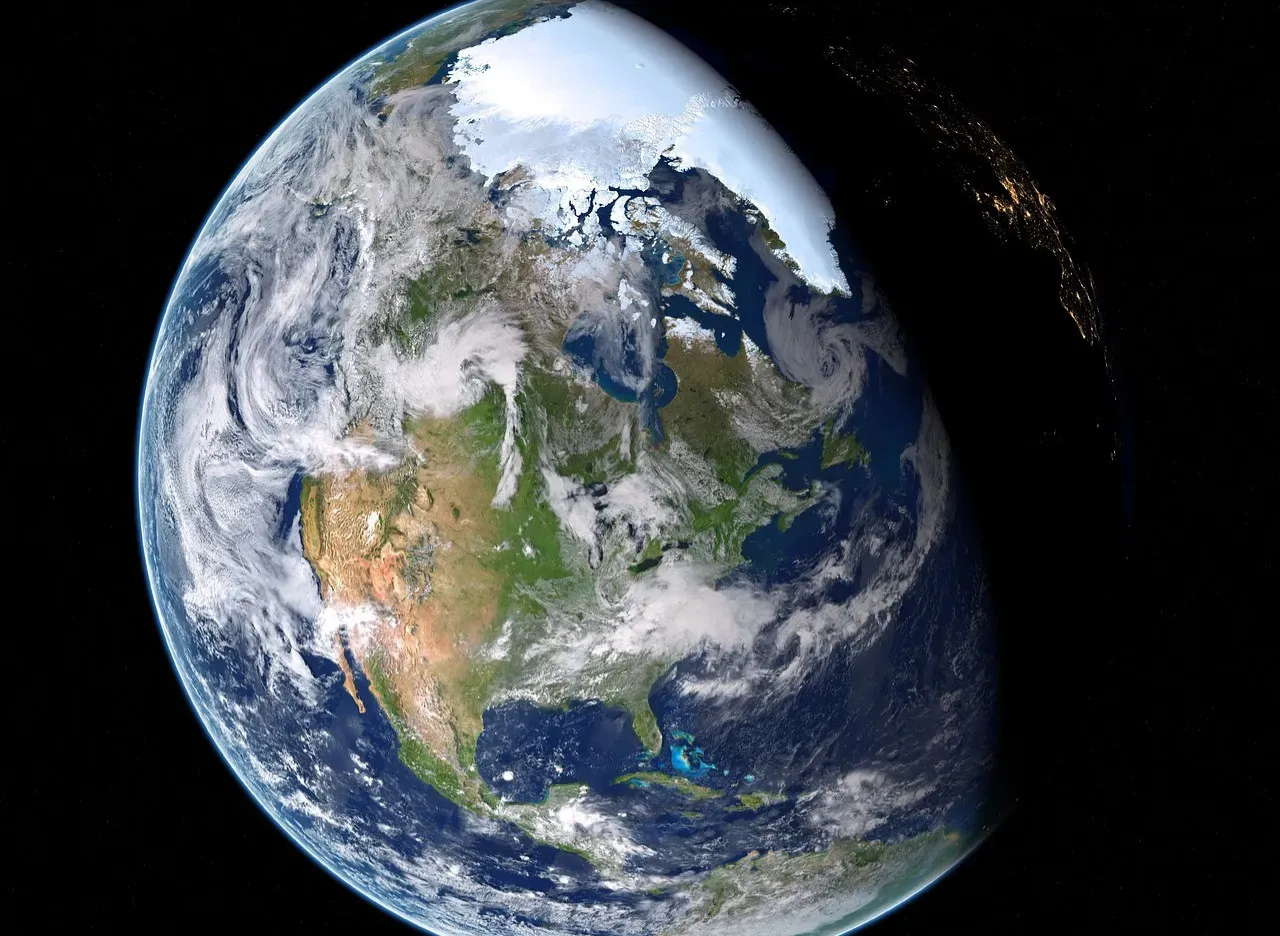
One of the most surprising facts about Earth’s magnetic field is that the poles do not stay put forever; over hundreds of thousands of years, they have completely flipped many times. The last full reversal happened several hundred thousand years ago, long before human civilization, and we only know about it because volcanic rocks and seafloor sediments preserve tiny magnetic minerals that lock in the direction of the field when they form. By reading this magnetic “fossil record,” scientists have mapped a long, irregular history of reversals and shorter‑lived excursions where the field wanders far from its usual configuration without fully flipping. It’s more like a tipsy spinning top than a perfectly steady bar magnet.
There’s a lot of speculation online that a future reversal would instantly wipe out life or trigger massive geologic disasters, but the evidence from past flips doesn’t support that. Life has survived many reversals, including during periods when large animals roamed the planet. What is more likely is that a reversal or extended weakening could bring decades to centuries of a more chaotic field, with multiple poles and shifting magnetic directions. That could be a headache for navigation systems, migrating animals, and modern power infrastructure, but there’s no solid evidence that it directly triggers earthquakes, volcanic eruptions, or sudden mass extinctions.
Guiding Birds, Whales, and Our Navigation Tech
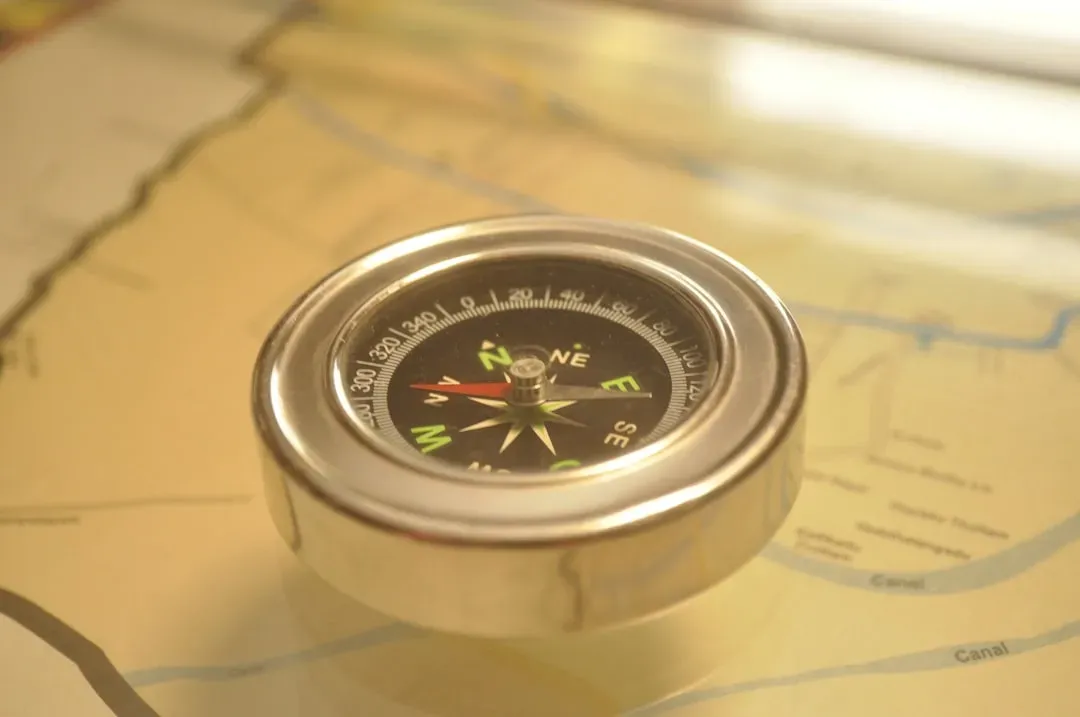
Long before humans carried compasses or phones, animals were already using Earth’s magnetic field as a kind of built‑in GPS. Studies show that many migratory birds, sea turtles, and some marine mammals can sense the field’s direction and even its strength, helping them follow long migration routes across oceans and continents. It’s as if they carry a quiet magnetic map in their nervous system, which they combine with cues like stars and the Sun to stay on track. Scientists are still working out the exact biological mechanisms behind this “magnetic sense,” and it may not be the same in every species.
Humans, for our part, turned the magnetic field into a tool once we discovered that a magnetized needle would align itself roughly north‑south. Compasses helped sailors cross oceans, allowed explorers to map continents, and laid the groundwork for global trade routes. Today, we still rely on magnetic north in aviation, drilling operations, and backup navigation systems, even though satellites and GPS have become dominant. Because the poles drift over time, maps and runway markings have to be updated periodically, a small reminder that the magnetic field is not fixed and we are always chasing a moving target.
How We Monitor the Field Today and What We Still Don’t Know
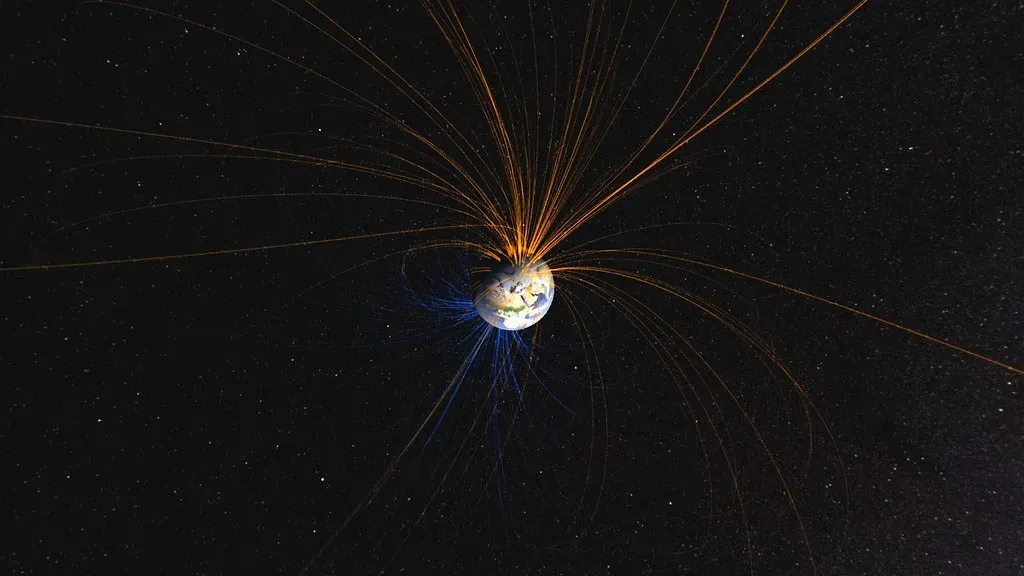
In the past, people had to rely on simple ground measurements to figure out how the magnetic field behaved, and those records were patchy and local. Now we have a fleet of satellites – from agencies in Europe, the United States, and other countries – circling Earth and taking precise measurements of the field’s strength, direction, and subtle variations. These data are combined with readings from observatories on the ground and even sensors on airplanes and ships to build detailed global models. Updates to these models are released regularly so that navigation systems, surveyors, and scientists can keep pace with the field’s steady drift and shorter‑term changes.
Even with all that, there’s a lot we still don’t fully understand, especially about the complex flows in the outer core that drive the geodynamo. Researchers run supercomputer simulations, compare them with observations, and adjust the models to see how reversals and anomalies might emerge. They’re trying to answer questions like how far in advance we could realistically predict a major weakening or flip, and what kind of regional variations we should expect. As someone who follows this research with fascination, it feels a bit like reading the weather forecast for the deep interior of the Earth: we’re getting better, but there are still surprises.
Living With a Restless Shield
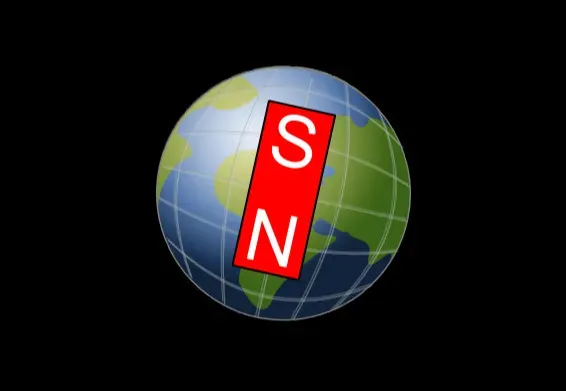
Earth’s magnetic field is one of those background features of our world that most of us never think about, yet almost everything we care about depends on it. It shields our atmosphere, shapes the stunning auroras, keeps a lot of our technology functioning, and quietly guides animals across vast distances. At the same time, it is always moving, sometimes weakening, and occasionally flipping its poles entirely, reminding us that even the “stable” parts of our planet are anything but static. Learning how to live with a restless shield means improving our monitoring, hardening our technology, and staying honest about what we know and what remains uncertain.
Personally, I find it oddly comforting that something as grand as a planetary magnetic field can be both protective and unpredictable, like a guardian that occasionally fidgets in its chair. It’s a humbling reminder that our planet is a dynamic system, not a finished product, and that our best response is curiosity backed by solid science rather than panic or wild speculation. The next time you see a photo of the aurora or check a map on your phone, it’s worth remembering the invisible structure quietly making those moments possible. When you think about that invisible shield now, does it feel a little less abstract and a lot more real?