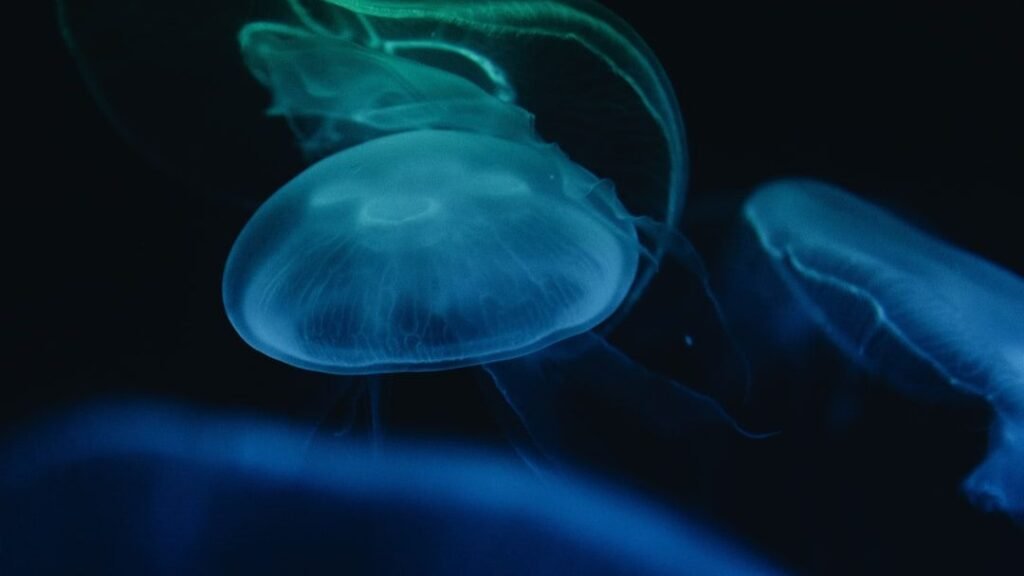

Stand on any beach and the ocean looks vast, but calm, almost knowable. Yet beneath those waves lies a world so extreme and so alien that, even in 2026, we’ve explored less of it than the surface of Mars. The deepest oceans are not just dark pits on a map; they are dynamic, living laboratories that may hold clues to how life began, how our climate really works, and even how our future technology will evolve.
What’s both thrilling and slightly terrifying is this: decisions made on land in the next few years may shape the fate of places no human has ever seen with their own eyes. From pressure-crushed trenches to shimmering vents that look like underwater campfires, these hidden realms could transform our understanding of biology, energy, medicine, and even our place in the universe. And the most surprising part is that we’re only just starting to crack the door open.
The Crushing World Of Hadal Trenches
Imagine stacking nearly eleven kilometers of water on top of your head; that’s the kind of pressure at the bottom of the Mariana Trench. Down in these hadal zones, the pressure is so intense it would crush a submarine from a few decades ago like an empty soda can. Temperatures are just above freezing, sunlight never arrives, and yet life has somehow adapted not just to survive, but to thrive in these conditions.
When remotely operated vehicles and landers have gone down into these depths, they’ve found strange snailfish, shrimp-like amphipods, and microbial mats clinging to the sediment. Some of these creatures have cell membranes and proteins fine-tuned to function only under extreme pressure, which flips our assumptions about where life can exist. If biology can handle this kind of stress on Earth, it strengthens the case for life in the deep oceans of icy moons like Europa and Enceladus, where similar pressure-cooker conditions may exist beneath thick ice shells.
Alien Life Forms Hiding In Plain (Dark) Sight
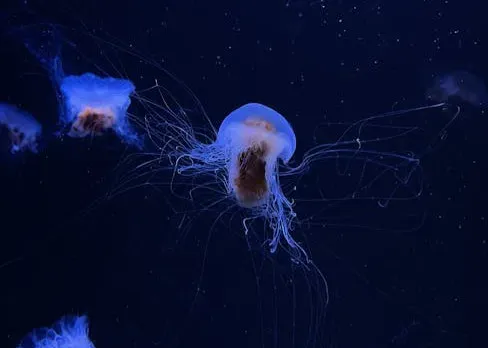
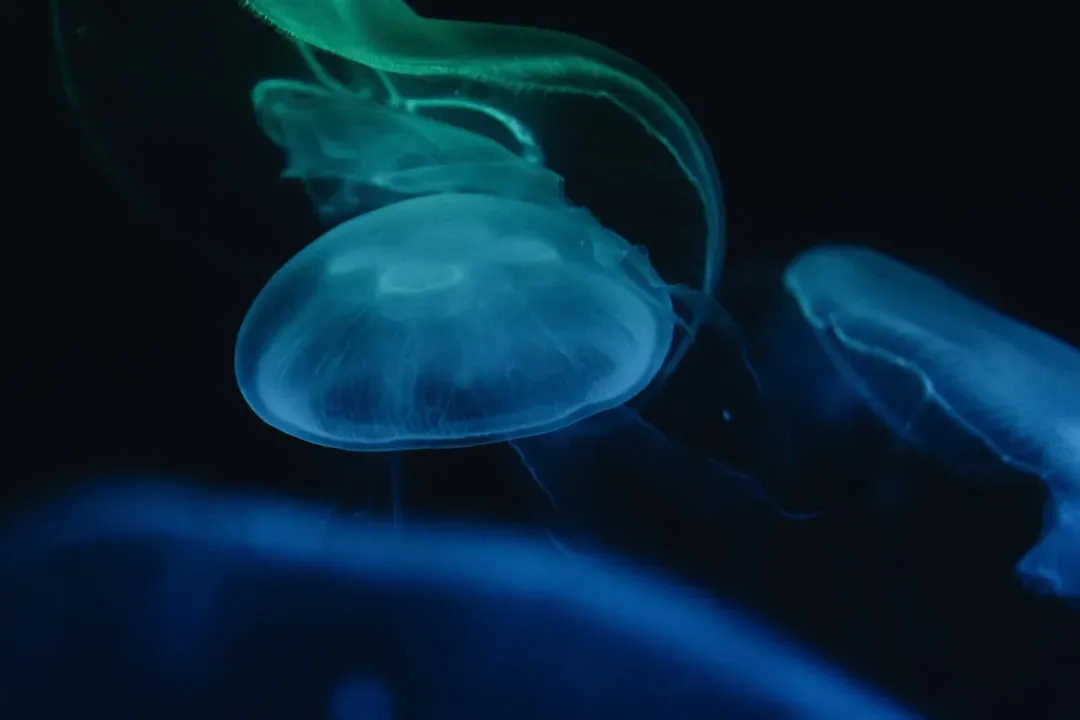
In the deep sea, evolution has gone a little wild. There are fish with transparent heads, squid with blinking light organs, and creatures that look more like sci‑fi concept art than anything you’d expect to find on a planet you thought you knew. Many of these animals use bioluminescence – natural light produced by chemical reactions – to lure prey, hide from predators, or find mates in complete darkness.
What’s easy to forget is that most deep-ocean species have never been seen or named by science. Every time modern submersibles and autonomous robots dive to new depths, researchers return with footage and samples of organisms nobody has described before. These animals can reshape our ideas about how food webs work when there’s no sunlight to power photosynthesis, and they’re forcing biologists to rethink basic rules about metabolism, growth, and longevity. It’s like suddenly realizing there’s a hidden chapter in the book of life, and we’ve only just started reading it.
Hydrothermal Vents And The Origin Of Life
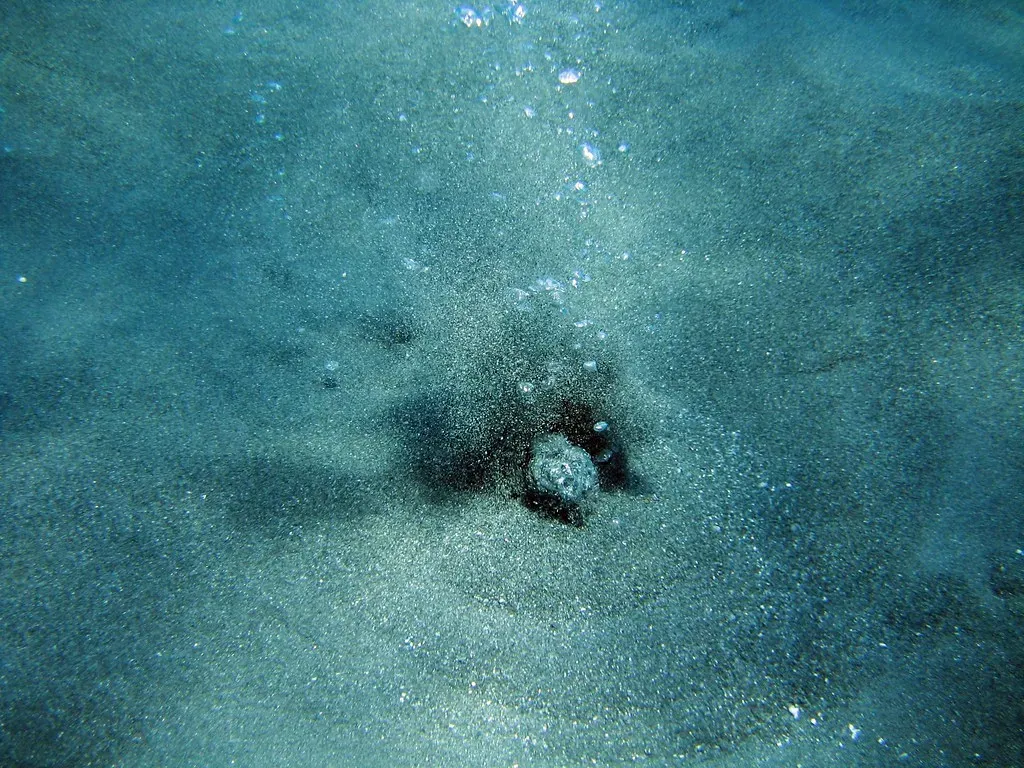
One of the most dramatic discoveries in modern ocean science is the existence of hydrothermal vents: cracks in the seafloor where seawater seeps down, heats up near magma, and blasts back out in mineral-rich plumes. Around these vents, in absolute darkness, huge colonies of tube worms, crabs, shrimp, and microbes cluster like cities around a power plant. Instead of sunlight, the base of their food chain is chemistry, with microbes using energy from hydrogen sulfide, methane, and other chemicals in a process called chemosynthesis.
These vent ecosystems give real weight to the idea that life on Earth may have started in similar environments roughly four billion years ago. The steep chemical gradients, natural “compartments” created by minerals, and constant energy supply are exactly the kind of conditions that many origin-of-life researchers see as promising. If that’s true, the deepest oceans are not just curiosities; they’re active time machines, preserving the kind of settings where life might first have sparked. And if life can start in darkness at the bottom of an ocean, it suddenly feels far more plausible that it could also arise on ocean worlds far from our Sun.
Deep Oceans As Earth’s Hidden Climate Engine
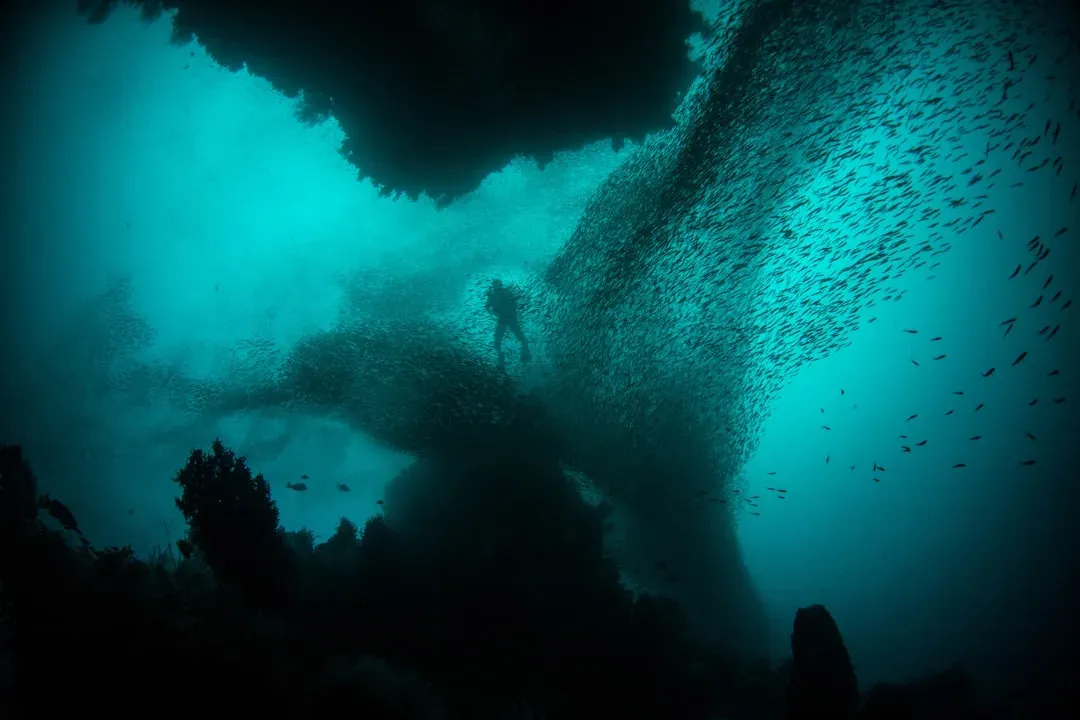
When people talk about climate, the conversation usually revolves around the atmosphere, melting ice, and forests. But the real heavyweight in our planet’s climate system is the deep ocean, which quietly absorbs the vast majority of excess heat and a huge share of our carbon emissions. Massive currents slowly push surface waters down into the abyss and bring deep waters back up over timescales that can stretch from decades to centuries.
In the darkest depths, carbon-rich particles from dead plankton, fecal pellets, and dust rain down from above like constant slow snow, locking away carbon for centuries or even longer. We’re learning that seemingly small changes in ocean circulation can flip this system from a powerful climate buffer into a dangerous wild card. If deep waters warm more than expected or circulation slows, the oceans might absorb less heat and carbon, which could accelerate surface warming in ways our current models don’t fully capture. The secrets of these deep currents are literally rewriting projections of our climate future.
Medicines And Materials We Haven’t Discovered Yet
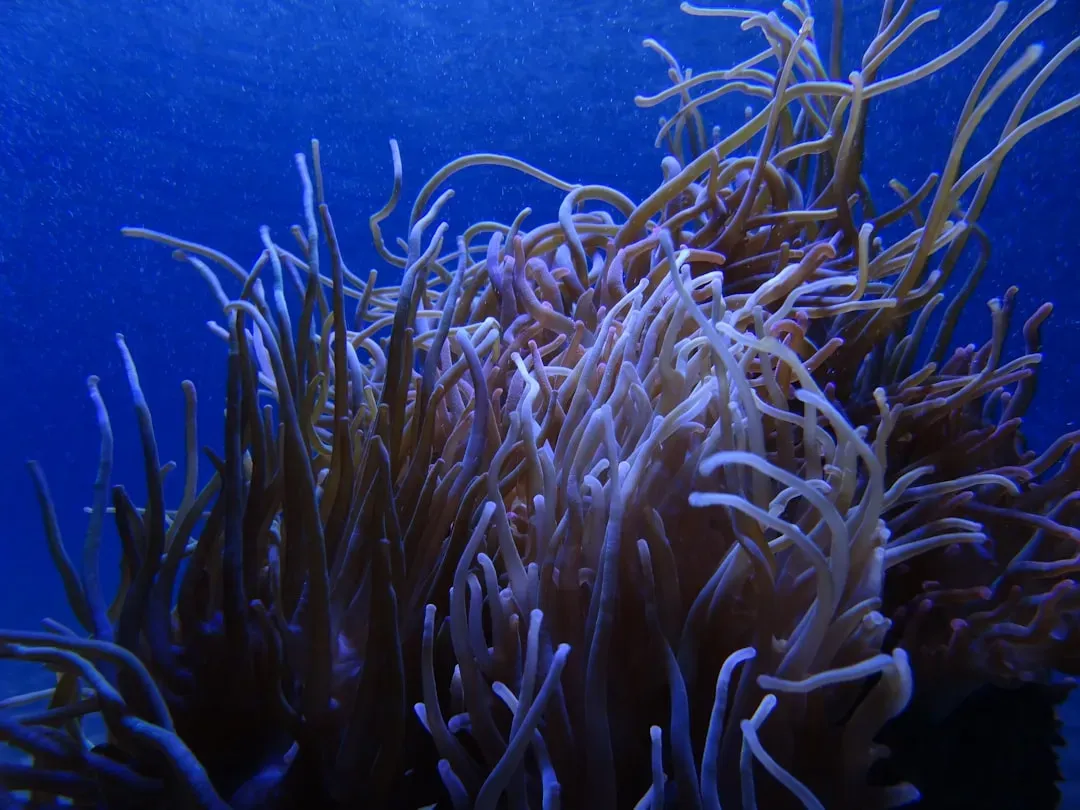
Many of the drugs we rely on today originally came from unexpected sources like soil bacteria, plants, and fungi. The deep ocean multiplies that kind of potential by offering organisms that have evolved in isolation under extremes of pressure, temperature, and chemistry. Microbes living on vents, corals, and sediments produce unusual molecules to defend themselves, communicate, or survive stress, and some of those molecules may be perfect as antibiotics, anticancer agents, or anti-inflammatories.
Researchers have already found deep-sea compounds that show promise in lab tests against resistant bacteria and certain tumors, even though only a tiny fraction of deep life has been screened. On top of that, the unique structures of deep-sea shells, sponges, and biological polymers are inspiring new materials, from pressure-resistant coatings to flexible yet strong composites. It’s not exaggerating to say that cures for future diseases, or innovations in materials science, might be sitting right now on an unvisited seafloor ridge, waiting for us to look in the right place.
The High-Stakes Battle Over Deep-Sea Mining
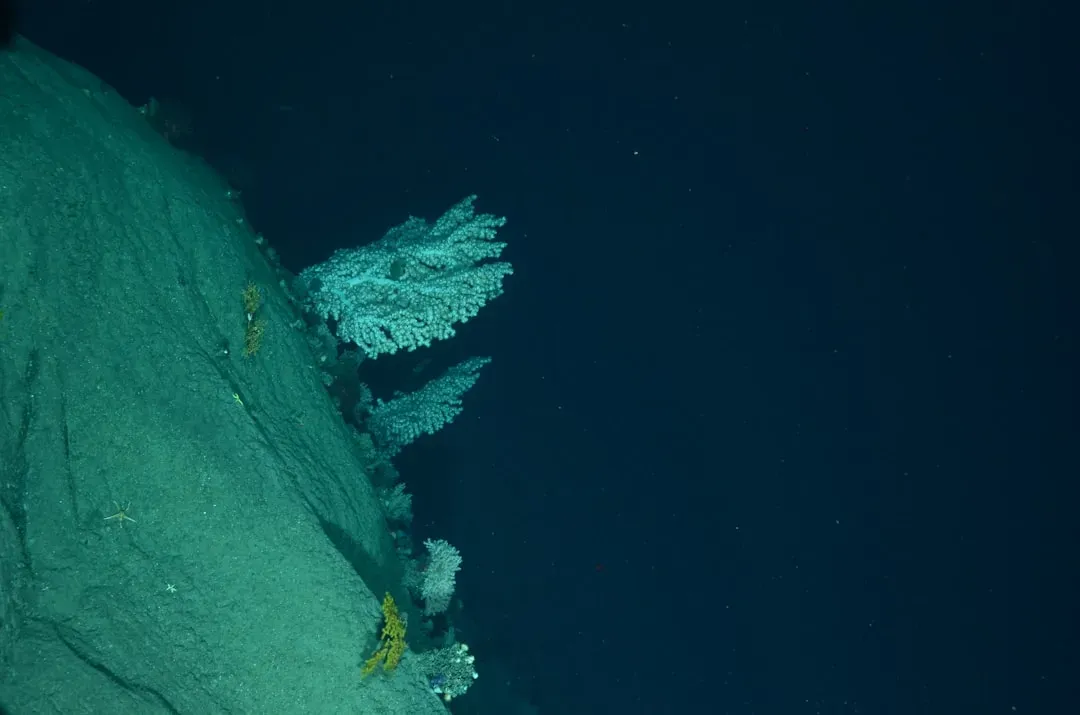
All that mystery and life intersects with something much more human: our hunger for resources. The deep seafloor holds vast fields of polymetallic nodules and mineral-rich crusts loaded with cobalt, nickel, manganese, and rare earth elements – exactly the metals used in batteries, wind turbines, and electronics. Companies and some governments argue that deep-sea mining could support the green energy transition and reduce dependence on politically sensitive sources on land.
But these mineral fields are also home to slow-growing corals, sponges, and complex microbial communities that may take centuries or longer to recover, if they recover at all. Sediment plumes from mining could smother life over large areas, and the noise and light from industrial equipment could disrupt animals adapted to near-silence and eternal night. The harsh truth is that we’re debating how to exploit habitats we barely understand, with unknown consequences for ecosystems and even for climate feedbacks. It’s a race between knowledge and extraction, and right now, extraction is moving faster than our science.
Autonomous Robots And The New Age Of Ocean Exploration
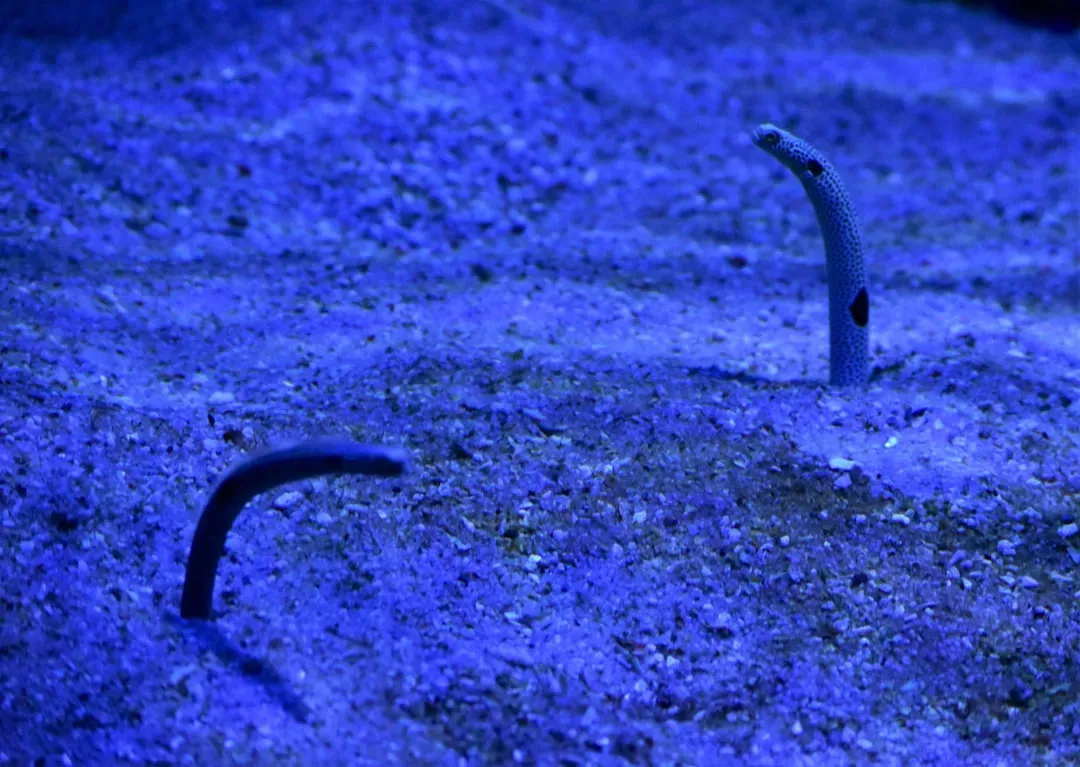
For most of history, exploring the deep ocean meant sending down a single expensive submersible and hoping nothing broke. That’s changing quickly. We now have swarms of autonomous underwater vehicles and gliders that can map the seafloor in high detail, hover around vents, and even use machine learning to decide what’s interesting enough to sample. Some can stay at sea for months, quietly collecting data on temperature, chemistry, sound, and life, then surface to beam their findings back via satellite.
The effect of this new tech is similar to giving a blurry, grainy world a high-definition upgrade. We’re starting to spot patterns in deep-sea habitats, identify new species more quickly with genetic tools, and monitor how climate change is reshaping the abyss in real time. At the same time, the same tools can be used for resource prospecting and surveillance, which raises uncomfortable questions about who gets access to this hidden world. In a way, the future of deep-ocean exploration is a test of whether we can use powerful technology with restraint in a place that can’t easily recover from our mistakes.
Why The Deep Ocean’s Fate Is Tied To Our Own
It’s tempting to think of the deep ocean as distant and separate, like a locked basement we never visit. But the more we learn, the clearer it becomes that our climate stability, our future medicines, and even our understanding of life in the universe are wrapped up in what happens miles below the waves. Every plastic bag, every ton of carbon, every policy about mining or conservation eventually shows up in some form in those depths.
Standing on a pier, watching the surface shimmer, it’s almost impossible to grasp that your choices – what you vote for, what you buy, what your country allows or bans – can shape the fate of creatures living under pressures we can barely imagine. Yet that’s exactly where we are in 2026: at a moment when we either treat the deep ocean as a once-only resource to be stripped, or as a partner in the long story of life on this planet. When you picture that pitch-black world, lit only by blue-green glows and drifting snow, which future do you see?