
Stand on a quiet beach at sunrise, and it’s easy to believe the world has always been like this – waves, sky, wind, repeat. But beneath our feet lies a planet that’s survived asteroid strikes, runaway greenhouse phases, global ice ages, and mass extinctions that wiped out nearly all life more than once. The calm we see now is just one frame in a wild movie that’s been playing for more than four billion years.
Here’s the uncomfortable but strangely empowering truth: what we’re doing to the planet right now is not entirely new. Earth has seen CO₂ spikes, heat waves, sea‑level surges, and biodiversity crashes before. The difference is speed – we’re hitting fast‑forward. If we learn to “read” Earth’s deep past properly, it stops being a dusty story about dinosaurs and becomes a rough user manual for what comes next.
Ancient Climate Shocks: The Planet Has Been Here Before
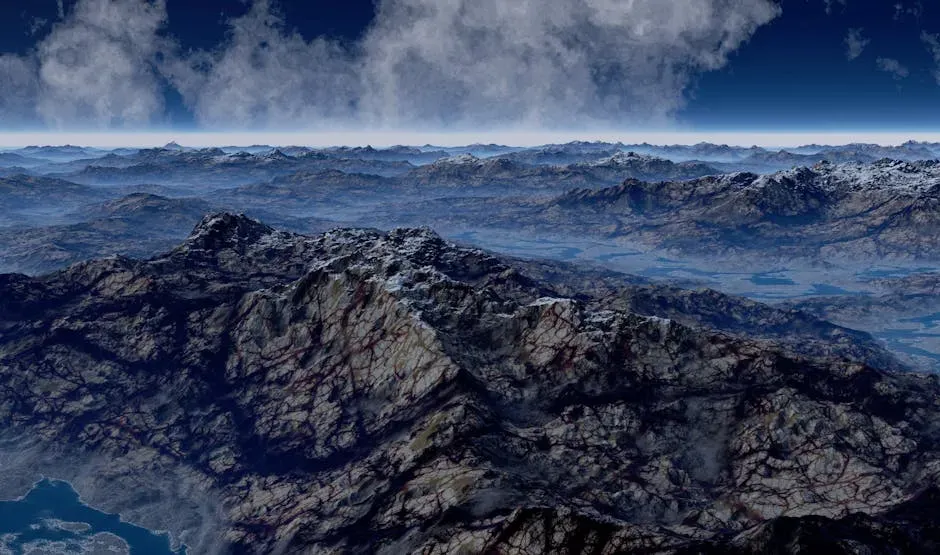
Imagine a world where tropical crocodile relatives basked near the poles and palm‑like plants grew in what’s now the Arctic. That actually happened during past greenhouse climates, when CO₂ levels were far higher than today and global temperatures were much warmer. Geologists see these ancient warm periods recorded in rocks, fossils, and the chemistry of tiny shells buried in seafloor sediments.
These records show that when greenhouse gases rise, ice melts, seas rise, and weather patterns get weird – not in a vague way, but in very specific, measurable shifts. What’s different now is the pace: many ancient warming events unfolded over thousands of years, while we’re pushing similar CO₂ jumps in just a couple of human lifetimes. That mismatch in speed means ecosystems and societies have far less time to adapt, turning what was once a slow transition into something more like slamming on the accelerator.
Mass Extinctions: Five Warnings Written in Stone
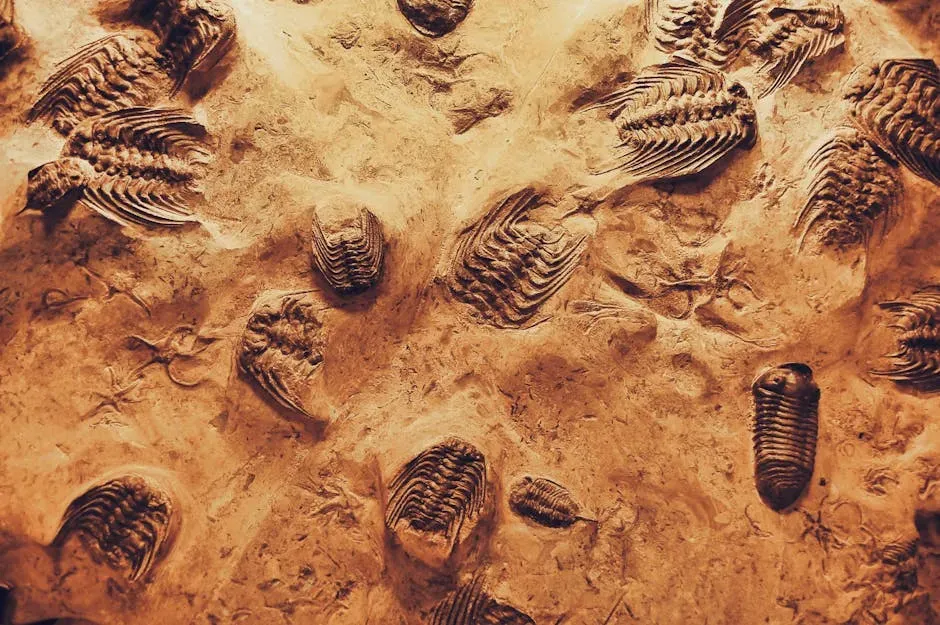
Earth’s history is scarred by five major mass extinctions, each one a moment when life nearly lost the plot. The worst, around the end of the Permian period, erased most marine species and a big share of land life, likely driven by massive volcanic eruptions that pumped CO₂ and other gases into the air. In rock layers from that time, scientists see signs of rapid warming, ocean acidification, and low‑oxygen “dead zones” spreading across the seas.
When researchers compare those signals to what’s happening now, the parallels are hard to ignore. Today’s oceans are warming and becoming more acidic as they absorb human‑made CO₂, and oxygen levels are falling in many regions. While we’re not yet in a full mass‑extinction event on the scale of the big five, extinction rates for many groups are skyrocketing. The rock record is basically a stack of cautionary notes saying that when you stress the planet’s systems too hard for too long, the web of life starts to fray in ways that can take millions of years to repair.
The Last Ice Age: A Handbook for Rapid Change
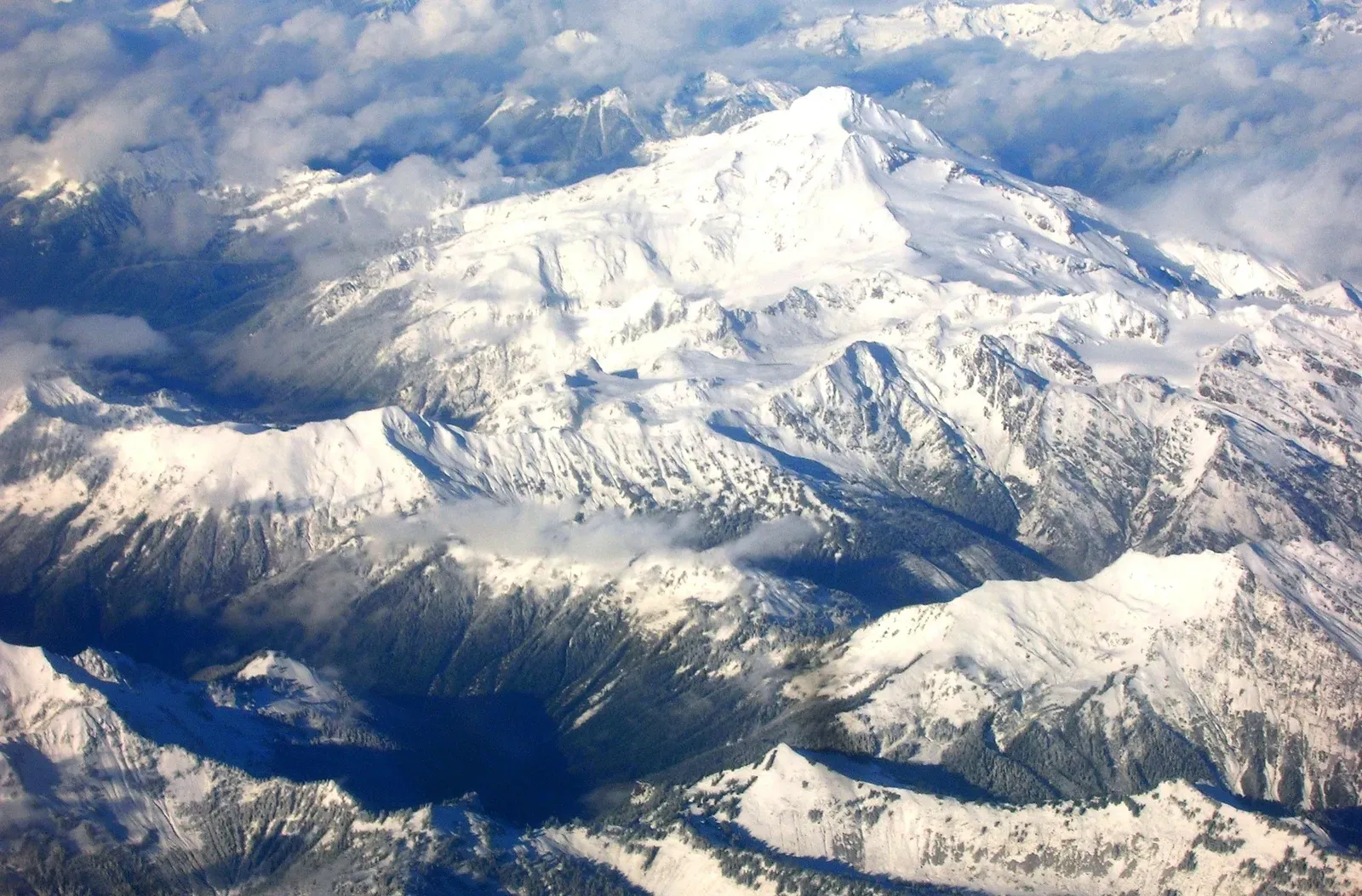
The last ice age feels ancient, but in geological time, it ended basically yesterday. Vast ice sheets covered much of North America and Europe, sea levels were dramatically lower, and humans were still figuring out farming. As the planet warmed and the ice melted, coastlines shifted, rivers changed course, and ecosystems moved hundreds of kilometers in just a few thousand years.
What’s especially useful is how clearly we can see these rapid pulses of warming and cooling in ice cores drilled from Greenland and Antarctica. Layer by layer, they record temperature swings, greenhouse gas levels, volcanic eruptions, and even traces of ancient fires. They show that climate can tip faster than most people expect – at times flipping from one stable state to another over just decades. That kind of insight matters now because our own emissions are nudging the system toward thresholds that might trigger similarly abrupt shifts.
The Paleocene-Eocene Thermal Maximum: A Possible Future Snapshot
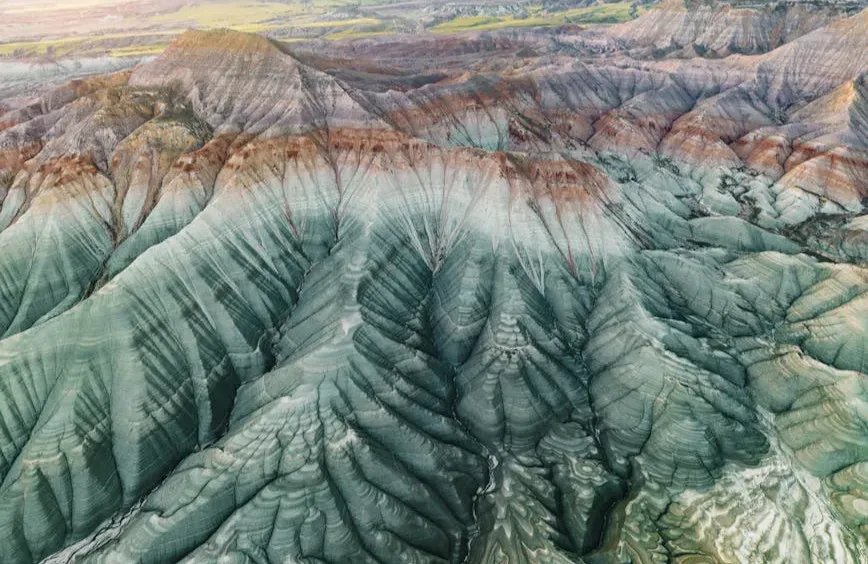
One ancient event gets a lot of attention from climate scientists: the Paleocene‑Eocene Thermal Maximum, or PETM, around fifty‑six million years ago. During this episode, a huge amount of carbon suddenly flooded the atmosphere and oceans, causing a sharp rise in global temperatures. Sediments from that time show a clear chemical fingerprint of that carbon spike, along with evidence of ecosystem upheaval on land and in the sea.
What makes the PETM unnerving is that it looks like a slower, natural version of what we’re forcing today. Back then, many species migrated, some went extinct, and the ocean became more acidic, but life did eventually recover and diversify again. The catch is that recovery took on the order of hundreds of thousands of years. If the PETM is even a rough preview of what a rapid carbon release can do, it suggests that the decisions we make in the next few decades could set the stage for a very different, long‑lasting version of Earth.
Megafauna and the Power of Human Choices
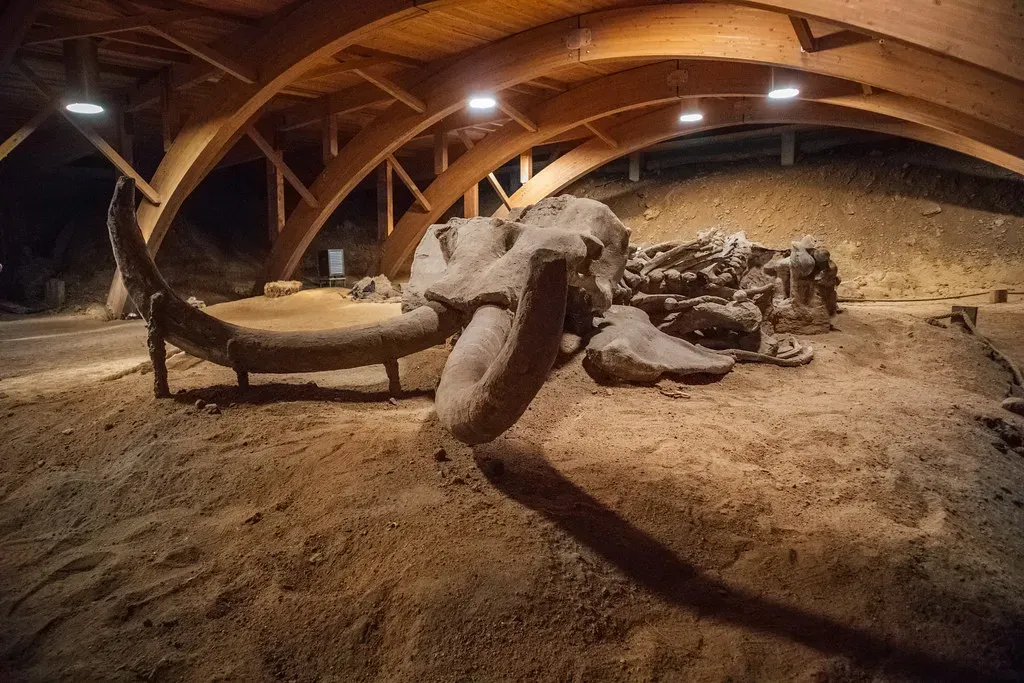
We don’t have to go back tens of millions of years to see how deeply humans can reshape the planet. In the last fifty thousand years or so, large animal species – mammoths, giant ground sloths, enormous marsupials, and many others – disappeared from continent after continent. Scientists still argue about the exact mix of causes, but there’s strong evidence that human hunting and habitat impacts played a major role, especially when combined with climate shifts.
That pattern matters because it shows that we’ve been planetary influencers for far longer than the industrial age. Even small, scattered human populations were enough to flip ecosystems into new states and erase species that had survived previous natural climate swings. It’s a sobering reminder that our current, far more powerful global society is not dealing with a fragile, untouched Eden, but with a world that’s already been repeatedly nudged by human decisions, sometimes with irreversible outcomes.
Reading Rocks, Ice, and Fossils Like a Time Machine
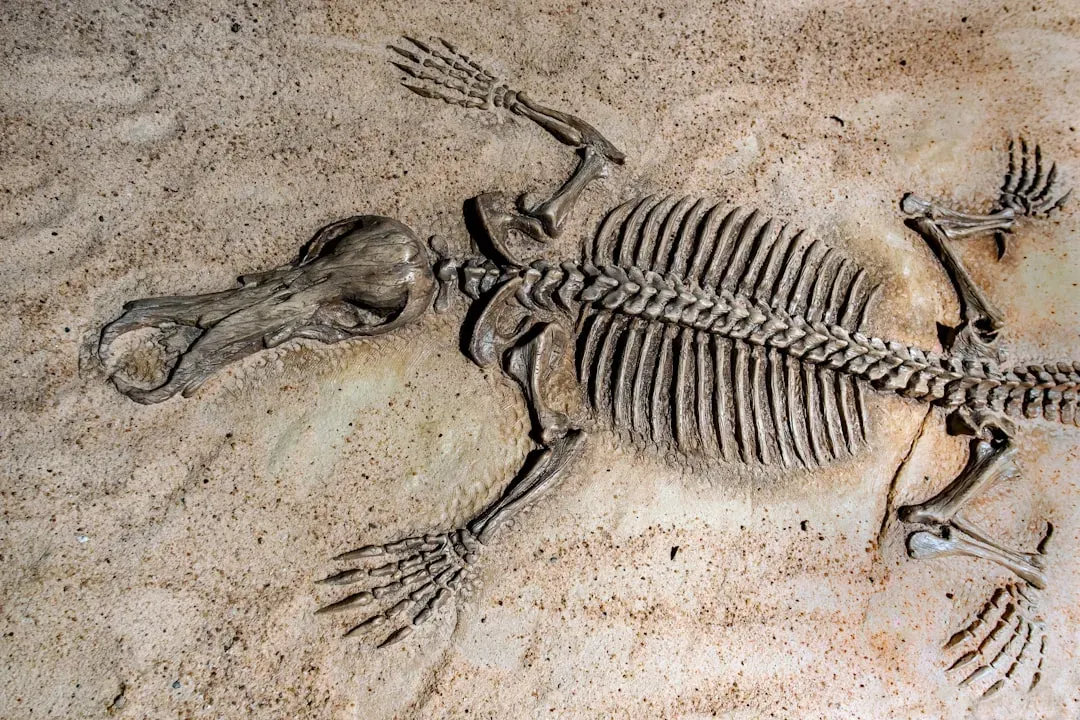
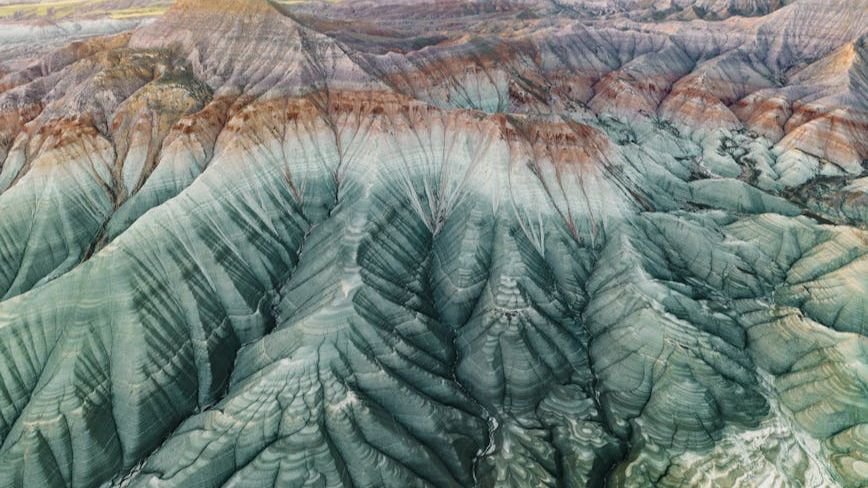
One of the most surprising things I learned the first time I visited a research core lab was how ordinary the past looked: gray cylinders of mud and rock stacked on metal shelves, tagged with tiny labels. It’s not flashy, but inside those layers are microscopic fossils, trapped bubbles of ancient air, and chemical ratios that let scientists reconstruct temperatures, CO₂ levels, and ocean chemistry from long before humans existed. It’s like flipping through a billion‑page diary where every scribble is coded.
Ice cores, fossil leaves, coral skeletons, and even cave formations all work as different kinds of time‑stamped measuring sticks. When you line them up and compare what they’re telling you, patterns start to pop: how quickly CO₂ usually rises and falls, how sensitive ice sheets are to warming, how oceans respond when they get a bit saltier or fresher. Those patterns become the backbone of climate models and risk assessments that governments and communities are using right now to plan for floods, fires, heat waves, and food security in the decades ahead.
The Anthropocene: Writing the Next Chapter in Real Time
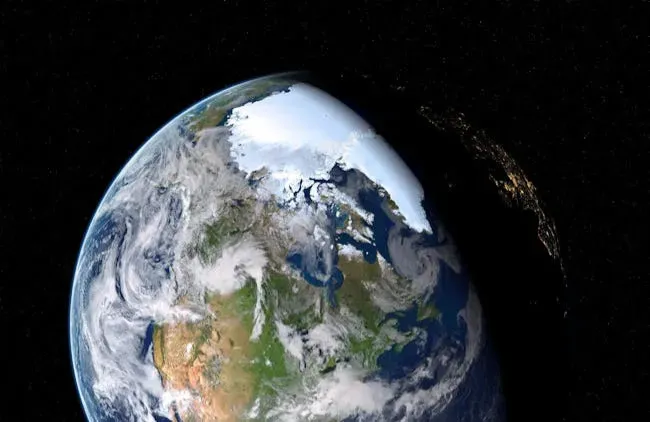
Many scientists now argue that we’ve entered a new geological chapter often called the Anthropocene, a time when human activity is the dominant force shaping Earth’s systems. Layers of plastic, concrete, fertilizer residues, soot, and even fallout from nuclear tests are forming a distinct “signal” in sediments that future geologists could easily recognize. In other words, we’re literally writing ourselves into the rock record alongside asteroid impacts and super‑volcanoes.
That might sound depressing, but I actually see a strange kind of hope in it. Unlike ancient volcanoes or shifting continents, we can choose to change what we do. Earth’s deep past shows that the planet will keep spinning, with or without us, but it also shows that small shifts at the right moment can steer the system away from the most violent outcomes. The past doesn’t hand us a script, but it does narrow the possibilities – and that might be the edge we need if we’re willing to look closely and act while we still have time.
Conclusion: Listening to the Planet’s Oldest Stories
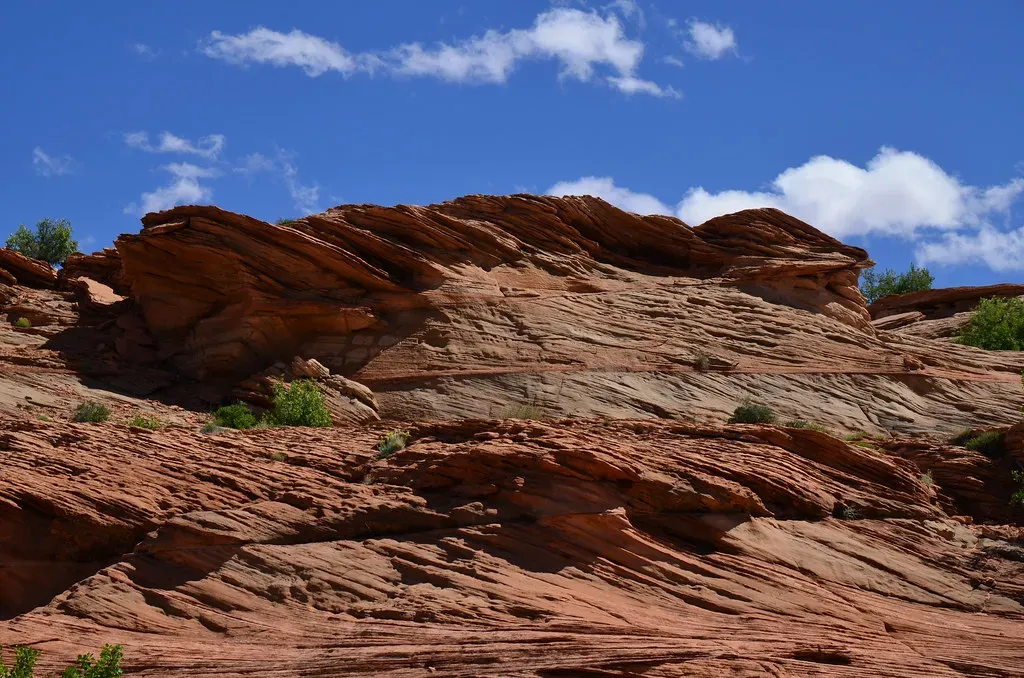
When you zoom out over billions of years, you see a planet that is anything but stable: climate flips, oceans rise and fall, continents rearrange, and life crashes, rebuilds, and reinvents itself in cycles that make human history look like a blink. The rocks and ice and fossils don’t offer comforting guarantees, but they do show clear cause‑and‑effect patterns we would be foolish to ignore. Rapid carbon releases have consequences, stressed ecosystems have limits, and recovery from deep damage moves on geological, not political, timescales.
At the same time, Earth’s deep past proves that change does not always mean catastrophe; sometimes it means adaptation, innovation, and unexpected new forms of resilience. We now have the rare advantage of seeing some of the plot twists that blind‑sided earlier eras written in advance, if we’re willing to read them. The question is not whether the planet will go on, but what kind of world we choose to leave layered into the rocks for whoever studies us millions of years from now – and what story they’ll think we were trying to tell.