
Picture yourself looking up at the night sky, knowing that beyond the familiar planets lies a vast realm of mysterious, tiny worlds. These are the dwarf planets, celestial bodies that exist in the shadowy corners of our solar system, carrying secrets about its ancient formation and evolution.
These remarkable objects challenge our understanding of what makes a planet while offering glimpses into environments so alien they seem like science fiction. Yet they’re very real, and each one has its own fascinating story to tell.
What Makes a Dwarf Planet Different
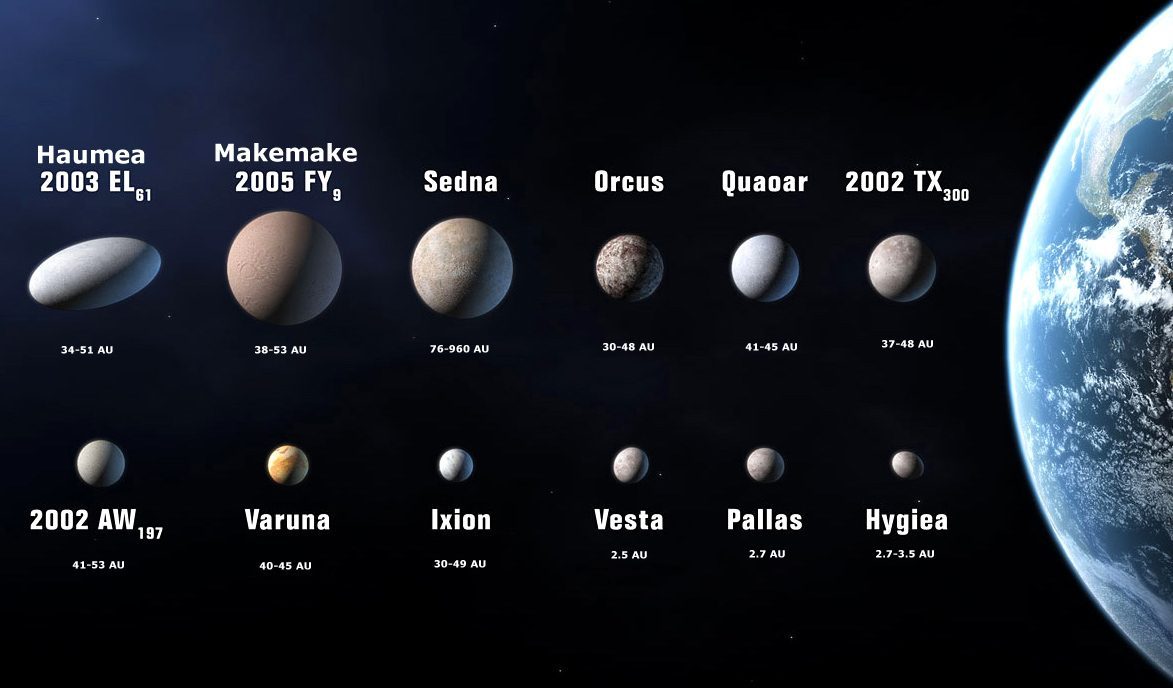
When you think of planets, you probably imagine large, dominant worlds like Earth or Jupiter. Dwarf planets meet two out of three planetary criteria: they orbit the Sun and are mostly round, but aren’t big enough to have cleared their orbital neighborhood of debris. It’s like being the star of your own small town rather than ruling over an entire empire.
These objects are small planetary-mass bodies in direct orbit around the Sun, massive enough to be gravitationally rounded but insufficient to achieve orbital dominance like the eight classical planets. Despite their size limitations, dwarf planets are capable of being geologically active, making them particularly interesting to planetary geologists.
Ceres: The Asteroid Belt’s Surprising Giant
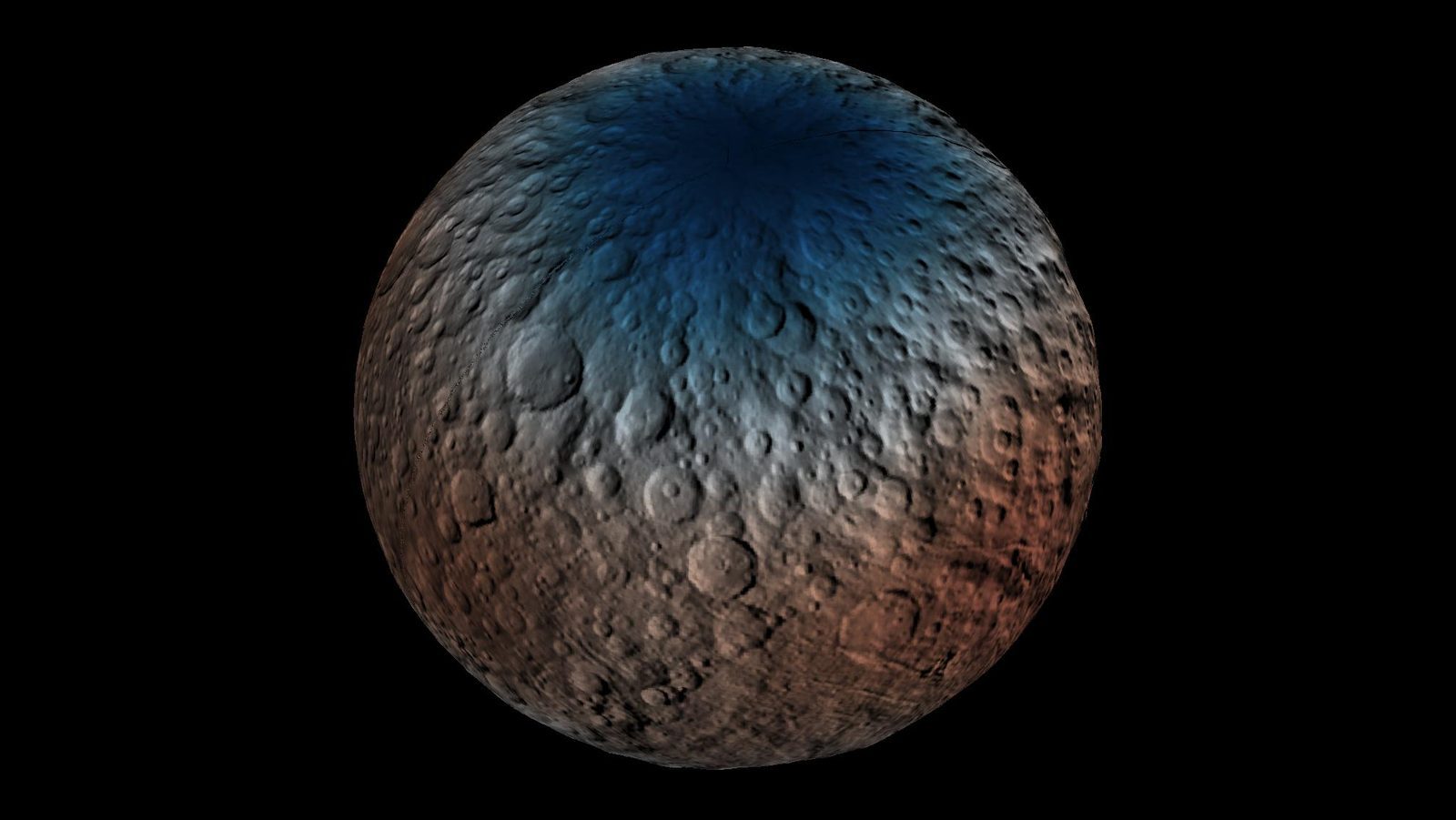
Ceres is the largest object in the asteroid belt between Mars and Jupiter and the only dwarf planet in the inner solar system. Scientists describe it as an “embryonic planet” that started to form but didn’t quite finish, with Jupiter’s strong gravity preventing its complete development.
What makes Ceres truly remarkable is its hidden ocean potential. It probably has a solid core and a mantle made of water ice, possibly composed of as much as 25 percent water. This makes it one of the few places in our solar system where scientists would like to search for possible signs of life, as Ceres has something many other planets don’t: water.
Pluto: The Famous Fallen Planet
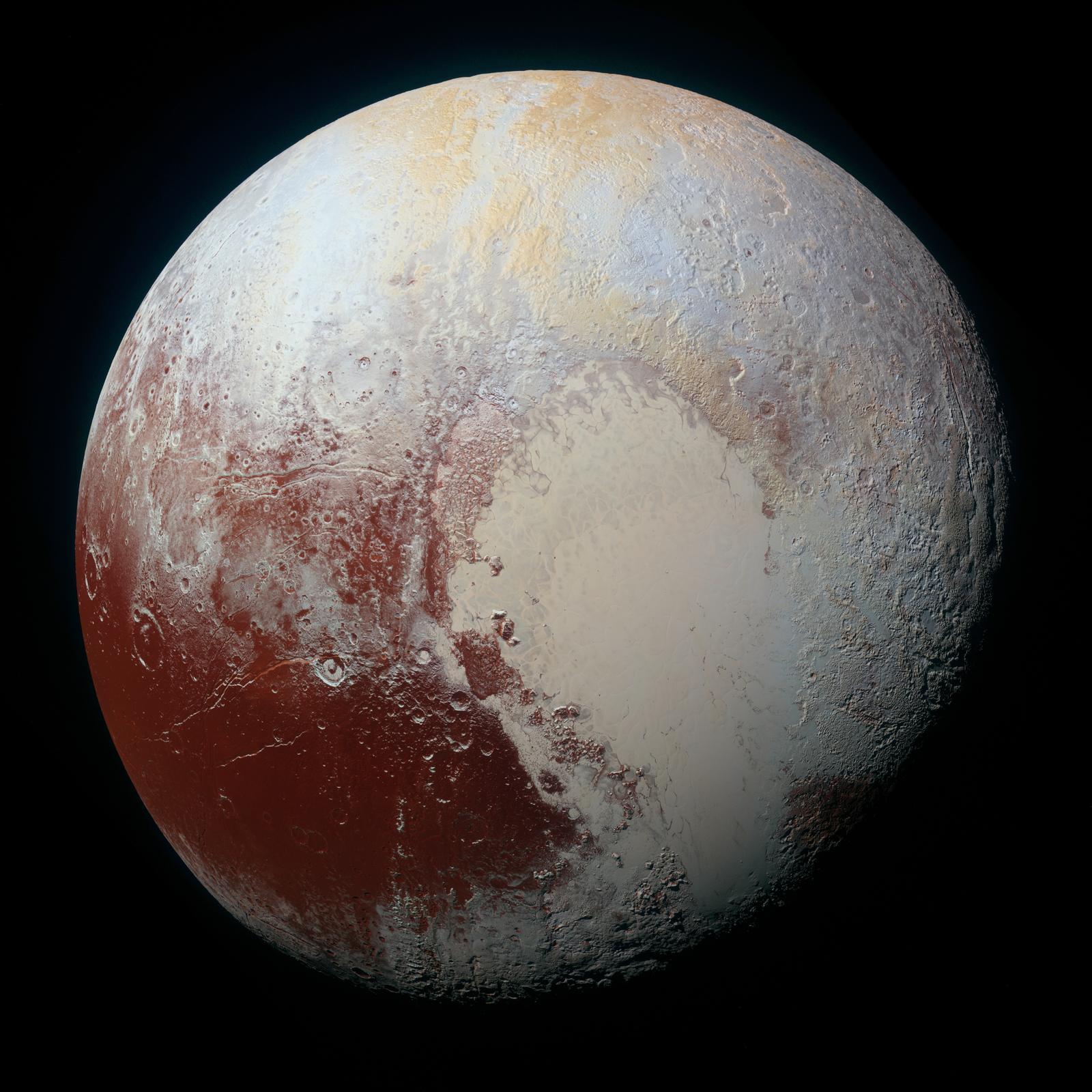
Pluto is by far the most famous dwarf planet, discovered by Clyde Tombaugh in 1930 and long considered our solar system’s ninth planet until the IAU reclassified it as a dwarf planet in 2006. This demotion sparked widespread public outrage and internet memes, but the reclassification helped us better understand our solar system’s structure.
The largest Kuiper Belt object, Pluto has a diameter of 2,376 km. It takes 248 Earth years to orbit the Sun in a very elliptical path that follows a stretched-out, oval shape rather than a circular one. The 2015 New Horizons mission revealed a geologically active world with nitrogen plains, water ice mountains, and a complex atmosphere.
Haumea: The Rugby Ball World
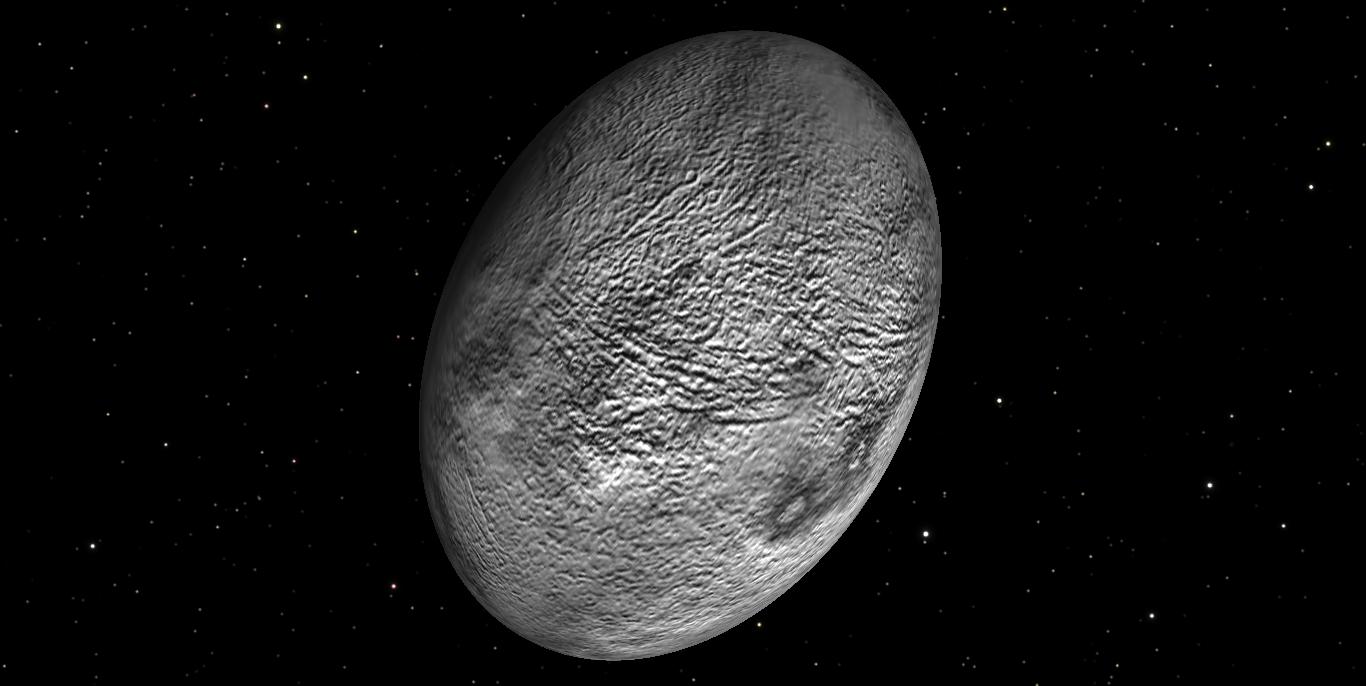
Haumea is a rapidly rotating solar system object that takes just under four hours to complete a rotation, giving it an oblong or ellipsoidal shape rather than the usual spherical form. Astronomers think it looks like a rugby ball because it is one of the fastest rotating objects in our Solar System, spinning once every 4 hours.
Located in the Kuiper Belt, Haumea is the only known dwarf planet that has a ring around it. It has two moons named Namaka and Hi’iaka after mythological daughters of Haumea, and despite having a short day, it still has a long year of 285 Earth years for one full orbit of the Sun.
Makemake: The Bright Mystery
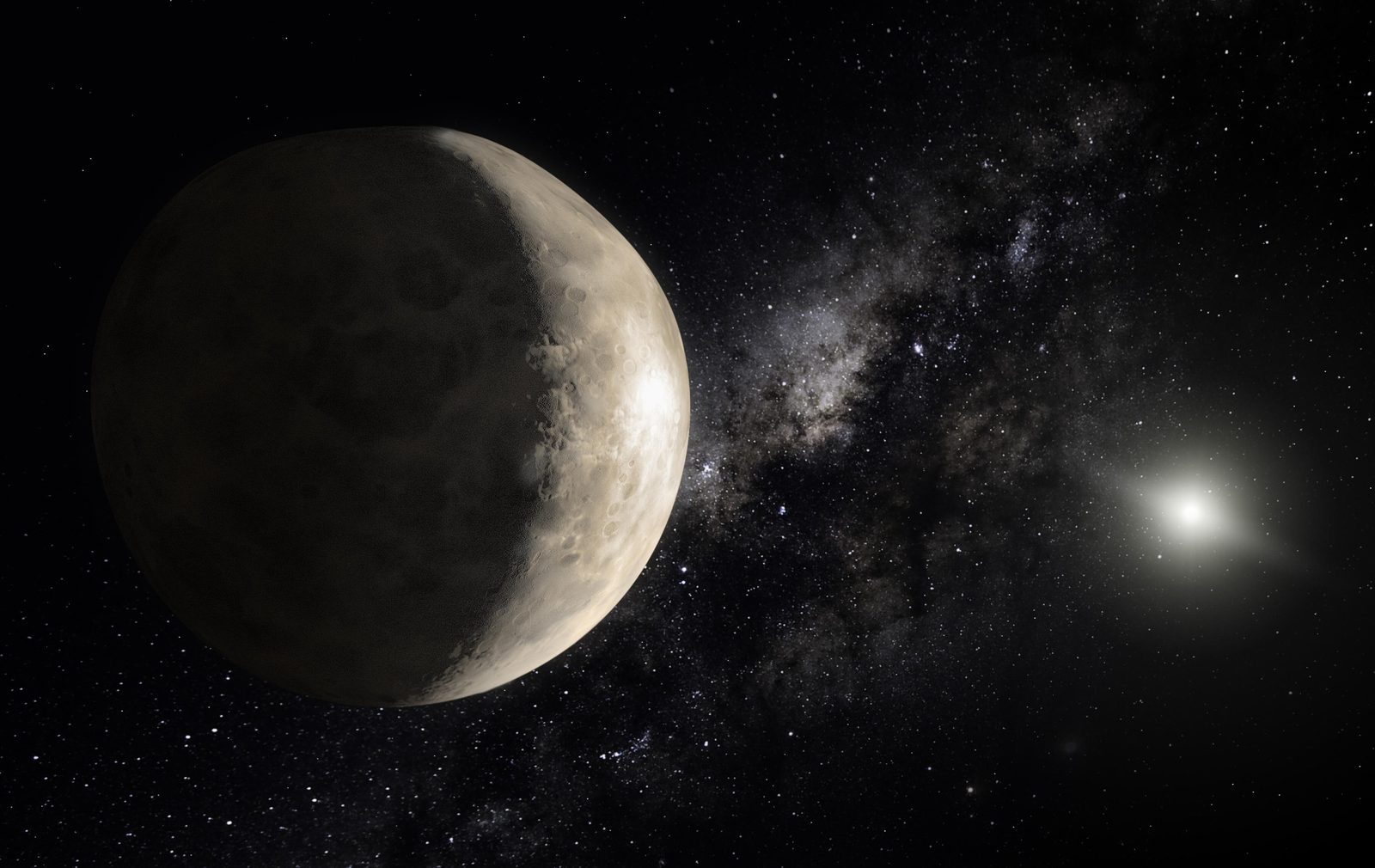
Makemake is the second-brightest object in the Kuiper Belt and represents one of our solar system’s most intriguing puzzles. It’s a nearly spherical object with an average diameter of around 1,430 km, about 60% the diameter of Pluto, making it the fourth-largest known dwarf planet.
Makemake is similar to Pluto with respect to its surface: it is highly reflective, covered largely by frozen methane, and stained reddish-brown by tholins. In 2016, the Hubble Space Telescope spotted a small moon orbiting Makemake, though the moon does not have an official name yet. Getting there would be quite a journey since a spacecraft sent to Makemake would take at least 16 years to arrive.
Eris: The Distant Troublemaker
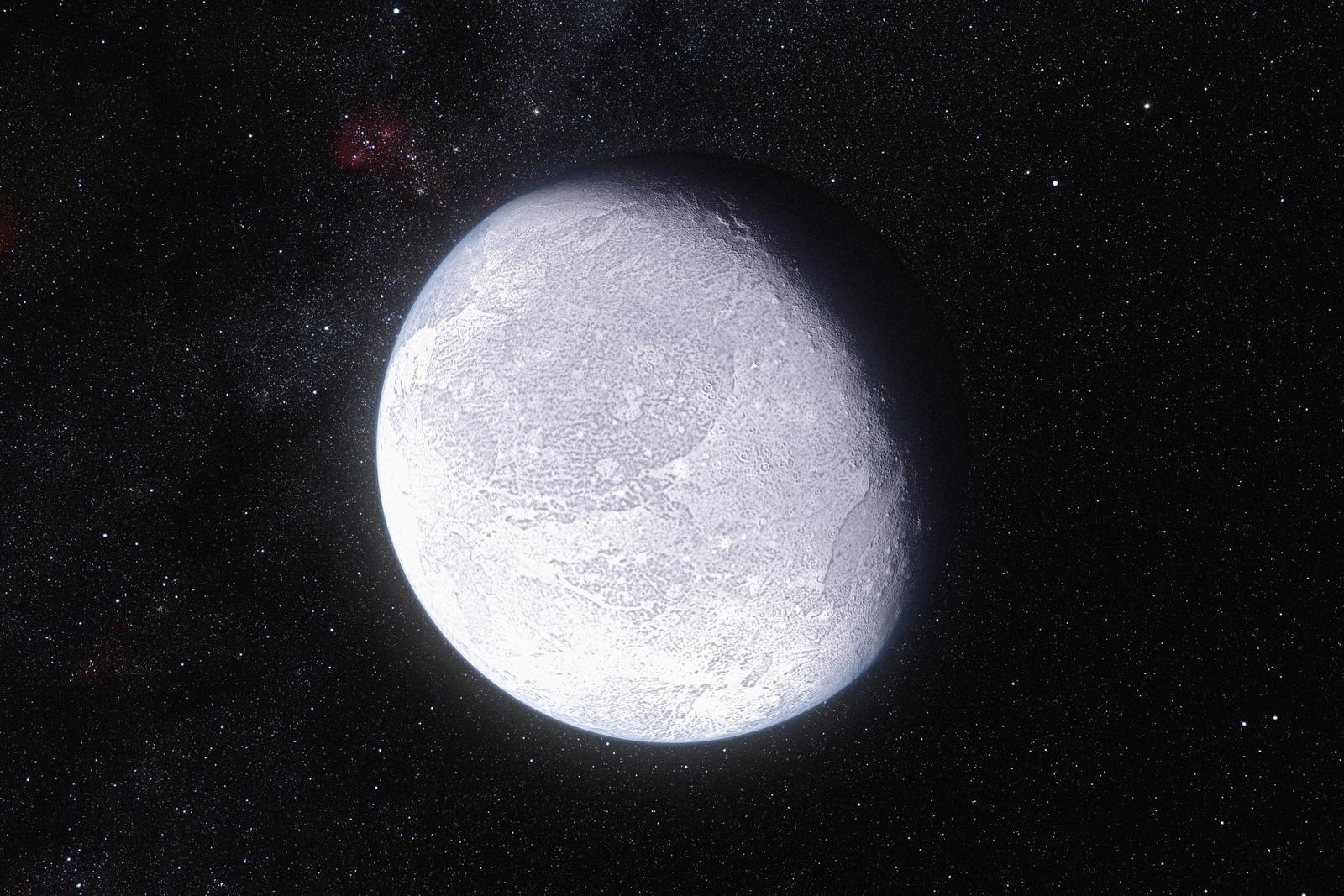
Eris is one of the largest known dwarf planets in our solar system and perhaps the most significant in terms of reshaping our understanding of planetary classification. Slightly larger than Pluto when discovered, Eris sparked the debate that led to Pluto’s reclassification.
Eris orbits out beyond Neptune but is not part of the Kuiper belt. Named for the Greek goddess of discord and strife, Eris lives up to its name by causing astronomical controversy. Its discovery fundamentally changed how we categorize objects in our solar system, proving that there were many Pluto-sized worlds waiting to be found.
Mysterious Worlds Beyond Recognition
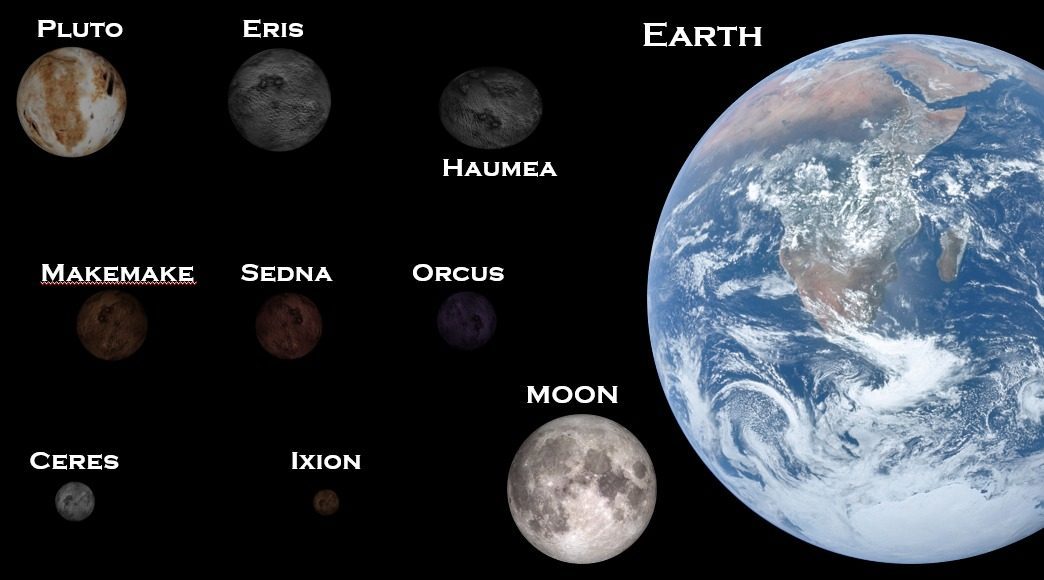
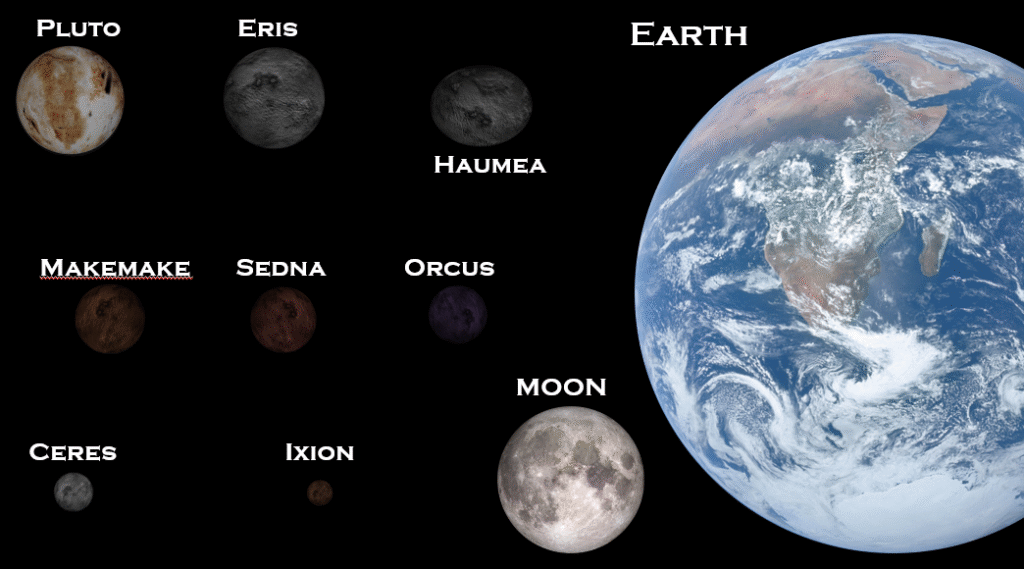
The International Astronomical Union currently recognizes five particular bodies as dwarf planets: Ceres in the inner Solar System and four in the trans-Neptunian region: Pluto, Eris, Haumea, and Makemake. However, the actual number could be much higher. The number of dwarf planets in the Solar System is unknown, with estimates running as high as 200 in the Kuiper belt and over 10,000 in the region beyond, though recent analysis suggests the number may be much lower, perhaps only nine among known bodies.
Several other identified astronomical bodies could be dwarf planets, including Gonggong, Quaoar and Sedna in the Kuiper belt, with the IAU suggesting more than 100 dwarf planets may be waiting to be discovered. Recent discoveries like 2017 OF201, a trans-Neptunian object potentially large enough to qualify as a dwarf planet, suggest that even the “empty” regions beyond Neptune harbor hidden worlds.
Geological Wonders in Miniature
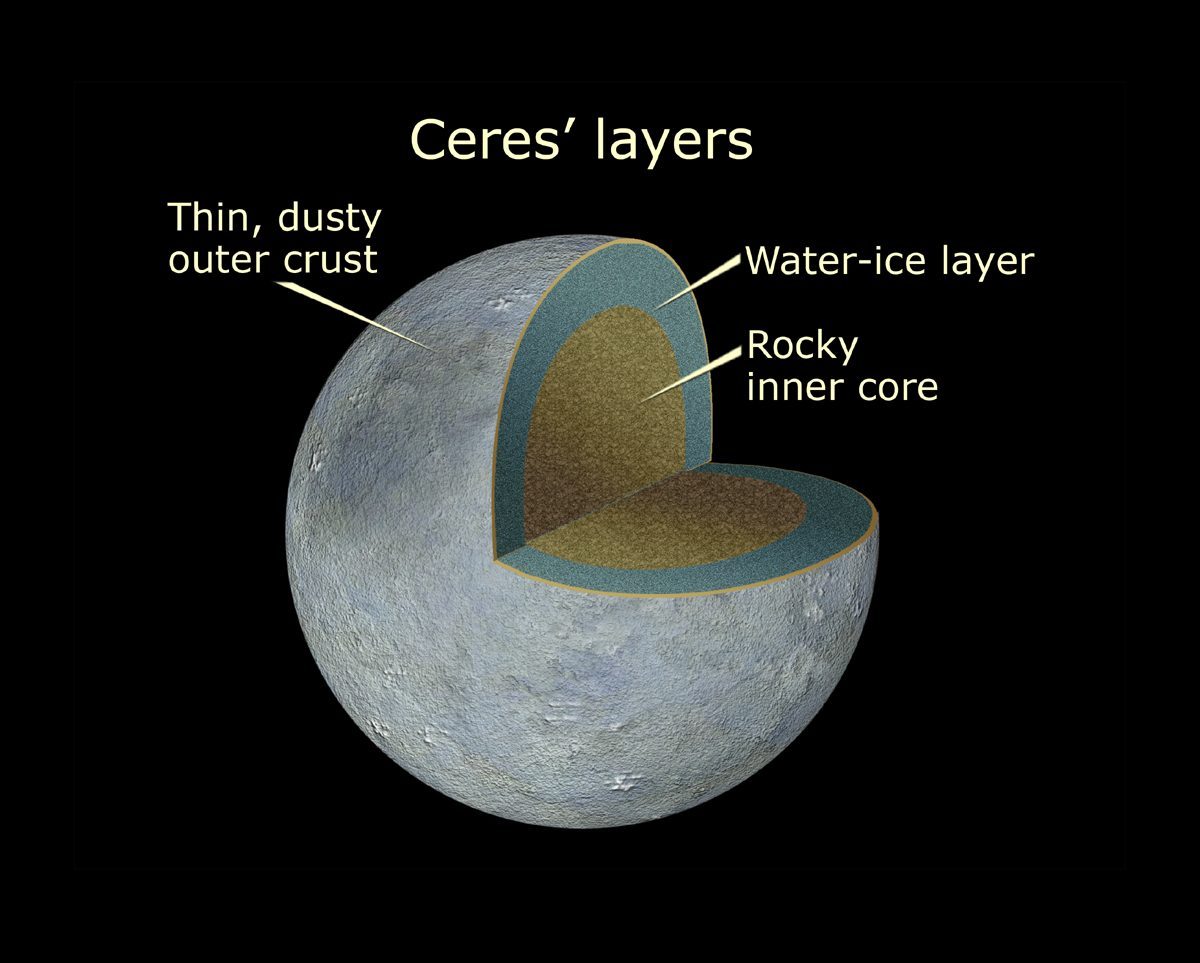
These small worlds pack surprising geological complexity into their compact frames. Ceres may have experienced past hydrothermal activity, such as ice volcanoes, which could have erased some large craters. Ceres is actually a cryovolcanic body with volcanoes that spew not scorching hot lava but frigid icy sludge.
Scientists have observed very bright spots called Cerealia Facula and Vinalia Faculae in Occator crater on Ceres, which are highly reflective salts left behind when briny water from an underground reservoir percolated upward and evaporated. These discoveries show that dwarf planets can be geologically active worlds with their own unique processes.
The Hunt for New Dwarf Planets
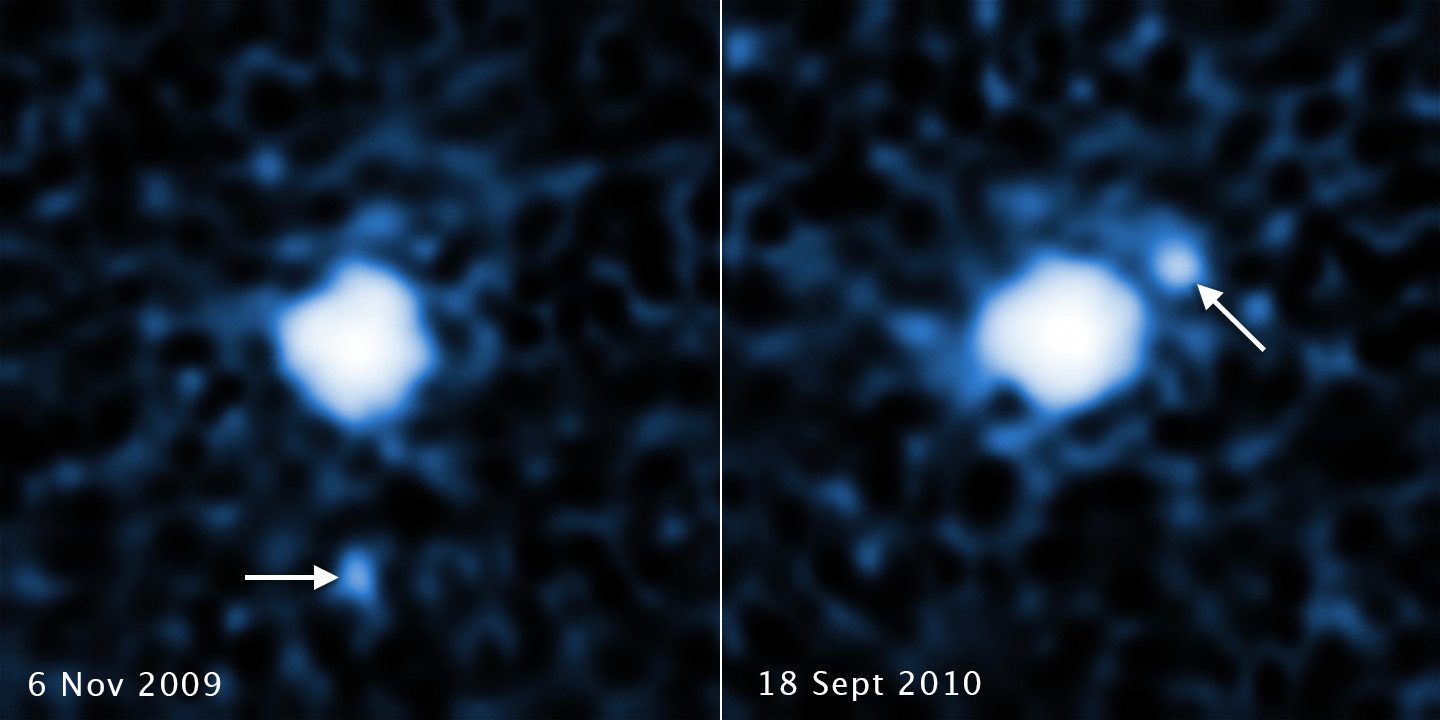
The recently discovered 2017 OF201 spends only 1% of its orbital time close enough to be detectable, suggesting there could be another hundred or so similar objects with comparable orbit and size that are simply too far away to detect now. This revelation hints at a vast population of hidden worlds lurking in the outer darkness.
Upcoming observatories like the Vera Rubin Telescope may soon reveal thousands more hidden worlds, while current stargazing technology allows us to explore the known ones through specialized apps and telescopes. The beauty of these discoveries lies in their accessibility to citizen scientists, as all the data used to identify these objects are available to anyone, not just professional astronomers.
Conclusion: Windows to Our Solar System’s Past
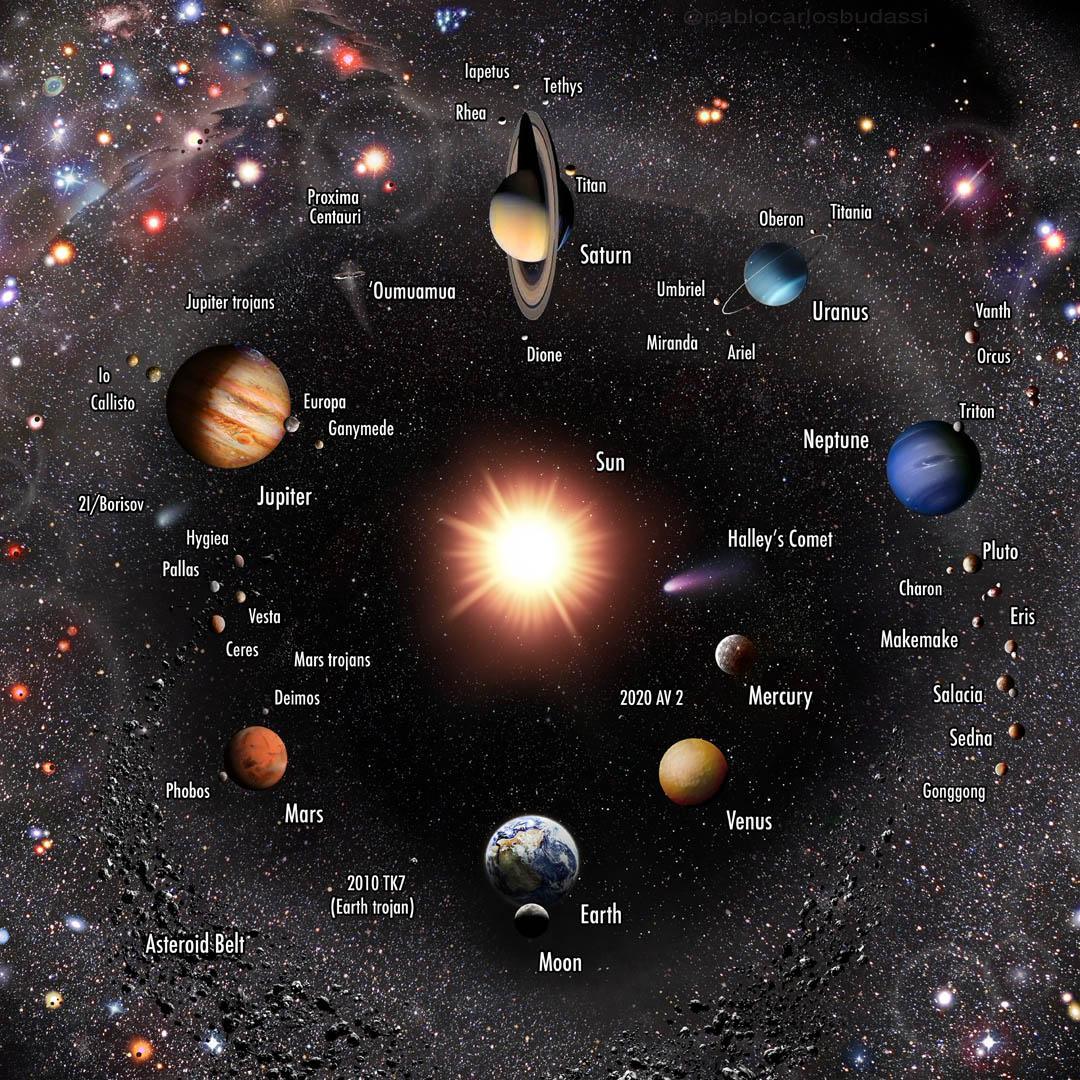
Dwarf planets serve as time capsules from our solar system’s chaotic youth, preserving evidence of the processes that shaped the worlds we know today. These hidden gems challenge our definitions, expand our horizons, and remind us that even in our own cosmic neighborhood, incredible discoveries await.
From Ceres with its underground oceans to Haumea with its impossible spin, each dwarf planet tells a unique story about survival, formation, and evolution in the vast expanse of space. What secrets do you think these distant worlds might still be hiding? The next great discovery could be just one telescope observation away.