
Imagine standing on a rugged coastline, where the wind howls with a chill straight from Antarctica, yet the street names echo with the warmth of Scottish tradition. Dunedin, perched on New Zealand’s South Island, is a place of astonishing contradiction—a city where bagpipes once mingled with the squawk of native birds, and where ancient fossils beneath your feet tell stories that predate even the oldest castles of Scotland. This is a city that wears its heritage proudly while hiding secrets of a world lost to time, waiting for the curious and the bold to uncover its mysteries.
The Birth of Dunedin: A Scottish Dream

Dunedin’s very name is a Gaelic rendition of Edinburgh, a nod to its founders’ longing for the old country. In the mid-1800s, Scottish settlers arrived, seeking a new life but determined to recreate the familiar rhythms of Scotland. They brought with them not only their accents and customs but also a vision of a city that would mirror the grandeur of Edinburgh. The city’s layout, with its octagonal heart and sloping streets, was mapped to resemble the Scottish capital, creating a sense of home in a far-flung land. Even today, walking through Dunedin’s streets feels a bit like time travel—a blend of Victorian ambition and Southern Hemisphere wildness. The pride of those early Scots still ripples through the city, from the architecture to the annual celebrations of Scottish heritage.
From Highlands to Hills: Scottish Influence on Dunedin’s Landscape
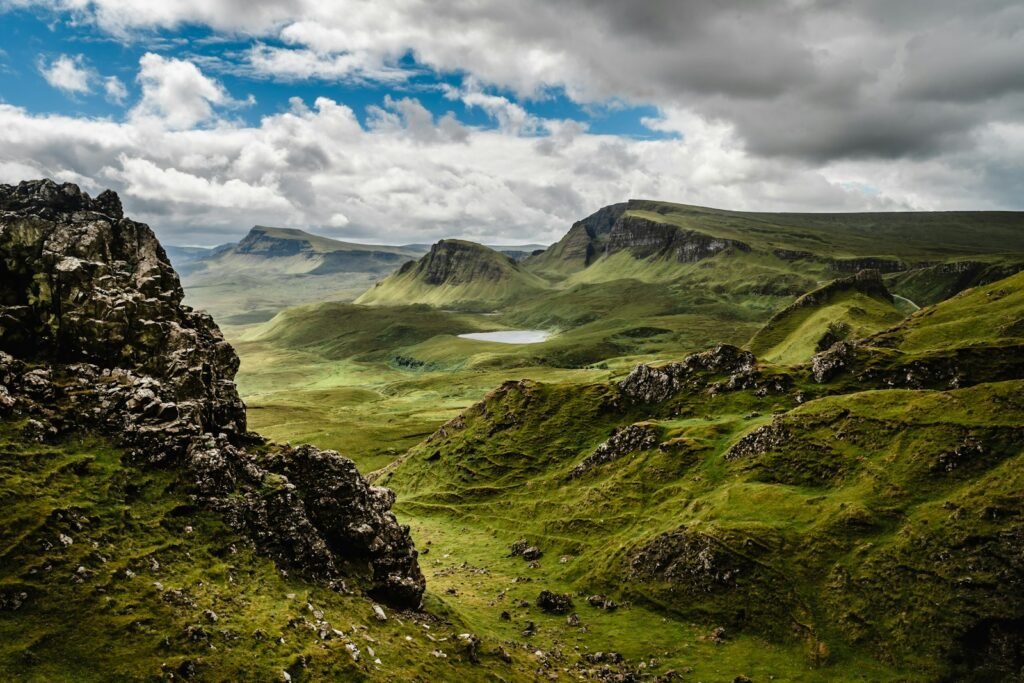
Dunedin’s founders didn’t just bring names—they shaped the land itself. The lush, rolling hills surrounding Dunedin are a playground for sheep and cattle, much like the Scottish Highlands. Early settlers planted gorse and broom for hedgerows, inadvertently introducing plants that would thrive (sometimes too well!) in the New Zealand climate. The city’s gardens, especially the famed Dunedin Botanic Garden, reflect a Scottish love for green spaces and rare plants. Even the Otago Peninsula, jutting like a finger into the Pacific, echoes the remote beauty of Scottish coastlines. It’s as if the land itself was coaxed into remembering another continent, creating a unique blend of wild nature and cultivated order.
Bagpipes and Ballads: Preserving a Proud Heritage

The sound of bagpipes drifting across the Otago Harbour is not unusual in Dunedin. Festivals, parades, and even university graduations are often accompanied by the skirl of pipes and the stomp of Highland dancing. The city’s Caledonian Society, one of the oldest in the Southern Hemisphere, keeps Scottish traditions alive with regular gatherings, music, and storytelling. Tartans are worn with pride, especially during the annual St. Andrew’s Day celebrations. Schools teach Scottish history alongside local Māori stories, weaving a tapestry of identity that is both global and deeply local. It’s a living heritage, handed down through generations—each note a reminder of where Dunedin’s heart truly lies.
The Māori Connection: A Shared Land
Long before the Scots arrived, the Ngāi Tahu people called this region home. Their stories and traditions are woven into the fabric of Dunedin, creating a unique cultural fusion. The Māori name for Dunedin, Ōtepoti, is still widely used, honoring the original inhabitants. Collaborative projects between Māori and Scottish descendants celebrate both cultures, from public art installations to bilingual street signs. The Otago Museum, just a stone’s throw from the city center, showcases treasures from both heritages, inviting visitors to see how these two worlds coexist. The result is a city where history is not a relic but a living, breathing part of everyday life.
Sub-Antarctic Winds: Nature’s Untamed Edge

Dunedin’s location makes it one of the southernmost cities in the world, battered by winds that sweep up from the icy Southern Ocean. These sub-Antarctic breezes shape the city’s climate, bringing sudden showers and dramatic skies. The weather can shift in a heartbeat, making every day an adventure. Locals joke that you can experience four seasons in a single afternoon—a reminder of just how close Dunedin sits to the wild edge of the world. This climate also fosters a unique array of plants and animals, many found nowhere else on Earth. It’s a landscape that demands respect and rewards those who embrace its unpredictability.
Antarctic Gateways: Dunedin’s Role in Exploration
Because of its position, Dunedin has long served as a gateway for expeditions heading south. The city’s port has launched countless ships bound for the icy continent, carrying scientists, explorers, and adventurers. Historic figures like Sir Ernest Shackleton and Robert Falcon Scott passed through Dunedin, their names now woven into the city’s lore. Today, Dunedin remains a hub for Antarctic research, with university scientists studying everything from penguin populations to ancient ice cores. The connection to the frozen south is more than symbolic—it’s a living link to some of the most extreme environments on the planet.
Unearthing the Past: Fossil Discoveries Beneath the City
Beneath Dunedin’s Victorian facades lie secrets older than any human settlement. The region is a treasure trove for paleontologists, who have uncovered fossils revealing a world radically different from today. Ancient forests, giant penguins, and even prehistoric marsupials once roamed these lands. The sedimentary rocks of the Otago region hold the imprints of ferns and tree trunks that flourished millions of years ago. Each fossil tells a story—of tropical climates, shifting continents, and the relentless march of evolution. For scientists and dreamers alike, turning up a fossilized leaf or bone is like shaking hands with deep time.
Sub-Antarctic Fossils: Windows to a Lost World
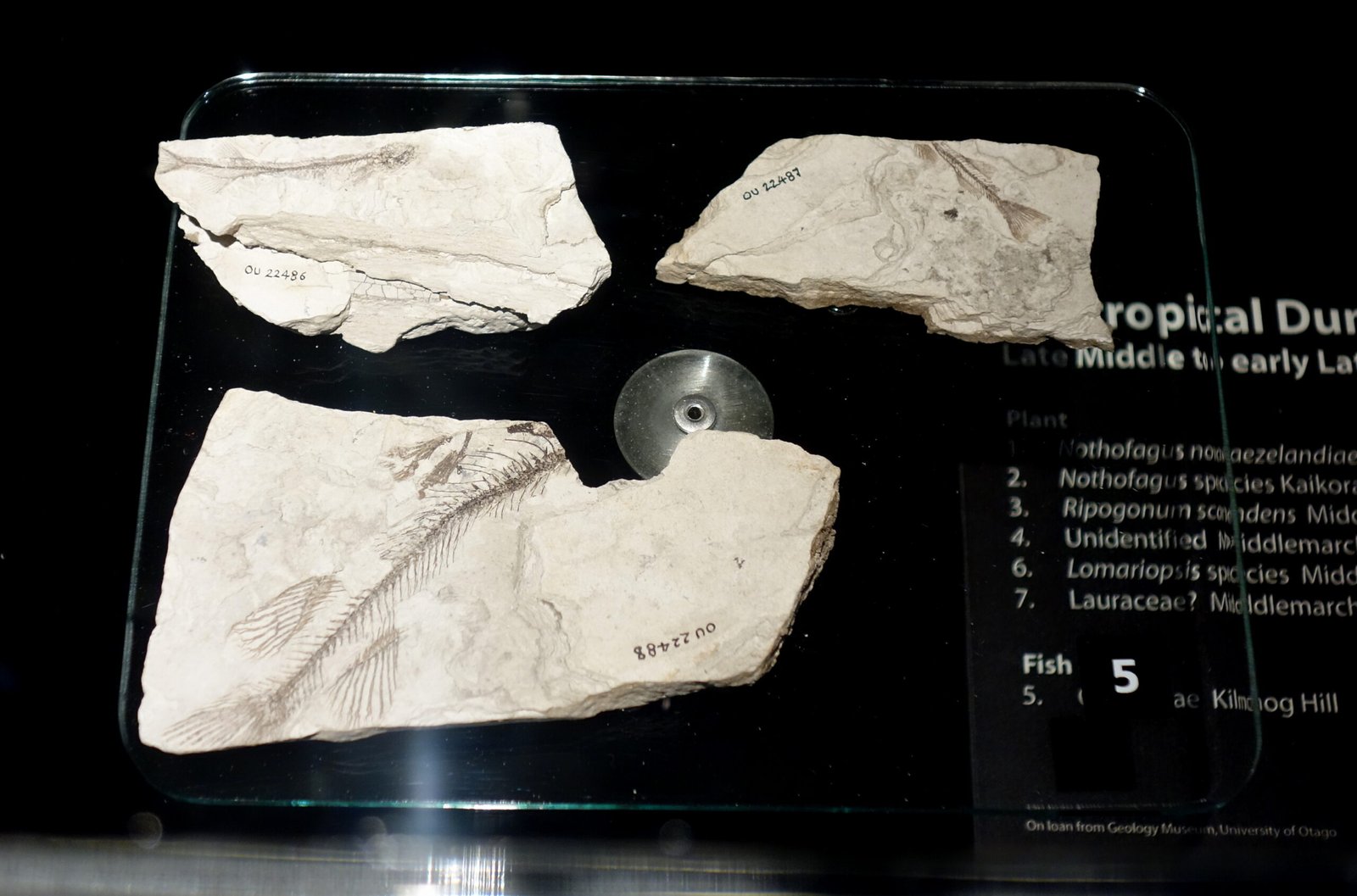
Some of the most astonishing finds have emerged from the sub-Antarctic islands near Dunedin. These windswept outposts—places like the Auckland and Campbell Islands—are littered with fossilized remains that paint a picture of a much warmer, greener past. Fossils of ancient birds, including massive “monster penguins,” have stunned researchers, challenging our assumptions about prehistoric life in the southern hemisphere. Even fragments of ancient marine reptiles have been found, hinting at an ocean teeming with strange and wondrous creatures. Each discovery adds a piece to a puzzle that stretches back tens of millions of years.
Giant Penguins and Ancient Reptiles: Dunedin’s Prehistoric Residents
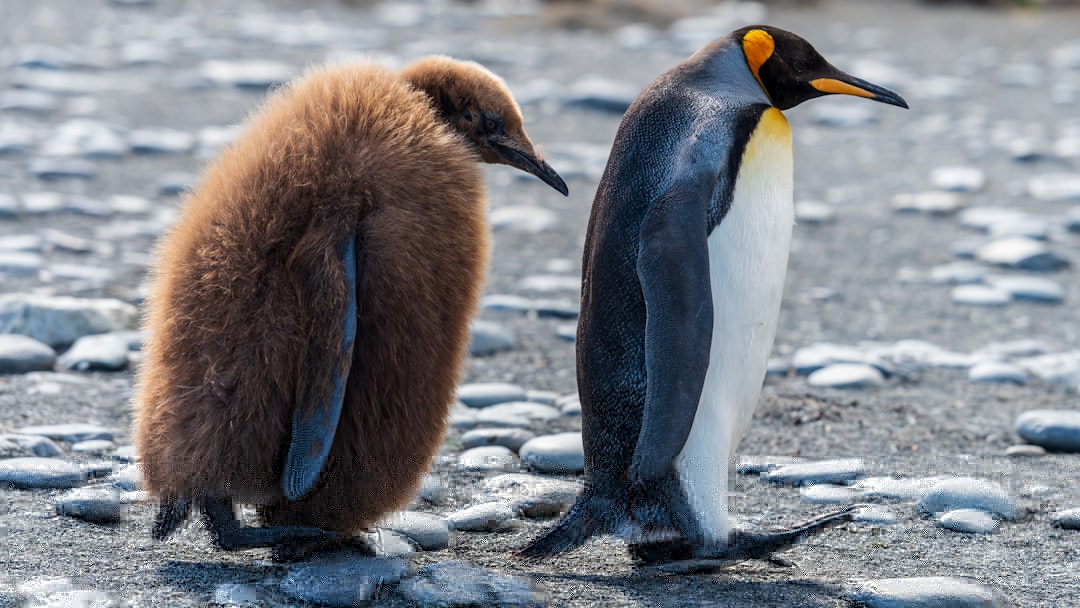
Imagine penguins as tall as a human, waddling along subtropical beaches where seals now bask. That’s not fantasy—it’s paleontological fact. The fossil record near Dunedin includes species like Kumimanu biceae, a giant penguin that could reach heights of 1.7 meters. Alongside these feathered giants, researchers have found evidence of ancient marine reptiles, such as plesiosaurs and mosasaurs, that once ruled southern seas. These creatures thrived during the age of the dinosaurs, making Dunedin’s past feel more like a lost chapter from a prehistoric epic. It’s a humbling reminder of how much the world has changed—and how much remains to be discovered.
Fossil Forests: Petrified Witnesses to Deep Time
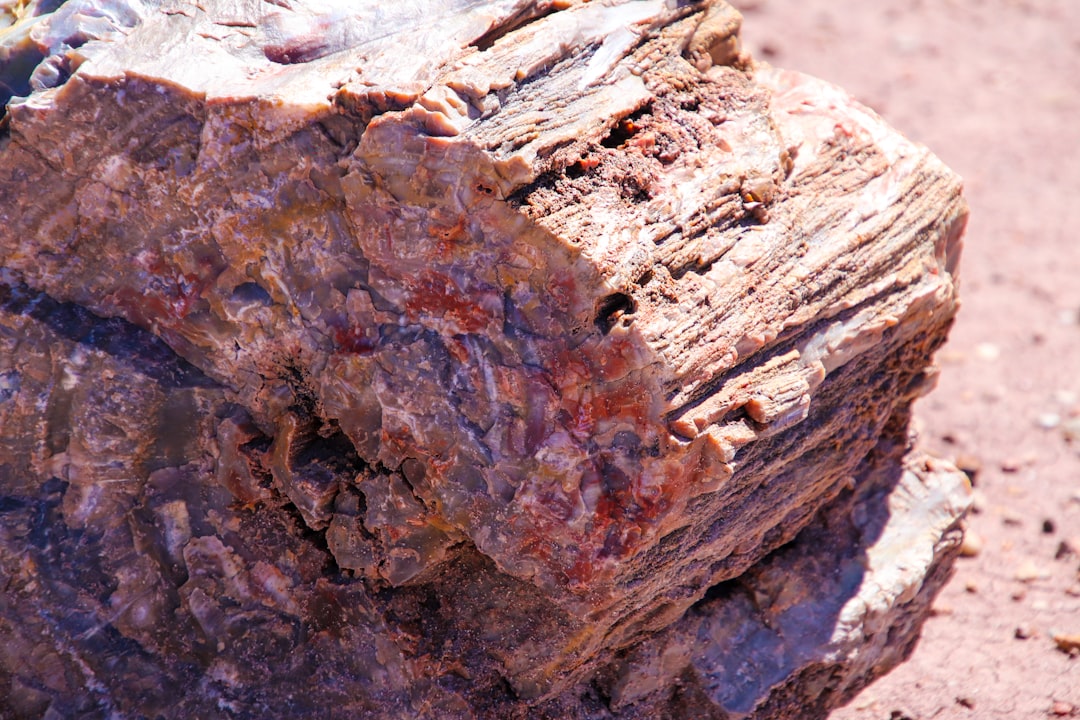
Hidden in the hills and cliffs around Dunedin are petrified forests—ancient woodlands turned to stone over millions of years. The Curio Bay fossil forest, just a few hours’ drive from the city, is one of the most famous examples. Here, visitors can walk among the remains of trees that grew during the Jurassic period, their trunks and roots preserved in exquisite detail. These fossil forests are more than geological curiosities—they’re time capsules, capturing the moment when lush forests covered what is now a windswept coast. For many, standing in a fossil forest is a deeply moving experience, a direct link to Earth’s distant past.
How Fossils Are Found: Science and Serendipity

Fossil hunting in Dunedin is a blend of careful science and sheer luck. Geologists and paleontologists scour riverbeds, cliffs, and quarries, guided by knowledge of rock layers and sedimentary clues. Sometimes, major finds happen by accident—a child picking up a curious stone, a hiker noticing an unusual pattern in the rock. Once a fossil is discovered, the real work begins: carefully extracting, cleaning, and analyzing it in the lab. Each specimen is cataloged and compared to known species, sometimes revealing entirely new branches of the evolutionary tree. It’s painstaking work, but every discovery is a thrill—a new piece in the grand puzzle of life on Earth.
What Fossils Reveal About Ancient Climates

Fossils are more than just bones and leaves—they’re snapshots of ancient environments. By studying the plants and animals preserved in Dunedin’s rocks, scientists can reconstruct what the region was like millions of years ago. For instance, the presence of certain ferns and tree species suggests that Dunedin once enjoyed a subtropical climate, far warmer than today. Fossilized pollen grains allow researchers to track shifting vegetation as the climate cooled and Antarctica froze over. These ancient clues help us understand not only the past, but also the forces shaping our world today. In a sense, every fossil is a message from Earth’s deep history, waiting to be decoded.
Modern Science Meets Ancient Mysteries
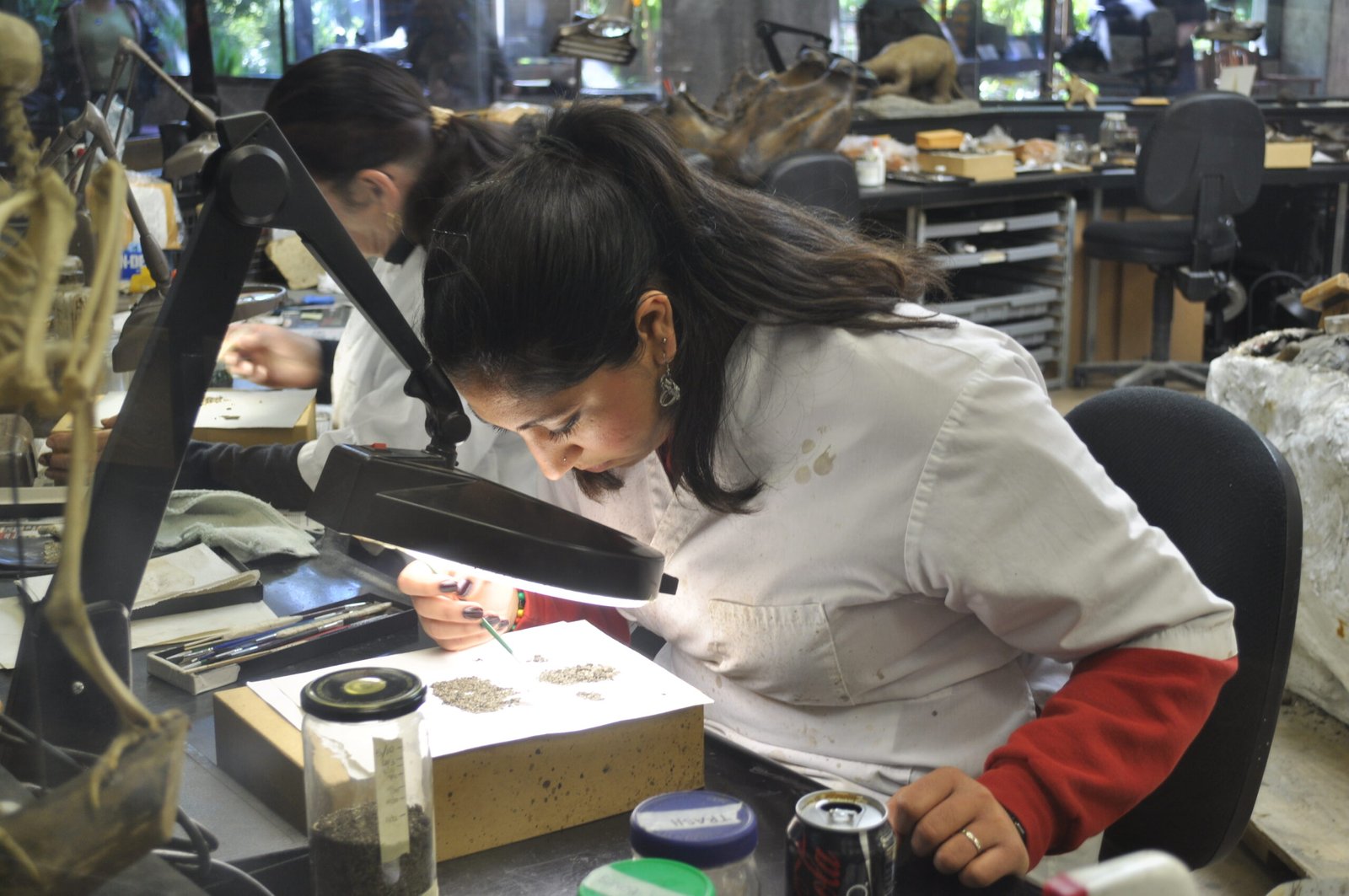
Today’s researchers use cutting-edge technology to unlock the secrets of Dunedin’s fossils. Scanning electron microscopes reveal details invisible to the naked eye, while isotopic analysis sheds light on the diets and habitats of extinct species. DNA studies, though challenging with ancient material, have even begun to illuminate the relationships between fossil creatures and their modern descendants. Collaboration between local universities, museums, and international teams has turned Dunedin into a hub for paleontological research. It’s a place where ancient mysteries are tackled with 21st-century tools, blending tradition and innovation in the quest to understand our planet’s past.
Conservation and Community: Protecting Dunedin’s Heritage

As fossil sites gain attention, the need for protection grows. Erosion, development, and even well-meaning collectors can threaten these irreplaceable treasures. Local groups and scientists work together to safeguard key sites, balancing access with preservation. Public education plays a crucial role, with schools and museums teaching the importance of fossils and the stories they tell. Community fossil digs invite locals and visitors to participate in real discoveries, fostering a sense of shared stewardship. In Dunedin, protecting the past is seen as everyone’s responsibility—a cause that unites people across generations and backgrounds.
The Otago Museum: A Window Into Two Worlds

At the heart of Dunedin stands the Otago Museum, a treasure chest of natural wonders and cultural artifacts. Here, visitors can marvel at giant penguin skeletons, ancient Māori carvings, and Victorian relics—all under one roof. The museum’s displays bring together Dunedin’s Scottish heritage and its prehistoric secrets, creating an experience that is both educational and inspiring. Interactive exhibits let children and adults alike explore the science of fossils, while special events celebrate the city’s diverse cultural roots. For many, a visit to the Otago Museum is the highlight of their Dunedin adventure—a chance to step into the shoes of explorers, scientists, and storytellers.
The University of Otago: A Legacy of Discovery
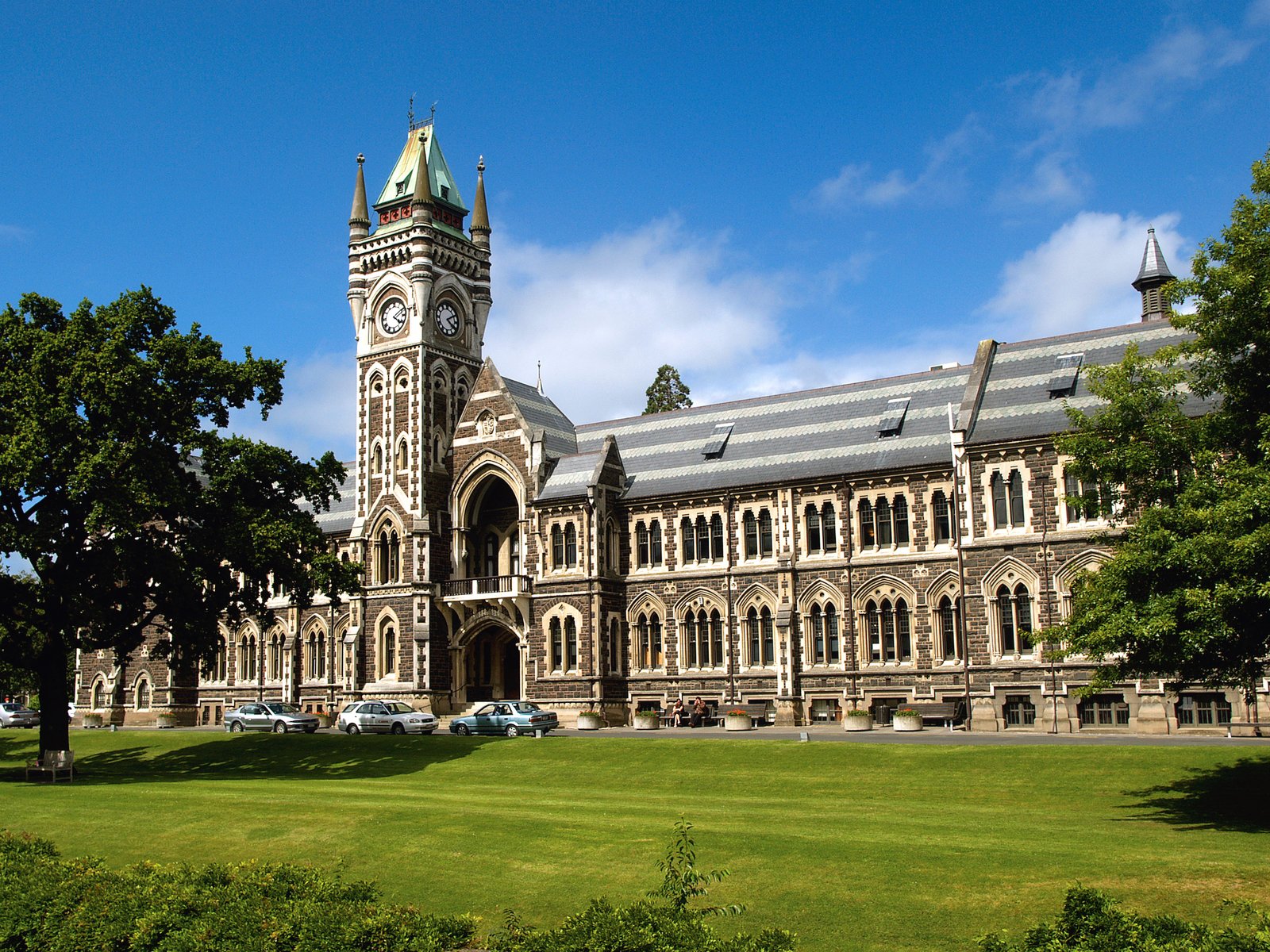
Dunedin’s university is the oldest in New Zealand, and its influence shapes much of the city’s intellectual life. The University of Otago’s scientists are at the forefront of fossil research, leading expeditions and publishing groundbreaking discoveries. Students from around the world come here to study geology, paleontology, and environmental science, drawn by the wealth of material right on their doorstep. The university fosters a sense of curiosity and wonder, encouraging even non-scientists to get involved. Public lectures, open days, and community projects bring cutting-edge research to the wider population, making science a shared adventure.
Living History: How the Past Shapes Dunedin Today

Dunedin’s identity is forged at the crossroads of history and nature. The city’s Scottish roots are visible in its architecture, festivals, and family names, while its sub-Antarctic fossil finds offer a window into worlds lost to time. This blending of cultures and eras creates a sense of place that is both grounded and adventurous. Locals grow up with a deep respect for both their ancestry and the land beneath their feet. Every walk along the shoreline or through the city’s octagon is a reminder that Dunedin is built on stories—some told in tartan, others etched in stone.
The Call of Dunedin: What Will You Discover?
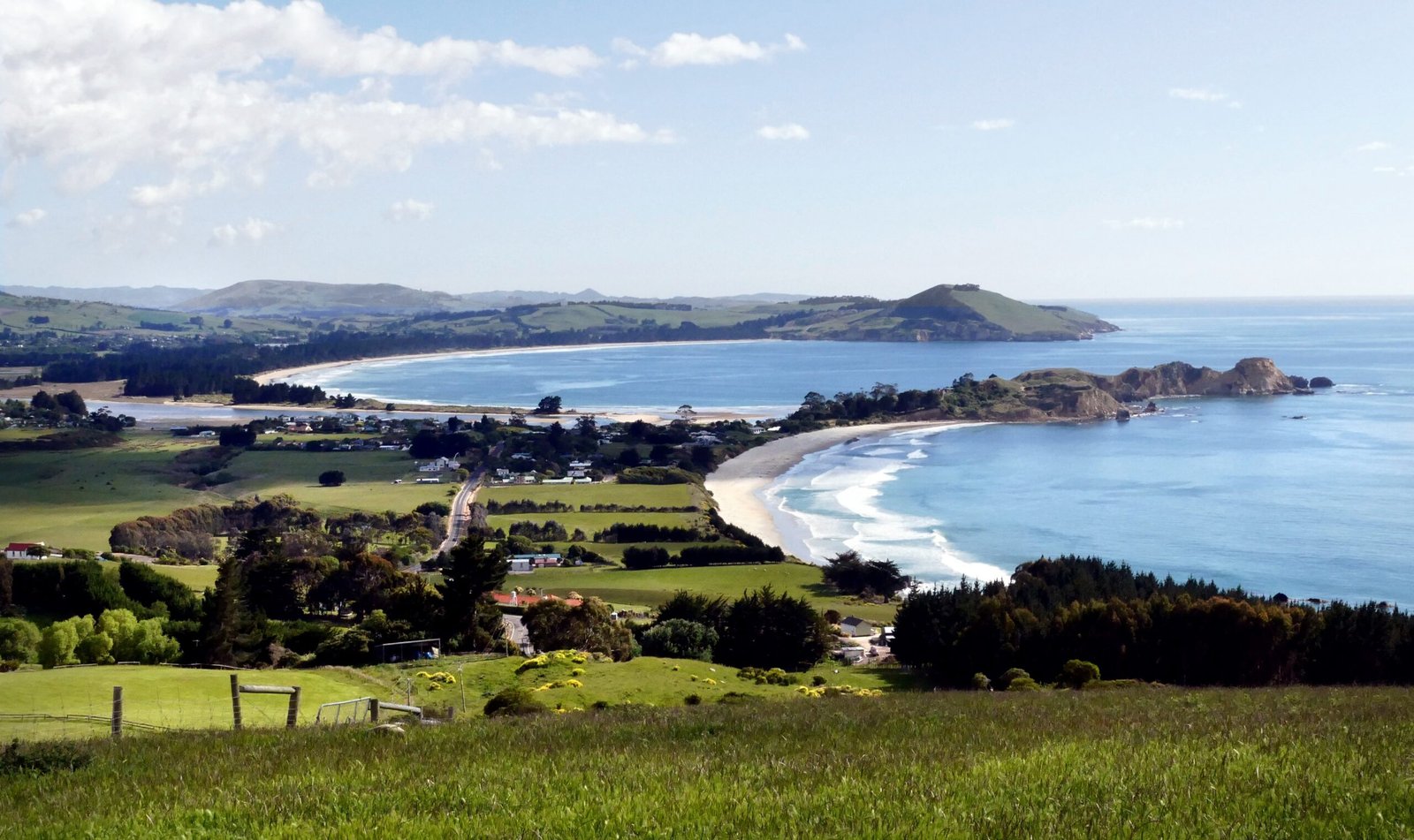
There’s a peculiar magic in Dunedin—something that stirs the imagination and beckons the explorer in us all. Whether you’re drawn by the strains of a bagpipe, the thrill of uncovering a fossil, or the wild beauty of the southern coast, Dunedin offers endless opportunities for discovery. It’s a city where the past is never far away, whether in the laughter of a ceilidh or the whisper of ancient winds across fossil-littered cliffs. The question is: what will you find when you follow the echoes of history and the footprints of giants?