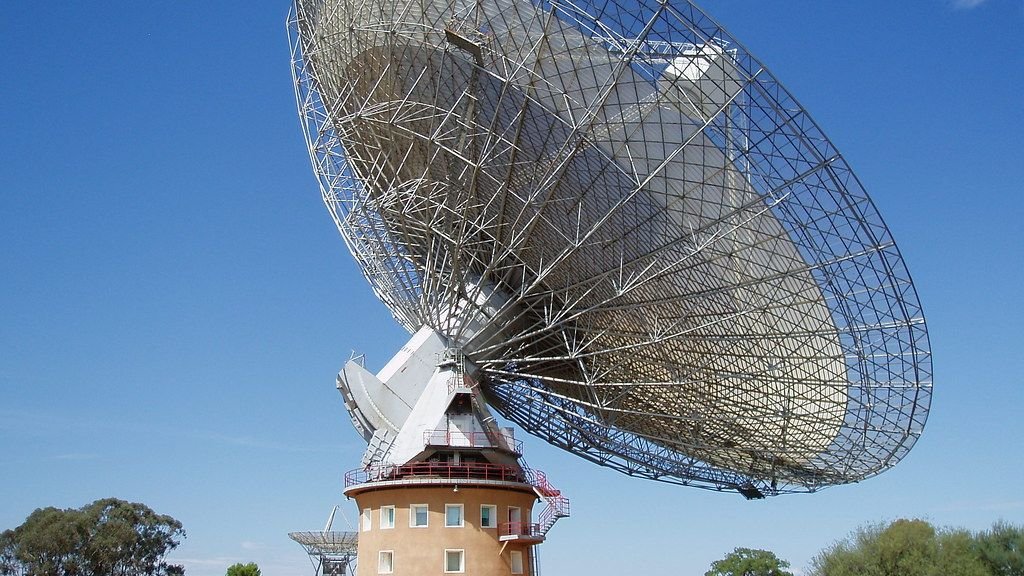
Dr. William G. Thompson is a renowned environmental scientist whose research has significantly advanced our understanding of climate change impacts, particularly in developing countries. With a focus on how climate alterations affect agriculture, biodiversity, and human livelihoods, Dr. Thompson’s work provides critical insights into the challenges faced by vulnerable populations in the global south.
The Intersection of Climate Change and Developing Economies
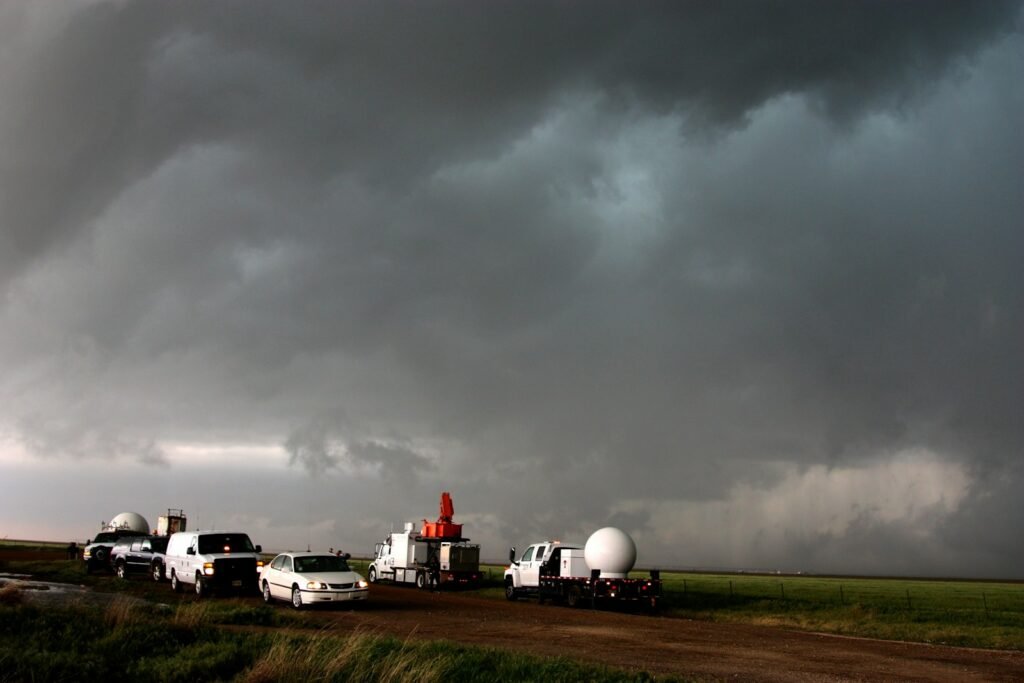
Developing countries are disproportionately affected by climate change due to their geographical locations, economic structures, and limited adaptive capacities. Dr. Thompson identifies these regions as particularly vulnerable to extreme weather events, shifts in rainfall patterns, and temperature changes. His research emphasizes the urgent need for adaptive strategies that can protect both human and ecological communities from these impacts.
Agricultural Vulnerabilities and Food Security

One of the key areas of Dr. Thompson’s research is the impact of climate change on agriculture in developing countries. He highlights how altered weather patterns can lead to reduced crop yields, threatening food security. Through case studies in Africa, Asia, and Latin America, he has demonstrated how smallholder farmers are hit hardest, due to their reliance on rain-fed agriculture and limited access to technology and financial resources.
Biodiversity in Peril
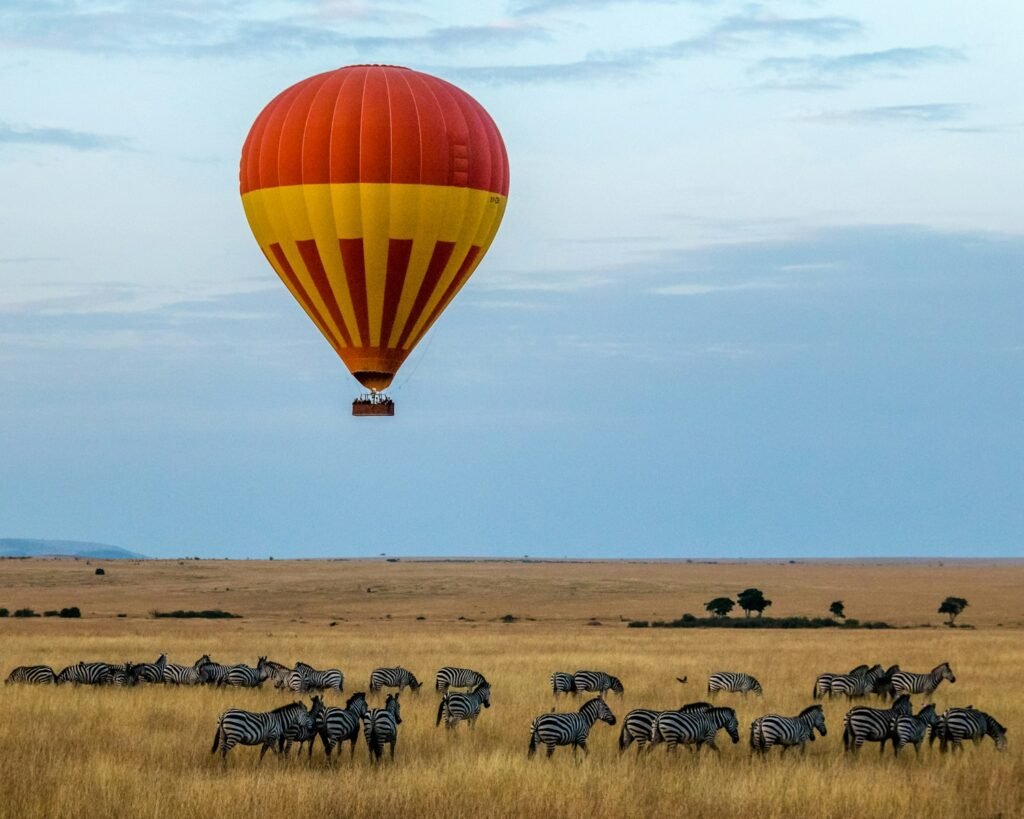
Another significant focus of Dr. Thompson’s research is the effect of climate change on biodiversity. The loss of habitats and the changing climate can lead to the extinction of many species, particularly those that are endemic to specific regions. Dr. Thompson’s findings point out that biodiversity loss can further exacerbate the socio-economic challenges faced by developing nations, as many communities rely on local ecosystems for resources and cultural identity.
Human Health and Climate Change

In addition to environmental and economic impacts, Dr. Thompson’s research explores how climate change affects human health. Increased temperatures, vector-borne diseases, and food and water scarcity pose serious health risks. His studies show a correlation between climate changes and the spread of diseases such as malaria and dengue fever, particularly in tropical and subtropical regions.
Policy Recommendations and Sustainable Solutions
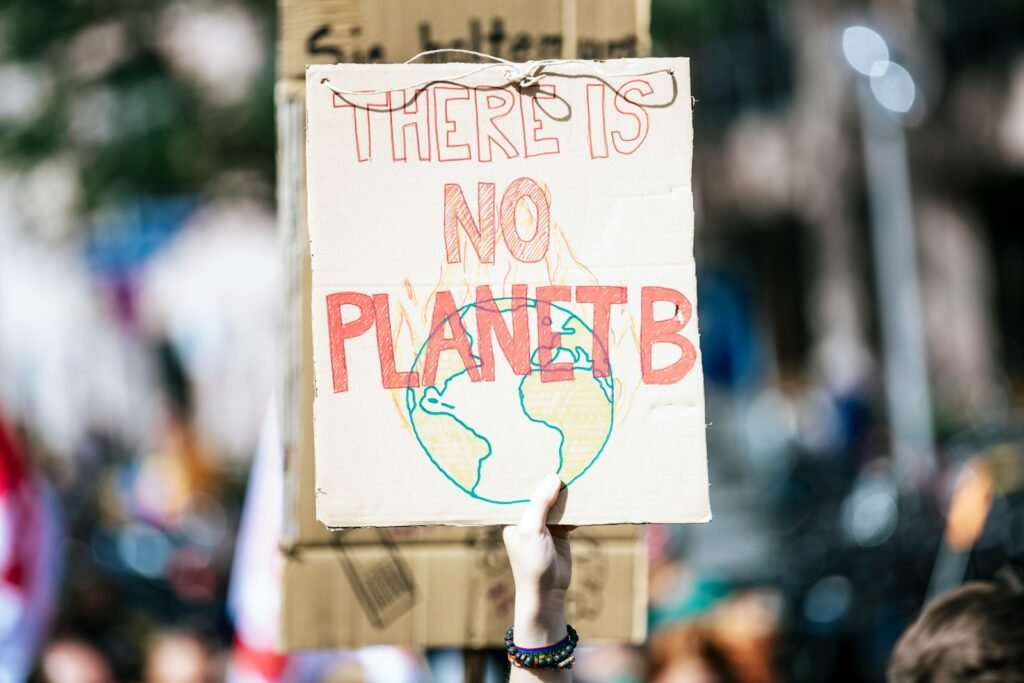
Dr. Thompson advocates for comprehensive policy measures that address the multifaceted impacts of climate change on developing countries. His recommendations include integrating climate considerations into national development plans, investing in sustainable agricultural practices, and enhancing local community resilience through education and technology transfer. He underscores the importance of international cooperation and financial support to ensure these strategies are effective and equitable.
The Role of Education and Community Engagement

Understanding and mitigating the impacts of climate change requires active participation from those most affected. Dr. Thompson emphasizes that educating communities about climate adaptation strategies and encouraging engagement in policy-making are essential for building resilience. His research highlights successful examples where local knowledge has been combined with scientific insights to develop adaptive solutions.
Conclusion: A Call to Action

Dr. William G. Thompson’s groundbreaking research underscores the urgency of addressing climate change’s effects on developing countries. By raising awareness and advocating for effective policies, he calls for a global commitment to mitigate these impacts and support those most vulnerable. His work remains a vital contribution to the field of environmental science, inspiring both researchers and policymakers to prioritize sustainable and inclusive solutions for a warming world.