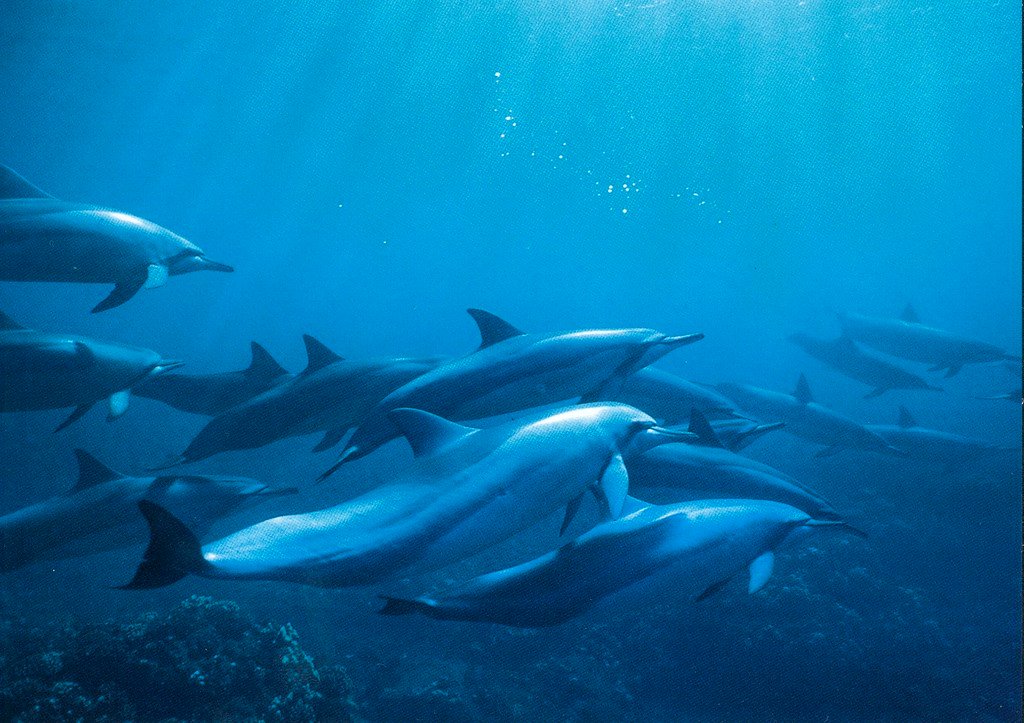

The underwater world has always held mysterious secrets, yet few discoveries are as captivating as recent scientific breakthroughs suggesting dolphins might be vast ocean basins. This revelation challenges everything we thought we knew about marine mammal communication and opens doors to understanding a potential global network of intelligent oceanic conversations.
Picture this: a dolphin off the coast of Florida might actually be “talking” to another dolphin thousands of miles away near the Azores. While this sounds like science fiction, emerging research suggests that the acoustic capabilities of these remarkable marine mammals may extend far beyond what scientists previously imagined. The possibility that whales and dolphins possess communication networks spanning thousands of miles of ocean is becoming increasingly supported by evidence.
The Discovery That Changed Everything
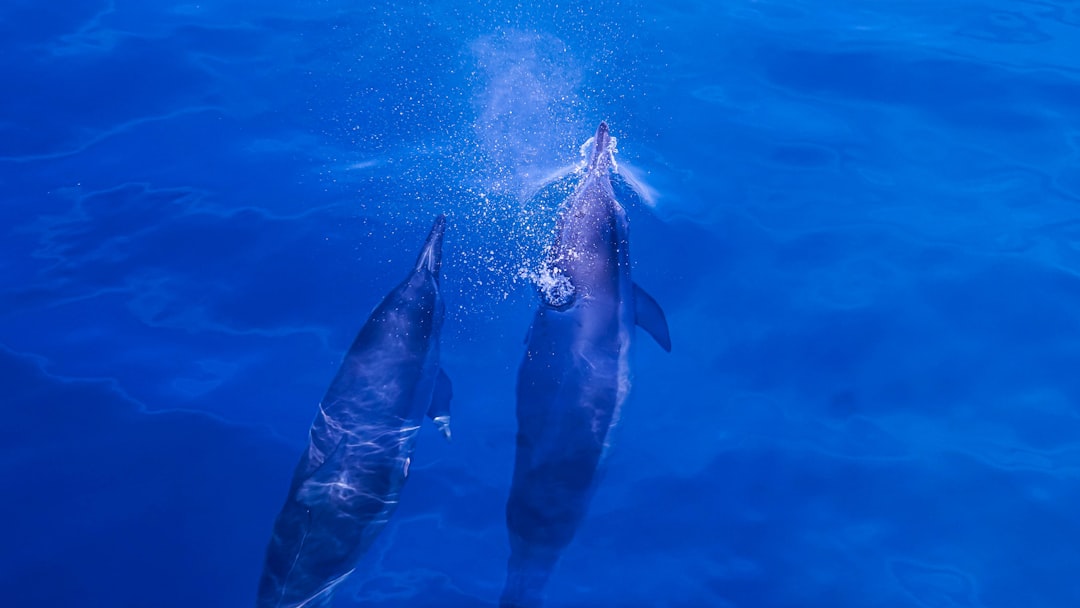
Project CETI (Cetacean Translation Initiative), led by researchers from Baruch College with Woods Hole Oceanographic Institution as a partner, recently won the inaugural Coller Dolittle Challenge for groundbreaking work identifying possible language-like communication in dolphins. The research team discovered something extraordinary that went beyond individual pod communication. They identified distinct non-signature whistles produced by bottlenose dolphins as potential language-like signals, with specific whistles shared among individuals and linked to functions such as alarm and query.
What makes this discovery particularly intriguing is how these communication patterns might extend beyond local groups. The research suggests that dolphins use standardized vocalizations that could theoretically travel much greater distances than previously thought possible. The research team used playback experiments in the wild to identify distinct types of non-signature whistles used for communication by multiple dolphins.
Advanced Technology Revolutionizing Marine Communication Research
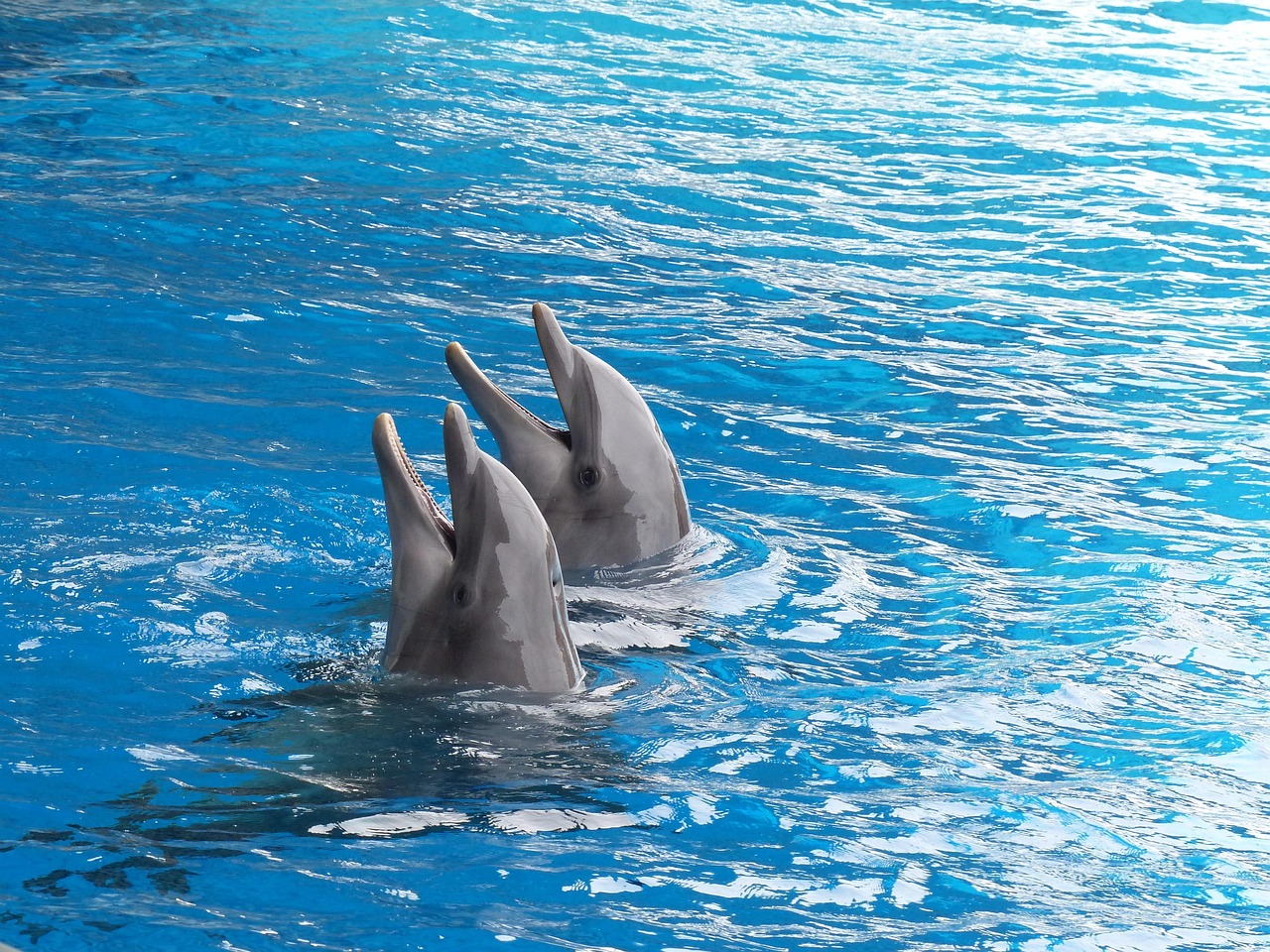
Google’s DolphinGemma, a large language model developed specifically for studying dolphin communication, represents a breakthrough in understanding how dolphins communicate and potentially what they’re saying. This technological advancement has allowed researchers to process decades of underwater recordings with unprecedented accuracy. The vast, labeled dataset from the Wild Dolphin Project provides a unique opportunity for cutting-edge AI analysis of dolphins’ natural, complex communication.
The CHAT (Cetacean Hearing Augmentation Technology) system has evolved dramatically. Modern systems use Pixel smartphones, dramatically reducing the need for custom hardware while improving system maintainability, lowering power consumption, and shrinking device cost and size. This evolution has made it possible to monitor dolphin communications more extensively than ever before.
Understanding Dolphin Acoustic Range Capabilities
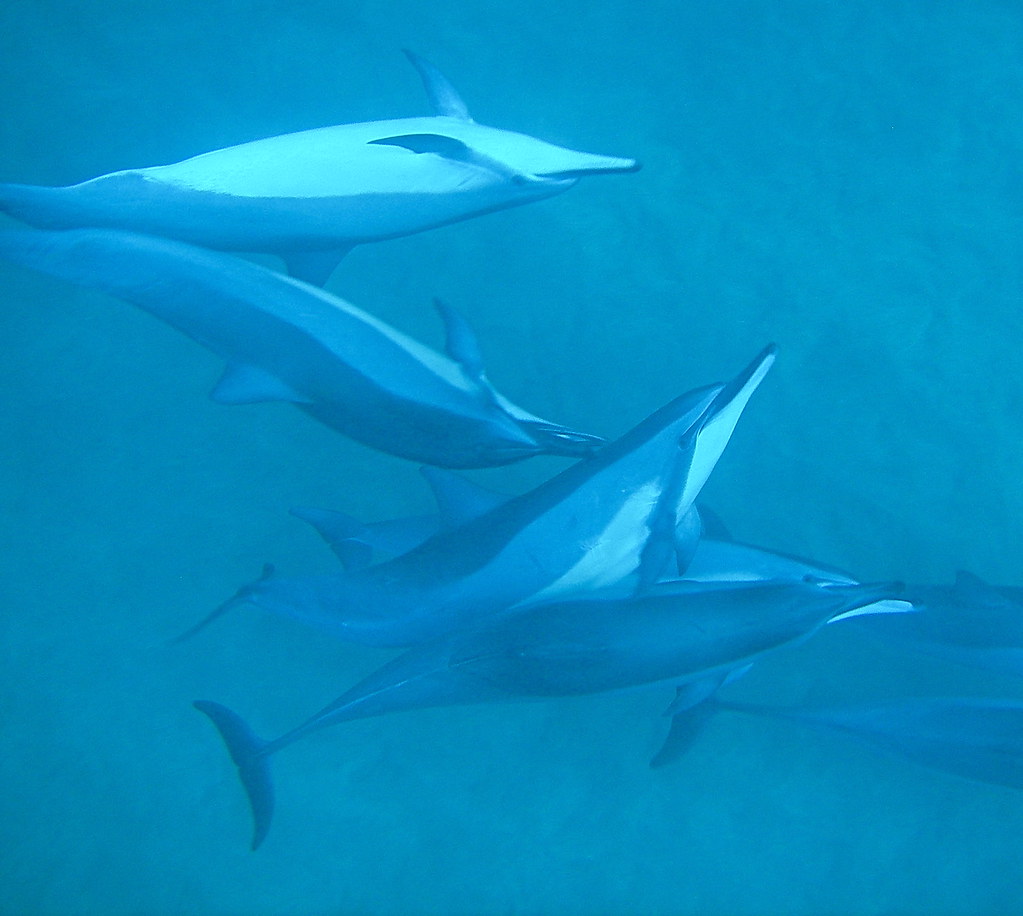
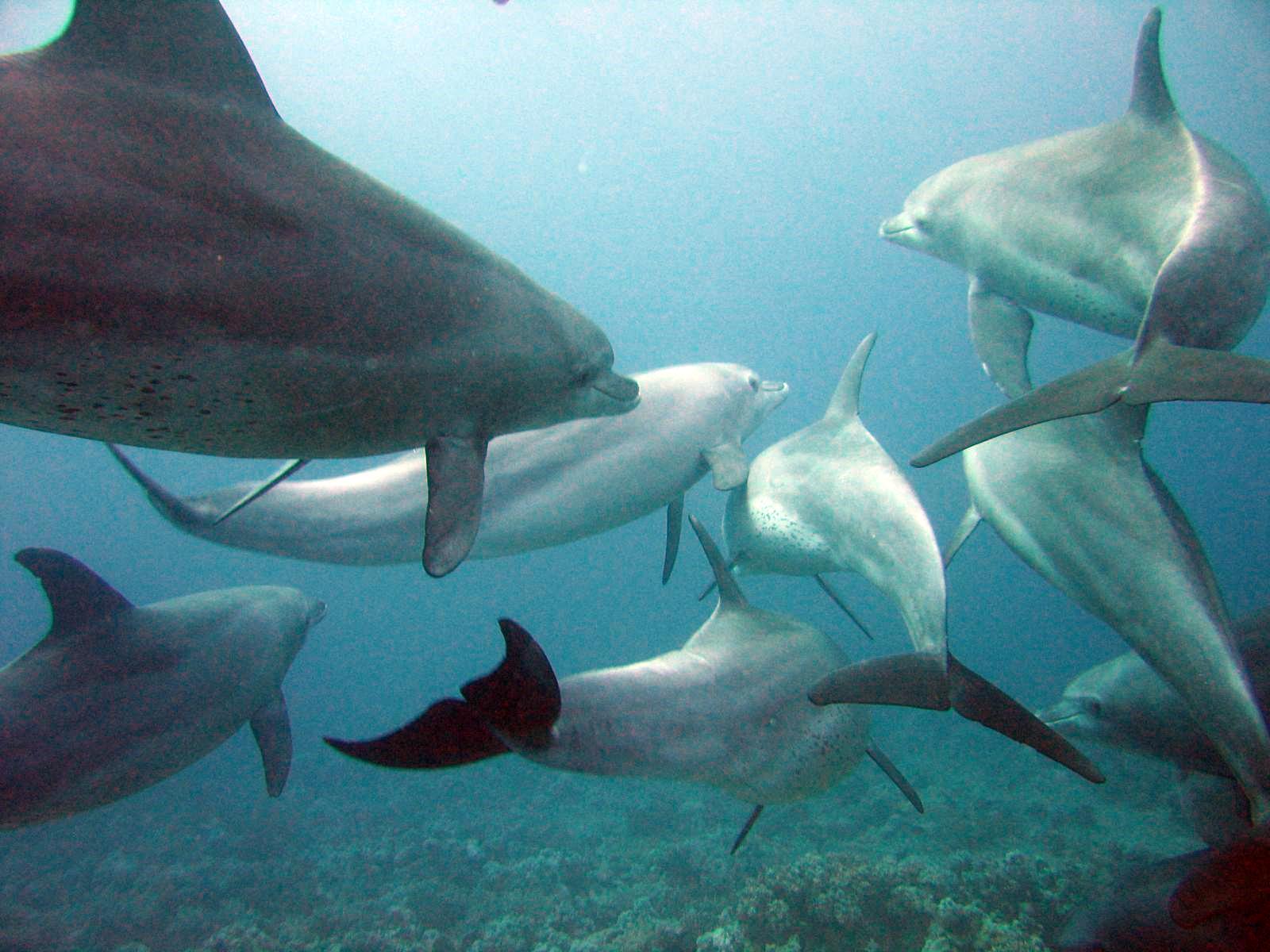
Whistles are primarily used for long distance communication and as contact calls between mothers and calves when they are separated. However, the true range of these vocalizations remains one of marine biology’s most fascinating mysteries. Large whales can communicate over huge distances across entire ocean basins using very low frequencies, while dolphins and porpoises usually use higher frequencies, which traditionally limits the distance their sounds can travel.
Recent discoveries challenge these limitations. Killer whales have been observed producing long range calls that travel distances from 10-16 kilometers, as well as short range calls traveling 5-9 kilometers. These findings suggest that some cetaceans possess remarkable long-distance communication abilities that researchers are only beginning to understand.
The Science Behind Long-Distance Ocean Communication
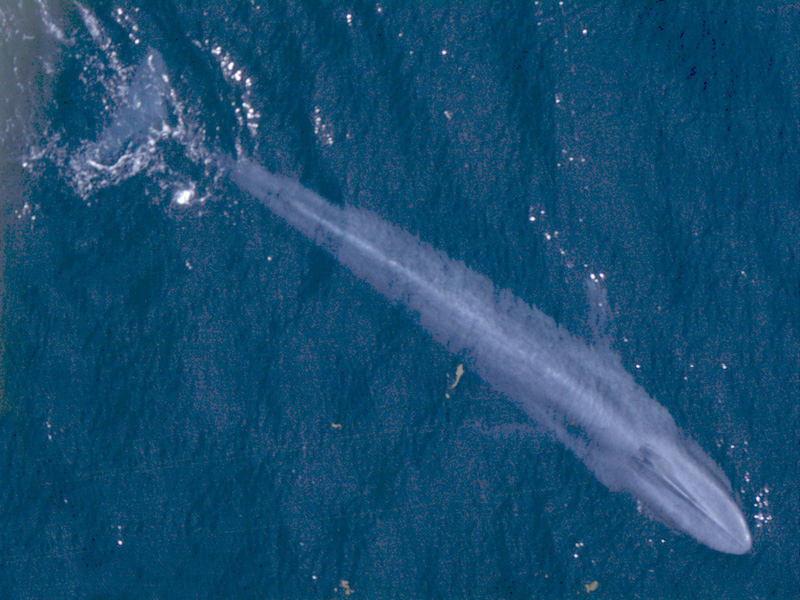
Sound travels particularly well underwater, with recent discoveries showing that low-frequency calls of whales can be detected at ranges of hundreds and sometimes thousands of kilometers. The ocean acts as a natural sound channel, with unique properties that allow certain frequencies to travel extraordinary distances. Some whale species are capable of communicating across vast distances, sometimes over hundreds or thousands of kilometers, partly due to the SOFAR channel phenomenon in the ocean.
This underwater sound channel could theoretically support dolphin communication over much greater distances than previously thought. Researchers using acoustic tracking systems can observe animals that are many tens of miles apart, watching collective migration patterns of species across large portions of ocean basins.
Evidence of Coordinated Behavior Across Ocean Regions
Scientists observing fin whale singers see what appears to be a random collection of dots that actually move together coherently through the ocean. This coordinated movement suggests communication networks that extend far beyond local pod interactions. Whales aim directly at seamounts 300 miles away, then change course to new features, as if they’re navigating from one geographic feature to the next using acoustic memories analogous to visual memories.
Research has shown that dolphin pairs are significantly more likely to cooperate successfully when they use whistles prior to coordinated actions, with whistling leading to shorter response intervals and more successful cooperative trials. This cooperative behavior might extend across much larger geographical areas than scientists previously realized.
Machine Learning Reveals Hidden Communication Patterns
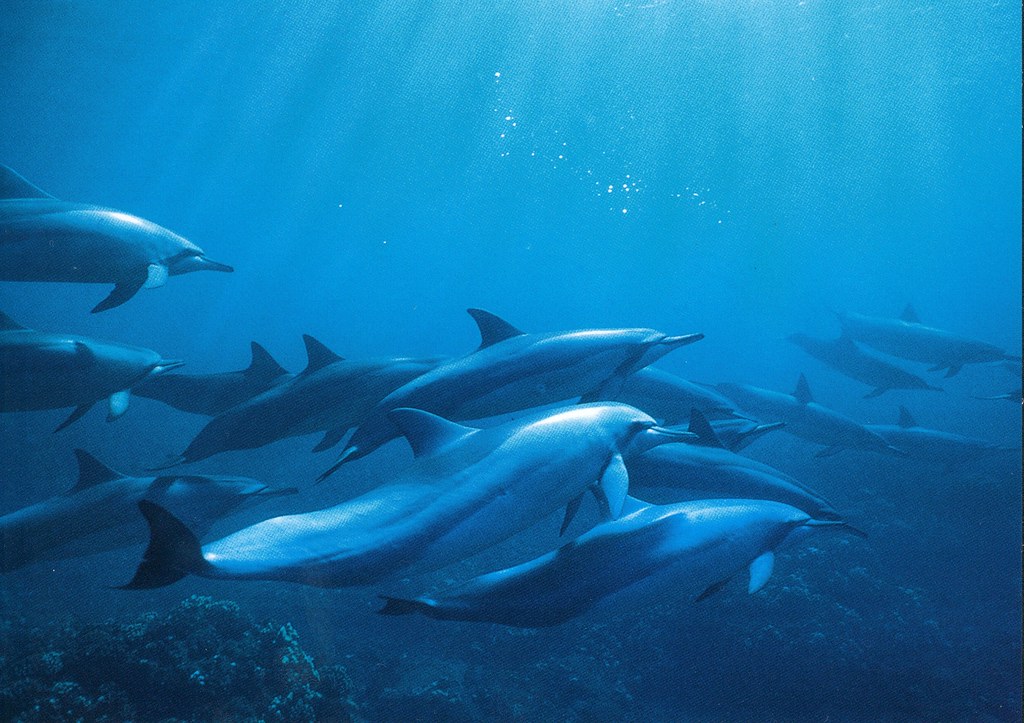
New machine learning technology is enabling animal researchers to explore data from decades of field studies, potentially allowing scientists to “crack the code” of dolphin communication with artificial intelligence tools. Using machine learning, researchers have built models of dolphin sounds and user interfaces to extract patterns from decades of collected data.
The breakthrough comes from analyzing vast amounts of previously collected data with new computational power. The Wild Dolphin Project has a vast database of underwater sounds and behaviors collected over the past three decades from free-ranging dolphin communities. This treasure trove of information is now being processed to reveal communication patterns that were invisible to human researchers.
The Role of Non-Signature Whistles in Long-Distance Communication
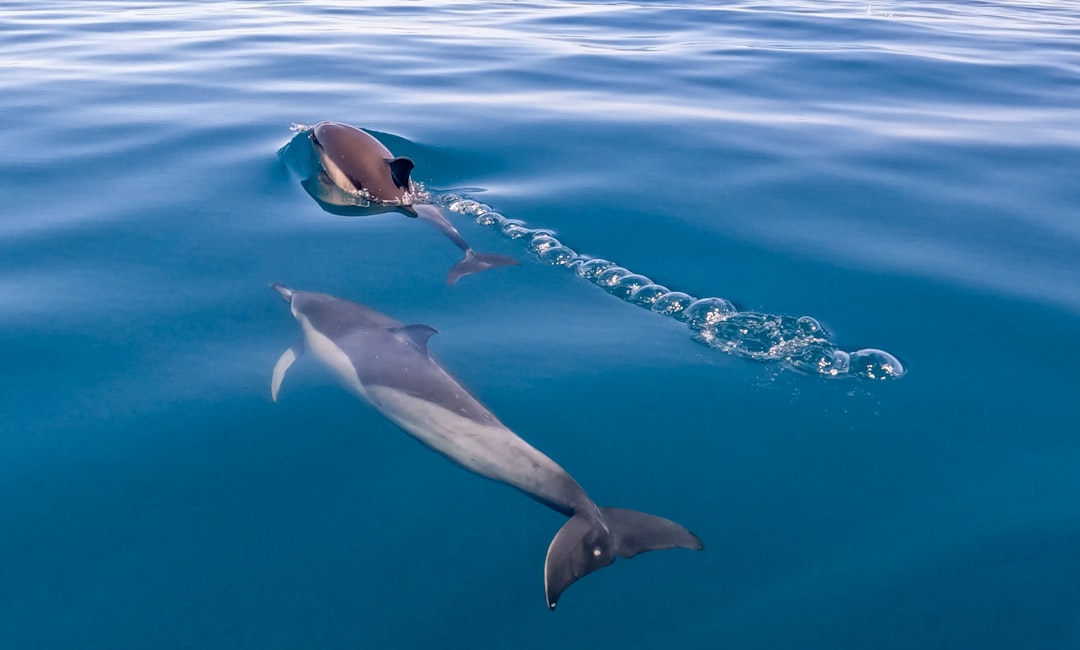
Non-signature whistles make up roughly half of all whistles produced by dolphins, and researchers have found evidence for widespread sharing of stereotyped non-signature whistle types. These shared vocalizations might serve as a kind of universal dolphin language that transcends individual pod boundaries. One whistle type typically elicits avoidance responses, suggesting an alarm function that could warn dolphins across large areas.
Another non-signature whistle correlates with a “query” function, produced by dolphins in response to unfamiliar or unexpected situations, possibly serving as a way of inquiring about unknown stimuli. These standardized responses could theoretically function across different dolphin populations separated by vast distances.
Historical Evidence from Naval Acoustic Monitoring
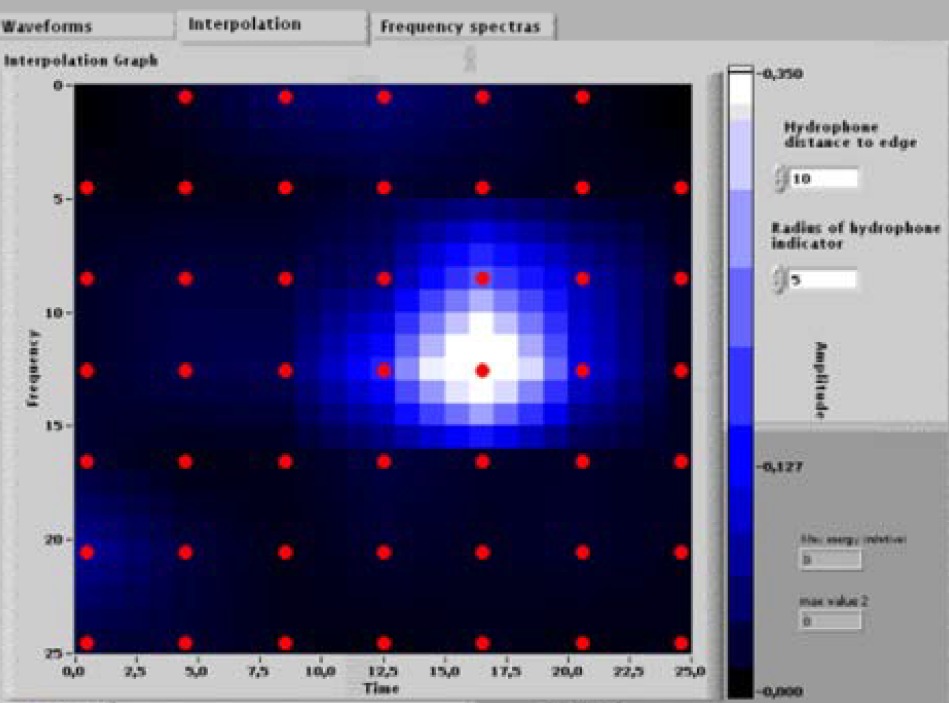
Cornell University researchers, working with former U.S. Navy acoustics experts, have used the navy’s antisubmarine listening systems to track whale songs and calls across the North Atlantic instead of tracking Soviet submarines. This military-grade acoustic monitoring has revealed the incredible reach of marine mammal vocalizations. Scientists have obtained thousands of acoustical tracks of singing whales for different species throughout the year, providing evidence of communication networks spanning vast ocean areas.
The implications are staggering. The ocean area over which a whale can communicate today has shrunk to a small fraction of what it was less than a century ago due to increasing ocean noise. This suggests that historical communication ranges were even more extensive than current capabilities.
Challenges Facing Ocean-Spanning Communication
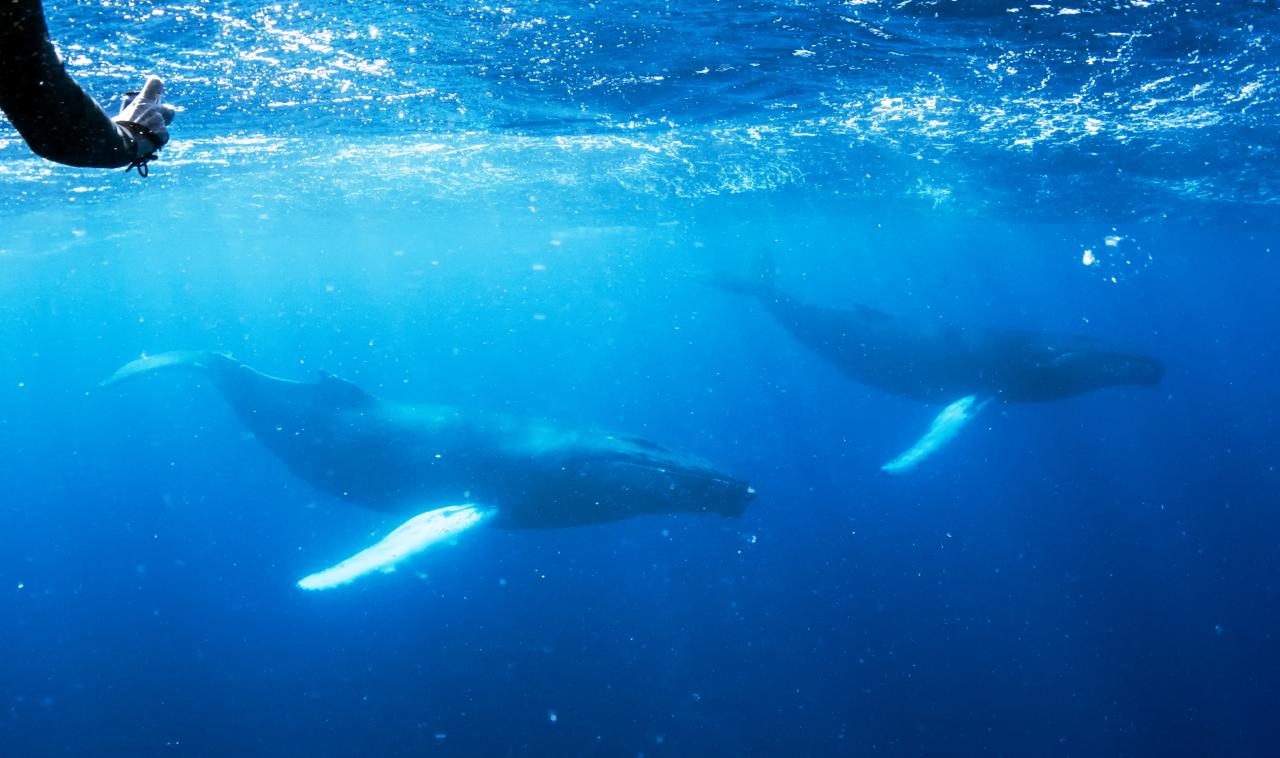
If female whales can no longer hear singing males through acoustic pollution, they lose breeding opportunities and choices. Modern ocean noise from shipping, military sonar, and industrial activities has significantly impacted natural communication networks. Ocean noise has increased ambient sound levels by over 12 decibels since the mid-20th century.
Human-made noise can damage the sonar navigation systems of cetaceans, making toothed whales unable to communicate, prey, and identify directions. This interference may be disrupting ancient communication networks that dolphins and whales have used for millions of years.
Future Research and Technological Implications
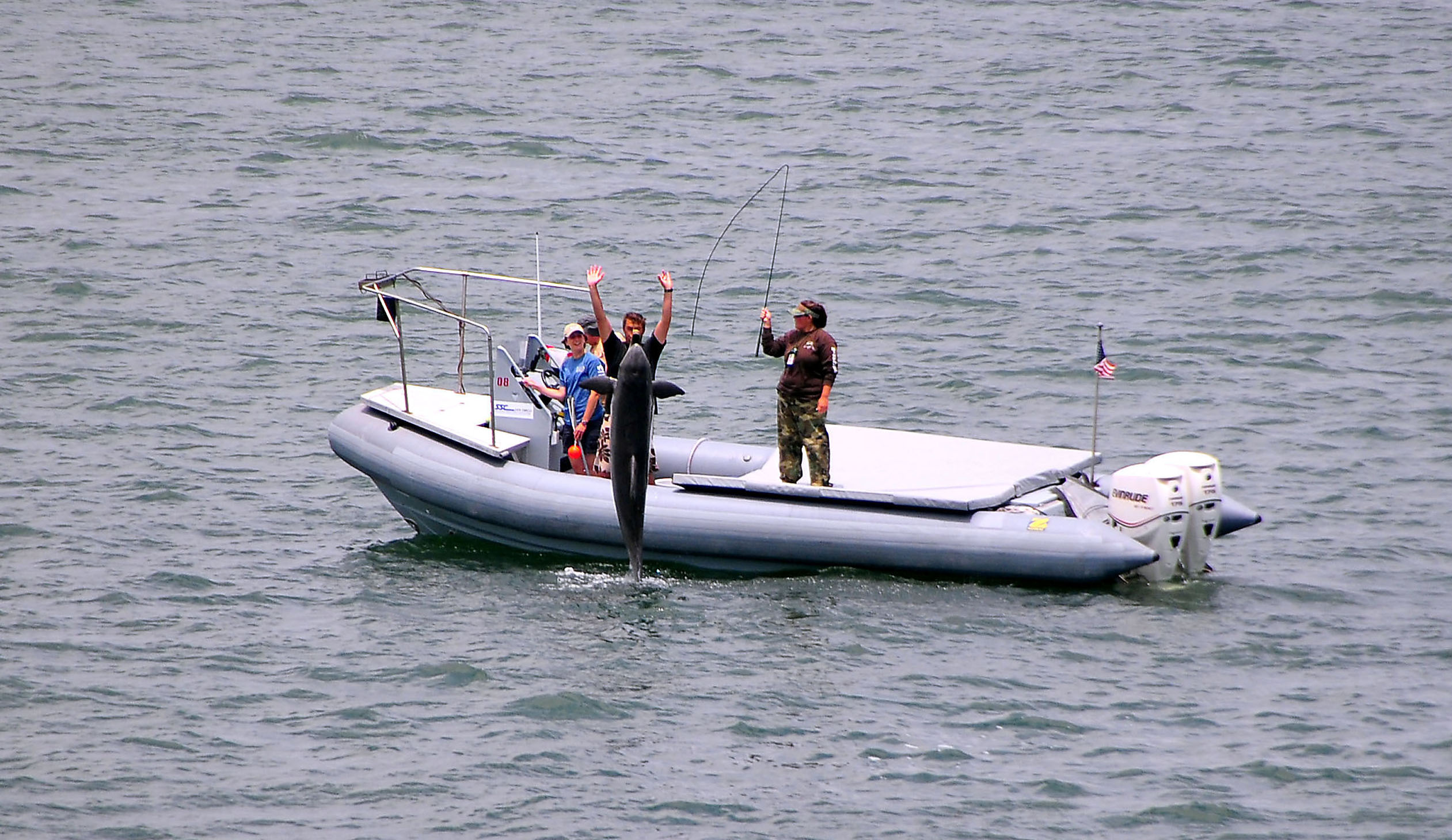
Contest organizers are offering a US$500,000 cash prize for AI use that achieves a breakthrough in interspecies communication, plus an annual $100,000 award until the grand prize is claimed. This significant investment reflects the scientific community’s belief that major discoveries in animal communication are imminent. Current approaches in the quest for interspecies communication are pushing the boundaries of AI and our potential connection with the marine world.
The technological revolution in studying dolphin communication continues to accelerate. DolphinGemma’s predictive power can help researchers anticipate and identify potential mimics earlier in vocalization sequences, increasing the speed at which scientists can react to dolphins and making interactions more fluid.
Conclusion: A New Understanding of Ocean Intelligence
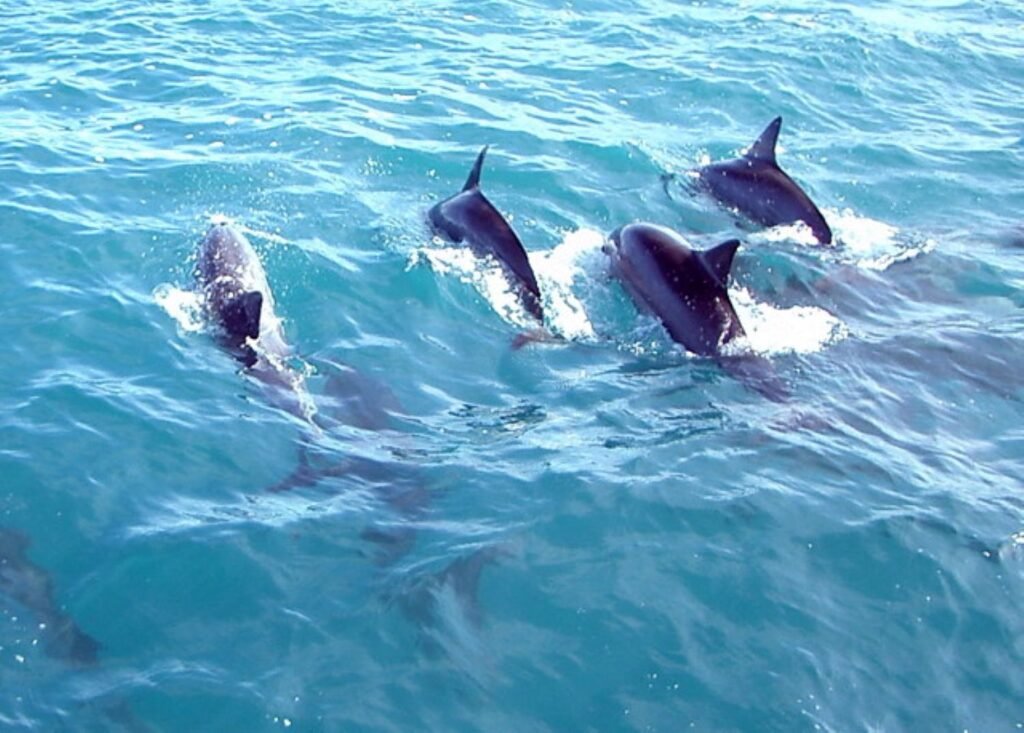
The possibility that dolphins communicate across vast ocean distances represents a paradigm shift in our understanding of marine intelligence and social networks. While definitive proof of trans-oceanic dolphin communication remains elusive, the mounting evidence suggests we may be on the verge of discovering one of nature’s most sophisticated communication systems.
Scientists are beginning to explore whether animals can have conversations about the past or future, moving beyond the assumption that animals only communicate about what’s happening in real time. If dolphins possess this capability across ocean basins, it would revolutionize our understanding of animal cognition and social complexity.
The intersection of advanced AI technology, decades of field research, and military-grade acoustic monitoring systems has created unprecedented opportunities to decode these mysterious underwater conversations. What would you say if you could finally understand what dolphins have been talking about all along?
Jan loves Wildlife and Animals and is one of the founders of Animals Around The Globe. He holds an MSc in Finance & Economics and is a passionate PADI Open Water Diver. His favorite animals are Mountain Gorillas, Tigers, and Great White Sharks. He lived in South Africa, Germany, the USA, Ireland, Italy, China, and Australia. Before AATG, Jan worked for Google, Axel Springer, BMW and others.