Imagine walking from England to the Netherlands, your feet sinking into soft earth beneath a vast sky, while rivers snake past herds of mammoths and ancient forests stretch as far as the eye can see. This isn’t fantasy—it’s a glimpse into the lost world of Doggerland, a place swallowed by the North Sea thousands of years ago. Doggerland’s story is one of mystery, drama, and the unstoppable force of nature. For millennia, it supported life, culture, and astonishing biodiversity. Today, its secrets are buried beneath the waves, waiting to be pieced together by daring scientists and curious minds.
The Lost Bridge Between Britain and Europe
Doggerland once formed a natural bridge between the British Isles and continental Europe. Stretching from the east coast of England to Denmark and the Netherlands, this landmass connected communities, animals, and ecosystems. The idea that people could have strolled across what is now open sea feels both surreal and awe-inspiring. For thousands of years, this land was a thriving, dynamic expanse rather than a desolate seabed. It challenges our current perception of Europe’s shape and reminds us how dramatically landscapes can change. Imagining a world where you could walk from London to Amsterdam without a boat is a powerful way to grasp Doggerland’s significance.
A Landscape Shaped by Ice and Water
The story of Doggerland begins in the last Ice Age. As glaciers retreated, they left behind rolling hills, valleys, and wetlands. Rivers carved their way through the soft earth, creating a network of waterways that teemed with life. The land was fertile, dotted with lakes and marshes, perfect for supporting both plants and animals. Over time, as the climate warmed, sea levels began to rise. The melting of vast ice sheets sent torrents of water pouring into the North Sea basin. Slowly, the sea claimed more and more of Doggerland, turning it from a lush landscape into a memory beneath the waves.
The People of Doggerland

Doggerland was more than just empty wilderness—it was home to people. Archaeological evidence shows that hunter-gatherers lived here for thousands of years. These early residents followed herds of reindeer, hunted mammoths, and fished in the rivers. They built temporary shelters from animal hides and wood, and left behind tools made of flint and bone. Life in Doggerland was likely challenging but rewarding, offering abundant resources and a relatively mild climate for its time. The idea of entire families living and thriving in a land now lost beneath the sea is both haunting and fascinating.
Animal Life: Mammoths, Reindeer, and More

Doggerland teemed with animal life. Imagine herds of woolly mammoths moving across grassy plains, while reindeer grazed nearby. There were wild horses, aurochs (an extinct type of cattle), and red deer. Rivers and lakes were filled with fish, and birds flocked to the wetlands every spring. The presence of these animals made Doggerland an attractive place for prehistoric hunters. Fossilized bones and teeth, dredged up by fishermen, offer tantalizing glimpses into this vanished ecosystem. These remains tell us not only what animals lived there, but also how people hunted and lived alongside them.
Plant Life and Changing Climate

Doggerland’s vegetation changed as the climate warmed and sea levels rose. At first, tundra-like grasses dominated the landscape, supporting large grazing animals. As temperatures climbed, forests of birch, pine, and oak spread across the land. Wetlands and marshes were rich with reeds and wildflowers. These changes provided new opportunities for the people and animals living there, but also new challenges. As sea levels continued to rise, saltwater intrusion began to change the types of plants that could survive. Eventually, the advancing sea overwhelmed the delicate balance of Doggerland’s ecosystems.
Discovery Through North Sea Fishing

The first clues about Doggerland’s existence came not from archaeologists, but from fishermen. For generations, North Sea trawlers dragged up mysterious bones, ancient tools, and even pieces of antler harpoons. These artifacts puzzled fishermen and scientists alike. Over time, it became clear that these objects came from a lost land beneath the sea. The North Sea floor became a treasure trove for researchers eager to learn more about Europe’s hidden past. Every new find deepens the mystery and excitement surrounding Doggerland.
Archaeological Techniques: Piecing Together the Past

Reconstructing Doggerland is like assembling a giant, underwater jigsaw puzzle. Scientists use sonar mapping, sediment cores, and underwater drones to explore the seabed. Advanced computer modeling helps recreate ancient landscapes and track how coastlines changed over time. By analyzing pollen, seeds, and animal remains from the seabed, researchers can reconstruct past environments in astonishing detail. Every new discovery—be it a fragment of bone or a lost flint tool—adds another piece to the puzzle, slowly bringing Doggerland’s story back to life.
The Storegga Slide: Catastrophic Flooding

One of the most dramatic chapters in Doggerland’s demise was the Storegga Slide, a massive underwater landslide off the coast of Norway. Around 8,200 years ago, this event triggered a tsunami that swept across the North Sea, flooding low-lying Doggerland in a matter of hours. The force of the waves would have been terrifying, reshaping the landscape and forcing people and animals to flee. Some scientists believe this disaster was the final blow that broke Doggerland’s back, turning much of it into seabed almost overnight. The sheer scale of this catastrophe is hard to imagine, but its impact is still felt in the layers of mud and sand beneath the sea.
Evidence from the Seabed: Fossils and Artifacts
Every year, new evidence of Doggerland is pulled from the North Sea. Fishermen and researchers have found everything from mammoth tusks to stone tools and human remains. Some discoveries are accidental, while others come from targeted scientific expeditions. Each artifact tells a story—about the people who lived there, the animals that roamed, and the world that existed before the sea took over. These finds are precious, fragile links to our ancient past, and they help scientists build a clearer picture of Doggerland’s lost world.
Mapping Doggerland’s Hidden Terrain

Modern technology has allowed scientists to create detailed maps of Doggerland’s ancient landscape. Sonar imaging reveals the contours of old river valleys, hills, and lakes hidden beneath the waves. These maps show where people might have lived, hunted, and fished. They also help researchers predict where more artifacts might be found. The process is slow and painstaking, but each new map brings Doggerland into sharper focus. It’s like peeling back the layers of history to reveal a world lost to time and tide.
Dogger Bank: The Last Remnant

One of the most prominent features of Doggerland today is Dogger Bank, a shallow area in the North Sea that remains above the surrounding seabed. It’s a reminder of the higher ground that once formed the heart of Doggerland. Today, Dogger Bank is an important fishing ground and a hotspot for marine life. But to archaeologists, it’s also a tantalizing link to the past—a place where the land once rose above the waves, supporting people and animals in a world now gone.
Myths and Legends Inspired by Doggerland

Stories of lost lands are common in European folklore. Myths of sunken kingdoms and drowned cities may be echoes of real events like Doggerland’s disappearance. Some believe that tales of Atlantis or Lyonesse were inspired by memories passed down through generations. The idea of a land swallowed by the sea stirs the imagination, blending science and legend in a way that feels both familiar and otherworldly. Doggerland reminds us that myth and history are often intertwined, shaping how we see our world.
Doggerland’s Role in Human Migration
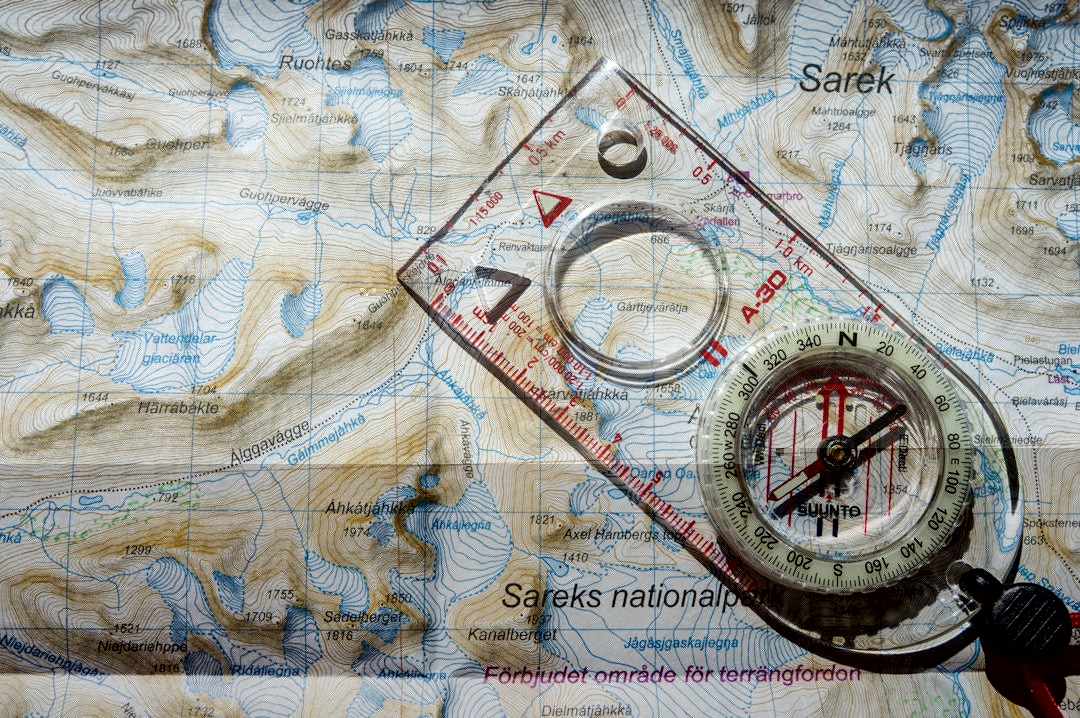
Doggerland played a critical role in early human migration across Europe. Its fertile plains and mild climate made it a natural corridor for people moving between Britain and the continent. Archaeologists believe that this land bridge was used by countless generations of hunter-gatherers. As the sea slowly engulfed Doggerland, communities were forced to adapt or move. This migration may have helped shape the genetic and cultural makeup of northern Europe today. Doggerland was more than just a lost land—it was a vital crossroads in human history.
What Doggerland Teaches Us About Climate Change
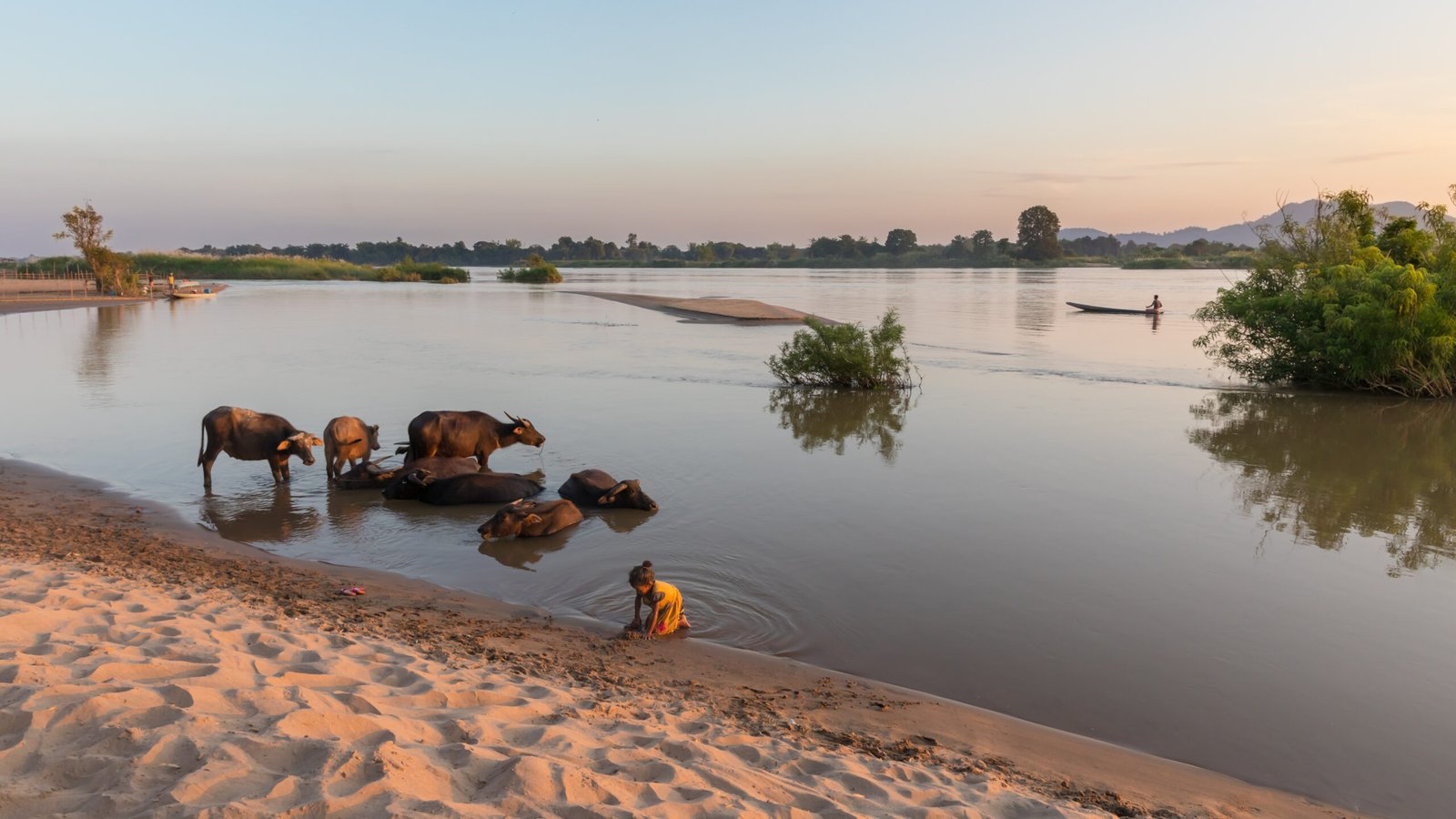
The story of Doggerland is a stark reminder of the power of climate change. As temperatures rose and ice melted, sea levels climbed, transforming the landscape forever. Ancient people had to adapt to shifting coastlines, flooding, and the loss of their homes. Their experiences echo modern challenges, as rising seas and changing climates threaten coastal communities today. Doggerland’s fate shows how quickly the world can change—and how important it is to understand and prepare for those changes.
Reconstructing Ancient Lives: DNA Discoveries

Recent advances in DNA analysis have allowed scientists to extract genetic material from bones and teeth found on the North Sea floor. These studies reveal surprising details about the people of Doggerland—their diets, health, and even their appearance. By comparing ancient DNA to that of modern populations, researchers can trace migrations and family ties across millennia. This technology is revolutionizing our understanding of prehistoric Europe, bringing the people of Doggerland closer to us than ever before.
Challenges in Exploring Doggerland
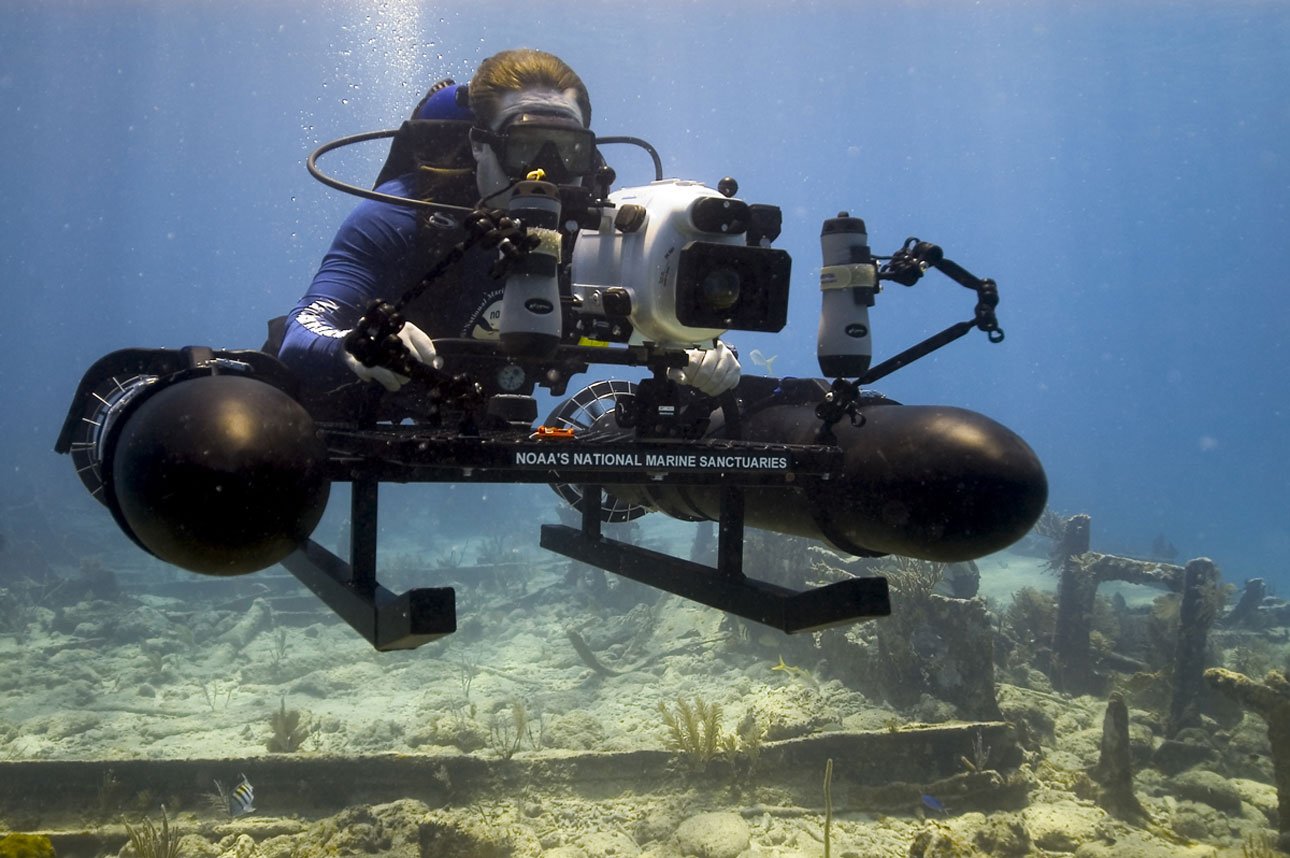
Researching Doggerland isn’t easy. The North Sea is a harsh and unpredictable environment, making underwater exploration dangerous and expensive. Artifacts are often fragile, having spent thousands of years buried in sand and mud. Ship traffic, fishing, and offshore construction can disturb or destroy ancient remains before they’re found. Despite these obstacles, scientists are determined to uncover Doggerland’s secrets. Their passion and persistence keep the story alive, even as the sea tries to keep it hidden.
Doggerland and the Search for Lost Civilizations

Doggerland’s story has inspired new searches for other lost lands around the world. Scientists are using similar techniques to explore submerged sites in the Mediterranean, the Black Sea, and beyond. Each discovery helps us understand how ancient people lived, adapted, and survived in changing environments. Doggerland is a reminder that history is full of surprises—and that some of the world’s most fascinating stories are still waiting to be told beneath the waves.
The Underwater Museum: Preserving Doggerland’s Heritage
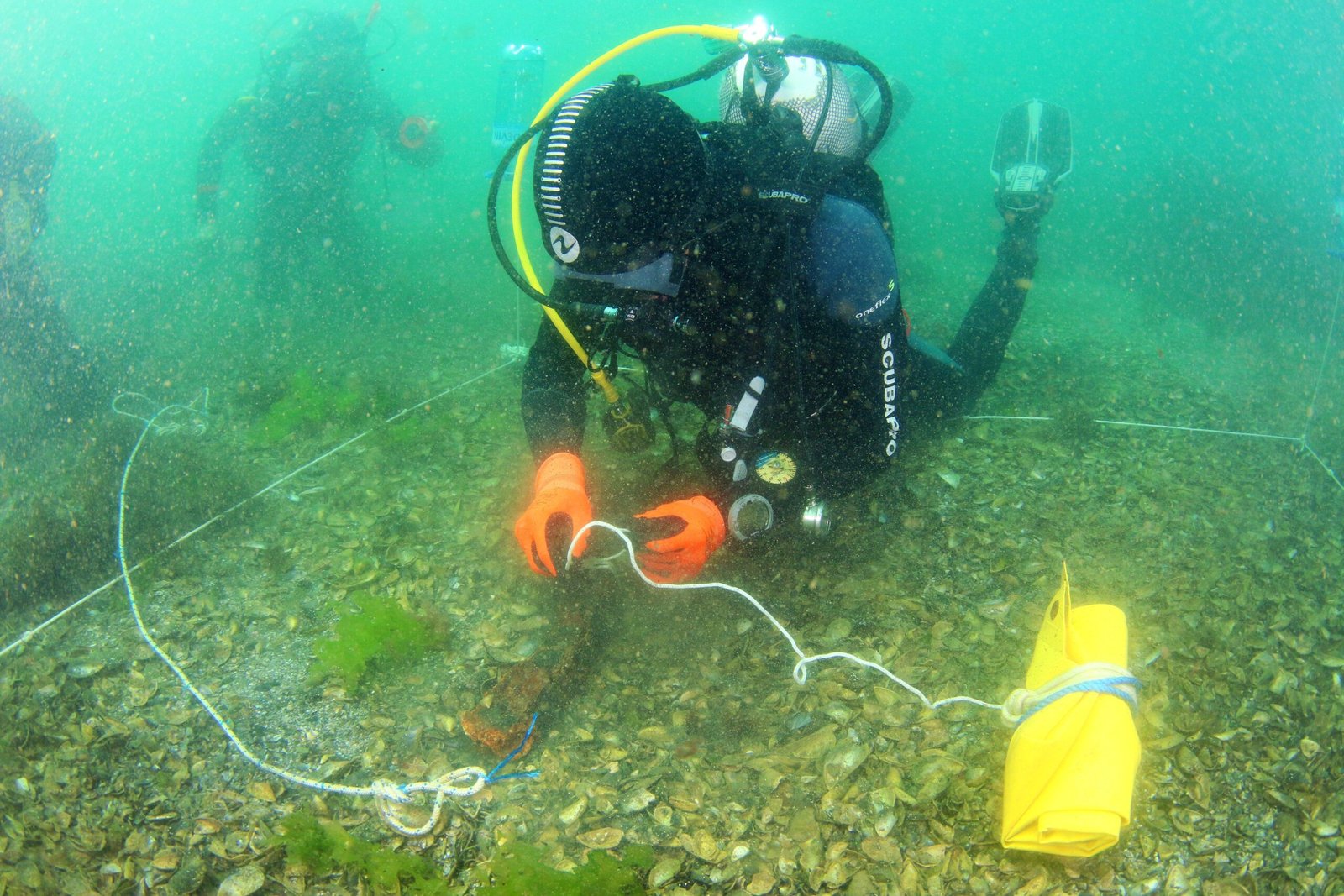
Efforts are underway to preserve and study the artifacts recovered from Doggerland. Museums in Britain, the Netherlands, and Denmark display mammoth bones, flint tools, and other treasures, offering visitors a glimpse into a vanished world. Digital reconstructions and virtual reality allow people to explore Doggerland’s landscapes from the comfort of their homes. Preserving this heritage is vital, ensuring that the lessons of the past aren’t lost to future generations.
Doggerland’s Place in Our Imagination
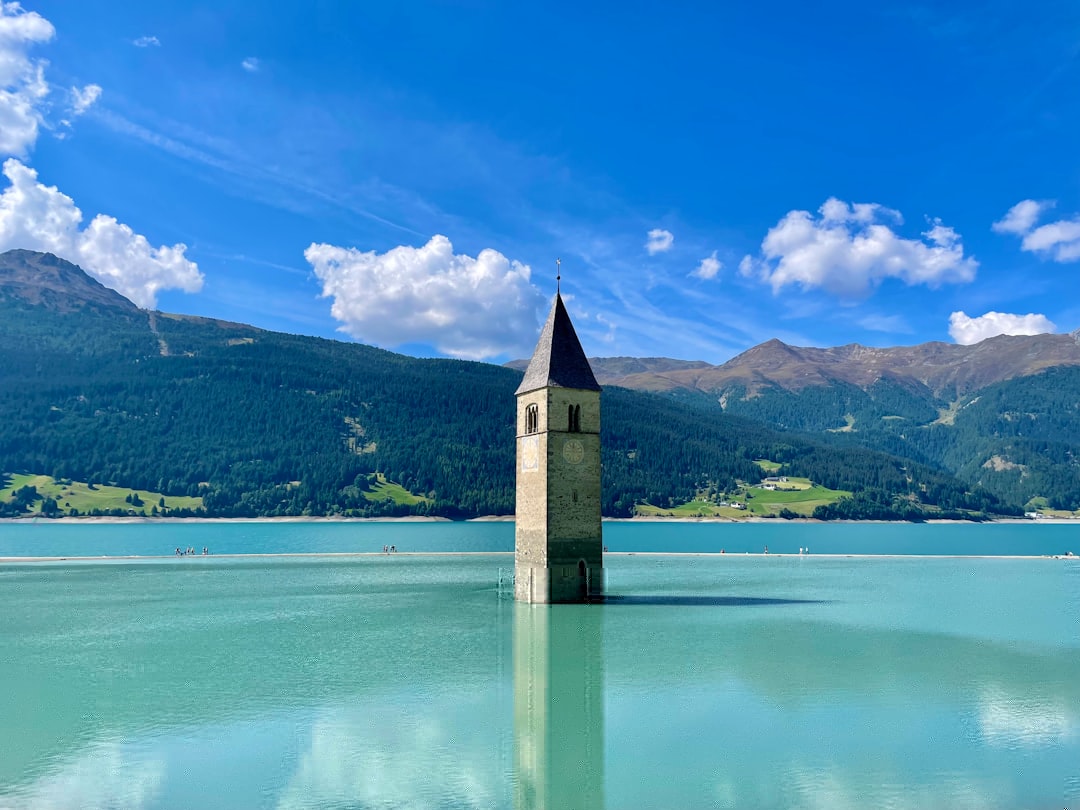
Doggerland has captured the imagination of scientists, artists, and the public alike. Its story appears in novels, documentaries, and even video games. The idea of a lost world beneath the sea is both haunting and hopeful—a reminder of nature’s power, but also of humanity’s resilience. Doggerland invites us to wonder what else lies hidden beneath the waves, waiting to be discovered.
Doggerland’s submerged world, with its forgotten rivers and lost forests, challenges us to rethink what we know about history, climate, and ourselves. In a way, we’re all explorers, piecing together the puzzle of a world that once connected us all. Who knows what secrets the sea will reveal next?