
There is something deeply unsettling, in the best possible way, about the idea that forces operating millions of miles away from you could be silently shaping what you feel, how you sleep, or what thoughts float to the surface of your waking mind. You probably never think about solar flares when you feel inexplicably restless on a Tuesday night. You probably do not consider the moon’s gravitational rhythm when your mood shifts without any obvious trigger. Yet a growing body of research is asking precisely those questions, and the answers are far more provocative than most people expect.
Scientists across disciplines ranging from neuroscience and heliobiology to psychology and quantum physics are now cautiously proposing that our subconscious minds might be more cosmically connected than previously imagined. What was once the territory of ancient stargazers and mystical traditions is beginning to inch its way into peer-reviewed journals. Strap in. Let’s dive in.
Your Nervous System Might Be Listening to the Sun

Researchers have turned to the autonomic nervous system, which is the subconscious control system that regulates bodily functions such as breathing and digestion, to investigate this connection. Their findings suggest that your nervous system is well attuned to the energetic fluctuations that ripple through your solar system. This is not fringe thinking anymore. This is science publishing in recognizable journals and asking very serious questions.
The work builds on observations made by the famed astronomer Alexander Chizhevsky during World War I, who noted that battles intensify during peak solar flare periods and that major human events and behaviors closely follow the cycle of the sun. This led to the hypothesis that some unknown solar forces affect human health and behavior, providing a provocative link between events occurring in our solar system and life on Earth. Honestly, once you learn that, it becomes a lot harder to dismiss the whole idea as mere mysticism.
Solar Flares and the Hidden Disruption of Your Mind
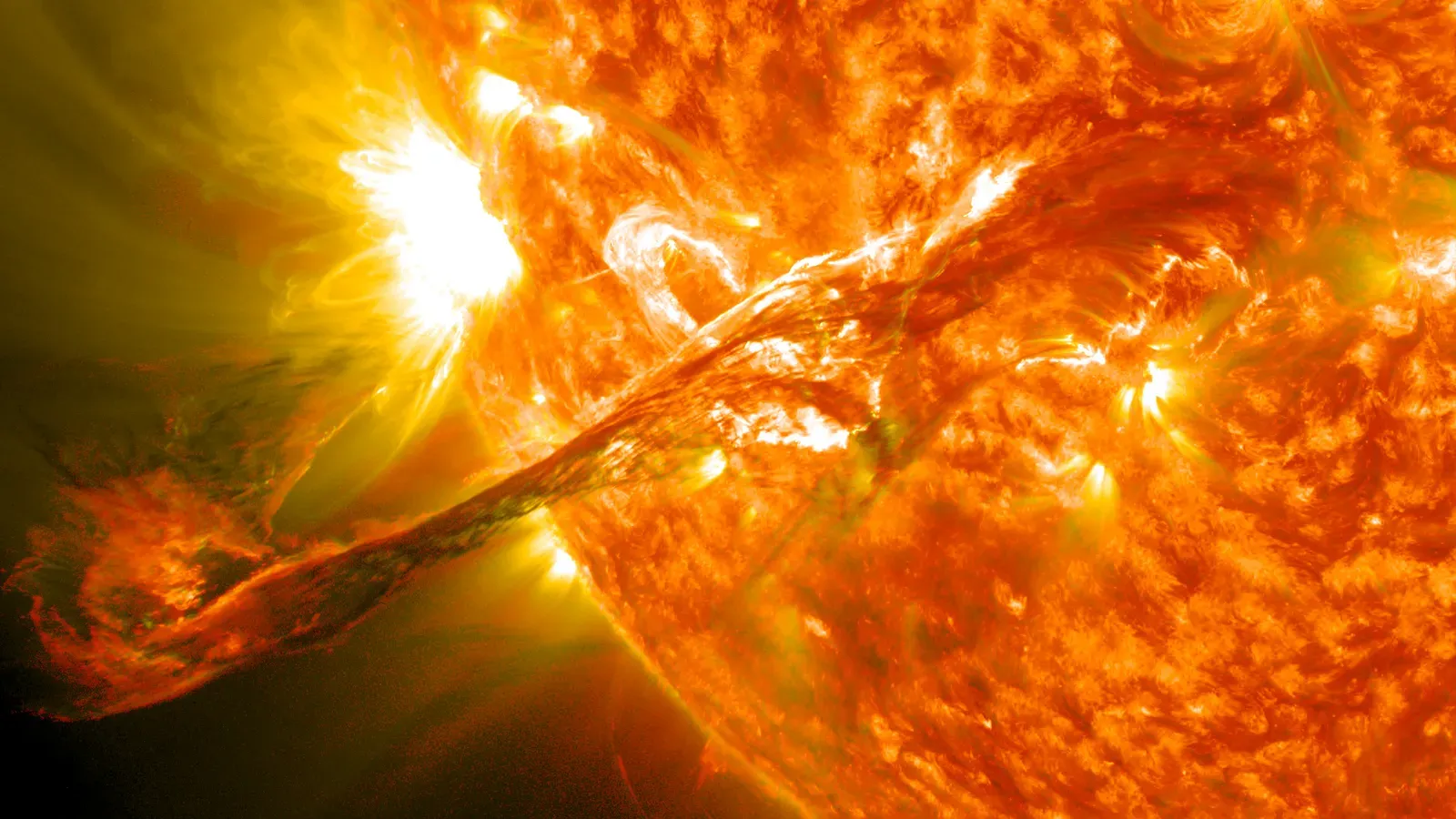
Known scientifically as solar flares or coronal mass ejections (CMEs), these intense bursts of radiation from the sun can affect Earth’s magnetic field, disrupt communication systems, and, intriguingly, may also influence human mental health. Think of it like a cosmic interference signal, a burst of energy so vast it nudges your biology in ways you barely notice but can definitely feel.
Studies have found that geomagnetic storms may correlate with an increase in depressive symptoms. In one study, hospital admissions for depression were higher in men within two weeks of a significant solar storm, and researchers believe these disturbances could affect melatonin production, a hormone crucial for regulating mood and sleep. That is a staggering connection to consider. Your darkest days might have a cosmic explanation.
The Brain’s Electrical Grid and Geomagnetic Interference
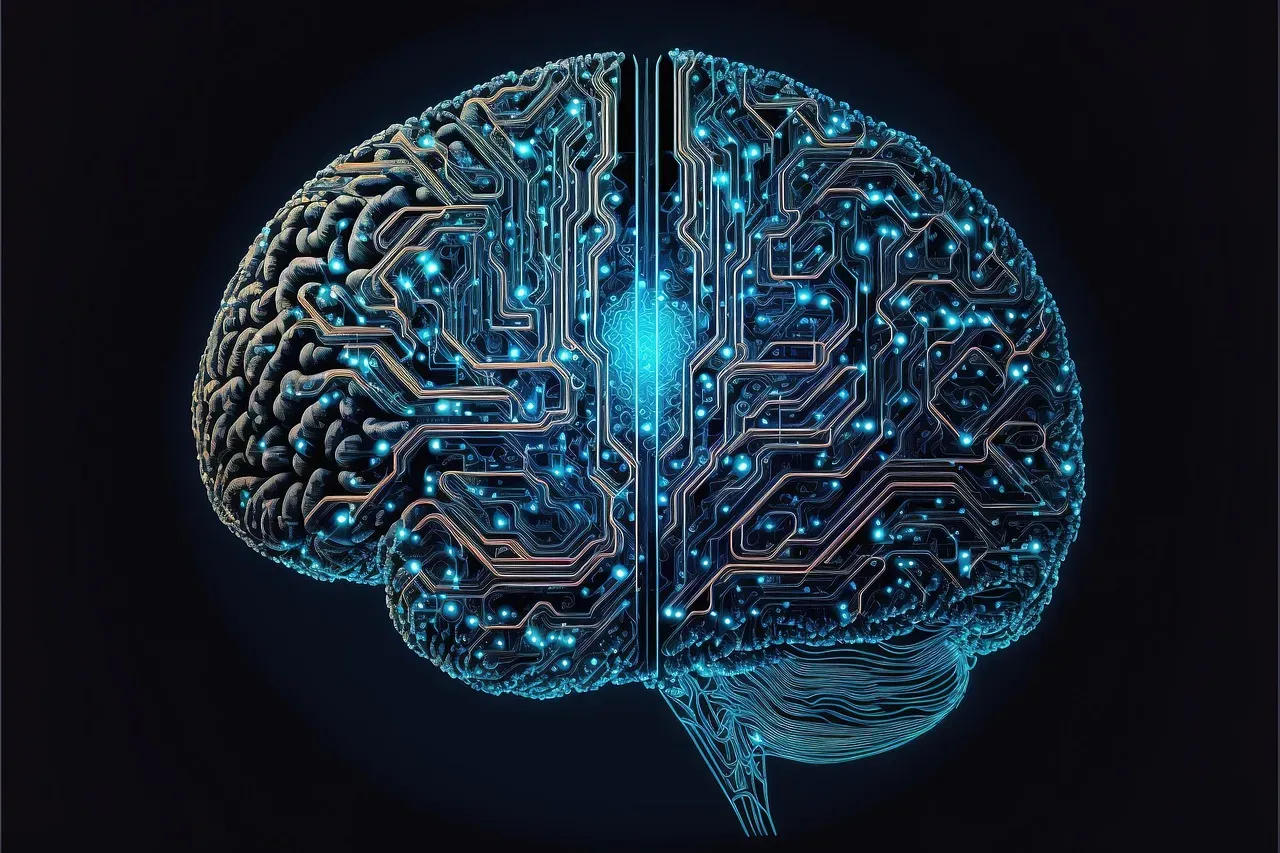
It has been experimentally established that weak and moderate geomagnetic storms do not cause significant changes in the brain’s bioelectrical activity and exert only stimulating influence, while severe disturbances of geomagnetic conditions cause negative influence and seriously disintegrate the brain’s functionality. Your brain is, at its core, an electrical organ, and it exists inside a planetary electromagnetic field that is constantly being pushed and pulled by solar activity.
The connection between geomagnetic storms and mental health may be linked to the way these storms affect the nervous system. Solar and geomagnetic activity can lead to fluctuations in serotonin and other neurotransmitters, which regulate mood and emotions. This disruption might explain why some individuals feel more irritable, stressed, or even experience mood swings during heightened solar activity. Imagine your brain chemistry being quietly altered by a solar event that erupted 93 million miles away. It sounds almost impossible, yet the data keeps circling back to it.
The Moon, Your Sleep, and the Subconscious Rhythm Within You
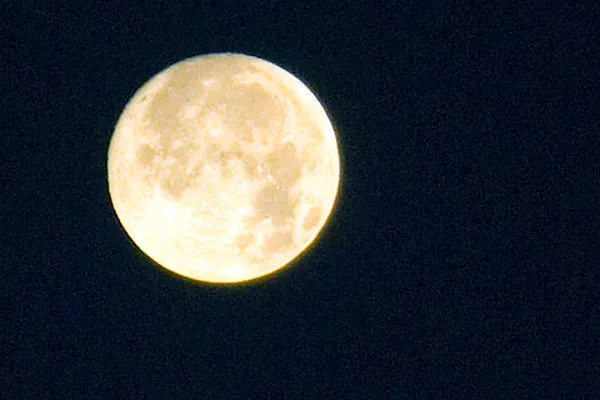
Research found that around full moon, EEG delta activity during NREM sleep, which is an indicator of deep sleep, decreased significantly, time to fall asleep increased, and total sleep duration was reduced. These changes were associated with a decrease in subjective sleep quality and diminished endogenous melatonin levels, representing the first reliable evidence that a lunar rhythm can modulate sleep structure in humans. You have heard people joke about blaming the full moon for a bad night. It turns out that might not be a joke at all.
Using wrist actimetry, researchers demonstrated a clear synchronization of nocturnal sleep timing with the lunar cycle in participants living in environments ranging from rural indigenous communities in Argentina to highly urbanized settings in the United States. Results show that sleep starts later and is shorter on the nights before the full moon when moonlight is available during the hours following dusk. What is remarkable here is not just the sleep disruption itself. It is that the pattern held across wildly different cultures and environments, from villages with no electricity to modern apartments in American cities.
Cosmic Radiation, Space, and What It Does to the Human Brain
Research over the past decade has demonstrated co-occurring patterns of spaceflight effects on the brain and behavior. Evidence indicates the spaceflight environment induces adverse effects on the brain, including intracranial fluid shifts, gray matter changes, and white matter declines. These are not subtle effects. These are structural changes to the very architecture of your mind.
Based on available evidence, galactic cosmic radiation accelerates brain aging and neurodegenerative processes. Further, isolated environments like long-duration stays in Antarctica have shown significant psychological consequences. Here is the thing: you do not need to be an astronaut for cosmic radiation to matter. You live on a planet that is constantly bombarded by low-level galactic and solar radiation every single day, and your brain is developing and aging inside that constant stream.
Your Circadian Rhythm Has a Cosmic Conductor
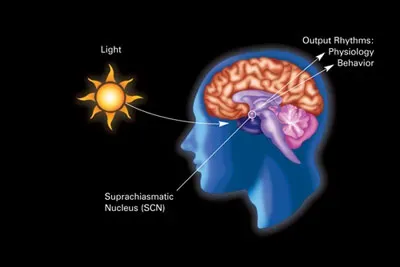
Living organisms have evolved within the natural electromagnetic fields of the Earth, which comprise the global atmospheric electrical circuit, Schumann resonances, and the geomagnetic field. Research suggests that the circadian rhythm, which controls several physiological functions in the human body, can be influenced not just by light but also by the Earth’s electromagnetic fields. Cyclic solar disturbances, including sunspots and seasonal weakening of the geomagnetic field, can affect human health, possibly by disrupting the circadian rhythm and downstream physiological functions.
Severe disruption of the circadian rhythm increases inflammation, which can induce fatigue, fever, and flu-like symptoms in a fraction of the population and worsen existing symptoms in old and diseased individuals, leading to periodic spikes of infectious and chronic diseases. So when your body clock feels off and you cannot explain why, the electromagnetic environment wrapped around your entire planet might be a more significant player than your second cup of coffee.
The Theory of Panpsychism and the Possibility of a Conscious Sun
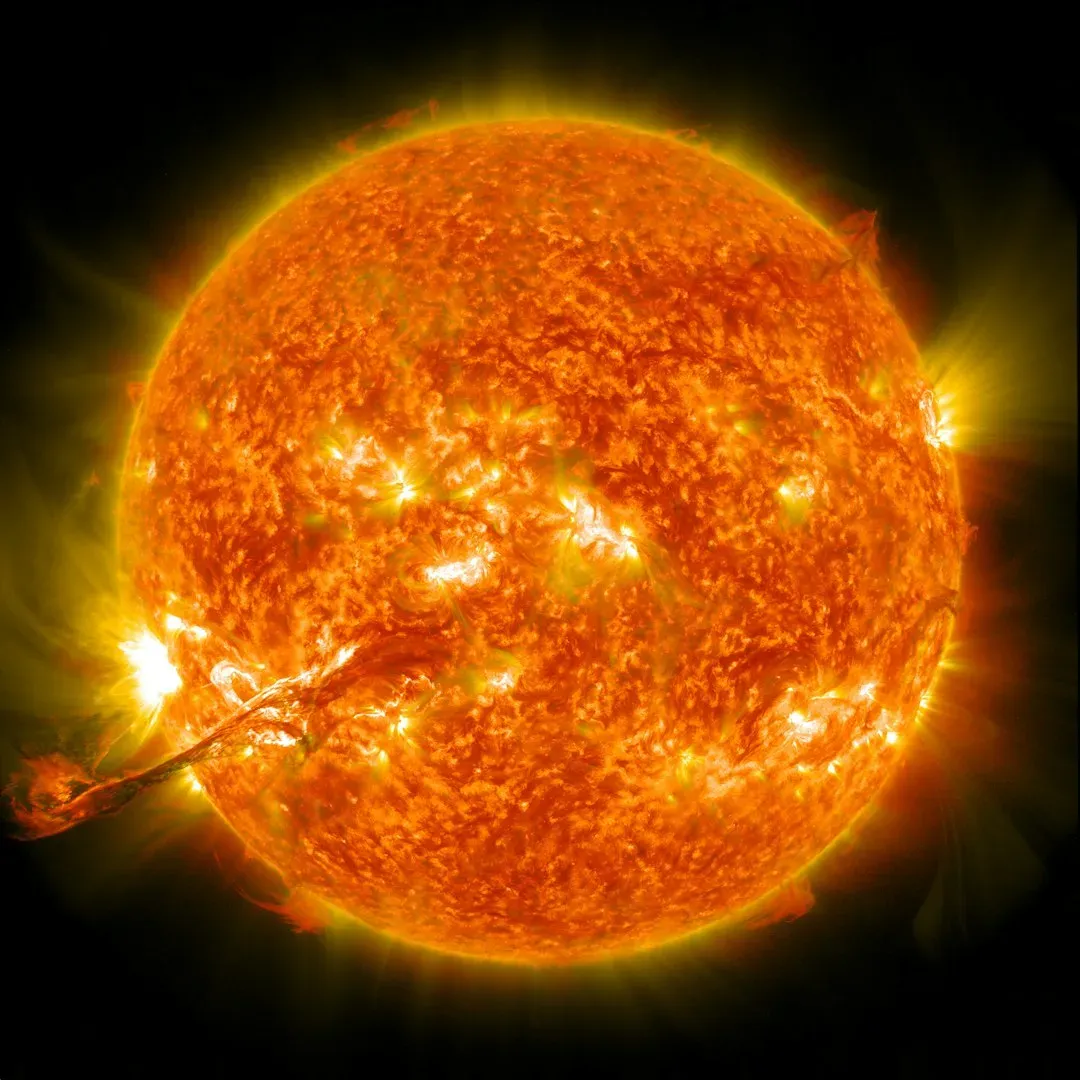
A theory suggests that all matter possesses some form of mind or consciousness, not just animals. This concept, which adherents call “panpsychism,” has existed for thousands of years and in its more crystallized form has been developing for the last few centuries. Though inklings of similar thought existed since ancient Greece, the term was coined in the 16th century by Italian philosopher Francesco Patrizi. Let’s be real: that sounds wild. Yet some serious thinkers have not entirely dismissed it.
The sun holds a high level of information about itself within its electromagnetic fields, and this information is integrated within the global electromagnetic field that pervades the heliosphere. According to Integrated Information Theory, the amount of information a system contains about itself depends on the number of possible states. Your brain works on the same basic principle, integrating signals from your entire body. The comparison is unusual. It is also unexpectedly hard to immediately disprove.
What Planetary Distress Actually Does to Your Mental Architecture

All awareness, thoughts, emotions, perceptions, memories, and actions, everything that encompasses your human capacity and reality, are mediated through the biological interface of your brain. While the source of consciousness remains a fundamental and elusive question, it is also inescapable that threats to biological health can compromise any and all aspects of psychological and neurological functioning, from the first moments of life.
Research makes the case that “planetary distress” is directly implicated in a collective increase in personal distress, and that multifaceted biological and psychological pressures are implicated in the mental health crisis and predisposition to numerous disorders in brain development, functioning, and aging. This, in turn, has implications for every aspect of health, capacity, and the very essence of human experience for generations to come. You are not just a person shaped by your childhood, your relationships, or your diet. You are also a biological entity shaped by the electromagnetic and energetic state of the planet you live on and the star your planet orbits.
Conclusion: You Are More Cosmic Than You Think
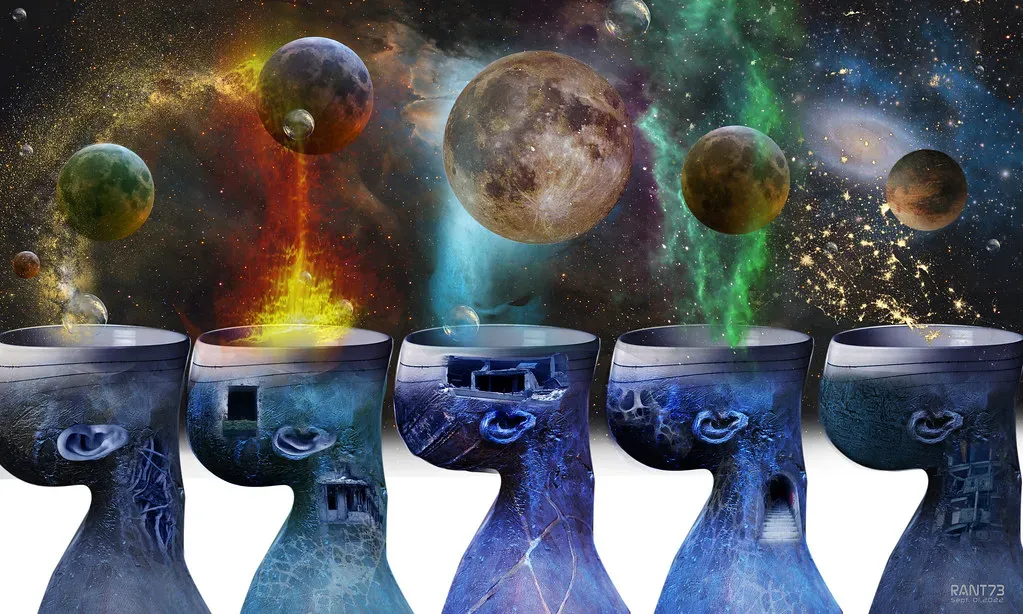
Here is what all of this points to, when you step back and look at the full picture. You tend to think of yourself as separate from the cosmos, living your life grounded in the here and now, but the truth is that you are deeply connected to the vast rhythms of the universe. When you recognize that you are not separate from these forces, you can begin to live with a greater sense of awareness and harmony.
Cosmic and solar energy do not just change Earth’s magnetic field. They also affect human physiology. Some aspects of these energies might subconsciously connect human beings across the world. Science has not yet handed us a clean, definitive answer about the full depth of this connection. It probably will not for some time. Yet the research is building, the evidence is accumulating, and the pattern keeps emerging: you are not isolated from the solar system. You were never really meant to be.
The most remarkable thing about all of this is not the science itself. It is the humbling reminder that your subconscious mind, that vast invisible ocean beneath your everyday thoughts, might have always been tuned to something far larger than yourself. So here is a thought to sit with: if the sun can shift your brain chemistry and the moon can alter your sleep without you ever noticing, what else might be quietly shaping who you are? What do you think? Tell us in the comments.